
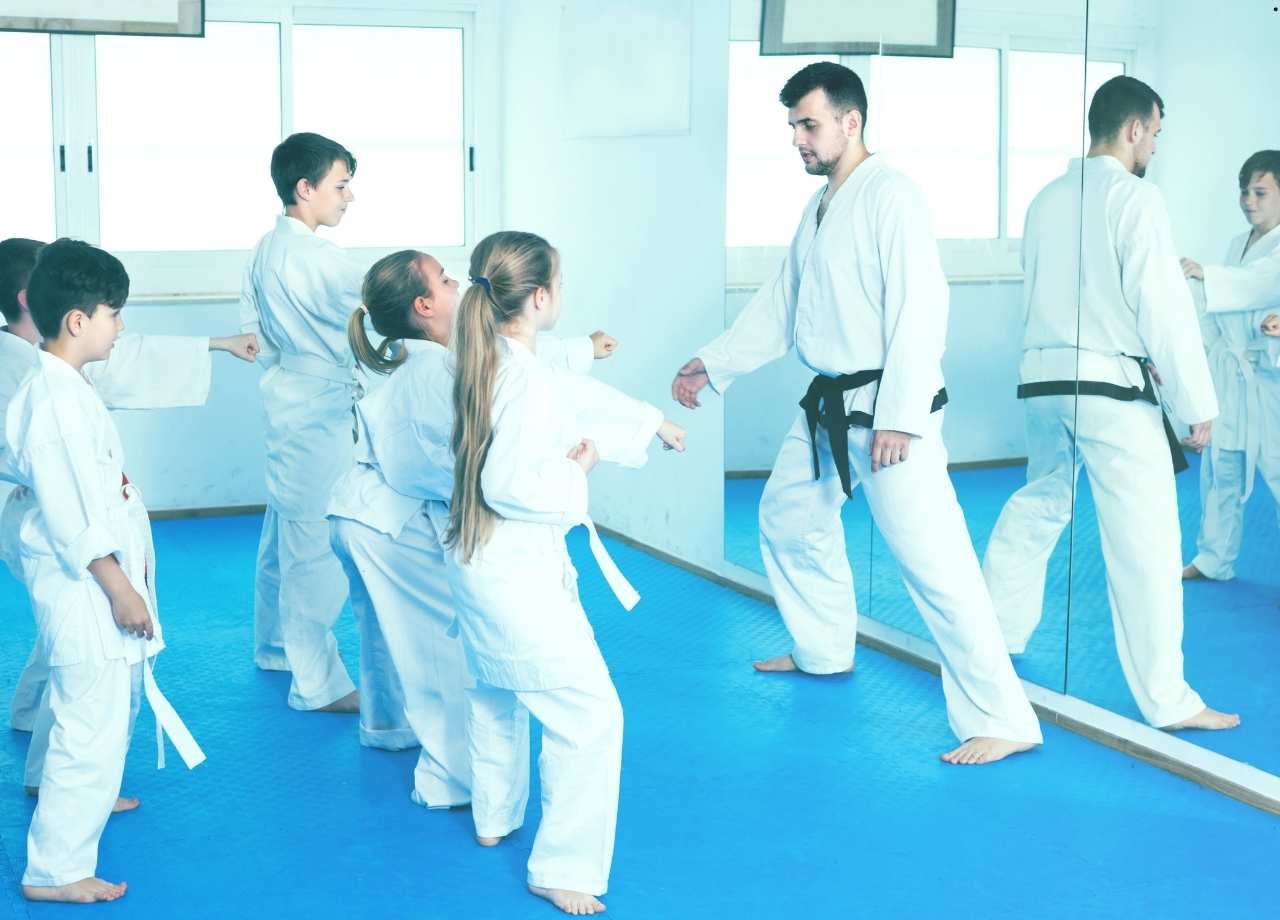
Taekwondo is more than just a martial art-it’s a gateway for kids to learn crucial life skills while having fun. Originating in Korea, Taekwondo has grown to become one of the most popular martial arts worldwide. For young learners, it offers a unique mix of physical activity, mental discipline, and social interaction, making it an excellent addition to any child’s routine.
The Essence of Taekwondo
At its heart, Taekwondo is built on five key tenets: courtesy, integrity, perseverance, self-control, and indomitable spirit. These aren’t just words; they guide the behavior and development of students. Courtesy teaches children to be polite and respectful, a skill that translates into better behavior at home and in school. Integrity shapes them into honest individuals, instilling a sense of right and wrong. Perseverance shows them the value of hard work and persistence, qualities that are essential in overcoming academic challenges. Self-control helps them manage their emotions, leading to better decision-making. Finally, the indomitable spirit encourages them to face difficulties with bravery and confidence, preparing them for life’s ups and downs.
These principles are woven into the fabric of Taekwondo training, ensuring that children learn these life skills naturally as they practice. Each class becomes a lesson not just in martial arts, but in how to navigate the world with grace and determination.
Physical Benefits of Taekwondo for Children
The physical benefits of Taekwondo are immediately noticeable. Children develop improved coordination, stronger muscles, and better flexibility. These are important not only for general health but also for building a foundation in any physical activity they choose to pursue later in life. The movements in Taekwondo, from kicks to blocks, enhance children’s motor skills and body awareness, which are crucial during their developmental years.
Regular Taekwondo practice also boosts cardiovascular health, which is important for maintaining energy levels and preventing childhood obesity. Moreover, the discipline of learning sequences of movements, known as forms or poomsae, sharpens the mind, enhancing memory and focus. This mental discipline is invaluable in educational settings as it helps children concentrate better on their studies and remain attentive in class.
Taekwondo also provides a structured environment where children can channel their energy in a positive manner. In today’s fast-paced digital world, where distractions are just a screen away, having a dedicated time for physical exercise can help reduce hyperactivity and promote a more balanced daily routine. The goal-oriented nature of Taekwondo, with its system of belts and levels, motivates children to set and achieve goals, which is a rewarding experience that builds self-esteem and confidence.
Psychological Advantages
The psychological benefits of Taekwondo are as significant as the physical ones. As children learn to kick, block, and strike, they are also developing a strong sense of self-esteem. Achieving new skills and earning belts provides a real boost to their confidence, which is crucial during the formative years when self-image begins to take shape. This growing confidence can spill over into other areas of life, making them more willing to raise their hand in class or take on new challenges without fear of failure.
Additionally, Taekwondo offers an excellent way for kids to manage stress. The focus required in class helps clear the mind, providing a mental break from daily pressures and worries that even young children can face. The physical exertion itself is a natural stress reliever, releasing endorphins and reducing levels of the stress hormone cortisol. This is particularly beneficial in promoting a calm and positive outlook.
Another key psychological benefit is the development of resilience. Through Taekwondo, children learn that falling down is part of life-and more importantly, so is getting back up. Each class offers opportunities to learn from mistakes, whether they miss a kick or don’t perform a form perfectly. This teaches them persistence and resilience, helping them understand that setbacks are not failures but chances to learn and grow.
Social Skills Acquired through Taekwondo
Taekwondo classes are also a great social environment for children. They get to meet and interact with peers who have similar interests, which can lead to friendships built on healthy, shared activities. The nature of the training also promotes teamwork. Even though Taekwondo can be practiced individually, many schools incorporate group forms and sparring, which teach kids how to work together and support each other.
Respect is a fundamental element in Taekwondo. Children learn to bow to their instructors and fellow students, which fosters a sense of respect for authority and peers. This respect extends beyond the dojang as children learn to appreciate the efforts of others and become more empathetic in their interactions. The discipline they learn in Taekwondo-such as waiting their turn to perform or listening while others are speaking-is invaluable and often noticed by teachers and parents in other settings as well.
The structured environment of Taekwondo also helps children learn about boundaries and personal space. During training, they learn to recognize and respect the physical space of others, which is an important social skill. This awareness helps prevent inappropriate behavior and makes them more considerate in crowded or public spaces.
Taekwondo and Discipline
The discipline that Taekwondo instills is perhaps one of its most beneficial aspects. Regular attendance, listening to the instructor, and following class rules all reinforce children’s understanding of the need for discipline in life. This structured approach teaches them the importance of consistency and commitment, which can improve their academic performance and general behavior.
Children in Taekwondo must also learn to control their impulses. The martial art requires that they only use their skills in the dojang or as a last resort for self-defense, never in anger or as a means of bullying. This control over their actions is a critical life skill, especially as they grow and encounter more complex social situations.
Moreover, the self-discipline developed through Taekwondo encourages a non-procrastinatory lifestyle. Children learn to prepare their uniforms, keep track of their equipment, and be ready to train, which can translate into better organizational skills at home and in school. They learn the value of preparing for the day ahead and the consequences of not being prepared, which teaches responsibility and the importance of planning.
Safety and Self-Defense
One of the practical skills Taekwondo imparts is self-defense. It teaches children to defend themselves in a controlled and responsible manner. The techniques they learn, from basic blocks to more advanced evasive maneuvers, provide them with tools to protect themselves if necessary. Moreover, the confidence gained through mastering these skills often acts as a deterrent to potential bullies.
The instructors also emphasize the importance of using these skills judiciously. Children learn that their training is for defense, not aggression. This responsible approach to self-defense can help them feel more secure and less fearful in potentially threatening situations, knowing they have the capability to protect themselves.
Incorporating Fun in Learning
Taekwondo isn’t all serious and disciplined training. Instructors often incorporate games and fun activities that still teach the core skills of the martial art. These enjoyable aspects help keep children engaged and enthusiastic about attending classes. Competitions and demonstrations also add an exciting dimension to their training, giving them something to aim for and an opportunity to showcase their skills in a supportive environment.

These activities not only make learning fun but also enhance the children’s motivation. They see these events as opportunities to demonstrate their progress and receive recognition for their efforts, which is a powerful motivator. Additionally, it’s a chance for them to see advanced practitioners in action, which can inspire them to continue their practice and strive for higher levels.
Why The Ballet Centre Dubai is Your Ideal Taekwondo Dojang
Choosing the right place to practice Taekwondo can make all the difference, and The Ballet Centre Dubai stands out as the perfect choice. With experienced, certified instructors who specialize in teaching children, the center provides a supportive and nurturing environment where young learners can thrive. The focus isn’t just on mastering Taekwondo techniques but also on fostering discipline, respect, and confidence-the core values of this martial art.
Conclusion
Taekwondo offers much more than just a physical workout. It’s a comprehensive approach to developing young minds and bodies, encouraging discipline, respect, and perseverance among many other virtues. Whether your child is looking to boost their confidence, learn self-defense, or simply be part of a vibrant community, Taekwondo could be the perfect activity. Why not visit a local dojang together? It could be the start of an exciting and rewarding journey for them.