
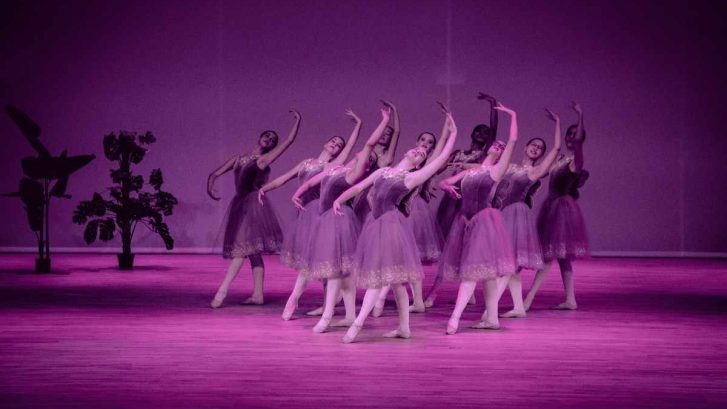
A six-year-old in a glittery headband stands on stage, waiting for her cue. She’s been practicing for weeks — memorizing lines, remembering when to twirl, when to sing, how to hold her gaze just long enough to tell the story. The lights go up, and her nervous smile transforms into something steadier, something brave. This is musical theatre class in motion. And behind the curtain is something far richer than stage directions and show tunes.
What children actually learn in musical theatre classes reaches far beyond performance. Yes, there’s music, movement, and acting. But there’s also teamwork, timing, empathy, confidence, discipline — the sort of things that quietly build strong foundations in young minds.
At Ballet Centre Dubai, musical theatre training begins as early as age five, in a warm environment where children explore creativity in a structured and encouraging setting. The classes combine singing, dancing, and acting into one integrated experience, which makes them incredibly fun — but also deeply valuable.
They Learn How to Be Part of a Team
A solo can be dazzling, but most moments in a musical involve working closely with others. Group numbers, scene transitions, even warm-up games require kids to listen, support, and sync with their classmates. For younger children, this is often their first encounter with ensemble thinking: being responsible not only for their role but also for how that role contributes to something bigger.
It’s not unusual for a teacher to stop a rehearsal to point out a missed cue, not with criticism but with the reminder that when one person is off, the whole group feels it. In those small reminders, children begin to understand accountability in a way that feels empowering rather than punishing.
They Discover Emotional Expression Without Fear
Musical theatre doesn’t shy away from feelings. A scene might call for exaggerated joy, deep sadness, awkward nervousness, or loud frustration — all within minutes. The stage becomes a place where emotions are safe, expected, and welcomed.
This kind of emotional literacy is especially meaningful for children who might struggle with expression in everyday settings. On stage, there’s permission to shout or cry or burst into laughter — in fact, it’s often required. Teachers at Ballet Centre Dubai guide students in accessing those feelings authentically, helping even the shyest children learn to speak up, literally and emotionally.
They Learn to Use Their Whole Body to Tell a Story
Musical theatre students aren’t just acting — they’re moving constantly. Whether it’s a choreographed tap routine or a gesture that matches a line of dialogue, they’re learning how to be physically expressive. This combination of movement and storytelling enhances coordination and body awareness.
The dance elements in musical theatre classes are closely tied to the Centre’s broader curriculum, where students often transition into ISTD Tap or Modern Dance. This crossover helps children develop strong technical skills while staying connected to the playful, imaginative world of performance.
They Strengthen Memory and Focus
Children might start a term unsure about even a single line. By the end, they’ve memorized entire scripts, choreography sequences, vocal harmonies — and they’ve done it in stages, practicing repetition, focus, and mental discipline. This kind of learning builds concentration skills that translate well into the classroom.
At Ballet Centre Dubai, children often prepare for annual performances or graded Trinity exams, which gives their learning a clear purpose. It’s not uncommon to see a once-distracted eight-year-old suddenly laser-focused, determined to remember the exact beat where she needs to freeze before the spotlight hits.
They Build Self-Trust and Stage Presence
There’s a small but powerful moment that happens when a child steps forward alone and begins to sing. It’s not always pitch-perfect. Sometimes their voice shakes or their hands fidget. But by the end of the term, that same child might beam with calm assurance, standing tall, hearing applause with pride.
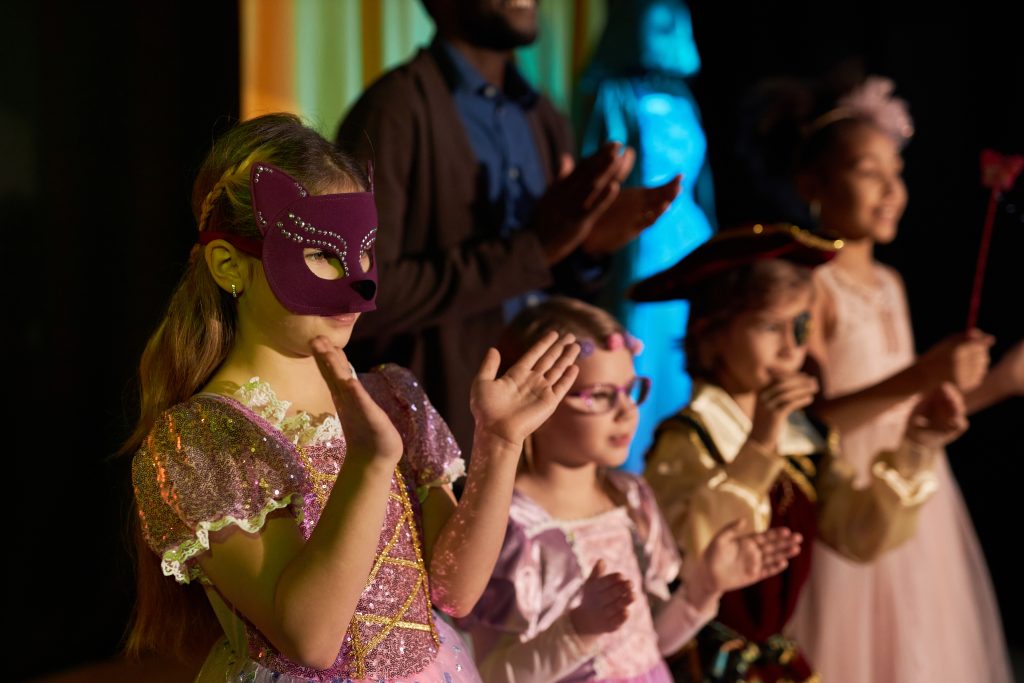
This transformation doesn’t happen overnight, and it isn’t the result of pressure. It’s the steady encouragement of teachers who know when to push and when to reassure. It’s the camaraderie of classmates who celebrate each other’s growth. It’s the Centre’s emphasis on nurturing confidence gently and consistently, not forcing it.
They Embrace Mistakes as Part of the Process
Every child forgets a line. Trips over their own foot. Comes in late on a song. And each time, they get back up, laugh it off, try again. Musical theatre classes normalize this — not in a careless way, but with the understanding that mistakes are expected and even useful.
This attitude, more than anything, sets young performers up for long-term resilience. They learn to bounce back, to revise, to trust the process of learning. Parents often say their children seem more self-assured outside class, better able to handle small setbacks at school or with friends.
They Gain Exposure to Culture and Language
Musical theatre is full of storytelling — and stories are full of language. Children build vocabulary as they read scripts, improve diction as they sing, and explore tone and inflection as they act. They also encounter a wide range of music styles, accents, and characters, broadening their exposure to different cultures and time periods.
The Centre’s theatre instructors often use excerpts from classic and contemporary shows, adapted for age-appropriateness. This variety introduces students to storytelling across different genres and helps them develop a deeper appreciation for language and rhythm.
They Find Joy in Performing — and in Practice
Not every student will pursue theatre long-term. That’s not the goal. What matters is the joy they find in the act of doing — in rehearsing, remembering, and then finally sharing their work with family and friends. That moment when the curtain rises and their hard work becomes something shared is often unforgettable.
At Ballet Centre Dubai, students often participate in year-end showcases that bring together the best of what they’ve learned. The audience includes smiling parents, proud teachers, and sometimes even their peers from other classes like RAD Ballet or drama. It becomes a shared celebration of effort, growth, and imagination.
For Parents Wondering What Comes Next
Musical theatre classes offer a foundation that supports children far beyond the stage. Whether they branch into more specialized classes — like vocal training, tap, or modern — or simply carry their experience into academic and social settings, the benefits remain.
The Ballet Centre offers trial classes for those curious to explore, with flexible payment plans and KHDA-approved programs. It’s a safe, welcoming place for children to experiment with self-expression and stretch their creative muscles. For families seeking something joyful, meaningful, and just the right amount of challenging, musical theatre often strikes that perfect chord.
If you’re considering enrolling your child, the best time to start is when they show curiosity. A song hummed at home, a character they love to imitate, a dance move they keep repeating — these small signs often hint at something deeper. With the right encouragement and environment, those sparks can turn into something lasting. Something that, like the six-year-old under the lights, grows stronger with each step into the spotlight.