Parents often have to choose between violin and fiddle lessons for their children when considering music lessons. Though the two instruments look similar, they offer unique experiences and benefits. This guide aims to shed light on these differences, helping you make an informed decision that aligns with your child’s interests and personality.
Understanding the Instruments
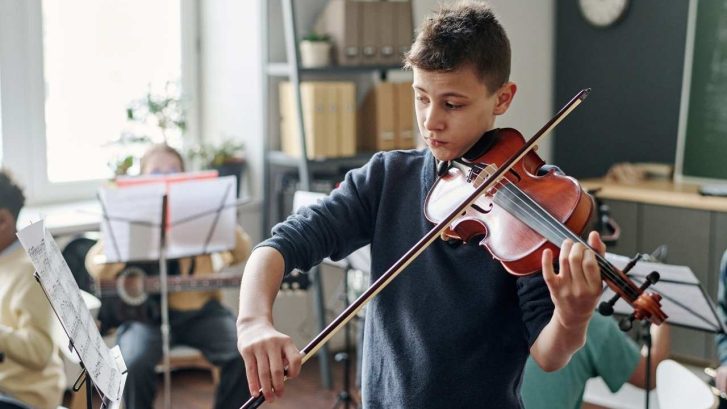
The violin, often associated with classical music, is revered for its refined tone and the rigorous discipline it demands from its players. This instrument has carved its niche in orchestras and solo performances worldwide. Its music is written in sheet form, which requires the player to read and interpret complex musical notations.
On the flip side, the fiddle, while physically identical to the violin, dances to the beat of a different genre. Fiddles are staples in folk music, particularly in styles like bluegrass and Celtic. The music here is more about tradition and often passed down by ear, allowing a more freestyle form of play. This distinction highlights not just a different musical style but also a different approach to learning and playing.
Physical and Technical Differences
The physical differences between a fiddle and a violin might not be apparent to the untrained eye, but they influence how each is played. Fiddles often have a flatter bridge compared to violins. This subtle change allows fiddlers to play three or four strings at once, producing a rhythmically dense sound typical of many folk tunes. In contrast, the violin’s curved bridge is designed for clarity and precision, facilitating the clean playing of one string at a time.
This setup reflects in the playing techniques as well. Violinists are known for their strict form, with precise bowing and finger placements, which is crucial for the complex compositions they perform. Fiddlers, however, enjoy more freedom to improvise, making their style more relaxed and personal. This difference in technique not only affects the sound produced but also the learning curve and enjoyment of the student.
Musical Styles and Repertoires
The repertoire of each instrument underscores the cultural lineage and the musical environment the student will immerse in. Violin classes typically explore a wide array of compositions from renowned composers like Bach and Mozart, offering students a rich foundation in classical music history and theory.
Fiddle music, however, tends to be more community-oriented and informal. It includes a variety of folk tunes that are often learned through listening and played in a group setting. This social aspect can be particularly appealing and beneficial for kids who thrive in less structured, more interactive learning environments.
Learning Outcomes for Kids
The benefits of music education extend well beyond mastering an instrument—they foster cognitive development, emotional maturity, and social skills. When deciding between violin and fiddle lessons, it’s important to consider how each instrument can uniquely contribute to your child’s growth.
Violin lessons often involve a structured learning environment, which can significantly enhance a child’s ability to concentrate and improve their detail-oriented skills. Reading music, for instance, requires attention to rhythm, pitch, and dynamics, all of which are crucial for developing mathematical and language skills. Moreover, the discipline required to master classical pieces on the violin teaches patience and perseverance, qualities that are beneficial in academic and personal pursuits.
In contrast, fiddle lessons can be particularly effective in boosting a child’s confidence and social interaction. Since fiddle music is frequently played in group settings like folk gatherings and family reunions, it encourages kids to connect with others through music. This communal aspect of fiddle playing helps children learn teamwork and social engagement, as they often play by ear and improvise with fellow musicians, fostering a sense of community and belonging.
Educational Approaches and Curriculum
The educational path for violin and fiddle students can differ significantly, influenced by the traditions and expectations associated with each style. Violin education typically follows a formal curriculum, which includes graded levels and standardized examinations. This methodical approach ensures a comprehensive understanding of musical theory, technique, and history, preparing students for performances in solo and ensemble settings.
Fiddle instruction, however, might not adhere to the same formal standards. It’s commonly taught in a more relaxed setting, where learning by ear is encouraged, and personal expression is valued over technical perfection. This approach can be particularly appealing to kids who prefer a more hands-on, interactive learning style. It allows them to experiment and express themselves creatively, making music education a fun and engaging part of their lives.
These differing educational styles mean that the choice between violin and fiddle lessons should be guided by a child’s learning preferences. Kids who thrive in structured environments may benefit from the systematic nature of violin classes, while those who enjoy learning through doing may find fiddle classes more rewarding.
Suitability Based on Interest and Personality
The decision between fiddle and violin classes often boils down to a child’s personal interests and personality. For a child fascinated by classical music and who shows an inclination towards disciplined study, violin lessons can be incredibly fulfilling. The intricate compositions and the challenge of mastering complex pieces can provide a profound sense of accomplishment.
Conversely, if a child shows a natural inclination towards a more relaxed atmosphere and enjoys being part of a group, fiddle lessons might be the better option. The lively tunes and the communal play encourage spontaneity and joy in music-making, traits that resonate with outgoing or socially driven children.
Moreover, the choice can also reflect a child’s adaptability and learning style. A child who is detail-oriented and appreciates a challenge might excel with the violin, whereas a child who enjoys improvisation and prefers a flexible learning structure might find more joy in playing the fiddle.
Performance Opportunities
The opportunities for performances also vary significantly between violin and fiddle lessons, impacting the kind of exposure and experience your child receives. Violin students often participate in formal recitals, competitions, and orchestra concerts. These events are excellent for teaching children about preparation, presentation, and the rewards of hard work. They also provide a platform for young musicians to showcase their skills in a structured environment, often bringing a sense of prestige and accomplishment.
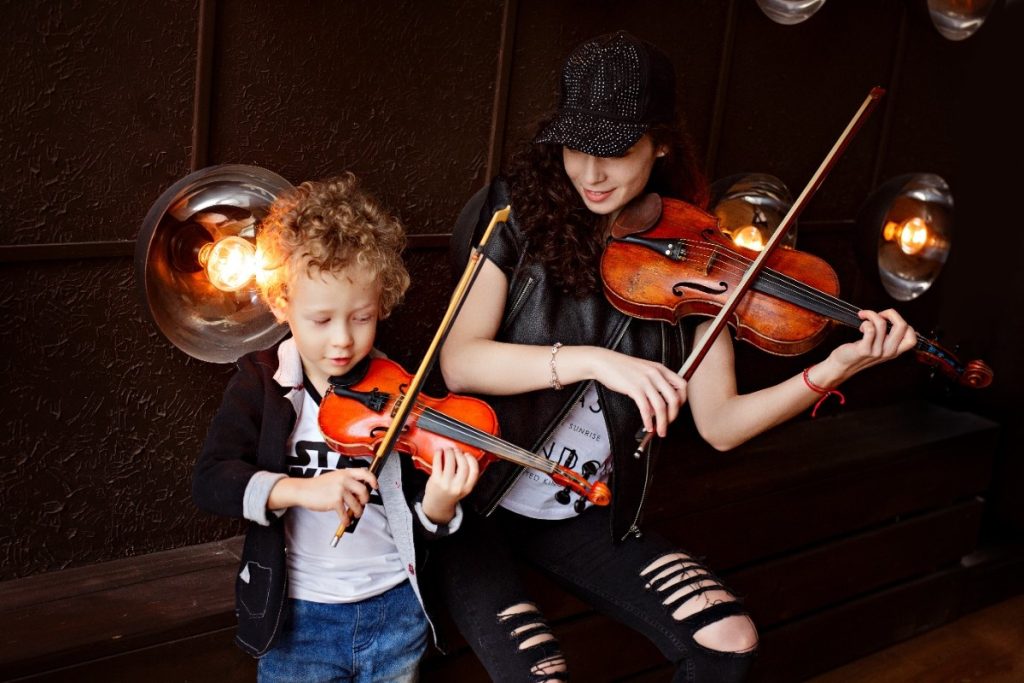
Fiddle players, on the other hand, often find their performance venues in more casual settings like folk festivals, community gatherings, and jam sessions. These informal venues offer a different kind of thrill and excitement. They encourage spontaneity and foster an environment where children can feel comfortable experimenting and enjoying themselves without the pressure of formal judgment. This type of performance is excellent for building social skills and a sense of community among players.
Community And Cultural Engagement
Engaging with a community through music can be profoundly impactful for children, and both the violin and fiddle offer distinct cultural connections. The violin is often associated with classical music and high cultural events, providing children with an opportunity to connect with a rich historical tradition and partake in a globally recognized form of artistic expression. This can be particularly enriching for children who have a deep appreciation for history and a keen interest in global cultures.
Conversely, fiddle playing is deeply rooted in local traditions and folk music. It connects players to their cultural heritage and the local community in a tangible way. This connection can be especially strong in areas with a rich folk music history, where fiddle music is a vibrant part of local festivities and community life. For children, this fosters a strong sense of identity and belonging, which can be invaluable during their formative years.
Pros And Cons Of Each For Kids
Every child is unique, and the best musical education for them should cater to their individual needs, interests, and personality. Violin lessons offer rigorous training that enhances discipline and technical skill, suitable for children who thrive in structured environments and seek to achieve a high level of musical proficiency. However, this can sometimes be demanding and potentially overwhelming for some.
Fiddle lessons, on the other hand, emphasize a more relaxed and communal approach to music learning. They allow for a greater expression of creativity and spontaneity, making them ideal for children who prefer a more laid-back and engaging environment. This can lead to a joyful experience of music but might lack the formal training and discipline that classical violin lessons offer, which some parents might value for their educational benefits.
The less formal structure of fiddle lessons can be a double-edged sword; while it encourages fun and innovation, it may not provide the same level of technical mastery or preparation for classical music careers. This could be a consideration if your child has professional aspirations in the classical music sphere.
Choosing between violin and fiddle lessons for your child involves more than just selecting an instrument; it’s about matching the learning style, personality, and interests of your child with the type of music education that will benefit them the most. Whether it’s the disciplined beauty of classical violin or the joyful community experience of the fiddle, each offers unique advantages that can enrich your child’s life.
Take some time to talk with your child about what excites them in music. Consider attending a few concerts or watching performances online to get a feel for each style. Most importantly, choose a path that feels rewarding and fun for your child, as a happy musician is always the best kind. Ready to explore the wonderful world of music with your child? Let’s pick up an instrument and start playing!