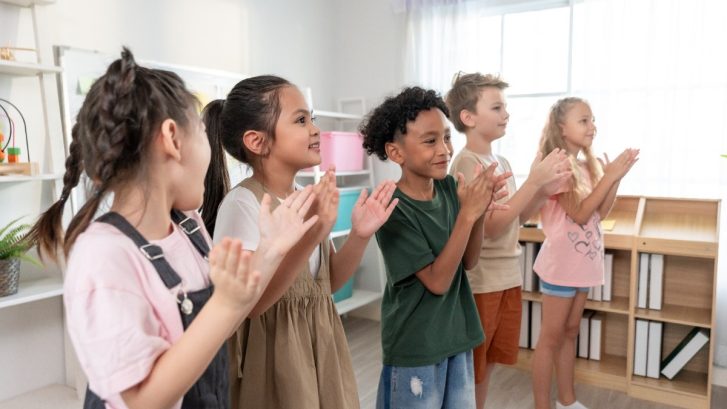
Engaging children in performing arts is more than just an extracurricular activity—it’s a powerful tool that enhances their development across several key areas. Whether your child takes an interest in music, dance, or drama, the skills they gain extend far beyond the stage.
The Benefits of Performing Arts for Children
When children participate in performing arts, they experience significant cognitive growth. Activities like memorizing lines for a play or following dance routines improve memory and concentration. These artistic endeavors also encourage children to solve problems creatively, which is a skill they can apply in academic settings and everyday life. For instance, figuring out how to express a character’s emotions or move to a piece of music fosters an innovative way of thinking that is highly valued in all walks of life.
Emotional and social development is another critical area where performing arts make a significant impact. Participating in a play or a dance recital can do wonders for a child’s confidence. Standing up in front of an audience teaches them courage and resilience, while the applause they receive builds their self-esteem. Moreover, the performing arts are a communal activity. Children learn to collaborate with their peers, navigate social interactions, and develop friendships that often last beyond the stage. They learn empathy by stepping into another person’s shoes, literally and figuratively, which enriches their understanding of diverse human emotions and situations.
Physical development is also a key benefit, especially in dance and theatre. These activities require a range of movements that help children improve their physical coordination, balance, and flexibility. Regular practice also promotes general fitness and health, which is essential during the formative years of a child’s growth.
Choosing the Right Discipline
Exploring the various forms of performing arts is the first step in recognizing where your child might thrive. Dance, music, and drama each offer unique experiences and cater to different interests and abilities. For example, a child who enjoys storytelling and character play may find their niche in drama, while one who is always moving and grooving could be more suited to dance.
Assessing your child’s interests can be as simple as noting what they are drawn to during their free time. Do they enjoy banging on pots and pans, or do they often make up stories and roles for themselves and their toys? These observations can guide you towards understanding which performing art might engage them the most.
However, practical considerations also play a role. Not all programs are created equal, and factors such as cost, time commitment, and the proximity of classes can all influence your decision. It’s important to find a balance between nurturing your child’s artistic interests and managing other responsibilities and commitments.
Getting Started with Performing Arts
Once you have a sense of which performing art aligns with your child’s interests and your logistical needs, finding the right program is crucial. Look for schools that not only teach the skills but also foster a supportive and encouraging environment. Speak with instructors and other parents to get a feel for the community and ethos of the program. Are the teachers passionate and knowledgeable? Is there a focus on not just performance, but also on learning and enjoyment?
Starting at home is also a great way to cultivate an interest in the arts. Simple activities like playing music at home, creating DIY costumes, or setting up a mini stage for impromptu performances can spark an interest and build excitement around the arts.
Overcoming Challenges
One of the most common issues children face in performing arts is stage fright. The fear of performing in front of an audience can be daunting. It’s natural for a child to feel nervous about sharing their work with others, whether it’s their first recital or their tenth. Encouraging your child to express their feelings and fears without judgment allows them to confront these emotions rather than avoid them. Practicing performances in a safe and familiar environment can help alleviate some of this anxiety by making the unfamiliar, familiar.
Frustration is another challenge, especially when children struggle to master a particular skill or feel they aren’t keeping up with their peers. This is where the role of parents becomes crucial. It’s important to emphasize effort over perfection and to celebrate small victories along the way. Reminding your child that every artist progresses at their own pace helps maintain their motivation and keeps the focus on personal growth rather than comparison.
Peer pressure can also play a role in how children feel about participating in the arts, particularly as they grow older. Friends might influence their views on what activities are “cool” or worth their time. Here, parents can help by reinforcing the value of following one’s interests and passions, regardless of what others may think. Highlighting stories of successful people who overcame similar pressures can also provide a fresh perspective and encouragement.
The Role of Performing Arts in Overall Child Development
The impact of performing arts goes beyond the immediate skills learned. It plays a significant role in the overall development of a child, shaping them into well-rounded individuals. Through performing arts, children learn to communicate more effectively, not only through words but through non-verbal expressions as well. They develop a sense of rhythm and timing, which helps in all forms of communication.
Moreover, the arts provide a unique outlet for emotional expression. Children often struggle with how to express complex feelings, and performing arts give them a way to explore and express these emotions safely and constructively. Whether it’s through a dramatic character or a soulful dance, the arts can be a conduit for understanding and managing emotions.
The collaborative nature of most performing arts also teaches children about teamwork and respect for others. Working together towards a common goal, such as a theater production or a dance recital, fosters a sense of community and belonging. These experiences teach children how to listen, share ideas, and support their peers, which are invaluable life skills.
Supporting Your Child Through Challenges
Parents play a crucial role in helping children navigate the ups and downs of their artistic pursuits. Being actively involved, whether by attending rehearsals and performances or discussing their progress and setbacks, shows that you value their efforts and dedication. This support is a powerful motivator for children, reinforcing that their pursuits are worthwhile.
Another way to support your child is by creating a structured routine around their arts practice. Consistency helps build discipline, which is essential for artistic growth. However, it’s also important to ensure that this routine does not become burdensome. Balancing practice with free play and relaxation prevents burnout and keeps the joy in the artistic journey.
Finally, providing emotional support when things get tough is key. Listen to your child’s concerns and take them seriously. Help them strategize ways to overcome obstacles, whether they need more practice, different techniques, or just a break. Your involvement and encouragement can make a profound difference in their artistic journey and personal development.
The Role of Performing Arts in Overall Child Development
Performing arts play a critical role in nurturing well-rounded individuals. These activities help children develop crucial life skills, such as time management, responsibility, and the ability to work under pressure. As children engage in regular rehearsals and live performances, they learn to manage their time effectively, prioritize tasks, and perform well even in stressful situations—skills that are valuable in academic settings and future careers.
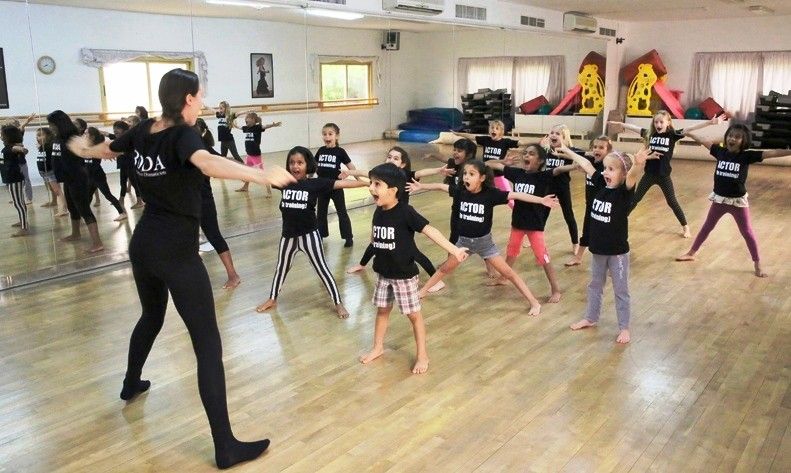
Moreover, the arts instill a deep sense of cultural appreciation. Children exposed to different types of music, dance, and drama gain an understanding of and respect for diverse cultures and traditions. This broadened worldview can inspire creativity and innovation, and foster a lifelong appreciation for the arts and humanities.
Conclusion
Performing arts offer a multifaceted benefit to children, aiding their development in emotional, social, and cognitive realms. By participating in these activities, children not only enhance their artistic skills but also cultivate important personal qualities and life skills.
If your child shows any interest in the arts, why not explore local performing arts schools like the Ballet Centre Dubai or community programs? It could be the first step in a rewarding journey that contributes significantly to their growth and development. Dive in, and watch them flourish in ways you might never have anticipated!