

Introducing your child to the world of music through the flute can be a rewarding decision that impacts their development in profound ways. The flute, with its melodious tones and historical significance, is not just an instrument but a tool that can help shape your child’s cognitive, emotional, and social abilities.
The Benefits of Learning the Flute
When children begin to play the flute, they’re not just learning to make music; they’re embarking on a journey that enhances their cognitive development. The act of reading music sheets transforms into a complex exercise in memory and concentration as they must remember various note positions and fingerings while also processing rhythmic timing and pitch variations. This musical multitasking effectively exercises the brain, leading to improved overall mental function.
Moreover, playing the flute can be a significant emotional outlet. The soft, soothing sounds produced can serve as a form of emotional expression, providing children with a way to communicate feelings they might not yet have the words for. This emotional fluency can be a great source of comfort and a healthy way to manage feelings of stress or sadness.
Socially, the flute opens up numerous doors for engaging with others. Whether it’s joining a school band, a community orchestra, or just participating in group classes, children gain opportunities to meet and collaborate with peers who share similar interests. This interaction helps nurture essential social skills like teamwork, communication, and empathy, as they work together to create harmonious music.
Choosing the Right Flute for Your Child
Selecting the appropriate flute is crucial in ensuring that your child’s musical experience is both enjoyable and conducive to learning. Flutes come in various sizes and types, each suitable for different age groups and levels of proficiency. For younger children, a lightweight flute with curved head joints can make playing easier and more comfortable, reducing strain on their developing bodies.
Materials also play a significant role in selecting a flute. Options range from durable nickel silver flutes for beginners, which are easier to handle and maintain, to more advanced silver flutes that produce a richer sound but require more careful handling. When considering a flute, think about your child’s commitment level and your budget, as these factors will guide you in choosing an instrument that’s a good fit for both your child’s needs and your financial considerations.
Getting Started with Flute Lessons
Once the perfect flute has been chosen, the next step is finding a suitable teacher. A good teacher does more than instruct; they inspire and adapt their teaching methods to fit the individual learning style of each student. Look for teachers with experience teaching young students and a gentle, encouraging teaching style that aligns with your child’s personality and musical goals.
Setting up a practice routine is also essential. Regular practice is key to progression but it’s important to keep the routine flexible and fun. Encourage your child by setting realistic practice times and celebrating small achievements along the way. This not only helps in building their skills but also their confidence and enjoyment of playing.
Overcoming Common Challenges
Learning to play the flute comes with its own set of challenges, particularly for younger students. The physical aspects of playing, such as mastering the correct finger placement, breath control, and maintaining the right posture, can be demanding. It’s normal for children to feel a bit overwhelmed at first as they coordinate their fingers, breathe, and read music simultaneously.
To help your child overcome these physical hurdles, it’s crucial to ensure they have access to a properly sized flute. A flute that is too large or too heavy can make learning difficult and uncomfortable. Encourage them to take frequent breaks during practice sessions to prevent fatigue and frustration. Also, investing in a few lessons focusing solely on posture and breathing techniques can provide a solid foundation that makes the other aspects of playing much easier to manage.
Motivation is another common challenge. It’s natural for enthusiasm to wane, especially when progress seems slow. To keep your child motivated, set small, achievable goals that lead to a sense of accomplishment. Celebrate these milestones, no matter how small, with a special treat or a day off from practice. Additionally, incorporating a variety of music genres that they enjoy can keep the practice sessions fresh and exciting. Listening to accomplished flutists or attending live music performances can also reignite their passion and provide a burst of inspiration.
The Role of Parents in the Musical Journey
As a parent, your role in your child’s musical journey is pivotal. Your support and encouragement can make a significant difference in their musical education. Show genuine interest in their progress by attending their recitals and practice sessions. Listening to them play and providing positive feedback is crucial, even if you’re not musically inclined yourself.
Being involved doesn’t mean you need to hover over every practice session, but being present at key moments to celebrate their progress or to comfort them when they’re struggling can help them persevere. Remember, the goal is to help your child build confidence and independence through their musical journey, so offering support without imposing too much pressure is key.
Encourage other family members to get involved as well by having them attend recitals or performances. Creating a family environment that values music can further inspire your child and make them feel proud of their achievements.
Making Flute Practice Fun and Engaging
Keeping flute practice enjoyable and engaging is essential for sustaining interest and commitment. Consider integrating technology, like apps and online tutorials, that make learning interactive and fun. These tools often use games and challenges that can help sharpen skills in a playful and engaging way.
Another approach is to let your child have a say in the music they play. While classical music is a significant part of flute learning, introducing them to contemporary songs or movie soundtracks can diversify their practice sessions and keep them engaged. Occasionally, let them choose a piece to learn; this gives them a personal stake in their practice and makes the process more rewarding.
Group lessons or ensembles are also fantastic for making music socially enjoyable. Playing with others not only improves musical skills but also enhances social skills. It introduces an element of teamwork and gives them an opportunity to connect with peers who share their interests.
Support and Encouragement from Parents
Your involvement in your child’s flute journey is more than just logistical; it’s emotional. Kids often look to their parents for cues on how to react to new challenges. If you show excitement and positivity about their progress and efforts, it reinforces their own desire to continue and improve. Make it a point to listen to them practice occasionally without giving criticism, showing that you value their effort over perfection.
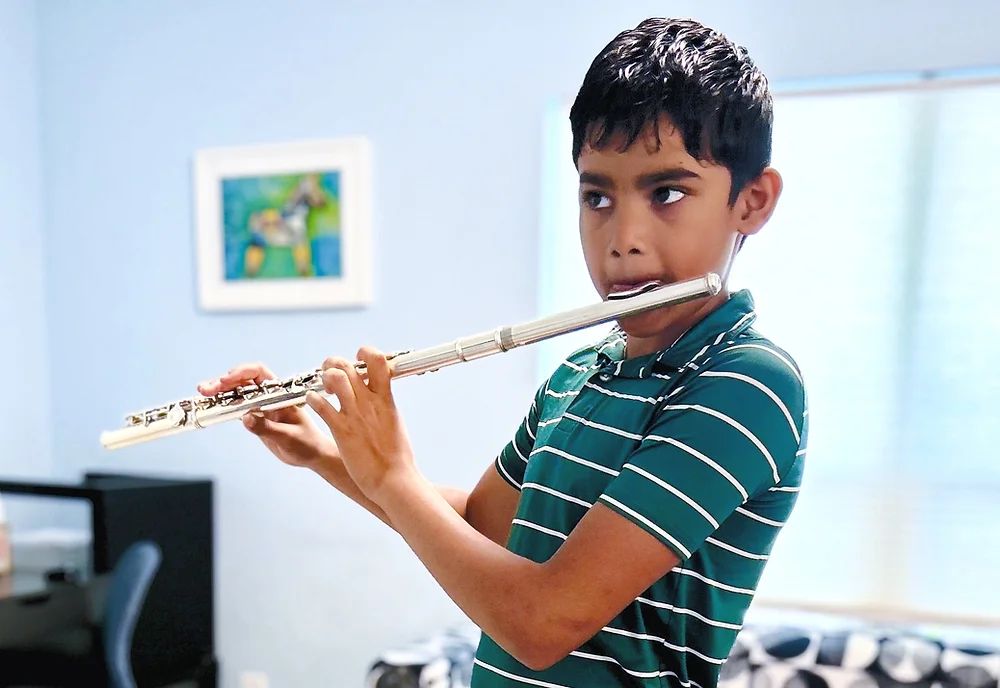
Creating a musical atmosphere at home can also be very beneficial. Play a variety of music, not just flute music, to foster an appreciation for different genres and instruments. This broader musical exposure can enhance your child’s understanding and enthusiasm for music as a whole.
Practical Parental Involvement
Besides emotional support, practical involvement is also crucial. Help your child keep track of practice times and ensure they have a quiet, comfortable place to practice. You might also need to coordinate with music teachers and stay on top of their music-related events. Taking an active role in managing the logistical aspects of your child’s musical education can help them focus more on the joy of playing and less on the stresses of scheduling and preparation.
Why the Ballet Centre Dubai Is Perfect for Young Flutists
At the Ballet Centre Dubai, children are not just learning to play the flute—they’re stepping into a nurturing environment designed to inspire creativity and foster growth. With experienced instructors who specialize in teaching young musicians, the Centre combines technical expertise with a fun and engaging approach.
The focus isn’t just on playing notes but on developing a deeper appreciation for music, building confidence, and encouraging self-expression. Whether your child is a beginner or looking to refine their skills, the Ballet Centre provides a supportive space equipped with resources to help them thrive musically and personally.
Conclusion
The flute can be a wonderful entry point into the world of music for your child, providing not just skills in music but also enhancing personal growth and development in many subtle ways. From cognitive benefits to emotional and social growth, the skills gained through this journey extend far beyond the music room.
So why not explore flute lessons for your child? It’s a chance to ignite a lifelong passion for music and give them the tools to express themselves in unique and fulfilling ways. Plus, it’s an opportunity for you to bond with your child over shared musical experiences. Let’s make music a valuable part of their world, contact us today.