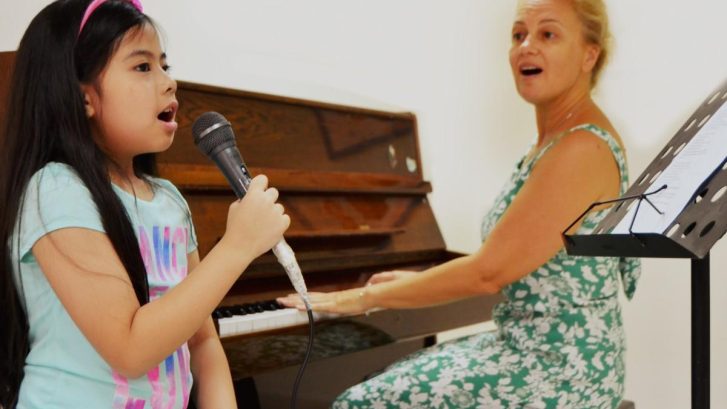
Music plays a vital role in the development of children, offering not just a form of expression but also a means to enhance their cognitive, emotional, and social abilities. Singing lessons, in particular, can be a powerful tool to cultivate these skills from a young age. By starting early, children can grow their talents in a way that feels both natural and enjoyable.
The Cognitive, Emotional, and Social Benefits of Singing
Singing is much more than just a musical skill. For young learners, it acts as a multi-faceted educational experience that touches on several aspects of personal development. On the cognitive front, engaging with music helps children improve their memory and concentration skills. Learning lyrics, melodies, and rhythms requires a level of focus that is transferable to academic settings. Furthermore, singing involves language skills, which aids in the development of communication abilities and linguistic diversity.
Emotionally, singing can be profoundly impactful. It provides a safe space for children to express their feelings and can be a great outlet for emotions. This form of expression helps children understand and manage their feelings better, building emotional intelligence that will serve them throughout their lives. The act of performing can also boost self-esteem and confidence, teaching youngsters to trust their abilities and appreciate their own voices.
Socially, singing lessons often involve group activities that require cooperation and interaction. Children learn to work as part of a team, listen to each other, and share the spotlight. Such interactions can enhance empathy and understanding, as they recognize and appreciate the diverse abilities and contributions of their peers. Group performances can also forge strong bonds among participants, creating a community of young musicians who support and motivate one another.
Adapting Techniques for Different Age Groups
The approach to teaching singing varies significantly with the age of the learners. For toddlers, the focus should be on making music fun and engaging. Simple songs, repetitive patterns, and lots of movement help keep young children captivated. Teachers should encourage them to enjoy the sound of their voices without worrying about precision or technique.
As children grow older, more structured lessons come into play. For those in the primary school range, it’s about building a foundation. Teachers can introduce basic musical concepts such as pitch, rhythm, and scales. Children at this stage are more capable of handling structured activities and can begin to practice more consistently. This is also an ideal time to encourage practice at home, integrating music into their daily routines.
Teenagers, on the other hand, might be interested in refining their skills and perhaps even pursuing music more seriously. For them, singing lessons can be tailored to include advanced techniques, such as breath control and vibrato, as well as opportunities to choose their pieces and explore different musical styles. This age group can handle more direct feedback and take on personal responsibility for their musical growth.
Choosing the Right Instructor
Finding the right singing teacher is crucial. The instructor’s qualifications are important, but so is their ability to connect with children. Each teacher has a unique style, and it’s important that their approach matches the learning style of the student. For instance, a very young child might need a teacher who is playful and energetic, whereas a teenager might benefit from someone who is more technically focused and detail-oriented.
The personality fit is just as essential as teaching style. A good rapport between teacher and student can make the difference in how engaged and motivated the student is. Trust, respect, and communication are key components of a productive teacher-student relationship.
Structuring Singing Lessons for Optimal Engagement
When planning singing lessons for children, the structure of each session can make a big difference in how much they enjoy and benefit from the experience. The length and frequency of lessons should be carefully considered based on the child’s age. Young children often do best with shorter, more frequent lessons that keep their attention without overwhelming them. As kids get older, they can handle longer sessions where more complex skills are developed.
It’s important to strike the right balance between theory and practice in these lessons. While it’s essential for young singers to understand musical concepts, too much theory can become tedious. Practical, hands-on experience is what really fuels their passion for music. Engaging them with interactive singing activities, playful competitions, and even digital tools like apps or games that teach music theory can help maintain their interest.
Technology has become a great ally in modern music education. Apps that provide real-time feedback on pitch and rhythm, or software that allows students to record and listen to themselves, can be incredibly beneficial. These tools make learning more interactive and fun, and they’re something kids can use outside of lessons, deepening their engagement with singing.
Handling Challenges and Setbacks
Learning to sing isn’t always smooth sailing, and it’s normal for children to face challenges along the way. One common issue is performance anxiety. Many children feel nervous about singing in front of others, especially in a recital or competition setting. To help them manage these fears, it’s crucial to create a supportive environment where they feel safe and encouraged. Simple techniques like deep breathing exercises or visualization can also be taught to help them calm their nerves.
Keeping children motivated over the long term is another challenge. The novelty of learning to sing can wear off, especially if they feel they aren’t progressing or if lessons become repetitive. To combat this, teachers and parents need to keep things lively and engaging. This might mean changing up the song selections, incorporating games into lessons, or setting up small, informal performances where children can show off what they’ve learned without the pressure of a big audience.
Vocal health is another important area that sometimes gets overlooked. Young voices are delicate, and it’s easy for kids to strain them by singing too loudly or for too long. Educating children on how to use their voices safely is crucial. This includes teaching proper breathing techniques, how to warm up their voices, and recognizing when they need to take a break.
Measuring Progress and Success
For children, seeing that they are making progress in their singing can be a big boost to their confidence and motivation. It’s important for teachers and parents to set clear, achievable goals for them, whether it’s mastering a new song, improving their pitch accuracy, or performing in front of an audience. These goals should be tailored to the child’s age and skill level so they feel attainable.
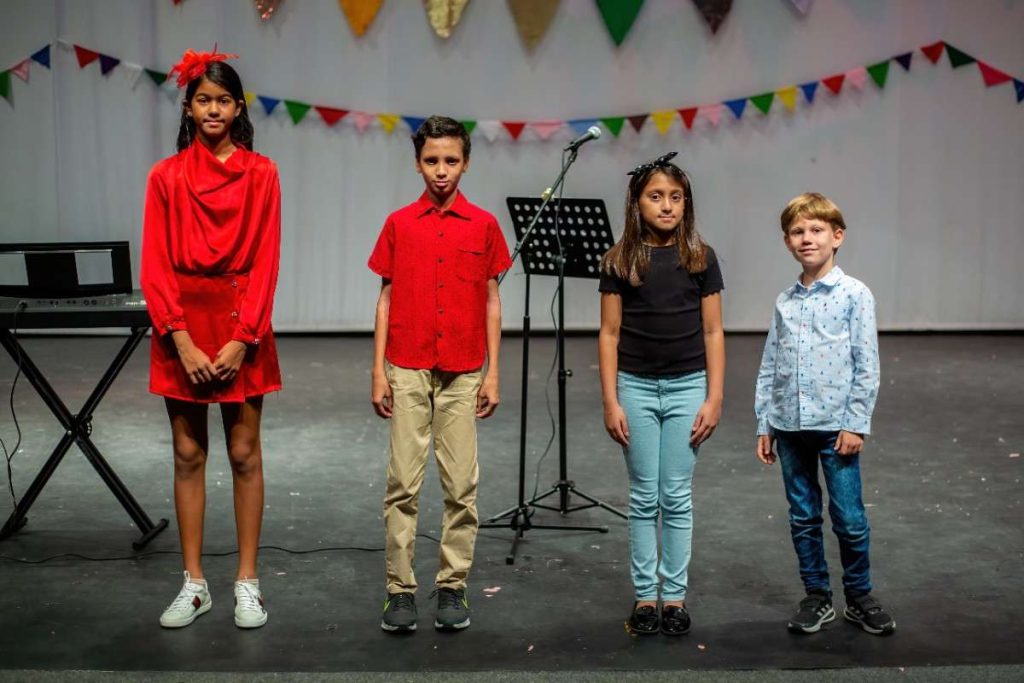
Feedback is a vital part of learning to sing. It needs to be constructive and focused on specific areas for improvement. For example, rather than saying a performance was just “good” or “bad,” a teacher might point out how the child has improved their breath control since their last lesson, and suggest focusing next on enunciation.
Celebrating milestones is just as important as setting them. When a child achieves a goal, no matter how small, taking the time to celebrate that achievement can make them feel valued and proud of their efforts. This doesn’t always mean big rewards; often, simple recognition and praise from their teacher or parents are enough to reinforce their desire to continue and succeed in their singing journey.
Learn With The Best
The Ballet Centre Dubai, with its decades of experience in arts education, is an excellent choice for children interested in learning music. Their music programs, including singing lessons, are thoughtfully designed to foster both talent and confidence in young learners. Combining professional instructors with a nurturing environment, the Ballet Centre provides a foundation for children to explore and develop their musical abilities while building essential life skills.
Conclusion
Singing lessons offer more than just musical training for children. They are a gateway to developing valuable life skills like confidence, self-expression, and perseverance. For parents considering this enriching activity for their children, it’s important to choose the right program that focuses not only on musical growth but also on personal development. With the right instructor and a supportive environment, your child can truly flourish both as a singer and an individual.
If you’re looking to nurture your child’s talent and see them grow in confidence and skill, why not explore local singing lessons? It could be the start of a rewarding journey that goes far beyond the music.