

The flute has enchanted listeners for centuries, producing a sound that is both delicate and powerful. Its history stretches across cultures, evolving from simple reed instruments to the sophisticated silver flutes heard in orchestras today. While many recognize the standard concert flute, fewer are familiar with the range of flutes that exist, each offering a distinct voice and character.
Early Beginnings of the Flute
The flute is one of the oldest musical instruments in human history. Some of the earliest flutes, made from animal bones, date back more than 40,000 years. These simple instruments, discovered in regions such as Germany and China, had holes carved into them to change pitch.
Ancient civilizations adapted the flute in unique ways. In Egypt, depictions of flutes appear in tomb paintings, showing musicians playing vertical flutes similar to today’s recorder. The Greeks and Romans used flutes in theatrical performances, often favoring side-blown designs. Meanwhile, in China, the dizi became a key instrument in traditional music, incorporating a thin membrane over one of its holes to produce a resonant, buzzing sound.
Across South America, the pan flute emerged as a central instrument in Andean music. Constructed from bamboo pipes of varying lengths, the pan flute is played by blowing across the tops of the pipes. In Japan, the shakuhachi, a bamboo flute with a deep, breathy tone, became associated with Zen Buddhist meditation. These early flutes, despite their differences in construction, share a common purpose—providing a voice for melodies that have been passed down through generations.
Evolution into the Modern Flute
In medieval and Renaissance Europe, the flute underwent major transformations. Wooden flutes with six finger holes were commonly played by shepherds and traveling musicians. As musical styles became more complex, instrument makers experimented with additional holes and keys, allowing for a greater range of notes and dynamics.
By the Baroque period, the flute had established itself as an essential instrument in chamber music and orchestras. Composers such as Johann Sebastian Bach wrote intricate flute compositions, requiring musicians to master delicate finger work and expressive phrasing. These early flutes were made entirely of wood, producing a warm, mellow sound distinct from modern metal flutes.
The most significant leap in flute design came in the 19th century, when German inventor Theobald Boehm introduced a revolutionary key system. His cylindrical metal flute, featuring a complex arrangement of keys and pads, made it easier to play in tune while expanding the instrument’s dynamic range. This design became the foundation for the modern concert flute, now played in orchestras, bands, and solo performances worldwide.
Different Types of Flutes
While the standard concert flute is the most commonly played, the flute family includes a variety of instruments, each with its own unique sound and role in music.
- Concert Flute – The flute used in most classical and contemporary music settings. Typically made from silver or nickel, it has a bright, clear tone and spans three octaves.
- Piccolo – A smaller, higher-pitched flute that plays an octave above the concert flute. Its piercing sound cuts through large orchestras, making it ideal for dramatic, energetic passages.
- Alto Flute – Larger than the concert flute, the alto flute produces a lower, more mellow tone. It is often used in film scores and jazz, adding warmth to ensembles.
- Bass Flute – With its deep, resonant voice, the bass flute is less common but highly valued in flute choirs and contemporary compositions.
- Native American Flute – A wooden flute with a haunting, expressive sound, traditionally used in indigenous storytelling and spiritual ceremonies.
- Bamboo Flutes – Found in cultures across Asia and Africa, bamboo flutes are known for their natural, earthy tone. Instruments like the bansuri (India) and shakuhachi (Japan) have been played for centuries.
Each type of flute brings a distinct voice to music, allowing musicians to explore different styles and emotions.
The Flute’s Role in Different Musical Styles
The flute’s adaptability has made it a favorite across many genres. In classical music, it shines in orchestral works, chamber ensembles, and solo performances. Composers such as Mozart, Debussy, and Prokofiev wrote beautiful flute pieces that showcase its lyrical and technical capabilities.
In jazz, the flute gained popularity in the mid-20th century, with artists like Herbie Mann and Hubert Laws blending its airy tone with syncopated rhythms. Brazilian music, particularly bossa nova and samba, also features the flute prominently, adding a light, flowing texture to the melodies.
Folk music has embraced the flute for centuries. From Irish tin whistles playing lively reels to Andean pan flutes echoing through mountain landscapes, flutes bring an organic, expressive quality to traditional melodies. In world music, they often serve as a bridge between cultures, blending effortlessly with stringed and percussion instruments.
Learning the Flute: A Rewarding Journey
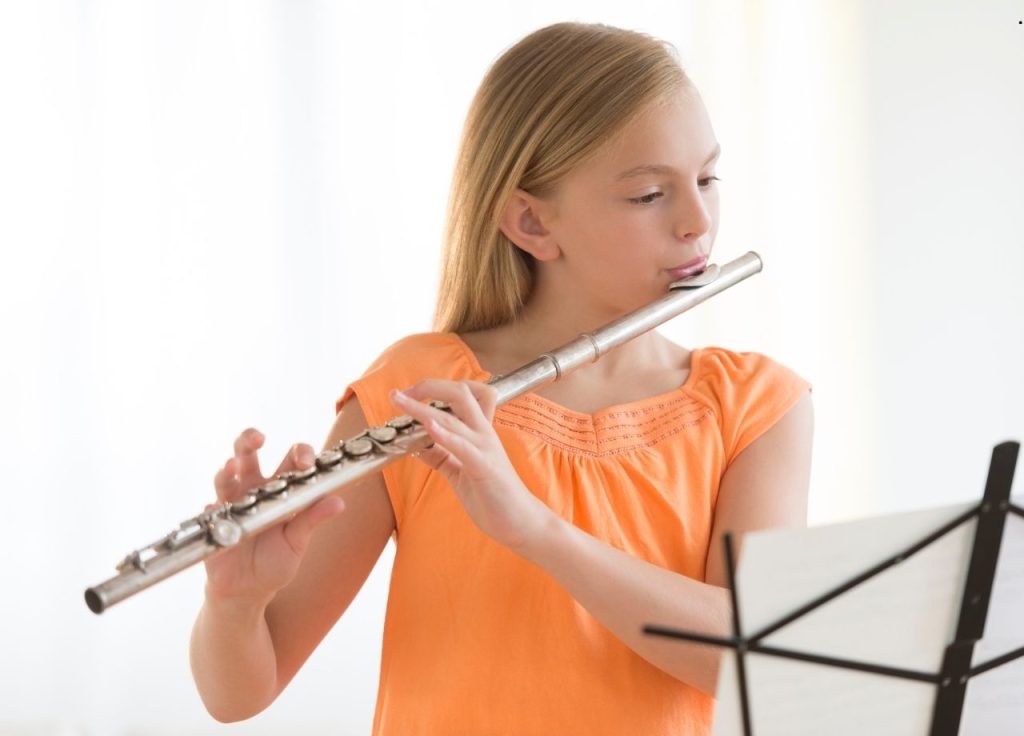
Playing the flute requires strong breath control, finger coordination, and ear training. Young learners start by mastering the basics—proper embouchure (mouth positioning), breathing techniques, and simple melodies. As they progress, they refine their articulation, tone quality, and dynamic control.
Music education offers numerous benefits beyond just learning an instrument. Studies have shown that playing the flute improves lung capacity, memory, and concentration. It also nurtures patience and discipline, as mastering the instrument requires regular practice and dedication.
Parents interested in introducing their child to the music can take advantage of free trial lessons at Ballet Centre Dubai. These sessions provide a chance to experience the instrument firsthand and meet experienced instructors. A supportive learning environment makes all the difference in a child’s musical journey, encouraging them to develop their talents with passion and dedication.
The Timeless Appeal of the Flute
Few instruments carry the rich history and emotional depth of the flute. From ancient bone flutes to modern silver concert models, it has remained a symbol of artistic expression. Its delicate yet powerful voice continues to inspire musicians and audiences alike, transcending time and cultural boundaries.
For those drawn to its enchanting sound, learning the flute is a deeply rewarding experience. Whether playing in an orchestra, a jazz band, or simply for personal enjoyment, the flute offers endless possibilities for musical exploration. With the right guidance, every student has the potential to develop their own unique voice through this remarkable instrument.