
Learning to play the piano is one of the most rewarding skills a child can develop. It encourages creativity, enhances cognitive abilities, and builds confidence. Many parents wonder if the piano is an easy instrument for children to learn and how long it might take for them to start playing real music.
The answer depends on a variety of factors, including the child’s age, interest, and the quality of instruction they receive. Some children seem to pick it up naturally, while others may take a little longer to develop the coordination and rhythm needed to play fluently. Regardless of the learning speed, the piano remains one of the most accessible instruments for young beginners.
Why the Piano is a Great Choice for Children
Unlike instruments that require complex techniques to produce sound, such as the violin or trumpet, the piano is simple in its mechanics. Press a key, and it immediately produces a clear note. This instant gratification can make the learning process more enjoyable for young students, as they don’t have to struggle with finger placement or embouchure just to hear a proper sound.
The piano’s layout also makes it visually intuitive. The arrangement of white and black keys follows a repeating pattern, making it easier for children to recognize notes and understand basic music theory. Compared to instruments where finger positions change based on pitch, such as the guitar or violin, the piano offers a clearer structure that helps children grasp musical concepts more quickly.
How Early Can a Child Start Learning Piano?
Some parents introduce their children to music as early as three or four years old. While it’s possible to begin at this age, most formal lessons are more effective once a child reaches five or six. At this stage, they typically have better finger strength, hand coordination, and attention span—three essential elements for successful piano learning.
That said, there is no universal “right age” to start. Some children are ready earlier, while others might benefit from waiting until they show genuine interest. A great way to gauge readiness is to see if a child enjoys experimenting with sounds and rhythms. If they naturally gravitate toward keyboards or musical toys, they may be eager to explore formal lessons.
What Makes Learning Easier?
A Positive Introduction
The first few piano experiences set the tone for the entire learning process. If lessons feel too rigid or overwhelming, a child may lose interest before they have the chance to develop a connection with the instrument. Early lessons should be engaging, allowing children to explore different sounds, play simple melodies, and develop an appreciation for music.
At Ballet Centre Dubai, our piano instructors focus on making lessons enjoyable rather than intimidating. Instead of diving straight into technical exercises, young learners are introduced to music in a way that feels natural and fun. Whether through familiar songs or creative games, the goal is to ensure that children look forward to their lessons.
The Right Teaching Approach
Children learn best when lessons are adapted to their individual pace. A structured yet flexible teaching style helps them stay engaged without feeling pressured. Some students enjoy a traditional approach with classical pieces, while others prefer a more playful method that incorporates storytelling and imagery.
Teachers who specialize in early childhood music education know how to balance structure with creativity. By keeping lessons lighthearted while gradually introducing technique, they help children develop confidence without frustration.
Consistent Practice Without Pressure
One of the biggest challenges parents face is encouraging regular practice without turning it into a battle. Children often resist practice sessions if they feel forced, but they respond well to routines that are framed positively.
Short, frequent practice sessions work best—around 10 to 15 minutes a day for beginners. Rather than focusing on perfection, the goal should be to build a habit. Some parents find that setting up a dedicated practice space helps create a sense of routine. Others use creative motivation, such as letting their child pick a favorite song to learn or recording their progress to celebrate small achievements.
How Quickly Do Children Learn Piano?
The speed at which a child progresses depends on multiple factors, including age, natural ability, and practice consistency. However, most children can start playing simple songs within a few weeks of lessons. By six months, they typically develop better finger coordination and can play short pieces with both hands.
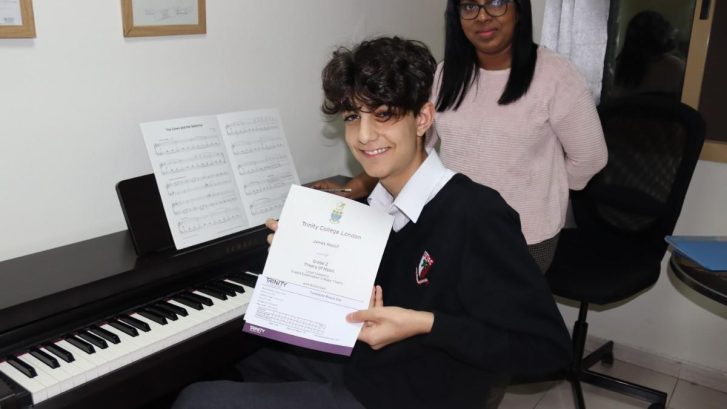
For children who continue learning for a year or more, the progress becomes even more noticeable. They begin to read music fluently, play more complex pieces, and develop a sense of rhythm and expression. Those who take exams, such as the ABRSM or Trinity assessments offered at Ballet Centre Dubai, have a structured way to measure their progress and set goals for improvement.
The Confidence Boost That Comes with Learning
One of the most valuable benefits of learning the piano is the sense of accomplishment it provides. Even playing a short melody gives children a feeling of success. This builds confidence that extends beyond music, helping them develop patience, focus, and perseverance.
Performing in front of family or at recitals can be a major confidence booster as well. At Ballet Centre Dubai, students have opportunities to showcase their progress in a supportive environment. These small performances help children become comfortable with public expression, a skill that benefits them in many aspects of life.
Common Concerns Parents Have
Is It Necessary to Have a Piano at Home?
While having a full-sized piano is ideal, a keyboard can be a great alternative for beginners. The most important thing is access to an instrument for regular practice. Many modern keyboards offer weighted keys that mimic the feel of an acoustic piano, making them a good starting point.

What If My Child Loses Interest?
It’s normal for children to go through phases of enthusiasm and reluctance. The key is to make piano lessons feel enjoyable rather than like an obligation. Sometimes, changing the style of music, introducing duets, or allowing them to explore creative compositions can reignite their excitement.
How Can I Support My Child’s Learning?
Parents don’t need to be musicians to encourage their child’s progress. Simply showing interest, listening to their practice, and celebrating small achievements can make a big difference. Attending their recitals or sitting with them while they play can also strengthen their motivation.
Choosing the Right Learning Environment
The experience a child has with learning the piano depends greatly on where and how they learn. A positive, nurturing environment can turn lessons into something they eagerly anticipate each week.
At Ballet Centre Dubai, piano lessons are designed to be engaging, tailored to each child’s learning style, and led by experienced instructors who make the process enjoyable. Whether a child is interested in playing for fun or working toward formal exams, they receive guidance that supports their growth at every stage.
For parents considering piano lessons for their child, trial classes offer a chance to experience the learning process firsthand. This allows children to explore the instrument in a structured yet enjoyable way, helping them discover whether piano is something they would love to pursue.
Final Thoughts
Piano is one of the easiest instruments for children to start with, thanks to its logical layout and immediate sound production. With the right approach, even young beginners can pick up simple songs quickly. More importantly, learning the piano fosters patience, confidence, and a lifelong appreciation for music.
For parents looking for a supportive learning environment, Ballet Centre Dubai offers piano lessons that blend structured learning with creativity, making music an exciting journey rather than a chore. Whether a child dreams of playing classical pieces or simply enjoys experimenting with melodies, the right guidance can make all the difference in their musical journey.