Some children can hum a tune before they speak in full sentences. Others show an early fascination with instruments—tapping rhythms on tables, plucking rubber bands to imitate strings, or pausing whatever they’re doing when music plays. These small signs matter. They can be the first quiet steps on a long and rewarding path.
But talent alone doesn’t build a musician.
Behind every confident performance, there are hours of repetition, moments of frustration, tiny victories, and steady progress. The journey is rarely fast. It begins with curiosity and grows through structure, consistency, and encouragement. And in most cases, it starts at home—with a parent’s decision to nurture that spark.
Starting Early, Starting Right
Children absorb music long before they understand it. Exposure in early years shapes their sense of rhythm, pitch, and tone in ways that formal instruction alone can’t replicate later. That’s why many families choose to introduce music as part of a child’s everyday routine. But when that curiosity becomes focused—when a child wants to learn piano, violin, or voice—it’s time to offer something more structured.
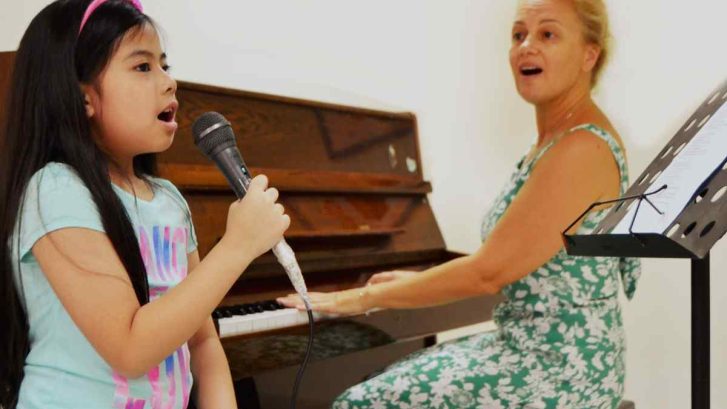
At Ballet Centre Dubai, private and group lessons are available in piano, violin, voice, and more, taught by experienced instructors following international syllabi like Trinity and ABRSM. These aren’t casual sessions; they’re carefully designed to match each student’s pace, and they include regular feedback and exam preparation.
Many parents are surprised to find that the first few lessons aren’t about playing songs but learning how to sit, how to hold the instrument, how to listen. This slow build is crucial. It gives the student the physical foundation and mental habits needed to move forward with confidence.
Progress Isn’t Always Linear
Some weeks feel like breakthroughs. Others feel like plateaus. This is true for adults as much as for children. But young learners, especially, need guidance through the quieter stages—the ones where improvement is hard to see.
That’s where a supportive teacher makes all the difference.
One parent recently shared how their daughter nearly gave up piano after struggling with sight-reading. Instead of pushing her, the teacher at Ballet Centre Dubai suggested switching temporarily to a duet format—allowing the student to play alongside her teacher using simplified scores. Within a month, her confidence returned. She began reading with ease and even chose to sit her Grade 1 Trinity piano exam later that year. She passed with distinction.
That’s not luck. That’s experience paired with patience.
And when that kind of teaching is combined with a warm, low-pressure environment—one where children don’t feel they have to be perfect—it sets the stage for lasting growth.
Practice That Feels Natural
One of the biggest challenges isn’t learning the music itself—it’s learning how to practice. Most children won’t sit down at the same time every day and focus for 30 minutes without help. That doesn’t mean they’re not serious about music. It just means they need a routine that fits who they are.
Some practice best in short bursts—ten minutes before breakfast and ten after school. Others like to play their assigned pieces once, then improvise something of their own. Both approaches can work. The trick is helping the child stay connected to their instrument, without turning it into a chore.
At the Ballet Centre, teachers often work closely with parents to develop these habits gradually. Some even send short practice videos after class so the student can review the key points at home. Others create reward charts for younger learners or suggest apps that make scales and theory more engaging.
When children feel ownership over their music, they’re more likely to return to it, day after day.
Performing Without Fear
Not every child will want to be on stage, but giving them the chance to share their music with others is an important part of growing as a musician.
At Ballet Centre Dubai, annual recitals offer that chance. These performances aren’t competitions; they’re celebrations. Students perform in a professional setting, supported by their peers, instructors, and family members. Some play solo. Others join small ensembles. All gain something—whether it’s poise, confidence, or just the thrill of applause.
One student who began voice lessons at the Centre at age 9 was so shy she barely spoke above a whisper. Her teacher started with breathing exercises, pitch games, and expressive reading—not songs. It took six months before she sang a full verse aloud. Two years later, she stood on stage and sang a classical piece in Italian, beaming under the lights. Her parents said they barely recognized her.
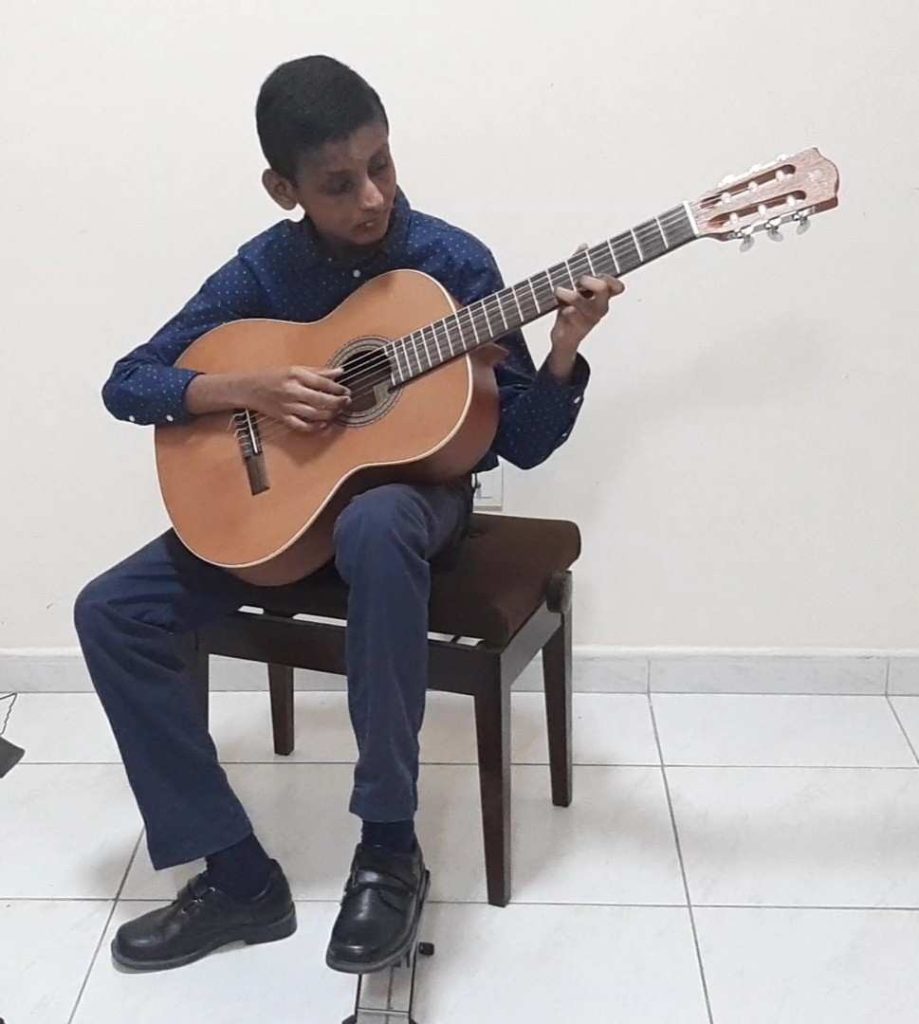
Music gives children the opportunity to express themselves in ways words can’t. When they feel safe doing that, something changes. They carry that self-belief into other parts of their lives—school, friendships, even sports.
Exams: A Goal, Not a Measure
Parents often ask whether their child should take music exams. The answer depends on the student’s goals. Exams provide structure and milestones. They can also open doors to scholarships and advanced study later on. But they shouldn’t become the only reason to learn.
At Ballet Centre Dubai, students are welcome to prepare for Trinity College London and ABRSM exams in piano, violin, voice, and theory. But participation is never forced. Teachers advise based on readiness—not just technical skill, but emotional preparedness too.
One student might thrive under the focus of exam prep. Another may prefer learning a wider range of songs without the pressure of a date on the calendar. Both paths are valid.
What matters more is that students stay connected to their music, and that parents support whatever pace feels right for them.
The Long View
It’s tempting to hope for fast progress—quick songs, early grades, applause. But becoming a musician isn’t about speed. It’s about building a relationship with music that deepens over time.
Some children start strong, then take breaks. Others move slowly, then suddenly accelerate. And some simply enjoy the process—learning, playing, and growing—without any need to perform or compete.
What they all need is encouragement, structure, and a space where they feel safe to explore.
At Ballet Centre Dubai, music is one part of a wider creative community. Students studying ballet or drama often take music classes too, enriching their understanding of timing, emotion, and expression. Families appreciate the flexible scheduling, KHDA-approved curriculum, and the opportunity to try a class before committing. But more than that, they value the warmth—the feeling that every student matters.
Learning music isn’t just about producing sound. It’s about learning how to focus, how to listen, how to persist, and how to express joy.
That journey starts with a single note. And often, a parent willing to say: Let’s try.