

When we think about the skills that help children succeed in school and beyond, subjects like math and reading come to mind. However, the arts, particularly drama and acting, also play a crucial role in developing essential cognitive, emotional, and social skills. Engaging children in drama classes not only nurtures their artistic talents but also equips them with tools to navigate their academic and personal lives.
The Role of Drama In Child Development
Drama classes offer more than just an opportunity to act out; they provide a playground for the mind. Here, children learn to express themselves creatively and imaginatively, which is vital in developing their cognitive abilities. The process of interpreting scripts, embodying characters, and executing performances encourages children to think critically and creatively. These skills are transferable to academic subjects, enhancing their ability to understand complex concepts and think outside the box.
Furthermore, acting requires kids to recall lines, directions, and cues. This exercise in memory can significantly improve their academic performance, as the skills used to memorize scripts are similar to those used in learning new information in school. Moreover, by engaging in drama, children learn to view situations from multiple angles, fostering a more flexible and comprehensive approach to problem-solving. This skill is particularly valuable in today’s fast-paced and ever-changing world.
Emotional and Social Development Through Drama
One of the less talked about yet profoundly impactful aspects of drama is its ability to foster emotional maturity. Participating in drama and acting classes allows children to explore their own emotions through the characters they play. This exploration helps them understand complex feelings and how to express them appropriately. It’s a safe environment where they can express sadness, anger, joy, and fear in a controlled setting, which teaches them about emotional regulation and expression.
Moreover, drama inherently involves putting oneself in another’s shoes. For children, this act of embodying different characters can significantly enhance their empathy. Understanding and portraying a character’s emotions and motivations encourage children to understand others’ feelings and viewpoints in real life. This development of empathy is crucial for building healthy interpersonal relationships and thriving in social settings.
Additionally, drama classes are usually group activities where children must work together to achieve a common goal, whether it’s performing a play or practicing a drill. This setting promotes essential social skills such as teamwork, communication, and cooperation. Children learn to listen actively, speak clearly, and collaborate with others, which are vital skills in both school and later in life.
Confidence and Self-Esteem
One of the most noticeable changes in children who participate in acting and drama classes is their growing confidence. Standing on a stage, even in front of a small group, can be intimidating at first. However, as children continue to perform, they become more comfortable being in the spotlight. With each performance or practice session, they gain a sense of accomplishment, which boosts their self-confidence.
The key to this transformation is the environment that drama creates. It’s a space where children are encouraged to take risks, make mistakes, and learn from them. When they succeed in delivering a line or mastering a scene, the applause or positive feedback from peers and teachers reinforces their belief in their abilities. This confidence doesn’t just stay on stage-it transfers to other areas of their lives, from classroom presentations to social interactions.
In addition, drama classes help children overcome shyness. For children who are naturally introverted, playing a role allows them to step out of their comfort zone in a fun, low-pressure way. By pretending to be someone else, they feel less self-conscious, and gradually, this courage carries over into their daily interactions. The more they practice speaking in front of others, the more confident they become, not just in their acting abilities but in themselves as individuals.
Physical Benefits
Drama isn’t just about words and emotions-it involves physical movement too. Acting classes often include exercises that teach children how to use their bodies to express themselves. This could be anything from miming actions to performing choreographed dance moves as part of a play. Such activities help improve their physical coordination and motor skills, essential for overall health and development.
Moreover, children learn valuable skills like voice projection and clarity of speech. These are not only important for their performances on stage but also enhance their verbal communication skills in everyday life. Learning how to modulate their voice helps children speak more effectively, making them better understood and more confident in expressing their ideas and opinions.
Acting and drama also involve a significant amount of physical stamina and endurance, especially during long rehearsals and performances. Children gradually build their physical endurance, which can improve their performance in physical education and other sports. Plus, the discipline and concentration required during these activities are skills that benefit students academically as well.
Cultural Awareness And Appreciation
Participating in drama classes exposes children to a variety of cultural narratives and histories. Whether they are performing Shakespeare, a modern American drama, or a traditional folk play from another country, they are introduced to diverse stories and perspectives. This exposure is invaluable for developing a deeper understanding of different cultures and social issues.
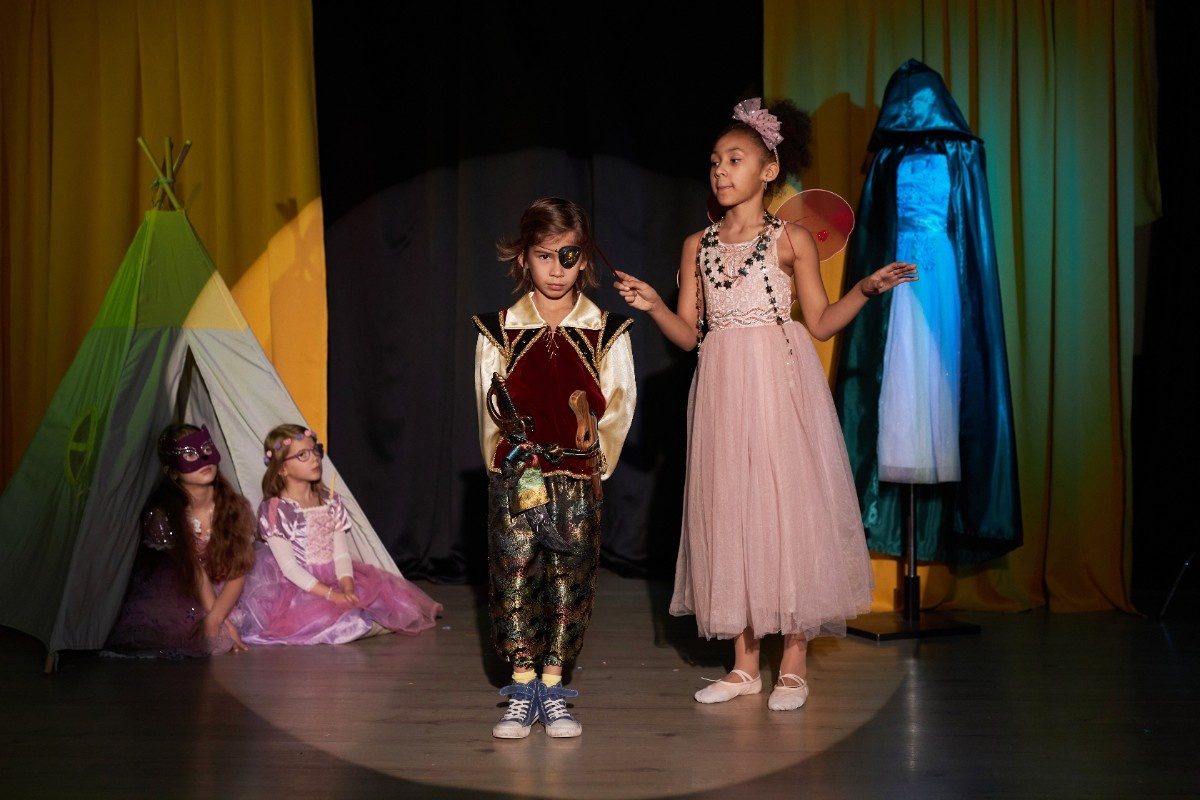
Drama encourages children to think critically about the roles they play and the stories they tell. They learn about the social, historical, and cultural contexts of the plays they perform, which enriches their knowledge and appreciation of different artistic expressions. This not only educates them about the world but also fosters a respect for diversity and a curiosity about different ways of life.
Furthermore, by studying and performing plays from various cultures, children learn to appreciate the arts as a universal form of expression that transcends cultural boundaries. This appreciation can inspire them to explore other art forms and cultural expressions, further enriching their education and personal growth.
Practical Insights: Implementing Drama In Everyday Learning
Integrating drama into children’s daily activities doesn’t have to be a grand production. Parents and educators can include simple acting exercises and games in everyday routines to help develop the skills discussed earlier. For example, using role-play during story time can turn a reading session into an interactive drama lesson, encouraging children to express themselves and engage with the material in a lively way.
For parents looking to reinforce these benefits, consider enrolling your child in a local drama class or workshop. These programs are specifically designed to nurture young talents and hone their skills in a structured environment. When choosing a program, look for one that balances performance with skill development, ensuring that children receive both the joy of performing and the educational benefits.
Conclusion
Drama classes offer children a platform to express themselves, understand others, and engage with the world in a meaningful way. The skills developed through acting, ranging from improved self-confidence to enhanced cultural awareness, prepare children for personal and academic success. If you’re a parent or educator, why not give drama a chance? Encouraging your children to step onto the stage could be the key to unlocking a world of opportunities. So, let’s get those curtains open and the lights shining bright on the next generation of confident, articulate, and culturally aware individuals.