
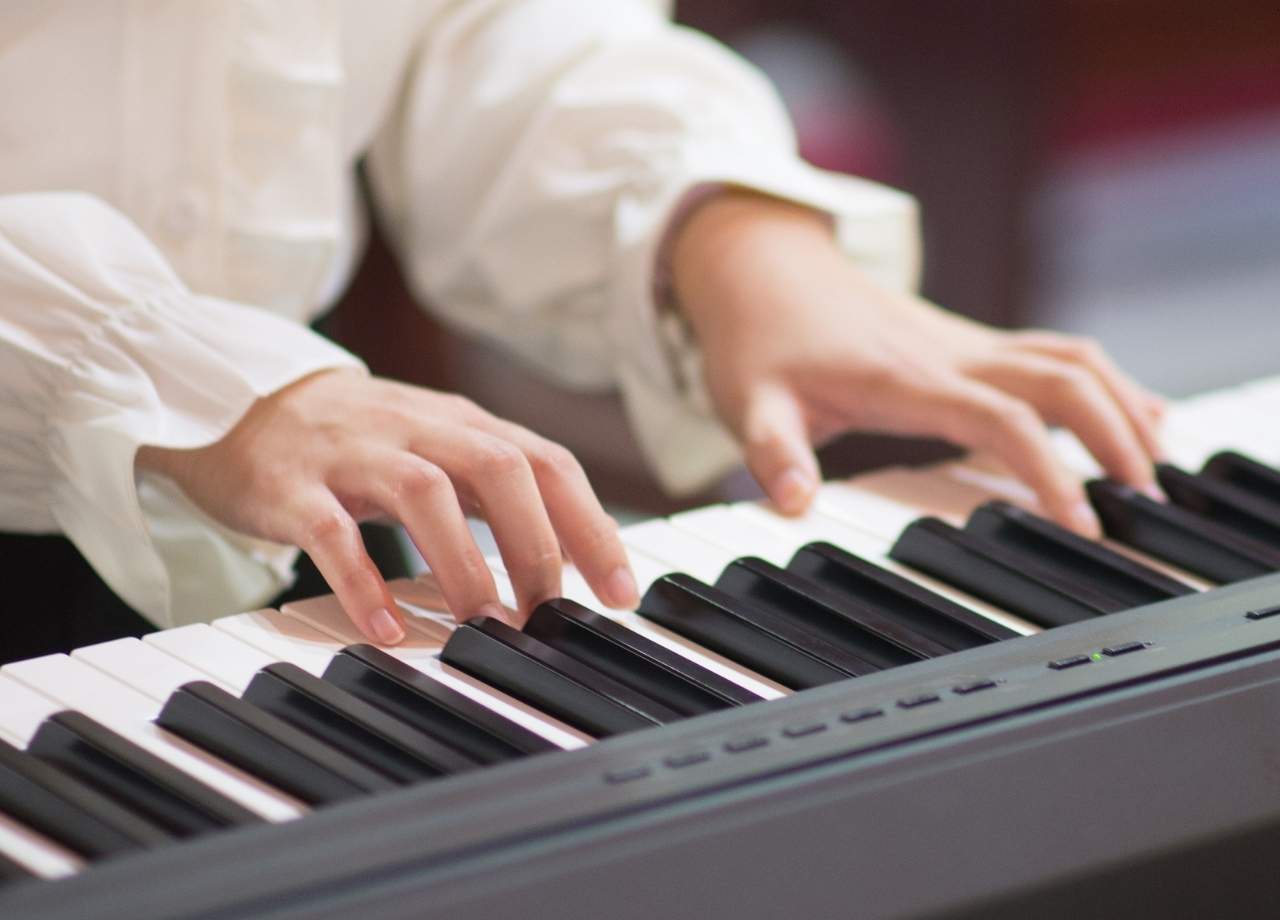
Tension often sneaks into piano playing without warning. It might begin with a child pressing too hard on the keys or locking their wrists when trying to concentrate. As they push themselves to “get it right,” their bodies compensate with habits that feel helpful at first-but over time, those patterns can become limiting. Stiff shoulders, sore hands, and frustration are all signs that something isn’t quite right beneath the surface.
At Ballet Centre Dubai, we regularly see how much of a difference mindful teaching can make. Our music classes, taught by experienced, Trinity-certified instructors, focus not just on skill but on comfort, confidence, and long-term well-being. A relaxed pianist is a more expressive pianist, and that begins with how they’re taught from the very first lesson.
How Tension Develops Without Anyone Noticing
Young learners are eager to please. When they sit at the piano, their focus can shift from musicality to accuracy. In this pursuit of perfection, they might hold their breath, stiffen their backs, or press down with more strength than necessary. These small adjustments can become automatic, especially when the child doesn’t yet understand what “relaxed playing” feels like.
Emotional pressure contributes, too. Children often want to meet expectations, whether they come from parents, teachers, or peers. That desire can create physical reactions they aren’t even aware of. A safe and supportive learning space makes it easier to break those patterns before they take root.
What It Looks Like to Play with Ease
When a pianist is free of tension, you can hear it as much as see it. Their sound is fluid. Their movements are effortless. There’s grace in how they lift their hands and intention in every phrase they play. This ease doesn’t come from talent alone-it comes from learning how to listen to the body as much as the music.
Our piano lessons are designed to foster this kind of self-awareness. Teachers work closely with each student to help them notice posture, arm movement, breathing, and hand position. When students experience the difference between strained and fluid playing, they begin to self-correct naturally. That’s when growth becomes exponential.
Spotting Tension in Your Child’s Practice
Many parents notice something isn’t quite right before the student does. A child may come away from the piano feeling tired after just a short practice. You might hear them complain that their hands hurt, or notice that they sit stiffly and look frustrated. Maybe they’re working hard but not seeing progress-and practice starts to feel like a chore rather than something joyful.
Some children hunch forward while playing, or keep their wrists locked and unmoving. Others press so firmly that the notes sound harsh instead of clear. These signs point to a need for a different approach-one that focuses less on pushing and more on learning how to release.
Teaching Healthy Habits from the Beginning
The way a student learns to play in the beginning sets the tone for everything that follows. That’s why our piano teachers at Ballet Centre Dubai place equal importance on healthy technique and musical development. During the early weeks of lessons, students are gently guided to sit with balanced posture, move their arms naturally, and use finger strength without stiffness.
Rather than drilling scales or fast-paced pieces immediately, we often begin with lyrical, flowing music that invites calm movement and awareness. We teach students how to breathe while they play, how to feel each key rather than attack it, and how to build independence in their fingers without gripping or tensing.
This process not only helps prevent strain but also deepens musicality. Students learn to feel their way into a phrase and develop sensitivity that lasts.
Why the Right Teacher Matters
Teaching piano without tension isn’t just about method-it’s about the relationship between student and teacher. A young pianist needs to feel safe, encouraged, and understood. At Ballet Centre Dubai, our instructors are selected not just for their qualifications, but for their warmth and ability to connect. They know how to guide with patience and adjust their teaching style to suit each child’s temperament and learning pace.
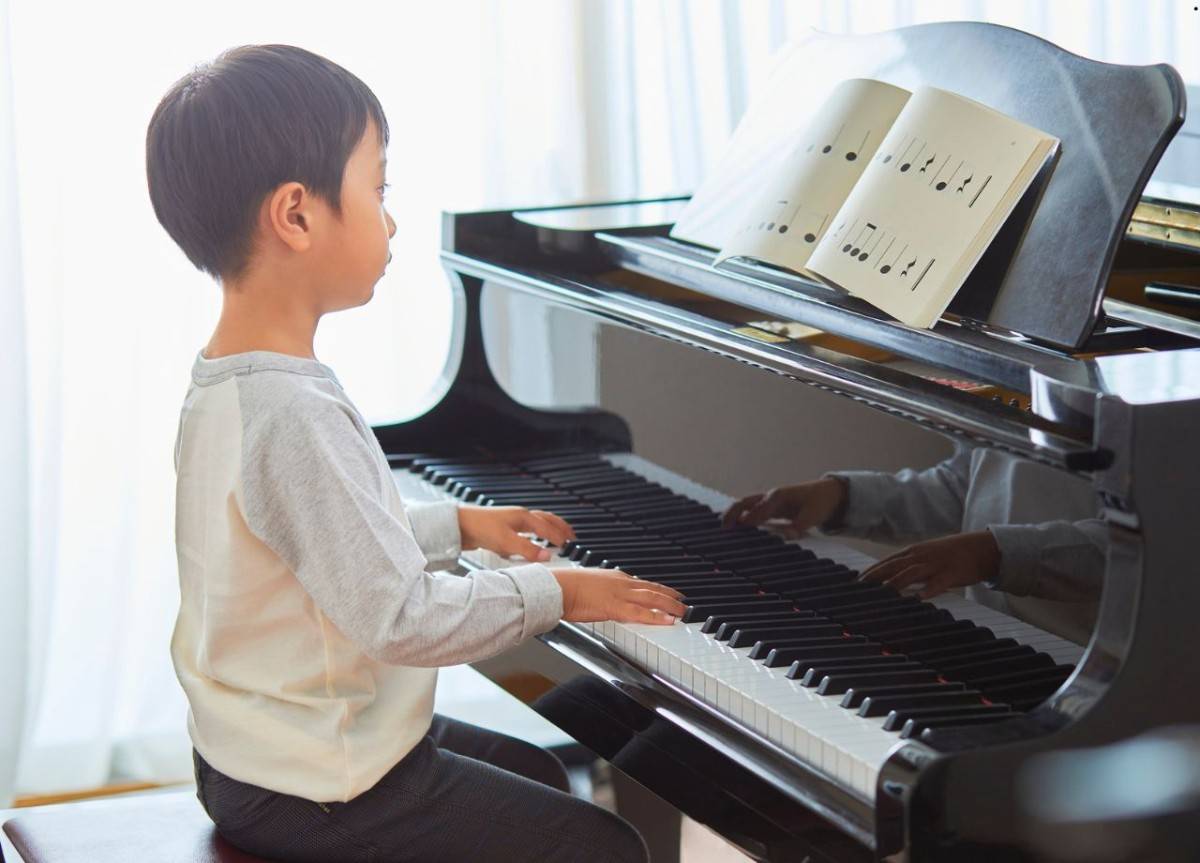
When a child feels emotionally supported, they play with more openness. They begin to trust their instincts. They try things without fear. And that’s when real artistry begins to emerge.
Encouragement over Pressure
Perfection doesn’t inspire progress, confidence does. We see again and again that when students are allowed to explore without fear of mistakes, they find their own rhythm and voice. One of the greatest joys in teaching is watching a student shift from trying to get it “right” to playing because they love it.
At home, this same mindset helps. Parents who offer calm encouragement, celebrating small milestones and supporting steady routines-help their children stay connected to their own love of music. Even when mistakes happen, the focus stays on growth. This builds resilience and trust, which spill over into other areas of life as well.
The Deeper Benefits of Playing with Ease
When a child learns to play without tension, they’re also learning to listen-to their bodies, their feelings, and the music they create. They’re building awareness, confidence, and emotional control. These qualities stay with them far beyond the piano bench. They influence how they handle challenges in school, how they manage stress, and how they express themselves in everyday life.
Over time, students who play comfortably tend to develop faster technically, perform with greater confidence, and enjoy their practice more. They’re also less likely to experience burnout or injury. What starts as a small adjustment in posture can end up shaping their entire musical journey.
A Better Place to Begin-or Begin Again
At Ballet Centre Dubai, we’ve created a learning environment where music and well-being go hand in hand. Our piano programme is part of a wider performing arts offering that values creativity, discipline, and joy in equal measure. We offer individual music lessons guided by Trinity College London standards, flexible payment plans, and the option to book a free trial class before enrolling.
Parents often tell us their children are happier, calmer, and more engaged after starting lessons with us. Whether your child is completely new to the piano or looking to reconnect with it in a healthier way, we’d love to welcome them into our community.
If you’re ready to see your child thrive at the piano-with less tension and more joy-our doors are open.