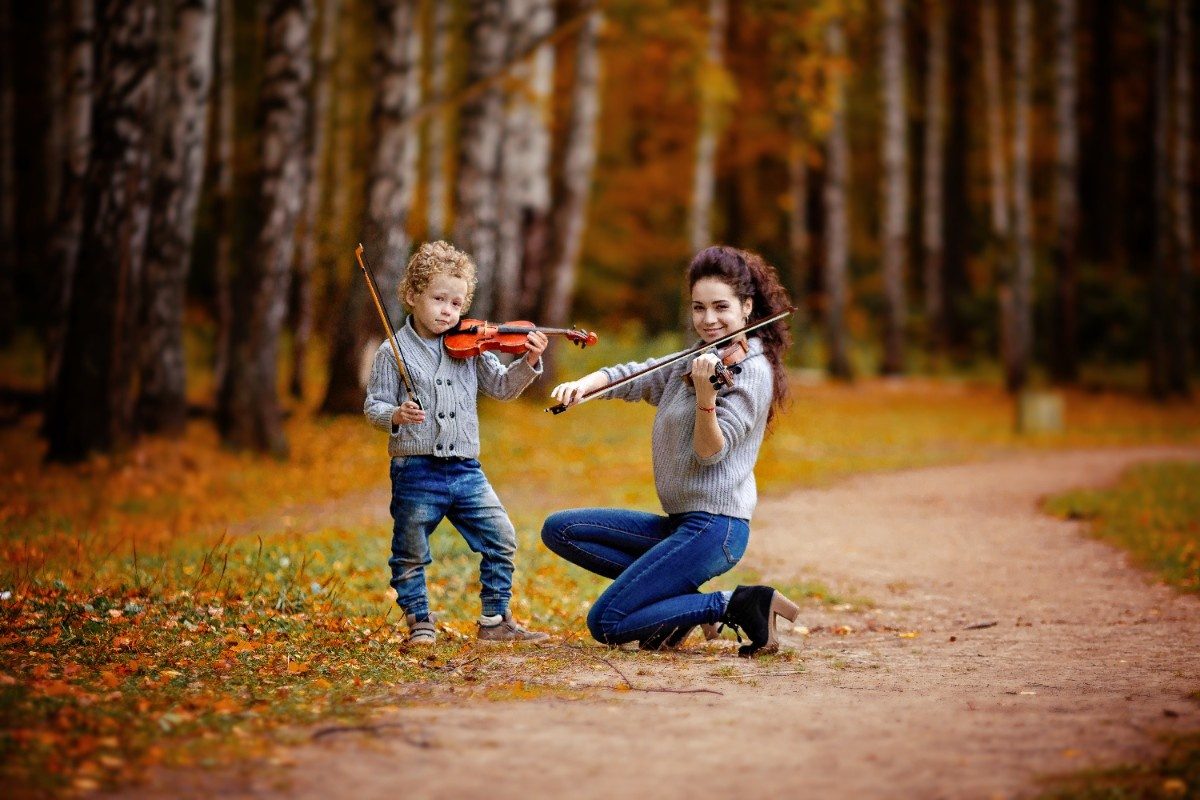
The violin, a mainstay in both classical orchestras and modern music settings, stands out as a versatile and enduring instrument. Known for its vibrant tone and emotional range, the violin has captured the hearts of audiences and players for centuries. Originating in the early 16th century, it has evolved through craftsmanship and performance into an instrument that speaks a universal language of emotion.
Why Children Excel at Violin
Parents often wonder whether a musical instrument as sophisticated as the violin is suitable for their children. The truth is, children have certain advantages when it comes to learning the violin that adults might not. The plasticity of the young brain is extraordinarily receptive to musical training. The earlier a child begins to learn an instrument, the more profound the impact on their cognitive development, including areas such as problem-solving, memory, and language skills.
Moreover, physically, children are adaptable. Their hands and fingers can learn to navigate the fingerboard with surprising agility. With guided practice, they develop coordination and muscle memory more quickly than adults. This natural growth in skills is often visible in just a few months of consistent practice, providing visible progress that is incredibly rewarding for both the child and their supportive family.
Simplifying the Learning Process
Learning the violin is perceived as daunting due to its complex posture requirements and the need for precise finger placements. However, this challenge is being met with innovative teaching strategies tailored for young learners. For instance, the use of color-coded strings and fingerboard stickers helps demystify the early stages of learning notes and scales. Teachers now commonly incorporate elements of play into lessons, such as using storytelling or rhythmic games, making the learning process less about memorization and more about engaging interaction.
Technology, too, plays a pivotal role. Interactive apps that provide real-time feedback and gamified learning experiences make practice sessions both fun and productive. These tools not only help in teaching music reading and ear training but also keep the child engaged through visual and auditory cues, which are particularly appealing to the tech-savvy younger generation.
Parents are essential in this educational journey. Their role isn’t just to remind their children to practice but to participate actively. This could be as simple as showing interest in the pieces they are learning, attending their performances, or playing music at home to cultivate an enriching musical environment. This type of involvement shows the child that their efforts are valued, boosting their motivation and enthusiasm for learning.
Common Challenges and Solutions
Embarking on the journey of learning the violin comes with its set of challenges, especially for young students. One of the initial obstacles is the discomfort of holding the violin and bow correctly. It’s not unusual for children to feel a bit frustrated as they learn to balance the violin between their chin and shoulder while maneuvering the bow. However, these are temporary hurdles that can be overcome with patient guidance and consistent practice.
Teachers often introduce ergonomic aids like shoulder rests and specially designed chin rests to make this learning curve less steep. These tools not only make playing more comfortable but also prevent the development of poor posture habits that could lead to strain or injury. Parents can help by ensuring practice sessions are short but frequent, allowing the child to gradually build up their endurance without feeling overwhelmed.
Another common issue is the quality of sound produced by beginners, which can be less than musical. This can discourage not just the learner but their audience at home. Encouragement is crucial here, as well as understanding that every violinist starts at this point. Recording sessions to track progress or setting up mini-concerts for family can turn practice into a rewarding showcase of improvement, which is motivating for young musicians.
Learning Methods for Children
The choice of learning method can significantly influence a child’s success and enjoyment in playing the violin. Two popular methods are the Suzuki Method and traditional music reading.
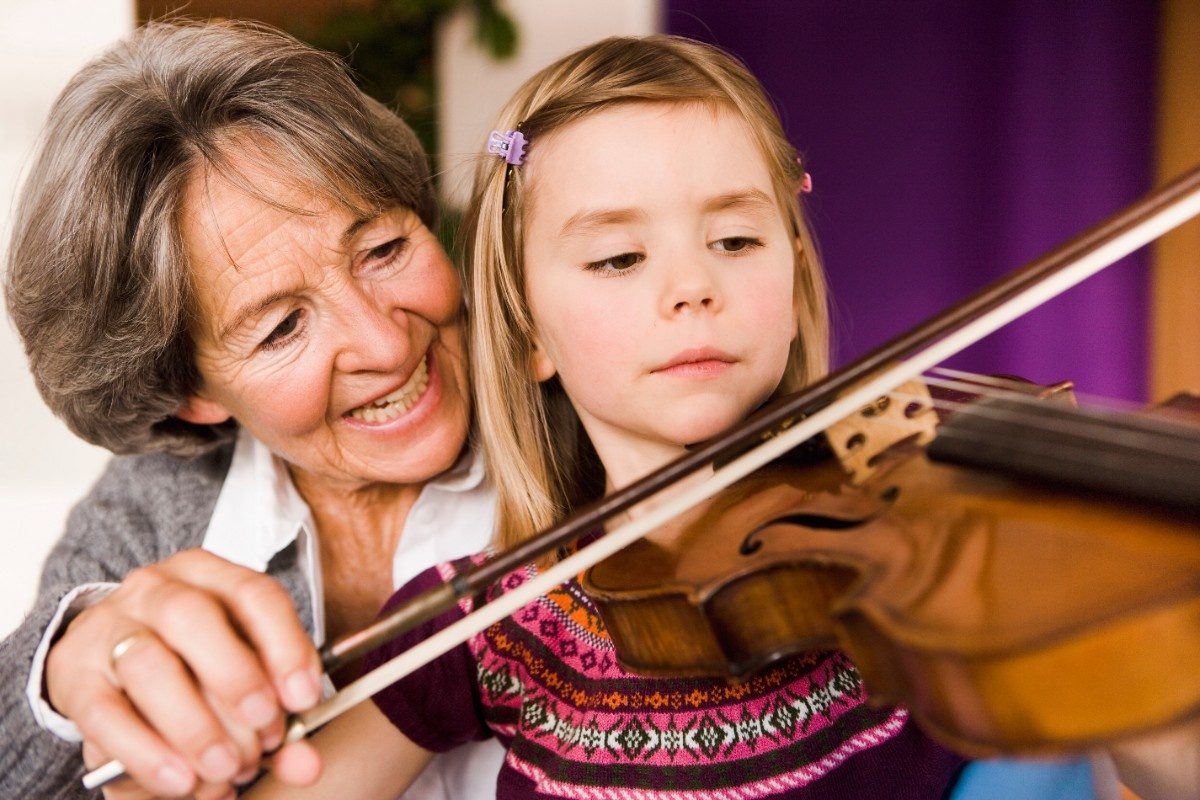
The Suzuki Method is particularly well-suited for children because it mimics the process of learning a language, which is a natural and familiar process for them. It emphasizes learning by ear and encourages starting at a young age. Students learn to play music by listening to pieces repeatedly before attempting to play them. This method also involves a lot of parental involvement, where parents are expected to participate in lessons and practice at home, making it a collaborative effort.
On the other hand, the traditional method focuses on reading music from the start. This approach teaches children how to read and interpret music notation, which is a valuable skill for any musician. It tends to be more structured than the Suzuki Method, with a clear progression through different levels of music theory and technique.
Both methods have their merits, and sometimes, a combination of both can be effective depending on the child’s learning style, their musical goals, and the resources available. Discussing these options with a qualified teacher can help tailor the approach to best fit the child’s needs.
Practice Makes Perfect
The saying “practice makes perfect” holds particularly true when learning an instrument like the violin. However, the key to effective practice, especially for children, is not just the duration but the quality and consistency of practice. Setting a regular schedule helps young learners develop a routine and treats violin practice as a normal, enjoyable part of their day rather than a chore.
Effective practice sessions are those that are focused and goal-oriented. Instead of practicing for an hour at a time, children benefit more from shorter, more frequent practices. Using a practice journal can help track what was practiced, the progress made, and what needs improving. This not only helps the child see their progress but also teaches them how to set goals and achieve them.
Interactive play, such as playing duets with peers or participating in group classes, can also enhance the learning experience. It introduces a social element to practice, which is often motivating for children. They get to see their peers play, share their own experiences, and learn together, making the entire learning process more enjoyable and less isolating.
Selecting the First Violin
Choosing the right violin is crucial for a beginner, especially a child. The size of the violin must be appropriate for the child’s age and physique to ensure comfortable playing. Violins come in various sizes, and a music teacher or violin shop can help you find the right fit. As for quality, while it’s tempting to opt for the least expensive option when starting out, poor-quality instruments can make learning more difficult due to issues with tuning and sound production.
Many parents choose to rent a violin initially. This can be a practical choice as it allows for flexibility in sizing and quality as the child grows and their needs change. When you’re ready to buy, seek advice from experienced musicians or teachers who can guide you toward a good-quality violin that fits your budget. Remember, a good instrument can make all the difference in maintaining a child’s interest and progress.
Community and Support
Building a supportive community around young violinists can greatly enhance their learning experience. Look for local youth orchestras, ensembles, or violin clubs where children can play with others. This not only helps improve their skills but also builds their social network, making the learning process more engaging and less isolated.
Having a support system in place also provides opportunities for children to perform, which is crucial for building their confidence and stage presence. Encourage participation in recitals, competitions, and other public performances. Positive feedback from these experiences is incredibly affirming for a child’s musical journey.
Continued Growth and Development
Once a child masters the basics of the violin, the next step is to deepen their skills and perhaps specialize in a particular style of music, be it classical, jazz, or folk. Advanced lessons can introduce more complex techniques and broader musical concepts that challenge the student and fuel their passion for music.
Encouraging children to explore different styles and composers can also keep their interest alive and allow them to find their own unique voice within the music world. As they grow, they may choose to participate in more competitive settings or aim for higher achievements like joining a prestigious youth orchestra or preparing for a conservatory audition.
The violin is not just an instrument; it’s a pathway to discipline, creativity, and lifelong enjoyment of music. If your child shows interest, why not explore violin classes in your area? Who knows, this could be the start of a wonderful musical adventure that contributes to their personal and artistic growth. Let’s make music part of their world!