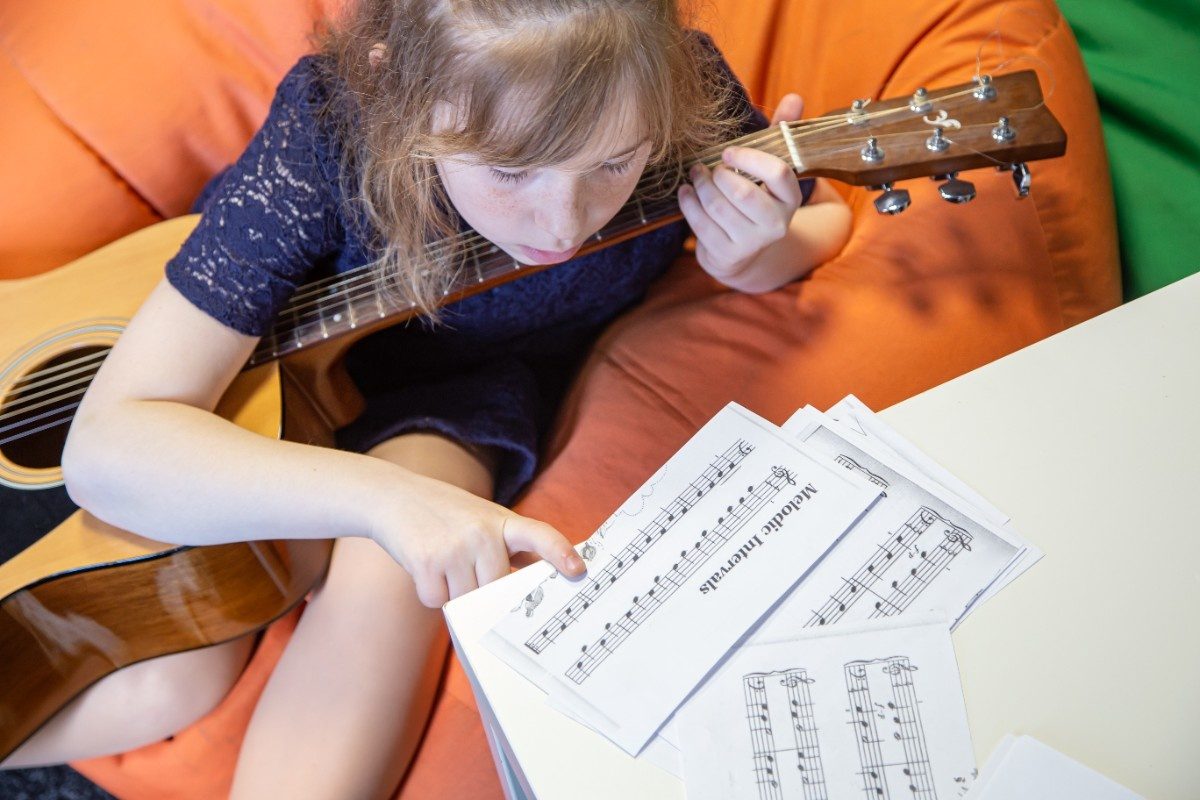
Music literacy, at its heart, is about learning to read and write music, decoding rhythms, notes, and dynamics. It’s often seen as something for “serious musicians” or students aiming for advanced grades. But it offers much more than that. For children, especially, learning music literacy can sharpen memory, build discipline, and foster deeper emotional expression.
Ask any parent whose child has studied music notation, and you’ll likely hear about improved focus, stronger listening skills, and a sense of quiet confidence. There’s something uniquely rewarding about watching a child sit down at an instrument and independently interpret what’s on the page. It’s a self-guided journey, one measure at a time.
Understanding Symbols and Sound
Children are natural pattern seekers. Letters form words. Numbers build equations. Music notation fits neatly into this same world, symbols that come together to shape melody and rhythm.
When a child learns to read music, they’re not just memorizing notes; they’re training their brain to process visual cues and translate them into motor actions. It’s an ongoing exercise in coordination and comprehension. This skill spills into other areas, reading fluency, spatial awareness, and even emotional regulation. A student reading a soft piano passage is engaging with cues that teach restraint and sensitivity.
There’s also a quiet thrill to decoding music. Like learning a new language, it empowers a child to participate in something greater than themselves-a tradition of shared performance, collaboration, and creative interpretation.
The Reading Brain, The Music Mind
Think of the brilliant neural circuit a child builds when learning to read. Their young brain brilliantly combines visual processing to see the letters, auditory processing to connect them to sounds, and language comprehension to unlock meaning. It’s a symphony of cognitive development.
Learning to read music engages the mind in a strikingly parallel way. A child at the piano, for instance, doesn’t just see notes on a page. They scan the musical symbols, connect them to the sounds they create, and listen intently to ensure the pitch and rhythm are just right-all while actively anticipating the melody yet to come.
See the symbol, hear the sound, anticipate what’s next. This isn’t just playing a sonata; it’s a cognitive workout that mirrors and reinforces the very same pathways used for reading a poem or decoding a complex passage. It’s not simply learning music; it’s training the brain for a lifetime of learning.
The Discipline of Practice
Music literacy creates structure. A child learning to read music starts to understand progress in small, measurable steps. They begin to see that mastering a skill isn’t about rushing but about consistency. This practice builds patience, something many children-and parents-find invaluable outside the music studio.
Students preparing for ABRSM or Trinity music exams, for example, develop a regular practice routine. They learn how to break down a challenging piece, work through fingering patterns, and slowly bring a song to life. This routine becomes a quiet sanctuary of focus and commitment.
Parents often notice that children who study music notation show greater resilience in schoolwork. They’re less discouraged by mistakes and more open to correction. Music gives them the tools to analyze their own progress without fear.
A Foundation for Creativity
Some assume that learning notation may limit creativity-that it puts a child in a box. But the opposite is often true. Once children understand the basics, they start to experiment. They’ll change a note, try a different tempo, or add their own flourish to a melody.
Music literacy doesn’t restrict expression; it gives kids the tools to shape it with intention. Think of it like painting: knowing how to mix colors and understand composition doesn’t stifle creativity-it enriches it.
A child who understands rhythm can improvise. A child who reads harmony can compose. And a child who studies dynamics knows how to deliver emotion without saying a word.
Building Confidence Through Achievement
One of the most tangible benefits of learning music literacy is the sense of achievement that comes from performing a piece as written. There’s a quiet pride in being able to sit down, open a book, and play something recognizable. For children, especially those who are shy or unsure of their abilities, this can be life-changing.
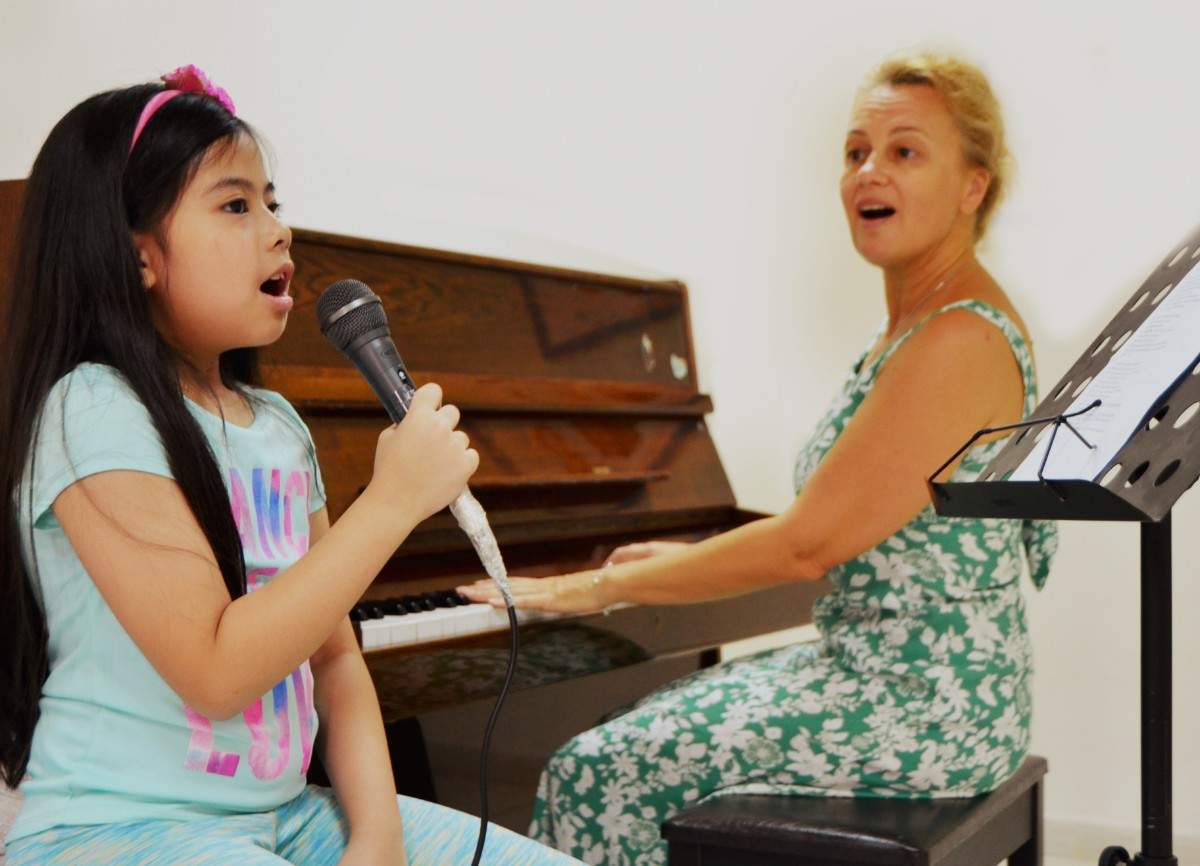
It’s not about grand recitals or winning competitions. It’s about small victories: mastering a difficult passage, getting a thumb-under movement just right, playing a familiar tune for family without hesitation. These moments add up and give children a solid sense of self-worth.
Connecting with Others
Music is often shared. In group classes or ensemble settings, children who can read music find it easier to join in. They follow along with others, keep time, and understand how their part fits into the whole. They listen-not just with their ears, but with their eyes and intuition.
This ability to collaborate makes music a social experience. It teaches children to wait their turn, support their peers, and enjoy shared successes. Whether it’s a duet or a full recital, children who read music find more ways to participate and contribute.
A Practical Investment in Lifelong Skills
Parents looking for meaningful extracurricular activities often focus on sports, academics, or language classes. Music literacy may not always be at the top of the list, but it holds its own. It combines logic and emotion, performance and practice, discipline and creativity.
At Ballet Centre Dubai, students have the opportunity to learn music literacy through both Trinity and ABRSM syllabi, taught by experienced instructors in a nurturing setting. Classes cater to young beginners as well as more advanced students, with pathways that encourage both formal examination and pure enjoyment. The Centre also offers trial classes, so families can experience the benefits firsthand before making a commitment.
Final Thoughts
Music literacy may not seem urgent. It’s quiet. It takes time. But it gives children something rare: the ability to read and speak in a language that doesn’t rely on words. It connects them to themselves, their peers, and a wider world of sound and expression.
For parents considering how to support their child’s growth, intellectually, socially, and creatively, introducing music literacy is a meaningful step. It’s a skill that doesn’t fade with age and doesn’t require constant digital input to keep a child engaged.
Just a few notes, a few minutes a day, and the patience to let music unfold, these can spark a love for learning that lasts well beyond childhood.