You can hear it in a quiet forest, in a crowded festival, or across a concert stage-the flute’s voice travels far, both in sound and geography. Its origins stretch back thousands of years, and nearly every culture has shaped its own version. It’s one of the few instruments that doesn’t need strings, reeds, or skins to resonate. Just breath, a tube, and a little technique.
What’s remarkable is how flutes, though simple in design, carry stories from every corner of the world. Each has its own shape, tuning, purpose, and personality. Here’s a closer look at some of the world’s most distinctive flutes, their cultural significance, and why they continue to enchant.
Bansuri, India
The bansuri is made from a single shaft of bamboo and is associated with Lord Krishna in Indian mythology. Its sound is soft, emotional, and expressive, perfect for the ragas and spiritual textures of Indian classical music.
In Indian villages, children often grow up making their own simple flutes from bamboo sticks. The professional versions used in concerts, however, require refined blowing techniques and fingering. A bansuri player learns to slide between notes with incredible subtlety, almost mimicking the voice.
Many young learners at Ballet Centre Dubai are introduced to Indian classical instruments and vocal traditions through structured music lessons. A student playing a bansuri for the first time often finds the posture and breath control taught in ballet or taekwondo helps maintain balance and poise while performing.
Dizi, China
The dizi is a transverse bamboo flute with a unique twist: a thin membrane (made from the inner skin of a reed) covers one of its holes. This gives the dizi a bright, buzzing quality that stands out in Chinese folk music and opera.
Chinese ensembles often feature a range of dizis in different keys and tunings. Faster pieces demand fingerwork that feels almost acrobatic, which is why finger strength and coordination are emphasized early in training. Traditionally, students carve their names into their first dizi, marking it as both an instrument and a personal milestone.
A story often shared by music teachers is how quickly students connect to the dizi’s energetic tone. It becomes a favorite for those who like storytelling in music, especially in tales of warriors, dragons, or mythical adventures.
Shakuhachi, Japan
Made from the root end of a bamboo stalk, the shakuhachi is vertically held and played like a recorder, but the similarities stop there. Its haunting sound can shift from whisper-quiet to piercing with a small movement of the lips.
Used by Zen monks in meditation and by solo performers in concerts, the shakuhachi isn’t just about melody-it’s about silence and breath. Long pauses, controlled air, and changes in embouchure create music that feels suspended in time.
Western-trained musicians often find it challenging to adapt to the shakuhachi because it prioritizes tone over notes. Still, once a player learns to hear the character of each breath, they rarely go back.
In a performing arts setting, students benefit from exposure to these slow, reflective styles. It teaches patience, listening, and sensitivity, skills just as relevant on stage as they are in an ensemble room.
Quena, South America
The quena is the traditional flute of the Andes, with deep ties to Peruvian and Bolivian folk music. It’s end-blown, usually made of cane or wood, and has a notch that the player blows across-like a bottle.
Its voice is mellow and melancholic, often paired with charangos and panpipes in folk songs. Musicians use it to echo mountain winds or the call of a condor.
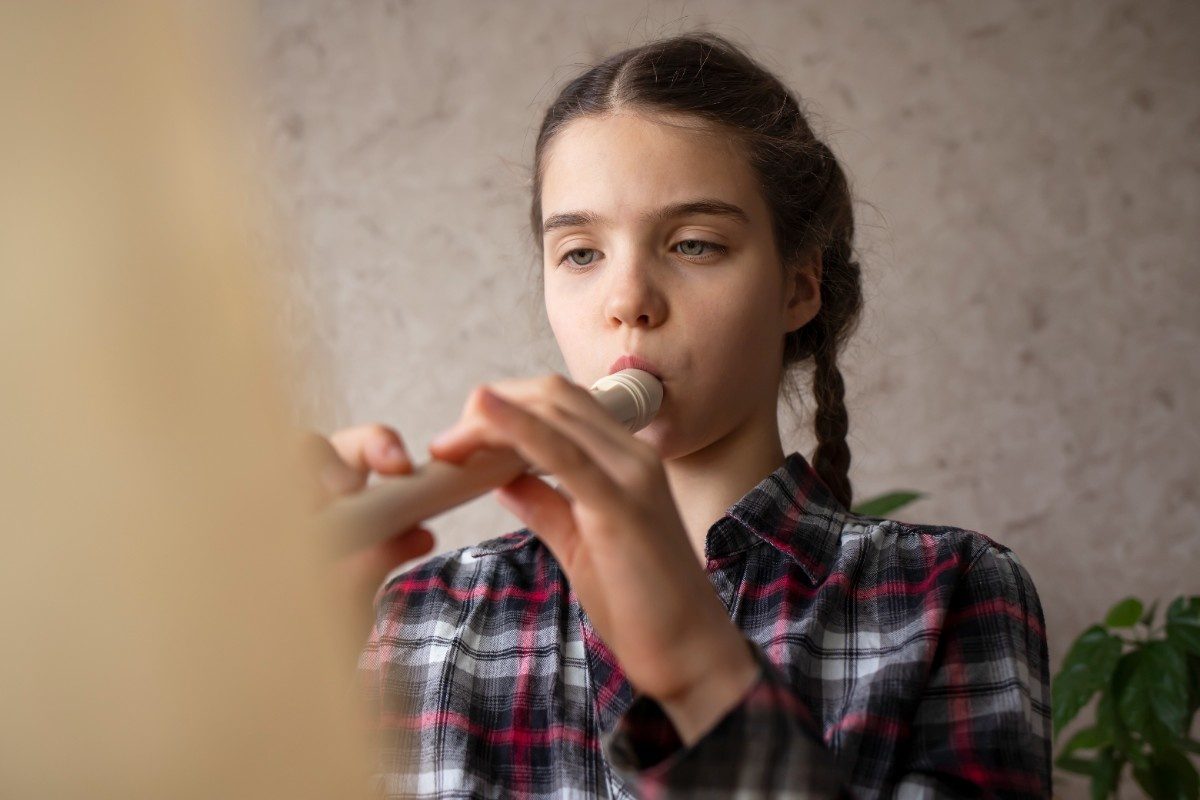
Children in rural Andean villages often learn the quena by ear, guided by elders who pass down songs through memory, not sheet music. This oral tradition encourages creativity from a young age, and melodies are often shaped spontaneously during festivals.
In Dubai, students learning music from different parts of the world discover how regional traditions like those of the quena tie directly into dance, storytelling, and crafts-some of the very subjects taught side-by-side at Ballet Centre Dubai.
Ney, Middle East
The ney is one of the oldest instruments still in use, with roots in Persian, Turkish, and Arabic music. Made from a hollow reed, it has a distinctive, breathy sound that seems to reach into memory itself.
It requires a special kind of embouchure, angled and loose-to produce its tone, and players often study it for years before mastering even the basic notes. In Turkish Sufi ceremonies, the ney is played in long, flowing melodies that reflect spiritual longing.
One of the first things a ney player learns is control-not only of air, but of emotion. The instrument can sound joyful, mournful, or reverent, depending on the hands and heart behind it.
The subtlety of this instrument often appeals to older students or those with experience in drama or vocal arts, where expression matters as much as technique.
Native American Flutes, North America
Traditionally carved from wood, these flutes have two chambers and a totem that helps direct air over the sound hole. The result is an earthy, warm tone that pairs naturally with the rhythms of nature and spoken word.
Often tuned to pentatonic scales, they’re accessible for beginners and satisfying for advanced players alike. Native American flutes are commonly used in healing ceremonies, solo meditation, and contemporary compositions.
Many parents choose these flutes for children exploring music for the first time. Their soothing sound and forgiving design make them an encouraging introduction to melodic instruments.
For students interested in storytelling, improvisation, or composing their own songs, this flute is a beautiful way to begin. In classes where creativity is encouraged, especially in drama or arts programs, these instruments find a natural place.
Irish Tin Whistle, Ireland
Compact, affordable, and cheerful-the tin whistle (or penny whistle) is often a child’s first introduction to Irish music. Its bright, quick notes are perfect for jigs, reels, and marches.
Despite its simple design, mastering the tin whistle requires breath control and a good sense of rhythm. It’s small enough to carry in a pocket, making it a favorite for impromptu jam sessions or informal performances.
In Irish pubs or during street festivals, tin whistle players bring energy and spontaneity to any gathering. The culture surrounding the instrument is playful but rooted in deep tradition.
In a group class setting, tin whistle is excellent for ear training and ensemble play. Young students often find confidence through small successes, getting a clear tone, learning a traditional tune, or leading a group in rhythm.
Western Concert Flute, Global
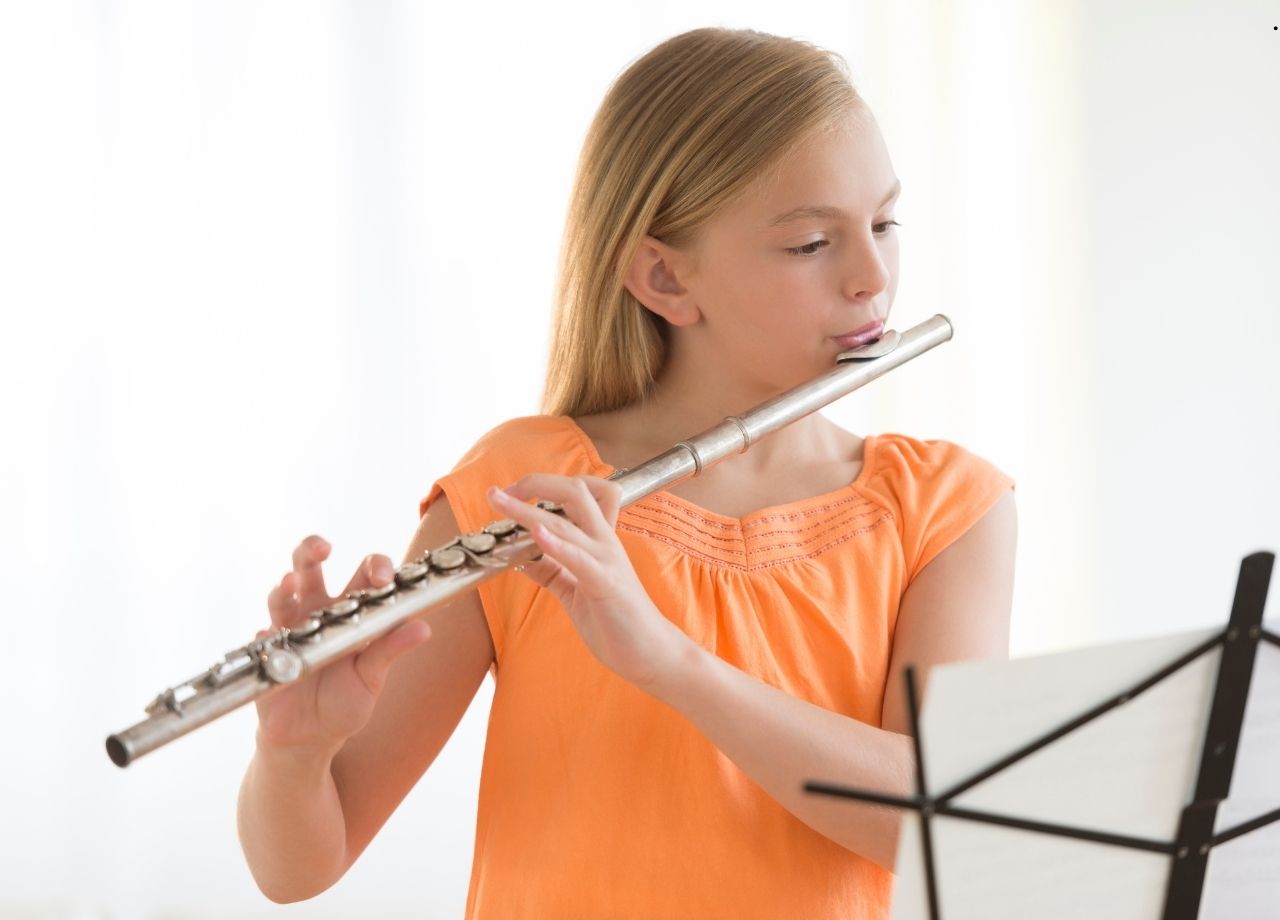
The silver flute most people recognize today has its roots in 19th-century Europe but is now used worldwide across genres, classical, jazz, pop, and beyond. It’s one of the most versatile instruments ever developed.
Its design features a series of keys that allow for complex melodies and technical passages. The concert flute can be bright or mellow, depending on how it’s played, and is a staple in orchestras, bands, and music exams.
Students studying music through programs like ABRSM or Trinity often choose the concert flute for its broad appeal and structured learning path. These certifications are recognized internationally and provide a clear track from beginner to advanced.
At Ballet Centre Dubai, these exam systems are part of the regular music curriculum, offering young musicians a way to track progress while enjoying the social and emotional benefits of music education. With flexible class timings and supportive instructors, even busy families find it possible to nurture musical skills alongside other activities like dance or drama.
Why Flutes Matter
Flutes are more than instruments-they are voices. Whether singing softly to the stars from a mountain top, or leading a parade through busy streets, they carry the spirit of their culture through time.
For children and adults alike, learning the flute can be an entry into rhythm, breath, and emotional expression. It fosters listening, coordination, and memory, skills that transfer to other disciplines in the performing arts.
And perhaps most importantly, flutes remind us how something so simple can be so moving. A hollow tube and a breath, shared across nations and generations.
Interested in learning flute or want to get a feel of it? Book a demo class.