The choice between modern dance and ballet isn’t always obvious. Both styles are beautiful, challenging, and enriching in different ways. Often, it comes down to what makes a child light up in the studio: structure or spontaneity, tradition or experimentation, control or creative release. As a parent or student, knowing the difference can help guide a decision that supports not just physical development, but personal growth.
The Grace and Structure of Ballet
There’s something timeless about ballet. From the very first plié at the barre, students step into a world that prizes discipline, technique, and beauty in form. Every movement is intentional. The back must be straight, the feet turned out, the arms held just so. It’s a practice that trains the body and the mind equally, with a focus on control, alignment, and attention to detail.
Children who thrive in ballet often enjoy routine. They like knowing what to expect in class, and they respond to correction with determination. Many take joy in refining a single movement for weeks until it feels second nature. Progress is measurable, especially with structured programs like the Royal Academy of Dance (RAD) syllabus, which is taught at Ballet Centre Dubai. Regular assessments and exams give young dancers milestones to work toward, helping them build confidence through achievement.
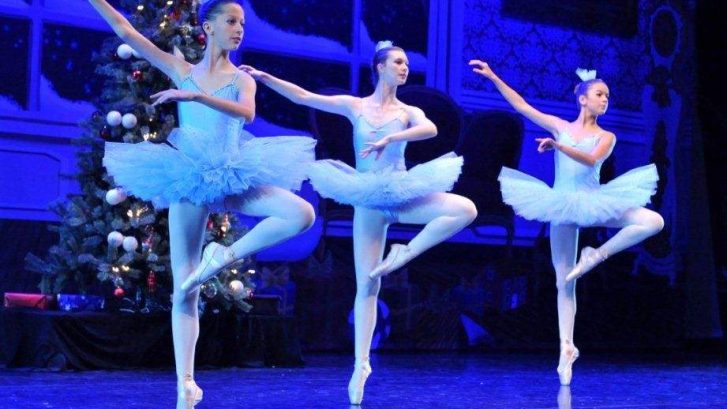
Ballet also sets the stage for performance. Classical pieces like The Nutcracker or Swan Lake become more than stories—they become goals. Students work toward recitals and showcases that highlight not only their skill, but their dedication. And in every arabesque or grand jeté, there’s a reminder of how far they’ve come.
The Freedom and Emotion of Modern Dance
Modern dance offers a different kind of space. It breaks away from ballet’s strict lines and instead invites dancers to move from instinct. There’s floor work, contractions, spirals, improvisation. Students are encouraged to experiment, to let emotion shape the way their bodies respond to music.
This style can be especially rewarding for children who are expressive and imaginative. There’s room for interpretation—no single way to perform a movement—and often, the choreography is built around themes or stories that reflect real emotions. Modern dance allows students to connect their inner world to physical movement in a way that feels personal and liberating.
Where ballet asks for refinement, modern dance welcomes rawness. That doesn’t mean it’s easier—it still requires strength, coordination, and a deep understanding of the body. But the focus shifts from precision to intention. This makes it appealing to students who want to move in a way that feels more intuitive or emotionally driven.
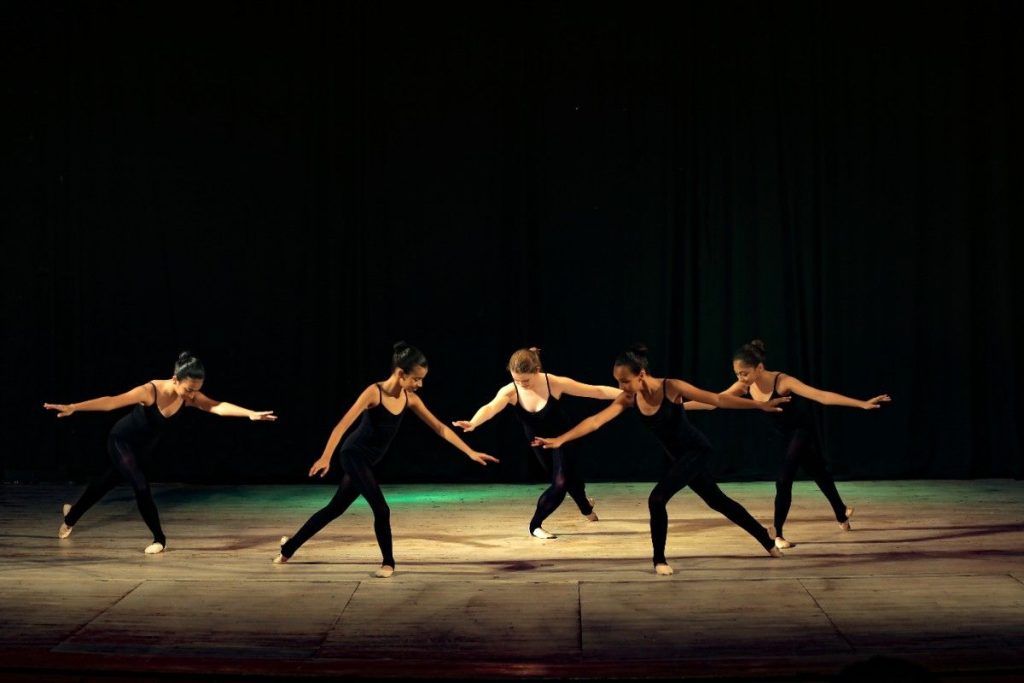
At Ballet Centre Dubai, modern dance classes follow the ISTD Modern syllabus, offering a balance of creativity and structure. Students build a foundation in technique while still having space to explore individual expression—something that resonates with those who feel boxed in by classical forms.
Which Style Matches Your Child’s Personality?
There’s no single answer to which is “better.” The more helpful question is: what kind of environment helps your child grow?
Does your child thrive on routine, discipline, and step-by-step progress?
Ballet might be a great match.
Do they enjoy experimenting, expressing emotions through movement, or storytelling through dance?
Modern may speak more to them.
Are they naturally graceful and focused?
Ballet will refine those traits.
Do they like to move freely and explore what their body can do in new ways?
Modern could be a better fit.
It’s also worth considering your child’s temperament. Some students appreciate ballet’s calm structure as a grounding force. Others come alive when they’re encouraged to move outside the lines and discover their own style. In many cases, students try both and find value in the contrast. The discipline of ballet can give structure to modern, and the creativity of modern can bring fresh life to ballet.
Skill Development in Both Styles
Both styles build strength, coordination, musicality, and spatial awareness. Ballet is unmatched when it comes to alignment, turnout, posture, and balance. These fundamentals can support any future training in dance or other sports. Modern dance, meanwhile, develops grounded movement, flexibility of the spine, and emotional connection to performance.
At younger ages, students often benefit from exploring more than one style. This cross-training approach can improve versatility and help students discover what truly excites them. At Ballet Centre Dubai, children have the chance to do exactly that. With trained instructors in both RAD Ballet and ISTD Modern, plus flexible trial options, families can make informed decisions without pressure.
How to Support Your Child’s Journey
As a parent, your encouragement matters more than whether your child chooses ballet slippers or bare feet. Let them explore. Watch their classes when possible. Ask what they enjoy and where they feel most comfortable. Growth in the studio isn’t always linear—it comes in moments of breakthrough, joy, and perseverance.
Trust their instincts. Sometimes they’ll be drawn to the elegance of a well-executed pirouette. Other times, they’ll want to throw themselves across the floor with abandon. Each path offers value. What matters most is that they’re moving, learning, and expressing themselves in a space where they feel safe and inspired.
If you’re still unsure which style might suit your child best, starting with a free trial class can be a helpful step. The chance to experience both ballet and modern firsthand can offer clarity that no article or advice can fully provide.
Modern dance and ballet each offer powerful opportunities for personal and artistic development. The choice isn’t about picking a winner—it’s about finding a match. Whether your child finds joy in the structured elegance of classical ballet or the expressive energy of modern dance, what matters is that their movement has meaning. The right class isn’t just about steps and technique—it’s about how those steps help a young person grow.
And sometimes, the best decision is simply to let them try, explore, and decide for themselves.