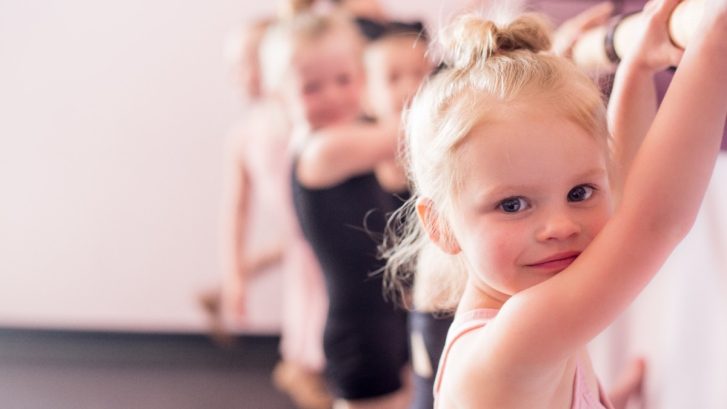
Ballet isn’t just a dance form; it’s a pathway to physical and cognitive development for toddlers and children. Across the globe, and particularly in places like Dubai where diverse cultures meet, ballet schools offer programs tailored to young novices. These classes not only introduce children to the basics of dance but also encourage discipline, creativity, and a healthy lifestyle from a young age.
Understanding Ballet Classes
Ballet is often seen as the foundation of dance education, providing a structured environment where young dancers learn to move with grace and precision. But it’s more than learning to pirouette or master the five positions; it’s about developing coordination, rhythm, and the ability to follow directions and cooperate with peers. For toddlers, these classes might focus more on simple movements and story-telling through dance, which keeps learning fun and engaging.
Parents often ask when it’s the right time to start ballet classes. Generally, children as young as two or three can join toddler-specific groups where the focus is on building motor skills and basic dance etiquette through playful activities. As children grow, the training becomes more structured, gradually preparing them for formal ballet techniques. This gradual progression is crucial as it aligns with their physical and psychological development, ensuring they enjoy each session without feeling overwhelmed.
Choosing The Right Ballet Class
When you start looking for a ballet class, whether in Dubai or elsewhere, you’ll find a variety of options tailored to different age groups and skill levels. It’s important to choose a school that not only teaches ballet techniques but also creates a supportive and nurturing environment. Look for qualified instructors who are experienced in teaching young children and who communicate clearly about the goals and methods of their classes. A good school will offer a balanced curriculum that promotes both the joy of dance and the discipline it requires.
Each ballet class typically follows a structured format, starting with a warm-up to prepare the body for dance and reduce the risk of injuries. This is followed by barre exercises, which are essential for building technique and strength. Younger children might use props or engaging music to keep them interested and active. The class usually ends with a cool-down period to relax the muscles and reflect on the session. Understanding this routine can help parents set the right expectations for their children and discuss what they learned after each class.
Preparing For Ballet Class
Knowing what to wear to ballet class is vital for any parent new to this world. Traditional ballet attire includes a leotard, tights, and ballet slippers. This attire isn’t just about aesthetics; it’s functional, allowing teachers to see the dancer’s movements clearly and correct posture or technique as needed. For toddlers and young children, many schools also allow tutus or skirts, which can make the experience more exciting and enjoyable for them.
Choosing the right ballet gear is just as important as picking the class. Ballet shoes should fit well and provide the necessary support for the foot, while leotards should allow freedom of movement without being too loose or tight. It’s a good idea to visit a dancewear store where professionals can help you select the right items. Remember, the right gear can make a significant difference in how a child experiences their dance class.
Physical And Health Considerations
Ballet is a physically demanding art that requires a mix of strength, flexibility, and endurance. For young dancers, it’s about more than just turning and jumping; it’s about developing a body that can carry them through each movement safely and effectively. A common misconception is that all ballet dancers need to be tall. In truth, ballet welcomes all body types. The key is the strength and flexibility to perform movements with grace and precision, not height.
Starting ballet at a young age can provide foundational skills that benefit children in all walks of life. It enhances physical fitness by improving cardiovascular health, muscle tone, and posture. Ballet also increases flexibility and balance, which can help children in other sports and physical activities. However, like any physical activity, there is a risk of injury. That’s why it’s crucial to ensure that children are taught by knowledgeable instructors who understand the needs of young bodies. Teachers should emphasize proper form and technique to prevent common dance injuries, such as strains and sprains.
Another important aspect of ballet training is the psychological benefit. Ballet requires mental focus and discipline, which can help improve cognitive abilities, such as memory and concentration. It also teaches children the value of hard work, perseverance, and the satisfaction of mastering new skills.
Supporting Your Child In Ballet
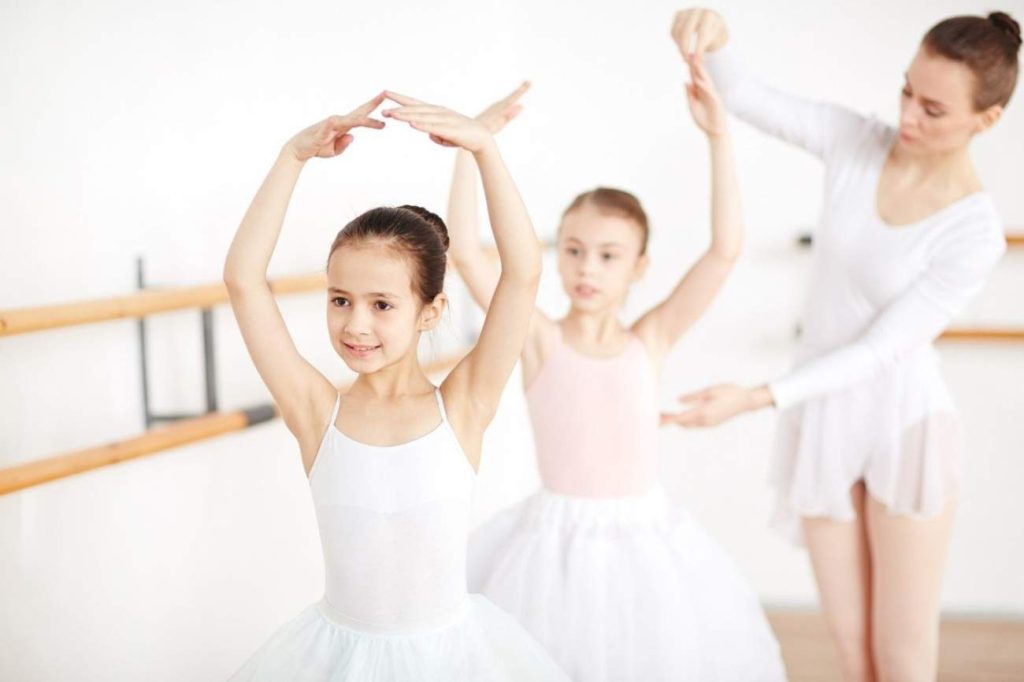
Watching a child fall in love with ballet is a beautiful experience for many parents. However, the journey can sometimes be as challenging as it is rewarding. As children advance in their training, they may face physical and emotional hurdles. Parents and guardians play a crucial role in supporting their child through these challenges.
One of the most significant contributions a parent can make is being present. Attending recitals and practices not only shows your child that you value their efforts, but it also gives you a firsthand look at their progress and the teaching methods of the instructors. Communicating with teachers can provide insights into your child’s development and how you can support their learning at home.
It’s also important to foster a positive environment that encourages persistence and resilience. Ballet can be demanding, and not every day will end in triumph. Celebrate the successes, and when there are setbacks, emphasize the value of effort and improvement over perfection. Encourage your child to express how they feel about their classes and any struggles they might be facing. This open line of communication can help you gauge their enthusiasm for the activity and their readiness to continue or advance.
Progress And Milestones
As children continue in ballet, parents will notice certain milestones that mark their progress. These can range from mastering specific techniques to participating in their first performance. It’s important to recognize and celebrate these milestones, as they often represent hours of hard work and dedication.
Ballet schools typically have structured levels that children advance through as they develop their skills. Each level will have its own set of skills that students are expected to learn. Parents should be aware of these milestones and discuss them with their child’s instructors to better understand the progression and expectations.
Additionally, encouraging regular practice at home can be beneficial. This doesn’t have to be rigorous; even a few minutes of stretching or practicing positions can make a significant difference in a child’s comfort and confidence in class. The key is consistency and making sure that practice is a fun extension of their classes, not a chore.
Emotional And Social Benefits
Ballet is more than physical training; it’s a social experience that can enhance a child’s emotional well-being. In a ballet class, children learn to work as part of a group, listen to instructions, and express themselves without words. These activities help develop empathy and emotional intelligence. As they interact with peers and instructors, children learn valuable communication skills that can help them navigate other social settings.
The structured nature of ballet also provides a unique opportunity for children to develop self-discipline and confidence. Each class can reinforce a sense of achievement and self-worth as they understand the connection between effort and improvement. This understanding can be incredibly empowering for young children, boosting their confidence in all areas of life.
Supporting Your Child’s Ballet Journey
As your child delves deeper into ballet, your support is crucial in keeping their passion alive. Whether it’s ensuring they have the proper dancewear, attending their performances, or simply asking about their class, your involvement makes a difference. Your encouragement helps them persist through the inevitable challenges and celebrate the joys of dancing.
However, it’s also important to keep things balanced. While it’s great to encourage regular practice and celebrate achievements, it’s essential to ensure that your child still enjoys the process. Dance should be something they look forward to, not a task. It’s about finding joy in movement and expression, not just executing perfect steps.
Conclusion
Ballet offers a blend of physical, emotional, and social growth opportunities for children. If you’re considering ballet classes for your child, take the time to find a reputable school that aligns with your child’s interests and personality. Remember, the goal is to foster a love of dance that will enrich their lives in countless ways.
Curious to see how ballet could benefit your child? Why not sign them up for a trial class? It’s a great way to get started and see firsthand the joys and benefits of ballet. Dance into the opportunity and watch your child embrace a new world of expression and creativity.