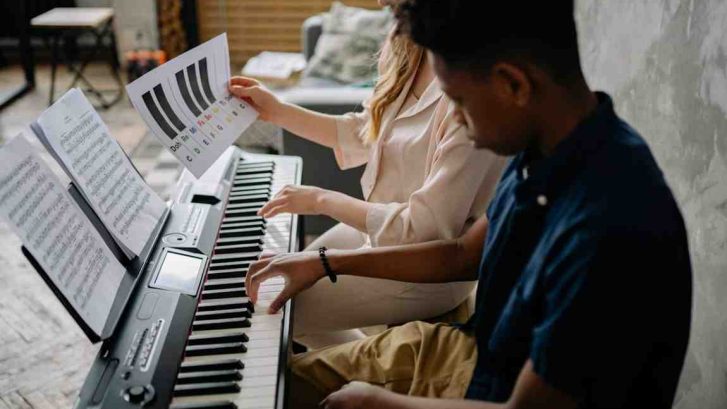
Learning to play the piano is a rewarding and enriching experience for children, offering them a variety of developmental benefits. However, one of the most common questions parents ask is, “What age should my child start piano lessons?” While there’s no one-size-fits-all answer, there are several factors to consider when determining the right time for your child to begin learning the piano. In this post, we’ll explore the best age to start piano lessons, the advantages of early musical education, and how to determine if your child is ready.
Why Consider Piano Lessons For Children?
Before diving into the appropriate age to start lessons, it’s important to understand why piano lessons are such a valuable pursuit for children. Learning to play the piano offers numerous benefits that extend beyond music itself:
Improved Cognitive Development: Playing the piano engages both hemispheres of the brain, promoting improved memory, problem-solving skills, and cognitive flexibility.
Enhanced Motor Skills: Piano playing helps develop fine motor skills, hand-eye coordination, and finger strength, especially in young children.
Discipline and Focus: Learning a musical instrument requires practice and concentration, teaching children valuable lessons in patience, discipline, and perseverance.
Boosted Emotional Intelligence: Piano lessons give children an expressive outlet, helping them develop emotional awareness and creative thinking.
Given these wide-ranging benefits, it’s no surprise that many parents want to introduce their children to the piano early. However, starting at the right time is key to ensuring a positive and productive learning experience.
The Ideal Age To Start Piano Lessons
While there is no definitive answer, most experts agree that the best time for a child to start piano lessons is between the ages of 5 and 7 years old. This age range is often considered ideal because it aligns with key developmental milestones that make learning the piano more accessible and enjoyable for children.
Here’s why:
Physical Readiness: At around 5 years old, children typically have developed the fine motor skills necessary to press piano keys with adequate strength and coordination. Their hands are also large enough to navigate the keyboard, making it easier for them to play simple melodies and scales.
Cognitive Development: By the age of 5, most children have started to grasp basic concepts like counting and recognizing patterns, which are essential for understanding music theory and reading sheet music.
Attention Span: Children in the 5–7 age range generally have longer attention spans than toddlers, enabling them to focus on lessons for 20–30 minutes at a time. This level of focus is crucial for making progress in learning the piano, as it requires consistent practice and concentration.
Starting Piano Lessons Before Age 5
While 5–7 is the most common starting age, it’s not unheard of for children to begin piano lessons earlier,
even as young as 3 or 4 years old. However, early beginners typically require a different approach to
learning the piano, as their physical and cognitive abilities are still developing.
If you’re considering starting your child before the age of 5, here are a few things to keep in mind:
Shorter Lessons: Very young children may not have the attention span for full-length lessons, so sessions should be kept short—around 10 to 15 minutes—and highly interactive to maintain their interest.
Focus on Play: Early lessons for children under 5 should be fun and playful, emphasizing exploration and experimentation with sounds rather than strict adherence to technique.
Parental Involvement: Parents will need to play an active role in reinforcing lessons at home. Helping your child stay engaged through practice sessions and encouraging their curiosity about music will be key to their progress.
Indicators That Your Child Is Ready For Piano Lessons
If your child is approaching the recommended starting age but you’re unsure if they’re ready, there are a few signs to look for that can help guide your decision:
Interest in Music: Has your child shown interest in playing the piano or other musical instruments? Do they often sing, hum, or tap along to music? A natural curiosity about music is one of the best indicators that your child may be ready for piano lessons.
Ability to Follow Instructions: Piano lessons require the ability to listen carefully and follow instructions from a teacher. If your child can follow simple directions and show patience during tasks, this is a good sign they may be ready for structured lessons.
Finger Independence: While young children are still developing their fine motor skills, it’s important that they have some degree of control over their fingers. If your child can comfortably use individual fingers to
press keys or manipulate small objects, they may be physically ready for piano lessons.
Attention Span and Focus: Can your child stay engaged with an activity for 15 to 30 minutes? Piano practice requires concentration, so it’s important that your child is capable of maintaining focus during lessons.
Parental Support: Starting piano lessons is a commitment, not just for the child but for the parents as well. Regular practice is essential for progress, so consider whether your child—and your schedule—allows time for consistent practice at home.
Piano Lessons And Child Development
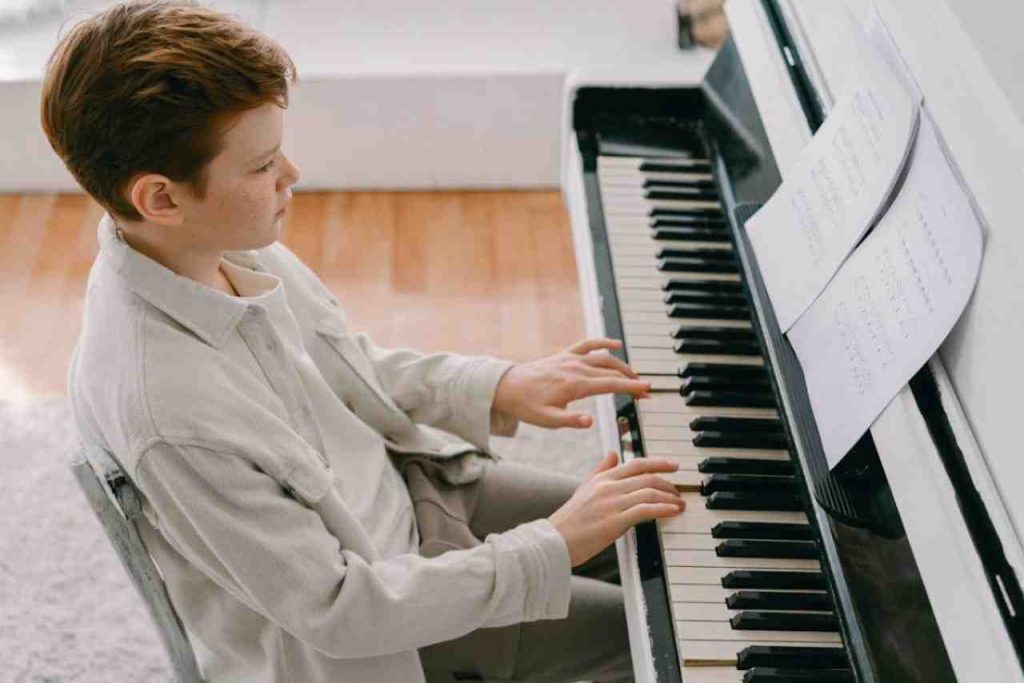
Piano lessons offer a wide range of developmental benefits for children beyond musical ability. Here’s how starting piano at a young age can enhance various aspects of your child’s growth:
Boosting Academic Skills: Learning to read music introduces children to patterns, fractions, and sequences, which can help improve math and reasoning skills.
Building Emotional Resilience: Mastering the piano involves overcoming challenges, whether it’s learning a difficult piece or performing in front of others. This process builds emotional resilience and teaches children how to handle frustration and disappointment.
Developing Creativity: The piano is a versatile instrument that allows for a high degree of personal expression. Through improvisation and composition, children can tap into their creative potential and develop unique ways of expressing themselves.
Social Skills and Confidence: Piano lessons often involve performance opportunities, whether in front of peers, family, or in recitals. Performing builds self-confidence and helps children develop social skills by learning how to interact in structured, group settings.
Piano Lesson Structure For Young Beginners
If you decide to start your child on piano lessons, it’s important to choose a lesson structure that suits their age and developmental stage. For young beginners, lessons should:
Be short and frequent: 20- to 30-minute lessons two or three times a week are ideal for children under 7, with time in between for home practice.
Be playful and interactive: Lessons for young children should incorporate games and activities that make learning fun. This could include clapping rhythms, singing along to melodies, or playing matching games with musical notes.
Focus on basic music theory: Early piano lessons should introduce simple concepts like the names of the piano keys, the basics of rhythm, and hand positioning without overwhelming the child with complex theory.
Conclusion: Starting Piano Lessons At The Right Age
While most children are ready to begin piano lessons between the ages of 5 and 7, every child develops at their own pace. If your child shows an interest in music, demonstrates focus, and has the physical coordination necessary to play the piano, they may be ready to begin lessons. For parents in Dubai, The Ballet Centre offers piano lessons tailored to young beginners, providing a fun and supportive environment to nurture your child’s musical journey.