Ballet, with its grace and discipline, transcends simple dance to embody a profound form of artistic expression. Yet, not all ballet dances to the same tune. The branches of classical and modern ballet each take unique stances on technique, performance, and expression. Their differences highlight the evolution of the art and how it continues to adapt and resonate with audiences worldwide.
Historical Development
The seeds of classical ballet were sown during the Renaissance, flourishing under the patronage of the Italian courts before taking root in the French Royal court. Here, it was more than entertainment; it was an extension of courtly manners, a mirror to the splendor and poise expected at the palace. As it matured, figures like Marius Petipa codified ballet techniques and choreographed what would become iconic performances, setting the gold standard for classical ballet that emphasized a strict framework of movement and posture.
Modern ballet began to pirouette away from these conventions in the early 20th century. Visionaries like Isadora Duncan and Martha Graham sought to express more personal and complex themes. They broke from the rigidity of classical form to emphasize human emotion, storytelling, and the exploration of new movements. This era saw a shift towards greater creative freedom, inviting dancers to use their bodies as instruments of deeper expression rather than mere vessels of technical perfection.
Key Characteristics
Classical Ballet
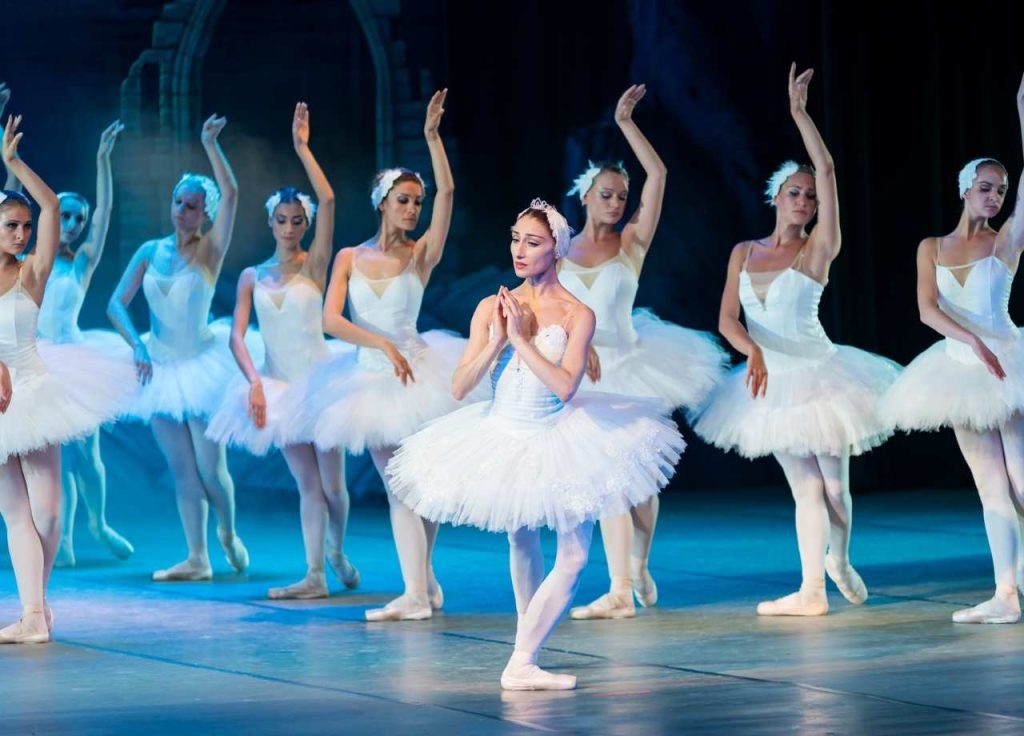
Classical ballet is synonymous with fairy tales. The stories of princesses, magical realms, and quests for love are brought to life through precise movements and technical skill. The dancer’s body must adhere to a specific vocabulary of steps, each performed with an ethereal lightness and effortless grace. This adherence to technique is complemented by the music—often orchestral—that guides the narrative flow and adds a layer of dramatic intensity.
The visual spectacle is just as important, with elaborate costumes and intricately designed sets that transport audiences to another time and place. The goal is to maintain an air of fantasy and perfection, an escape into a world where every line is clean, every movement is refined.
Modern Ballet
Conversely, modern ballet throws open the doors to innovation. Here, traditional ballet techniques are often fused with elements from other dance forms, creating a style that is more grounded and relatable. Modern ballet might not always tell a story but instead convey emotions or abstract concepts. The music choices reflect this shift, incorporating everything from classical pieces to modern compositions and sometimes silence.
The attire and stage designs also mirror this minimalist approach, focusing more on the dancer’s ability to communicate through movement rather than through the surroundings. It’s about connecting with the audience on a human level, presenting themes that are relevant and resonant.
Philosophical and Artistic Intentions
The underlying intentions of classical and modern ballet differ significantly, shaping the way each style approaches performance and choreography. Classical ballet aims to showcase the pinnacle of dance technique, focusing on a universe where beauty, form, and precision are paramount. It’s about maintaining traditions and offering an almost otherworldly perfection that adheres to established rules and standards. Audiences expect to see a display of flawless execution that adheres to a centuries-old artistic tradition.
In contrast, modern ballet is often more about the choreographers and dancer’s personal expression. It prioritizes individuality and the human experience, pushing beyond traditional boundaries to explore deeper, often more complex emotions. Where classical ballet seeks to transcend reality, modern ballet aims to reflect it, presenting works that engage with contemporary issues and feelings. It’s less about escaping the world and more about understanding it through movement and metaphor.
Training and Performance
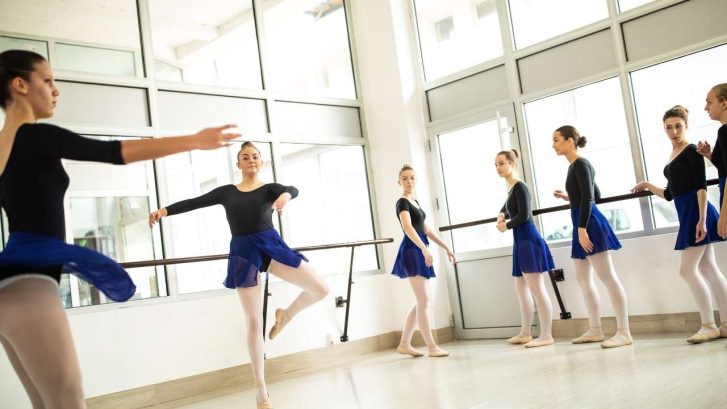
Training for classical ballet is rigorous. From a young age, dancers are immersed in a structured curriculum that scales in difficulty as they master the foundational techniques. This training is not just about physical ability; it’s also about adopting an art form’s culture—learning the discipline, respect, and dedication required to perform at high levels. Ballet schools like the Vaganova Academy in Russia and the Paris Opera Ballet School in France are famed for their demanding environments where precision in technique is just the starting point.
Modern ballet training, while also challenging, often allows for a broader exploration of dance forms. Dancers may train in classical techniques but are also encouraged to explore contemporary dance, improvisation, and even non-dance movement practices like yoga or Pilates to enhance their versatility. This approach reflects the genre’s inclusive philosophy, where expression and impact are as valued as technical precision. Schools and companies often emphasize creativity and adaptability, preparing dancers to perform a wide range of repertoire from classical to avant-garde pieces.
Audience and Cultural Reception
The audience for classical ballet often consists of those who appreciate the refinement and historical aspects of the art. Performances are typically held in grand theaters and are considered high-culture events, attracting an audience that values the preservation of artistic heritage and the beauty of structured, disciplined movement. This audience appreciates the connection to a long tradition of ballet that offers a glimpse into the past and upholds the aesthetics of bygone eras.
Modern ballet speaks to a potentially different crowd. It often attracts a younger, more diverse audience interested in themes that resonate with contemporary life. The settings for modern ballet performances can vary widely—from traditional theaters to unconventional spaces like warehouses or outdoor parks—reflecting the genre’s flexibility and its appeal to those who might find classical ballet less accessible or relevant to their experiences. Modern ballet’s ability to challenge norms and push artistic boundaries often draws a crowd eager for innovation and connection to current societal dialogues.
Influential Works And Choreographers
Exploring the prominent figures and performances in both ballet forms illuminates the depth and breadth of ballet as an art form. Classical ballet boasts iconic works such as “Swan Lake” and “The Nutcracker,” choreographed by Marius Petipa and Lev Ivanov. These ballets are pillars of the classical repertoire, celebrated for their technical precision and grand storytelling. They encapsulate the quintessence of classical ballet, with their elaborate costumes, detailed sets, and symphonic scores that continue to enchant audiences worldwide.
Modern ballet has its own set of landmark works that have shifted the landscape of dance. Choreographers like George Balanchine with “Apollo” and Alvin Ailey with “Revelations” have brought new perspectives and techniques to the forefront of ballet. These works emphasize innovation, exploring new forms of expression within ballet and often addressing or reflecting contemporary social issues. Their contributions have paved the way for future generations of dancers and choreographers to keep the art form alive and relevant.
Conclusion
Classical and modern ballet each offer unique vistas into the capabilities of human movement and artistic expression. Whether you lean towards the pristine lines of classical ballet or the emotive gestures of modern performances, each style has something incredible to offer. Dive into the diverse world of ballet by attending performances or exploring these dance forms through classes. There’s a whole world of movement waiting for you to discover it—why not take the first step and see where it leads you?