Martial arts, renowned for their ability to foster physical fitness, mental clarity, and self-defense skills, come in various styles and forms. Among these, Taekwondo stands out as a particularly accessible and beneficial practice. This Korean martial art, now practiced worldwide, offers unique advantages that make it appealing to a diverse audience.
The Origins and Evolution of Taekwondo
Taekwondo’s roots can be traced back to Korea, where it began as a blend of fighting techniques, philosophy, and military strategy several centuries ago. It evolved over time, influenced by various Korean kingdoms’ combat styles and philosophies. The name itself, Taekwondo, translates to “the way of foot and fist,” which highlights its emphasis on head-height kicks, jumping and spinning kicks, and fast kicking techniques. It gained significant global attention when it was demonstrated at the 1988 Seoul Olympic Games and later became an official Olympic sport in 2000. This inclusion marked a significant milestone, reflecting its widespread acceptance and the global respect it commands.
Core Principles of Taekwondo
Unlike some martial arts that focus solely on physical prowess, Taekwondo places a heavy emphasis on personal development through its five tenets: courtesy, integrity, perseverance, self-control, and indomitable spirit. These principles guide practitioners not just in their physical training but in their everyday lives, shaping their interactions and personal growth.
- Courtesy involves respecting fellow practitioners, instructors, and the traditions of Taekwondo.
- Integrity refers to the honesty and straightforwardness expected in all actions, inside and outside the dojo.
- Perseverance is about the relentless pursuit of personal and martial excellence.
- Self-control ties into the mental discipline required to practice Taekwondo, ensuring that emotions and physical actions remain regulated.
- Indomitable spirit represents the resilience needed to overcome obstacles, not giving in to fear or adversity.
Physical and Mental Health Benefits of Taekwondo
Taekwondo is more than just a sport; it’s a full-body workout that enhances physical and mental health. Regular practice improves flexibility through dynamic movements and stretching, which is vital for maintaining muscle health and preventing injuries. It also builds strength, not just through typical muscle-building exercises, but through the repetition of moves that require power and precision. Endurance is another key benefit, as sessions involve sustained exertion, which helps improve cardiovascular health and stamina.
The mental health benefits are equally impressive. Regular training fosters a unique blend of focus and calm, which can help reduce stress and increase overall life satisfaction. The discipline learned in Taekwondo, such as mastering complex patterns and sparring, sharpens the mind and teaches practitioners how to manage their emotions effectively. This mental discipline often leads to increased self-esteem and confidence, as students achieve new belts and master new techniques.
Taekwondo for Different Ages and Abilities
One of Taekwondo’s greatest strengths is its accessibility. Children as young as five can start learning, benefiting from improved coordination, better focus in school, and the values of respect and discipline taught through the sport. Adults find in Taekwondo a great way to stay active and relieve stress. It’s also a fantastic way to meet new people who share a common interest in staying healthy and active.
For seniors, Taekwondo offers a chance to keep physically active in a less impactful manner. Many schools offer modified programs that focus less on high kicks and rapid movements and more on balance, flexibility, and strength training, which are crucial for maintaining mobility and health in older age.
Taekwondo as a Tool for Self-Defense
Self-defense is a significant aspect of Taekwondo that attracts many to the sport. The techniques taught are practical and effective in real-world scenarios, empowering students to protect themselves if necessary. The focus on quick, sharp movements allows for developing the ability to react swiftly and decisively. This aspect of training can be particularly empowering, as students learn not just to defend themselves but also to carry themselves in a way that projects confidence, potentially deterring threats.
The skills developed go beyond physical defense; they include the ability to assess situations quickly and react appropriately, which can help in various aspects of life, from personal confrontations to professional standoffs. Learning and practicing these skills in a controlled environment allows Taekwondo practitioners to feel more secure in their daily lives.
Competitive Taekwondo
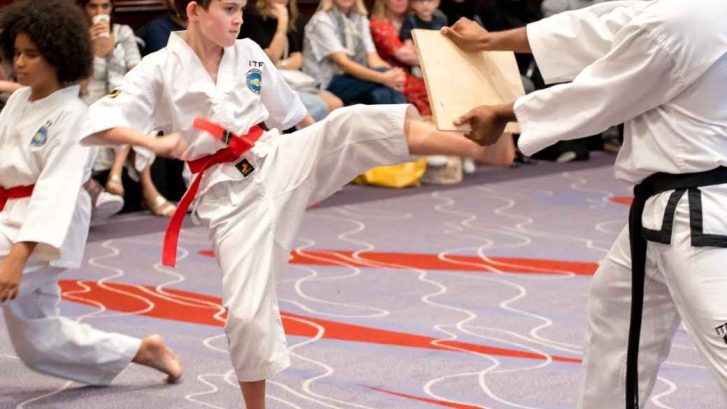
For those who thrive on competition, Taekwondo offers plenty of opportunities to test skills against others. It’s not just about local tournaments; there are regional, national, and international competitions that cater to various skill levels. Competitors can engage in sparring, where they face off against opponents in matches that test speed, accuracy, and strategic thinking. There are also patterns, or poomsae, competitions, where precision and control in performing complex movements are judged. For those who enjoy a display of power, board breaking tests strength and technique in a dynamic setting.
Taekwondo Culture and Community
Joining a Taekwondo class means more than learning kicks and punches; it’s about becoming part of a community. This martial art fosters a sense of belonging and camaraderie among practitioners, who often describe their training groups as a second family.
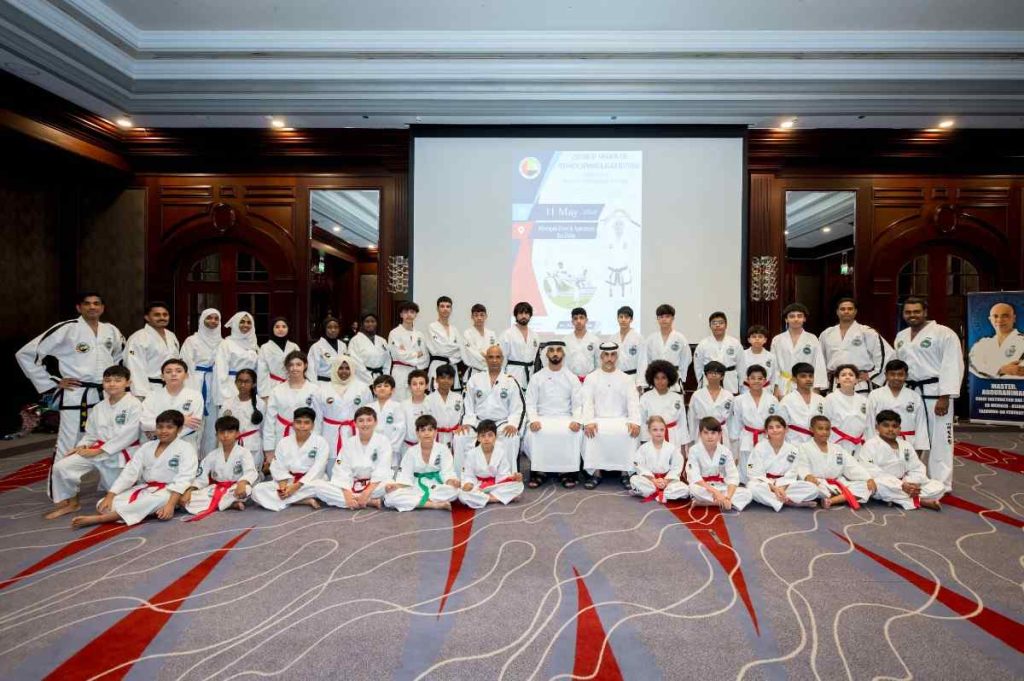
The respect shared between students and instructors creates a supportive environment that enhances the learning experience. Furthermore, the global reach of Taekwondo allows practitioners to connect with a diverse group of people, sharing techniques, experiences, and cultures.
How to Get Started with Taekwondo
Getting started with Taekwondo is straightforward. Look for a local dojang that has certified instructors and a welcoming atmosphere. Beginners should expect their first classes to focus on basic movements and etiquette, gradually increasing in complexity as they become more skilled. The progression through different belt levels offers continual learning and a visible track of achievement, which can be incredibly satisfying.
Choosing A Reputable Institution For Learning
The Ballet Centre Dubai, established in 1986, offers Taekwondo classes led by professional black belt instructors. Their programs cater to children as young as four, emphasizing foundational techniques and the spiritual aspects of Taekwondo. With a longstanding reputation in the performing arts and martial arts community, the Ballet Centre ensures high-quality instruction that meets international standards
Conclusion
Taekwondo is more than just martial arts; it’s a pathway to improved physical health, mental clarity, and personal growth. Whether you’re looking for a new hobby, a way to stay fit, or a supportive community, Taekwondo has something to offer. Why not take the first step and sign up for a class near you? Discover the benefits this dynamic sport can bring into your life.