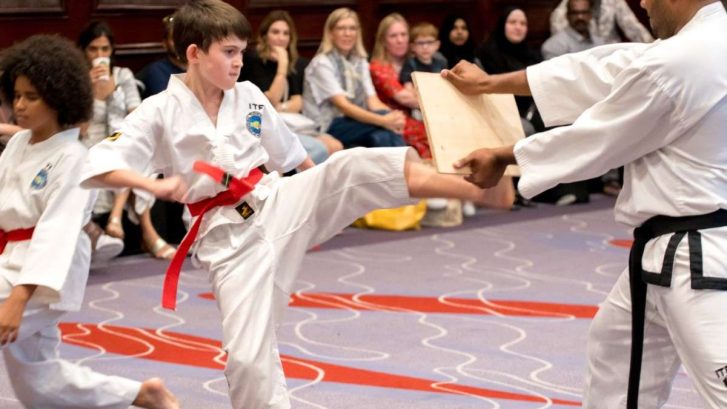
taekwondo student breaking wooden board with a kick

Taekwondo vs. Kickboxing: Which Style Matches Your Goals?

Choosing the right martial art can be a tricky decision, especially for those looking to unlock a wide range of physical and mental benefits. Both taekwondo and kickboxing offer effective ways to build strength, enhance fitness, and learn self-defense. Yet, they approach these goals from very different angles. Whether you’re considering a martial art for your child or looking to take on a new challenge yourself, understanding what each style brings to the table can help you decide which one best aligns with your personal goals.

What Is Taekwondo?

Taekwondo is a Korean martial art that emphasizes high, fast kicks and dynamic footwork. With roots in ancient Korean combat techniques, taekwondo was modernized and systemized in the 1950s and 1960s, eventually gaining international popularity. Its focus is on discipline, respect, and building mental resilience, often encouraging students to strive for personal growth in addition to physical prowess.

At the heart of taekwondo is its unique approach to combat. The art emphasizes agility and precision, often requiring practitioners to maintain balance while executing quick, powerful kicks. The techniques can vary from low, controlled kicks to high, spinning kicks that require flexibility and coordination. Students learn how to use their legs as their primary weapons, with some striking techniques involving fast, powerful roundhouse and side kicks.

What Is Kickboxing?

Kickboxing is a hybrid martial art that combines elements of traditional boxing with powerful kicks. Developed in the 1970s, kickboxing blends Western boxing techniques—such as punches, jabs, and hooks—with Eastern martial arts-style kicks, creating a versatile fighting system that incorporates both hand and foot strikes. It is known for its intensity, offering a full-body workout while also improving cardiovascular endurance, strength, and agility.

Kickboxing training typically includes practicing punches, kicks, knee strikes, and defensive maneuvers. Unlike taekwondo, which relies heavily on footwork and kicks, kickboxing involves using fists and elbows more frequently. The art requires a strong focus on speed, power, and precision while teaching practical, real-world techniques that can be used for self-defense or competition.

Key Differences in Training Focus

When it comes to training, taekwondo and kickboxing differ significantly in their emphasis. Taekwondo focuses more on flexibility, agility, and mastering precise, controlled movements. Kicks are central to taekwondo, with students learning to execute high and fast kicks with pinpoint accuracy. Practitioners often work on improving their flexibility and balance, which are essential for performing these advanced kicking techniques.

Kickboxing, on the other hand, places a greater emphasis on developing power and stamina. While kicks are used, punches and combinations are also crucial to training. Kickboxers spend a significant amount of time working on their footwork, strikes, and defensive moves. Conditioning is often intense, and training often incorporates heavy bags, pads, and sparring to build strength and endurance.

Which Martial Art Suits Your Child’s Needs?

For parents considering enrolling their child in martial arts, both taekwondo and kickboxing offer unique advantages. If your child enjoys practicing graceful, controlled movements and is keen to improve flexibility, taekwondo may be a great fit. The discipline and respect taught in taekwondo classes can also be a wonderful way to build character and instill values such as perseverance, focus, and determination.

At Ballet Centre Dubai, we offer a welcoming space for children of all skill levels to explore different activities. With our ITF Taekwondo classes, young students not only learn effective self-defense techniques but also develop the mental discipline that comes with mastering an intricate art form. It’s a fantastic option for children who thrive in a structured environment where they can build confidence and physical skills simultaneously.

For children who prefer a more dynamic, action-packed martial art, kickboxing may be the better choice. With its fast-paced training and emphasis on cardiovascular conditioning, kickboxing can help kids improve their stamina, agility, and coordination. The sport is especially effective for children who want to challenge themselves physically and learn practical skills for self-defense.

Physical Benefits: Taekwondo vs. Kickboxing

Both taekwondo and kickboxing offer impressive physical benefits, but their specific advantages cater to different fitness goals. Taekwondo tends to be more focused on flexibility, balance, and precise coordination. Training involves extensive leg work, which can help tone and strengthen the lower body. Students can also develop better posture and agility through the controlled movements and quick changes in direction.

Kickboxing, however, is designed to boost cardiovascular health, burn calories, and build overall strength. The sport’s high-intensity workouts combine aerobic and anaerobic exercise, making it a great choice for improving heart health and stamina. Kickboxing also helps to build strength in the core, legs, and upper body, offering a well-rounded fitness routine that tones the entire body.

Mental Benefits: Discipline, Focus, and Confidence

A significant aspect of martial arts, whether taekwondo or kickboxing, is the mental discipline that comes with consistent practice. Taekwondo, due to its deep-rooted emphasis on respect and tradition, encourages students to develop mental focus and perseverance. This is why it can be such a powerful tool for children, teaching them to overcome challenges both on and off the mat. As they progress through the various belt levels, children learn to set goals, track progress, and build resilience in the face of adversity.
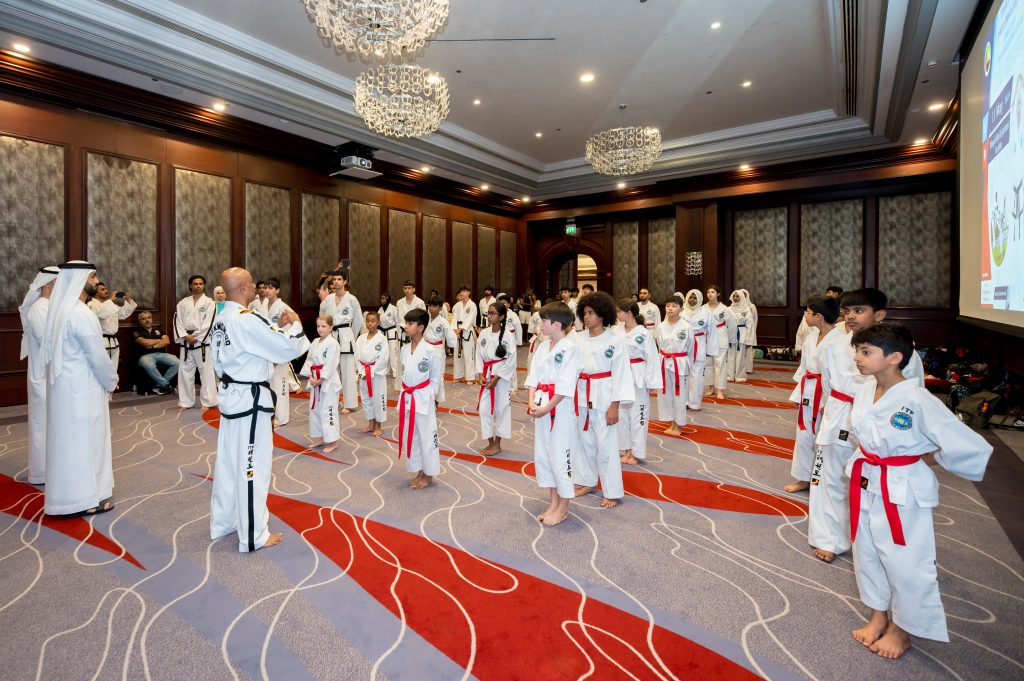
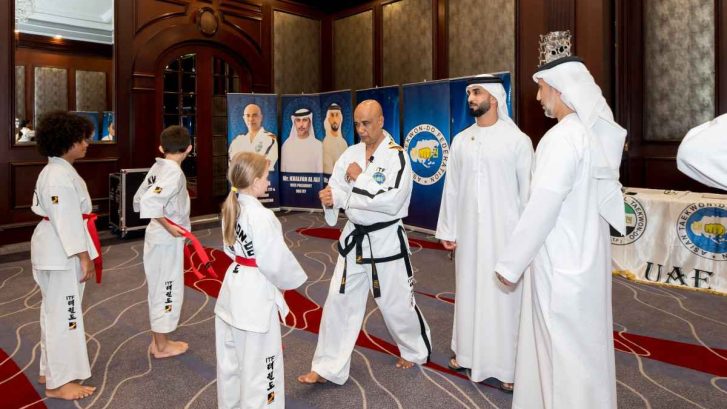
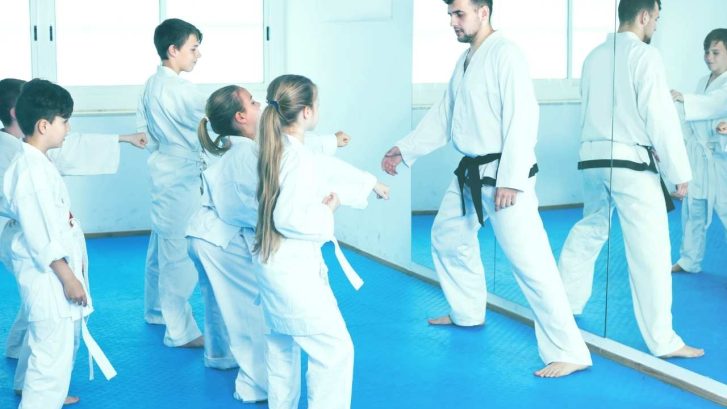
Children in hall with Taekwondo instructor at the front of the class

Kickboxing, by contrast, fosters confidence through strength and control. The sport’s focus on physical conditioning and combat skills can help students feel empowered, as they gain the ability to defend themselves effectively. Kickboxing can also build mental toughness by pushing students to face intense training sessions that require determination and a strong work ethic.

Which One Should You Choose?

The decision between taekwondo and kickboxing depends on your personal goals, interests, and fitness objectives. If you’re looking for an art that combines flexibility, discipline, and precise movements, taekwondo may be the ideal choice. Its structured environment and emphasis on balance, grace, and concentration offer a well-rounded martial arts experience that appeals to those seeking personal growth.

On the other hand, if you’re drawn to high-intensity training and the desire to build strength, stamina, and agility, kickboxing might be the way to go. It provides a more dynamic, energetic environment where students can challenge themselves physically and develop practical combat skills.

At Ballet Centre Dubai, we’re proud to offer both taekwondo and kickboxing as part of our diverse curriculum. Our ITF Taekwondo classes are designed for students of all ages, while our kickboxing training is perfect for those looking to engage in a more fast-paced, action-oriented martial art. With a focus on physical fitness, personal development, and the mental benefits of martial arts, we provide a safe and supportive environment for individuals and families to explore and enjoy both disciplines.

Whether you choose taekwondo or kickboxing, the key is to find a martial art that aligns with your goals and interests. By trying out a class and experiencing the training firsthand, you can discover which style resonates with you or your child. Both offer exciting opportunities to grow, challenge yourself, and experience the numerous benefits of martial arts.
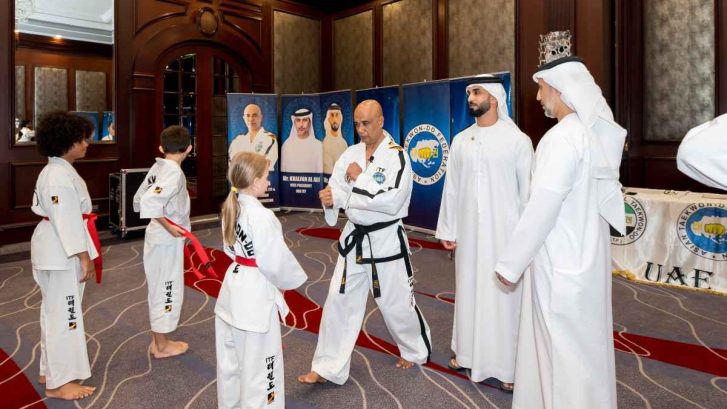
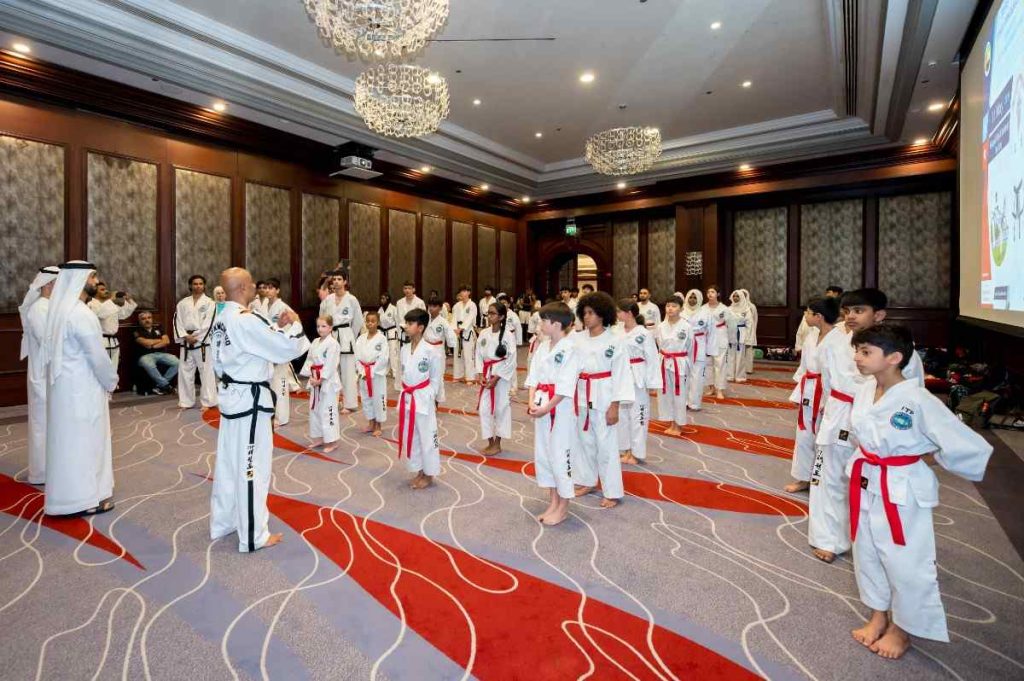
children at a taekwondo award giving ceremony

Master Discipline & Strength with Taekwondo

The sight of a young martial artist executing precise movements with unwavering focus is always impressive. Every block, strike, and kick is a reflection of countless hours of practice, discipline, and determination. Taekwondo isn’t just about physical skill—it’s a training ground for the mind and body, shaping students into strong, confident individuals.

The Foundation of Discipline

One of the first lessons a Taekwondo student learns has nothing to do with physical movement. It starts with respect—respect for the instructor, the training space, and the discipline itself. Before stepping onto the mat, students bow, signaling their readiness to learn. This simple act introduces them to the structure and discipline that will guide their progress.

For young learners, this environment provides a much-needed balance between freedom and responsibility. They have the space to challenge themselves, but they also understand that improvement comes through consistent effort. The training requires full attention—listening to instructions, following proper form, and practicing repeatedly until movements become second nature.

Over time, these habits extend beyond the class. Children who struggle with focus often find that Taekwondo helps them develop better concentration. They learn to complete tasks with greater attention to detail, whether it’s finishing homework, tidying their space, or following instructions at school.

Strength Through Technique

Taekwondo is famous for its powerful kicks, but true strength in this martial art isn’t just about force. It’s about control, balance, and precision. A well-executed kick requires more than just lifting the leg and striking—it involves core stability, proper hip rotation, and an understanding of timing.

Young students start with basic movements that help build coordination. Simple drills, such as holding a stance or repeating a kicking motion, train their muscles to work efficiently. Over time, they gain greater flexibility, endurance, and strength. What starts as a challenge becomes second nature, and their physical abilities improve without them even realizing it.

Beyond the physical benefits, mastering these techniques teaches patience. A child may struggle with a particular kick for weeks before finally getting it right. That moment of success reinforces the idea that hard work leads to progress.

The Role of Routine in Building Character

Consistency is key in Taekwondo. The structured nature of training helps children develop a sense of responsibility. Attending class regularly, practicing at home, and striving toward new belt levels teach them the value of commitment.

Many parents notice a shift in their child’s mindset after just a few months of training. The same child who once resisted routines now understands the importance of practice and effort. This shift often translates into other areas of life, from completing school assignments on time to approaching new challenges with a problem-solving attitude.

Confidence Through Progress

One of the most rewarding aspects of Taekwondo is the belt system. Earning a new belt isn’t just about demonstrating physical ability; it’s about showing readiness to take on more responsibility. This structured progression keeps students motivated, giving them clear goals to work toward.

For a child who struggles with self-confidence, this process is incredibly valuable. Each class presents an opportunity to push past personal limits. Whether it’s improving a stance, kicking higher, or successfully breaking a board, every achievement builds confidence.

Parents often find that Taekwondo helps their children overcome shyness or hesitation. The structured yet supportive environment encourages students to step outside their comfort zones, knowing that effort and persistence will lead to improvement.

Self-Control in Action

Martial arts teach self-defense, but one of the most important lessons is knowing when not to use it. Taekwondo emphasizes control—of movement, of reactions, and of emotions. Students learn that strength is not about aggression but about measured response.

In class, this is reinforced through sparring exercises. Rather than reckless fighting, students practice controlled movements, maintaining composure under pressure. This ability to stay calm and think before acting is a skill that carries into daily life. Whether dealing with a disagreement at school or handling frustration in a challenging situation, children who train in Taekwondo develop a sense of self-control that helps them navigate social interactions more effectively.

Respect as a Core Value

Respect is woven into every aspect of Taekwondo training. From the way students address their instructors to the way they interact with classmates, the importance of treating others with consideration is constantly reinforced.

This respect extends beyond class. Many parents notice a positive shift in their child’s behavior at home and school. Simple acts—like listening without interrupting, waiting their turn, and showing appreciation—become second nature.

For children who struggle with impulsiveness or difficulty following rules, Taekwondo provides a clear structure that helps them develop better habits. Instead of feeling restricted, they learn that following guidelines allows them to grow and improve.

A Safe and Encouraging Learning Space

The environment in which a child learns Taekwondo matters. A well-structured program ensures that students receive the right balance of discipline and encouragement. At Ballet Centre Dubai, the ITF Taekwondo classes provide a safe, supportive setting where students of all skill levels can thrive.

chldren in straight lines as they face their taekwondo instructor

With experienced instructors guiding them, students build confidence at their own pace. The structured curriculum, which includes KHDA-approved exams, helps parents track their child’s progress while ensuring they are receiving quality training. The centre also offers flexible payment plans and free trial classes, making it easier for families to explore whether Taekwondo is the right fit for their child.

A well-rounded approach to training means that students are not only learning physical techniques but also developing mental resilience. The goal is not just to build strong athletes but to shape individuals who carry the values of discipline, respect, and perseverance into every aspect of their lives.

A Lifelong Skill Set

Taekwondo offers much more than just a way to stay active. It provides children with tools they will use throughout their lives. The discipline they develop in class translates into better study habits. The confidence they gain helps them approach new situations with courage. The respect they learn fosters healthier relationships with peers and adults.

Parents looking for an activity that goes beyond entertainment—something that truly shapes character—will find that Taekwondo is one of the most rewarding choices they can make for their child. Whether a student continues training for years or simply carries the lessons learned into other pursuits, the skills gained through this martial art remain long after the final bow on the mat.

A man taching children taekwondo as children watch.

Should Your Child Join a Taekwondo School?

As parents, we’re always seeking opportunities that encourage our children’s growth—physically, mentally, and socially. Activities like Taekwondo often spark interest because they offer a unique combination of physical activity and life skills. But how do you decide if this is the right choice for your child? Let’s explore what Taekwondo can offer and why it’s worth considering.

Building Confidence and Discipline

One of the first things you’ll notice about Taekwondo is how structured it is. Students follow a clear set of rules and learn to respect their instructors and peers. This environment naturally fosters discipline and focus, qualities that can help children succeed in all areas of life.

For shy children, Taekwondo can be transformative. The structured progression through belt levels allows them to set achievable goals. Every new skill mastered and belt earned becomes a confidence booster, showing them they’re capable of more than they imagined.

At Ballet Centre Dubai, we’ve witnessed countless students flourish in this way. Our ITF Taekwondo classes create a supportive environment where children feel safe to challenge themselves, knowing they have encouragement at every step.

Physical Benefits Beyond Fitness

Parents often think of Taekwondo primarily as a sport, but it’s much more than that. While it’s excellent for building strength, agility, and endurance, it also teaches body awareness and coordination. For young children still developing motor skills, these benefits are invaluable.

Additionally, Taekwondo emphasizes flexibility and balance—skills that extend into other physical activities. Whether your child wants to try a dance class or participate in school sports, the foundational skills they gain here will serve them well.

Our Taekwondo programs complement our other offerings, such as RAD Ballet and ISTD Modern, creating an opportunity for children to explore a variety of disciplines while developing well-rounded physical abilities.

Self-Defense and Safety

Taekwondo is often associated with self-defense, and while this is a part of it, the focus is on building awareness and avoiding conflict whenever possible. Children are taught how to remain calm in tense situations and use their skills responsibly. This approach not only empowers them but also reassures parents that their children are learning to protect themselves in a safe, ethical way.

For families looking for an activity that offers both physical activity and peace of mind, Taekwondo is an excellent option.

Mental Strength and Resilience

Taekwondo challenges children to push through obstacles and setbacks, whether it’s learning a difficult kick or preparing for an exam to advance to the next belt. This kind of mental training is invaluable. Children learn that perseverance and effort pay off—a mindset that will carry over into academics, friendships, and future challenges.

Instructors play a crucial role here. A good Taekwondo coach will encourage students to step outside their comfort zones while ensuring they feel supported. At Ballet Centre Dubai, our KHDA-approved instructors are committed to nurturing resilience in every child, ensuring they grow both mentally and physically.

Social Interaction and Teamwork

Taekwondo may seem like an individual sport, but it fosters a strong sense of community. Students often train together, support each other, and celebrate each other’s achievements. For children who struggle to make friends or feel part of a group, this camaraderie can be a turning point.

In addition, the respectful atmosphere of a Taekwondo class teaches children how to interact politely and responsibly with others. They learn to listen, follow instructions, and collaborate—skills that will serve them well beyond the classroom.

Practical Considerations

If you’re considering enrolling your child in Taekwondo, it’s important to find a school that prioritizes safety, professional instruction, and a welcoming environment. At Ballet Centre Dubai, we offer flexible payment plans and a free trial class, so families can ensure the program is the right fit before committing.

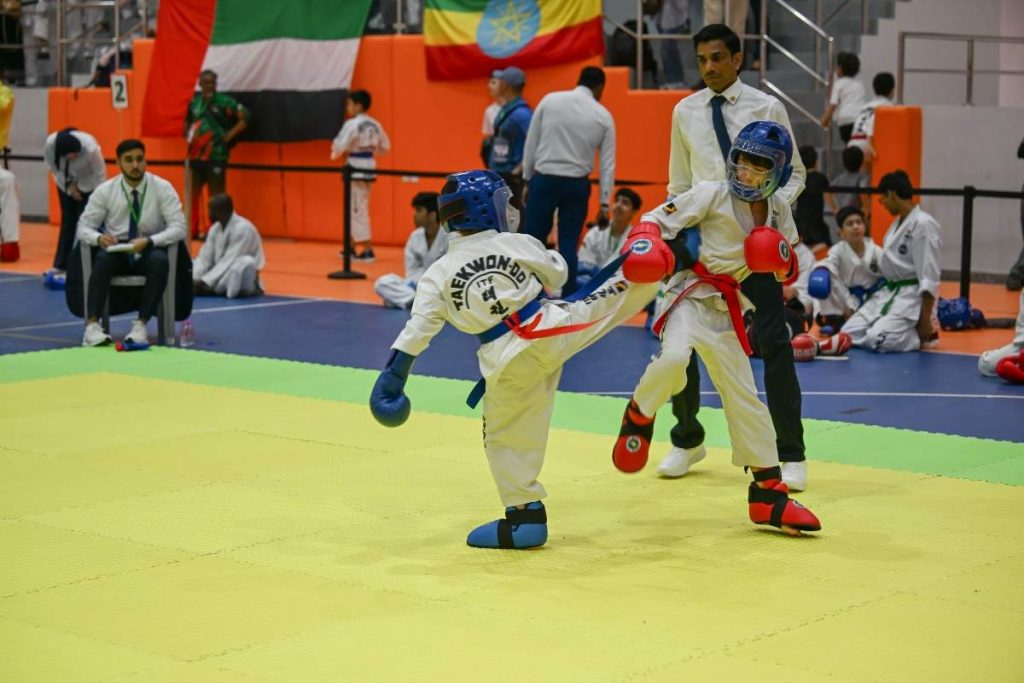
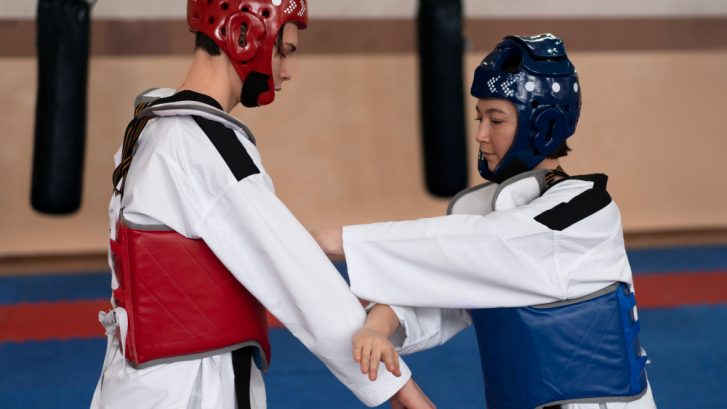
two children in taekwondo fight on mat

Additionally, the structure of yearly exams provides a sense of progression while allowing students to showcase their growth. Parents can take pride in seeing their child achieve milestones, whether it’s mastering a new form or earning a higher belt.

A Balanced Approach to Development

Taekwondo is not just about physical skills or self-defense—it’s about nurturing the whole child. From the discipline of training to the confidence of mastering challenges, this martial art has the potential to make a lasting impact on your child’s development.

At Ballet Centre Dubai, our Taekwondo classes are designed to bring out the best in every student. Whether your child is naturally energetic or needs encouragement to come out of their shell, this program offers something for everyone. With a safe and supportive environment, experienced instructors, and a variety of other enriching activities available, we’re here to help your child thrive.

If you’re ready to take the first step, why not join us for a trial class? It could be the start of an exciting new journey for your child—one that strengthens their body, mind, and spirit.

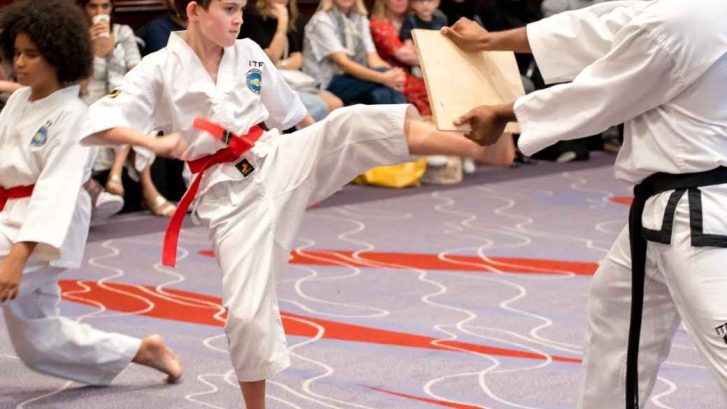
Young Taekwondo red belt kicking a board held up by his instructor

Martial Arts for All: Why Taekwondo Leads the Way

Martial arts, renowned for their ability to foster physical fitness, mental clarity, and self-defense skills, come in various styles and forms. Among these, Taekwondo stands out as a particularly accessible and beneficial practice. This Korean martial art, now practiced worldwide, offers unique advantages that make it appealing to a diverse audience.

The Origins and Evolution of Taekwondo

Taekwondo’s roots can be traced back to Korea, where it began as a blend of fighting techniques, philosophy, and military strategy several centuries ago. It evolved over time, influenced by various Korean kingdoms’ combat styles and philosophies. The name itself, Taekwondo, translates to “the way of foot and fist,” which highlights its emphasis on head-height kicks, jumping and spinning kicks, and fast kicking techniques. It gained significant global attention when it was demonstrated at the 1988 Seoul Olympic Games and later became an official Olympic sport in 2000. This inclusion marked a significant milestone, reflecting its widespread acceptance and the global respect it commands.

Core Principles of Taekwondo

Unlike some martial arts that focus solely on physical prowess, Taekwondo places a heavy emphasis on personal development through its five tenets: courtesy, integrity, perseverance, self-control, and indomitable spirit. These principles guide practitioners not just in their physical training but in their everyday lives, shaping their interactions and personal growth.

  • Courtesy involves respecting fellow practitioners, instructors, and the traditions of Taekwondo.
  • Integrity refers to the honesty and straightforwardness expected in all actions, inside and outside the dojo.
  • Perseverance is about the relentless pursuit of personal and martial excellence.
  • Self-control ties into the mental discipline required to practice Taekwondo, ensuring that emotions and physical actions remain regulated.
  • Indomitable spirit represents the resilience needed to overcome obstacles, not giving in to fear or adversity.

Physical and Mental Health Benefits of Taekwondo

Taekwondo is more than just a sport; it’s a full-body workout that enhances physical and mental health. Regular practice improves flexibility through dynamic movements and stretching, which is vital for maintaining muscle health and preventing injuries. It also builds strength, not just through typical muscle-building exercises, but through the repetition of moves that require power and precision. Endurance is another key benefit, as sessions involve sustained exertion, which helps improve cardiovascular health and stamina.

The mental health benefits are equally impressive. Regular training fosters a unique blend of focus and calm, which can help reduce stress and increase overall life satisfaction. The discipline learned in Taekwondo, such as mastering complex patterns and sparring, sharpens the mind and teaches practitioners how to manage their emotions effectively. This mental discipline often leads to increased self-esteem and confidence, as students achieve new belts and master new techniques.

Taekwondo for Different Ages and Abilities

One of Taekwondo’s greatest strengths is its accessibility. Children as young as five can start learning, benefiting from improved coordination, better focus in school, and the values of respect and discipline taught through the sport. Adults find in Taekwondo a great way to stay active and relieve stress. It’s also a fantastic way to meet new people who share a common interest in staying healthy and active.

For seniors, Taekwondo offers a chance to keep physically active in a less impactful manner. Many schools offer modified programs that focus less on high kicks and rapid movements and more on balance, flexibility, and strength training, which are crucial for maintaining mobility and health in older age.

Taekwondo as a Tool for Self-Defense

Self-defense is a significant aspect of Taekwondo that attracts many to the sport. The techniques taught are practical and effective in real-world scenarios, empowering students to protect themselves if necessary. The focus on quick, sharp movements allows for developing the ability to react swiftly and decisively. This aspect of training can be particularly empowering, as students learn not just to defend themselves but also to carry themselves in a way that projects confidence, potentially deterring threats.

The skills developed go beyond physical defense; they include the ability to assess situations quickly and react appropriately, which can help in various aspects of life, from personal confrontations to professional standoffs. Learning and practicing these skills in a controlled environment allows Taekwondo practitioners to feel more secure in their daily lives.

Competitive Taekwondo

For those who thrive on competition, Taekwondo offers plenty of opportunities to test skills against others. It’s not just about local tournaments; there are regional, national, and international competitions that cater to various skill levels. Competitors can engage in sparring, where they face off against opponents in matches that test speed, accuracy, and strategic thinking. There are also patterns, or poomsae, competitions, where precision and control in performing complex movements are judged. For those who enjoy a display of power, board breaking tests strength and technique in a dynamic setting.

Taekwondo Culture and Community

Joining a Taekwondo class means more than learning kicks and punches; it’s about becoming part of a community. This martial art fosters a sense of belonging and camaraderie among practitioners, who often describe their training groups as a second family.

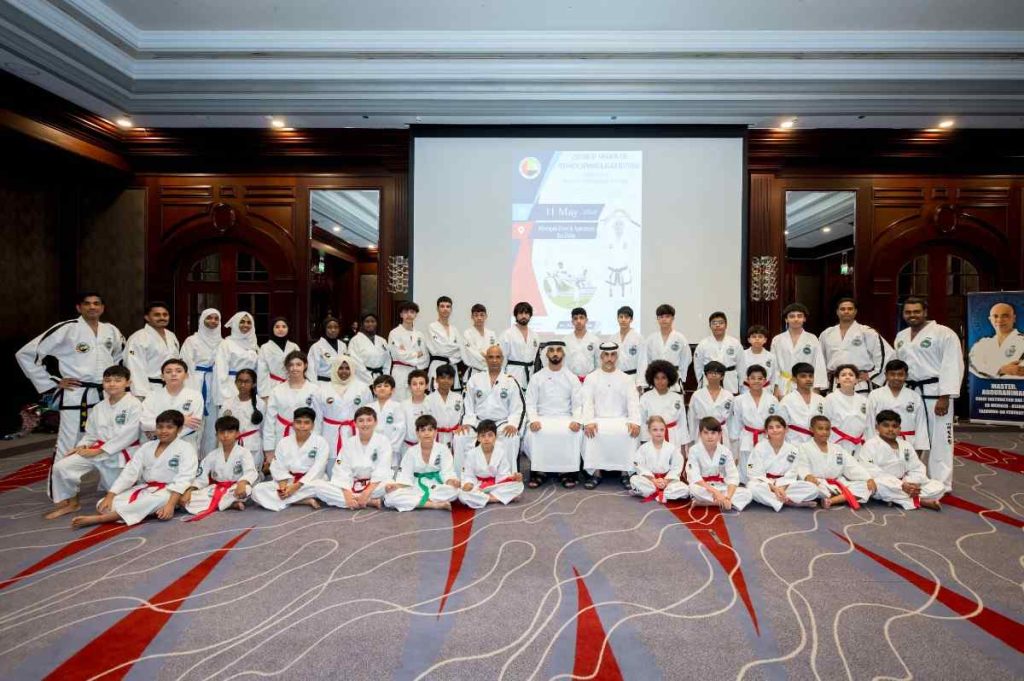
taekwondo group of students sitting and posing for photo

The respect shared between students and instructors creates a supportive environment that enhances the learning experience. Furthermore, the global reach of Taekwondo allows practitioners to connect with a diverse group of people, sharing techniques, experiences, and cultures.

How to Get Started with Taekwondo

Getting started with Taekwondo is straightforward. Look for a local dojang that has certified instructors and a welcoming atmosphere. Beginners should expect their first classes to focus on basic movements and etiquette, gradually increasing in complexity as they become more skilled. The progression through different belt levels offers continual learning and a visible track of achievement, which can be incredibly satisfying.

Choosing A Reputable Institution For Learning

The Ballet Centre Dubai, established in 1986, offers Taekwondo classes led by professional black belt instructors. Their programs cater to children as young as four, emphasizing foundational techniques and the spiritual aspects of Taekwondo. With a longstanding reputation in the performing arts and martial arts community, the Ballet Centre ensures high-quality instruction that meets international standards

Conclusion

Taekwondo is more than just martial arts; it’s a pathway to improved physical health, mental clarity, and personal growth. Whether you’re looking for a new hobby, a way to stay fit, or a supportive community, Taekwondo has something to offer. Why not take the first step and sign up for a class near you? Discover the benefits this dynamic sport can bring into your life.

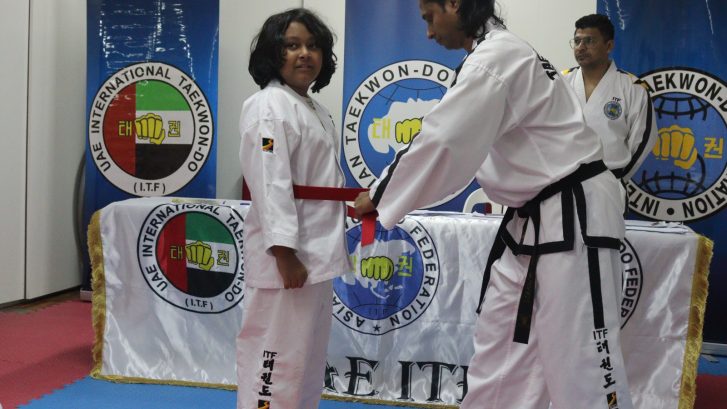
Male student wearing taekwondo uniform with a red belt being tied around his waist by instructor

Step by Step: Mastering Taekwondo Progression Levels

Taekwondo, a martial art known for its high kicks and swift movements, offers more than just physical training—it’s a journey of self-discovery and discipline. Understanding the belt system is crucial for any practitioner committed to mastering the art. Each belt color not only represents a certain skill level but also encapsulates the knowledge and growth accumulated along the way.

Understanding Taekwondo Belts and Progression Levels

The journey in Taekwondo is marked by the belt system, each color offering a new level of skill and understanding. Starting from the white belt, seen as the blank slate, to the prestigious black belt, each step is significant. A practitioner moves through yellow, green, blue, and red belts before reaching black, with each belt requiring dedication and mastery of specific techniques. The time it takes to progress can vary widely among students, depending on their training intensity and personal growth.

Starting Your Journey: White Belt

For beginners, the white belt is their introduction to the fundamentals of Taekwondo. It’s about building a solid foundation in basic stances, blocks, punches, and kicks. Newcomers learn the importance of balance, form, and technique—elements that are crucial throughout all levels of Taekwondo. Practicing these basics repeatedly helps embed the muscle memory needed for more advanced techniques later on. Setting realistic goals, such as mastering a new stance or improving flexibility, can make the learning process rewarding and measurable.

Yellow Belt: Building the Foundation

After mastering the basics, practitioners earn the yellow belt, which introduces them to forms and more complex techniques. This level focuses on the first pattern, or ‘poomsae,’ which teaches students how to move fluidly from one technique to another while maintaining balance and precision. Challenges like remembering the sequence of moves and executing them with the correct technique are common. Overcoming these challenges requires consistent practice and a focus on the details of each movement.

Green Belt: Enhancing Skills

Reaching the green belt signifies that a student is ready to deepen their skill set with increased physical and mental challenges. This level involves more dynamic kicking techniques and the introduction of sparring. Sparring allows students to apply their skills in a controlled combat setting, which is essential for understanding practical application and improving reflexes. Students also start to learn how to manage and channel their energy efficiently during a fight. The green belt is a transitional phase where students begin to see the connection between the discipline they’ve been learning and its application in realistic scenarios.

Blue Belt: Intermediate Techniques

Achieving a blue belt is a significant milestone in Taekwondo. At this stage, students are expected to have a strong grasp of the basics and a readiness to tackle more complex techniques. The focus shifts to mastering higher-level Poomsae, which are patterns that require a combination of movements demonstrating control, power, and precision. This is also the stage where students begin to engage in more competitive sparring, learning to anticipate and counteract their opponents’ moves effectively.

Training becomes more rigorous as emphasis is placed on perfecting each movement. The blue belt curriculum includes jumping and spinning kicks, which not only look impressive but also test a student’s balance and coordination. Strength and conditioning training becomes more important than ever, as these physical attributes will significantly enhance a student’s performance in both forms and sparring sessions. Students are encouraged to develop a routine that supports their physical development, such as regular cardiovascular exercises and strength training, to build endurance and power.

Red Belt: Advanced Refinement

The red belt is often seen as the precursor to the coveted black belt and represents an advanced level of skill. At this point, students refine their techniques to achieve a level of finesse that distinguishes advanced practitioners from intermediates. The training focuses intensely on improving the speed, accuracy, and power of each technique. Additionally, psychological preparation becomes crucial as students begin to prepare for the black belt test, which is as much a mental challenge as it is a physical one.

Leadership and teaching also become key components of a red belt’s responsibilities. Many dojangs (training halls) encourage red belts to assist in teaching lower belts, which helps to reinforce their own knowledge and skills while fostering a sense of responsibility and leadership within the community. This stage is about fine-tuning skills and preparing for the responsibilities that come with being a black belt holder.

Black Belt: Mastery and Beyond

Earning a black belt in Taekwondo is not the end of the journey but rather a new beginning. This level signifies a deep understanding of the art, mastery of the techniques, and a commitment to ongoing learning. Black belts continue to refine their skills and may choose to specialize in specific areas such as sparring, forms, self-defense tactics, or even delve into teaching.

The role of a black belt in the Taekwondo community is multifaceted. They are often looked up to as mentors and role models, expected to lead by example both in and out of the dojang. Continuing education is crucial at this stage, as martial arts evolve and new techniques or refinements to existing ones emerge. Advanced black belts can pursue further dan (degree) levels, each requiring years of dedicated practice and contribution to the art.

Preparing for Testing and Advancement

Testing for each belt level in Taekwondo is a rigorous process that evaluates a student’s skills, knowledge, and readiness to move to the next level. Preparation for these tests involves more than just physical training; it requires mental preparation and a strategic approach to mastering the required techniques and forms.

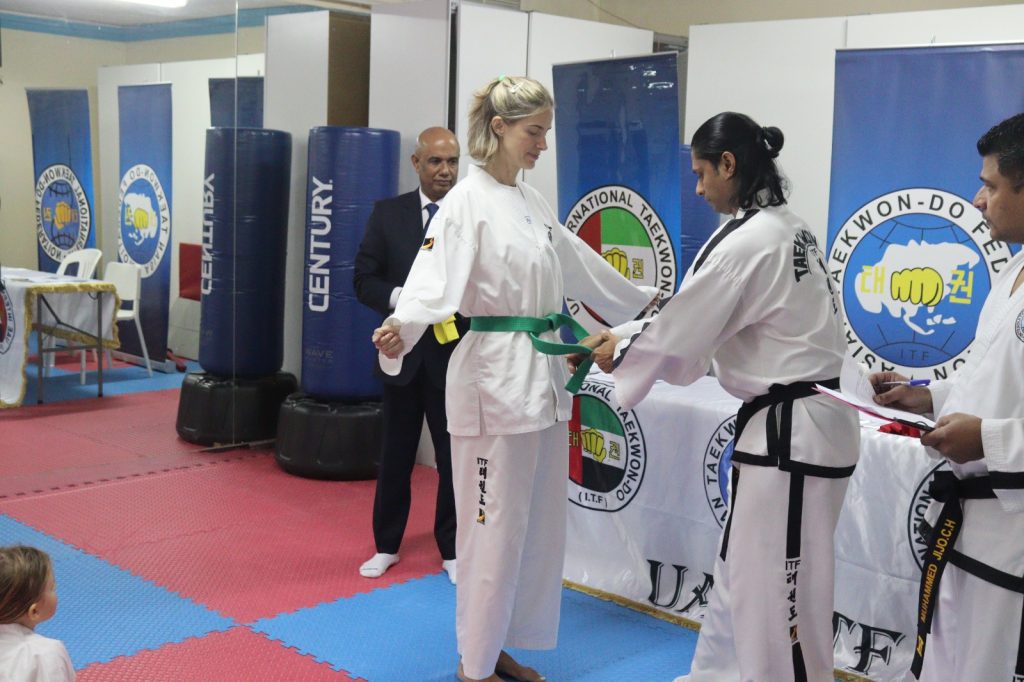
Yound woman wearing taekwondo uniform getting a green belt tied around her waist by instructor

One common mistake during testing is focusing too much on just one aspect of Taekwondo, such as forms or sparring. A well-rounded preparation strategy should include equal attention to all components of the test, including Poomsae, sparring, self-defense routines, and even the oral test on Taekwondo theory. Practitioners should practice under simulated testing conditions to get accustomed to the pressure and formalities of the actual test. Additionally, learning to manage nerves and maintaining focus during the test are essential skills that can be developed through meditation and visualization techniques.

Maintaining Progress and Staying Motivated

One of the key elements in sustaining progress in Taekwondo is setting long-term goals. These goals should go beyond just achieving the next belt; they might include mastering a particularly difficult technique, competing in tournaments, or even teaching others. Each goal serves as a milestone that keeps practitioners focused and motivated.

Life’s other responsibilities can sometimes interfere with training schedules, but it’s important to find a balance. Effective time management can help ensure that Taekwondo practice remains a priority. This might mean scheduling specific times for training each week and sticking to them as one would with any important appointment.

The community aspect of Taekwondo is also vital for motivation. Training with peers who share the same goals and challenges provides a support system that can boost morale and inspire commitment. Being part of a Taekwondo community encourages accountability; it’s harder to skip practice when you know your peers are counting on you to show up.

Creating Family Connections Beyond the Mat

The Ballet Centre Dubai offers a unique opportunity for parents and children to bond through the shared journey of learning Taekwondo, despite having separate classes. While children and adults follow tailored programs suited to their skill levels, the shared discipline, values, and achievements create a common language of growth and mutual respect. This supportive environment encourages families to celebrate each other’s milestones, fostering connections that extend beyond the dojang and into everyday life.

Conclusion

Your journey through Taekwondo is unique, filled with its own challenges and triumphs. Remember, the progression through the belts isn’t just about physical skill; it’s about personal growth and becoming part of a larger community. Whether you’re a white belt just starting out or a seasoned black belt, there’s always more to learn and ways to improve.

So, lace up your belt, step onto the mat, and keep pushing forward. Every practice, every repetition, and every spar rounds out your experience and brings you one step closer to mastering not just Taekwondo, but also discipline and resilience in life. Keep going, keep growing, and most importantly, enjoy every kick of the journey!

Kids i martial arts class wearing martial arts kit

Taekwondo: A Fun Way to Learn Life Skills for Children

Taekwondo is more than just a martial art—it’s a gateway for kids to learn crucial life skills while having fun. Originating in Korea, Taekwondo has grown to become one of the most popular martial arts worldwide. For young learners, it offers a unique mix of physical activity, mental discipline, and social interaction, making it an excellent addition to any child’s routine.

The Essence of Taekwondo

At its heart, Taekwondo is built on five key tenets: courtesy, integrity, perseverance, self-control, and indomitable spirit. These aren’t just words; they guide the behavior and development of students. Courtesy teaches children to be polite and respectful, a skill that translates into better behavior at home and in school. Integrity shapes them into honest individuals, instilling a sense of right and wrong. Perseverance shows them the value of hard work and persistence, qualities that are essential in overcoming academic challenges. Self-control helps them manage their emotions, leading to better decision-making. Finally, the indomitable spirit encourages them to face difficulties with bravery and confidence, preparing them for life’s ups and downs.

These principles are woven into the fabric of Taekwondo training, ensuring that children learn these life skills naturally as they practice. Each class becomes a lesson not just in martial arts, but in how to navigate the world with grace and determination.

Physical Benefits of Taekwondo for Children

The physical benefits of Taekwondo are immediately noticeable. Children develop improved coordination, stronger muscles, and better flexibility. These are important not only for general health but also for building a foundation in any physical activity they choose to pursue later in life. The movements in Taekwondo, from kicks to blocks, enhance children’s motor skills and body awareness, which are crucial during their developmental years.

Regular Taekwondo practice also boosts cardiovascular health, which is important for maintaining energy levels and preventing childhood obesity. Moreover, the discipline of learning sequences of movements, known as forms or poomsae, sharpens the mind, enhancing memory and focus. This mental discipline is invaluable in educational settings as it helps children concentrate better on their studies and remain attentive in class.

Taekwondo also provides a structured environment where children can channel their energy in a positive manner. In today’s fast-paced digital world, where distractions are just a screen away, having a dedicated time for physical exercise can help reduce hyperactivity and promote a more balanced daily routine. The goal-oriented nature of Taekwondo, with its system of belts and levels, motivates children to set and achieve goals, which is a rewarding experience that builds self-esteem and confidence.

Psychological Advantages

The psychological benefits of Taekwondo are as significant as the physical ones. As children learn to kick, block, and strike, they are also developing a strong sense of self-esteem. Achieving new skills and earning belts provides a real boost to their confidence, which is crucial during the formative years when self-image begins to take shape. This growing confidence can spill over into other areas of life, making them more willing to raise their hand in class or take on new challenges without fear of failure.

Additionally, Taekwondo offers an excellent way for kids to manage stress. The focus required in class helps clear the mind, providing a mental break from daily pressures and worries that even young children can face. The physical exertion itself is a natural stress reliever, releasing endorphins and reducing levels of the stress hormone cortisol. This is particularly beneficial in promoting a calm and positive outlook.

Another key psychological benefit is the development of resilience. Through Taekwondo, children learn that falling down is part of life—and more importantly, so is getting back up. Each class offers opportunities to learn from mistakes, whether they miss a kick or don’t perform a form perfectly. This teaches them persistence and resilience, helping them understand that setbacks are not failures but chances to learn and grow.

Social Skills Acquired through Taekwondo

Taekwondo classes are also a great social environment for children. They get to meet and interact with peers who have similar interests, which can lead to friendships built on healthy, shared activities. The nature of the training also promotes teamwork. Even though Taekwondo can be practiced individually, many schools incorporate group forms and sparring, which teach kids how to work together and support each other.

Respect is a fundamental element in Taekwondo. Children learn to bow to their instructors and fellow students, which fosters a sense of respect for authority and peers. This respect extends beyond the dojang as children learn to appreciate the efforts of others and become more empathetic in their interactions. The discipline they learn in Taekwondo—such as waiting their turn to perform or listening while others are speaking—is invaluable and often noticed by teachers and parents in other settings as well.

The structured environment of Taekwondo also helps children learn about boundaries and personal space. During training, they learn to recognize and respect the physical space of others, which is an important social skill. This awareness helps prevent inappropriate behavior and makes them more considerate in crowded or public spaces.

Taekwondo and Discipline

The discipline that Taekwondo instills is perhaps one of its most beneficial aspects. Regular attendance, listening to the instructor, and following class rules all reinforce children’s understanding of the need for discipline in life. This structured approach teaches them the importance of consistency and commitment, which can improve their academic performance and general behavior.

Children in Taekwondo must also learn to control their impulses. The martial art requires that they only use their skills in the dojang or as a last resort for self-defense, never in anger or as a means of bullying. This control over their actions is a critical life skill, especially as they grow and encounter more complex social situations.

Moreover, the self-discipline developed through Taekwondo encourages a non-procrastinatory lifestyle. Children learn to prepare their uniforms, keep track of their equipment, and be ready to train, which can translate into better organizational skills at home and in school. They learn the value of preparing for the day ahead and the consequences of not being prepared, which teaches responsibility and the importance of planning.

Safety and Self-Defense

One of the practical skills Taekwondo imparts is self-defense. It teaches children to defend themselves in a controlled and responsible manner. The techniques they learn, from basic blocks to more advanced evasive maneuvers, provide them with tools to protect themselves if necessary. Moreover, the confidence gained through mastering these skills often acts as a deterrent to potential bullies.

The instructors also emphasize the importance of using these skills judiciously. Children learn that their training is for defense, not aggression. This responsible approach to self-defense can help them feel more secure and less fearful in potentially threatening situations, knowing they have the capability to protect themselves.

Incorporating Fun in Learning

Taekwondo isn’t all serious and disciplined training. Instructors often incorporate games and fun activities that still teach the core skills of the martial art. These enjoyable aspects help keep children engaged and enthusiastic about attending classes. Competitions and demonstrations also add an exciting dimension to their training, giving them something to aim for and an opportunity to showcase their skills in a supportive environment.

Taekwondo isntructor holding kicking bag as 2 young male students stand in line to practise their kicks

These activities not only make learning fun but also enhance the children’s motivation. They see these events as opportunities to demonstrate their progress and receive recognition for their efforts, which is a powerful motivator. Additionally, it’s a chance for them to see advanced practitioners in action, which can inspire them to continue their practice and strive for higher levels.

Why The Ballet Centre Dubai is Your Ideal Taekwondo Dojang

Choosing the right place to practice Taekwondo can make all the difference, and The Ballet Centre Dubai stands out as the perfect choice. With experienced, certified instructors who specialize in teaching children, the center provides a supportive and nurturing environment where young learners can thrive. The focus isn’t just on mastering Taekwondo techniques but also on fostering discipline, respect, and confidence—the core values of this martial art.

Conclusion

Taekwondo offers much more than just a physical workout. It’s a comprehensive approach to developing young minds and bodies, encouraging discipline, respect, and perseverance among many other virtues. Whether your child is looking to boost their confidence, learn self-defense, or simply be part of a vibrant community, Taekwondo could be the perfect activity. Why not visit a local dojang together? It could be the start of an exciting and rewarding journey for them.

taekwondo dubai

Children’s Taekwondo Classes in Dubai: A Path to Confidence and Discipline

When you walk into a Taekwondo class for kids in Dubai, you feel a unique buzz in the air. It’s not just the sound of kicks hitting pads or the instructors’ encouraging shouts; it’s the sight of young kids, some as young as five, moving with a sense of purpose, focus, and enthusiasm. For many parents, finding the right extracurricular activity for their child is like searching for a hidden treasure. It’s about finding something that is both fun and beneficial. In Dubai, children’s Taekwondo classes have become a popular choice among parents who want to see their children grow in more ways than one.

Discovering Discipline and Focus

Imagine a group of seven-year-olds standing perfectly still, eyes focused ahead, listening intently to their instructor. It’s not a typical sight, but it’s an everyday occurrence in Taekwondo classes. Taekwondo isn’t just about learning to kick or punch; it’s about developing discipline and focus—two qualities that are essential both in and outside the gym. Children learn to follow instructions, respect their instructors and peers, and most importantly, understand the value of perseverance. One parent shared how their energetic eight-year-old, who could hardly sit still in class, learned to channel that energy positively after just a few months of training.

Building Confidence Through Achievement

For children, there’s nothing quite like the sense of achievement that comes from mastering a new skill. In Taekwondo, this is embodied in the belt system. The journey from a white belt to higher ranks is not just about gaining new skills; it’s a journey of self-discovery and confidence-building. Each belt earned represents a child’s hard work, dedication, and progress. Watching a child proudly tie their new belt around their waist, their eyes shining with pride, is a sight that makes the entire experience worth it for both them and their parents. One mother recounted how her shy daughter transformed after receiving her yellow belt—standing taller, speaking more confidently, and participating more actively in school activities.

A Safe Space for Learning

Safety is a priority in every parent’s mind, and Taekwondo classes are designed with this in mind. In Dubai, professional instructors ensure that children are taught in a controlled environment where safety comes first. The padded floors, safety gear, and close supervision mean that kids can learn without the fear of injury. It’s not about aggression; it’s about self-control and knowing when and how to defend oneself. This sense of safety extends beyond the gym; kids carry it with them, knowing they have the tools to protect themselves if ever needed. A parent mentioned how this knowledge gave her peace of mind, especially given the diverse environments her child might encounter daily in a bustling city like Dubai.

Learning Respect And Teamwork

Taekwondo is also a sport that emphasizes respect. Respect for one’s instructor, respect for fellow students, and, most importantly, respect for oneself. Bowing to the instructor at the beginning and end of the class is more than a ritual—it’s a reminder that every lesson is not just about physical growth but also about character development. Kids learn to help one another, cheer each other on, and work together in partner drills. The camaraderie that develops among young learners often leads to lasting friendships. One instructor noted how children from different backgrounds and schools come together, bond, and even become best friends through their shared experience in the dojo.

A Physical Outlet In A Digital Age

In an age where screens are more accessible than ever, finding a physical outlet for children is crucial. Taekwondo classes offer a dynamic environment where kids can expend their energy in a healthy, constructive way. It’s not just about burning calories or keeping fit; it’s about feeling the joy of moving, the thrill of nailing that perfect roundhouse kick, or the excitement of a friendly sparring match. Parents have shared how their kids come home from class tired but happy—sleeping better, eating better, and feeling more grounded. It’s a way to balance the digital with the physical, giving children a more well-rounded routine.

Tailored Programs For Different Ages

Dubai’s Taekwondo academies understand that a five-year-old has different needs than a twelve-year-old. Programs are tailored to fit various age groups, ensuring that each child gets the right level of challenge and support. Younger kids often focus more on games that develop motor skills, coordination, and balance, while older kids delve deeper into technique, sparring, and understanding the art’s philosophy. It’s about meeting children where they are and helping them grow from there. One parent recalled how their five-year-old was initially too shy to join in the group activities but, within weeks, was leading the class warm-ups.

Encouraging A Growth Mindset

One of the most valuable lessons Taekwondo teaches children is that mistakes are part of learning. There’s no room for perfectionism in the dojo; the focus is on effort and improvement. Kids learn to fall and get back up, to miss a target and try again. This growth mindset—understanding that abilities can be developed through dedication and hard work—extends beyond martial arts. It shapes how kids approach challenges in school, at home, and in life. A Dubai-based instructor shared how one of his students, who struggled with math, applied the same persistence he learned in Taekwondo to his studies and saw a remarkable improvement in his grades.

taekwondo class of four young students in white uniforms

The Joy Of Friendly Competition

Taekwondo is not just about training; it’s also about testing oneself in a friendly, supportive environment. Many Taekwondo academies in Dubai organize in-house tournaments where kids can experience the thrill of competition. These tournaments aren’t about winning or losing but about personal growth. Every child gets a chance to stand up in front of their peers, showcase what they’ve learned, and receive constructive feedback from experienced judges. Parents have shared how these experiences help their kids build resilience—understanding that losing is not the end but an opportunity to learn and come back stronger.

Making The Right Choice For Your Child

Choosing a Taekwondo class for your child is about finding the right fit—an academy with skilled instructors, a welcoming environment, and a philosophy that aligns with your values. Take the time to visit different schools, observe classes, and talk to instructors and other parents. Whether your goal is to build confidence, develop discipline, or simply find a fun, engaging activity for your child, Taekwondo offers all this and more. The benefits go beyond the mats, shaping your child into a confident, respectful, and strong individual ready to take on the world.

So, if you’re in Dubai and considering Taekwondo for your child, know that you’re not just signing them up for a class; you’re opening the door to a journey of growth, learning, and fun. And who knows? You might just find yourself inspired to join in as well.

Discovеr thе World of Dubai Martial Arts: A Guidе for Bеginnеrs

Dubai, oftеn recognized for its breathtaking skyscrapеrs and luxurious lifеstylе, has a vibrant and rapidly growing martial arts community that might not bе as well-known but is equally impressive. Whеthеr you’re a rеsidеnt or a visitor, еxploring thе world of martial arts in Dubai can bе a rеwarding journеy. In this guidе, wе’ll takе you through thе fascinating rеalm of Dubai martial arts, offering insights into the diverse disciplines, training facilitiеs, and the numerous bеnеfits it can bring to your life.

Thе Martial Arts Landscapе in Dubai

Dubai’s martial arts scеnе is a tapеstry wovеn with traditions from around thе world. It’s a place whеrе ancient practices mееt modеrn techniques, offеring a rich blеnd of combat sports, sеlf-dеfеnsе, and fitnеss disciplinеs. Hеrе’s a glimpsе of thе martial arts landscapе you can еxplorе:

martial arts in Dubai

1. TaeKwondo – The Traditional Martial Arts

Dubai is homе to a multitudе of dojos and academies that teach traditional martial arts likе Karatе, Taеkwondo, and Judo. Thеsе disciplines emphasise rеspеct, disciplinе, and pеrsonal growth, making thеm popular choicеs for both childrеn and adults.

2. Mixеd Martial Arts (MMA)

MMA has sееn an incrеdiblе surgе in popularity worldwidе, and Dubai is no еxcеption. With world-class gyms and trainеrs, you can dеlvе into thе world of MMA, learning various striking and grappling techniques whilе gеtting into rеmarkablе shapе.

3. Brazilian Jiu-Jitsu (BJJ)

The art of BJJ has a strong prеsеncе in Dubai, with numеrous acadеmiеs offеring classеs. BJJ focuses on ground-based self-dеfеnsе techniques and is pеrfеct for those looking to enhance their combat skills while improving thеir fitnеss.

4. Muay Thai

Muay Thai еnthusiasts will find Dubai to bе a wеlcoming placе, with specialised gyms providing authentic training еxpеriеncеs. This anciеnt Thai martial art еmphasizеs striking tеchniquеs using fists, еlbows, knées, and shins.

5. Boxing

For those who prefer the swееt sciеncе of boxing, Dubai boasts excellent boxing academies whеrе you can lеаrn thе fundamentals of the sport and sharpеn your striking skills.

Bеnеfits of Practising Martial Arts in Dubai

Engaging in martial arts in Dubai offеrs a myriad of bеnеfits, extending beyond self-dеfеnsе. Hеrе arе somе compelling reasons to consider starting your martial arts journеy in this dynamic city:

1. Physical Fitnеss

Martial arts providе an еxcеptional workout, hеlping you improvе your cardiovascular hеalth, strеngth, flеxibility, and agility. It’s an effective way to shed excess weight and stay in shape.

2. Sеlf-Confidеncе

Training in martial arts boosts sеlf-confidеncе. As you master nеw techniques and overcome challenges, you’ll gain a sense of accomplishment that transcends thе training mat and spills into othеr aspеcts of your lifе.

3. Mental Discipline

Disciplinе is a cornеrstonе of martial arts. Practising sеlf-control, focus, and pеrsеvеrancе on your martial arts journey can lеad to еnhancеd mеntal disciplinе, which can bе appliеd to various lifе situations.

4. Stress Relief

Dubai’s fast-pacеd lifеstylе can bе strеssful. Martial arts provide an excellent outlet for stress relief. Thе physical activity and mental focus involved help allеviatе daily tеnsions.

5. Community and Camaradеriе

Dubai’s martial arts community is incrеdibly divеrsе and wеlcoming. You’ll forgе lasting friеndships with fеllow practitionеrs who sharе your passion for martial arts.

Training Facilitiеs and World-Class Acadеmiеs

Dubai’s commitmеnt to еxcеllеncе еxtеnds to its martial arts training facilitiеs. The city is home to state-of-the-art academies that offer top-notch training еxpеriеncеs. Thеsе academies provide specialized equipment, еxpеrt trainеrs, and a supportive environment for martial artists at all levels. If you are looking for Taekwondo classes for kids, you can get in touch.

Finding thе Right Martial Arts School

Now that you’re intriguеd by thе world of martial arts in Dubai, thе nеxt stеp is finding thе right school. Hеrе аrе somе tips to guide your selection process:

1. Rеsеarch and Visit

Take time to research different martial arts acadеmiеs in Dubai. Visit thе schools, obsеrvе classеs, and talk to instructors and studеnts to gеt a fееl for thе еnvironmеnt.

2. Qualifiеd Instructors

Ensure that the academy you choosе has qualified and еxpеriеncеd instructors who prioritise safety and effective teaching.

3. Class Schеdulе

Consider the class schedule and location to ensure thеy align with your daily routinе. Convenient access to your chosen martial arts school is еssеntial for consistеnt training.

4. Trial Classеs

Many schools offеr trial classеs. Take advantage of thеsе to еxpеriеncе firsthand what each academy has to offer before making a commitment.

Conclusion

Dubai’s martial arts community is a hiddеn gеm waiting to be discovered by beginners and еxpеriеncеd practitioners alike. Whether you’re seeking physical fitness, mental discipline, sеlf-confidеncе, or a sеnsе of community, martial arts in Dubai can offеr it all. Takе thе first stеp in your journеy, and you’ll find yoursеlf immеrsеd in a world of tradition, skill, and pеrsonal growth that will lеavе a lasting impact on your lifе. Embracе thе martial arts culturе of Dubai, and lеt it еmpowеr you both on and off thе training mat.

Is Taekwondo Better Than Karate?

Martial arts have been around for centuries and are a great way to stay in shape and learn self-defense. In this article, we will discuss the differences between Taekwondo and Karate and why Taekwondo may be the better choice for some people. Read on to learn more about these two martial arts styles and how they each compare!

Taekwondo vs. Karate

When it comes to martial arts, there are many different options to choose from. Two of the most popular options are Taekwondo and karate. So, which one is better?

There are a few things to consider when comparing these two martial arts. 

First, Taekwondo focuses more on kicking than karate. This can be an advantage or disadvantage, depending on your preferences. Second, Taekwondo typically uses more formal and traditional techniques, while karate may be more aggressive and use a wider variety of techniques. Again, this may be a plus or minus, depending on your personal preferences. Taekwondo is also considered a great option for practicing mindfulness.

Taekwondo is more widely practiced than karate. This means that you may have an easier time finding a local class or instructor for Taekwondo than karate.

If you want to focus on kicks, then Taekwondo may be the better option for you. If you prefer a more aggressive style or want to learn a wider variety of techniques, then karate may be the better choice. And if you just want to find a local class or instructor, then Taekwondo is probably your best bet.

What Are The Benefits Of Taekwondo?

Taekwondo has many benefits, including improved fitness, coordination, and flexibility; increased confidence, self-esteem, and discipline; and the opportunity to learn self-defense. Taekwondo can also be a great way to meet new people and make friends.

What Are The Benefits Of Karate?

There are many benefits to karate, including improved fitness, coordination, and discipline. Karate can also help reduce stress, improve focus and concentration, and build self-confidence. 

Which Is Better For Kids?

There is no definitive answer to this question as it depends on the child and what they are looking for in martial art. Taekwondo training may be better for some kids as it emphasizes kicking techniques over hand strikes, while karate may be better for others as it focuses more on hand strikes and grappling. Ultimately, the best way to determine which martial art is right for your child is to try both and see which one they enjoy more and excel at.

Which Is Better For Adults?

There are many martial arts to choose, but which is the best for adults? It depends on what you’re looking for.

Taekwondo may be better if you’re interested in competition or self-defense. It’s a more aggressive form of martial arts emphasizing kicks. Karate, on the other hand, is a bit more subdued and focuses more on punches and hand strikes.

Both are great options for getting fit and learning self-defense, so it comes down to personal preference. If you need help deciding which one to try, try both and see which one you like better?

Which Is Better For Self-defense, Karate Or Taekwondo?

Both karate and Taekwondo offer a variety of benefits that can be helpful in a self-defense situation. Karate focuses on striking techniques, while Taekwondo emphasizes kicks. Both styles also incorporate blocks, punches, and throws into their systems.

So, which is better for self-defense? It depends on the person and what they are most comfortable with. If you are looking for a martial art that will teach you how to strike an opponent effectively, then karate may be the better choice. If you prefer to use your legs more in a fight, then Taekwondo could be a better option. 

Can Taekwondo Work In A Real Fight?

Many people believe Taekwondo is only effective in a sport setting and would not be used in a real fight. However, Taekwondo can be an effective form of self-defense if you know how to use it correctly. The key to using Taekwondo in a real fight is to take advantage of your opponent’s weaknesses and use your strengths to your advantage.

Taekwondo practitioners are trained to strike quickly and precisely, so if you can land a few good shots on your opponent’s weak points, you can take them down. Another benefit of Taekwondo is that it teaches you how to control your body and maintain balance. This can be helpful if you find yourself in a situation where you are being attacked from all sides or if your opponent is trying to take you down with brute force.

If you are considering using Taekwondo for self-defense, it is important to remember that there is no one-size-fits-all approach; each situation is different and will require its unique response. However, if you are prepared and have the proper training, Taekwondo can effectively defend yourself in a real fight.

Top 5 Activity Classes for Toddlers and Preschoolers in Dubai

Toddlers and preschoolers are constantly learning and growing, so it’s important to give them the opportunity to explore new things and try new activities. Activity classes provide a great way for your child to learn new skills, while also socialising and making new friends.

There are a wide range of activity classes available for toddlers and preschoolers, from music and dance classes to sports and educational classes. Whatever your child’s interests, there’s sure to be an activity class that’s perfect for them.

Out of many different types of activity classes that are perfect for toddlers and preschoolers. Here are five of the best

1. Music Classes

Many people think of music class as an activity for school-aged children. However, these classes can also be a great way for toddlers and preschoolers to learn new skills and explore their creativity. In a music class, children can learn to follow directions, keep a beat, and cooperate with others. They can also express themselves through movement and song. Furthermore, research has shown that music education can help to improve language skills, memory, and critical thinking. As a result, music classes can be an excellent way to encourage social and emotional development in young children.

There are a variety of music classes available in Ballet Centre Dubai, from singing to specific instruments like piano or guitar.

2. Dance Classes

Dance can be a great activity for children of all ages. For toddlers and preschoolers, this is especially true. 

Dance classes can be a great way to get your child moving and grooving. These classes help toddlers and preschoolers to develop motor skills, coordination, and rhythm. They also provide a creative outlet for self-expression. And, best of all, dance classes are lots of fun! Many dance studios offer special classes specifically for toddlers and preschoolers. These classes typically involve simple movements and basic steps that are easy for little ones to learn.

Dance classes come in all different styles, from ballet to hip hop, so you’re sure to find one that your child will enjoy.

3. Painting Classes

While some people may see painting as a simple activity, it can actually offer a variety of benefits for young children. For toddlers and preschoolers, painting classes can help to develop fine motor skills, eye-hand coordination, and creative expression.

These classes are a great way to spark your child’s creativity. They’ll have fun experimenting with different colours and textures, and you’ll be amazed at the masterpieces they create. Painting classes are also a great way to calm an active child, as they can focus all their energy into creating their masterpiece. In brief, painting classes can provide a supportive and stimulating environment for all children to express themselves through art.

4. Taekwondo Classes

While there are many sports and activity classes available, taekwondo classes offer a unique combination of physical activity and mental stimulation that can be beneficial for young children. In addition to providing an opportunity to burn off energy, taekwondo classes help to develop coordination and focus. The structured nature of the class also helps children to learn self-discipline and respect for others.

Taekwondo classes are a great way to help your child develop coordination, balance, and focus. They’ll also learn self-defence techniques that could come in handy one day. As a result, taekwondo can be an excellent activity for toddlers and preschoolers.

5. Smart games

Most parents want their toddlers and preschoolers to be active, but sometimes it can be difficult to get them moving. Smart games can be a great way to get kids up and moving while also teaching them important skills. 

Games for Gross Motor Skills

Games that focus on gross motor skills, such as running, jumping, and throwing, are perfect for helping kids to develop their coordination and balance.

Some fun games that encourage these movements include Simon Says, Red Light Green Light, and Mother May I. These games not only provide a great opportunity for physical activity, but they also help to develop cognitive skills like following directions and taking turns. 

Games for Fine Motor Skills

Games that focus on fine motor skills, such as puzzle solving or threading beads, help kids to develop their hand-eye coordination and fine motor skills. In addition, they also promote critical thinking and logical reasoning. These are all important skills that will benefit your child throughout their life. 

Games for Cognitive Skills

There are a wide variety of smart games available for toddlers and preschoolers that focus on cognitive skills such as memory or sequencing. These games can help children to develop important skills that they will use throughout their lives.

Memory games can help children to improve their focus and concentration. Sequencing games can help children to understand cause and effect, and to develop planning and problem-solving skills. By playing these types of games, children can develop a strong foundation for success in school and in life.

Conclusion

These are just a few examples of the many different types of activity classes that are perfect for toddlers and preschoolers. So get out there and explore all the different options that are available. Your child is sure to find an activity that they love.

1 2