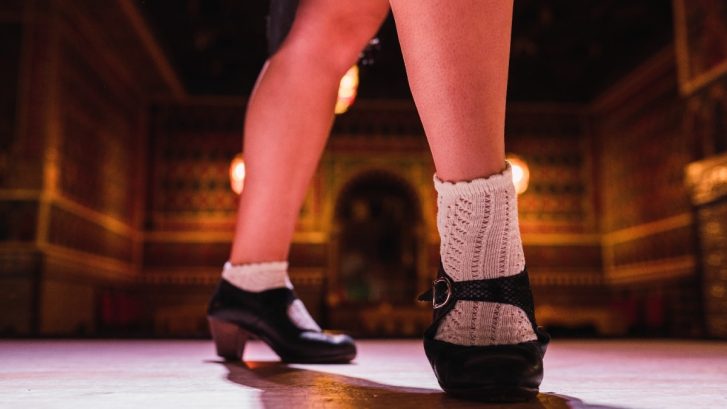
Woman in shoes dancing on stage

Can Children Learn Tap Dancing Easily?

There’s a certain magic in watching a child discover they can create music with their feet. The sound is their own—immediate, rewarding, and, in many cases, surprisingly precise.

That’s one of the most overlooked truths about tap dance: it’s more accessible for children than people often assume. With the right instruction, structure, and encouragement, children can learn tap dancing more easily than adults imagine. Not because the technique is simple, but because kids are naturally wired to pick up rhythmic patterns, imitate movement, and enjoy repetition when it feels like play.

Tap Dancing Meets Childhood Curiosity

Children are curious movers. They stomp when they’re excited, they shuffle when they’re bored, and they leap and twist before they even know what to call the motions. Tap dancing turns those instincts into something focused. Instead of asking a child to suppress their natural energy, tap channels it. Each step offers a sense of cause and effect—they move, and sound follows.

That immediate feedback builds confidence. Unlike other dance styles where precision may take longer to become visible, tap rewards effort quickly. A well-placed heel dig or toe tap makes a sound that confirms, “Yes, I did that right.” The small victories pile up. Children are more likely to keep coming back to something that makes them feel successful early on.

Rhythm is a Superpower

Ask any tap teacher who’s worked with children, and they’ll tell you: rhythm is not something you always have to teach—it’s something you help uncover. Children often respond to rhythm before they fully understand it. You can watch a five-year-old internalize a beat pattern just by listening to it a few times. They might not get every shuffle or cramp roll correct at first, but they understand the musicality, and that gives them a strong foundation.

Tap also teaches listening in a way few other activities do. Students have to hear the rhythm before they can make it themselves. That kind of active listening spills into other parts of life. In classrooms, it can help with following directions and language learning. In music lessons, it supports timing. It’s not uncommon for children who take tap to develop stronger coordination in both gross and fine motor areas because of this built-in awareness.

Starting Young Can Make a Difference

A child who starts tap at five or six doesn’t just learn steps—they learn timing, balance, and spatial control. Their muscles are still learning how to move, which means they build tap technique alongside their natural development. Younger dancers are often more flexible, both physically and mentally. They’re less afraid of mistakes, more open to trying things differently, and more willing to laugh when things go wrong.

Parents sometimes worry that a class like tap might be too complicated for their child, especially if the child is shy or less coordinated. But classes are structured specifically to build those very skills. Good tap instructors know how to break things down into pieces. A class might focus on just two steps—flaps and shuffles—for several weeks, but by the end of the term, those steps will be second nature.

The Role of Play and Structure

The easiest way to get a child to learn something new is to make it feel like a game. Tap is full of opportunities for this. One week it might be a rhythm relay. Another, it’s a “follow the sound” challenge. The idea is to connect movement to memory through playful repetition. Children remember better when they associate learning with fun.
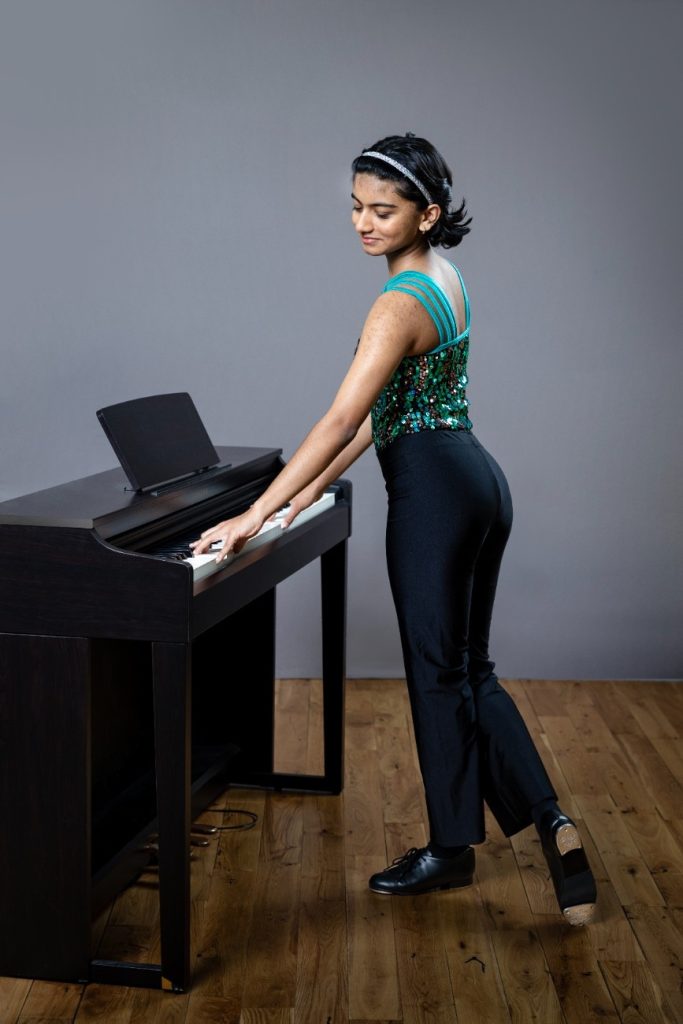
At the same time, tap also introduces structure in a non-intimidating way. There’s a warm-up, center practice, across-the-floor combinations, and sometimes even time to create their own mini routines. This format gives children a sense of predictability and routine, which helps with confidence. It also mirrors the discipline of other dance forms, giving tap a unique position: fun with purpose.

Why Some Kids Take to Tap More Quickly

Every child learns differently. Some children are more auditory—they hear and replicate sounds quickly. Others are visual and learn better by watching a teacher’s feet. Kinesthetic learners feel rhythm in their bodies and understand movement through sensation. Tap appeals to all these styles. That’s why it often “clicks” faster than other technical dance forms. Children don’t have to master long phrases or memorise extensive choreography right away. They can start with sound patterns and gradually build toward more complex sequences.

It also helps that tap is expressive without being theatrical. Children who are not drawn to storytelling or performing in front of others can still enjoy tap because the satisfaction is internal. They feel good when they make the right sound. It becomes a puzzle they want to solve.

Support from Home Helps, But Isn’t Complicated

Parents often ask how they can support their child’s tap practice. The good news is that it doesn’t require special equipment or large spaces. A small piece of plywood in a corner of the room can serve as a makeshift tap board. Five minutes a day of practice is enough for young learners—just enough to reinforce what they’ve done in class without overwhelming them.

Encouragement matters more than perfection. Watching your child tap and saying, “I can hear how much better that sounds this week,” can mean more than any formal critique. When a child feels noticed, they feel motivated to keep improving.

Choosing the Right Class Makes All the Difference

Tap instruction for children should be structured, joyful, and progress-oriented. Not every class meets that standard. It’s worth looking for programs that follow accredited syllabi, use age-appropriate teaching methods, and provide consistent feedback.

At Ballet Centre Dubai, tap is offered under the ISTD syllabus—a respected system that ensures steady progression through practical technique and musicality. Children are grouped by age and level, and parents have the option to enrol them in graded exams when ready. This kind of structure helps both the child and parent track progress without pressure. There’s also the added benefit of free trial classes, so families can explore the style before committing.

Learning Tap is Learning Discipline Through Joy

There’s something wonderfully paradoxical about tap. It teaches discipline through joy, structure through play, and performance through self-discovery. Children often don’t realise they’re learning something challenging, because it feels so natural. They come for the sound, stay for the rhythm, and leave with new confidence in what their bodies can do.

If your child taps around the house already—or even if they don’t—a beginner class might be the start of something special. It’s not about perfection. It’s about giving them a space to move, to listen, to make a little noise, and to grow.

And sometimes, the quietest child in the room becomes the loudest tapper on the floor.
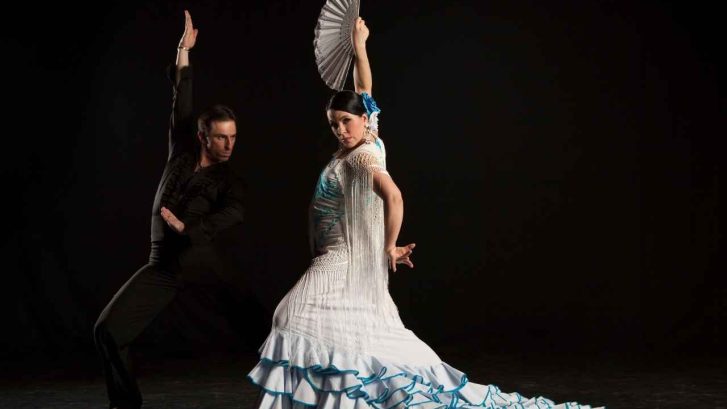
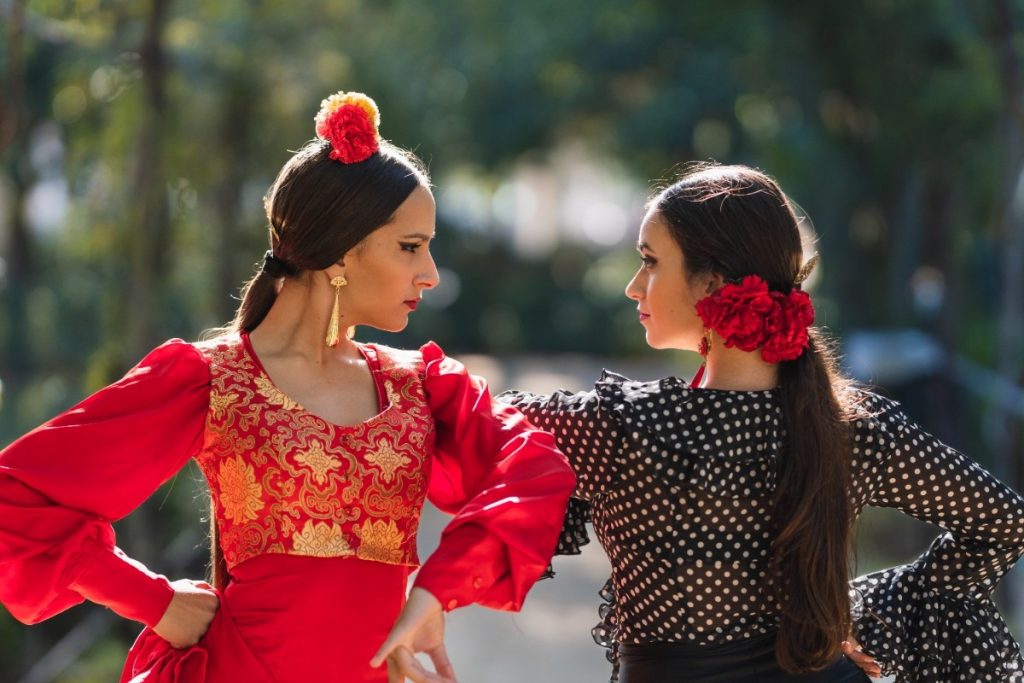
two flamenco dancer dancing.

Flamenco Dance for Beginners & What To Expect

The first few moments of a beginner flamenco class can be filled with curiosity, nerves, and excitement. Students may not know the names of the steps yet, but they immediately feel the character of the dance: grounded, expressive, unapologetically bold.

Flamenco isn’t about following patterns quietly—it invites students to take up space. It celebrates rhythm, power, and emotion. Beginners are not expected to arrive with perfect timing or polished footwork. They’re expected to arrive willing to try.

Posture, Pride, and the Power of Presence

Before students learn a single step, they learn how to stand. Flamenco posture is striking: the spine is tall, shoulders drawn back, chin lifted. It’s less about appearance and more about attitude. From the beginning, students are encouraged to feel proud in their stance, to claim the space they occupy.

Young dancers are often surprised by how much energy it takes to simply stand still in flamenco posture. Teachers guide them to feel the tension in their core, the control in their arms, the direction in their gaze. This body awareness is the foundation for everything else.

Footwork That Feels Like Percussion

Flamenco’s distinctive footwork—zapateado—is rhythmic, strong, and incredibly satisfying to learn. In the first few classes, students are introduced to basic strikes: heel, ball, toe. These strikes create a kind of music all on their own.

It’s common to hear a classroom filled with stomps, counts, and laughter. Children love the physicality of it. There’s a release in making noise with their feet. At first, the timing might be off, and the combinations can feel tricky. But the patterns come with repetition. Teachers often break things down slowly and turn clapping into a guide for the rhythm. It’s less about memorizing and more about feeling the beat in the body.

Hands That Speak with Elegance

Flamenco arms and hands are anything but passive. The wrists rotate, the fingers flow, the arms stretch into strong curves. This movement is known as braceo and floreo, and for beginners, it’s both beautiful and challenging.

Many students struggle to coordinate arm movements with footwork at the start. It’s like patting your head and rubbing your belly—confusing, then suddenly possible. With time and repetition, their hands start to “speak” in a way that complements the steps. And they love that moment when they realize their body is telling a story, not just doing steps.

Rhythm in the Body and the Room

Flamenco isn’t danced to music. It danced with music. Rhythm isn’t just a background element—it’s the pulse that drives the whole experience. Beginners are taught to clap specific patterns, called palmas, to support the dancers and internalize the beat.

In class, clapping becomes a shared language. It helps students stay connected with each other. This part of flamenco teaches them more than timing. It develops listening, teamwork, and sensitivity to the group. Every child learns to contribute not only as a dancer but as a rhythmic companion to others.

Emotion on Display

Children aren’t always encouraged to be intense or dramatic in daily life—but flamenco asks for it. It thrives on emotional expression. Whether it’s joy, strength, sorrow, or pride, the dance gives space to feel it and show it.

Teachers help beginners channel emotion into movement, whether through a sharp turn of the head or the way their arms slice through the air. Even shy students begin to tap into something expressive and strong. They don’t have to explain how they feel—they just have to move through it.

A Dance That Honors Individuality

Flamenco isn’t shaped around a single ideal body type. There’s room for everyone. Beginners are celebrated for their effort, their courage, and their energy—not their precision. This allows young dancers to feel accepted as they are while being motivated to improve.

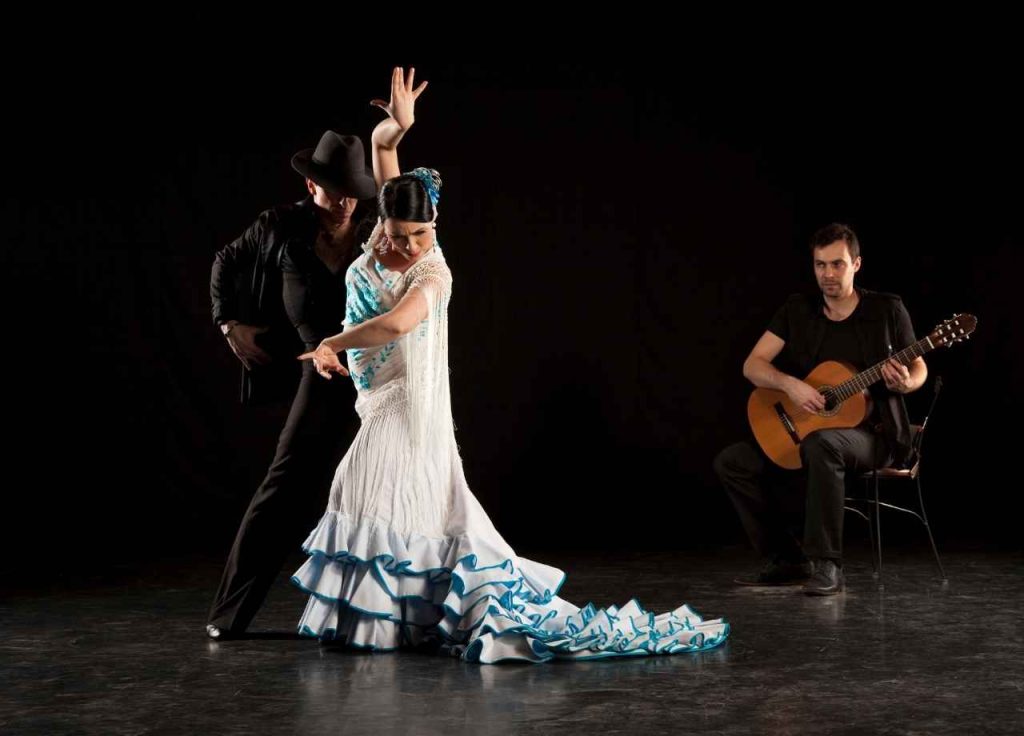
two flamenco dancers and a man sitting whilst playing the guitar.

Some students arrive with ballet or other dance experience; others walk into the studio with no background at all. Flamenco meets each of them where they are. Progress looks different for every dancer. What unites them is the sense of empowerment that grows from week to week.

Discipline with Room to Breathe

Flamenco may feel passionate and wild, but it’s also structured. There are rules. Timing matters. So does respect—for the teacher, the music, the group. Students are taught discipline through repetition and attention to detail. But unlike rigid dance forms, flamenco allows space for personality within that structure.

Teachers challenge beginners to stay consistent in their effort, to be patient with mistakes, and to celebrate progress. These lessons reach beyond the studio. Children develop patience, resilience, and confidence—not because they’re told to, but because the dance requires it.

Milestones That Stick

There’s a turning point for most beginners—usually a few months in—when they realize that their feet know what to do without thinking. Their arms move without hesitation. They finish a step and feel the rhythm land just right. That kind of progress is deeply satisfying.

It’s not about perfection. It’s about those moments when everything clicks. Parents often notice how their child starts to carry themselves differently. There’s a new kind of energy in their walk, a sense of pride in what they’ve accomplished.

A Supportive Place to Begin

Flamenco can seem intense from the outside, but in the right environment, it becomes something children look forward to every week. A warm, encouraging classroom makes all the difference.

At Ballet Centre Dubai, beginners are welcomed into flamenco with thoughtful instruction, age-appropriate challenges, and plenty of encouragement. Students are taught with respect, supported in their growth, and introduced to performance opportunities that build confidence over time. For parents looking to nurture their child’s creativity, focus, and self-expression, flamenco offers a rich and rewarding experience in a safe and professional setting.

The Lasting Impact

Ask a child after their first flamenco term what they’ve learned, and they might say “how to stomp,” or “how to twirl my hands,” but watch them move, and you’ll see more. They’ve learned how to stand tall. How to express something without words. How to listen deeply and respond with intention.

Flamenco gives children more than steps. It gives them a way to discover who they are when they move with courage and purpose.

What to Expect—And What They’ll Remember

Beginners can expect to be challenged. They can expect to get tired. They can expect moments of frustration followed by sudden progress. They can expect to laugh, to learn, and to grow in ways they didn’t anticipate.

What they’ll remember, though, is the feeling.

The sound of their shoes striking the floor in time. The confidence of a strong pose. The joy of being part of a rhythm that’s bigger than themselves. Flamenco leaves an impression—not just on the stage, but in the heart of every dancer who dares to begin.

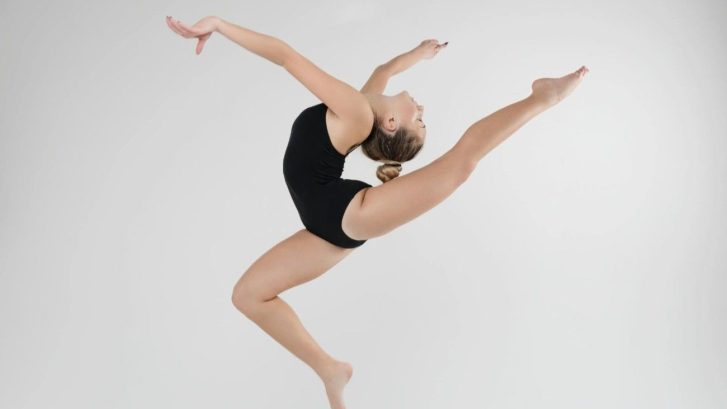
A dancer in mid air pose

Modern Dance: What It Is & How to Master It

Modern dance doesn’t ask dancers to be perfect. It asks them to be honest. There’s a difference. Where classical forms strive for precision and symmetry, modern dance invites the body to speak in its own voice. This is what draws students in—particularly those who don’t fit easily into straight lines and clean pirouettes. The movement can be grounded, angular, fluid, or fierce. It can follow the music or break from it completely. At its best, it doesn’t just entertain—it reveals something.

Walk into a modern dance class at Ballet Centre Dubai, and you’ll likely notice the absence of mirrors. Students aren’t constantly correcting themselves based on a reflection. They’re asked to feel where the movement comes from instead. Is it driven by the chest? The hips? Is it soft, or sharp, or somewhere in between? This focus on sensation, weight, and expression is what sets modern apart—and it’s what makes it such a valuable experience for young dancers.

More Than Just Style: The Heart Behind the Steps

Modern dance began as a reaction. Dancers like Martha Graham, Lester Horton, and Isadora Duncan wanted to break away from the strict rules of ballet. They wanted to move in a way that felt more human, more connected to the earth, and more reflective of everyday emotion. That legacy continues, not through imitation, but through exploration.

Each modern class at Ballet Centre Dubai blends structured technique with space to discover. Students might begin on the floor with strength and stretch exercises, then move into across-the-floor patterns that challenge coordination, then end with choreography that allows interpretation. There’s rhythm and repetition, but there’s also story. The movement might express joy or anger or vulnerability—not always big emotions, but real ones.

Parents often say their children seem more confident after a term of modern dance. That’s not a coincidence. When a child is given permission to move freely—but also challenged to do so with intention—they learn to trust themselves. And that confidence doesn’t stop when they step out of the studio.

How Young Dancers Build Skill Without Losing Soul

Modern dance can look effortless, which is often the result of serious training. There’s no shortcut to developing the coordination, strength, and awareness required. A student who starts modern early learns how to use breath, weight, and momentum—concepts that don’t always come up in other dance styles. They begin to understand how to move from the spine, how to shift balance quickly, and how to use their entire body in motion, not just isolated limbs.

That’s where consistent, qualified instruction becomes important. At Ballet Centre Dubai, our ISTD Modern program provides both creative space and technical guidance. Dancers progress through graded levels that build on each other, ensuring that they grow with the right foundations in place. Each level includes clearly defined skills, but the teaching is never rigid. Instructors encourage students to explore how movement feels, not just how it looks.

This combination of structure and flexibility is especially effective for children who want more than just choreography—they want connection. They’re not just learning to follow counts or copy moves. They’re learning how to own their presence in a room, how to tell stories without speaking, and how to stay grounded under pressure.

Small Steps, Big Progress

Learning modern dance is rarely about flashy tricks. It’s about refining awareness and developing quality of movement. That might mean spending weeks on the difference between a contraction and a release, or learning how to fall safely to the floor without hesitation. These are small skills that lead to big growth.

Parents sometimes ask if modern dance is suitable for beginners. The answer is yes—but only with the right guidance. New students often start by building strength and coordination. They learn the vocabulary of modern: swings, spirals, tilts, rolls. At Ballet Centre Dubai, we welcome beginners into an environment that is structured yet encouraging. Our instructors meet students where they are, with thoughtful feedback and individualized attention. Many students begin with a free trial class to see how they connect with the movement. That small introduction often turns into something lasting.

Modern also pairs beautifully with other styles. A student who takes ballet and modern together becomes a more versatile dancer. They gain classical alignment from one and expressive freedom from the other. Add tap or drama classes, and they begin to build a full performing arts foundation—one that strengthens not just the body, but the imagination.

The Role of Music and Emotion

Music in modern dance isn’t always predictable. It doesn’t have to be classical or upbeat or even melodic. It can be percussion, spoken word, silence, or the sound of breath. Dancers learn to respond to texture, not just tempo. They become more attuned to rhythm as a feeling rather than a count.

This makes modern dance an excellent tool for emotional development. Children and teens often carry feelings they don’t know how to name. Through movement, they can release, explore, and understand those emotions without needing to explain them. Parents who want their children to grow emotionally as well as physically find that modern dance offers an outlet few other activities can match.

Why Modern Dance Matters for Children Today

In a world where kids are expected to perform constantly—at school, in sports, even socially—modern dance gives them permission to be present. Not polished. Not perfect. Just present. That’s rare and needed.

It also builds resilience. Learning to master modern technique requires persistence. Movements aren’t always intuitive. Choreography may not come together right away. But when a child sticks with it, the payoff is meaningful. They feel the pride of progress earned, not handed out. That kind of growth can quietly shape a person’s character.

Why Modern Dance Matters for Children Today

Ballet Centre Dubai nurtures this growth with care. KHDA-approved programs ensure a high standard of education, and flexible payment plans make it easier for families to invest in long-term development. Our instructors are not just experienced dancers—they’re skilled educators who know how to challenge students without overwhelming them.

What Mastery Really Looks Like

Mastering modern dance doesn’t mean reaching some final stage. There’s no finish line. It means learning to move with control and intention. To understand the body’s relationship with space, weight, and time. To use movement as language. Students who reach advanced levels often choreograph their own work. They learn to improvise, to collaborate, and to perform with clarity. They become artists, not just dancers.

But even those who don’t pursue dance professionally take something with them. A sense of awareness. A physical confidence. A deepened understanding of their own body. These are lessons that linger long after the last rehearsal.

A Place to Start

If you’re looking for a way to support your child’s physical, emotional, and creative growth, modern dance offers something special. And finding the right space to begin makes all the difference. At Ballet Centre Dubai, we provide that space—with dedicated studios, expert teachers, and a welcoming community. Whether your child is new to dance or ready for the next challenge, our modern dance program meets them where they are and helps them move forward.

We offer free trial classes for families who want to experience it firsthand. Because sometimes, you just have to see it—to watch your child move, feel, and come alive—to know it’s the right fit.

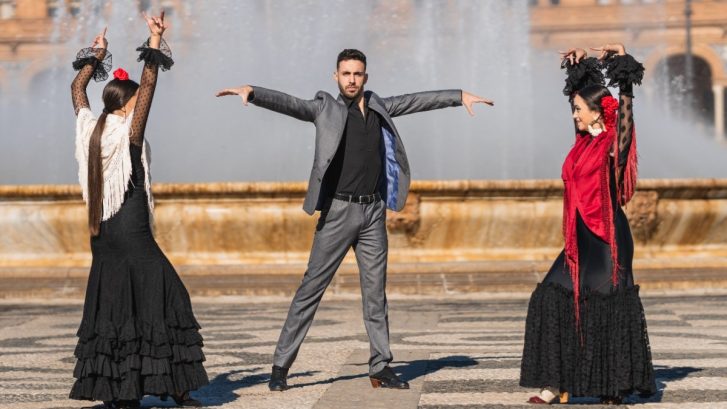
Three people dancing flamenco in a traditional square

Unlock Your Potential as A Flamenco Dancer

Flamenco, with its fiery rhythms, expressive gestures, and passionate movements, is more than just a dance. It is an art form that speaks to the soul, expressing deep emotions through every step, clap, and flourish. For those who wish to explore this mesmerizing dance style, it offers a chance to unlock one’s full potential in terms of creativity, discipline, and emotional expression. Whether you are an adult searching for a new way to express yourself or a parent hoping to help your child grow through the arts, flamenco is a dance that can have a profound impact on one’s life.

Why Flamenco?

Flamenco is rooted in the rich culture of Andalusia, Spain, where it originated as a fusion of various musical and dance traditions. It has evolved over centuries into a deeply expressive and intricate dance form, blending rhythm, melody, and movement to tell stories of love, joy, and sorrow. What sets flamenco apart from other dance forms is its ability to communicate raw emotion. A dancer’s body becomes an instrument, moving to the pulse of the music, whether it’s the thunderous sound of heels tapping the floor or the graceful swirl of a dancer’s skirt.

For children, flamenco can be an excellent means of developing both physical and emotional skills. The rhythm-based movements can help improve coordination, balance, and flexibility. Meanwhile, learning to express emotions through dance encourages confidence and creativity. It teaches discipline and focus, helping young dancers improve their self-esteem as they master difficult moves and gain new skills.

The Soul of Flamenco: Understanding Its Musical Heart

Flamenco’s power lies in its music & history—a raw, emotional language woven from guitar (toque), vocals (cante), and percussion (palmas). Each palos (style) carries distinct rhythms—from the fiery bulerías (12-beat cycles) to the mournful soleá—guiding dancers’ footwork and emotions. The guitar’s rasp (afinación) and the singer’s gravelly jaleo cries don’t just accompany the dance; they drive it, creating a conversation between musician and mover. At Ballet Centre Dubai, students learn to listen beyond the notes, feeling how a compás (rhythmic cycle) dictates whether their steps should explode like thunder or whisper like rain.

Getting Started with Flamenco

Flamenco is often associated with its distinctive footwork, hand movements, and the expressive use of the face and arms. But even beginners can experience the joy of flamenco through its fundamentals. In many ways, it is not just about learning the steps, but rather understanding how to merge the dance with the music. The fusion of rhythm, passion, and expression allows dancers to make the dance their own.

At Ballet Centre Dubai, flamenco classes are designed to help students at any level connect with the music and the spirit of the dance. Whether your child is just beginning or has already danced in other styles, these classes offer a welcoming space to explore flamenco’s unique qualities. The supportive instructors at Ballet Centre Dubai are passionate about guiding students through the technical aspects of flamenco, while nurturing their emotional connection to the dance.

The Benefits of Flamenco for Young Dancers

When children engage with flamenco, they are not simply learning steps and rhythms; they are learning how to communicate in a deeply personal way. Flamenco’s emphasis on emotion makes it an especially valuable tool for self-expression, which is essential during childhood and adolescence. The dance allows young people to explore and express their feelings in ways that may be difficult through words alone.

Aside from emotional growth, flamenco teaches physical discipline. It requires a high level of control over one’s body, especially in movements like the intricate footwork that defines the dance. Children develop strength, coordination, and flexibility as they practice their technique, and their posture improves as they learn to carry themselves with confidence.

For parents seeking to provide their children with an opportunity to grow, flamenco offers much more than a dance lesson—it helps instill a sense of rhythm, focus, and perseverance. Every time a dancer masters a challenging sequence or steps in sync with the music, it reinforces the value of hard work and determination. These qualities extend beyond the dance studio, helping children in all aspects of life, from school to relationships.

Flamenco: A Dance of Connection

One of the most magical aspects of flamenco is its connection to music. Dancers do not simply move to a melody; they move with the music, syncing their movements to the rhythm of the guitar, the pulse of the percussion, and the soul-stirring voices that often accompany the dance. Flamenco teaches the dancer to listen with their entire body, feeling every beat and letting it guide their movements. It is a dance of connection—first to the music, and then to the audience.

At Ballet Centre Dubai, students are encouraged to cultivate this connection from the very first lesson. Through dedicated training, students learn how to sync their movements with the music and understand the emotional depth behind every piece of flamenco. Whether it’s the gentle sway of a hand or the powerful stomp of a foot, every movement is a reflection of the rhythm that pulses through the dancer’s veins.

Finding the Right Classes for Your Child

When looking for flamenco classes, it’s essential to find a studio that offers personalized instruction and a focus on both the technical and emotional aspects of the dance. Ballet Centre Dubai offers flamenco classes for both beginners and advanced dancers, ensuring that each student receives the attention and guidance they need. With small class sizes and a warm, welcoming atmosphere, Ballet Centre Dubai creates an environment where students feel comfortable exploring their creativity and pushing themselves to reach their full potential.

The centre’s flexibility in scheduling and payment options makes it easier for parents to integrate dance into their child’s routine without added stress. Whether you are looking for weekly classes or are unsure where to start, the Ballet Centre Dubai offers a supportive space for both new and experienced flamenco dancers.

A Safe, Supportive Environment for Growth

The benefits of flamenco extend beyond the dance itself. As with any art form, flamenco provides an opportunity to develop a strong sense of discipline, a deep love of music, and an appreciation for different cultures. By learning flamenco, children also develop a respect for tradition and the dedication needed to master an art form. The focus on expressive movement and individual style encourages students to embrace their unique voices while remaining grounded in the rich traditions of flamenco.

Parents looking to support their child’s growth through the arts will find that Ballet Centre Dubai provides a nurturing environment that fosters both technical skill and personal development. The centre is committed to providing students with opportunities to explore various dance forms, including flamenco, with expert instruction and a focus on creating well-rounded performers.

Flamenco and the Community

One of the most special aspects of flamenco is its sense of community. While the dancer is often at the forefront, flamenco is a collective experience that involves musicians, singers, and even the audience. The shared energy and passion of the flamenco experience create an undeniable sense of camaraderie among dancers and performers. Whether they are practicing in the studio or performing in front of an audience, flamenco dancers are part of something bigger than themselves.

two-women-in-flamenco-traditional-costume-dancing

This community atmosphere extends into the Ballet Centre Dubai, where students not only learn the dance but become part of a vibrant arts community. With performances, events, and collaborations, students gain the opportunity to experience flamenco in a real-world setting and develop the confidence to perform in front of others.

Unlocking Your Potential as a Flamenco Dancer

Flamenco is a powerful and expressive dance that offers endless opportunities for growth, both personally and artistically. Through dedicated practice, a love of music, and an openness to new experiences, anyone—young or old—can unlock their potential as a flamenco dancer. Whether you’re introducing your child to the dance or pursuing flamenco as an adult, the journey is one of self-discovery, connection, and transformation.

By joining the flamenco classes at Ballet Centre Dubai, you are not only helping to nurture your child’s love for dance but are also providing them with the tools to grow in ways they may not have imagined. Flamenco is more than just a dance—it’s a celebration of life, culture, and the art of movement. Through it, students find their rhythm, express their emotions, and unlock their fullest potential.

three dancers on stage in a pose

How Dancing Nurtures Creativity in Kids

Creativity is often associated with drawing, writing, or playing a musical instrument, but movement can be just as powerful a tool for creative development. When children engage in dance, they are not simply memorizing steps or following routines—they are exploring the limitless possibilities of self-expression. Whether it’s through ballet, contemporary dance, or even tap, movement allows children to interpret music, tell stories, and develop unique ideas in a way that feels natural and exciting.

At Ballet Centre Dubai, we’ve had the privilege of watching countless children grow creatively through dance. Each class is an opportunity for young dancers to experiment, take risks, and explore their artistic side, all while developing coordination, discipline, and confidence.

The Link Between Dance and Creativity

Creativity thrives when children are encouraged to express themselves freely. Dance, by its very nature, provides an outlet for children to move beyond structured thought and into a world where movement communicates emotions and ideas. This form of artistic expression strengthens a child’s ability to think independently, adapt to new challenges, and build confidence in their own imaginative instincts.

Movement-based creativity isn’t limited to dance performances—it carries over into everyday problem-solving, critical thinking, and communication. The ability to explore different solutions to a challenge is the same skill that allows a child to come up with a new way to interpret a piece of music through movement.

Self-Expression Through Movement

Children often struggle to express complex emotions through words alone. Dance gives them another language—a physical one—that allows them to convey happiness, frustration, excitement, or sadness without speaking a single word. When a child learns to use their body as an instrument of storytelling, they gain a sense of creative ownership over their own experiences.

At Ballet Centre Dubai, our instructors encourage self-expression by blending structured choreography with improvisation. In ballet classes, students are taught the fundamentals of movement, but they are also given the chance to create their own sequences and interpret music in a way that feels personal to them. This balance between structure and freedom allows children to develop their creative instincts while building technical skills.

Improvisation and Problem-Solving

Improvisation is a powerful tool for nurturing creativity. When children are given the freedom to move in their own way, they learn to make quick decisions, explore new ideas, and take creative risks. This is an essential skill not just in the arts, but in everyday life—thinking on your feet, adapting to new situations, and finding innovative solutions to challenges.

At Ballet Centre Dubai, improvisation exercises are incorporated into many of our classes. These activities allow children to break away from rigid patterns and explore movement in a way that is entirely their own. Whether it’s responding to a piece of music, interpreting a theme, or working with a partner to create a short dance, these exercises encourage children to trust their instincts and embrace creativity without fear of making mistakes.

The Role of Music in Inspiring Creativity

Music is a major driver of creativity in dance. Different rhythms, tempos, and styles of music inspire different kinds of movement, allowing children to experiment with expression in new and exciting ways. A slow, classical piece may encourage flowing, graceful motions, while an upbeat, rhythmic track may inspire sharp, dynamic movements.

Exposure to various types of music helps children develop a deeper appreciation for different cultures and artistic styles. At Ballet Centre Dubai, our dance programs incorporate a diverse range of music, from classical compositions for ballet to modern and jazz-inspired tracks for contemporary dance. This variety keeps students engaged while broadening their creative horizons.

Collaboration and Creative Thinking

Dance is rarely a solo activity. Even in individual performances, dancers are responding to the music, their surroundings, and sometimes an audience. Group classes offer an additional layer of creativity by requiring students to work together, share ideas, and contribute to a collective artistic vision.

Learning to move in sync with others, interpret choreography as a team, and adjust to the energy of a group teaches children valuable lessons in cooperation and adaptability. Whether it’s through a ballet recital, a jazz routine, or a modern dance piece, collaboration encourages children to blend their own creativity with the ideas of their peers.

At Ballet Centre Dubai, group performances are a key part of our dance programs. These experiences give students the opportunity to showcase their creativity in a structured setting while building the confidence to perform in front of an audience. The creative collaboration involved in these performances teaches children how to listen, contribute, and respect different artistic interpretations.

Confidence as a Foundation for Creativity

Creative expression requires confidence. A child who feels unsure of their abilities may hesitate to take creative risks or share their ideas. Dance naturally builds confidence by encouraging children to push their boundaries, master new movements, and perform in front of others.

Each time a young dancer completes a routine, they experience a sense of accomplishment that reinforces their belief in their own abilities. At Ballet Centre Dubai, our goal is to create a safe and encouraging environment where every child feels empowered to express themselves. Through regular practice, positive reinforcement, and performance opportunities, students develop the confidence to be creative not just in dance, but in all aspects of their lives.

The Connection Between Physical and Mental Creativity

Physical movement stimulates the brain in unique ways, enhancing cognitive function and creative thinking. Studies have shown that movement-based activities like dance can improve memory, focus, and problem-solving abilities. The process of learning and mastering choreography strengthens neural pathways associated with creativity and critical thinking.

At Ballet Centre Dubai, we recognize the cognitive benefits of dance and incorporate activities that challenge both the body and mind. Whether it’s learning a complex ballet routine, experimenting with new movement styles, or engaging in free-form improvisation, our students are constantly using their brains to process information, make quick decisions, and develop new ideas.

Encouraging a Lifelong Love for the Arts

Creativity developed through dance extends far beyond childhood. Children who grow up with an appreciation for movement and artistic expression are more likely to continue exploring creative pursuits into adulthood. Whether they pursue a professional dance career, take up another form of artistic expression, or simply carry the confidence and imagination they’ve developed into other areas of life, the benefits of creative movement last a lifetime.

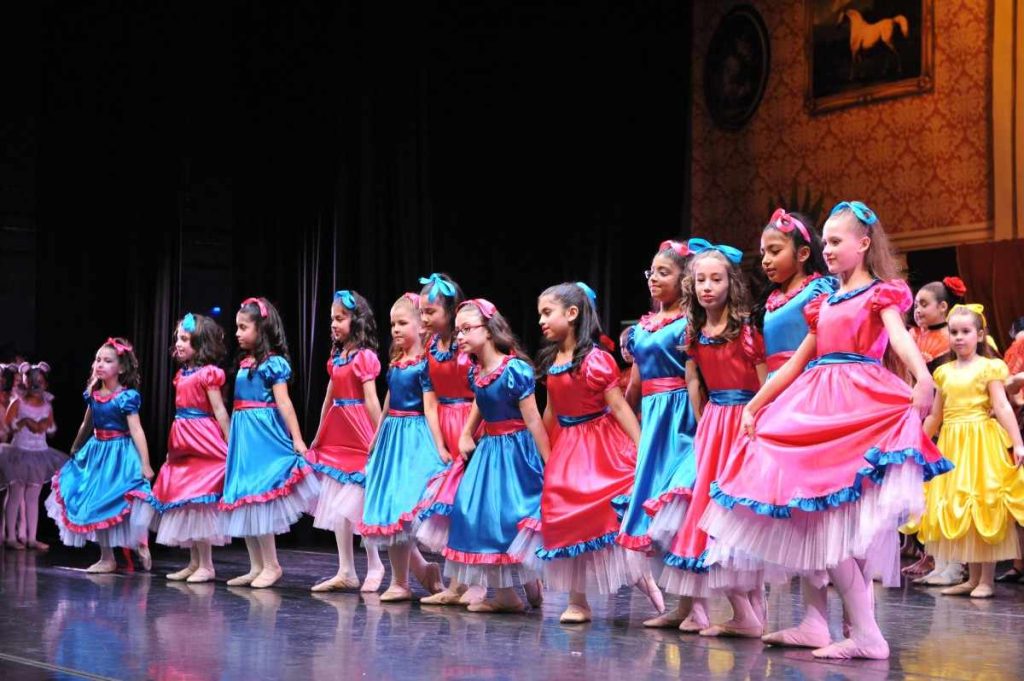
Little gitls on stage wearing colorful dresses

For parents looking to nurture their child’s creativity, enrolling them in a structured yet inspiring dance program is a wonderful way to provide them with the tools they need to express themselves and think outside the box.

Dance Programs at Ballet Centre Dubai

Ballet Centre Dubai offers a range of dance classes designed to foster creativity in children of all ages. From beginner ballet classes that teach the fundamentals of movement to more advanced jazz and contemporary programs that encourage artistic exploration, our classes are tailored to support both skill development and creative growth.

Our experienced instructors create an environment where children feel encouraged to explore their creativity without pressure or fear of failure. With structured lessons that incorporate improvisation, collaboration, and artistic expression, students develop not only as dancers but as confident, creative individuals.

For parents interested in supporting their child’s creative development through dance, Ballet Centre Dubai provides trial classes to help young dancers find the right fit. By choosing a dance program that prioritizes both technical skill and creative exploration, children are given the opportunity to thrive artistically, socially, and emotionally.

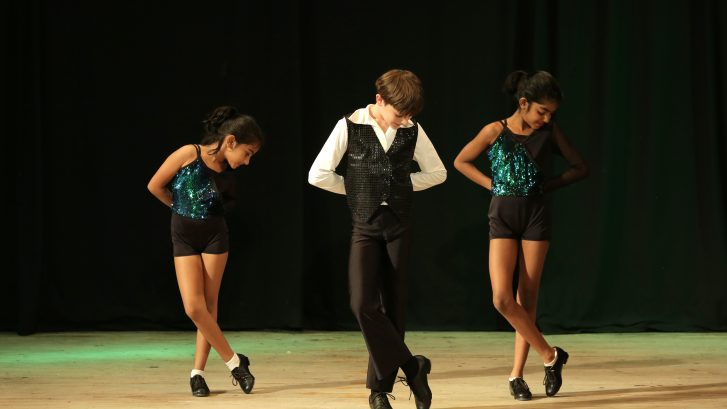
three dancers on stage in a pose

Step Into Tap: A Dance for All Ages

Tap dance has a rhythm that speaks to everyone. The infectious beats, the sense of accomplishment with every mastered step, and the pure joy of moving to the music make it an exciting choice for dancers of all ages. Whether it’s a child just discovering the joy of movement or an adult looking for a new way to stay active, tap offers something special—an experience that blends athleticism, creativity, and musicality in a way few other dance styles do.

A Dance That Listens to You

Many dance styles require strict form, but tap allows for personal expression. The sound produced depends on how the foot lands, the force behind the step, and the timing. This makes each dancer’s style slightly different, even when performing the same routine.

For beginners, the first lesson often feels like a puzzle—figuring out how to control the sounds while staying on beat. But that challenge is part of what makes tap rewarding. With practice, feet start to move instinctively, and dancers begin to “hear” their progress. The smallest adjustments in weight placement can transform the sound, giving a sense of control that’s both satisfying and motivating.

Children especially love this aspect. Unlike other forms of dance where progress can feel gradual, tap provides instant feedback. If a step sounds right, they know they’re getting it. If it doesn’t, small adjustments make a noticeable difference. This keeps them engaged, eager to improve with each class.

Building Coordination and Musicality

One of the most valuable benefits of tap dance is how it develops coordination. The constant movement strengthens the connection between the brain and body, improving agility and balance. Each step requires precision, training dancers to control both large and small muscle movements.

Musicality also improves naturally. Dancers learn to count beats, anticipate changes in tempo, and develop a deeper understanding of rhythm. This makes tap an excellent complement to other performing arts. Many students who take ballet or music lessons find that tap enhances their ability to stay on beat and interpret music more dynamically.

At Ballet Centre Dubai, classes are structured to build these skills progressively. Young dancers start with simple patterns before moving on to more complex sequences. Adults, whether beginners or those with previous experience, follow a structured approach that allows them to learn at a comfortable pace.

Confidence Through Sound and Movement

Confidence in dance often comes from seeing progress, but in tap, dancers don’t just see improvement—they hear it. The sound of each step provides real-time feedback, reinforcing achievements. As students master more intricate footwork, they develop a sense of accomplishment that boosts self-assurance.

This is especially valuable for children. Mastering a challenging step teaches patience and perseverance, skills that extend beyond the studio. When they finally nail a tricky rhythm, the excitement is visible—not just in their faces but in how they carry themselves.

For adults, tap offers a different kind of confidence. It’s an opportunity to step out of the usual routine, try something new, and enjoy the process of learning. The combination of movement and sound creates a sense of presence that helps clear the mind. The focus required to execute steps correctly makes it an excellent way to relieve stress while staying active.

A Dance for Every Stage of Life

Tap dance is one of the few styles that adapts easily to different ages and fitness levels. Unlike ballet, which demands flexibility, or hip-hop, which often requires high-impact movements, tap is about rhythm and control. This makes it accessible to a wide range of students, from young children to older adults.

For parents looking for an engaging activity for their child, tap provides structured learning in an environment that feels playful. The act of making sound with movement is naturally entertaining, keeping young dancers excited to attend class.

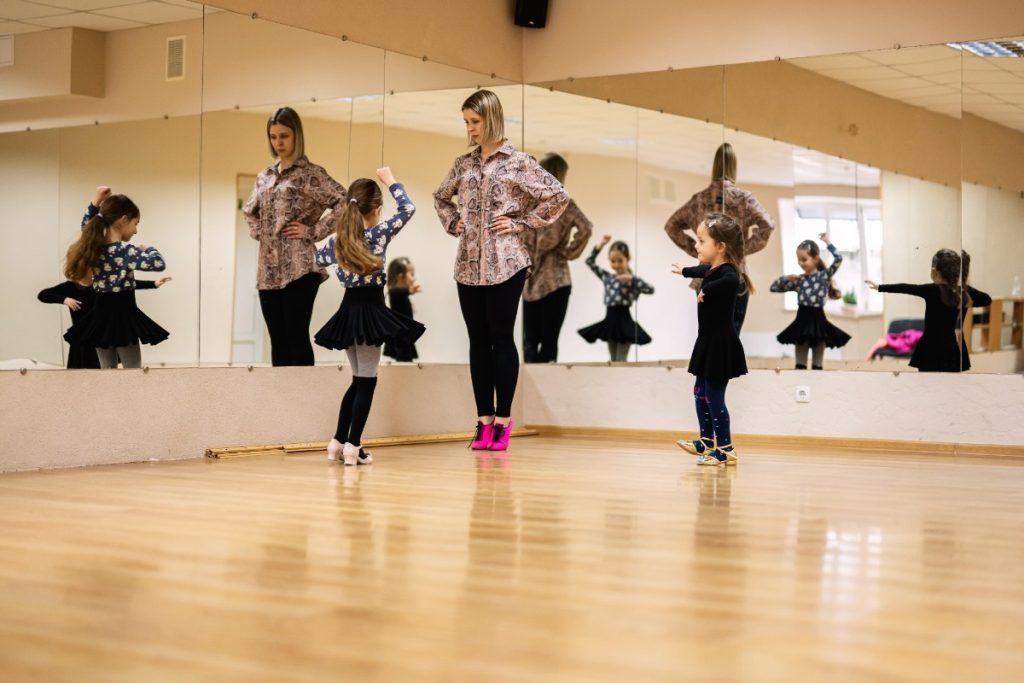
Two little girls in the studio with female dance instructor

Adults often approach tap with a mix of excitement and hesitation. Some worry about whether they’re too old to start, while others wonder if they’ll be able to keep up. The reality is that tap meets students where they are. Beginners start with simple steps, gradually building confidence before moving into more intricate rhythms. Unlike high-impact workouts, tap is also easy on the joints, making it a great choice for those looking for a fun way to stay active.

A Social and Supportive Experience

Dance classes often foster a strong sense of community, and tap is no exception. The rhythmic nature of the style means dancers move in sync with one another, creating a shared experience that strengthens connections. The sound of multiple dancers tapping together is powerful—there’s an energy in the room that makes learning even more enjoyable.

At Ballet Centre Dubai, the structure of tap classes encourages collaboration. Students practice together, offering encouragement and support as they refine their skills. This is especially valuable for children, as it teaches teamwork and cooperation in a setting that feels natural. For adults, the social aspect makes the experience even more rewarding. Learning alongside others builds camaraderie, turning each class into a shared celebration of progress.

Bringing Tap Into Everyday Life

Tap dancers often find themselves tapping even when they’re not in class. The rhythm becomes second nature, showing up in everyday moments—waiting in line, cooking in the kitchen, or even just walking down the street. This natural integration into daily life makes tap different from many other forms of dance.

Parents often notice this in children. A young tap dancer might start practicing steps at home without even realizing it, enjoying the sounds they can create. This kind of engagement reinforces what they learn in class, helping them progress faster.

For adults, tap becomes a way to stay active without it feeling like exercise. Many find it more engaging than a traditional workout because it doesn’t feel repetitive. Instead, it’s a skill that continues to grow, offering new challenges and achievements over time.

Stepping Into Tap at Ballet Centre Dubai

For those curious about trying tap, Ballet Centre Dubai offers classes tailored to different age groups and skill levels. The ISTD syllabus ensures students receive structured training while still enjoying the creative aspects of the dance. Whether a child is taking their first steps in dance or an adult is looking for a new way to stay active, tap offers a rewarding experience.

Trial classes are available for those who want to see if tap is the right fit. With a welcoming atmosphere and experienced instructors, Ballet Centre Dubai provides a space where students can build confidence, improve coordination, and, most importantly, have fun.

Stepping into tap is stepping into rhythm, movement, and self-expression. And once the sounds start, it’s hard not to want to keep dancing.

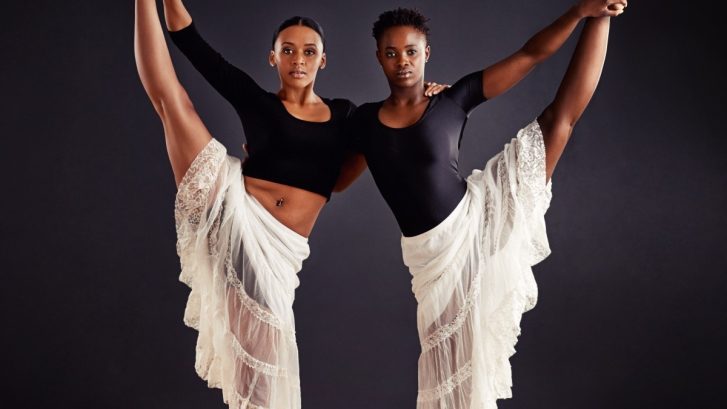
two-young-female-contemporary-dancers-holding legs up in the air

Contemporary vs. Modern Dance: What Sets Them Apart?

Parents often look for dance classes that allow their children to express themselves, build confidence, and develop technical skills. But when exploring options, the difference between contemporary and modern dance can be confusing. While both styles push beyond classical ballet, they have distinct qualities that shape how dancers move, interpret music, and connect with an audience.

Where Modern Dance Began

Modern dance was a bold statement when it first appeared. Ballet had dominated the dance world for centuries, with its precise technique, rigid posture, and storytelling structure. Dancers like Isadora Duncan and Ruth St. Denis wanted something different—movement that felt more natural and expressive. They took inspiration from mythology, nature, and even their own emotions.

Martha Graham took this idea further, developing a technique based on contraction and release. Her movements had a sense of resistance, almost as if the dancer was fighting against an invisible force. Her choreography was dramatic, deeply personal, and often rooted in strong emotions.

Other modern dance innovators, such as José Limón and Merce Cunningham, brought their own ideas. Limón focused on the weight of the body, using breath and suspension to create powerful yet fluid movement. Cunningham took a more experimental approach, introducing chance into choreography and moving away from storytelling.

Contemporary Dance: A Style That Keeps Changing

If modern dance broke away from ballet, contemporary dance blurred the lines between genres entirely. It takes influences from multiple styles, constantly shifting and adapting. This makes it difficult to define in a single sentence.

Contemporary dance often looks weightless, with movements that flow seamlessly from one to another. There’s an emphasis on release—letting gravity take over rather than resisting it. Dancers might roll across the floor, spiral through the air, or suspend themselves in unexpected positions. The movement feels organic, as if it’s being discovered in the moment rather than planned.

Unlike modern dance, contemporary choreography isn’t limited by a specific technique. Some choreographers integrate ballet’s precision and control, while others incorporate improvisation and floor work. There’s also a strong influence from jazz, hip-hop, and even martial arts. This makes contemporary dance incredibly diverse, constantly evolving as new influences come in.

The Differences in Training

For students training in modern dance, technique classes focus on strong, grounded movements. They learn contraction and release, fall and recovery, and specific movement qualities unique to different modern dance pioneers. These techniques require control and awareness of weight, making modern dance both physically demanding and artistically expressive.

Contemporary dance training, in contrast, includes a wider variety of movement techniques. A contemporary class might start with ballet-based exercises before transitioning into fluid, full-body sequences. There’s often an emphasis on improvisation, encouraging dancers to explore movement in their own way. Partner work and floor-based movement are also common, allowing dancers to experiment with gravity and momentum.

At Ballet Centre Dubai, students can explore both styles, refining their technique while developing their artistic voice. Our ISTD Modern Dance classes offer structured training in modern technique, giving students a strong foundation in controlled, expressive movement. Meanwhile, our Contemporary Dance classes provide a space for fluidity, creativity, and self-expression, helping students adapt to a range of choreographic styles.

What This Means for Parents Choosing a Dance Class

Parents often wonder which style is best for their child. The answer depends on what the student enjoys.

A child who loves storytelling and dramatic expression might connect with modern dance. The strong, intentional movements and emotional depth can be incredibly rewarding. Modern dance also helps build strength and control, skills that benefit any dance style.

On the other hand, if a child is drawn to free-flowing, expressive movement, contemporary dance might be a better fit. Contemporary allows for more improvisation and creative exploration, making it ideal for dancers who enjoy movement that feels spontaneous and personal.

At Ballet Centre Dubai, we encourage students to try both. Many dancers find that modern technique helps them develop strength and precision, while contemporary classes allow them to experiment and find their own movement style. With our free trial classes, students can explore different options before committing to a class, making it easier to find what resonates most.

The Influence of Ballet on Both Styles

Even though modern and contemporary dance break away from ballet, both styles still draw from its principles. Modern dancers often use ballet’s alignment and control, while contemporary dancers incorporate ballet’s fluidity and grace. Many of the most successful contemporary dancers have strong ballet training, giving them the technical foundation to execute complex movements with ease.

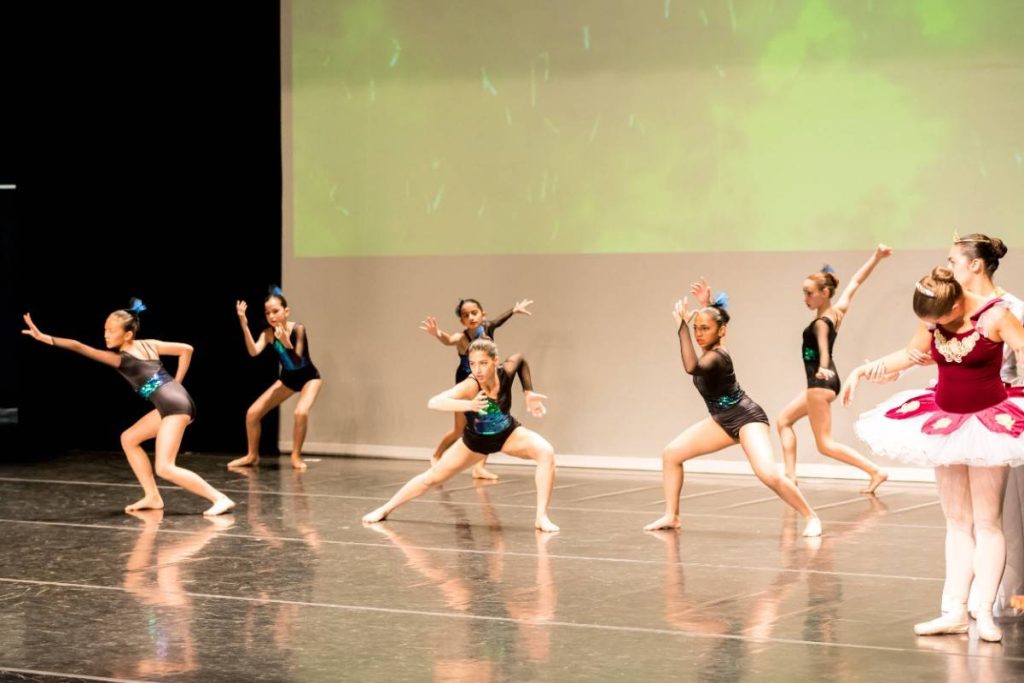
A group of giirls performing on stage in contemporary dance

That’s why Ballet Centre Dubai encourages students to build a well-rounded dance education. Our RAD Ballet classes provide the technical training that strengthens all styles, from modern and contemporary to jazz and beyond. A dancer with a strong ballet foundation will have better control, balance, and movement quality, making them more versatile in any genre.

How the Two Styles Appear on Stage

Watching modern and contemporary dance in performance reveals another key difference: their approach to structure.

Modern dance often follows a clear, deliberate composition. The movement may be abstract, but it typically has a defined shape and intention. Dancers might hold strong positions, move with sharp accents, or use repetition to create impact.

Contemporary dance feels more fluid, with seamless transitions and unexpected movement choices. The choreography often embraces unpredictability, playing with speed, levels, and improvisation. Rather than creating structured shapes, contemporary movement explores the body’s full range, often defying traditional dance expectations.

Both styles can be incredibly powerful to watch, offering different kinds of emotional and artistic impact.

Which Style is More Popular Today?

Contemporary dance has become more widely recognized in recent years, partly because of its presence in dance competitions and commercial performances. It’s a favorite among choreographers working in television, film, and music videos because of its adaptability.

Modern dance, while less visible in mainstream media, remains a respected genre within the dance world. Many professional dancers train in modern techniques because of the strength and control they develop through it.

For students at Ballet Centre Dubai, learning both styles provides a well-rounded dance education. Whether they want to pursue dance professionally or simply enjoy the creative process, both modern and contemporary dance offer unique benefits. With experienced instructors, KHDA-approved classes, and a welcoming environment, our centre ensures that every dancer finds their own artistic voice.

Finding the Right Fit

Both modern and contemporary dance encourage personal expression, but they do so in different ways. Modern dance focuses on structure, weight, and intention, while contemporary dance explores fluidity and improvisation. Understanding these differences can help students choose the class that suits them best—or, better yet, try both and discover how each style shapes their movement journey.

At Ballet Centre Dubai, we offer ISTD Modern Dance and Contemporary Dance classes, along with RAD Ballet, jazz, tap, drama, and music lessons. Whether your child dreams of performing on stage or simply wants to enjoy the beauty of movement, we provide a supportive space to grow, learn, and create.

Three people dancing flamenco in a traditional square

The Power of Flamenco: Music Meets Emotion

Flamenco is much more than a folkloric musical tradition of Southern Spain; it’s a profound cultural expression that embodies intense emotion through song, dance, and guitar. This art form, with its rich historical roots, serves not only as entertainment but as a social and emotional outlet for its performers and audiences alike.

The Roots of Flamenco

The origins of Flamenco are as complex and passionate as the performances themselves. Emerging from the diverse cultural melting pot of Andalusia in southern Spain, Flamenco was shaped by the region’s varied historical influences. These include the indigenous Andalusian, Islamic Moorish, and nomadic Gypsy cultures, each bringing its own unique flavor to the music and dance. Initially, Flamenco was the expression of the socially marginalized; the Gypsy community, in particular, used it as a voice for their social plight and emotional release.

As we trace Flamenco’s lineage, we discover it isn’t just an art form but a historical narrative of survival and expression. The traditional “cante jondo” or deep song, characterized by its profound emotional weight, reflects the struggles and joys of daily life. These songs aren’t just performances; they are stories told from the soul, meant to stir the heart of the listener and connect on a visceral level.

Flamenco Components and Their Emotional Expressions

Flamenco’s power lies in its ability to convey complex human emotions, from sorrow and anguish to joy and exhilaration. This emotional range is expressed through its three main components: the song (cante), the dance (baile), and the guitar play (toque).

Cante:

The Flamenco song is the core of the performance, with vocalists using their deep, raw singing to evoke feelings of longing, grief, or celebration. The lyrics often reflect personal hardships or the joys of life, resonating with the listener’s own experiences. The style of singing in Flamenco is unique; it’s not about perfect pitch or smooth melodies but about raw emotion that grips the listener.

Baile:

Flamenco dance is as expressive as the song, with dancers using their bodies to portray the emotions carried in the music. A Flamenco dancer tells a story with every stomp of their feet and wave of their arms, their movements a physical manifestation of the music’s soul. The interaction between the dancer and the musicians around them is almost tangible, creating a shared emotional space where performer and audience meet.

Toque:

The Flamenco guitar is not merely an accompaniment but a pivotal component that enhances the emotive quality of the performance. The guitarist must not only be technically skilled but also deeply sensitive to the nuances of the song and dance, responding to the emotional cues of the performers to elevate the entire experience.

Flamenco Performance: A Cathartic Experience

When you step into a Flamenco performance, whether it’s in a cozy local bar in Andalusia or a grand theater in the heart of New York, the setting plays a crucial role in shaping the experience. In intimate venues, the proximity allows every heartfelt strum of the guitar and every precise tap of the dancer’s feet to resonate directly with the audience, creating a palpable connection that’s almost tangible. On larger stages, the drama and passion of Flamenco must fill the space, reaching out to touch each member of the audience, no matter how far from the stage they may be.

This connection is vital; it transforms the performance from a mere display of cultural tradition into a shared emotional journey. Flamenco is not just observed; it’s felt. Performers and audience members alike describe these events as conversations where the call of the singer and the response of the dancer are spontaneous yet deeply connected. This interaction is what makes Flamenco uniquely cathartic, offering an emotional release that is both individual and collective.

The Role of Improvisation in Flamenco

One of the most distinctive features of Flamenco is its reliance on improvisation. This spontaneity ensures that no two performances are exactly the same. Each show is shaped by the moods, interactions, and even the specific audience of that moment. The performers read each other’s emotional and physical cues, which allows them to create an artwork that is always unique and momentary.

This element of unpredictability not only keeps the art form fresh but also highlights the skill and emotional depth of the performers. It challenges them to be fully present, responsive, and connected not only to their art but also to their fellow performers and the audience. This dynamic aspect of Flamenco is what keeps the tradition alive and thrilling, maintaining its relevance and appeal across generations and geographies.

Flamenco in the Modern World

As it has grown in popularity, Flamenco has spread its wings beyond the borders of Spain, drawing influences from and lending its passion to other musical and dance forms worldwide. Modern Flamenco artists often blend traditional rhythms with elements from other genres like jazz, salsa, and even pop, creating a fusion that appeals to a global audience while still honoring its roots.

Young man playing the guitar

These modern interpretations help keep Flamenco vibrant and relevant, allowing it to resonate with newer generations and diverse audiences. The essence of Flamenco, with its deep emotional currents and cultural significance, remains intact even as it evolves. This adaptability is key to its enduring appeal, allowing it to maintain its emotional depth and cultural richness while engaging with the broader, ever-changing world of global music and dance.

Flamenco Today: Evolution and Influence

Flamenco continues to evolve, integrating modern sounds and styles while remaining deeply rooted in its traditional forms. Today’s Flamenco artists are not just performers but innovators, blending the old with the new to keep the art form fresh and relevant. In Spain and beyond, Flamenco schools teach young artists to respect the traditional while encouraging exploration and creativity. This balance of preservation and innovation ensures that Flamenco remains a dynamic and vibrant part of the global music scene.

The global influence of Flamenco can be seen in its growing popularity worldwide. From Tokyo to New York, people are drawn to Flamenco’s expressive power and its ability to convey complex human emotions. International festivals dedicated to Flamenco showcase its diversity and adaptability, highlighting how different cultures interpret and integrate Flamenco into their own artistic expressions.

Learning Flamenco Guitar Play

The Ballet Centre Dubai is the premier destination for learning Flamenco guitar, offering students an immersive experience in both the technical mastery and emotional depth of this vibrant art form. Their expert instructors blend traditional Flamenco techniques with modern teaching methods, ensuring students not only learn to play but truly understand the cultural and emotional essence of Flamenco music. With a supportive and inspiring environment, the Ballet Centre Dubai provides the perfect space for aspiring musicians to explore the passion and rhythm of Flamenco guitar.

Conclusion

Flamenco is more than just a musical genre; it’s a rich, emotive language that speaks directly to the soul. Its ability to convey a range of emotions, from deep sorrow to exhilarating joy, connects with people everywhere. The enduring legacy of Flamenco music and dance is a testament to its profound impact on both performers and audiences alike.

If you’ve never experienced the magic of a live Flamenco performance, consider this your invitation. Find a local show, step into the vibrant world of Flamenco, and let yourself be moved by its passionate rhythms and soul-stirring dance. It’s more than just a performance; it’s an emotional journey that you won’t soon forget.

modern dance training

Get a Headstart for Your Child with Modern Dance Training

Modern dance training offers children an incredible opportunity to grow in ways that go far beyond the physical aspects of dancing. While the joy of moving to the rhythm is undeniable, the benefits stretch into areas that impact emotional, social, and cognitive development. For parents looking to provide a strong foundation for their child’s growth, modern dance can be a transformative experience.

Building Confidence Through Movement

Children who participate in modern dance training often show a significant increase in self-confidence. The dance environment encourages kids to express themselves, overcome stage fright, and connect with others through shared movements. Learning to perform in front of a group, remembering choreography, and synchronizing with music are powerful tools that help break down shyness and boost a child’s self-esteem. The process of mastering a dance routine, even if it takes a few tries, can give them a sense of accomplishment that translates into other areas of their life.

Developing Physical Strength and Flexibility

Modern dance is not just about artistic expression; it’s also a rigorous physical activity that improves strength, flexibility, and overall fitness. The various dance movements require coordination, balance, and muscle control, which help in developing fine motor skills and body awareness. This type of training builds core strength, enhances posture, and increases flexibility, laying the groundwork for a healthy, active lifestyle. Children who engage in modern dance from a young age often carry these physical benefits with them as they grow, promoting long-term health and well-being.

Enhancing Creativity and Imagination

One of the unique elements of modern dance is its emphasis on creativity. Unlike more structured dance forms, modern dance encourages improvisation and self-expression. This freedom allows children to use their imaginations, invent their own movements, and explore how their bodies can express different emotions and stories. By engaging in this creative process, kids learn to think outside the box, which can enhance their problem-solving skills and encourage a more innovative mindset.

Improving Focus and Discipline

Modern dance classes require concentration and discipline. Learning and memorizing routines demand attention to detail and the ability to stay focused on the task at hand. Children learn to listen carefully to instructions, pay attention to timing, and synchronize their movements with the music and their peers. This type of disciplined practice helps improve their ability to concentrate, which can be especially beneficial in academic settings. Over time, these skills become ingrained, aiding in their overall development.

Social Skills and Teamwork

Participating in dance classes also provides children with a sense of community and belonging. Dance is often a group activity, requiring coordination and collaboration with others. Kids learn the importance of teamwork as they work together to perform routines and dances. They develop empathy by understanding the needs and movements of their peers, building stronger social bonds and communication skills. This collaborative environment helps children learn how to express themselves openly while respecting the space and creativity of others.

Emotional Expression and Stress Relief

Dance is a powerful medium for emotional expression, allowing children to channel their feelings in a constructive way. For many kids, the dance studio becomes a safe space where they can release pent-up energy and emotions through movement. Whether it’s joy, sadness, excitement, or frustration, modern dance provides a physical outlet that helps in managing emotions. The rhythmic movement and the music together create a therapeutic environment that can reduce stress and anxiety, promoting mental and emotional well-being.

Preparing for Future Opportunities

Engaging in modern dance can open up various opportunities for children, both in dance and in other fields. The discipline, creativity, and confidence gained from dance training can be invaluable in pursuing future interests, whether they be in the arts, sports, public speaking, or any other area that requires self-assurance and creativity. Children who have a background in dance often excel in environments that demand presentation skills, creativity, and the ability to perform under pressure.

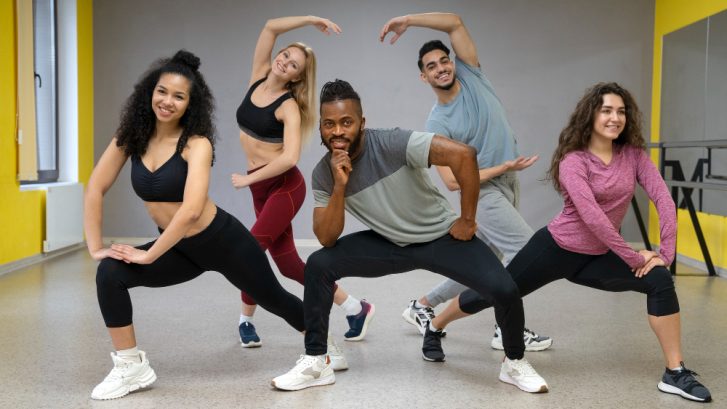
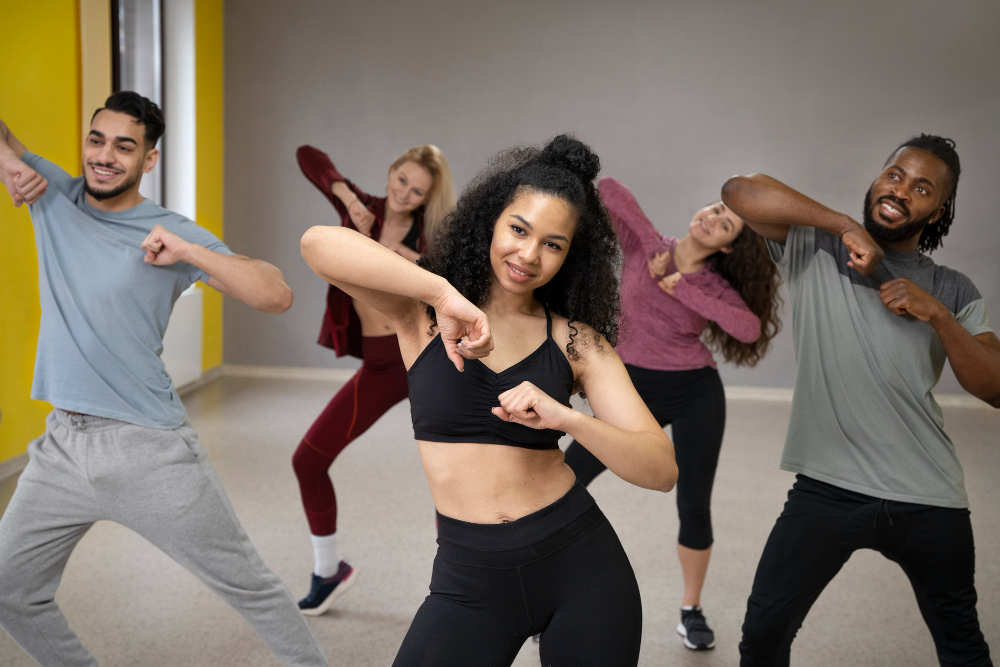
A dance group consisting of two males and three females practicisng in a studio

Developing a Sense of Rhythm and Musicality

Modern dance training also enhances a child’s sense of rhythm and musicality. Learning to move in sync with the beat, understanding the flow of music, and interpreting it through dance help children develop a deep appreciation for music. This understanding goes beyond the dance studio and enriches their ability to enjoy, analyze, and engage with different forms of music throughout their lives.

Building a Healthy Relationship with the Body

One of the most important aspects of modern dance is that it helps children develop a positive and healthy relationship with their bodies. Through dance, they learn to appreciate what their bodies can do, rather than how they look. This positive body image is crucial in a world where young children are often exposed to unrealistic standards. Dance encourages them to focus on strength, flexibility, and expression, promoting a balanced and healthy outlook.

Conclusion: A Well-Rounded Development Path

Modern dance training offers more than just an activity for children; it provides a comprehensive approach to their development, touching on physical, emotional, social, and cognitive growth. With each dance step, children learn discipline, express their creativity, build confidence, and develop valuable life skills. For parents seeking a holistic approach to their child’s growth, modern dance is a path worth exploring.

Romantic Ballet Tutu: Tips on Choosing and Maintaining Your Tutu in Dubai

The Romantic ballet tutu, an emblem of elegance and grace in the world of dance, holds a special place in the hearts of ballet enthusiasts. Its ethereal appearance, characterized by a soft, bell-shaped tulle skirt, has captivated audiences since the early 19th century. In Dubai, a city that embraces both tradition and modernity, the selection and care of a ballet tutu require a blend of artistic sensibility and practical know-how.

Choosing the Perfect Romantic Ballet Tutu

romantic ballet tutu

When selecting a romantic ballet tutu in Dubai, it’s crucial to consider both aesthetics and functionality. The ideal tutu should complement the dancer’s physique and enhance their movements. Look for high-quality tulle that offers both softness and volume, creating the quintessential romantic silhouette. Pay attention to the waistband; it should be snug yet comfortable, allowing for a full range of motion.

Customization and Fit

Customization is key to achieving the perfect fit. Many ballet stores in Dubai offer bespoke tailoring services. This ensures that the tutu fits the dancer’s body precisely, providing both comfort and support. The length of the skirt is another crucial aspect; it should ideally fall mid-calf, gracefully flowing with each pirouette and leap.

Color and Design

While traditional romantic tutus are often white or pale pink, exploring different colours can add a unique touch to a dancer’s performance. Consider the theme and mood of the ballet when choosing colours. Intricate embellishments, such as lace, ribbons, and sequins, can further personalise a tutu, making it a true work of art.

Fabric Quality and Durability

In the bustling city of Dubai, where performances and rehearsals are frequent, the durability of a tutu is as important as its beauty. Opt for high-quality fabrics that can withstand regular use. Tulle, while delicate in appearance, should be resilient and retain its shape over time.

Maintaining Your Tutu in Dubai’s Climate

The hot and humid climate of Dubai poses a challenge for tutu maintenance. Proper storage is essential; keep the tutu in a cool, dry place, ideally in a breathable garment bag. Avoid folding the tutu, as this can cause permanent creases in the tulle.

Cleaning and Care

Regular cleaning is crucial to maintain the tutu’s pristine condition. However, due to the delicate nature of the fabric, it’s advisable to opt for professional dry cleaning. For minor stains, spot cleaning with a gentle detergent is often sufficient. Avoid harsh chemicals and excessive heat, as these can damage the fabric.

Longevity and Repairs

With regular performances and practices, wear and tear are inevitable. Prompt repairs can extend the life of a tutu. In Dubai, several specialised boutiques offer repair services, including tulle replacement and beadwork restoration. Regular inspections for loose threads and torn seams can prevent larger issues down the line.

Sustainability and Ethical Considerations

In today’s environmentally conscious world, consider the sustainability of the tutu. Opt for materials and practices that minimise environmental impact. Many Dubai-based ballet stores are now offering eco-friendly tutus, made from recycled materials and employing ethical manufacturing processes.

Additional Tips for Tutu Selection and Care

Understanding Ballet Genres

Different ballet genres may require different tutu styles. Ensure that your tutu aligns with the specific requirements of the romantic genre, which typically features softer, longer skirts.

Layering and Texture

Examine the layering and texture of the tulle. Multiple layers can add depth and movement to the tutu, enhancing its visual appeal on stage.

Hydration and Fabric Care

In Dubai’s climate, keeping the fabric hydrated can prevent it from becoming brittle. Use fabric conditioners designed for delicate materials to maintain the tutu’s softness.

Regular Rotation

If you own multiple tutus, rotate their use. This practice can extend the life of each tutu, as it prevents excessive wear on a single garment.

Transportation Care

When transporting the tutu, use specialized tutu bags that maintain the shape and protect it from external elements.

Mindful Practice Wear

Avoid wearing your performance tutu during rigorous rehearsals. Instead, use a practice tutu to preserve the condition of your performance garment.

Awareness of Accessories

Be mindful of accessories like jewelry that might catch on the tulle during wear. Such snags can cause irreparable damage to the delicate fabric.

Learning Basic Sewing Skills

Acquiring basic sewing skills can be invaluable for on-the-spot repairs and adjustments, especially during performances or tours.

Concluding Thoughts

In conclusion, the Romantic ballet tutu is not just a costume but a symbol of the beauty and precision of ballet. In Dubai, with its thriving arts scene, the choice and maintenance of a tutu require careful consideration. By focusing on fit, quality, and proper care, dancers can ensure their tutu remains a cherished part of their ballet journey. Remember, a well-chosen and meticulously maintained tutu is not only an investment in a dancer’s performance but also in the rich tradition and future of ballet.

1 2