
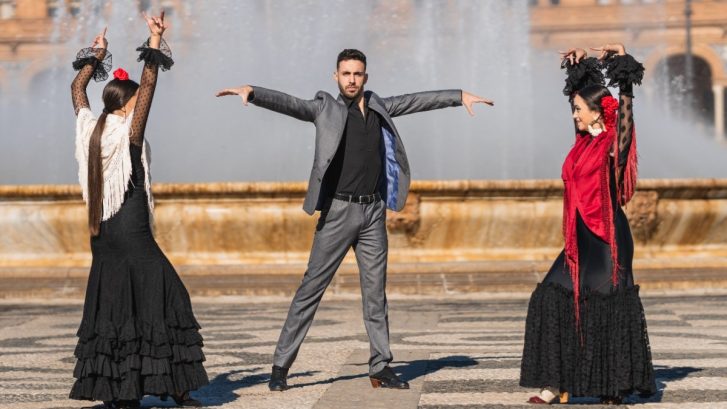
Flamenco is much more than a folkloric musical tradition of Southern Spain; it’s a profound cultural expression that embodies intense emotion through song, dance, and guitar. This art form, with its rich historical roots, serves not only as entertainment but as a social and emotional outlet for its performers and audiences alike.
The Roots of Flamenco
The origins of Flamenco are as complex and passionate as the performances themselves. Emerging from the diverse cultural melting pot of Andalusia in southern Spain, Flamenco was shaped by the region’s varied historical influences. These include the indigenous Andalusian, Islamic Moorish, and nomadic Gypsy cultures, each bringing its own unique flavor to the music and dance. Initially, Flamenco was the expression of the socially marginalized; the Gypsy community, in particular, used it as a voice for their social plight and emotional release.
As we trace Flamenco’s lineage, we discover it isn’t just an art form but a historical narrative of survival and expression. The traditional “cante jondo” or deep song, characterized by its profound emotional weight, reflects the struggles and joys of daily life. These songs aren’t just performances; they are stories told from the soul, meant to stir the heart of the listener and connect on a visceral level.
Flamenco Components and Their Emotional Expressions
Flamenco’s power lies in its ability to convey complex human emotions, from sorrow and anguish to joy and exhilaration. This emotional range is expressed through its three main components: the song (cante), the dance (baile), and the guitar play (toque).
Cante:
The Flamenco song is the core of the performance, with vocalists using their deep, raw singing to evoke feelings of longing, grief, or celebration. The lyrics often reflect personal hardships or the joys of life, resonating with the listener’s own experiences. The style of singing in Flamenco is unique; it’s not about perfect pitch or smooth melodies but about raw emotion that grips the listener.
Baile:
Flamenco dance is as expressive as the song, with dancers using their bodies to portray the emotions carried in the music. A Flamenco dancer tells a story with every stomp of their feet and wave of their arms, their movements a physical manifestation of the music’s soul. The interaction between the dancer and the musicians around them is almost tangible, creating a shared emotional space where performer and audience meet.
Toque:
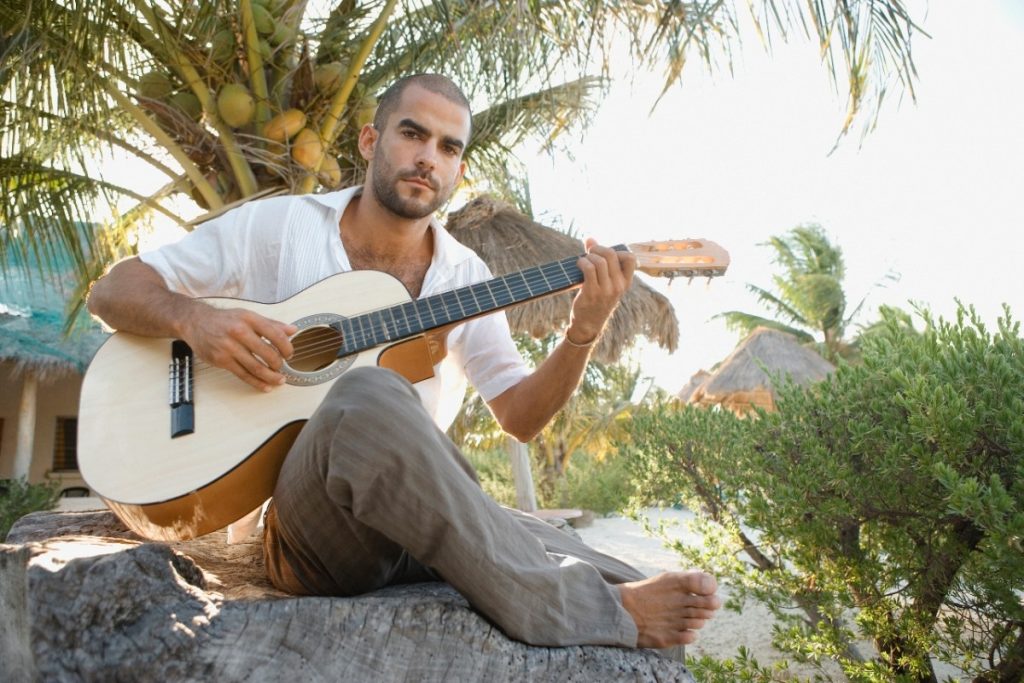
The Flamenco guitar is not merely an accompaniment but a pivotal component that enhances the emotive quality of the performance. The guitarist must not only be technically skilled but also deeply sensitive to the nuances of the song and dance, responding to the emotional cues of the performers to elevate the entire experience.
Flamenco Performance: A Cathartic Experience
When you step into a Flamenco performance, whether it’s in a cozy local bar in Andalusia or a grand theater in the heart of New York, the setting plays a crucial role in shaping the experience. In intimate venues, the proximity allows every heartfelt strum of the guitar and every precise tap of the dancer’s feet to resonate directly with the audience, creating a palpable connection that’s almost tangible. On larger stages, the drama and passion of Flamenco must fill the space, reaching out to touch each member of the audience, no matter how far from the stage they may be.
This connection is vital; it transforms the performance from a mere display of cultural tradition into a shared emotional journey. Flamenco is not just observed; it’s felt. Performers and audience members alike describe these events as conversations where the call of the singer and the response of the dancer are spontaneous yet deeply connected. This interaction is what makes Flamenco uniquely cathartic, offering an emotional release that is both individual and collective.
The Role of Improvisation in Flamenco
One of the most distinctive features of Flamenco is its reliance on improvisation. This spontaneity ensures that no two performances are exactly the same. Each show is shaped by the moods, interactions, and even the specific audience of that moment. The performers read each other’s emotional and physical cues, which allows them to create an artwork that is always unique and momentary.
This element of unpredictability not only keeps the art form fresh but also highlights the skill and emotional depth of the performers. It challenges them to be fully present, responsive, and connected not only to their art but also to their fellow performers and the audience. This dynamic aspect of Flamenco is what keeps the tradition alive and thrilling, maintaining its relevance and appeal across generations and geographies.
Flamenco in the Modern World
As it has grown in popularity, Flamenco has spread its wings beyond the borders of Spain, drawing influences from and lending its passion to other musical and dance forms worldwide. Modern Flamenco artists often blend traditional rhythms with elements from other genres like jazz, salsa, and even pop, creating a fusion that appeals to a global audience while still honoring its roots.
These modern interpretations help keep Flamenco vibrant and relevant, allowing it to resonate with newer generations and diverse audiences. The essence of Flamenco, with its deep emotional currents and cultural significance, remains intact even as it evolves. This adaptability is key to its enduring appeal, allowing it to maintain its emotional depth and cultural richness while engaging with the broader, ever-changing world of global music and dance.
Flamenco Today: Evolution and Influence
Flamenco continues to evolve, integrating modern sounds and styles while remaining deeply rooted in its traditional forms. Today’s Flamenco artists are not just performers but innovators, blending the old with the new to keep the art form fresh and relevant. In Spain and beyond, Flamenco schools teach young artists to respect the traditional while encouraging exploration and creativity. This balance of preservation and innovation ensures that Flamenco remains a dynamic and vibrant part of the global music scene.
The global influence of Flamenco can be seen in its growing popularity worldwide. From Tokyo to New York, people are drawn to Flamenco’s expressive power and its ability to convey complex human emotions. International festivals dedicated to Flamenco showcase its diversity and adaptability, highlighting how different cultures interpret and integrate Flamenco into their own artistic expressions.
Learning Flamenco Guitar Play
The Ballet Centre Dubai is the premier destination for learning Flamenco guitar, offering students an immersive experience in both the technical mastery and emotional depth of this vibrant art form. Their expert instructors blend traditional Flamenco techniques with modern teaching methods, ensuring students not only learn to play but truly understand the cultural and emotional essence of Flamenco music. With a supportive and inspiring environment, the Ballet Centre Dubai provides the perfect space for aspiring musicians to explore the passion and rhythm of Flamenco guitar.
Conclusion
Flamenco is more than just a musical genre; it’s a rich, emotive language that speaks directly to the soul. Its ability to convey a range of emotions, from deep sorrow to exhilarating joy, connects with people everywhere. The enduring legacy of Flamenco music and dance is a testament to its profound impact on both performers and audiences alike.
If you’ve never experienced the magic of a live Flamenco performance, consider this your invitation. Find a local show, step into the vibrant world of Flamenco, and let yourself be moved by its passionate rhythms and soul-stirring dance. It’s more than just a performance; it’s an emotional journey that you won’t soon forget.