Flamenco music, with its roots in the sun-soaked Andalusian region of Spain, is a stunning testament to the power of artistic expression. Its evocative blend of intricate rhythms, emotive vocals, and dynamic guitar techniques captivates audiences worldwide, transcending cultural boundaries with its raw passion and storytelling.
At the Ballet Centre Dubai, we believe that a strong foundation in music and guitar training opens doors to a world of artistic exploration. Starting with basic techniques, students gain the skills needed to confidently pursue their own musical styles, whether rooted in classical traditions or more contemporary genres. Our approach encourages creativity, discipline, and self-expression—skills that resonate across all forms of performance.
A Historical Tapestry of Cultures
Flamenco is much more than an art form—it’s a cultural treasure born from the rich and complex history of Andalusia. Situated at the crossroads of Europe, Africa, and the Mediterranean, Andalusia in medieval times was a melting pot of influences, with Romani, Islamic, Jewish, and Christian traditions contributing to the region’s vibrant artistic legacy.
Though often associated with the Romani people who arrived in Spain in the 15th century, flamenco’s origins are far broader. This genre evolved as a unique expression of the joys, sorrows, and struggles of communities that endured hardship and celebrated resilience. In its earliest days, flamenco wasn’t performed on grand stages. Instead, it thrived in intimate gatherings, where families and friends would come together to share music, dance, and stories. These personal, heartfelt performances were passed down through generations, creating a deeply rooted tradition that speaks to the human condition.
Over time, flamenco became more structured and gained recognition as a professional art form. This evolution was not without its challenges, as it required balancing authenticity with innovation. Yet, flamenco’s ability to stay true to its roots while embracing new influences has ensured its enduring appeal.
The Signature Elements of Flamenco
At its heart, flamenco is a collaborative and multi-dimensional art form that combines singing (cante), guitar playing (toque), dance (baile), and rhythmic accompaniments like hand claps (palmas) and finger snapping (pitos). Each element contributes to the overall emotional and artistic impact of a performance.
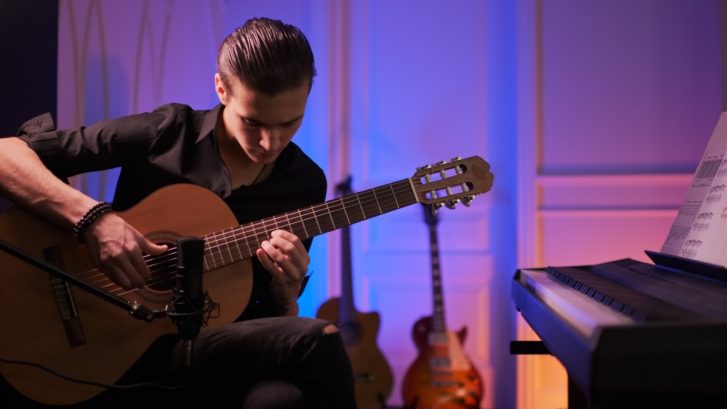
- The Flamenco Guitar: The flamenco guitar is distinct from its classical counterpart, with a design that enhances its sharp, percussive sound. This sound perfectly complements the dancer’s rhythmic footwork and the singer’s emotive delivery. Guitarists use a range of techniques, such as rasgueado (rapid strumming) and picado (precise, melodic picking), to add depth and texture to the performance. Beyond technical skill, flamenco guitarists must master the art of improvisation, responding to the energy of the singer and dancer in real time.
- Expressive Vocals: The soul of flamenco resides in its vocals. Singers, known as cantaores, convey raw emotion through their voices, weaving complex melodic lines that often draw from ancient modal scales. These scales reflect flamenco’s deep ties to Middle Eastern musical traditions, adding a hauntingly beautiful quality to its sound. Lyrics often touch on universal themes like love, loss, joy, and redemption, making the performance deeply relatable. Each style, or palo, has its unique emotional tone—whether it’s the mournful depth of soleá or the celebratory rhythms of alegrías.
- Rhythmic Complexity: Flamenco’s rhythmic structure, known as compás, is one of its most defining features. These rhythms can range from the intricate 12-beat cycles of bulerías to the simpler, four-beat patterns of tangos. The complexity of flamenco rhythm creates space for artistic expression, allowing performers to experiment while maintaining the structure. Sudden tempo shifts, emphatic foot stomps, and unexpected pauses heighten the drama, keeping audiences captivated.
Dance as Storytelling
The dance element of flamenco, or baile, is a powerful form of storytelling that uses the dancer’s body as a canvas for emotion. Flamenco dancers, known as bailaores (male) and bailaoras (female), combine percussive footwork (zapateado), sweeping arm movements, and expressive gestures to bring the music to life.
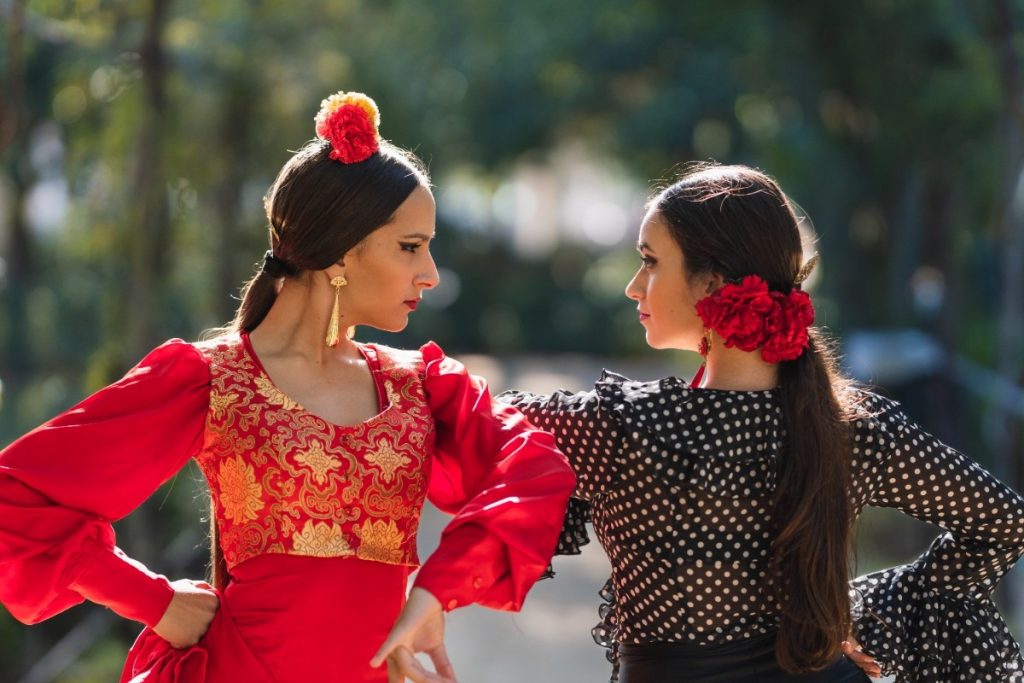
What sets flamenco dance apart is its improvisational nature. While the structure of the performance is pre-determined, dancers respond in real time to the music, creating a dynamic dialogue with the singer and guitarist. This synergy ensures that no two performances are exactly alike, making each one a unique and personal expression of the dancer’s interpretation of the music.
Beyond its technical brilliance, flamenco dance is deeply physical, requiring stamina, precision, and grace. Yet, it’s also emotionally vulnerable, as dancers pour their feelings into every step and gesture. This raw authenticity is what makes flamenco dance so compelling—it invites the audience to feel alongside the performer.
Cultural Significance and Emotional Impact
Flamenco is not just music and dance; it’s a cultural emblem that speaks to the resilience and spirit of the Andalusian people. Historically, it has served as a voice for marginalized communities, offering a means to express both their struggles and triumphs. This authenticity gives flamenco its universal appeal, as its themes resonate with audiences across all walks of life.
One of flamenco’s greatest strengths is its ability to adapt while staying true to its roots. Over the years, it has embraced elements from other genres, such as jazz, Latin music, and even rock, creating exciting new fusions. These collaborations have introduced flamenco to global audiences, ensuring its relevance for future generations. At the same time, flamenco’s traditional forms remain revered, with master artists passing down their knowledge to preserve the genre’s integrity.
Learning the Foundations of Music
At the Ballet Centre Dubai, our music programs focus on helping students build a strong foundation in their chosen instruments, including the guitar. By starting with essential techniques, students gain the confidence and skills needed to explore various musical styles and find their unique voice. Whether they aspire to perform classical compositions, modern hits, or intricate flamenco pieces, we provide the tools and guidance to make their artistic dreams a reality.
Our approach emphasizes the joy of learning music in a supportive and nurturing environment. Students not only gain technical proficiency but also develop a deeper appreciation for the cultural and emotional aspects of music, which are essential for any performer.
Flamenco’s Timeless Appeal
What makes flamenco truly extraordinary is its ability to evoke a deeply personal response. Every note, gesture, and rhythm is infused with emotion, creating a profound connection between the performers and their audience. This unique blend of historical depth, technical mastery, and raw emotion ensures that flamenco remains an enduring and inspiring art form.
For those captivated by the beauty of music and dance, flamenco offers a vivid reminder of the power of human expression. Its timeless appeal lies not only in its artistry but also in its ability to transcend borders, connecting us all through the shared language of passion and creativity.