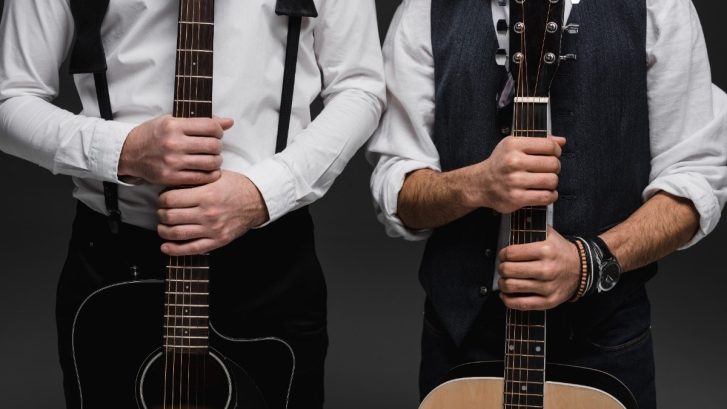
cropped-shot-of-duet-of-musicians-with-acoustic-guitars

Understanding The Difference Flamenco Guitar Vs Classical Guitar

When you step into the world of guitars, the distinction between flamenco and classical guitars is as stark as the musical styles they are each associated with. Both types of guitars hold a rich history, deeply embedded in distinct musical traditions that reflect their unique origins and development. This post aims to shed light on these differences, helping musicians make an informed choice based on their personal style and the specific nuances of each guitar.

Origins and Historical Context

The flamenco guitar traces its roots back to the Andalusian region of Spain, an area rich with a blend of cultural influences, including that of the Romani people. This guitar style developed hand-in-hand with flamenco music, which itself is a powerful expression of life’s struggles and joys, characterized by its deep emotional impact and rhythmic complexity. The flamenco guitar was crafted to complement the percussive footwork and intricate dances typical of flamenco performances, making it not just an instrument, but a partner in the dance.

In contrast, the classical guitar has a lineage that spans across Europe, with its development significantly shaped during the Renaissance period. It became prominent in classical music—a genre known for its structured compositions and expansive range. The classical guitar was designed to produce a clear, resonant sound that could convey the nuanced expressions required by solo performances and complex orchestral pieces. Unlike the flamenco guitar, which was built for the fiery spontaneity of folk music, the classical guitar was developed to meet the demands of composed music, requiring both precision and versatility.

Design and Construction

The design and construction of the flamenco and classical guitars reveal significant differences that contribute to their distinctive sounds. Flamenco guitars typically use lighter woods like cypress or sycamore, which help produce their bright and sharp tonal quality. They feature a thinner top and less internal bracing to allow for a more responsive sound that reacts quickly to the player’s touch, suitable for the lively rhythms of flamenco music.

Classical guitars, on the other hand, often use woods such as cedar or spruce for the top, and rosewood for the back and sides, creating a warmer and richer sound. The top is usually thicker with more robust bracing, which supports the sustain and volume needed for the melodic and harmonic complexity of classical compositions. These guitars are built to offer a wide dynamic range, from soft, intimate notes to powerful, room-filling sounds.

Sound and Musicality

The sound produced by flamenco and classical guitars aligns closely with their roles in performance settings. Flamenco guitars are known for their crisp, bright, and somewhat percussive sound, which cuts through the stomps and claps of flamenco dance. The setup of a flamenco guitar also often includes a tap plate, or golpeador, to protect its surface from rhythmic finger taps and other percussive effects that are integral to the flamenco style.

Classical guitars, with their deeper, mellower tones, are ideal for the broad tonal palette required in classical music. The sound is designed to sustain and smoothly transition through long melodic lines, providing a stark contrast to the staccato feel of flamenco music. This makes them particularly suited for solo performances where the clarity and richness of each note need to resonate fully within a concert hall.

Techniques and Playability

Talking about playing techniques, both flamenco and classical guitars support specific styles that are crucial for the genres they serve. Flamenco guitar players often utilize techniques like golpe, rasgueado, and alzapúa. Golpe involves tapping the guitar’s top with the fingertips or the side of the thumb, adding a percussive element that complements the rhythmic footwork of flamenco dancers. Rasgueado is another energetic technique where the guitarist fans out the fingers in a quick, sweeping motion across the strings, creating a loud, vibrant strum that fills the air with rhythm and intensity. Alzapúa, a thumb technique, involves a powerful plucking that can carry the melody while maintaining the rhythmic undercurrent essential to flamenco.

In contrast, classical guitarists employ methods such as arpeggio, where the notes of a chord are played in sequence rather than simultaneously, adding a ripple effect that enhances the melody’s clarity. The tremolo technique, where a single note is played rapidly to create a sustained, shimmering sound, is another hallmark of classical guitar playing. These techniques require precise finger control and a smooth, flowing style, reflecting the classical music’s structured and expressive nature.

Setup and Action

The setup of the guitar, particularly the action—the height of the strings above the fretboard—also differs significantly between the two styles. Flamenco guitars typically have a lower action to facilitate faster, more percussive playing. This setup makes it easier for the guitarist to execute quick finger movements and allows for the aggressive tapping that characterizes many flamenco techniques. However, the lower action can also lead to more string buzz, which, while generally avoided in classical music, can add to the gritty, lively sound desired in flamenco performances.

Classical guitars usually feature higher action. This not only reduces string buzz but also enhances the instrument’s overall tonal quality, making it richer and more resonant. The higher action requires more force to press the strings against the fretboard, which can be a factor in the expressive control over dynamics that classical guitar music demands. This setup supports the long, fluid melodic lines and the dynamic variations from soft to loud, which are typical in classical compositions.

Usage and Application

When it comes to where and how these guitars are played, both find their places in very different settings. Flamenco guitars are often seen and heard in intimate settings like small bars or outdoor patios, accompanying dancers or solo performers who captivate audiences with their energetic displays. The guitar’s loud, penetrating sound cuts through the noise of clapping and stomping, ensuring that the music remains front and center. Flamenco guitarists often play seated, using their instrument not just as a source of music but also as an integral part of the performance, interacting closely with the dancers and other musicians.

Classical guitars, on the other hand, are staples in concert halls and theaters, where their rich, voluminous sound can fill the space without being overwhelmed by other instruments. The classical guitarist typically performs solo or as part of a small ensemble, focusing on a repertoire that can range from Bach to modern compositions. The setting is usually more formal, with the audience’s full attention on the nuances of the performance. This environment allows the subtleties of the classical guitar’s sound to be fully appreciated, from the delicate plucking of individual strings to the grand swells of a full chord progression.

Genres and Repertoires

The genres and repertoires for each guitar type further illustrate their distinct musical roles. Flamenco guitars are synonymous with the passionate sounds of flamenco music, which includes traditional forms like soleá, alegrías, and bulerías. These forms are deeply rooted in Spanish culture and are characterized by fast-paced rhythms and a high degree of emotional intensity. The repertoire for flamenco guitars is designed to complement the dynamic nature of flamenco dance, providing both rhythm and melody that drive the performance.
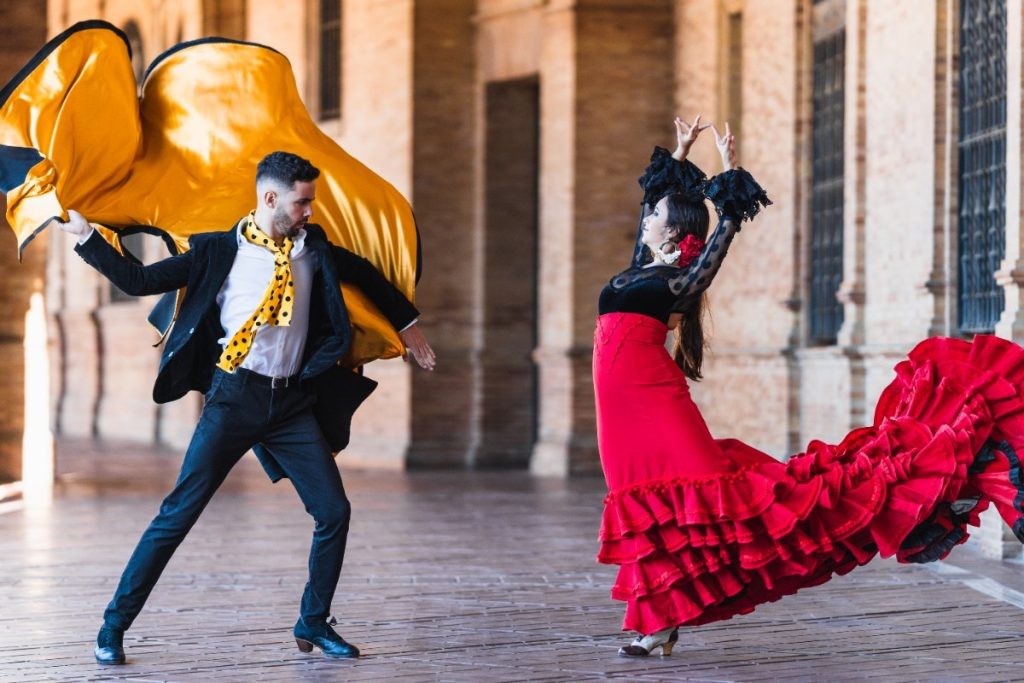
Man with a cloth dancing falmenco with a woman outdoors

Classical guitars, however, have a broad repertoire that encompasses a range of styles from Renaissance lute music to contemporary classical compositions. The repertoire includes works by famous composers such as Fernando Sor, Francisco Tárrega, and Joaquín Rodrigo, whose compositions are staples in the classical guitar canon. These pieces showcase the guitar’s ability to express a wide array of emotions, from melancholy to exuberance, making it a versatile instrument suited for both intricate solo performances and ensemble playing.

Performing Contexts

Flamenco guitars thrive in live performance settings where the interaction between musician, dancer, and audience creates a lively atmosphere. These performances are often impromptu, reflecting the spontaneous spirit of flamenco music, where performers feed off the audience’s energy. This environment emphasizes the flamenco guitar’s role not just as a musical instrument but as a part of the overall spectacle that includes dance, song, and rhythm.

In contrast, classical guitars are often featured in more structured concert settings where the focus is on the music’s technical and expressive qualities. Performances may be solo recitals or part of larger musical ensembles. The classical guitar’s role in these settings is to convey the intricate details and emotional depth of the compositions, demanding a high level of technical proficiency and expressive capability from the performer.

Choosing Between The Two

For aspiring guitarists in Dubai, the Ballet Centre Dubai is the ultimate destination to master both guitar and flamenco guitar. With experienced instructors and tailored lessons, they provide a supportive environment for beginners and advanced learners alike. The centre’s holistic approach ensures you not only learn the technical skills but also embrace the cultural richness of flamenco, setting you on a path to musical excellence.

Conclusion

In sum, choosing between a flamenco and a classical guitar largely depends on the musician’s personal style, the type of music they wish to play, and the performance context they envision themselves in. Understanding the unique characteristics and applications of each guitar type allows musicians to align their instrument with their artistic goals, ensuring a harmonious match between player and instrument.
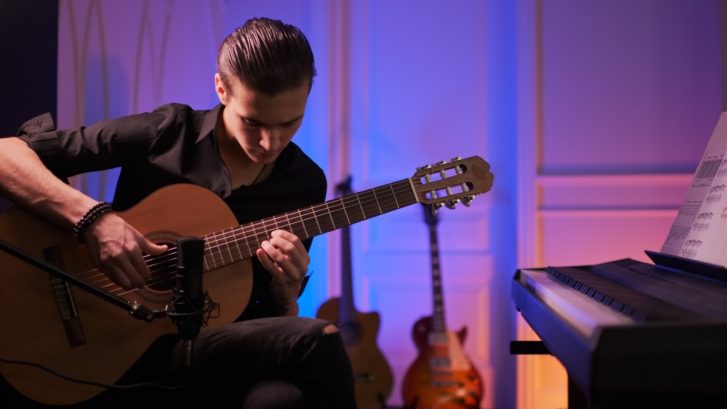
man playing guitar while seated

Why Flamenco Music Sounds So Unique and Captivating

Flamenco music, with its roots in the sun-soaked Andalusian region of Spain, is a stunning testament to the power of artistic expression. Its evocative blend of intricate rhythms, emotive vocals, and dynamic guitar techniques captivates audiences worldwide, transcending cultural boundaries with its raw passion and storytelling.

At the Ballet Centre Dubai, we believe that a strong foundation in music and guitar training opens doors to a world of artistic exploration. Starting with basic techniques, students gain the skills needed to confidently pursue their own musical styles, whether rooted in classical traditions or more contemporary genres. Our approach encourages creativity, discipline, and self-expression—skills that resonate across all forms of performance.

A Historical Tapestry of Cultures

Flamenco is much more than an art form—it’s a cultural treasure born from the rich and complex history of Andalusia. Situated at the crossroads of Europe, Africa, and the Mediterranean, Andalusia in medieval times was a melting pot of influences, with Romani, Islamic, Jewish, and Christian traditions contributing to the region’s vibrant artistic legacy.

Though often associated with the Romani people who arrived in Spain in the 15th century, flamenco’s origins are far broader. This genre evolved as a unique expression of the joys, sorrows, and struggles of communities that endured hardship and celebrated resilience. In its earliest days, flamenco wasn’t performed on grand stages. Instead, it thrived in intimate gatherings, where families and friends would come together to share music, dance, and stories. These personal, heartfelt performances were passed down through generations, creating a deeply rooted tradition that speaks to the human condition.

Over time, flamenco became more structured and gained recognition as a professional art form. This evolution was not without its challenges, as it required balancing authenticity with innovation. Yet, flamenco’s ability to stay true to its roots while embracing new influences has ensured its enduring appeal.

The Signature Elements of Flamenco

At its heart, flamenco is a collaborative and multi-dimensional art form that combines singing (cante), guitar playing (toque), dance (baile), and rhythmic accompaniments like hand claps (palmas) and finger snapping (pitos). Each element contributes to the overall emotional and artistic impact of a performance.

  • The Flamenco Guitar: The flamenco guitar is distinct from its classical counterpart, with a design that enhances its sharp, percussive sound. This sound perfectly complements the dancer’s rhythmic footwork and the singer’s emotive delivery. Guitarists use a range of techniques, such as rasgueado (rapid strumming) and picado (precise, melodic picking), to add depth and texture to the performance. Beyond technical skill, flamenco guitarists must master the art of improvisation, responding to the energy of the singer and dancer in real time.
  • Expressive Vocals: The soul of flamenco resides in its vocals. Singers, known as cantaores, convey raw emotion through their voices, weaving complex melodic lines that often draw from ancient modal scales. These scales reflect flamenco’s deep ties to Middle Eastern musical traditions, adding a hauntingly beautiful quality to its sound. Lyrics often touch on universal themes like love, loss, joy, and redemption, making the performance deeply relatable. Each style, or palo, has its unique emotional tone—whether it’s the mournful depth of soleá or the celebratory rhythms of alegrías.
  • Rhythmic Complexity: Flamenco’s rhythmic structure, known as compás, is one of its most defining features. These rhythms can range from the intricate 12-beat cycles of bulerías to the simpler, four-beat patterns of tangos. The complexity of flamenco rhythm creates space for artistic expression, allowing performers to experiment while maintaining the structure. Sudden tempo shifts, emphatic foot stomps, and unexpected pauses heighten the drama, keeping audiences captivated.

Dance as Storytelling

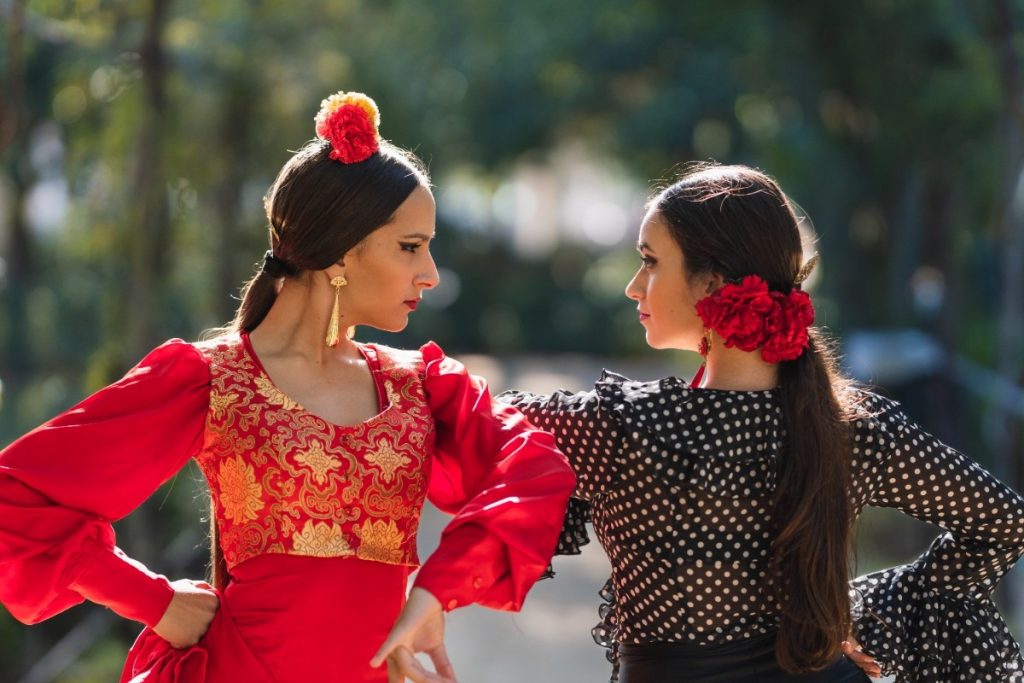
The dance element of flamenco, or baile, is a powerful form of storytelling that uses the dancer’s body as a canvas for emotion. Flamenco dancers, known as bailaores (male) and bailaoras (female), combine percussive footwork (zapateado), sweeping arm movements, and expressive gestures to bring the music to life.

two-women-in-flamenco-traditional-costume-dancing

What sets flamenco dance apart is its improvisational nature. While the structure of the performance is pre-determined, dancers respond in real time to the music, creating a dynamic dialogue with the singer and guitarist. This synergy ensures that no two performances are exactly alike, making each one a unique and personal expression of the dancer’s interpretation of the music.

Beyond its technical brilliance, flamenco dance is deeply physical, requiring stamina, precision, and grace. Yet, it’s also emotionally vulnerable, as dancers pour their feelings into every step and gesture. This raw authenticity is what makes flamenco dance so compelling—it invites the audience to feel alongside the performer.

Cultural Significance and Emotional Impact

Flamenco is not just music and dance; it’s a cultural emblem that speaks to the resilience and spirit of the Andalusian people. Historically, it has served as a voice for marginalized communities, offering a means to express both their struggles and triumphs. This authenticity gives flamenco its universal appeal, as its themes resonate with audiences across all walks of life.

One of flamenco’s greatest strengths is its ability to adapt while staying true to its roots. Over the years, it has embraced elements from other genres, such as jazz, Latin music, and even rock, creating exciting new fusions. These collaborations have introduced flamenco to global audiences, ensuring its relevance for future generations. At the same time, flamenco’s traditional forms remain revered, with master artists passing down their knowledge to preserve the genre’s integrity.

Learning the Foundations of Music

At the Ballet Centre Dubai, our music programs focus on helping students build a strong foundation in their chosen instruments, including the guitar. By starting with essential techniques, students gain the confidence and skills needed to explore various musical styles and find their unique voice. Whether they aspire to perform classical compositions, modern hits, or intricate flamenco pieces, we provide the tools and guidance to make their artistic dreams a reality.

Our approach emphasizes the joy of learning music in a supportive and nurturing environment. Students not only gain technical proficiency but also develop a deeper appreciation for the cultural and emotional aspects of music, which are essential for any performer.

Flamenco’s Timeless Appeal

What makes flamenco truly extraordinary is its ability to evoke a deeply personal response. Every note, gesture, and rhythm is infused with emotion, creating a profound connection between the performers and their audience. This unique blend of historical depth, technical mastery, and raw emotion ensures that flamenco remains an enduring and inspiring art form.

For those captivated by the beauty of music and dance, flamenco offers a vivid reminder of the power of human expression. Its timeless appeal lies not only in its artistry but also in its ability to transcend borders, connecting us all through the shared language of passion and creativity.

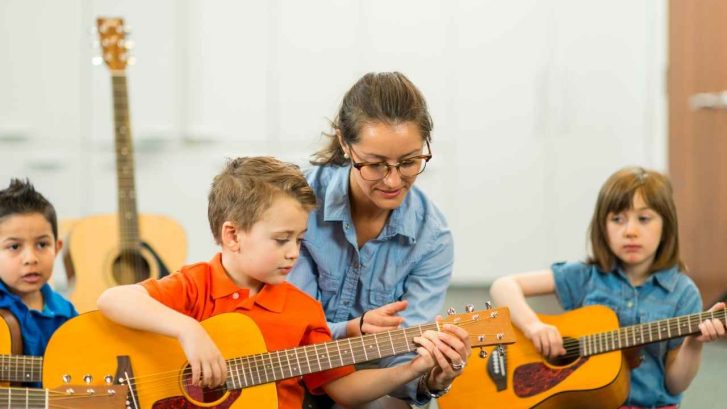
little children teaching each other to play guitar

Why Learning Guitar Sets Kids Up for Success

Introducing a child to the world of music, especially through learning the guitar, opens up a host of developmental benefits that extend well beyond the initial thrill of strumming their first chord. The journey of learning to play the guitar can profoundly impact a child’s cognitive abilities, social skills, and academic performance.

Cognitive Development

When children begin to learn guitar, they’re not just memorizing tablature or chords; they’re also enhancing their cognitive functions. Engaging with music requires a level of attention and memory that is comparably higher than many other activities. For instance, reading music involves translating written notes and rhythms into hand movements and sounds, a complex process that exercises the brain extensively. This musical training sharpens the mind, improving a child’s ability to concentrate and enhancing their memory retention over time.

Moreover, guitar playing nurtures problem-solving skills. Each new song or piece presents its own set of challenges, from mastering difficult finger placements to interpreting musical expression. Kids learn to overcome these hurdles by thinking critically and creatively, skills that are transferable to academic and real-world scenarios. Creativity especially gets a boost as children experiment with different sounds and styles, exploring their musical tastes and expressive capabilities.

Social Benefits

Beyond the cognitive leaps, learning the guitar can significantly bolster a child’s social skills. Music is inherently collaborative, and playing the guitar often involves group practice and performances. This environment encourages children to work cooperatively, listening to others and playing in sync, which fosters effective teamwork and communication skills.

Moreover, performing in front of an audience, whether at a school recital, family gathering, or on a larger stage, provides a unique platform for kids. It teaches them to handle visibility and pressure, boosting their confidence. The applause following a performance is a great morale booster too. As they express themselves through music, children not only gain confidence in their musical abilities but also in their personal voice and identity, which is crucial during the formative years.

Academic Achievement

Parents and educators might wonder how music relates to better performance in non-musical subjects. Studies have shown that children who engage in music education tend to achieve higher in areas like mathematics, reading, and languages. The discipline of learning and practicing guitar can translate into improved academic discipline. Music involves rhythm and structure, which can parallel mathematical skills, while reading music can enhance literacy as it involves decoding and comprehension.

Additionally, the disciplined practice required to learn guitar teaches children invaluable life skills like time management and patience. They learn to set practice schedules, stick to them and slowly improve over time. This routine and persistence pay off in academic settings as well. A child accustomed to regular practice may find it easier to set aside time for homework and study, approaching it with the same diligence as their music practice.

Emotional and Psychological Benefits

The emotional advantages of playing guitar can’t be overstated, especially for young minds developing their sense of identity and place in the world. One of the immediate benefits children experience is stress relief. Strumming a guitar after a long school day provides a soothing outlet, offering a way to unwind and express emotions in a safe and controlled environment. It’s a personal space where kids can explore their feelings through the music they play, whether they’re crafting joyful tunes or channeling more somber tones.

This emotional exploration through music also promotes better mental health. By expressing themselves, children can communicate feelings they might not otherwise articulate, reducing anxiety and improving their overall emotional well-being. Moreover, achieving musical milestones—such as mastering a difficult song—builds a sense of accomplishment. This feeling of success is a powerful motivator and can elevate a child’s mood and self-esteem, reinforcing their belief in their abilities and potential.

Furthermore, playing the guitar can be a grounding activity. It requires present moment awareness, similar to mindfulness exercises, which can help children decrease symptoms of stress and increase their emotional resilience. As they focus on their playing, they learn to stay connected with the moment, a skill that’s valuable throughout life.

Long-term Advantages

Looking toward the future, the benefits of guitar playing extend far into adulthood. For many, guitar skills can become more than just a hobby; they develop into lifelong passions or even careers in music. But even for those who don’t pursue music professionally, the guitar remains a valuable companion, offering personal fulfillment and a creative outlet throughout life.

Another significant long-term advantage is the development of cultural appreciation and awareness. Guitar music spans a variety of styles and cultures—from classical and jazz to rock and folk. As children explore these genres, they gain an appreciation for the rich diversity of global music traditions, which fosters a broader understanding and respect for different cultures. This cultural literacy is an essential component of being well-rounded in today’s global society.

Moreover, the discipline and persistence required in learning to play the guitar instill habits that are beneficial in all areas of life. Regular practice teaches children how to manage their time effectively and pursue long-term goals, traits that are directly transferable to educational pursuits and future careers. They learn that persistence pays off, a lesson that can make all the difference in their personal and professional lives.

Learning to play the guitar also offers networking opportunities. Musicians often find themselves part of communities that can provide support and open doors in various aspects of life, including career opportunities. Being connected to a community of like-minded individuals can be incredibly rewarding and lead to lifelong friendships and collaborations.

Building Life Skills

Learning guitar does more than just teach children music; it equips them with essential life skills that have far-reaching implications. Time management is a critical skill that young guitarists develop early on. Balancing school, homework, and guitar practice teaches them how to prioritize tasks and manage their time effectively. This skill alone can make a significant difference in all areas of their lives, ensuring they can handle the pressures of daily tasks with ease.

Little girl holding a guitar and looking at music sheet

Furthermore, the resilience developed through mastering a musical instrument like the guitar cannot be overstated. Every musician faces challenges, whether it’s a difficult piece or a performance that didn’t go as planned. Learning to bounce back from these setbacks builds a strong sense of resilience that children carry into adulthood. This resilience becomes a backbone for facing life’s challenges head-on, with the confidence that they can overcome them.

A Tool for Lifelong Joy

Finally, the joy of playing guitar often turns into a lifelong passion that provides a continuous source of happiness and fulfillment. Many guitarists continue to play well into their later years, finding solace and enjoyment in their music. The guitar becomes a constant companion, a source of comfort and expression that enhances quality of life.

Moreover, the skills and experiences gained from playing the guitar often inspire other creative and professional pursuits. The confidence, discipline, and creativity fostered by musical training can lead to success in nearly any field, from arts and sciences to business and education.

Children Guitar Lessons From The Pro’s

The Ballet Centre Dubai offers exceptional guitar lessons for children, combining a nurturing environment with expert instruction to foster musical growth. Their comprehensive curriculum is designed to develop both technical skills and a deep appreciation for music, ensuring a well-rounded learning experience. With a commitment to personalized attention, the Ballet Centre Dubai stands out as the premier destination for young aspiring guitarists.

Conclusion

So, if you’re considering a meaningful activity for your child, think about guitar lessons. Not only will they gain a skill that brings joy and music into their lives, but they’ll also develop a strong foundation of cognitive, social, and emotional skills. The guitar can be a powerful tool in shaping a successful, resilient, and fulfilled individual. Why not let your child strum their way to success? It might just be the tune they were destined to play.