Art education holds a key role in child development, enriching young minds with the skills they need to express themselves and understand the world visually. For parents, finding the right place where your child can flourish artistically is crucial. This guide walks you through how to pick the best art school for your child, keeping in mind their unique interests and educational needs.
Understanding Art Education for Children
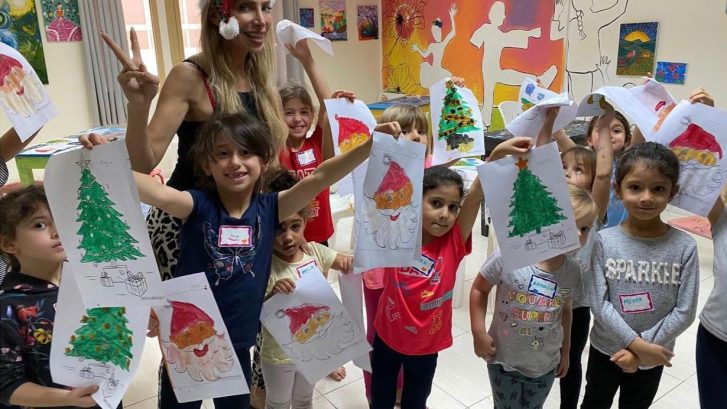
Before you start looking at different schools, it’s essential to grasp what art education entails and why it’s so beneficial. Art isn’t just about learning to draw or paint; it’s a broad field that encompasses a variety of disciplines, including modern digital arts, classic sculpture, and everything in between. Engaging in these activities helps children develop motor skills, problem-solving abilities, and even social skills as they undertake projects in groups. More importantly, art encourages children to think creatively, pushing them to look beyond the obvious and explore new ways of seeing and understanding their environment.
Every child is different, and art education offers a flexible way to cater to diverse personalities and learning styles. Whether your child enjoys the quiet concentration of sketching or the messy freedom of clay modeling, art classes provide an avenue for them to explore their passions while gaining valuable life skills.
Identifying Your Child’s Artistic Interests and Needs
The first step in choosing the right art school is understanding your child’s artistic leanings. Pay attention to the kind of art they enjoy at home or in school. Do they spend hours drawing characters from their favorite books, or are they dismantling old electronics to create something new? Their current interests can give you a good indication of which programs might be most engaging for them.
It’s also important to consider how your child learns best. Some children thrive in structured environments where they receive lots of direct instruction, while others might prefer a more exploratory approach where they can learn through trial and error. Knowing this can help you look for schools that teach in a way that will resonate with your child and enhance their learning.
Types of Art Schools and Programs
Once you have a good understanding of what kind of art your child is interested in and their preferred learning style, you can start exploring the types of schools available. Art education is offered through a variety of channels:
Public Schools:
Many public schools offer art programs during or after school. These are often more generalist and can be a good starting point for younger children.
Private Art Schools:
These institutions typically offer more specialized programs and facilities that might cater more closely to your child’s specific interests, such as digital art or classical painting techniques.
Community Centers and Workshops:
Local community centers often host art classes which can be a great low-pressure environment for children to explore new mediums.
Specialized Art Academies:
For older children or those showing a deeper interest in certain art forms, a specialized academy might be the best choice. These schools often offer advanced classes and access to professional-grade materials and mentors.
Key Factors to Consider When Choosing an Art School
The curriculum is probably the first thing you’ll want to look at. Does the school focus on traditional techniques, or does it encourage experimental forms of art? Ensure that the offerings align with what your child is passionate about. If your child is into digital art, a school with strong traditional painting courses might not be the best fit.
Another major consideration is the quality of the faculty. Teachers who are not only skilled artists but also passionate educators can make a huge difference in your child’s artistic development. Look for schools where teachers have a good mix of professional experience and a knack for inspiring young artists.
Facilities also play a big role in your decision. A well-equipped art school with a variety of resources such as dedicated art studios, digital labs, and a good supply of materials will provide a conducive environment for creativity. It’s also worth considering the overall atmosphere of the school — spaces that are bright and inspiring can make a big difference in how much students enjoy their classes.
Class size is another important factor. Smaller classes mean more individual attention and tailored instruction, which can be crucial for artistic development. Find out the student-to-teacher ratio and think about how that will impact your child’s learning experience.
The location of the school should not be overlooked. If it’s too far, the commute might become tiring for your child, which can affect their enthusiasm for attending classes. Also, consider the safety and accessibility of the school’s neighborhood.
Lastly, cost is a factor that cannot be ignored. Art schools can vary widely in terms of tuition and other fees. Some might offer scholarships or sliding scale fees based on income, which can help make art education more accessible. It’s important to find a school that fits your budget without compromising on the quality of education.
Visiting and Evaluating Art Schools
Once you have a shortlist of potential schools, the next step is to visit them. This can give you a lot of insight into whether a school is the right fit for your child. Try to visit when classes are in session to get a feel for the teaching style and how the students are engaging with their projects. It can also be helpful to attend an open house or an end-of-year show, where you can see the outcomes of the students’ learning and speak to other parents.
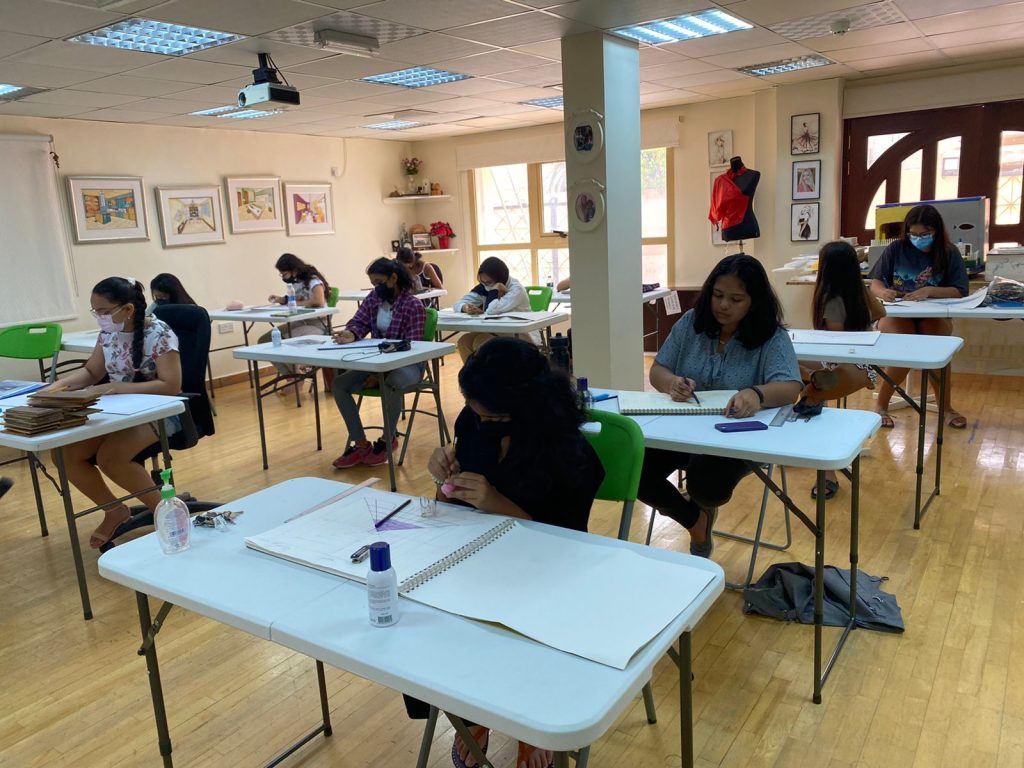
When visiting, pay close attention to how staff and teachers interact with students. Are they encouraging and attentive? Do the students seem happy and engaged? The vibe of the school can tell you a lot about what to expect.
Questions to Ask Before Enrolling
Before making a decision, have a list of questions ready to ask the school administrators. These might include inquiries about the curriculum, how they handle student evaluations, what kind of support is available for students, and how they encourage creativity. It’s also wise to ask about the school’s policies on discipline and safety, to ensure they match your expectations.
Asking the right questions and observing the school environment will give you a clear picture of whether it’s the right place for your child. Remember, the best art school for your child should be one that aligns with their artistic interests and provides a supportive and stimulating environment for their creative endeavors.
Making the Decision
Deciding on an art school should involve careful consideration of how each school’s offerings match up with what’s most important for your child’s development and your family’s needs. It’s vital to prioritize schools that align closely with your child’s artistic interests and provide an environment where they feel comfortable and inspired.
Involving your child in the decision-making process can also be very beneficial. After all, they are the ones who will be attending the school. Getting their input on which school they felt most at ease or most excited about can help guide your final decision. It’s a balance of practical factors—like cost and location—with the emotional and developmental impact the school will have on your child.
Remember, the perfect school might not tick every box, but it should meet the critical criteria that support your child’s artistic growth and provide a nurturing environment for them to explore their creativity.
Conclusion
Choosing the right art school for your child is a significant decision that can influence their future in the arts. By carefully considering each factor—from the school’s curriculum and faculty to its atmosphere and class size—you can make a well-informed choice that maximizes your child’s artistic potential and joy.