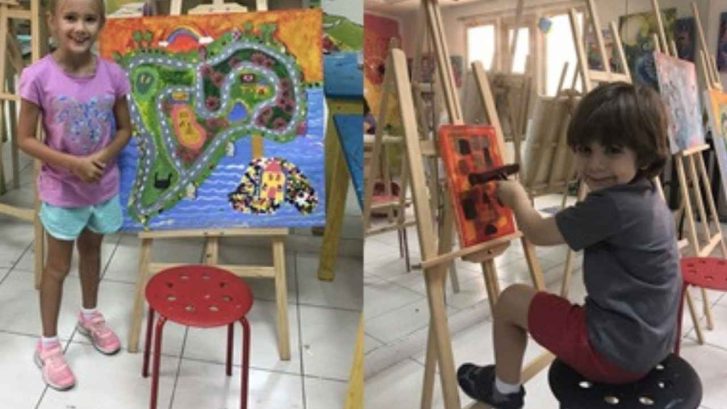
2 children painting on easels

The Power of Art in Developing Kids’ Creativity

Children are naturally curious. Give them a cardboard box, and it becomes a spaceship. Hand them a paintbrush, and they create entire worlds with just a few strokes. This isn’t just play—it’s early creative thinking in motion. These small, spontaneous acts of expression help form how a child sees, thinks, and solves problems.

When given the chance to explore different art forms—whether through dance, music, drawing, or drama—kids start to understand that their ideas have value. They learn that it’s okay to try something new without knowing where it will lead. These early creative risks become the building blocks of confidence.

At Ballet Centre Dubai, children are encouraged to follow their creative instincts in a setting that supports both structure and spontaneity. Whether it’s their first ballet class or their tenth art session, students are guided to explore without fear of being “wrong.”

Art Builds Self-Trust and Emotional Awareness

In a world full of expectations, schedules, and comparisons, art gives children one of the few places where self-expression matters more than perfection. Whether a child is dancing across a studio or sketching quietly in a corner, they’re making choices that reflect how they feel and how they see the world around them.

That freedom can be powerful. It helps children build trust in their own ideas, and with time, they become more willing to take initiative. Instead of waiting for approval, they begin to rely on their own instincts.

Dance classes, especially, provide this balance of freedom and discipline. In RAD Ballet or ISTD Modern, children are taught to follow technique but also to bring emotion into their movement. This connection between thought, feeling, and action teaches them to process emotions in a physical, constructive way.

The Role of Drama and Storytelling

Drama has a unique way of drawing out confidence from even the quietest children. Through character work, improvisation, and performance, children get to try on different points of view. They learn empathy—not by being told what it is, but by becoming someone else and walking through their story.

Drama classes at Ballet Centre Dubai are designed to bring out these qualities naturally. Students work in groups, which helps build cooperation, and they’re encouraged to create their own narratives, which fosters ownership and imagination.

Parents often notice changes beyond the classroom. Children who once struggled to speak up start leading games with their peers. Others become more expressive at home, eager to share stories or act out scenes they’ve created. These shifts happen gradually but are lasting.

Music as a Path to Focus and Patience

Learning a musical instrument isn’t about speed—it’s about attention. Children must listen closely, repeat tasks, and commit to progress over time. These habits aren’t just helpful in music—they transfer easily into academic and personal areas of life.

At Ballet Centre Dubai, students have the option to study piano, violin, vocals, and other instruments under ABRSM or Trinity exam boards. The structured learning path helps them build discipline, but the act of playing music also leaves space for creativity. Students often begin to compose their own melodies or reinterpret familiar songs in their own style.

For children who might struggle with concentration, music can be a quiet but effective teacher. It rewards consistency. It encourages listening. And it gives space for self-expression that doesn’t rely on words.

Visual Arts Spark Problem-Solving and Innovation

When a child sits down with a blank sheet of paper or a lump of clay, they face a gentle challenge: make something. There are no instructions, no single right answer, and no guaranteed outcome. This open-ended beginning is exactly what helps children grow as creative thinkers.

In arts and crafts sessions, offered at Ballet Centre Dubai as part of their extracurricular programs, children are encouraged to experiment with different materials, colours, and textures. They might begin with an idea and end somewhere completely unexpected. This kind of flexibility trains the brain to approach challenges from multiple angles.

It’s not unusual for a child who starts off unsure to finish a class with a handmade project they’re proud of. More importantly, they’ve learned that mistakes are part of the process—not something to fear. That lesson, once learned, stays with them long after the paint has dried.

Physical Expression Builds Mind-Body Connection

Movement is a language of its own. In dance classes—whether it’s classical ballet, rhythmic tap, or the fluid energy of modern—children learn to tell stories without speaking. They develop body awareness, timing, spatial intelligence, and a quiet kind of focus that comes from being fully present.

These skills do more than improve coordination. They strengthen memory, build endurance, and promote mental clarity. For children who struggle to sit still or focus in traditional settings, dance offers a structured outlet for energy and attention.
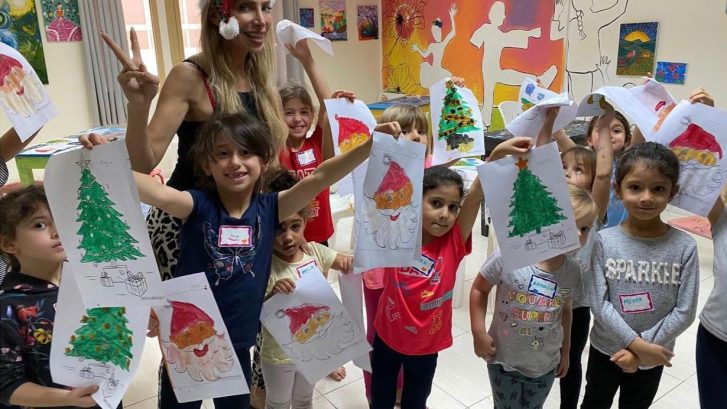
ART activities for kids

The performance aspect of dance adds another layer. Preparing for recitals or exams teaches children how to set goals and work steadily toward them. At Ballet Centre Dubai, students regularly participate in RAD and ISTD exams, giving them a chance to measure progress and celebrate achievements.

Safe Spaces Matter

Creativity thrives in an environment where children feel seen and supported. That’s why the right setting can make all the difference. It’s not just about teaching technique—it’s about creating a space where kids are allowed to be themselves, where their ideas are welcomed, and where their efforts are acknowledged without pressure.

At Ballet Centre Dubai, teachers are carefully chosen not only for their qualifications but for their ability to connect with children. With KHDA-approved programs, small class sizes, and a nurturing atmosphere, the Centre creates a space where creativity isn’t just encouraged—it’s protected.

Families also benefit from flexible payment plans and free trial classes, which make it easier to explore different options before committing. That flexibility reflects the belief that every child’s journey is different, and there’s no one-size-fits-all approach to creativity.

Stories From the Studio

One of the most inspiring parts of the work at Ballet Centre Dubai is watching growth happen quietly. A six-year-old who wouldn’t speak above a whisper now leads warm-up exercises in drama class. A student who was too nervous to perform at their first music recital now plays solos in front of full audiences. These aren’t exceptions. They’re gentle reminders of what happens when creativity is nurtured with patience and care.

Parents often share how their children have changed—not just in skill, but in spirit. A child who once hesitated to try now approaches challenges with curiosity. Another who struggled with confidence now dances with their whole heart. These transformations speak to the real value of the arts.

Lasting Benefits Beyond the Studio

As children grow, the creative habits they build through the arts shape how they approach life. They become better problem-solvers. They learn to adapt. They become more open to feedback and less afraid of failure. These qualities prepare them not just for school, but for relationships, for careers, for every stage of life.

The arts don’t promise instant results. What they offer is far better: slow, steady growth. Confidence that comes from doing the work. Resilience that comes from trying again. Joy that comes from discovering what you’re capable of.

And that’s what makes art so powerful—it gives children a chance to discover themselves in the process of creating something new.
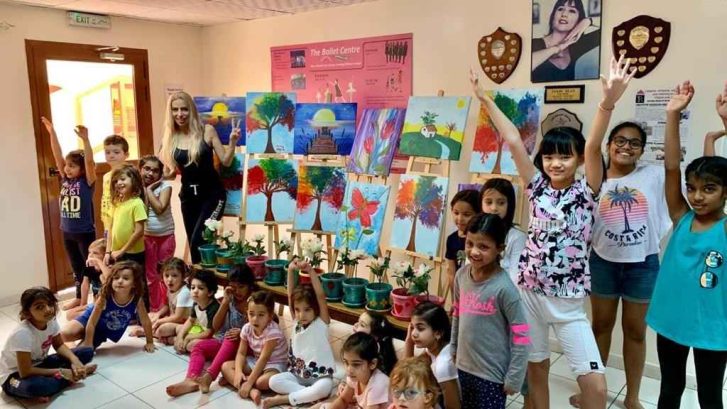
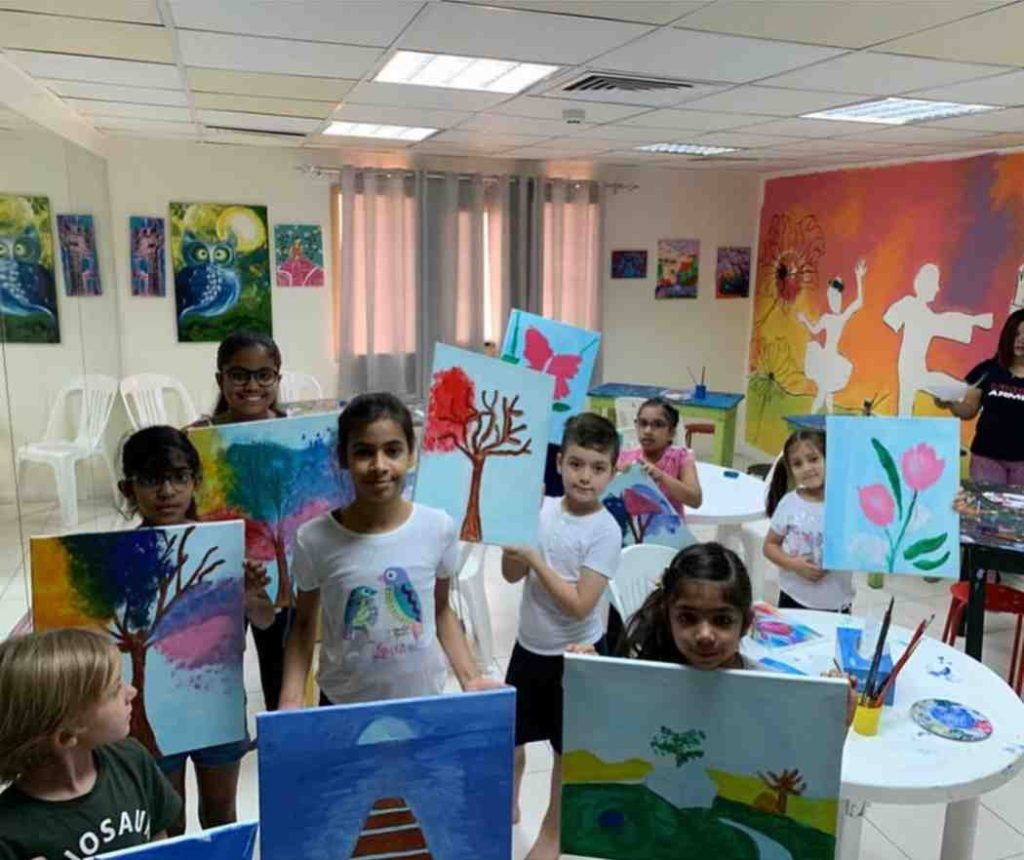
Children in art class holding up their paintings

A Parent’s Guide to Choosing Kids’ Art Schools

Art education holds a key role in child development, enriching young minds with the skills they need to express themselves and understand the world visually. For parents, finding the right place where your child can flourish artistically is crucial. This guide walks you through how to pick the best art school for your child, keeping in mind their unique interests and educational needs.

Understanding Art Education for Children

Before you start looking at different schools, it’s essential to grasp what art education entails and why it’s so beneficial. Art isn’t just about learning to draw or paint; it’s a broad field that encompasses a variety of disciplines, including modern digital arts, classic sculpture, and everything in between. Engaging in these activities helps children develop motor skills, problem-solving abilities, and even social skills as they undertake projects in groups. More importantly, art encourages children to think creatively, pushing them to look beyond the obvious and explore new ways of seeing and understanding their environment.

Every child is different, and art education offers a flexible way to cater to diverse personalities and learning styles. Whether your child enjoys the quiet concentration of sketching or the messy freedom of clay modeling, art classes provide an avenue for them to explore their passions while gaining valuable life skills.

Identifying Your Child’s Artistic Interests and Needs

The first step in choosing the right art school is understanding your child’s artistic leanings. Pay attention to the kind of art they enjoy at home or in school. Do they spend hours drawing characters from their favorite books, or are they dismantling old electronics to create something new? Their current interests can give you a good indication of which programs might be most engaging for them.

It’s also important to consider how your child learns best. Some children thrive in structured environments where they receive lots of direct instruction, while others might prefer a more exploratory approach where they can learn through trial and error. Knowing this can help you look for schools that teach in a way that will resonate with your child and enhance their learning.

Types of Art Schools and Programs

Once you have a good understanding of what kind of art your child is interested in and their preferred learning style, you can start exploring the types of schools available. Art education is offered through a variety of channels:

Public Schools:

Many public schools offer art programs during or after school. These are often more generalist and can be a good starting point for younger children.

Private Art Schools:

These institutions typically offer more specialized programs and facilities that might cater more closely to your child’s specific interests, such as digital art or classical painting techniques.

Community Centers and Workshops:

Local community centers often host art classes which can be a great low-pressure environment for children to explore new mediums.

Specialized Art Academies:

For older children or those showing a deeper interest in certain art forms, a specialized academy might be the best choice. These schools often offer advanced classes and access to professional-grade materials and mentors.

Key Factors to Consider When Choosing an Art School

The curriculum is probably the first thing you’ll want to look at. Does the school focus on traditional techniques, or does it encourage experimental forms of art? Ensure that the offerings align with what your child is passionate about. If your child is into digital art, a school with strong traditional painting courses might not be the best fit.

Another major consideration is the quality of the faculty. Teachers who are not only skilled artists but also passionate educators can make a huge difference in your child’s artistic development. Look for schools where teachers have a good mix of professional experience and a knack for inspiring young artists.

Facilities also play a big role in your decision. A well-equipped art school with a variety of resources such as dedicated art studios, digital labs, and a good supply of materials will provide a conducive environment for creativity. It’s also worth considering the overall atmosphere of the school — spaces that are bright and inspiring can make a big difference in how much students enjoy their classes.

Class size is another important factor. Smaller classes mean more individual attention and tailored instruction, which can be crucial for artistic development. Find out the student-to-teacher ratio and think about how that will impact your child’s learning experience.

The location of the school should not be overlooked. If it’s too far, the commute might become tiring for your child, which can affect their enthusiasm for attending classes. Also, consider the safety and accessibility of the school’s neighborhood.

Lastly, cost is a factor that cannot be ignored. Art schools can vary widely in terms of tuition and other fees. Some might offer scholarships or sliding scale fees based on income, which can help make art education more accessible. It’s important to find a school that fits your budget without compromising on the quality of education.

Visiting and Evaluating Art Schools

Once you have a shortlist of potential schools, the next step is to visit them. This can give you a lot of insight into whether a school is the right fit for your child. Try to visit when classes are in session to get a feel for the teaching style and how the students are engaging with their projects. It can also be helpful to attend an open house or an end-of-year show, where you can see the outcomes of the students’ learning and speak to other parents.

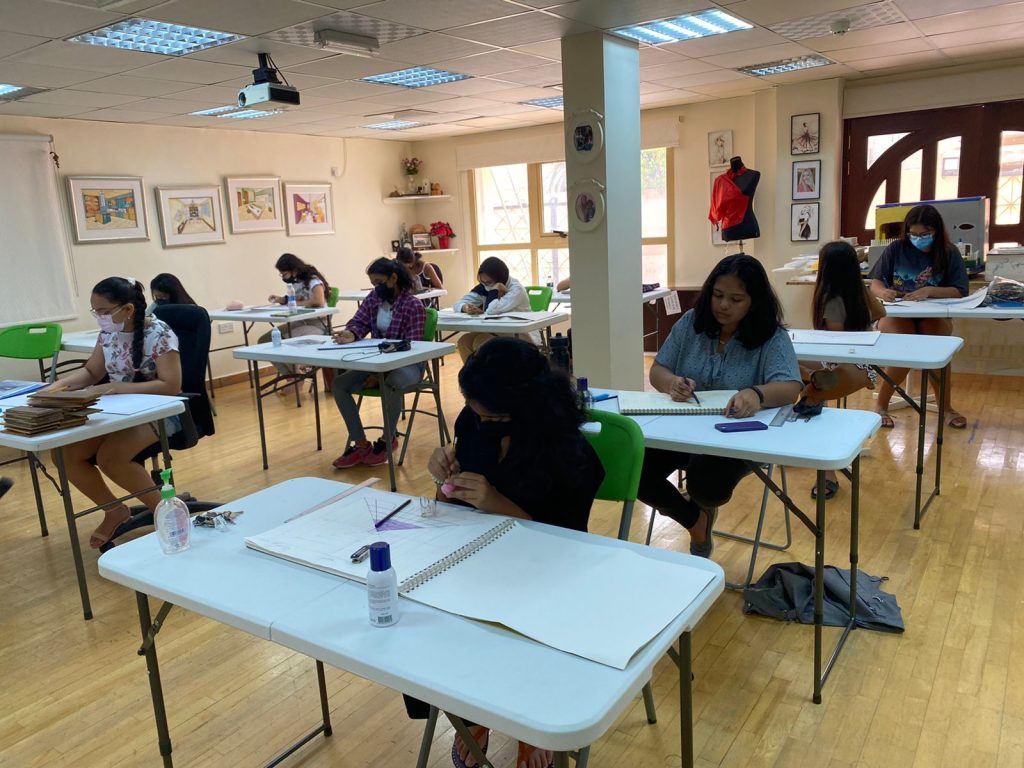
Children seated in art class and working on their desks

When visiting, pay close attention to how staff and teachers interact with students. Are they encouraging and attentive? Do the students seem happy and engaged? The vibe of the school can tell you a lot about what to expect.

Questions to Ask Before Enrolling

Before making a decision, have a list of questions ready to ask the school administrators. These might include inquiries about the curriculum, how they handle student evaluations, what kind of support is available for students, and how they encourage creativity. It’s also wise to ask about the school’s policies on discipline and safety, to ensure they match your expectations.

Asking the right questions and observing the school environment will give you a clear picture of whether it’s the right place for your child. Remember, the best art school for your child should be one that aligns with their artistic interests and provides a supportive and stimulating environment for their creative endeavors.

Making the Decision

Deciding on an art school should involve careful consideration of how each school’s offerings match up with what’s most important for your child’s development and your family’s needs. It’s vital to prioritize schools that align closely with your child’s artistic interests and provide an environment where they feel comfortable and inspired.

Involving your child in the decision-making process can also be very beneficial. After all, they are the ones who will be attending the school. Getting their input on which school they felt most at ease or most excited about can help guide your final decision. It’s a balance of practical factors—like cost and location—with the emotional and developmental impact the school will have on your child.

Remember, the perfect school might not tick every box, but it should meet the critical criteria that support your child’s artistic growth and provide a nurturing environment for them to explore their creativity.

Conclusion

Choosing the right art school for your child is a significant decision that can influence their future in the arts. By carefully considering each factor—from the school’s curriculum and faculty to its atmosphere and class size—you can make a well-informed choice that maximizes your child’s artistic potential and joy.

Children in drawing class

Art Education: Patience and Focus for Young Minds

Art education is often celebrated for its ability to boost creativity and expression among young learners. Yet, beyond the vibrant colors and the messy fun, art offers unique advantages in developing essential life skills—particularly, patience and focus. In a fast-paced world where instant gratification is the norm, teaching children to engage deeply and persistently with tasks is invaluable. This blog explores how art education not only enhances cognitive development but also trains young minds in the art of patience and sustained concentration.

The Connection Between Art and Cognitive Development

Children are natural explorers. From the moment they can grasp an object, they begin to learn about their world. Cognitive development involves not just acquiring knowledge but also the ability to think critically, solve problems, and make decisions. Art plays a significant role in this arena. When children create, they decide which materials to use, determine how to make their ideas come to life, and solve problems when things don’t go as planned.

Engaging in art boosts memory and decision-making skills. For instance, recalling the steps for mixing paints to get the perfect shade of green for a tree involves both memory and analytical thinking. These skills are transferable and influence a child’s ability to perform academically in other subjects that require critical thinking and creative problem-solving.

Art as a Tool for Developing Patience

In today’s world of quick clicks and instant outcomes, art provides a valuable counterbalance. It teaches that some things cannot be hurried. The drying of paint, the setting of clay, and the layering of materials—all these require waiting and patience. For a child, the waiting process in art can be a gentle introduction to managing their expectations and developing the ability to delay gratification.

Creating a piece of art also often involves trial and error, and children learn to navigate frustration and setbacks. This learning process is critical as it teaches them that not all tasks yield immediate results and that perseverance is essential. This aspect of art education is vital, as it builds resilience and helps children learn to apply themselves, even when rewards are not instantaneous.

Art and Focus: Training the Mind to Concentrate

Art demands attention to detail. Whether it’s carefully drawing the petals of a flower or applying just the right amount of pressure to a charcoal pencil, children learn to focus on the task at hand. This concentration is crucial in a world where distractions are plentiful. By engaging in art, children practice tuning out interruptions and dedicating their energies to completing the task before them.

This focus has broader implications. When children learn to concentrate while painting or sculpting, they are better equipped to apply similar levels of concentration to math problems, reading comprehension, and other academic tasks. The focus learned through art can also improve their ability to stay engaged in conversations, follow directions, and persist in solving complex problems, which are essential skills in both academic and social settings.

Techniques in Art That Enhance Patience and Focus

Different art techniques require different levels of engagement and patience, making them great tools for teaching these qualities. For instance, consider the meticulous nature of watercolor painting where one must wait for each layer to dry before applying the next to avoid unwanted mixing of colors. This waiting teaches children that some steps cannot be rushed and that their final outcome will be worth the wait.

Similarly, detailed drawing or sculpting can absorb a child’s complete attention, as they must focus on fine details to achieve the desired effect. Through these activities, children learn the value of seeing a task through to the end, which in turn teaches them about setting and achieving long-term goals. These art activities help children understand that detail-oriented and often repetitive work can lead to a rewarding outcome—a lesson that is applicable in many other areas of life.

Psychological Benefits of Art for Children

Art is not just beneficial for cognitive and skill development; it also plays a significant role in mental health. Engaging in artistic activities can serve as an emotional outlet for children, allowing them to express feelings that they might not be able to verbalize. This can be particularly beneficial for children who are shy or have difficulties expressing themselves, as it provides a safe space for them to explore and convey their emotions.

Moreover, the patience and focus required in art can reduce feelings of anxiety and stress. The act of focusing intensely on an artwork can be a form of mindfulness, which is known to reduce stress and improve overall mental health. As children learn to channel their emotions into their artwork, they develop healthier coping mechanisms, fostering both emotional intelligence and resilience.

Implementing Art Education Effectively

Integrating art education in a manner that maximizes its cognitive and psychological benefits requires thoughtful planning. Educators and parents can start by providing a variety of materials and opportunities for children to engage in different forms of art. It’s important to create an environment where children feel free to experiment and express their creativity without fear of criticism. This encourages them to take risks, try new things, and learn from their mistakes.

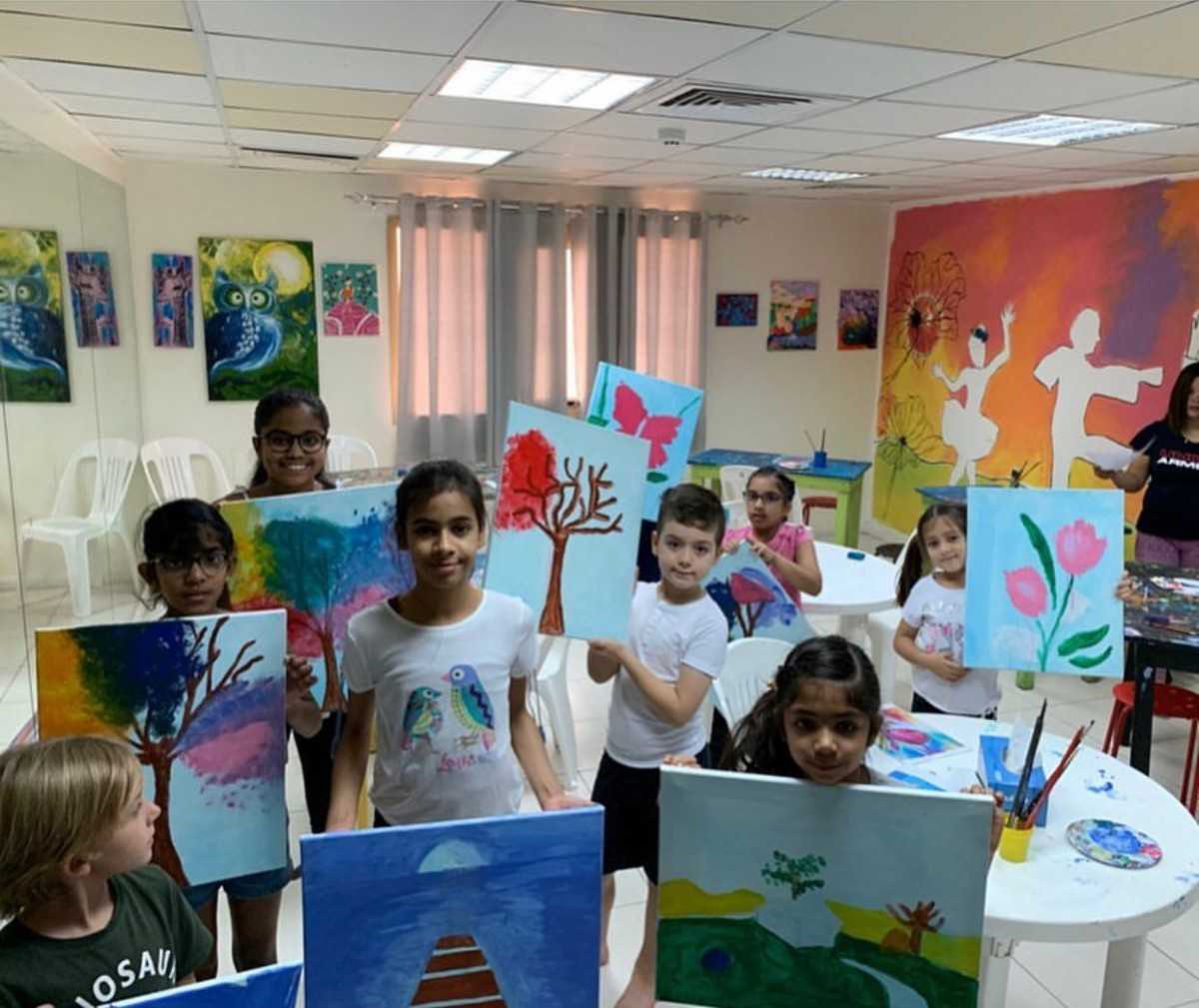
children holding up art paintings in class

Teachers can also design art projects that are both age-appropriate and challenging, which can help maintain students’ interest and encourage them to develop their skills. For instance, younger children might start with simple finger painting, which can evolve into more complex painting techniques as they grow older. Regularly introducing new tools and methods can keep the learning process exciting and engaging.

Additionally, art should be integrated with other subjects to enhance overall learning. For example, drawing maps in geography can help with spatial thinking, while building models in science classes can aid in understanding complex concepts. By linking art to everyday learning, educators can help children see how art applies to other areas of their lives and the world around them.

Art Lessons From Professionals

The Ballet Centre Dubai offers exceptional drawing and art lessons designed to nurture creativity in students of all ages. Their experienced instructors provide personalized guidance, ensuring each student develops their artistic skills in a supportive environment. With a comprehensive curriculum that covers various techniques and mediums, the Ballet Centre Dubai stands out as a premier destination for aspiring artists.

Conclusion

Art education is a powerful tool that goes beyond mere artistic skill development. It shapes patient, focused, and emotionally aware individuals who are better equipped to handle the complexities of everyday life. As we continue to navigate a world where these skills are increasingly valuable, it’s essential to advocate for and support the integration of more comprehensive art programs in educational systems.

Let’s champion the cause of art education. Encourage your local schools to enhance their art programs and consider allocating time at home for your children to explore different forms of artistic expression. Together, we can prepare our children not just to succeed academically but to thrive emotionally and mentally in their future endeavors.