
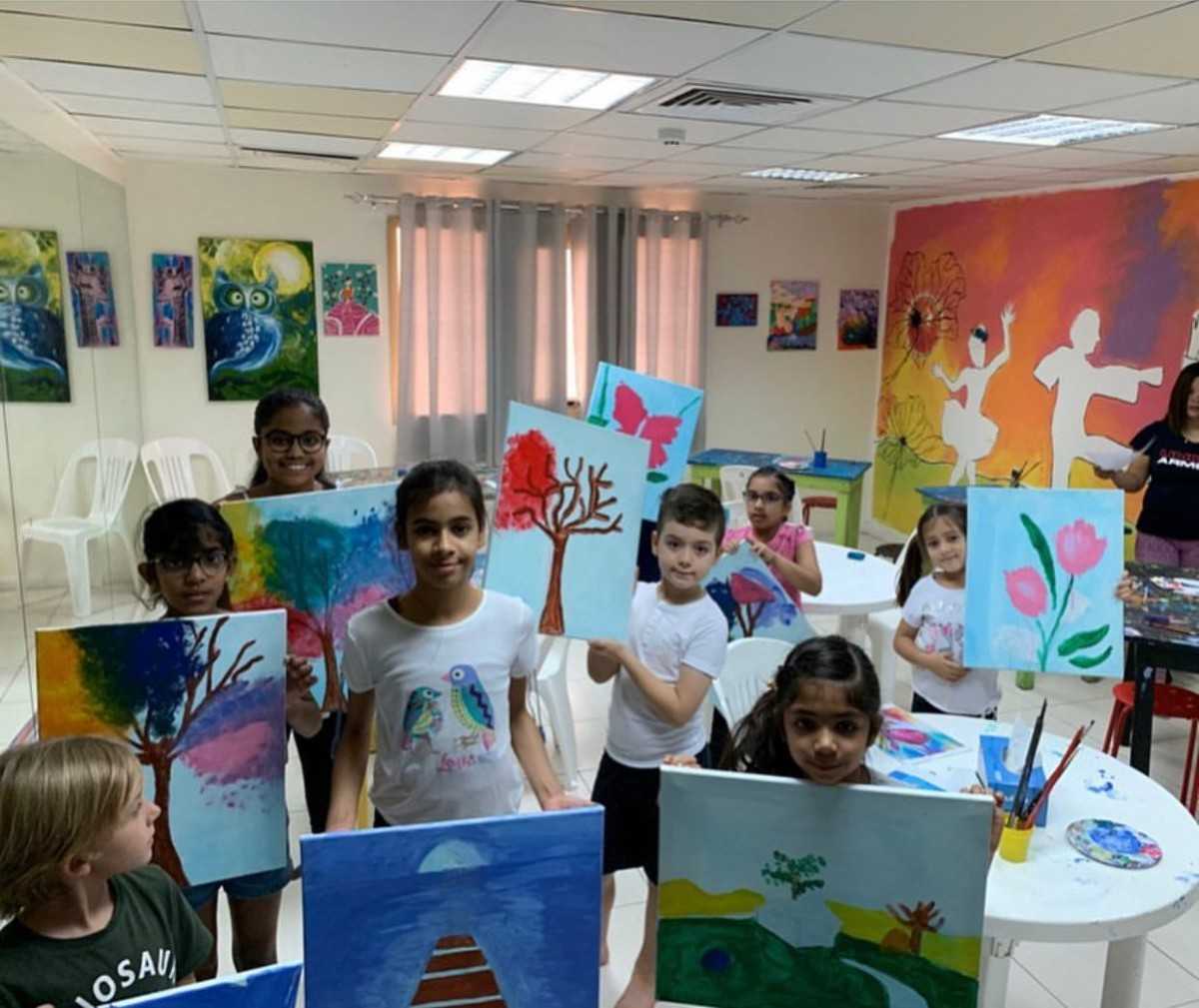
Art education is often celebrated for its ability to boost creativity and expression among young learners. Yet, beyond the vibrant colors and the messy fun, art offers unique advantages in developing essential life skills, particularly, patience and focus. In a fast-paced world where instant gratification is the norm, teaching children to engage deeply and persistently with tasks is invaluable. This blog explores how art education not only enhances cognitive development but also trains young minds in the art of patience and sustained concentration.
The Connection Between Art and Cognitive Development
Children are natural explorers. From the moment they can grasp an object, they begin to learn about their world. Cognitive development involves not just acquiring knowledge but also the ability to think critically, solve problems, and make decisions. Art plays a significant role in this arena. When children create, they decide which materials to use, determine how to make their ideas come to life, and solve problems when things don’t go as planned.
Engaging in art boosts memory and decision-making skills. For instance, recalling the steps for mixing paints to get the perfect shade of green for a tree involves both memory and analytical thinking. These skills are transferable and influence a child’s ability to perform academically in other subjects that require critical thinking and creative problem-solving.
Art as a Tool for Developing Patience
In today’s world of quick clicks and instant outcomes, art provides a valuable counterbalance. It teaches that some things cannot be hurried. The drying of paint, the setting of clay, and the layering of materials-all these require waiting and patience. For a child, the waiting process in art can be a gentle introduction to managing their expectations and developing the ability to delay gratification.
Creating a piece of art also often involves trial and error, and children learn to navigate frustration and setbacks. This learning process is critical as it teaches them that not all tasks yield immediate results and that perseverance is essential. This aspect of art education is vital, as it builds resilience and helps children learn to apply themselves, even when rewards are not instantaneous.
Art and Focus: Training the Mind to Concentrate
Art demands attention to detail. Whether it’s carefully drawing the petals of a flower or applying just the right amount of pressure to a charcoal pencil, children learn to focus on the task at hand. This concentration is crucial in a world where distractions are plentiful. By engaging in art, children practice tuning out interruptions and dedicating their energies to completing the task before them.
This focus has broader implications. When children learn to concentrate while painting or sculpting, they are better equipped to apply similar levels of concentration to math problems, reading comprehension, and other academic tasks. The focus learned through art can also improve their ability to stay engaged in conversations, follow directions, and persist in solving complex problems, which are essential skills in both academic and social settings.
Techniques in Art That Enhance Patience and Focus
Different art techniques require different levels of engagement and patience, making them great tools for teaching these qualities. For instance, consider the meticulous nature of watercolor painting where one must wait for each layer to dry before applying the next to avoid unwanted mixing of colors. This waiting teaches children that some steps cannot be rushed and that their final outcome will be worth the wait.
Similarly, detailed drawing or sculpting can absorb a child’s complete attention, as they must focus on fine details to achieve the desired effect. Through these activities, children learn the value of seeing a task through to the end, which in turn teaches them about setting and achieving long-term goals. These art activities help children understand that detail-oriented and often repetitive work can lead to a rewarding outcome-a lesson that is applicable in many other areas of life.
Psychological Benefits of Art for Children
Art is not just beneficial for cognitive and skill development; it also plays a significant role in mental health. Engaging in artistic activities can serve as an emotional outlet for children, allowing them to express feelings that they might not be able to verbalize. This can be particularly beneficial for children who are shy or have difficulties expressing themselves, as it provides a safe space for them to explore and convey their emotions.
Moreover, the patience and focus required in art can reduce feelings of anxiety and stress. The act of focusing intensely on an artwork can be a form of mindfulness, which is known to reduce stress and improve overall mental health. As children learn to channel their emotions into their artwork, they develop healthier coping mechanisms, fostering both emotional intelligence and resilience.
Implementing Art Education Effectively
Integrating art education in a manner that maximizes its cognitive and psychological benefits requires thoughtful planning. Educators and parents can start by providing a variety of materials and opportunities for children to engage in different forms of art. It’s important to create an environment where children feel free to experiment and express their creativity without fear of criticism. This encourages them to take risks, try new things, and learn from their mistakes.
Teachers can also design art projects that are both age-appropriate and challenging, which can help maintain students’ interest and encourage them to develop their skills. For instance, younger children might start with simple finger painting, which can evolve into more complex painting techniques as they grow older. Regularly introducing new tools and methods can keep the learning process exciting and engaging.
Additionally, art should be integrated with other subjects to enhance overall learning. For example, drawing maps in geography can help with spatial thinking, while building models in science classes can aid in understanding complex concepts. By linking art to everyday learning, educators can help children see how art applies to other areas of their lives and the world around them.
Art Lessons From Professionals
The Ballet Centre Dubai offers exceptional drawing and art lessons designed to nurture creativity in students of all ages. Their experienced instructors provide personalized guidance, ensuring each student develops their artistic skills in a supportive environment. With a comprehensive curriculum that covers various techniques and mediums, the Ballet Centre Dubai stands out as a premier destination for aspiring artists.
Conclusion
Art education is a powerful tool that goes beyond mere artistic skill development. It shapes patient, focused, and emotionally aware individuals who are better equipped to handle the complexities of everyday life. As we continue to navigate a world where these skills are increasingly valuable, it’s essential to advocate for and support the integration of more comprehensive art programs in educational systems.
Let’s champion the cause of art education. Encourage your local schools to enhance their art programs and consider allocating time at home for your children to explore different forms of artistic expression. Together, we can prepare our children not just to succeed academically but to thrive emotionally and mentally in their future endeavors.