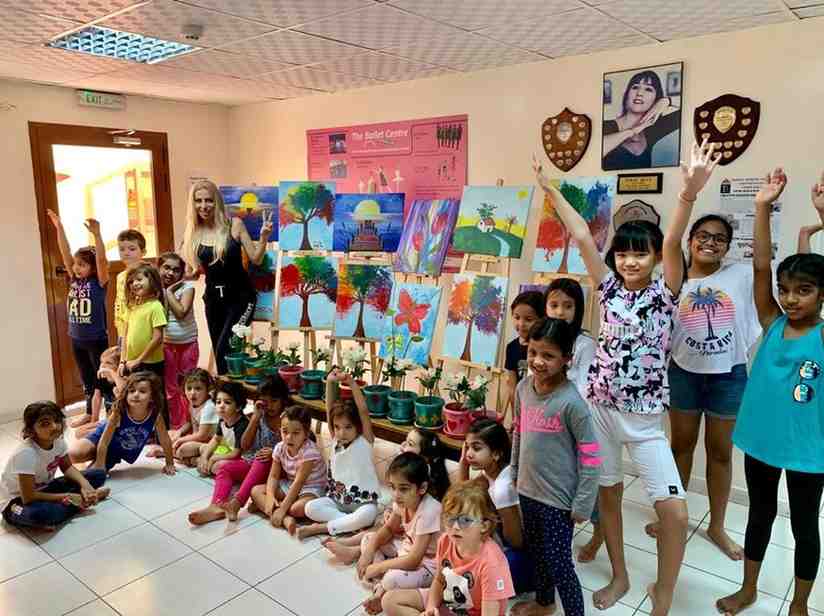
Maya’s daughter used to doodle horses and clouds on the back of worksheets, quiet sketches that revealed more than her words ever did. It wasn’t until Maya signed her up for an art class that she realized how expressive her daughter truly was. The transformation was gradual but undeniable: the quiet girl began to share her artwork confidently, stand taller, and speak more freely.
This kind of growth doesn’t happen by chance.
Young children are natural creators. Before they can spell their names, they make up songs. Before they read full sentences, they act out characters and stories. Creativity begins not with instruction but with freedom, freedom to explore, make mistakes, and interpret the world on their own terms.
More Than Entertainment: Why Art Matters
Art offers something unique: it allows children to express feelings they might not yet have the words for. Whether they’re painting with bold strokes, crafting a clay sculpture, or improvising a dance move, they’re communicating who they are and how they see the world. This kind of self-expression plays a central role in emotional development.
Through creative activities, children start to recognize patterns, notice details, and learn how to translate abstract ideas into something they can see, hear, or touch. These are not just artistic skills-they are life skills.
Confidence Through Creation
Every time a child makes a choice-what color to paint the sky, what rhythm to tap with their feet-they are exercising independence. Each small decision adds up. Children begin to trust their instincts, take pride in their work, and learn to share it without fear of being wrong.
Confidence isn’t about always getting things right. It’s built when children are encouraged to try, explore, and keep going-even when their first attempt doesn’t look or sound the way they hoped. In this way, art becomes a practice ground for resilience. Whether they’re memorizing lines for a play or struggling through a new musical scale, children learn that improvement comes from patience and persistence.
How Art Supports Learning in Other Areas
When children are given time to draw, sing, dance, or perform, they’re not “taking a break” from academics. They’re building brain pathways that support deeper learning. Visual art sharpens observation. Music enhances auditory memory. Dance improves coordination and focus. Drama nurtures empathy and verbal fluency.
These aren’t just isolated skills-they influence everything from reading comprehension to math reasoning. A child who can recognize patterns in music may be quicker to understand number sequences. A dancer who keeps rhythm can follow the pacing of a sentence or a story. A theatre student who steps into different characters’ shoes develops a deeper understanding of language, tone, and perspective.
Art Teaches Collaboration Without a Lecture
In a drama rehearsal, children listen for their cue, work with scene partners, and learn to adjust when something doesn’t go as planned. In a dance class, they move in sync, share the floor, and support one another during practice. Art builds community. It encourages children to celebrate each other’s strengths and learn from one another.
This kind of teamwork often happens without adult prompting. There’s no need to say, “Be a good listener” when a child is already doing it in order to match a partner’s lines or movements. Through shared creative experiences, they naturally pick up social skills that are harder to teach directly.
The Role of Discipline in Artistic Practice
Art isn’t all spontaneity. In fact, one of its greatest gifts is the opportunity to practice discipline in a meaningful way. Whether it’s mastering a musical instrument or rehearsing choreography, children learn how to follow instructions, manage frustration, and improve over time.
They begin to understand the value of repetition-not as a chore, but as a path to mastery. It’s one thing to tell a child to keep trying. It’s another for them to experience the reward of persistence when a painting finally comes together or when they get through a tough scene without missing a line.
Making Room for All Kinds of Expression
Some children think in images. Others in sound, movement, or words. Not every child is comfortable sitting at a desk and filling out worksheets. The arts give children alternative ways to shine. A child who may be anxious in conversation might feel completely at ease when acting in a group. A child who fidgets in class may find total focus in front of a piano or an easel.
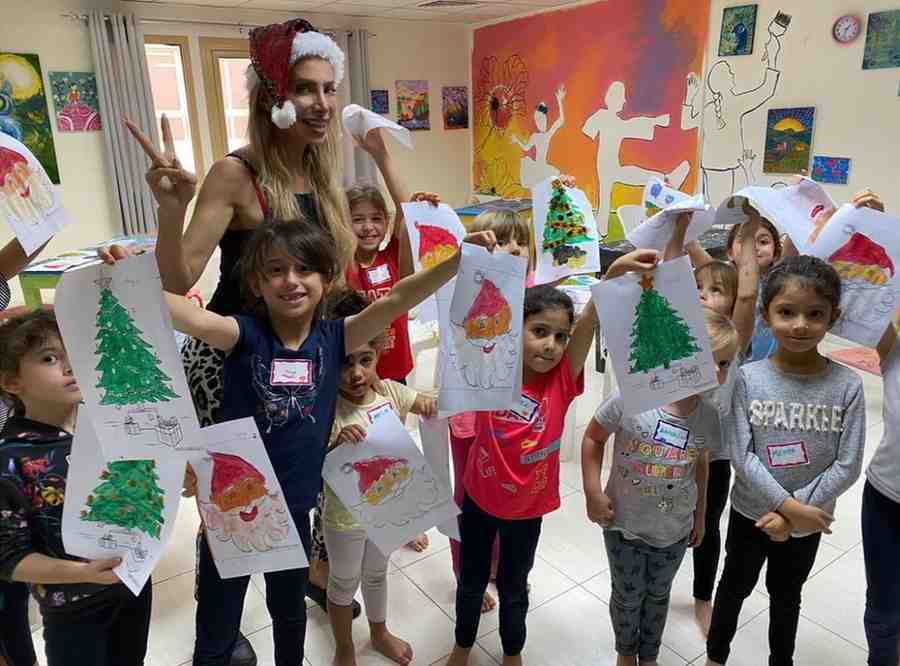
By recognizing and supporting these different expressions, we help children develop self-awareness and pride in their individuality. That can lead to better relationships, stronger academic engagement, and a sense of belonging, especially important during the formative years.
A Safe Place to Be Brave
One of the most overlooked benefits of artistic activities is the safety they offer. Not physical safety, though that matters too-but emotional safety. Children feel more comfortable taking risks in a space where the outcome isn’t judged in right or wrong terms. They get used to starting over, adapting, and experimenting.
Art helps children feel brave. They try new things, share their ideas, and learn to receive feedback with an open mind. These are foundational qualities for personal growth and future success, no matter the path they choose.
Where Support Matters Most
Choosing the right environment can make all the difference. A space where children feel supported, encouraged, and challenged, without pressure-is where the most meaningful development happens. At Ballet Centre Dubai, the focus is not only on technical training across disciplines like RAD Ballet, ISTD Tap & Modern, drama, music, and visual art, but also on fostering confidence, creativity, and self-awareness in every student. Flexible class options, yearly exams, KHDA approval, and welcoming teachers ensure that both beginners and experienced students feel valued and inspired.
Encouragement That Lasts a Lifetime
The skills children gain through the arts aren’t things they leave behind as they grow up. The confidence built during a stage performance, the resilience developed in a tough music lesson, the empathy nurtured through storytelling-all of it carries into adulthood.
Whether a child becomes a scientist, a teacher, an entrepreneur, or a performer, the ability to express themselves, work through challenges, and collaborate with others will always matter. Art offers a way to learn those lessons with joy, energy, and imagination.
Looking to nurture your child’s artistic journey? Consider exploring diverse creative classes that support more than just technique-they grow character, confidence, and lifelong curiosity.