The first time I walked into an adult ballet class, I didn’t know where to stand. The mirrors were intimidating, the barre looked like something I had no business touching, and the room was filled with people who all seemed to know what they were doing. But something told me to stay. Maybe it was the quiet music in the background, or the way the instructor greeted me with a nod and a gentle smile before cueing the first plié.
That class changed the way I saw movement, discipline, and even my own body.
Adult ballet isn’t about perfection. It’s about progress-and grace, both internal and external.
Starting Point: No One Cares What You Look Like
Everyone feels awkward at the beginning. You’re not alone. Most adult ballet classes are a mix of former dancers, total beginners, and people who just want to try something new. The atmosphere is surprisingly relaxed-yes, there’s structure, but there’s also an understanding that people have day jobs, stiff joints, and varied fitness levels.
There’s often a quiet agreement among classmates: we’re here for ourselves. Not for competition, not to perform. Just to move, breathe, and reconnect.
What Actually Happens in Class
Classes usually start at the barre. That’s where you’ll learn the fundamentals, pliés, tendus, dégagés-with one hand supporting your balance. You’ll work on posture, turnout, and building strength from the ground up. The barre becomes a place of focus, almost meditative.
Then you’ll move into center work. That means learning to balance without support, combining steps into short sequences, and eventually trying some gentle jumps or traveling steps across the floor. It’s not about high kicks or pirouettes in the early days. It’s about control and clarity.
Don’t be surprised if your brain works as hard as your muscles. Ballet vocabulary is in French, and combinations are often given verbally. You’ll learn to pick up patterns, remember sequences, and respond to musical cues-all while keeping your posture aligned and your arms flowing with intention.
You Will Be Sore, But It’s a Good Sore
Muscles you forgot existed will wake up. Your feet, calves, and core in particular. You might walk funny after your first few sessions, but give it a week or two and that stiffness will give way to strength. Adult ballet classes build muscle tone, flexibility, and balance in a way that’s low-impact but effective.
You’ll also build stamina, not just physically but mentally. Concentration improves, especially during combinations that challenge your coordination and memory. It’s part physical, part brain game, and surprisingly satisfying.
Wear What Makes You Comfortable
There’s no pressure to show up in a leotard and tights unless you want to. Most adult beginners wear leggings, a fitted top, and ballet flats. Some bring a skirt or wrap for a touch of elegance. What matters is that you can move freely and see your form.
Shoes matter, though. Invest in proper soft ballet flats, usually canvas or leather. They help your alignment, protect your feet, and make movement easier. Most studios will guide you on how to fit them correctly.
The Mental Shift: From Self-Criticism to Self-Respect
One of the biggest surprises is how ballet changes your inner dialogue. Adults often enter class carrying years of self-judgment, about appearance, coordination, or the feeling that it’s “too late” to learn something new. But over time, you start to celebrate small victories. Holding a balance longer than last week. Remembering a sequence. Stretching a bit deeper. There’s something quietly powerful about standing tall in fifth position, knowing you’re doing something just for you.
Community Without Pressure
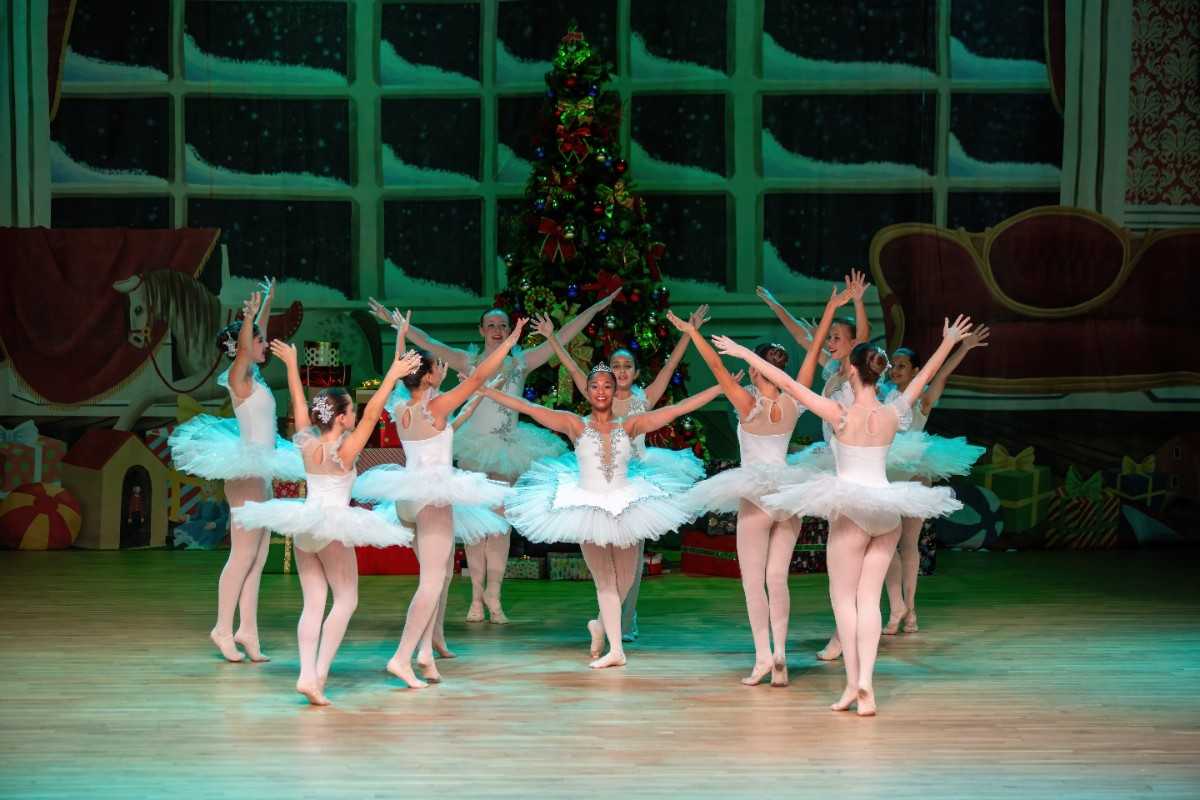
Adult classes have a different energy from youth or pre-professional groups. The pace is steady, instructors are encouraging, and there’s a mutual respect among participants. You’ll often find people from different walks of life, teachers, engineers, parents, artists-all coming together for the same hour of focused movement.
It’s not unusual for friendships to form. A nod of encouragement across the room, shared stretches after class, maybe even a coffee nearby afterward. There’s connection without the need to perform or impress.
Progress Happens, Gradually, Steadily
In adult ballet, progress isn’t about jumping higher or turning more times. It’s about moving with more clarity, feeling your alignment improve, and gaining confidence in your own expression. Some students do reach performance level and enjoy participating in studio recitals or workshops. Others just keep showing up weekly, enjoying the quiet satisfaction of learning something challenging and beautiful.
Classes typically follow a syllabus or structured progression, and studios often offer options for beginners, improvers, and intermediate levels. That way, you’re always working at the right pace-not rushed, not held back.
Where It Can Lead
Many adults who start ballet discover new interests along the way. Some try complementary styles like contemporary dance or jazz. Others pursue music or drama classes, realizing how deeply connected the performing arts are. At Ballet Centre Dubai, adult students often explore these additional paths-from drama workshops to music theory-all within the same nurturing environment.
The best part? You can bring your kids along, too. Many parents discover ballet by watching their children and decide to join an adult class themselves. It becomes something of a family experience, shared passion, mutual encouragement, and a deeper appreciation for the discipline behind the art.
Final Thoughts From the Barre
You don’t need a dance background. You don’t need to be flexible. You don’t need to have perfect posture or a dancer’s body.
All you need is the willingness to try.
Adult ballet is about reclaiming movement, grace, and discipline in a way that fits into your life now. It’s about discovering how much your body can do-and how good that can feel. You might surprise yourself. You might fall in love with the process.
And the next time someone mentions ballet, you won’t think of it as something distant or unreachable. You’ll think of the class you go to on Tuesday nights, the barre you rest your hand on, the music that cues your movement, and the quiet pride that comes from showing up, week after week.