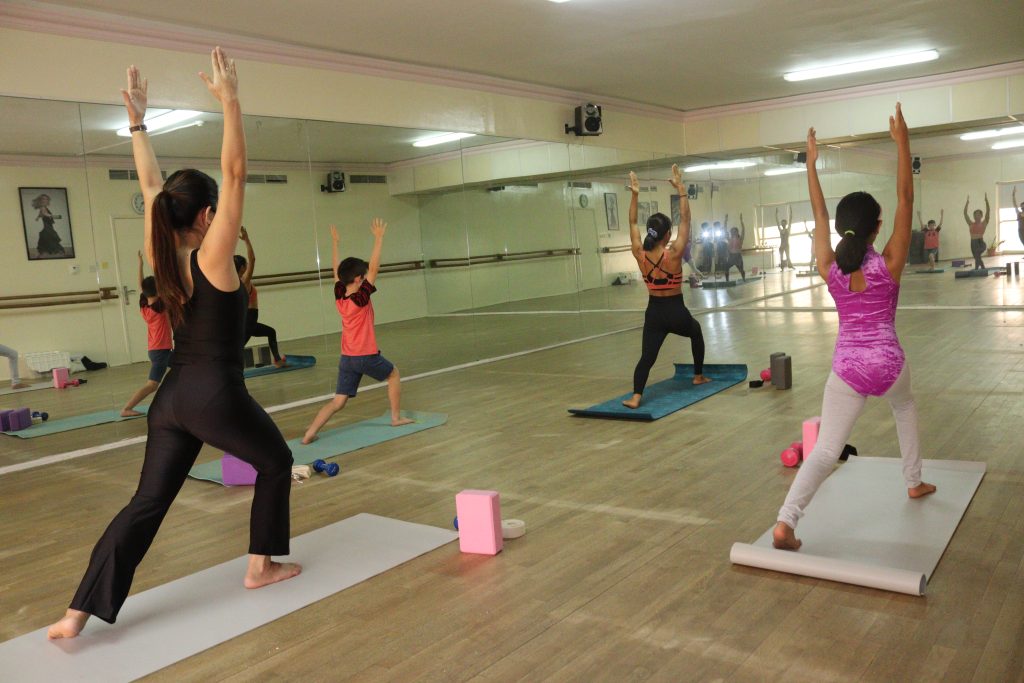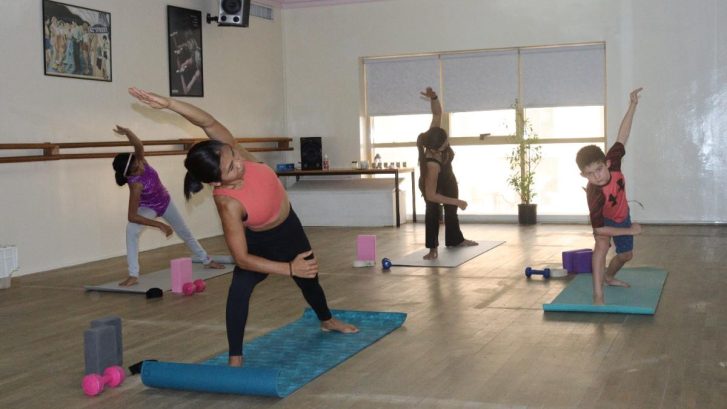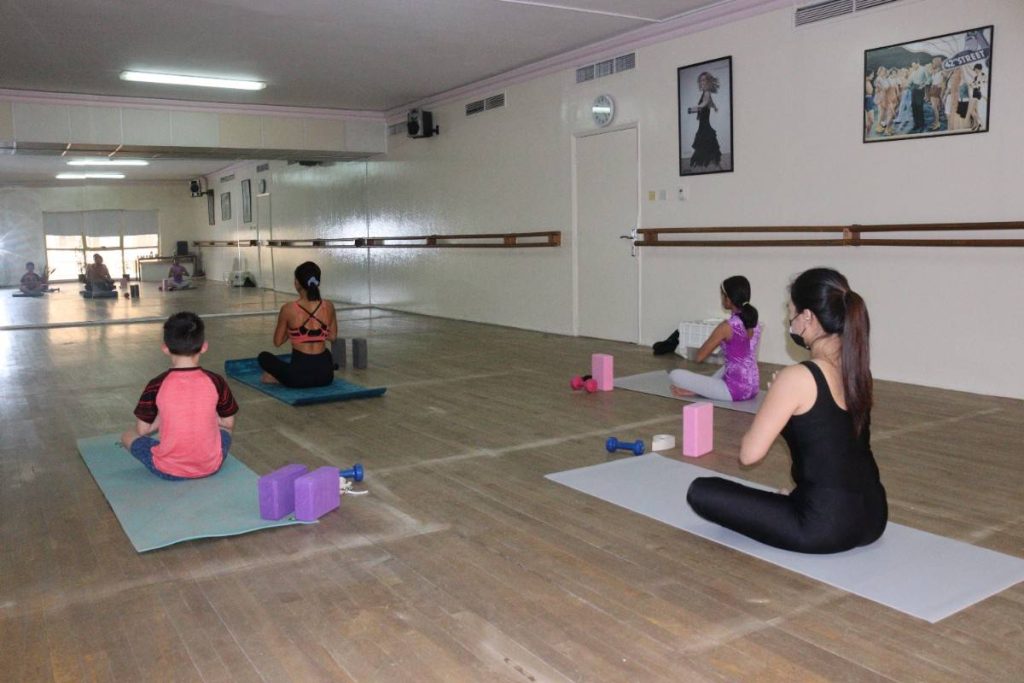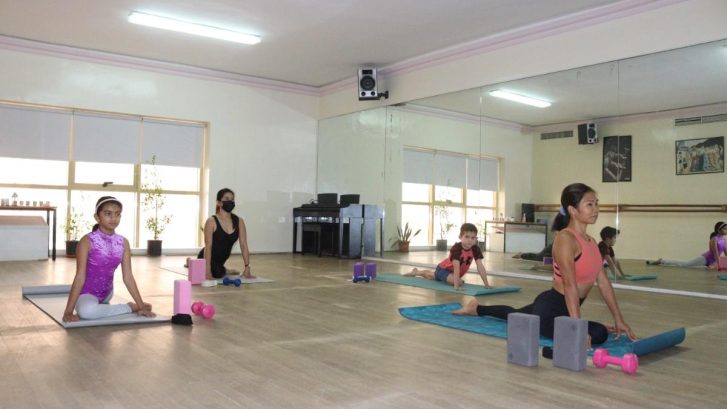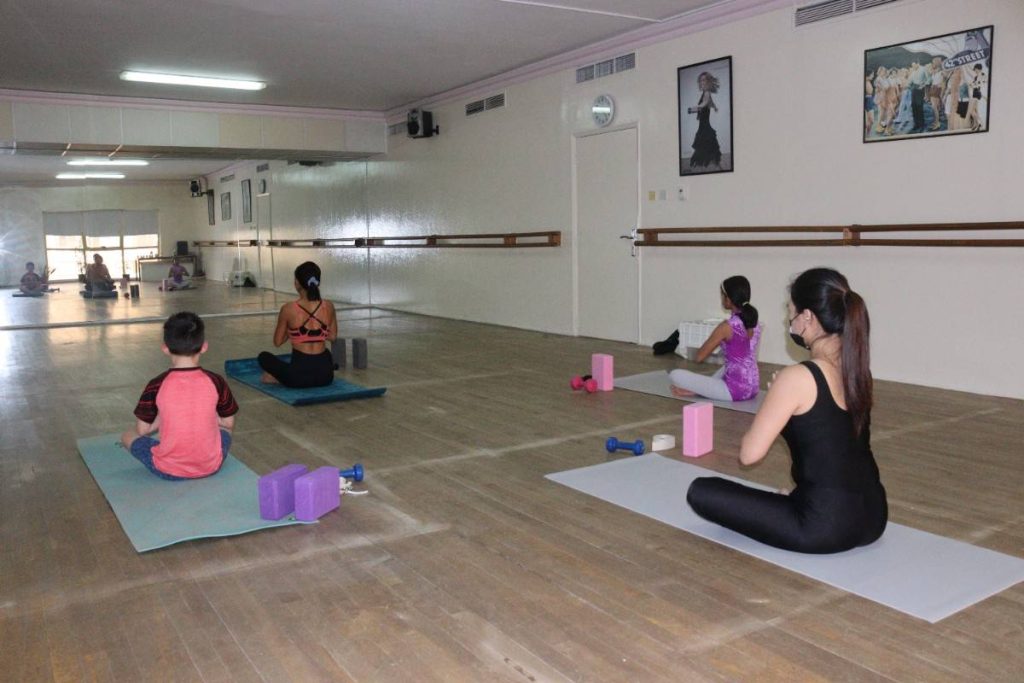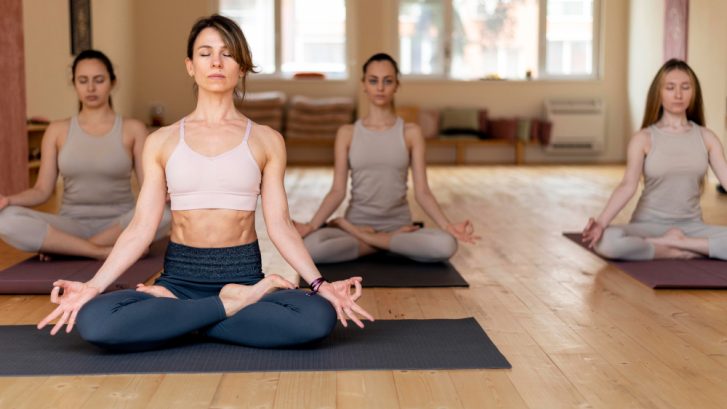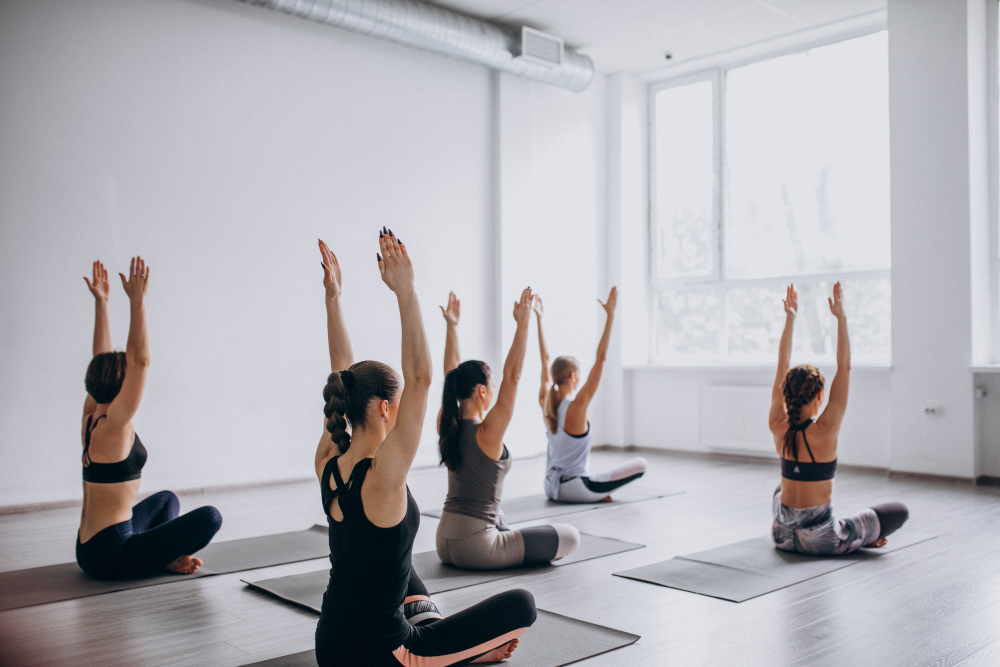
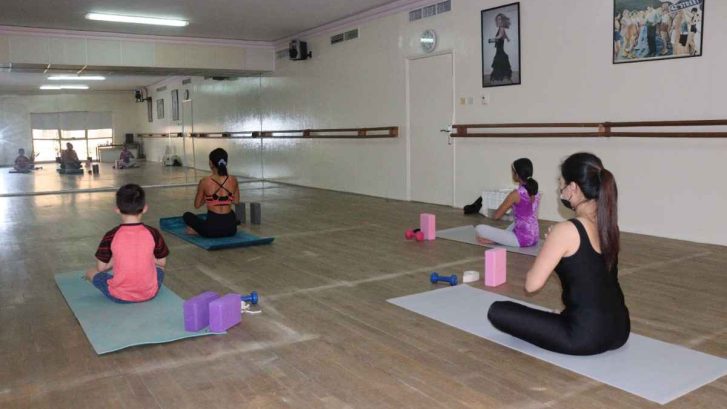
People sitting on the floorcrossed legged in yoga class

How Yoga Can Transform Your Day-To-Day Life

Yoga doesn’t just stretch your muscles—it rearranges the rhythm of your day.

The calm you feel after just a few sessions starts to creep into the rest of your life. Conversations become lighter. Deadlines feel less daunting. You respond instead of react. And maybe that’s the real strength it builds.

The Shift Starts Small

Most people think of yoga as flexibility training. They expect longer hamstrings, looser hips, maybe even a better backbend. What surprises them is how the practice starts showing up in everyday moments.

Standing in traffic becomes less frustrating. You notice how tightly you grip the steering wheel and learn to ease off. Waiting in a queue doesn’t spike your stress. Instead, you find yourself breathing—slow, steady inhales, a softened jaw, shoulders that stay relaxed. That’s yoga. Not on the mat, but in life.

It doesn’t take an hour-long session to start noticing it either. Ten to fifteen minutes a day can nudge your nervous system toward steadiness. Over time, that consistency begins to work like background music—keeping you grounded no matter what the day throws at you and it also helps flexibility.

Breath First, Then Everything Else

One of the most practical tools yoga offers is breath control—known traditionally as pranayama. It’s not about taking deep breaths during panic. It’s about training your body to breathe efficiently even when you’re not thinking about it.

This affects sleep, digestion, and focus. Think of the breath as the body’s rhythm section. When it plays in harmony, everything else follows. Parents often notice that kids who practice yoga regularly seem more emotionally balanced. There’s a reason for that—the breath patterns learned on the mat carry into schoolwork, friendships, and even tantrum recovery time.

At Ballet Centre Dubai, this understanding of mind-body balance is part of why yoga is included in the broader mix of offerings. It supports children’s growth—not just physically, but emotionally and mentally too. For parents looking to help their children build resilience, focus, and confidence, yoga can be one of the gentlest yet most effective tools available.

Strength Without Strain

There’s a quiet kind of strength that yoga builds. It doesn’t show up as bulky muscle or explosive speed. It shows up when you hold a position just a little longer than you thought you could, and you keep your breath smooth while you do it.

You start realizing where your limits are—then pushing them safely. That awareness transfers. You find yourself more patient during disagreements. More persistent with goals. Less shaken when plans change.

This isn’t just mental grit; it’s body awareness reinforcing emotional stability. Small moments on the mat build trust between you and your body. That trust spills into how you carry yourself at work, how you listen to others, how you handle stress.

Real Rest

Yoga isn’t just movement. In fact, some of the deepest benefits come from the moments of stillness—when your body is resting, but your awareness is sharp. Restorative poses and guided relaxation teach you how to settle into rest fully, not just collapse on the couch scrolling through your phone.

People underestimate how much rest they actually need. Or how ineffective most of their so-called rest really is. A short guided relaxation after movement can sometimes do more than a full night’s sleep when it comes to clearing mental fog.

When you start building this kind of rest into your daily routine, even just a few minutes at a time, your mood shifts. You start catching yourself before burnout hits. You notice fatigue early. And more importantly, you know how to respond.

Focus Without Force

Yoga encourages presence. It’s not about tuning out the world—it’s about tuning into what matters. You might start by noticing the position of your spine or how your feet press into the ground. Over time, you start noticing when your thoughts are spinning or when your energy is scattered.

This builds mental stamina. Not the kind that pushes you to keep going through exhaustion, but the kind that helps you stay engaged and clear-headed. Whether you’re sitting through a long meeting or helping a child with homework, that ability to stay present—without snapping or zoning out—can be life-changing.
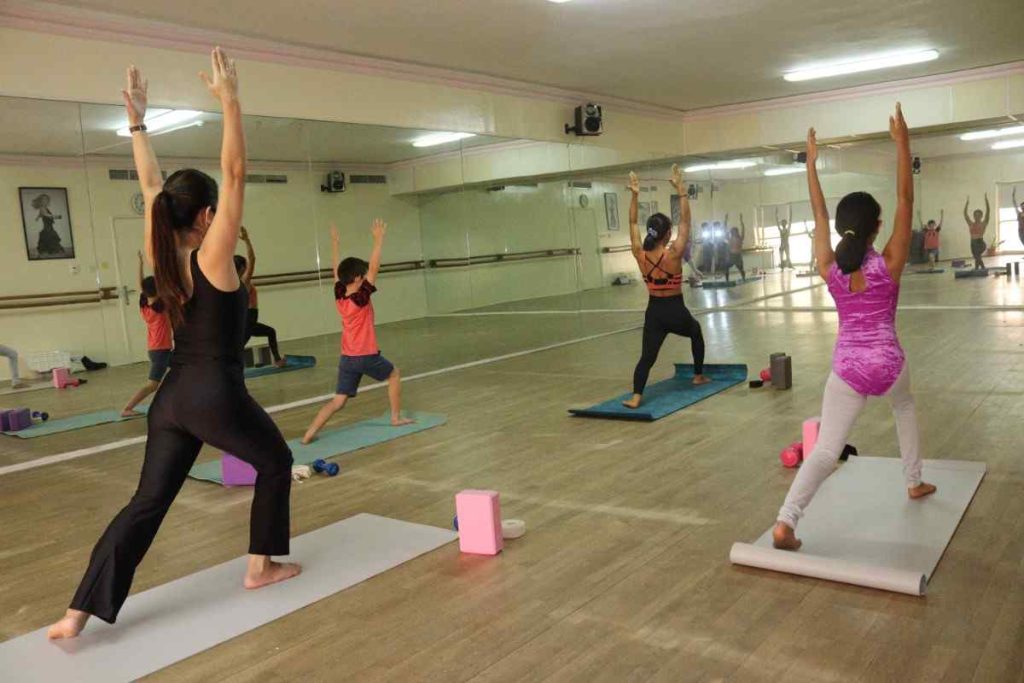

This focus becomes especially valuable for children. In an age where distractions are everywhere, learning how to anchor attention is a real advantage. Yoga trains that skill naturally—without pressure, without punishment. Just one breath, one movement at a time.

Parenting With a Steadier Heart

If you’re raising kids, chances are your energy goes to everyone else before yourself. Yoga reminds you to return to your own body—not just for fitness, but for sanity. A short practice before the kids wake up can shift your whole approach to the day.

You start reacting less and listening more. You feel less drained, even when the schedule’s packed. And when your children see you making time to care for your own well-being, they learn to do the same.

In many cases, parents who join a yoga class find that it’s not only their own stress that gets easier to manage—family rhythms start to improve too. The house feels less chaotic. There’s more laughter, fewer meltdowns. Yoga doesn’t fix everything, but it does offer a steadier foundation for handling what life brings.

Making It a Habit Without Pressure

Starting yoga doesn’t have to mean committing to an hour a day or becoming an expert in Sanskrit terms. You can start by stretching in the morning for five minutes. Or by following a short video a couple of times a week. The most important part is not how much time you spend—it’s how often you come back.

Consistency builds the benefits. Not perfection.

The more you practice, the more yoga becomes something you look forward to—not another thing on your to-do list, but a moment to reconnect with yourself.

And if you’re looking for a place where both you and your child can grow through movement, creativity, and mindfulness, Ballet Centre Dubai offers an ideal starting point. Their yoga classes blend physical strength with mental focus, making it easier for families to develop habits that support well-being—together.

The True Life of Yoga: Beyond the Mat

Ultimately, the life of yoga is not confined to the mat; it’s the cumulative effect of these small, daily shifts in awareness, breath, and response that rewires your entire approach to living, transforming your relationship with yourself and the world around you from the inside out.

A Quiet Revolution

Change doesn’t always roar in. Sometimes, it whispers through a slow breath or a well-held pose. Sometimes it’s the choice to pause before you speak. Or to stretch when you’re tired, instead of scrolling through your phone.

Yoga doesn’t promise to solve all of life’s stress. But it does offer something just as valuable: a practice that strengthens your body, steadies your mind, and softens your heart—all at once.

And sometimes, that’s exactly what a busy day needs.
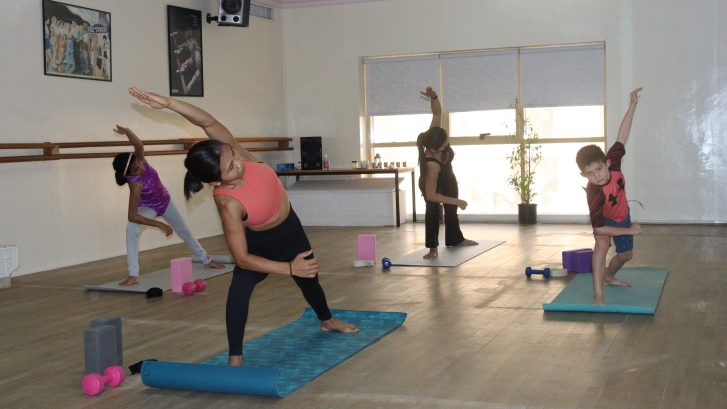
people in you class doing stretches

Understanding the Myths Behind Yoga

Yoga has long been celebrated as a powerful practice for enhancing physical and mental well-being. Yet, over time, a variety of myths have clouded people’s understanding of what yoga truly is and who it’s meant for. These misconceptions often discourage beginners or limit the way people engage with the practice. Let’s uncover the truth behind these common myths and explore why yoga remains one of the most accessible and beneficial activities for people of all ages and abilities.

Yoga Is Only for the Flexible

One of the most prevalent myths is that yoga is reserved for those who can touch their toes or fold into advanced poses. This idea intimidates beginners and creates an unnecessary barrier to entry.

Flexibility is not a prerequisite for yoga; it’s often a result of consistent practice. Yoga is about working with your body as it is, honoring its current abilities while gently encouraging progress. Poses can be modified, and props like blocks and straps help individuals achieve postures in a way that feels comfortable and safe.

At Ballet Centre Dubai, yoga classes cater to all levels, focusing on creating a supportive environment for beginners and experienced practitioners alike. Whether you’re a parent seeking a calm moment to reset or a child curious about movement, yoga meets you where you are.

Yoga Is Just Stretching

Another common misconception is that yoga is merely a series of stretches with no significant physical or mental benefits. While yoga does involve stretches, it also incorporates strength-building, balance, breath control, and mindfulness techniques.

Many yoga poses require activating core muscles, stabilizing joints, and maintaining focus to hold a posture. These elements work together to enhance physical resilience and mental clarity. A well-rounded yoga class leaves you feeling stronger and more centered, not just limber.

Parents often find that children who practice yoga develop better body awareness and emotional regulation. The Ballet Centre offers child-friendly classes that blend gentle movement with breathing exercises, helping kids improve their focus and confidence in a fun, interactive setting.

Yoga Is a Religious Practice

Some people hesitate to try yoga because they believe it is tied to specific religious beliefs. While yoga has roots in ancient Indian philosophy, the modern practice focuses on physical postures (asana), breathwork (pranayama), and relaxation techniques that are not inherently tied to any religious doctrine.

In fact, yoga can be practiced by anyone, regardless of their cultural or spiritual background. It’s a personal journey of self-care and self-awareness that can complement any lifestyle. At Ballet Centre Dubai, yoga is taught as a universal practice that emphasizes health, relaxation, and mindfulness, making it inclusive and welcoming for all.

Yoga Is Time-Consuming

For many busy parents, the idea of committing to a regular yoga practice can feel overwhelming. There’s a perception that yoga demands long hours to be effective. The truth is that even a short session—whether it’s 10, 20, or 30 minutes—can make a difference.

Yoga is flexible in more ways than one. You don’t need to block out hours in your schedule; small, consistent efforts yield great benefits. Attending a weekly class or practicing a few poses at home can help reduce stress, improve posture, and increase energy levels.

Children in yoga class with a pose with their arms in the air

At Ballet Centre Dubai, our yoga classes are designed to fit into your schedule, offering flexible timings that accommodate both adults and children. The free trial option makes it easy to explore the classes without committing upfront, giving you the chance to experience the benefits firsthand.

Yoga Is Only for Adults

It’s often assumed that yoga is an adult-centered activity, but children can benefit just as much—if not more—from practicing yoga. Growing up in today’s fast-paced world can be stressful for kids, and yoga provides them with tools to navigate these challenges.

Children’s yoga incorporates playful elements like storytelling and games, making it engaging while improving flexibility, strength, and focus. It also encourages mindfulness and emotional regulation, helping kids manage anxiety or restlessness.

Yoga Is Expensive

Another myth that deters people from starting yoga is the belief that it’s an expensive activity requiring high-end gear or costly memberships. While some brands and studios emphasize luxury, yoga itself is a simple, accessible practice that doesn’t require fancy equipment.

A yoga mat and comfortable clothing are all you need to get started. Many studios, including Ballet Centre Dubai, offer affordable payment plans and free trial classes, making it easy to explore yoga without financial strain.

Yoga Is Too Slow to Be Effective

For those who prefer high-intensity workouts, yoga might seem too slow to produce real results. However, yoga comes in many styles, some of which are dynamic and physically challenging. Vinyasa and power yoga, for example, involve flowing sequences that build strength and cardiovascular endurance.

Even slower-paced classes offer benefits, as the emphasis on breathwork and alignment supports long-term physical and mental health. Yoga’s pace allows participants to focus on proper technique, preventing injury and promoting lasting improvements.

Parents who are unsure about yoga’s pace often find that it balances their children’s high-energy activities, complementing other classes like ballet or tap offered at Ballet Centre Dubai. The combination of movement-based disciplines fosters both creativity and strength.

Embracing the Truth About Yoga

The myths surrounding yoga often stem from misunderstandings about what the practice entails. By looking past these misconceptions, more people can experience the unique benefits yoga offers—improved flexibility, mental clarity, and a greater sense of well-being.

At Ballet Centre Dubai, we strive to create an inclusive space where yoga is accessible and enjoyable for everyone, regardless of age or skill level. Whether you’re exploring yoga for yourself or looking to introduce your child to its benefits, our welcoming community and skilled instructors are here to guide you every step of the way.

Rediscover yoga on your own terms, and let it become a source of growth and balance in your family’s life.

yoga instructor conducting class with audience mimicking behaviour

Yoga Benefits for Urban Lifestyles: Finding Balance in Chaos

City life, with its non-stop pace and often towering expectations, can take a toll on even the most resilient among us. From congested commutes and endless emails to the pressure cooker environment of the corporate world, urban living presents a unique set of challenges. Enter yoga, a practice steeped in ancient traditions, which offers modern city dwellers tools for navigating their hectic lives with a bit more ease.

Understanding Yoga

At its heart, yoga is more than just a series of stretches and poses; it’s a comprehensive system for wellness that harmonizes body, mind, and spirit. Originating thousands of years ago, yoga has evolved from a spiritual practice into a popular physical exercise that is praised for its benefits to mental health and physical stamina. But yoga’s true depth lies in its ability to foster an internal quietude amidst the external chaos, making it perfect for the urbanite’s lifestyle.

Yoga comprises primarily of three elements: asanas (physical postures), pranayama (breathing techniques), and dhyana (meditation). Each component serves to guide the practitioner to a state of deeper awareness and relaxation, helping to temper the physical stress of sitting at a desk, as well as the mental strain of constant digital connectivity.

Core Benefits of Yoga for Urban Dwellers

When it comes to physical health, yoga offers numerous benefits that are particularly beneficial for those living and working in cities. Engaging in regular practice boosts flexibility and improves posture, counteracting the hours spent in office chairs or slouched over smartphones. It also enhances strength and stamina, which can make the daily rush more manageable and less exhausting.

For respiratory and cardiovascular health, the benefits are equally impressive. Yoga’s breathing exercises can increase lung capacity and improve breath control, which not only helps in high stress situations but also brings a greater sense of calm and control. Cardiovascular function also benefits from regular yoga practice, with studies showing a reduction in heart rate and blood pressure, key indicators of a healthy heart.

Transitioning to mental wellness, yoga stands out as a powerful tool for stress reduction. The practice’s meditative aspects, like mindfulness and focused breathing, help quiet the mind and reduce stress. This can be a game-changer for urban professionals whose brains are continually buzzing with deadlines and worries. Moreover, yoga can alleviate symptoms of anxiety and depression by promoting a general sense of well-being. This isn’t just about feeling less stressed; it’s about enhancing overall mental clarity and emotional resilience.

The benefits for emotional well-being are notable as yoga encourages practitioners to tune in to their bodies and breath, fostering a state of mindful awareness. This can lead to better emotional stability and reduced feelings of anxiety. Regular practice helps cultivate a calm center from which one can handle the ups and downs of city life with equanimity.

Integrating Yoga with Modern Pain and Spine Care

For urban professionals, the physical toll of city life often manifests as chronic back pain, neck stiffness, and spinal issues exacerbated by long hours at a desk. A modern pain and spine approach recognizes yoga not just as exercise, but as a vital component of a holistic treatment plan. The targeted asanas (postures) in styles like Iyengar or restorative yoga gently strengthen the core muscles that support the spine, improve posture, and release tension in the lower back and shoulders.

This mindful movement increases blood flow to compressed discs and promotes spinal flexibility, complementing traditional medical interventions. For many, a consistent yoga practice becomes a powerful, proactive strategy for managing discomfort and supporting long-term spinal health, reducing reliance on passive treatments.

Yoga and Work-Life Balance

Incorporating yoga into a bustling urban routine might seem daunting at first, but it can be surprisingly doable and beneficial. For the busy professional, yoga offers a refreshing break from the demands of work and technology, providing a quiet space to recharge mentally and physically. Short yoga breaks during the workday can help reset your focus and boost productivity. Even just a few minutes spent on a few stretches or mindful breathing can significantly decrease stress levels and increase energy.

Many find that morning yoga sessions help set a positive tone for the day ahead. It’s a time when you can clear your mind before the emails start flooding in and meetings stack up. Alternatively, practicing yoga after work can be a great way to transition from professional responsibilities to personal time, helping to leave work stress at the office and not carry it into the evening.

Practical Tips to Get Started with Yoga

Getting started with yoga doesn’t require turning your schedule upside down. Here are some tips to weave yoga into your day without it feeling like a chore:

Select the Right Yoga Style:

With various styles available, from the slow-paced Hatha yoga, which focuses on basic postures at a comfortable pace, to the more intense Vinyasa yoga, which links breath and movement, there’s a style to suit every need and interest.

Find Classes That Fit Your Schedule:

Many yoga studios offer classes early in the morning, during lunch breaks, or late in the evening, specifically catering to working professionals. Additionally, online yoga classes can be a flexible option to practice at home whenever you find some free time.

Start Small:

If you’re new to yoga, begin with short, beginner-friendly sessions. Even 10 to 15 minutes can make a difference without overwhelming you or your schedule.

Maintaining Consistency

The key to gaining the benefits of yoga is regular practice, but this doesn’t mean you need to practice every day or stick to a rigid schedule. Here’s how you can stay consistent:

four people sitting in yoga poses

Set Realistic Goals:

Start with achievable goals like attending a yoga class twice a week or doing a 10-minute home practice every other day. As yoga becomes a habit, you can adjust your goals.

Create a Personal Yoga Space:

If possible, set up a dedicated yoga space in your home. It doesn’t have to be big—a corner of your living room or your bedroom can work just as well. Having a designated space can motivate you to practice regularly.

Be Patient and Persistent:

Progress in yoga can be subtle and gradual. Acknowledge small victories along the way, such as feeling more relaxed, sleeping better, or just becoming more aware of your breathing.

With these approaches, integrating yoga into your urban lifestyle can become less of a task and more of a welcome relief from daily pressures.

Yoga Instructors

At the Ballet Centre Dubai, yoga classes are conducted by seasoned professionals who ensure a holistic approach to wellness. With sessions designed to cater to all levels of experience, their expert instructors guide participants through postures, breathing techniques, and meditation practices that enhance physical strength, mental clarity, and emotional balance. Combining a serene environment with personalized attention, the Ballet Centre Dubai makes yoga an accessible and transformative experience for urbanites seeking harmony amidst the city’s fast-paced life.

Conclusion

Embarking on a yoga journey might just be the game-changer you need to handle the stresses of urban life. Whether it’s finding a moment of calm in a hectic day or building physical strength and flexibility, yoga offers a multitude of benefits that fit right into the busy cityscape. Why not roll out a mat and give it a try? Start small, stay consistent, and watch how yoga can transform your daily routine into something more balanced and fulfilling. Remember, every little step counts towards a healthier, more centered you. Why wait? Your journey to a calmer, more balanced life could start today!

students in yoga class in a stretching pose

A Beginner’s Guide to Popular Yoga Practices

Yoga, with its deep roots in ancient tradition, has blossomed across the world as a revered art and science of living. This practice offers more than just physical benefits; it enhances mental health and fosters an inner sense of peace. This guide is tailored for those new to yoga, outlining various forms and offering advice on embarking on this enriching journey.

Understanding the Fundamentals of Yoga

At its core, yoga is about balance. The term ‘yoga’ itself, derived from the Sanskrit root ‘yuj’, means to join or unite, symbolizing the union of body and consciousness. Beyond its physical postures, yoga integrates breathing techniques and meditation to improve one’s mental well-being and physical health. Regular practice can lead to enhanced flexibility, strength, balance, and stamina, but the benefits extend beyond the physical. Many find that yoga provides relief from stress and anxiety, contributing to an overall sense of well-being.

Yoga teaches patience and mindfulness, encouraging practitioners to live in the present moment. These principles can be particularly beneficial in our fast-paced world, where stress and disconnection can be prevalent. Whether you’re looking to yoga for a workout, a way to relax, or a method to connect with yourself, it offers something for everyone.

Types of Yoga: An Overview

For those beginning their yoga journey, understanding the different styles can help in choosing the right path that aligns with personal wellness goals.

Hatha Yoga:

This is often considered an ideal starting point for beginners due to its slower pace and focus on basic poses. Hatha yoga helps in tuning into your body and breath, which is crucial for building a strong foundation in any yoga practice.

Vinyasa Yoga:

Known for its fluid, movement-intensive practices, Vinyasa yoga appeals to those who prefer a more dynamic workout. Each pose is synchronized with the breath, and the sequences are almost dance-like, which helps in building cardiovascular fitness alongside flexibility and strength.

Ashtanga Yoga:

This style is more demanding, as it follows a specific sequence of poses in the exact same order. It’s great for building core strength and toning the body. Due to its fast pace and the need for stamina, it might be challenging for absolute beginners but rewarding for those who stick with it.

Iyengar Yoga:

If you’re keen on getting the poses just right and appreciate attention to detail, Iyengar yoga might be for you. This practice uses props like belts, blocks, and bolsters to perform asanas (poses) with precise alignment. It’s especially beneficial for those with injuries or conditions that require special consideration.

Kundalini Yoga:

This is a more spiritually oriented practice, focusing on the release of kundalini energy. It includes dynamic breathing techniques, chanting, meditation, and poses; its goal is to build physical vitality and increase consciousness.

Bikram/Hot Yoga:

Practiced in a heated room, this form of yoga aims to loosen tight muscles and induce sweating, which is thought to be detoxifying. The heat adds an extra level of difficulty, which some find enhances the yoga experience.

Getting Started with Yoga: Tips for Beginners

Starting yoga can feel a bit intimidating, especially if you’re not familiar with the poses or the terminology. But you don’t need to worry about being perfect right away. Yoga is a personal practice, and it’s all about progression, not perfection.

When choosing a yoga style, think about what feels right for you. If you’re looking for something gentle to start with, Hatha or Iyengar yoga might be a good choice. On the other hand, if you want a more intense workout with a focus on breath and movement, try Vinyasa or Ashtanga. If you’re unsure, many yoga studios offer beginner classes, so it’s a good idea to ask the instructor for recommendations based on your needs and fitness levels.

Your first class might seem a bit awkward, and that’s completely normal. Yoga teachers are there to guide you, but they’re also focused on creating an environment where you feel comfortable asking questions. Don’t hesitate to tell your instructor if you’re new, so they can provide extra guidance on the poses. They might suggest modifications if a pose feels too intense or uncomfortable.

As for gear, all you really need to start is a yoga mat. Many studios provide mats, but having your own can make you feel more at ease. Comfortable clothes that allow for movement are also essential, though you don’t need to spend a lot on high-end gear to get started. Just make sure whatever you wear lets you move freely, whether you’re stretching, twisting, or bending.

If you’re practicing at home, find a quiet, spacious area where you won’t be distracted. It doesn’t need to be fancy, just a spot where you feel calm and can concentrate. It’s easy to get caught up in perfecting the setting, but remember that your focus should be on your practice, not the environment around you.

Learning and Practicing Yoga Safely

One of the best things about yoga is that it’s adaptable to your body’s needs. But it’s important to practice safely, especially as a beginner. While it’s tempting to push yourself to get deeper into a stretch or hold a pose for longer, listen to your body. If something doesn’t feel right, stop, adjust, or ask for guidance.

Proper warm-ups and cool-downs are key to avoiding injury. Before diving into more intense poses, take time to gently stretch and loosen up. After your practice, cooling down with slower, grounding poses helps relax the muscles and prevents stiffness. Breathwork, or pranayama, is also a crucial part of your practice—it helps you stay connected to your body, promotes relaxation, and aids in recovery.

Yoga is about listening to your body and understanding its limits. You may find that some poses feel easy for you, while others might be challenging. This is normal. Don’t worry about “keeping up” with others in class or trying to achieve the “perfect” pose. Yoga is not a competition. Focus on your breath, your alignment, and how your body feels in the moment.

Common injuries in yoga often happen when people try to do too much too soon or overexert themselves in certain poses. Back pain, knee strain, and wrist issues are among the most common injuries beginners experience. To avoid these, it’s helpful to learn the proper alignment for each pose. Teachers are usually very attentive to alignment, so make sure to ask for adjustments if something feels off. And remember, yoga isn’t about pushing past discomfort—it’s about finding a balance of effort and ease.

Incorporating Yoga into Your Daily Routine

One of the keys to reaping the benefits of yoga is consistency. While one or two classes a week can certainly make a difference, incorporating yoga into your daily routine will allow you to build strength, flexibility, and mindfulness over time. Starting with shorter practices is a good way to ease into it. You don’t need to commit to an hour-long session every day. Even 15-20 minutes of yoga can be enough to start feeling the benefits.

young students sitting in Yoga Class meditating

If you’re pressed for time, there are plenty of short practices you can follow, whether it’s a morning stretch to start your day or a calming evening flow before bed. A consistent practice doesn’t have to be complicated. If mornings are tough, try a quick evening routine. Just a few simple poses like downward dog, cat-cow, or child’s pose can help your body wind down after a busy day.

Yoga doesn’t always need to be practiced in isolation. If you’re already doing other forms of exercise, yoga can complement those activities. Whether you run, lift weights, or swim, yoga can improve your flexibility, boost recovery, and prevent injury by keeping your muscles limber and balanced.

Progressing in Yoga Practice

As you continue practicing yoga, you’ll notice gradual improvements in your strength, flexibility, and mental clarity. At this stage, it’s natural to want to explore more challenging poses or advanced practices. But remember, yoga isn’t about how advanced your poses look; it’s about how connected you feel to your mind and body. Progressing in yoga is more about deepening your understanding and consistency rather than rushing into complex postures.

Pay attention to when your body feels ready to move beyond beginner-level classes. You might find yourself holding poses longer or exploring sequences that once felt overwhelming. When you’re ready, intermediate or advanced classes can introduce you to new postures and techniques, such as inversions or arm balances. These classes also place a stronger emphasis on breath control and meditation, helping you take your practice to a deeper level.

Workshops and retreats are another great way to advance your practice. These often provide more focused instruction on specific techniques or themes. They’re also a great opportunity to learn from experienced teachers and connect with a community of like-minded individuals.

One of the biggest challenges as you progress is staying motivated and avoiding frustration when things don’t go as planned. Some days your body may feel tight, or your balance might feel off. That’s okay. Yoga is about showing up for yourself, even on the days when it’s hard. Be patient with the process, and celebrate the small wins along the way.

Professional Yoga Instructors

Ballet Centre Dubai is renowned for its serene and welcoming environment, making it an ideal space for yoga enthusiasts of all levels. Their yoga classes are led by experienced instructors who tailor sessions to accommodate beginners while also challenging more advanced practitioners. With a focus on holistic wellness, their approach combines physical postures, breathwork, and mindfulness to help participants cultivate balance, flexibility, and inner peace, offering a truly transformative experience for both body and mind.

Conclusion

Yoga is a journey that evolves at your own pace. It’s not about perfecting the poses but about connecting with yourself and finding what feels good for your body and mind. Start small, stay consistent, and keep exploring. Whether you’re looking for physical strength, mental clarity, or just a way to unwind, there’s a practice out there for you.

Why not roll out your mat today and give it a try? Your yoga journey is waiting, one breath at a time.

People sitting cross legged in yoga studio on yoga mats

How Yoga Restores Focus and Clarity

Yoga is often seen merely as physical exercise, but its benefits extend far beyond the mat—particularly when it comes to mental clarity and focus. By weaving together poses, breathing exercises, and meditation, yoga offers a powerful tool for clearing the mind and sharpening concentration. Let’s explore the science behind this and look at specific yoga practices that enhance mental focus.

The Science Behind Yoga and Mental Clarity

The relationship between yoga and improved cognitive functions is backed by growing scientific evidence. Engaging in yoga increases blood flow to the brain, which nourishes the cells with oxygen and nutrients, leading to improved cognitive functions. Moreover, yoga helps reduce cortisol levels, a hormone associated with stress. When cortisol levels drop, the mind is clearer, and we feel less overwhelmed, making it easier to focus.

Additionally, yoga influences several neurotransmitters that play a critical role in mood and stress management. For example, it boosts levels of gamma-aminobutyric acid (GABA), a neurotransmitter that helps control feelings of anxiety. Increased GABA levels are associated with a calmer mental state, which enhances the ability to focus. Serotonin, another neurotransmitter influenced by yoga, promotes feelings of well-being and happiness, further aiding focus and mental clarity.

Now, let’s dive into the specific yoga practices that are particularly effective for restoring focus and clarity.

Yoga Techniques that Enhance Focus

Asanas for Concentration

Certain yoga poses, or asanas, are particularly effective at enhancing mental concentration. For instance, balancing poses like the Tree Pose (Vrikshasana) and Eagle Pose (Garudasana) require you to concentrate on maintaining balance, which in turn trains your mind to focus on the task at hand and ignore distractions. These poses not only improve physical balance and stability but also encourage mental steadiness and focus.

Breathing Techniques to Clear the Mind

Pranayama, or breathing exercises, are another core element of yoga that can significantly enhance mental clarity. Techniques such as Nadi Shodhana, or alternate nostril breathing, are particularly effective. This practice involves alternating the breath through one nostril at a time, which can help harmonize the left and right hemispheres of the brain, leading to improved focus and cognitive functions. Controlled breathing exercises help regulate the nervous system, reducing stress and allowing the mind to focus more effectively.

Meditation and Its Direct Benefits on Focus

Incorporating meditation into your yoga practice can have profound effects on your ability to concentrate. Simple mindfulness meditation, where you focus on your breath or a particular object, helps train the brain to maintain focus without succumbing to distractions. Regular meditation not only improves your immediate concentration but also enhances your brain’s capacity to stay focused in the long term.

These techniques, when practiced regularly, can significantly clear the mind and improve your ability to focus in all areas of life. Integrating these practices into your daily routine, whether in the morning to set the right tone for the day or during short breaks to recalibrate your mental focus, can provide lasting benefits.

Integrating Yoga into Daily Life for Improved Mental Focus

Morning Routines

Starting your day with yoga can set a positive tone for the hours ahead. Even a short session of 10 to 15 minutes can help center your thoughts and prepare your mind for the day’s tasks. You could include a mix of gentle stretches, a few rounds of sun salutations to awaken the body, and some deep breathing exercises to oxygenate the brain and clear out any morning sluggishness. This morning practice not only wakes up the body physically but also gets the mental gears running smoothly, helping you tackle your work with better focus.

Yoga Breaks at Work

For those who spend long hours at a desk, incorporating yoga into your workday can help maintain and even boost your focus. Mid-morning or after lunch, when fatigue typically sets in, try stepping away from your desk for a five to ten-minute yoga break. This could involve simple wrist and neck stretches that can be done sitting at your desk or a more involved set of standing poses like the Warrior series or Chair Pose to reinvigorate the body and sharpen the mind. These short sessions can be incredibly effective at resetting your mental state and improving concentration.

Evening Wind-Down

Ending your day with yoga can ensure a good night’s sleep, which is crucial for mental clarity the following day. A calming practice like Yin yoga, which involves holding poses for longer periods, can help release the tension of the day and quiet the mind. Incorporating breathing exercises like Brahmari Pranayama (Bee Breath) or guided meditation can also aid in transitioning to a restful state. This not only helps in winding down from the day but sets the stage for a productive tomorrow.

Overcoming Common Challenges in Practicing Yoga for Focus

While the benefits of integrating yoga into your daily routine are clear, several challenges can impede consistency. Here’s how to navigate some of these obstacles:

People in yoga class sitting with legs crossed and meditating

Time Constraints

One of the most common barriers is the feeling of not having enough time. To overcome this, consider integrating yoga into the activities you’re already doing. For example, practice breathing techniques during your commute or do a couple of simple stretches during your coffee break. Remember, even short bursts of yoga can be beneficial, so don’t worry if you can’t fit in a full session every day.

Distractions

In our busy lives, distractions are everywhere. Whether it’s noise from the outside world or the digital notifications that constantly vie for our attention, it can be tough to find a quiet moment for yoga. To help manage this, try to create a dedicated space for your practice. This doesn’t have to be an entire room; a small, designated corner of your home or office can also serve as your yoga zone. Equip this space with just a few essentials like a mat and maybe a scented candle or a picture that calms you, making it inviting and distraction-free.

Maintaining Routine

Building a new habit takes effort and the initial enthusiasm for yoga might wane over time. To stay motivated, set realistic goals and track your progress. Joining a yoga class or practicing with a friend can also help keep you accountable. Additionally, mixing up your routine occasionally can keep the practice fresh and exciting. Try different styles of yoga or new instructors to keep your engagement high.

Adapting Yoga to Your Needs

Yoga is highly adaptable. Whether you’re dealing with physical limitations or you find certain practices too challenging, there’s always a version of yoga that can suit your needs. Don’t hesitate to modify poses or use props like blocks or straps to help you maintain alignment without strain. Yoga is personal, and tailoring it to your needs will make your practice more enjoyable and effective.

By addressing these common challenges, you can make yoga a sustainable and rewarding part of your life. This not only enhances your mental focus and clarity but also contributes to your overall wellbeing. Remember, the key is not perfection but persistence. Keep at it, and you’ll likely notice profound changes not just in your work, but in all areas of your life.

Yoga At The Ballet Centre

For those looking to take their yoga practice to the next level, The Ballet Centre Dubai offers the perfect environment to deepen your journey. Known for its serene ambiance and professional instructors, this center provides yoga sessions tailored to suit all levels. Their holistic approach focuses on blending physical postures, breathwork, and mindfulness, ensuring a well-rounded experience that nurtures both body and mind. With a supportive community and state-of-the-art facilities, The Ballet Centre Dubai stands out as a sanctuary for anyone seeking focus, clarity, and rejuvenation through yoga.

Conclusion

Regular yoga practice is a proven way to enhance mental clarity and focus. It’s not just about doing yoga; it’s about living yoga by integrating its principles of mindfulness and balance into every part of your day. Whether you’re a seasoned yogi or just starting out, remember that each pose and each breath is a step towards a clearer, more focused mind.

Why not roll out your mat today, even if just for five minutes? See what changes when you give your brain a little extra care with yoga.

yoga classes in dubai

Relax and Refresh with Yoga Classes in Dubai

In the fast-paced city of Dubai, finding moments of relaxation and renewal can be a challenge. Between bustling work schedules, social commitments, and daily life responsibilities, stress can easily build up. This is where yoga comes in. With its combination of physical movement, breath control, and mindfulness, yoga offers a pathway to relaxation and a refreshed state of mind. The beauty of yoga lies in its adaptability—whether someone is a seasoned practitioner or a beginner, there is always something new to discover.

Releasing Stress Through Movement And Breath

One of the core benefits of yoga is its ability to reduce stress. The practice focuses on connecting the breath with movement, which helps calm the mind and bring awareness to the present moment. Deep breathing exercises, known as pranayama, are integral to most yoga classes and have been shown to lower cortisol levels, the hormone associated with stress. By focusing on breathwork, participants learn to release tension that accumulates in the body and mind, making it easier to manage daily stressors.

In a city like Dubai, where the hustle and bustle can be overwhelming, attending a yoga class can be a sanctuary from the noise. The peaceful environment, guided by experienced instructors, allows participants to leave their worries at the door and focus on finding inner peace. Over time, this practice helps in developing a calmer, more centered approach to life.

Building Physical Strength And Flexibility

Yoga is not only about mental relaxation; it also offers significant physical benefits. The various poses, or asanas, work on different muscle groups, helping to build strength, flexibility, and balance. Many yoga styles, such as Vinyasa and Power Yoga, incorporate dynamic sequences that can provide a full-body workout, while other forms like Hatha and Yin Yoga focus more on slow, deliberate movements and deep stretching.

The diversity of yoga classes available in Dubai caters to different fitness levels and preferences. Some studios offer beginner-friendly classes that emphasize alignment and technique, while others provide advanced sessions for those looking to deepen their practice. With regular practice, muscles become more toned, joints become more flexible, and the body becomes more resilient, reducing the risk of injuries in daily activities or other sports.

Enhancing Mental Clarity And Focus

Yoga’s emphasis on mindfulness and meditation also plays a crucial role in enhancing mental clarity and focus. Many yoga practices include meditation techniques that help clear the mind of distractions, improve concentration, and increase awareness. This heightened state of awareness extends beyond the mat, helping individuals to remain present and focused in their daily tasks.

The regular practice of yoga and meditation in Dubai’s serene yoga studios offers a break from digital distractions and constant notifications. It provides a mental reset, allowing participants to return to their routines with a clearer mind and better decision-making abilities. Over time, this clarity can lead to improved productivity, enhanced creativity, and a greater sense of purpose.

Connecting With A Like-Minded Community

Yoga classes in Dubai provide more than just a personal wellness journey; they also offer a sense of community. Practicing in a group setting can be incredibly motivating and uplifting. The shared experience of moving and breathing together creates a strong sense of connection and camaraderie among participants. Many yoga studios host workshops, retreats, and social events that foster friendships and create a supportive network.

Being part of such a community helps individuals stay committed to their wellness goals. It also provides an opportunity to learn from others, share experiences, and grow together. The encouragement and support from fellow practitioners often inspire individuals to explore different aspects of yoga, deepening their practice and understanding of this ancient discipline.

Promoting Better Sleep And Relaxation

Sleep is essential for overall health, and yoga has been shown to help improve sleep quality. Certain styles of yoga, such as Restorative Yoga and Yoga Nidra, are particularly effective in promoting relaxation and reducing insomnia. These classes often include gentle stretches, breathwork, and guided relaxation techniques that help calm the nervous system.

In a vibrant city like Dubai, where the nightlife is active and work-life balance can be a challenge, many people struggle with sleep-related issues. Incorporating yoga into a weekly routine can create a calming bedtime ritual that prepares the body and mind for rest. By releasing physical tension and calming the mind, yoga can lead to deeper and more restful sleep, making it easier to wake up feeling refreshed and energized.

Exploring Different Yoga Styles

Dubai’s yoga scene is diverse and offers a wide range of styles, each with its unique focus and benefits. From the flowing sequences of Vinyasa and the deep stretches of Yin Yoga to the heart-pumping intensity of Hot Yoga, there is something for everyone. For those looking to combine the benefits of yoga with cardio, some studios even offer fusion classes that mix yoga with Pilates or dance.

This variety allows individuals to experiment with different styles and find what resonates best with their bodies and wellness goals. Some may prefer a slow, meditative practice, while others might enjoy a more dynamic and vigorous session. The ability to choose from different styles keeps the practice fresh and engaging, making it easier to stay committed to regular practice.

Encouraging Mind-Body Awareness

Yoga promotes a deep connection between the mind and body, fostering awareness that helps individuals better understand their physical and emotional states. This awareness encourages healthier lifestyle choices, such as mindful eating, better posture, and more conscious breathing. It also makes it easier to notice when the body is out of balance and take proactive steps to address it, whether through rest, diet, or exercise.

Practicing yoga in Dubai, where diverse cultural influences converge, allows participants to explore different wellness philosophies and integrate them into their daily lives. This integration can lead to a more balanced, harmonious approach to health and well-being.

Women sitting in a yoga classon yoga mats with their hands raised up

Finding Inner Peace In The City

Despite the city’s fast-paced nature, Dubai offers several tranquil spots for yoga practice, from beachfront studios to rooftop sessions overlooking the skyline. These unique locations add an extra layer of serenity to the yoga experience, combining the benefits of nature and movement. Practicing yoga in such serene environments can deepen relaxation, making it easier to connect with the inner self.

The combination of expert guidance, a supportive community, and beautiful settings creates the perfect environment for anyone looking to relax, refresh, and rejuvenate through yoga in Dubai.

Conclusion: A Journey Of Wellness

Yoga classes in Dubai offer a valuable opportunity for relaxation, renewal, and self-discovery. With benefits ranging from improved physical fitness and mental clarity to better sleep and community connection, yoga provides a well-rounded approach to wellness. For those seeking a way to unwind and recharge, yoga presents a fulfilling path that enriches both body and mind.