
It often starts with a simple trip to the store. A child expresses interest in learning music, and a parent walks into a music shop or browses online, expecting to find something suitable. They’re met with rows of keyboards and digital pianos, some of them sleek and affordable, others labeled as “weighted,” “semi-weighted,” or “touch-sensitive.” Somewhere in the corner stands an acoustic piano, bigger, heavier, and far more expensive. The salesperson says, “This keyboard is perfect for beginners,” and the decision is made.
But is it the same thing?
What the Hands Learn First
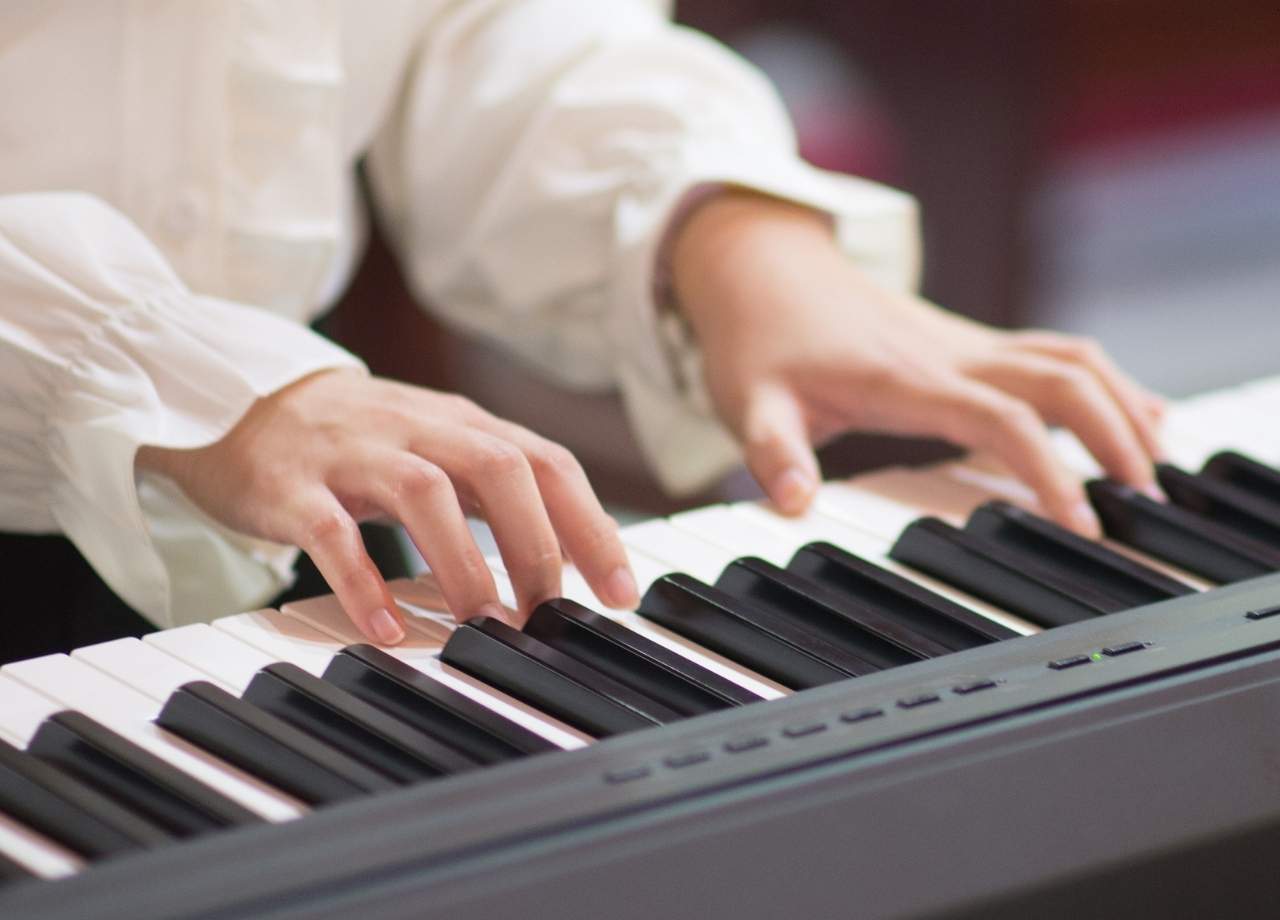
The first thing any student feels when they sit at a piano is the weight of the keys. It’s not just about effort. The way a key responds teaches the hands how to move, how to listen, how to control volume and expression. An acoustic piano offers a physical response to each finger movement. The resistance builds strength. It also helps students learn how to play softly or powerfully-not by turning a dial, but by adjusting their own touch.
Keyboards vary in this regard. Many beginner models have light, plastic keys with no resistance. That makes it easier to press but doesn’t train the fingers in the same way. A child who starts here might find it difficult to switch to a piano later. They often need to relearn their hand position, fix finger pressure, and develop control from scratch. Teachers at Ballet Centre Dubai often see this in their music classes, students with great enthusiasm but poor habits developed from light-touch instruments.
The Sound Tells a Story
Pianos speak differently. The vibration of strings, the depth of resonance, and the way a note fades naturally give the music life. It’s not just louder or clearer; it’s more responsive. A well-played note on an acoustic piano feels alive. Students quickly learn that the same key can sound different depending on how it’s touched. That kind of feedback is a huge part of musical growth.
On a keyboard, the sound is often sampled. That means it’s a recording of a real piano, played back electronically. Some models do this well. Others fall short, offering tones that feel flat or artificial. And if every note sounds the same regardless of how it’s played, students lose the chance to shape the music themselves.
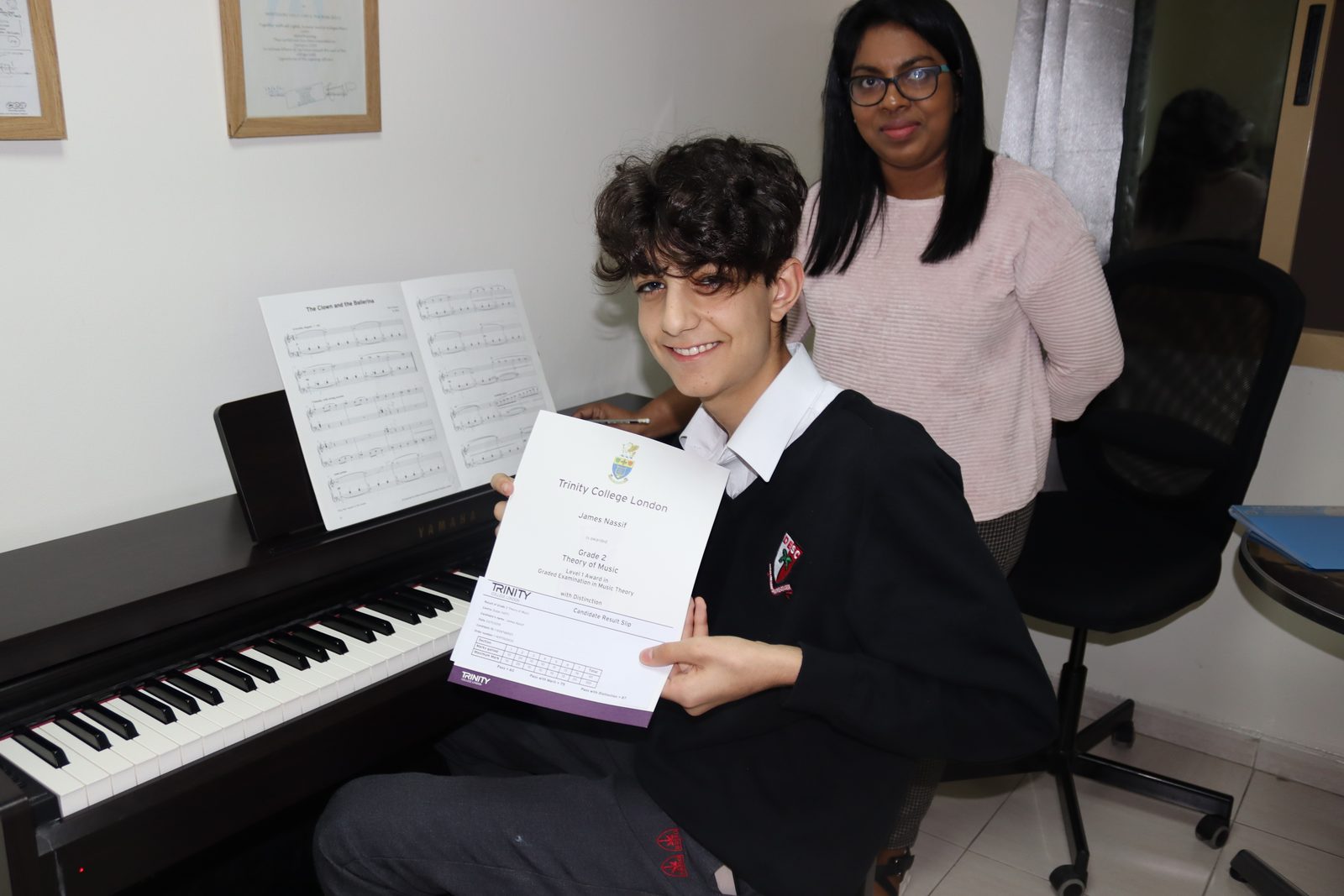
At Ballet Centre Dubai, where Trinity and ABRSM exam preparation is part of the music program, expression matters. Young pianists are encouraged not just to play the right notes, but to interpret them. That process starts with an instrument that lets them explore sound, not just copy it.
Space, Budget, and Practicality
This is where keyboards often win. They’re affordable, lightweight, and don’t need tuning. For parents who want to see whether their child will stay committed to music, a keyboard makes sense. It fits in a bedroom, plugs into headphones, and allows quiet practice, ideal for apartment living or busy households.
But it’s also worth thinking ahead. If a child shows steady interest, an upgrade is usually necessary. Many students who start with a keyboard eventually find that it limits their progress. Their technique reaches a ceiling. Their sound plateaus. That’s often when parents look into lessons at Ballet Centre Dubai, where students get access to quality instruments and structured learning environments. The difference in motivation is often immediate. Playing a real piano can feel like unlocking a new level of expression.
Digital Pianos: The Middle Ground
There’s also a category that sits between keyboard and acoustic piano, digital pianos with weighted keys and realistic sound modeling. These offer a better feel and tone, without the size and maintenance needs of a traditional upright. They’re ideal for families who want to invest in a quality experience but still need flexibility.
Many of our students at the Centre practice on digital pianos at home and then transition smoothly to acoustic pianos in their lessons and exams. The consistency in touch and tone makes a big difference in how confident they feel during performances or assessments.
How Age and Level Play a Part
For very young children, a lightweight keyboard might be an appropriate starting point. It allows them to explore music, get used to the layout of keys, and start simple rhythms without too much physical demand. But as they grow, their instrument should grow with them. Older students, especially those preparing for graded exams or considering music more seriously, need an instrument that can meet them where they are.
That’s why the teaching approach at Ballet Centre Dubai is tailored by age and level. Our youngest learners begin with playful, creative exploration of music. As they advance, they’re encouraged to work on technique, performance, and theory, supported by instruments that help-not hold them back.
The Emotional Connection
One of the most underrated differences between piano and keyboard is how the student connects emotionally with the instrument. A piano invites storytelling. It rewards subtlety and feeling. It draws the player into the music in a way that’s hard to describe but easy to sense. Many students who switch from keyboard to piano describe it as a turning point. Suddenly, practice becomes more meaningful. They don’t just want to get through the notes-they want to make the music beautiful.
That emotional shift often changes everything. Practice isn’t a chore anymore. It becomes something they look forward to. It’s why the teaching rooms at Ballet Centre Dubai are equipped with acoustic pianos. We want students to feel that connection from the start.
When to Make the Switch
There’s no set age or grade when a student has to move from keyboard to piano. But there are signs. If your child is playing regularly, showing interest in technique or expressive playing, or preparing for music exams, it’s probably time. Many families make the shift after Grade 1 or Grade 2, once the basics are in place and the student is ready for more.
Some choose to invest in a digital piano with fully weighted keys. Others look for second-hand acoustic models. Either way, the step forward often sparks renewed energy in practice.
At Ballet Centre Dubai, we guide families through this process. Whether it’s helping parents understand the difference between graded instruments, or offering practice recommendations for home, our goal is to make the musical journey smoother.
Free Trials and Ongoing Support
For parents unsure of where to start, our free trial music classes offer a low-pressure way to see what works for your child. Whether they’re beginners with no prior experience or have been tinkering on a keyboard for years, our teachers adapt the lesson to match their pace. We also provide flexible payment plans and regular performance opportunities, helping young musicians stay motivated throughout the year.
And since we’re KHDA-approved, students can be assured that their learning follows international standards, something that becomes particularly valuable if they’re pursuing formal exams.
So, Is There a Difference?
Yes, and it matters, especially to the child who’s learning. A keyboard can be a good start, but it doesn’t fully prepare a student for what’s ahead if music becomes more than a passing hobby. The feel, sound, and emotional response of a real piano can shape a student’s growth in subtle but meaningful ways.
If you’re wondering what would suit your child best, we’re always here to talk it through. And more often than not, seeing your child sit at a real piano-eyes lit up, hands curious, heart open-is what makes the decision easier than expected.