

Music lessons offer more than just an artistic outlet for children; they are a gateway to enhanced neurological development. Engaging in music education from a young age can sharpen a child’s cognitive abilities, emotional skills, and social interactions. This exploration reveals why hitting those notes can be as beneficial for the brain as it is for the soul.
Cognitive Enhancements
Music lessons serve as a mental gym where children can flex and grow their cognitive muscles. Memory improvement is one of the most significant benefits. Learning to play pieces from memory or remembering complex rhythms can enhance a child’s ability to store and retrieve information. This is crucial during school years when memory plays a central role in learning and academic performance.
Attention and concentration are also honed through music education. Playing an instrument requires a child to focus on a range of elements simultaneously-from reading music and keeping tempo to the physical act of playing the notes correctly. This intense focus can spill over into other academic subjects, aiding concentration and the ability to multitask.
Moreover, engaging with music sharpens executive functions, which include higher-level thinking skills like planning, organizing, and strategizing. These are developed through activities such as interpreting a composer’s intentions and expressing them through performance, or by adapting to the immediate feedback received during music lessons.
Emotional and Behavioral Benefits
Music not only develops the mind but also nurtures the heart. The emotional benefits of music education can be profound. It allows children to express themselves in ways that words cannot, providing an outlet for complex emotions. This expression can lead to greater emotional regulation and reduced anxiety, as children use music as a form of emotional release and personal reflection.
The discipline of regular practice and the patience required to learn an instrument are invaluable life skills. Children learn that progress in music, as in life, comes from persistence and hard work. These lessons in discipline and delayed gratification are critical as they grow into young adults.
Language Skills and Communication
Music education influences language development too. Numerous studies suggest that musical training can improve verbal skills, enhance reading abilities, and even make learning new languages easier. Music involves a lot of decoding, which is similar to reading text. Children who can read music are often proficient in quickly recognizing patterns in written language as well.
Additionally, music can enhance listening skills, vital for language comprehension and effective communication. Musicians learn to distinguish subtle differences in sounds, a skill that translates into better auditory processing in day-to-day conversations and in academic settings.
Social Advantages
Learning music doesn’t only happen in isolation. When children participate in band rehearsals, orchestras, or choirs, they learn how to harmonize not just musically but socially as well. Teamwork is inherent in these group activities, requiring each member to listen attentively to others and adjust their own playing to support the collective sound. This ability to collaborate effectively is crucial in any group setting, whether in school projects or later in professional environments.
Moreover, music can serve as a bridge to cultural heritage and community values. Participating in local music groups or performing at community events helps children feel connected to their community. It fosters a sense of belonging and can be especially powerful in diverse societies, where music acts as a universal language that brings people together.
Building confidence through music is another significant social advantage. Performing in front of an audience teaches children to overcome anxiety and to present themselves confidently. These experiences help them develop public speaking skills and self-assurance in their abilities. Music encourages children to express their ideas and emotions openly, which is vital for personal development and effective interpersonal communication.
Long-Term Neurological Impacts
The benefits of musical training extend far into the future. Engaging with music from a young age can influence brain plasticity, the brain’s ability to change and adapt as a result of experience. Research indicates that those who play music regularly have more robust brain structures and connections. These changes can enhance cognitive functions across the lifespan, aiding in everything from problem-solving to emotional regulation.
Moreover, the discipline of learning music can also lead to improved neurological resilience. Early musical training can delay cognitive decline and enhance the brain’s ability to adapt to aging and environmental demands. This suggests that the skills learned from music lessons can provide a buffer against typical age-related challenges.
Music education not only supports academic achievement during school years but also contributes to lifelong learning capabilities. Adults who had music lessons as children often find it easier to learn new skills and adapt to changes. This continuous capacity for learning is crucial in the rapidly evolving world, where adaptability is key to personal and professional success.
Enhancing Everyday Life Through Music
Beyond the structured environments of school and music lessons, the skills gained through musical training permeate all aspects of life. Music helps develop a disciplined approach to tasks and a creative problem-solving mindset, which are valuable in any career. Moreover, the social connections made through music can lead to lasting relationships and networks, enriching a person’s social and professional life.
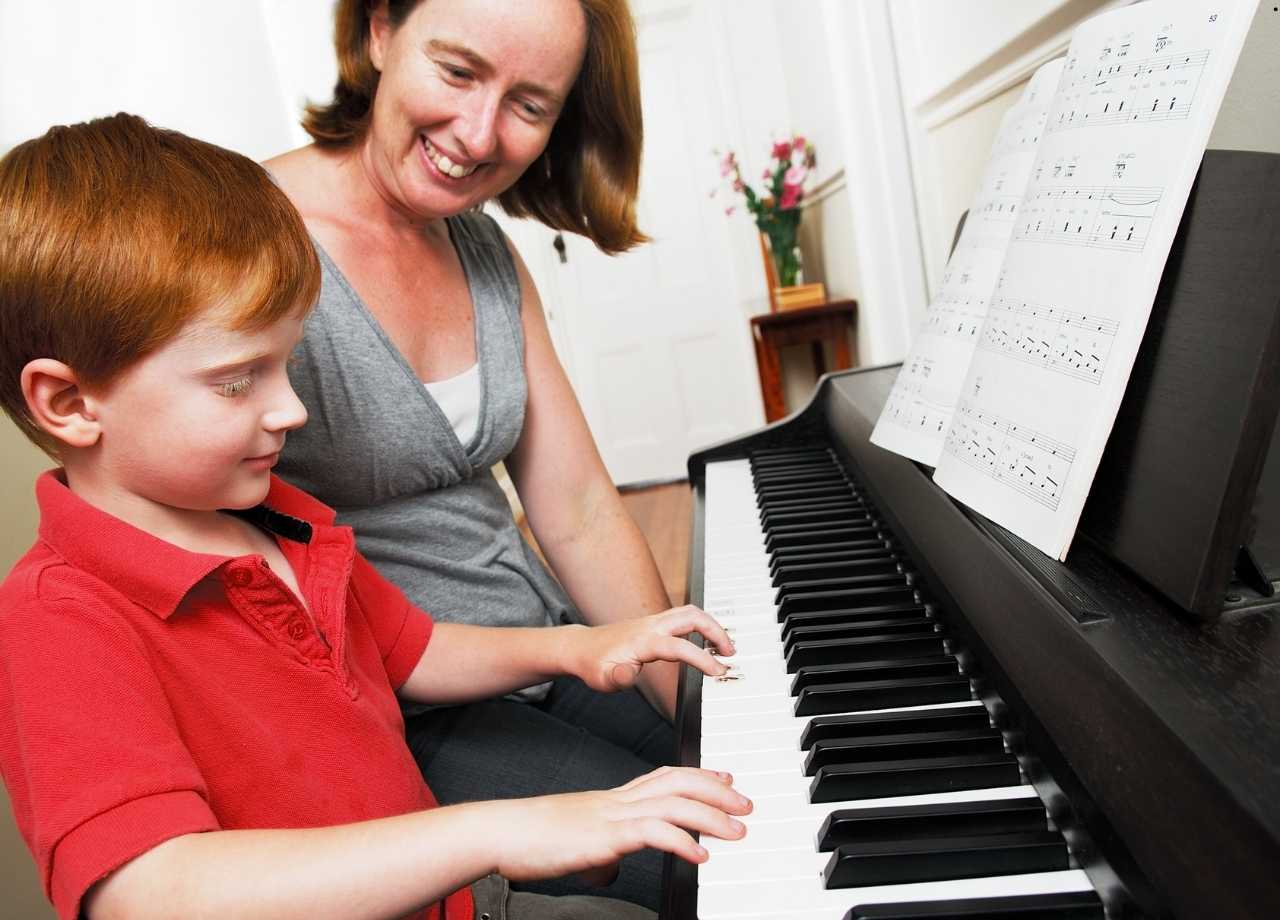
The relaxation and joy that music can bring into everyday life also contribute to overall well-being. Whether playing an instrument at home, sharing a musical experience with friends, or enjoying live performances, the personal satisfaction and happiness derived from music are immeasurable.
Brain Plasticity and Lifelong Benefits
The ongoing engagement with music has profound effects on brain structure and functionality. Known as brain plasticity, this aspect refers to the brain’s ability to form and reorganize synaptic connections, especially in response to learning or experience. Music, with its complex cognitive and sensory demands, enhances this plasticity, leading to improved brain function throughout a person’s life. Regular musical practice strengthens these connections, which supports other cognitive abilities such as learning, memory, and problem-solving.
Children who study music often develop a higher resilience to cognitive decline as they age. This is because music training can bolster the brain’s ability to counteract the effects of aging and maintain cognitive functioning longer. The discipline and patience learned through music not only build a strong work ethic but also an adaptable and resilient brain.
Cultural and Creative Impact
Engagement in music also exposes children to different cultures and historical periods, enhancing their cultural appreciation and empathy. Learning about the origins of different music styles and instruments can broaden a child’s understanding of the world, promoting inclusiveness and diversity awareness. Additionally, music stirs creativity. By encouraging interpretation and improvisation, music lessons make children better problem solvers and innovators, skills highly valued in any professional field.
Conclusion
The benefits of music lessons extend far beyond the basic skills of playing an instrument. They encompass significant cognitive, emotional, and social growth, not to mention the lifelong joy and satisfaction music brings. If you’re considering enrolling your child in music lessons, think of it not just as an investment in their musical skills but in their overall development and future potential. Why not explore local music programs today and see how they can enrich your child’s life? Let’s make music a key part of growing up!