Creativity isn’t just a desirable skill; it’s essential for helping children navigate the complexities of today’s world with flexibility and confidence. Singing, an art form as ancient as any, has proven to be a remarkable tool for opening up the floodgates of imaginative and critical thinking in young minds. Exploring how melodies and rhythms can impact cognitive development reveals that these activities are more than just fun-they are crucial for growth.
The Connection Between Singing and Creativity
Music and singing uniquely stimulate the brain, lighting up various areas involved in emotional and intellectual processing. Studies have shown that when kids engage in singing, they activate parts of their brain associated with language and reasoning. The act of learning to sing and perform songs can catalyze their ability to think creatively. This is not just about hitting the right notes; it’s about weaving those notes into the larger tapestry of their cognitive skills, enhancing their ability to imagine, innovate, and solve problems in everyday life.
Benefits of Singing Lessons for Children
Participating in singing lessons offers a wide range of benefits that extend well beyond the basic enjoyment of music.
Emotional expression
Emotionally, it allows children to express themselves in ways that words alone may not permit. The emotional release and satisfaction gained from singing can alleviate stress and promote happiness, providing a healthy outlet for expression.
Confidence building
From a social perspective, singing can significantly bolster a child’s confidence. The act of standing up and performing in front of an audience teaches them to manage anxiety and build their presence, which are valuable skills in any public speaking or performance situation. Moreover, the feedback they receive, both positive and constructive, helps them learn to accept criticism gracefully and use it to their advantage.
Cognitive benefits
On the cognitive front, memorizing lyrics and melodies plays a critical role in enhancing memory and concentration. It requires a level of focus that can translate well into academic performance, particularly in areas requiring strong memory skills. Furthermore, singing improves language skills by introducing new vocabulary and phrasing, making it a fun and effective way for children to learn new words and concepts.
Language skills
The connection between singing and improved language skills is particularly notable. As children learn and memorize songs, they also gain insights into different structures and uses of language, which can enhance both their spoken and written abilities. This exposure to various linguistic elements is crucial in developing strong communication skills, which are invaluable throughout life.
Age-Appropriate Singing Lessons
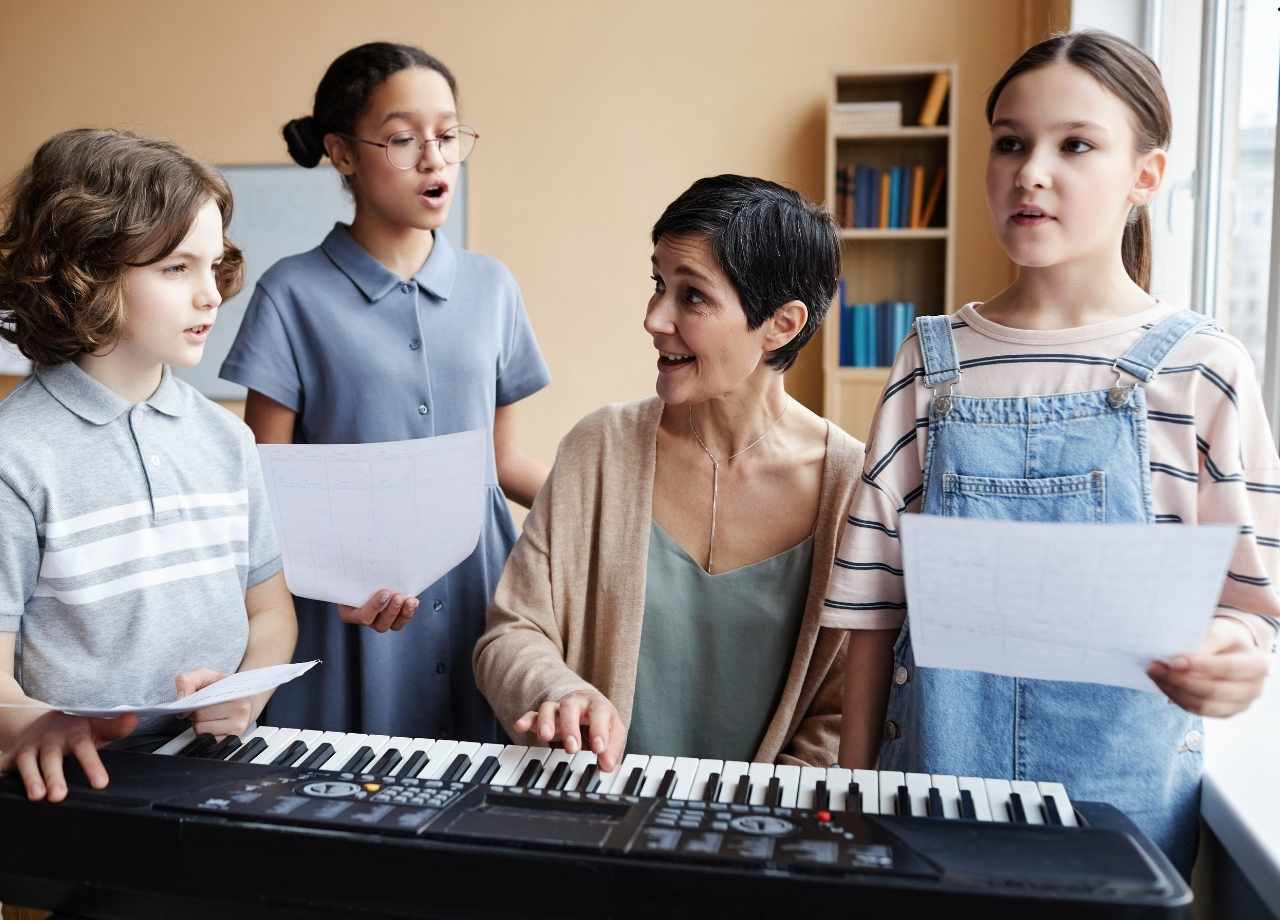
Introducing children to singing should align with their developmental stages to capture their interest and maximize benefits. For toddlers and preschoolers, singing lessons are less about formal training and more about exposure to music and rhythm. Simple songs with repetitive phrases and actions, like clapping or dancing, make the experience both educational and enjoyable. As children grow older, the complexity of the songs and the structure of the lessons can evolve. School-aged children can handle more structured sessions that include vocal exercises, pitch training, and even part singing, which challenges them and helps hone their musical skills.
Keeping young learners engaged involves more than just choosing the right songs. It’s about creating a playful and supportive environment where they feel safe to explore their voices. Incorporating games, storytelling through song, and group activities can make singing lessons an exciting and highly anticipated part of their weekly routine. It’s also important to allow children some control over their learning experience, such as choosing songs they enjoy or expressing what part of the lesson they liked best.
Structuring Singing Lessons for Maximum Creativity
To truly enhance creativity through singing, lessons should encourage exploration and self-expression. One effective method is through improvisation, where children are given a theme and asked to make up their own melodies. This exercise not only boosts their creative thinking but also improves their ability to think on their feet and adapt to new challenges. Songwriting is another excellent tool, as it empowers children to tell their stories, express their thoughts, and delve into the creative process of music composition.
Technology can also play a significant role in modern singing lessons. Using apps that provide visual feedback on pitch, rhythm, and tone helps children understand the technical aspects of singing more clearly. Recording equipment can be used not only for practice but also for children to listen to and critique their performances, fostering a habit of self-reflection and continuous improvement.
Furthermore, teachers can introduce elements of music theory through interactive games or software that makes learning the technical side of music more engaging. This foundation not only improves their singing but also gives them tools to appreciate and understand music more deeply, encouraging a lifelong connection to the arts.
Challenges and Solutions in Singing Lessons
Despite the many benefits, teaching singing to children comes with its set of challenges. One common issue is a lack of interest or a decline in engagement as the novelty wears off. To combat this, teachers can vary the activities in each lesson, alternate between solo and group singing, and include performances that allow children to showcase their progress to friends and family, which can renew their enthusiasm.
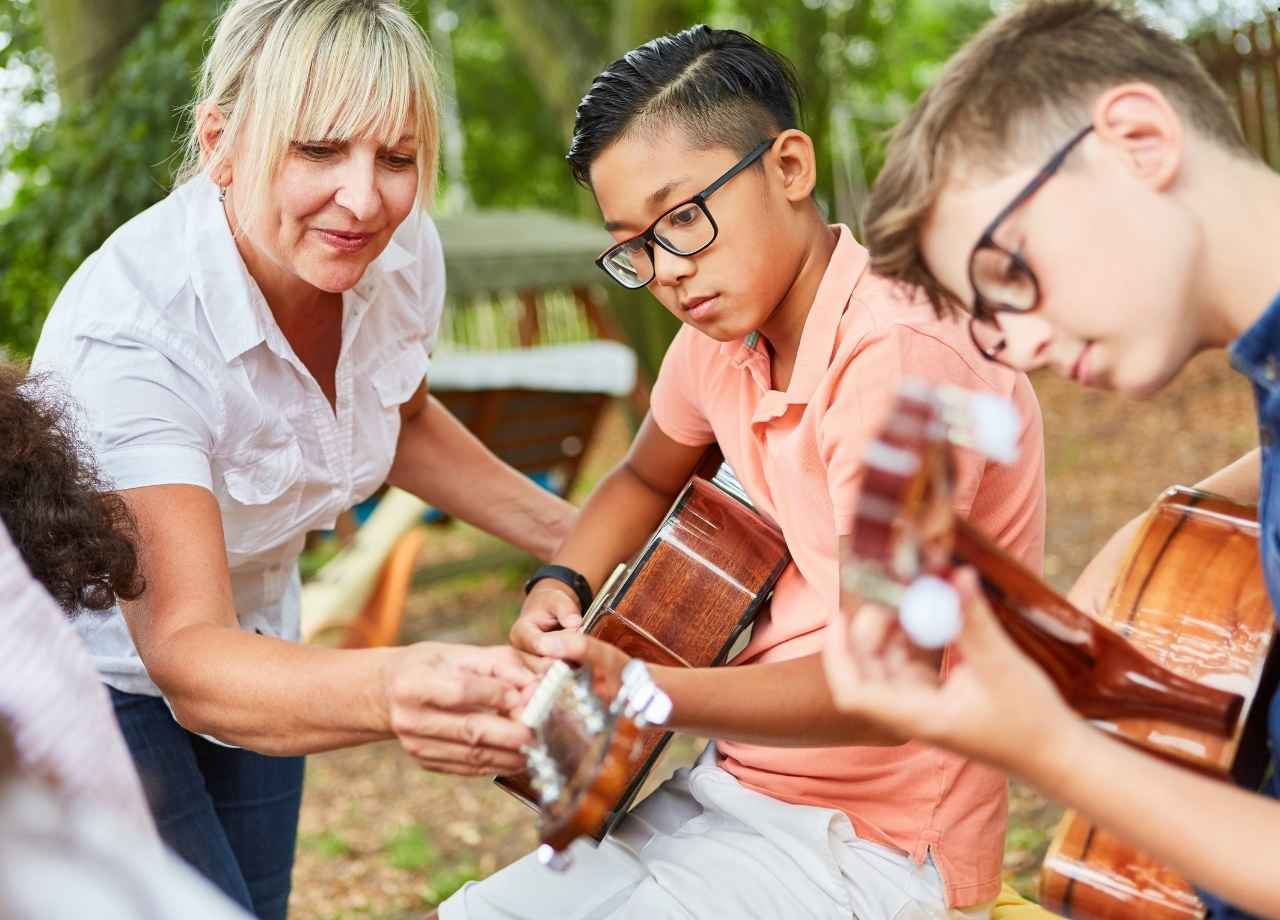
Another challenge is dealing with shyness or stage fright. For many children, singing in front of others can be daunting. Creating a nurturing environment where mistakes are seen as part of learning can help alleviate some of this anxiety. Regular, low-pressure performances can also help desensitize children to the presence of an audience, gradually building their confidence.
Each singing lesson offers a chance to navigate these challenges, and with each hurdle overcome, children not only become better singers but also more creative, confident, and resilient individuals.
Encouraging Ongoing Engagement in Singing Lessons
Keeping children consistently engaged in singing lessons often hinges on how they perceive their progress and the variety of activities offered. Celebrating small milestones and improvements can significantly boost their morale and commitment to singing. Incorporating elements such as themed singing days, collaborative projects with peers, or even integrating other forms of art, such as dance or painting, can help maintain a vibrant and stimulating learning environment.
Feedback and Adaptation in Teaching
Effective singing instruction also requires adaptability in teaching methods. Each child is unique, and what works for one may not work for another, vocal coaching may help accelerate the learning. Continuous feedback, both from the children and their parents, is crucial. This helps tailor the lessons more closely to the children’s interests and learning styles, which can improve outcomes and satisfaction. Regular assessments and adjustments ensure that the lessons not only remain fun but also effective in developing skills and creativity.
Conclusion
Singing lessons are more than just teaching a child how to sing. They’re about fostering an environment where creativity through music can flourish. By incorporating singing into children’s lives, we open a world of emotional, cognitive, and social development that can enrich their lives profoundly. If you’re considering new activities for your child, think about the lifelong benefits that could come from stepping into the world of music and singing. It’s not just an investment in their musical abilities but in their overall creative and personal growth. Why not give it a try and see where their voice can take them?