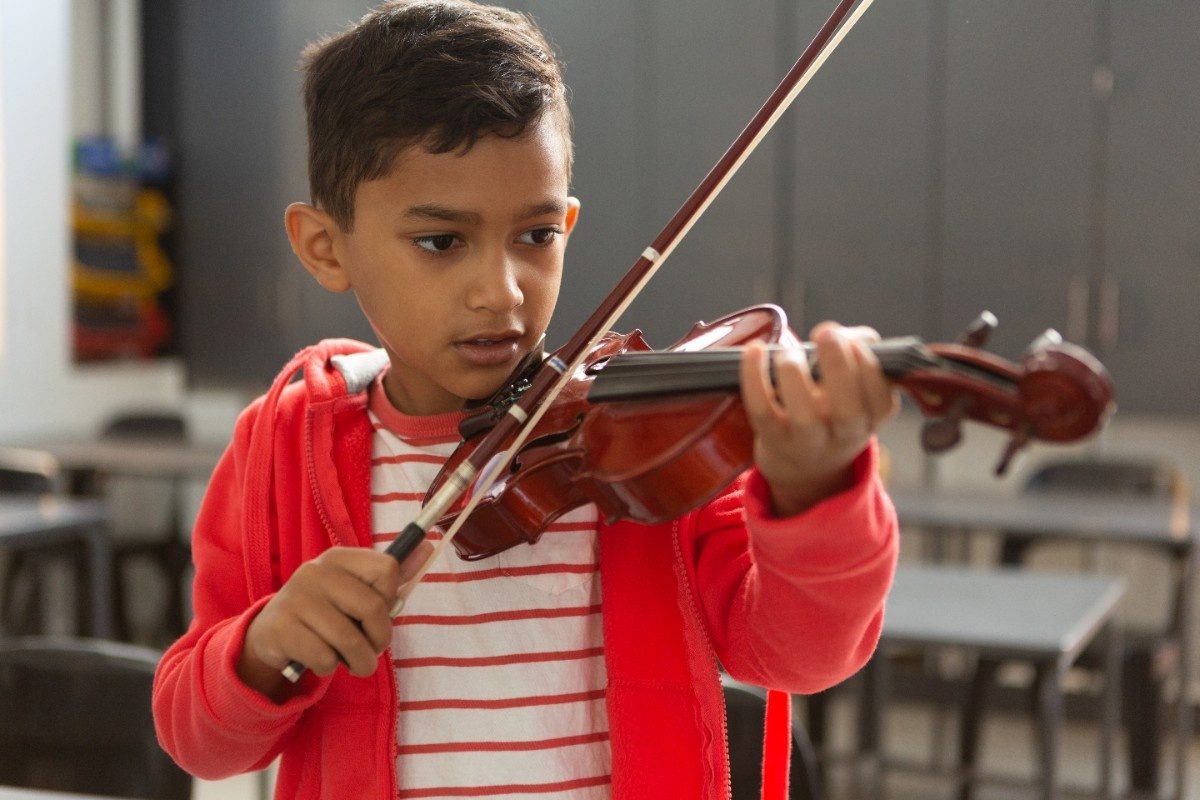
When we think about the violin, images of orchestras and elegant solo performances often come to mind. This stringed instrument, known for its beautiful and complex sound, has been a cornerstone of classical music for centuries. However, beyond its artistic value, the violin offers significant benefits to children who undertake its study. Engaging with this instrument from a young age can lead to profound cognitive, physical, and emotional development.
Historical Context of the Violin
The violin first appeared in its earliest form in the 16th century in Italy, quickly becoming central to Western music traditions. Its design and playability have seen refinements over the centuries, allowing for a range of expressions from the dramatic to the subtle. Young virtuosos like Mozart and Mendelssohn, who played and composed from tender ages, are testaments to the early and intimate relationship between children and the violin. Their legacies continue to inspire a new generation of young violinists, proving that starting young can lead to exceptional mastery and a deep love for music.
Cognitive Benefits
Perhaps the most significant impact of violin playing on young learners is cognitive development. Engaging with music, especially complex forms like that produced by the violin, stimulates the brain in unique ways. For one, it requires the musician to memorize patterns and structures, boosting memory power. Children learning the violin must also translate written notes into hand movements, enhancing their ability to interpret abstract symbols-a skill closely linked to mathematics and language learning.
Moreover, playing the violin demands a high level of problem-solving skills. Each piece of music presents a new set of challenges that players must navigate, from interpreting the emotions conveyed in the score to adjusting their technique to achieve the perfect sound. This constant analytical activity sharpens critical thinking skills, which are applicable in many other areas of study and daily life.
Lastly, the violin can significantly enhance a child’s focus and attention to detail. Learning to play requires concentration, as even slight variations in finger position or bowing can change the music’s quality. This intense focus can carry over to academic settings, helping young learners excel in their studies and maintain better overall concentration during tasks.
Physical Benefits
When it comes to physical development, the violin proves to be much more than just an instrument. It is a tool for enhancing fine motor skills and physical coordination. Each time a child picks up the violin, they engage in a delicate dance of fingers, hands, and arms. Managing the bow requires precise arm movements and control, while fingering the strings demands agility and fines. This intricate balance of motions helps to sharpen fine motor skills which are crucial not just for musical performance but for everyday tasks such as writing and using small objects.
Moreover, playing the violin is a subtle yet effective way to improve posture. Children must maintain a specific stance to hold and play the violin correctly, standing straight, holding the violin with the left shoulder, and balancing it with the chin. This encourages good posture, which over time can become a habit extending beyond music lessons. The strength and stamina needed for holding the violin also promote muscular development in the upper body, contributing to overall physical health.
Emotional and Social Benefits
The emotional benefits of violin playing are profound. Music, by its very nature, is an emotional art form, and learning to express oneself through the violin can help young learners connect with their inner feelings. Playing the violin allows children to express joy, sadness, and a myriad of emotions in between, providing a constructive outlet for their feelings. This emotional expression is a healthy way for children to explore and deal with complex emotions, contributing to emotional maturity.
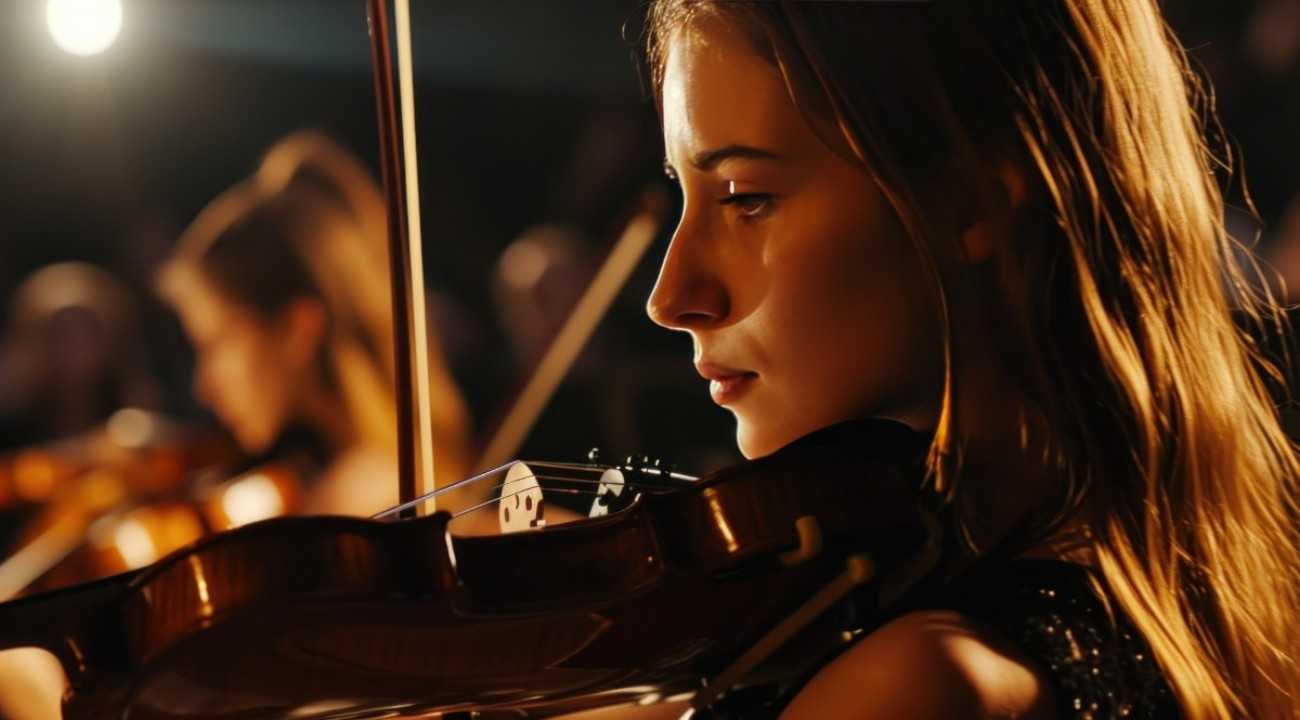
Furthermore, learning the violin opens up numerous social opportunities. Joining an orchestra or ensemble is not just about making music together; it’s about being part of a community. For young violinists, this community can be a place of belonging and a source of support. Collaborating with others in a group teaches children valuable social skills such as teamwork, communication, and mutual respect. These experiences are instrumental in building confidence and self-esteem, as children see the results of their contributions to group efforts.
Academic Advantages
The influence of violin playing on academic success is well-documented. Numerous studies have shown that children who engage in musical training perform better in a range of academic subjects, particularly in languages and mathematics. The process of learning to read music involves recognizing patterns and structures, skills that are directly applicable to the mathematical concepts of sequencing and proportion.
Additionally, music education has been linked to better reading abilities in young learners. The skills developed through music reading, such as phonological awareness and auditory discrimination, are fundamental to reading spoken language. Children who practice the violin regularly often show an enhanced ability to concentrate and pay attention in class. The discipline and focus required to master a musical instrument translate into improved academic performance across the board.
Long-Term Benefits
The advantages of learning the violin extend far beyond childhood and adolescence. For many, this early musical training paves the way for lifelong engagement with music, whether as a hobby or a professional pursuit. Regular practice and performance develop a discipline and resilience that can serve students well throughout their lives, encouraging a persistent work ethic and an ability to face challenges head-on.
Additionally, the violin can foster a profound appreciation for culture and the arts. As young musicians explore different composers and musical styles, they gain insights into various cultural and historical contexts, enhancing their cultural literacy and broadening their worldview. This aesthetic awareness can enrich personal experiences and social interactions, promoting a more nuanced understanding of the world.
Conclusion
From boosting cognitive abilities and physical coordination to enhancing emotional expression and social skills, the benefits of learning the violin are comprehensive and impact every facet of a young learner’s life. The skills and disciplines they acquire go on to support academic excellence and personal growth long into adulthood.
So, if you’re considering a new activity for your child or looking for a way to enrich their education and personal development, why not explore violin lessons? It’s more than just music; it’s a foundation for a lifetime of learning and enjoyment. Let’s help them start this journey and see where it takes them!