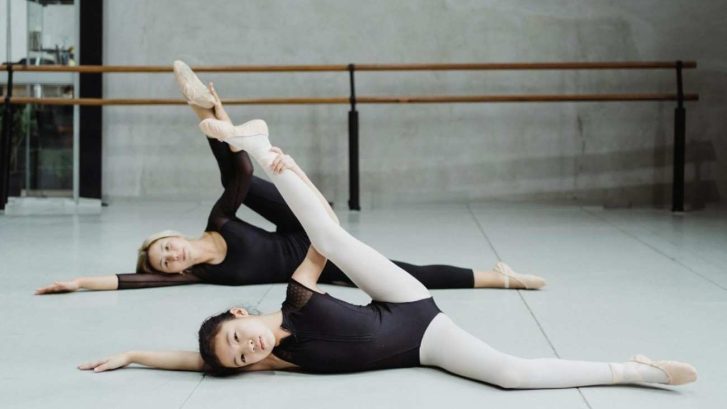
Flexibility isn’t just an advantage in ballet; it’s a fundamental necessity. Dancers with a higher degree of flexibility often find it easier to achieve the demanding postures and movements required in ballet, from basic pliés to complex leaps and turns. Additionally, being flexible significantly reduces the risk of injuries, which can be career-limiting or even ending. Maintaining and enhancing flexibility is therefore a cornerstone of a dancer’s daily routine.
Warm-up Essentials Before Stretching
Before diving into any stretching routine, it’s vital to warm up the muscles to prevent strains and injuries. A proper warm-up increases blood flow, which prepares the body for the intense stretching that follows. It can be as simple as a five-minute jog or some light aerobic exercises. The goal is to get the heart rate up and the muscles warm. Skipping this step can lead to less effective stretches and an increased risk of pulling a muscle.
Static vs. Dynamic Stretches
Once the body is warmed up, it’s time to move into actual stretching. There are two primary types of stretches relevant to ballet dancers: static and dynamic. Static stretches involve holding a position for a period, usually around 15-30 seconds. These are great for increasing flexibility over time and are typically done at the end of a workout when the muscles are most pliable.
Dynamic stretches, on the other hand, involve moving parts of the body slowly and controlled through a full range of motion. These are particularly useful at the start of a workout after a warm-up as they help prepare the body for the range of motions required in dance. Examples include leg swings, which ready the hip joints, and arm sweeps, which loosen the shoulders. For dancers, dynamic stretches not only increase muscle temperature and flexibility but also enhance muscular performance and coordination.
Importance of Consistency and Routine
For ballet dancers, incorporating a regular stretching routine is as essential as the dance practice itself. Flexibility gains are only maintained through consistency; sporadic stretching will yield minimal and short-lived results. Dancers should aim to stretch daily, integrating it as a non-negotiable part of their training regimen. The routine doesn’t need to be lengthy—a focused 20-minute session can suffice, but it should cover all major muscle groups with particular attention to those most engaged in ballet movements.
By building a habit of consistent stretching, dancers not only improve their flexibility but also their posture, balance, and overall dance technique. This disciplined approach contributes significantly to a dancer’s ability to perform complex ballet routines and maintain peak physical form. Regular stretching also helps in quick recovery from the daily stress that a dancer’s body undergoes, keeping them agile and less prone to injuries.
Upper Body Stretches
Starting with the neck and shoulders, gentle rolls can relieve the tension that builds up from maintaining a poised posture. Roll your shoulders slowly backwards five times, then forward. Extend this motion to the neck by letting the head drop forward gently and roll from one shoulder to the other in a semi-circle movement, avoiding dropping the head backward which can strain the neck.
Next, focus on the arms and wrists, which are integral for expressions and maintaining balance. A simple stretch involves extending one arm across the body at shoulder height and using the other arm to pull it gently towards the chest, stretching the shoulder muscles. For the wrists, extend your arm in front of you with the palm facing outward and gently pull back on your fingers with your opposite hand, then push them downwards. These stretches keep the joints supple and muscles engaged for those delicate positions and movements.
Upper back stretches are also vital as they support the spine and prevent the rounding of shoulders that can occur from frequent forward poses. A beneficial stretch here involves interlacing your fingers and extending your arms forward, palms facing outward, and rounding your upper back. You’ll feel a nice stretch across the shoulder blades, which counters the tightness from daily training.
Core and Back Stretches
Moving down to the core, which acts as the center of all movements in ballet, engaging and stretching the abdominal muscles is essential. Lying on your back and performing a series of pelvic tilts not only warms up the lower spine but also engages the core muscles. Following up with a “cat-cow” stretch, where you arch your back towards the ceiling then dip it towards the floor while on all fours, enhances spinal flexibility and strengthens the abdominal muscles.
For the lower back, a simple yet effective stretch is the “child’s pose” from yoga. Sitting back on your heels with your knees wide apart, stretch your arms forward on the floor and press your chest towards the ground. This stretch relieves tension in the lower back and extends through the spine up to the shoulders, relaxing areas that are crucial for backbends and lifts in ballet.
Lower Body Stretches
The importance of lower body flexibility in ballet cannot be overstated—this is where the real magic happens for dancers. Starting with the hips, exercises like the butterfly stretch, where you sit with the soles of your feet together and gently press down on your knees with your elbows, open up the hip joints and prepare them for rotations and splits.
Stretching the hamstrings is next, crucial for leaps and high kicks. A simple forward bend with legs straight and reaching for your toes does wonders. If flexibility allows, deepening this stretch by lying on your back and using a towel or strap to pull a straight leg closer to your body can further enhance the stretch.
Quadriceps and hip flexors should also be a focus. A classic stretch is the standing quad stretch—pulling one foot towards the buttocks and holding it there, feeling a stretch down the front of the thigh. For the hip flexors, a lunge position with one knee on the ground and the other foot forward, pushing the hips down towards the floor, opens up the hip area, essential for maintaining those graceful ballet postures.
Pointe Readiness Stretches
Preparing for pointe work demands specific attention to the feet and ankles to ensure they are strong and flexible. Ankle stretches such as pointing and flexing the feet can enhance the range of motion and prevent injuries. Sitting with legs extended, alternately point and flex your feet vigorously; this not only stretches the ankles but also activates the lower leg muscles crucial for pointe work.
Toe exercises are equally important. Try spreading your toes wide, then squeezing them together; this increases toe control, which is essential for balance on pointe. Additionally, using a resistance band around the toes for pointe and flex movements helps strengthen the tiny muscles in the feet.
Advanced Flexibility Techniques
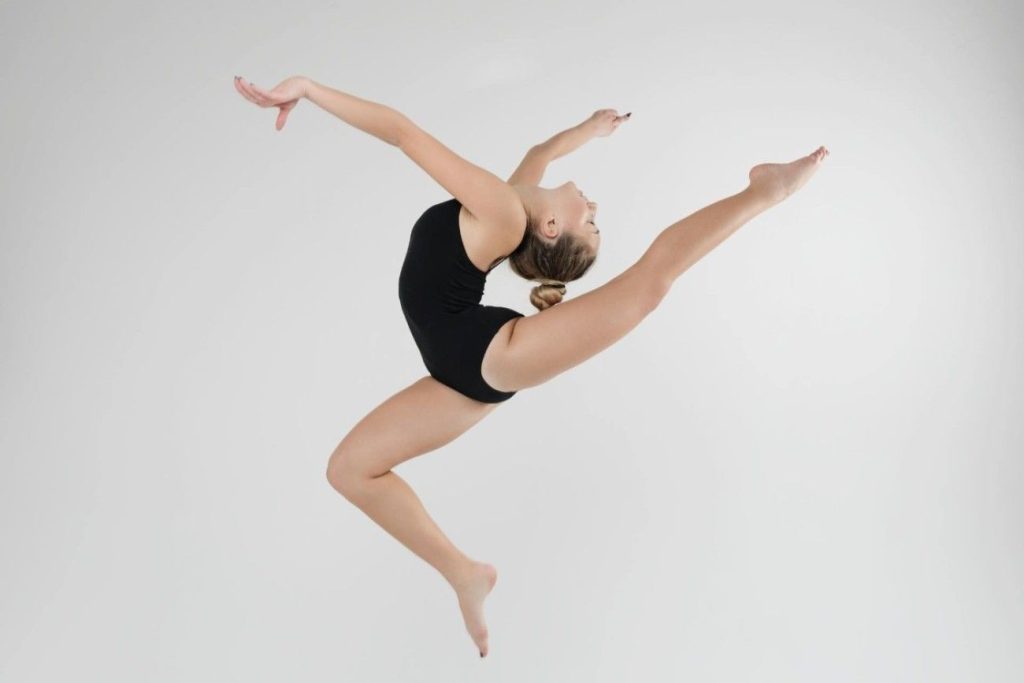
For those aiming to achieve greater flexibility, incorporating advanced stretches such as splits and backbends into the routine is vital. Start with a thorough warm-up, then gradually work into a split by sliding down into the position as far as your flexibility allows, using support if needed. For backbends, begin by lying on your back and pushing up into a bridge, gradually walking your hands closer to your feet as your spine becomes more supple.
It’s crucial to approach these advanced techniques with caution and to listen to your body to avoid overstretching or injury. Progress might be slow, but consistency will yield improvements.
Cool Down and Recovery
After a rigorous stretching session, cooling down is essential. Simple, gentle stretches, similar to those used in the warm-up but slower and more deliberate, help the muscles relax and begin the recovery process. This might include a gentle walk around the studio or some light static stretches that allow the body to cool down gradually.
Rehydrating and perhaps using foam rollers can further aid in muscle recovery, ensuring that the body is ready for the next day’s training. Regularly incorporating these recovery practices helps maintain long-term flexibility and health.
Personal Stretching Experiences and Adjustments
Many experienced dancers attribute their success and longevity in ballet to their dedication to a personalized stretching routine. They often share stories of how tweaking their routine helped overcome plateaus or recover from injuries. It’s a reminder that while general advice is beneficial, personal adjustments make all the difference.
Adjusting stretches to cater to personal needs or current flexibility levels is crucial. Not everyone can perform every stretch immediately, and recognizing personal limits is key to effective stretching without injury.
In Conclusion
Remember, the goal of stretching isn’t just to achieve those impressive positions but to maintain your body’s health, ensure longevity in ballet, and enhance performance through improved flexibility and strength. Make stretching a consistent part of your routine, and you’ll see the benefits in every aspect of your dance.
Ready to take your flexibility to the next level? Start integrating these stretches into your daily practice, and watch as your performance transforms. Let’s keep moving and improving, one stretch at a time!