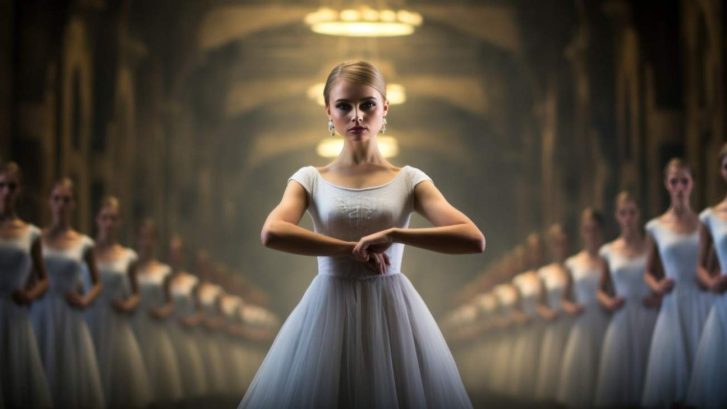
The outfit you choose plays a significant role not just in how you perform but also in how you feel while dancing. A well-chosen ensemble supports the dancer’s body, allowing for the precise, graceful movements that ballet is known for. Let’s break down the core components of a ballet dancer’s wardrobe, focusing on why each piece is crucial and what options you have.
Core Elements of a Ballerina Outfit
Starting with the leotard, it’s more than just a tradition in ballet attire. The leotard is the foundation of a dancer’s outfit because of its snug fit that allows instructors and choreographers to observe the dancer’s form closely. There are several styles to consider, each with its own benefits. Tank leotards are popular for their comfort and ease of movement, while camisole leotards offer delicate straps that provide freedom for the upper body, making them ideal for performances where aesthetics might be as crucial as functionality. Long-sleeve leotards offer more coverage and support, which can be beneficial in cooler environments or for dancers who prefer a modest look. Material-wise, most leotards are made from blends of cotton, nylon, or spandex—each fabric offering benefits like breathability, durability, and stretch.
Next are tights, which are more than just a uniform piece—they are essential for muscle warmth and flexibility. Ballet tights come in a variety of styles: footed tights cover the entire foot, offering a clean line and protection; footless tights end at the ankle, which can be practical for contemporary styles or rehearsals where you might switch to bare feet or other footwear. Convertible tights have a small hole under the foot, making it possible to roll them up to cool down or apply foot care between routines without removing the tights. The classic colors are pink, black, and tan, with pink often used to extend the line of the leg in classical ballet performances.
Skirts in ballet, such as the wraparound or the pull-on, add an aesthetic layer to the practical attire beneath. While not always used in class, they are essential for certain types of performances and can be a beautiful part of a dancer’s practice attire as well. Wrap skirts tie at the waist and can be adjusted for fit and comfort, offering a flutter of fabric that enhances movement and grace. Pull-on skirts, made from soft, stretchy materials, are straightforward to wear and offer a sleeker look. For performances, especially in classical ballet, tutus define the silhouette and are often custom-fitted and designed to match the production’s aesthetic theme.
Additional Outfit Essentials
Consider the rehearsal or class environment when choosing warm-up gear. Items like leg warmers, knit shorts, and ballet sweaters are practical; they keep muscles warm and ready to move. Many dancers throw these on during the first part of class or during breaks to maintain body heat, which is crucial for flexibility and injury prevention.
For hair, it’s all about keeping it neat and out of the way. A tidy bun is the most common hairstyle because it ensures that hair doesn’t distract during class or performances. Securing this with hairpins and a net helps keep everything tidy throughout vigorous movements.
Undergarments are another layer of the outfit often overlooked but vital. Specialized dance undergarments are designed to be seamless and supportive without showing under leotards and tights. These pieces provide the necessary coverage and support, allowing dancers to move with confidence and ease.
Choosing the Right Style for Different Ballet Classes and Performances
Your ballet attire should reflect the type of class or performance in which you are participating. In classical ballet classes, traditional colors and styles are often required. A clean, simple leotard and pink tights facilitate a uniform look that allows instructors to easily assess form and technique. For contemporary dance or character classes, you might have more freedom to express yourself with different colors and cuts, depending on the teacher’s preferences.
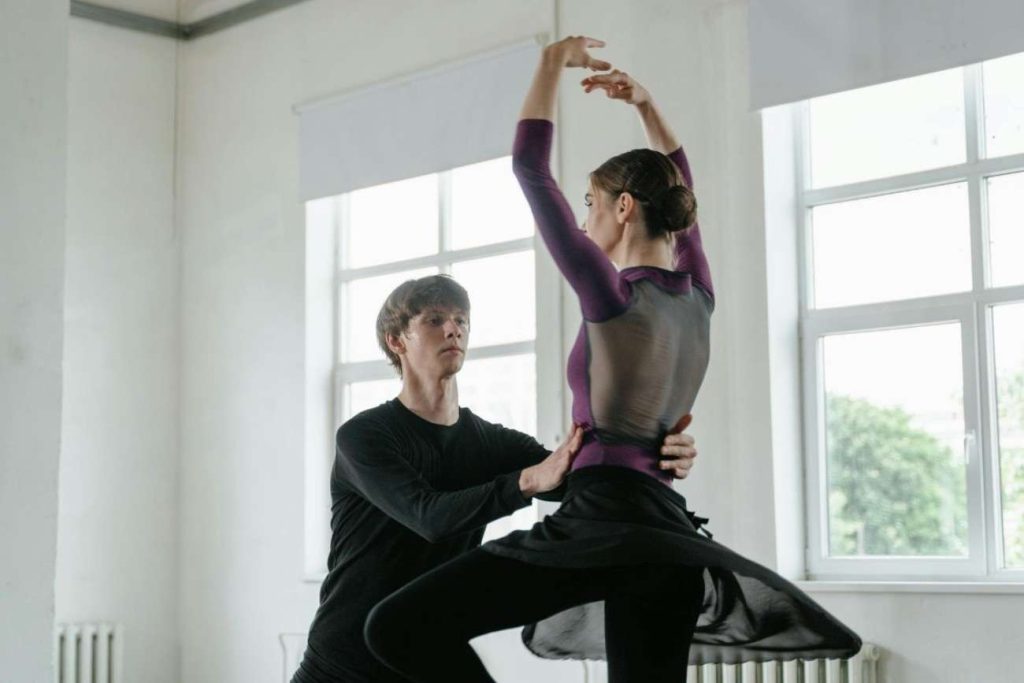
Advanced dancers often need specialized attire for different performances. For example, partnering work might require more supportive leotards and tights that provide extra security. Recitals and auditions call for polished outfits that stand out yet still adhere to the often strict guidelines of ballet dress codes. Knowing the requirements and expectations of your ballet school or company can guide your choices, ensuring you not only look the part but also feel comfortable and supported in your movements.
Fitting Tips and Sizing Advice
Finding the right fit for your ballet attire is crucial. It can make the difference between a distraction-free class and one where you’re constantly adjusting your outfit. When it comes to leotards, the fit should be snug to allow your instructor to see your body alignment and muscles as you move. However, it shouldn’t be so tight that it cuts into your skin or restricts your breathing. If you find the seams are pressing into your skin or you’re leaving class with red marks, it’s a sign your leotard is too tight. On the other hand, excess material or bunching indicates a leotard that’s too loose, which can get caught or shift during movements.
For tights, the key is ensuring they complement the fit of your leotard without causing discomfort. Tights should be smooth against the skin with no wrinkling or sagging. Convertible tights are particularly handy as they allow dancers to switch between covered toes or bare feet during rehearsals or classes without needing to change entire outfits. A good pair of tights acts as a second skin, providing support and enhancing the lines of your legs without restricting circulation.
Ballet shoes are perhaps the most personalized part of a dancer’s wardrobe. They should feel like a part of your foot, offering protection and flexibility. Shoes that are too small can cause long-term damage to toes and nails, while shoes that are too large won’t offer the necessary support, making slips more likely. Leather shoes will stretch and mold to your feet, offering durability and a classic look, whereas canvas shoes are lighter and often preferred in warmer climates or more humid studios. Satin shoes are typically reserved for performances due to their aesthetic appeal but are less durable for daily use.
Care and Maintenance of Ballerina Outfits
Taking care of your ballet outfits not only keeps them looking good but also extends their life, ensuring they continue to perform as needed. Leotards require gentle washing, often by hand, with a mild detergent to preserve the fabric’s elasticity and finish. Air drying is preferable as high heat from dryers can break down the material and cause it to lose its shape. For tights, similar care is required. They should be washed carefully to avoid snags and stretched out on a flat surface to dry.
Pointe shoes present a unique challenge. They wear out quickly with frequent use, but their life can be extended through proper care. Dancers often alternate between pairs to allow each to dry out fully between uses, preserving the shoe’s shape and hardness. When it comes to storing tutus and other skirts, keep them hanging in a way that prevents crushing the material or distorting their form. Hanging them in a bathroom during a shower can also help smooth out wrinkles without needing an iron.
Budgeting and Where to Buy
Sticking to a budget without compromising on quality is possible. Look for sales at local dancewear stores, and consider subscribing to online retailers’ newsletters to catch deals. Building a relationship with a local store can also lead to tips about upcoming promotions and new items that might suit your needs perfectly.
Remember, your ballet outfits are an investment in your dance journey. They should make you feel confident, elegant, and poised, ready to take on any challenge in class or on stage. Whether you’re a beginner just starting out or a seasoned dancer looking to upgrade your wardrobe, take the time to choose pieces that reflect both your personal style and the demands of your dance regimen.
So why not take a moment today to review your current ballet gear? Check for wear and fit, and maybe it’s time to treat yourself to that new pair of shoes or a beautiful new leotard that you’ve been eyeing. After all, every dancer deserves attire that elevates their performance and sparks joy in their practice.