
City life, with its non-stop pace and often towering expectations, can take a toll on even the most resilient among us. From congested commutes and endless emails to the pressure cooker environment of the corporate world, urban living presents a unique set of challenges. Enter yoga, a practice steeped in ancient traditions, which offers modern city dwellers tools for navigating their hectic lives with a bit more ease.
Understanding Yoga
At its heart, yoga is more than just a series of stretches and poses; it’s a comprehensive system for wellness that harmonizes body, mind, and spirit. Originating thousands of years ago, yoga has evolved from a spiritual practice into a popular physical exercise that is praised for its benefits to mental health and physical stamina. But yoga’s true depth lies in its ability to foster an internal quietude amidst the external chaos, making it perfect for the urbanite’s lifestyle.
Yoga comprises primarily of three elements: asanas (physical postures), pranayama (breathing techniques), and dhyana (meditation). Each component serves to guide the practitioner to a state of deeper awareness and relaxation, helping to temper the physical stress of sitting at a desk, as well as the mental strain of constant digital connectivity.
Core Benefits of Yoga for Urban Dwellers
When it comes to physical health, yoga offers numerous benefits that are particularly beneficial for those living and working in cities. Engaging in regular practice boosts flexibility and improves posture, counteracting the hours spent in office chairs or slouched over smartphones. It also enhances strength and stamina, which can make the daily rush more manageable and less exhausting.
For respiratory and cardiovascular health, the benefits are equally impressive. Yoga’s breathing exercises can increase lung capacity and improve breath control, which not only helps in high stress situations but also brings a greater sense of calm and control. Cardiovascular function also benefits from regular yoga practice, with studies showing a reduction in heart rate and blood pressure, key indicators of a healthy heart.
Transitioning to mental wellness, yoga stands out as a powerful tool for stress reduction. The practice’s meditative aspects, like mindfulness and focused breathing, help quiet the mind and reduce stress. This can be a game-changer for urban professionals whose brains are continually buzzing with deadlines and worries. Moreover, yoga can alleviate symptoms of anxiety and depression by promoting a general sense of well-being. This isn’t just about feeling less stressed; it’s about enhancing overall mental clarity and emotional resilience.
The benefits for emotional well-being are notable as yoga encourages practitioners to tune in to their bodies and breath, fostering a state of mindful awareness. This can lead to better emotional stability and reduced feelings of anxiety. Regular practice helps cultivate a calm center from which one can handle the ups and downs of city life with equanimity.
Integrating Yoga with Modern Pain and Spine Care
For urban professionals, the physical toll of city life often manifests as chronic back pain, neck stiffness, and spinal issues exacerbated by long hours at a desk. A modern pain and spine approach recognizes yoga not just as exercise, but as a vital component of a holistic treatment plan. The targeted asanas (postures) in styles like Iyengar or restorative yoga gently strengthen the core muscles that support the spine, improve posture, and release tension in the lower back and shoulders.
This mindful movement increases blood flow to compressed discs and promotes spinal flexibility, complementing traditional medical interventions. For many, a consistent yoga practice becomes a powerful, proactive strategy for managing discomfort and supporting long-term spinal health, reducing reliance on passive treatments.
Yoga and Work-Life Balance
Incorporating yoga into a bustling urban routine might seem daunting at first, but it can be surprisingly doable and beneficial. For the busy professional, yoga offers a refreshing break from the demands of work and technology, providing a quiet space to recharge mentally and physically. Short yoga breaks during the workday can help reset your focus and boost productivity. Even just a few minutes spent on a few stretches or mindful breathing can significantly decrease stress levels and increase energy.
Many find that morning yoga sessions help set a positive tone for the day ahead. It’s a time when you can clear your mind before the emails start flooding in and meetings stack up. Alternatively, practicing yoga after work can be a great way to transition from professional responsibilities to personal time, helping to leave work stress at the office and not carry it into the evening.
Practical Tips to Get Started with Yoga
Getting started with yoga doesn’t require turning your schedule upside down. Here are some tips to weave yoga into your day without it feeling like a chore:
Select the Right Yoga Style:
With various styles available, from the slow-paced Hatha yoga, which focuses on basic postures at a comfortable pace, to the more intense Vinyasa yoga, which links breath and movement, there’s a style to suit every need and interest.
Find Classes That Fit Your Schedule:
Many yoga studios offer classes early in the morning, during lunch breaks, or late in the evening, specifically catering to working professionals. Additionally, online yoga classes can be a flexible option to practice at home whenever you find some free time.
Start Small:
If you’re new to yoga, begin with short, beginner-friendly sessions. Even 10 to 15 minutes can make a difference without overwhelming you or your schedule.
Maintaining Consistency
The key to gaining the benefits of yoga is regular practice, but this doesn’t mean you need to practice every day or stick to a rigid schedule. Here’s how you can stay consistent:
Set Realistic Goals:
Start with achievable goals like attending a yoga class twice a week or doing a 10-minute home practice every other day. As yoga becomes a habit, you can adjust your goals.
Create a Personal Yoga Space:
If possible, set up a dedicated yoga space in your home. It doesn’t have to be big—a corner of your living room or your bedroom can work just as well. Having a designated space can motivate you to practice regularly.
Be Patient and Persistent:
Progress in yoga can be subtle and gradual. Acknowledge small victories along the way, such as feeling more relaxed, sleeping better, or just becoming more aware of your breathing.
With these approaches, integrating yoga into your urban lifestyle can become less of a task and more of a welcome relief from daily pressures.
Yoga Instructors
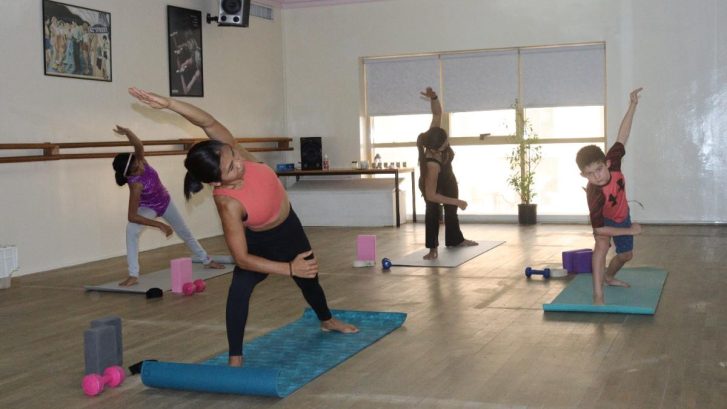
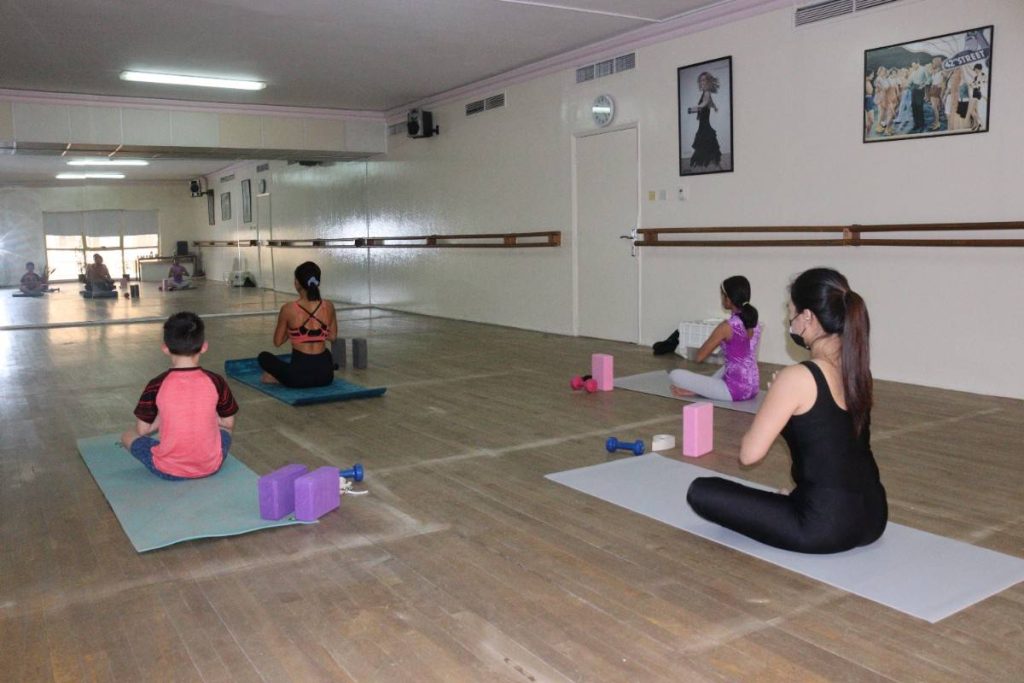
At the Ballet Centre Dubai, yoga classes are conducted by seasoned professionals who ensure a holistic approach to wellness. With sessions designed to cater to all levels of experience, their expert instructors guide participants through postures, breathing techniques, and meditation practices that enhance physical strength, mental clarity, and emotional balance. Combining a serene environment with personalized attention, the Ballet Centre Dubai makes yoga an accessible and transformative experience for urbanites seeking harmony amidst the city’s fast-paced life.
Conclusion
Embarking on a yoga journey might just be the game-changer you need to handle the stresses of urban life. Whether it’s finding a moment of calm in a hectic day or building physical strength and flexibility, yoga offers a multitude of benefits that fit right into the busy cityscape. Why not roll out a mat and give it a try? Start small, stay consistent, and watch how yoga can transform your daily routine into something more balanced and fulfilling. Remember, every little step counts towards a healthier, more centered you. Why wait? Your journey to a calmer, more balanced life could start today!