Children are naturally curious. Give them a cardboard box, and it becomes a spaceship. Hand them a paintbrush, and they create entire worlds with just a few strokes. This isn’t just play—it’s early creative thinking in motion. These small, spontaneous acts of expression help form how a child sees, thinks, and solves problems.
When given the chance to explore different art forms—whether through dance, music, drawing, or drama—kids start to understand that their ideas have value. They learn that it’s okay to try something new without knowing where it will lead. These early creative risks become the building blocks of confidence.
At Ballet Centre Dubai, children are encouraged to follow their creative instincts in a setting that supports both structure and spontaneity. Whether it’s their first ballet class or their tenth art session, students are guided to explore without fear of being “wrong.”
Art Builds Self-Trust and Emotional Awareness
In a world full of expectations, schedules, and comparisons, art gives children one of the few places where self-expression matters more than perfection. Whether a child is dancing across a studio or sketching quietly in a corner, they’re making choices that reflect how they feel and how they see the world around them.
That freedom can be powerful. It helps children build trust in their own ideas, and with time, they become more willing to take initiative. Instead of waiting for approval, they begin to rely on their own instincts.
Dance classes, especially, provide this balance of freedom and discipline. In RAD Ballet or ISTD Modern, children are taught to follow technique but also to bring emotion into their movement. This connection between thought, feeling, and action teaches them to process emotions in a physical, constructive way.
The Role of Drama and Storytelling
Drama has a unique way of drawing out confidence from even the quietest children. Through character work, improvisation, and performance, children get to try on different points of view. They learn empathy—not by being told what it is, but by becoming someone else and walking through their story.
Drama classes at Ballet Centre Dubai are designed to bring out these qualities naturally. Students work in groups, which helps build cooperation, and they’re encouraged to create their own narratives, which fosters ownership and imagination.
Parents often notice changes beyond the classroom. Children who once struggled to speak up start leading games with their peers. Others become more expressive at home, eager to share stories or act out scenes they’ve created. These shifts happen gradually but are lasting.
Music as a Path to Focus and Patience
Learning a musical instrument isn’t about speed—it’s about attention. Children must listen closely, repeat tasks, and commit to progress over time. These habits aren’t just helpful in music—they transfer easily into academic and personal areas of life.
At Ballet Centre Dubai, students have the option to study piano, violin, vocals, and other instruments under ABRSM or Trinity exam boards. The structured learning path helps them build discipline, but the act of playing music also leaves space for creativity. Students often begin to compose their own melodies or reinterpret familiar songs in their own style.
For children who might struggle with concentration, music can be a quiet but effective teacher. It rewards consistency. It encourages listening. And it gives space for self-expression that doesn’t rely on words.
Visual Arts Spark Problem-Solving and Innovation
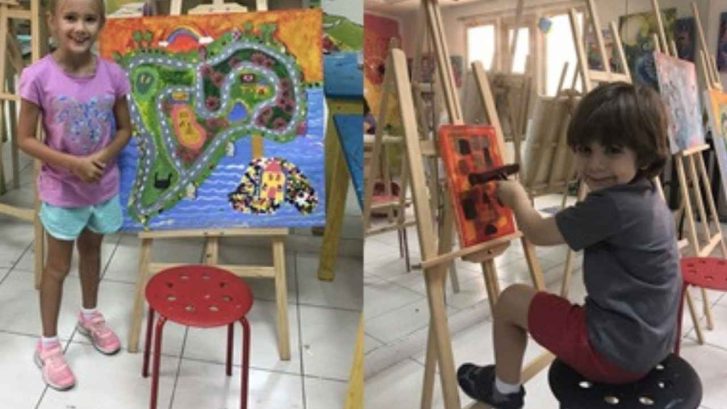
When a child sits down with a blank sheet of paper or a lump of clay, they face a gentle challenge: make something. There are no instructions, no single right answer, and no guaranteed outcome. This open-ended beginning is exactly what helps children grow as creative thinkers.
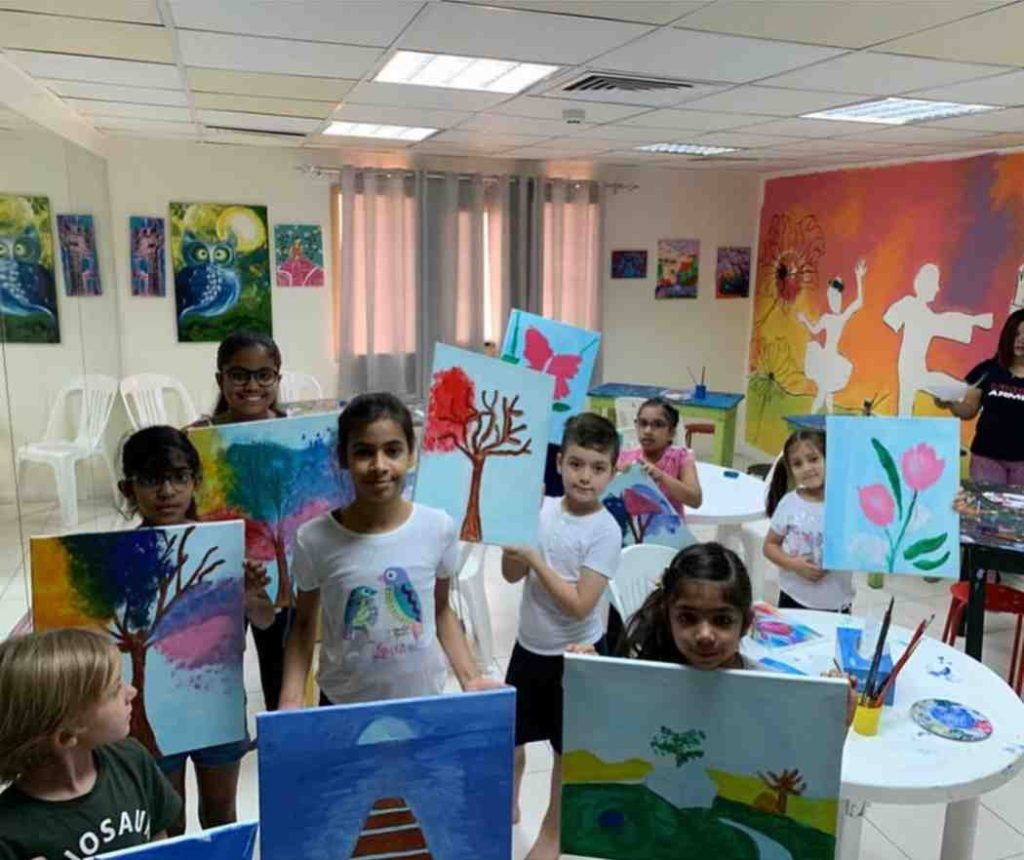
In arts and crafts sessions, offered at Ballet Centre Dubai as part of their extracurricular programs, children are encouraged to experiment with different materials, colours, and textures. They might begin with an idea and end somewhere completely unexpected. This kind of flexibility trains the brain to approach challenges from multiple angles.
It’s not unusual for a child who starts off unsure to finish a class with a handmade project they’re proud of. More importantly, they’ve learned that mistakes are part of the process—not something to fear. That lesson, once learned, stays with them long after the paint has dried.
Physical Expression Builds Mind-Body Connection
Movement is a language of its own. In dance classes—whether it’s classical ballet, rhythmic tap, or the fluid energy of modern—children learn to tell stories without speaking. They develop body awareness, timing, spatial intelligence, and a quiet kind of focus that comes from being fully present.
These skills do more than improve coordination. They strengthen memory, build endurance, and promote mental clarity. For children who struggle to sit still or focus in traditional settings, dance offers a structured outlet for energy and attention.
The performance aspect of dance adds another layer. Preparing for recitals or exams teaches children how to set goals and work steadily toward them. At Ballet Centre Dubai, students regularly participate in RAD and ISTD exams, giving them a chance to measure progress and celebrate achievements.
Safe Spaces Matter
Creativity thrives in an environment where children feel seen and supported. That’s why the right setting can make all the difference. It’s not just about teaching technique—it’s about creating a space where kids are allowed to be themselves, where their ideas are welcomed, and where their efforts are acknowledged without pressure.
At Ballet Centre Dubai, teachers are carefully chosen not only for their qualifications but for their ability to connect with children. With KHDA-approved programs, small class sizes, and a nurturing atmosphere, the Centre creates a space where creativity isn’t just encouraged—it’s protected.
Families also benefit from flexible payment plans and free trial classes, which make it easier to explore different options before committing. That flexibility reflects the belief that every child’s journey is different, and there’s no one-size-fits-all approach to creativity.
Stories From the Studio
One of the most inspiring parts of the work at Ballet Centre Dubai is watching growth happen quietly. A six-year-old who wouldn’t speak above a whisper now leads warm-up exercises in drama class. A student who was too nervous to perform at their first music recital now plays solos in front of full audiences. These aren’t exceptions. They’re gentle reminders of what happens when creativity is nurtured with patience and care.
Parents often share how their children have changed—not just in skill, but in spirit. A child who once hesitated to try now approaches challenges with curiosity. Another who struggled with confidence now dances with their whole heart. These transformations speak to the real value of the arts.
Lasting Benefits Beyond the Studio
As children grow, the creative habits they build through the arts shape how they approach life. They become better problem-solvers. They learn to adapt. They become more open to feedback and less afraid of failure. These qualities prepare them not just for school, but for relationships, for careers, for every stage of life.
The arts don’t promise instant results. What they offer is far better: slow, steady growth. Confidence that comes from doing the work. Resilience that comes from trying again. Joy that comes from discovering what you’re capable of.
And that’s what makes art so powerful—it gives children a chance to discover themselves in the process of creating something new.