How Children’s Art Classes Affect Children’s Development
Children have an instinctive drive to create. Whether they’re scribbling on paper, shaping playdough, or experimenting with colors, artistic expression is a natural part of early growth. What begins as playful exploration quickly becomes a powerful tool for learning. When structured through art classes, this creative energy shapes not just a child’s artistic ability but their confidence, motor skills, social awareness, and emotional resilience.
Art in childhood is far more than a pastime—it’s a building block for lifelong development.
Expression That Builds Confidence
Many children find it challenging to express thoughts and feelings verbally. Art gives them another channel to communicate, one that doesn’t rely on vocabulary or structured sentences. A shy child may reveal their world through vibrant paintings, while another might find joy in constructing bold, imaginative shapes from clay.
Every artwork becomes a reflection of the child’s inner world. Teachers who value individuality reinforce the idea that their efforts matter, regardless of whether the end result is technically polished. With every brushstroke and completed project, children learn that their ideas are worthy of recognition. This nurtures self-confidence and helps them grow comfortable sharing their voice in other areas of life.
Art as a Problem-Solving Playground
Children face small decisions every time they create—what color to choose, how to fill a blank page, how to correct a smudge or tear. Art teaches them that solutions are flexible and that mistakes can lead to new ideas.
Imagine a child spilling watercolor across the page. Instead of discarding the work, they might turn the mark into a cloud, a splash in the ocean, or a background wash for something unexpected. This type of thinking trains the brain to see possibilities rather than obstacles. Over time, the ability to adapt creatively strengthens logical thinking, perseverance, and resourcefulness—qualities that serve them in academics and in everyday problem-solving.
Fine Motor Development in Action
Beyond creativity, art develops physical control. Simple actions like holding a paintbrush, cutting paper, or threading beads demand coordination between small muscles in the hands and fingers. These tasks refine dexterity, preparing children for essential activities such as writing, tying shoelaces, or playing an instrument.
As projects grow more advanced, children practice precision and patience—painting within lines, arranging details in a collage, or shaping clay into recognizable forms. Each session strengthens hand-eye coordination while keeping the experience fun and engaging.
Patience, Concentration, and Commitment
Children are often full of energy, moving quickly from one interest to another. Art encourages them to slow down. Working on a project that takes time—layering paint, waiting for glue to dry, or carefully adding finishing touches—teaches patience.
Learning to sit with a task until it feels complete nurtures concentration. Over time, children transfer these skills to school assignments, reading, and even social interactions. The satisfaction of finishing a project shows them that effort and persistence are worthwhile, shaping their approach to challenges in other parts of life.
Emotional Growth Through Creativity
Art provides a safe outlet for emotions. A child who feels anxious, excited, or uncertain can pour those feelings into colors and shapes. Teachers often notice that children express emotions on paper before they can fully describe them in words.
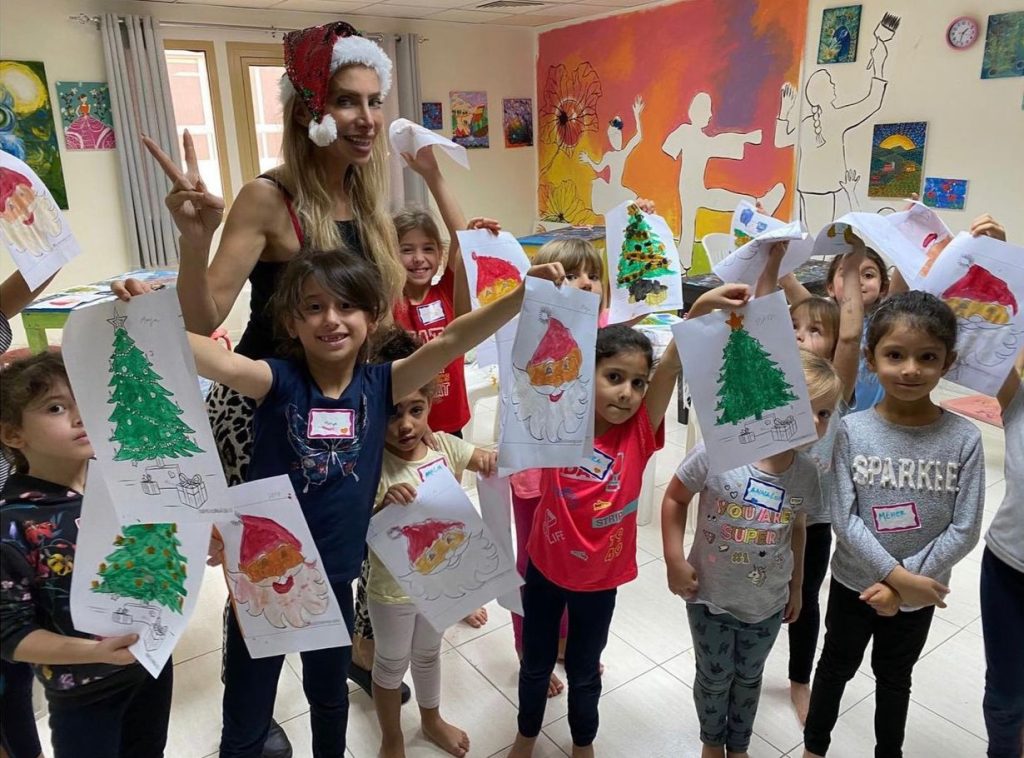
By giving children a healthy way to release emotions, art supports their mental well-being. It can calm nervous energy, boost mood, and build resilience. Children begin to understand that it is safe to explore their inner world, which strengthens their sense of self and ability to manage feelings.
Learning to Work With Others
In group art classes, children naturally practice social skills. They share supplies, wait for their turn, and compliment each other’s work. Teachers often encourage short discussions about what each child created, giving them practice in speaking confidently and listening respectfully.
Collaborative projects, like a mural or group sculpture, teach cooperation. Children see how their individual contribution fits into a larger picture. These experiences build empathy and teamwork, preparing them to navigate friendships and future group activities with ease.
Creativity That Extends Beyond the Art Room
A thriving imagination is one of childhood’s greatest assets. Structured art classes keep this imagination alive and strong. When children invent characters, design imaginary worlds, or experiment with abstract patterns, they are reminded that creative thinking is valuable.
This creativity extends to other areas. In science, it helps them visualize experiments. In language studies, it inspires storytelling. In problem-solving, it fosters innovative solutions. Encouraging imagination early on ensures that children retain the ability to think freely and approach challenges with original ideas.
How Art Supports Other Learning Areas
Connections between art and academics are clear. Shapes and patterns in drawing enhance spatial awareness and early math skills. Organizing a painting into sections introduces concepts of proportion and symmetry. Storytelling through images strengthens vocabulary, comprehension, and narrative skills.
Art also introduces cultural awareness. When children learn about artistic traditions from different countries, they gain appreciation for diversity. Exposure to varied techniques and styles broadens their understanding of the world, making them more open and curious learners.
The Difference Structured Classes Make
While unstructured drawing at home is valuable, structured classes elevate the experience. In a guided environment, children are introduced to new materials—acrylics, watercolors, clay, pastels—that they may not have access to otherwise. Instructors introduce techniques gradually, helping children master skills like blending colors, using perspective, or creating textures.
Equally important, structured classes create an environment where experimentation is encouraged. Children learn that their work doesn’t need to be perfect, and that creative risk-taking is welcome. This balance of guidance and freedom supports steady growth while keeping the process joyful.
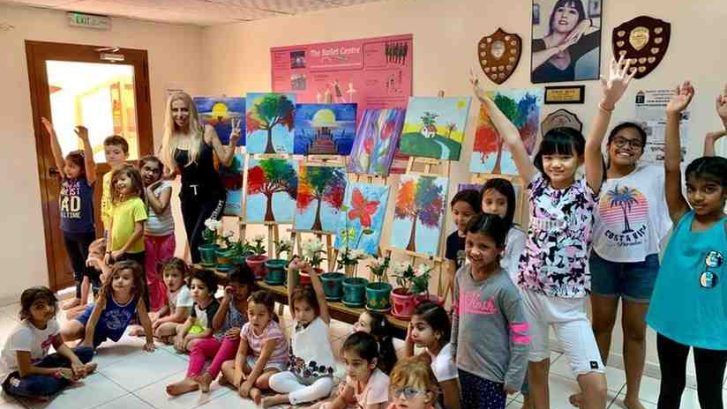
At Ballet Centre Dubai, children’s art classes are designed with these goals in mind. Instructors create a safe, nurturing space where children can explore materials, experiment with ideas, and express themselves freely. Parents find comfort knowing their child is building not only creative ability but also confidence, patience, and social awareness—all in a supportive community setting.
Lifelong Benefits of Early Art Education
The value of art education extends well beyond childhood. A child who grows up learning to express themselves visually often carries creativity into adulthood, whether through professional pursuits or as a meaningful hobby. The patience, confidence, and problem-solving skills developed in art classes remain valuable in careers ranging from engineering to teaching to business leadership.
Art also enriches personal life. Adults who practiced creative expression as children often turn to it later as a way to relieve stress, connect with others, or simply enjoy the satisfaction of making something by hand. The emotional and mental benefits of early art experiences stay with them, shaping healthier, happier adults.
A Gentle Reminder for Parents
Parents looking to support their child’s growth often focus on academics and structured sports, but art deserves equal attention. Creative expression builds a foundation that supports nearly every other area of development. By enrolling children in structured art classes, parents provide them with tools that will serve them for life: resilience, imagination, self-expression, and confidence.
Art is more than pictures on a wall—it’s a pathway to developing the whole child. Every brushstroke, every sketch, every piece of clay molded in little hands shapes a stronger, brighter future.