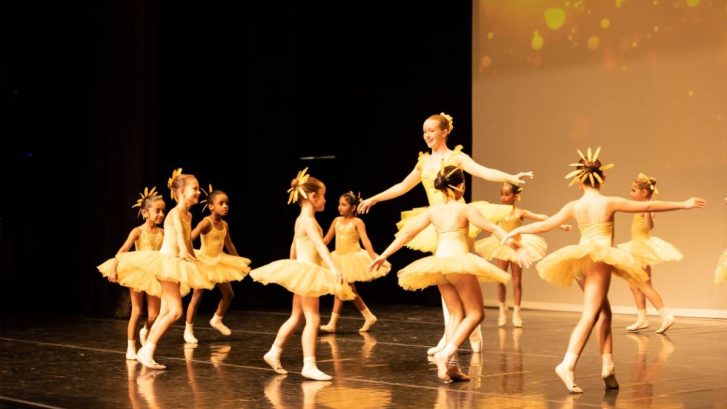
Ballerina's and ballet teacher on stage

Ballet for Beginners: Preparing for Success

Maya was six when she stepped into her first ballet class.

Shy, barely whispering her name during roll call, she clung to her mother’s hand as the studio buzzed with the soft rustle of leotards and the smell of new ballet shoes. Fast forward six months—her posture straighter, eyes brighter, and a quiet confidence taking root—Maya now twirls across the studio floor like she was born there.

This is often how it begins.

Not with grand leaps, but with small, steady moments of progress. Preparing a child for ballet success starts long before the first plié. It begins with the right mindset, support, and environment.

Picking the Right Start

Not every child is ready at the same age, and that’s perfectly fine. Some are eager to move to music by age three, others warm up later. What matters is that their first experience feels safe and enjoyable. Structured classes help tremendously. When taught by instructors who understand age-specific development, children build trust in themselves and their teacher.

At Ballet Centre Dubai, classes are grouped by age and experience, with caring instructors who understand that confidence must be nurtured before precision is expected. This approach allows young dancers to grow at their own pace.

Expectations: Set Them Lightly

Parents often ask if their child should practice at home, memorize ballet terms, or watch professional performances for inspiration. None of that is necessary in the beginning. What helps more is showing up on time, encouraging consistent attendance, and letting ballet remain something they look forward to.

Pressure rarely creates progress. A child might show resistance one day, then surprise you the next with perfect fifth position. Trust the process. Focus less on achievement, more on experience.

The Quiet Power of Routine

There’s a rhythm to ballet that children begin to internalize. They line up, wait their turn, stretch, listen to the piano, follow sequences—all of which helps improve focus and memory. The predictability of class structure gives them a sense of security. Over time, this routine starts to influence their behavior outside the studio too.

Parents often notice subtle changes: better posture while reading, calmness during homework, patience while waiting. These aren’t coincidental. They are quiet victories ballet students carry with them into the rest of their lives.

Attire Matters More Than You Think

Ballet uniforms are about more than appearance. A well-fitting leotard and soft ballet shoes teach discipline in subtle ways. Children learn to care for their things, tie their own ballet shoe elastics, and pack their dance bags the night before class.

Wearing the right outfit also helps them feel like they belong. When a child enters the studio dressed like a dancer, they begin to see themselves as one. That shift in identity fuels commitment more than any motivational speech ever could.

From Play to Precision

In the earliest stages, ballet can feel like structured play. Imaginary butterflies, flower arms, tiptoeing like mice—these are the bridges to more technical skills later. When taught correctly, the transition from creative movement to classical steps happens seamlessly.

Parents don’t always see the slow layering of skill underneath the fun. But the child feels it. They become stronger, more coordinated, and begin to take pride in doing things “the proper way.” This internal motivation becomes the backbone of lasting progress.

Encouragement that Works

Not all praise is helpful. Telling a child they were “perfect” can backfire. It puts pressure on them to always meet that standard. A better way is to notice effort: “I saw how hard you concentrated during the warm-up,” or “Your arms were so soft and graceful today.”

These specific observations show you’re paying attention and help build confidence that lasts beyond the studio. Children begin to value their own effort, not just the result.

Progress Looks Different for Everyone

Some beginners memorize choreography quickly. Others take longer to get their left and right sorted. It’s tempting to compare—but it isn’t useful. A child who struggles with steps may have beautiful musicality. One who hesitates in front of a mirror may shine in a group performance.
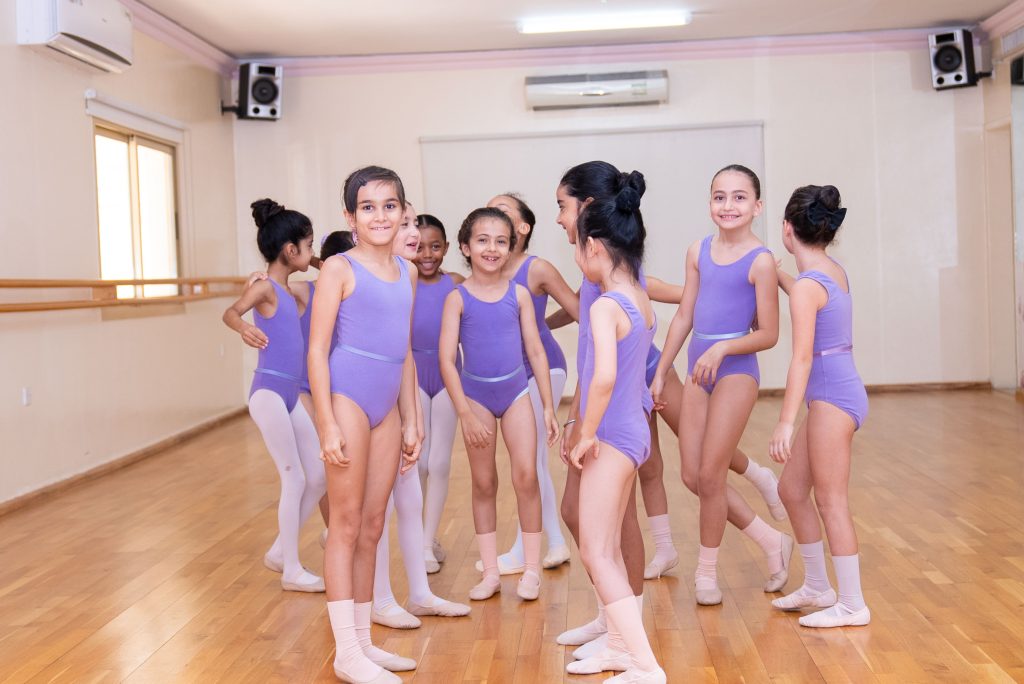
Group of young ballerina's in a ballet studio

Success in ballet isn’t linear. It often looks like two steps forward, one step back. But every child who keeps showing up is making progress, even if it doesn’t always look like it.

Behind the Scenes: What Parents Can Do

The ride home after class can be more powerful than the class itself. It’s when the child decides whether to keep going. A simple “Did you have fun?” opens the door more than “Did you do well?”

Ballet shouldn’t be a test to pass. It should be a space to grow. When children know their effort is enough, they return with joy. That’s where lifelong dedication begins.

Also, don’t underestimate the power of watching performances together. Whether it’s local shows or recorded theatre productions, these experiences make ballet feel alive. They connect classroom learning to something larger, something meaningful.

When Is the Right Time to Level Up?

There’s often a question of readiness—when to move up a level, start formal exams, or add a second class per week. Most schools have a system in place, but communication with instructors is key. They see your child in a learning environment and can help guide the next step.

At Ballet Centre Dubai, classes follow internationally recognized syllabi, with yearly RAD and ISTD exam options for those who are ready. But readiness isn’t only about skill. It’s also about emotional maturity and a child’s personal interest. When all three align, stepping into a more advanced class feels natural, not forced.

One Last Story

Lina joined ballet at age nine, older than most in her class. She felt behind and was hesitant at first, but her teacher reassured her that everyone moves at their own pace. By the end of the term, she was leading warm-ups. She hadn’t caught up—she’d grown into her own rhythm.

Success in ballet doesn’t always come from natural talent. It comes from consistency, curiosity, and the quiet belief that you belong there.

Every plié, every skipped step, every laugh during across-the-floor drills—these are the building blocks. When a beginner is given space to learn, encouragement to keep going, and the right environment, ballet becomes more than just dance. It becomes a part of who they are.

And that is the true beginning of success.

acoustic and electric guitar​ held by two men side by side

Acoustic Vs Electric Guitar: What’s the Difference?

My niece picked up an acoustic guitar when she was eight. She had small hands, zero patience for tuning, and a curious mind that bounced from song to song.

Her older brother, on the other hand, started with an electric guitar at thirteen. He preferred heavy riffs, loved experimenting with effects, and spent far too much time adjusting amp settings. Same family, same house, two completely different paths into music.

That contrast is where the real difference lies between acoustic and electric guitars—not in some technical checklist, but in how each one shapes a musician’s first steps.

How Each Guitar Feels in Your Hands

If you’ve ever held both, the physical differences are immediate. An acoustic guitar feels like a self-contained unit. It’s usually bigger and a bit bulkier, but it’s also straightforward—no cords, no gear, no buttons. You pick it up, you strum, you hear sound. The hollow body does all the work of projecting the notes.

Electric guitars, though typically slimmer and lighter, can feel heavier because of the solid body. There’s no natural amplification. It needs a cable, an amp, and some kind of power source to be heard properly. That makes it a little more of a setup, especially for a young child.

The neck size and string tension also differ. Acoustic guitars often have thicker necks and higher string action, which means you need more finger strength to press the strings down. Electrics tend to be easier on the fingers, especially for smaller hands or beginners who are still building confidence.

Is Electric Guitar Easier Than Acoustic?

So, is electric guitar easier than acoustic? In many ways, yes—for a pure beginner. The strings are typically lighter and closer to the fretboard (lower action), meaning your fingers don’t have to work as hard to press them down and form clean chords. The thinner neck can also be easier to grip for smaller hands.

However, this initial physical ease can be offset by the complexity of the gear; an electric requires an amp and introduces variables like knobs and effects, which can be distracting. An acoustic, while physically more demanding at first, offers simplicity—what you play is exactly what you hear, building foundational strength and technique from day one.

Sound and Style Preferences Start Early

Most beginners don’t think about tonewoods, pickups, or amplification. They think about songs. A child who wants to strum Taylor Swift’s early tracks will likely reach for an acoustic. One who dreams of playing Arctic Monkeys or Metallica? Electric all the way.

Acoustics have a warmer, richer, more organic sound. They’re great for folk, pop, and classical styles. Electrics are more versatile in tone but lean into sharper, more aggressive or experimental territories. With a flick of a switch or the turn of a knob, you can go from blues to punk to funk.

This is often where personality comes in. Acoustic players tend to enjoy playing solo, often singing along or composing their own music. Electric players may gravitate toward bands, studio setups, or jam sessions. That social element can be a deciding factor for teenagers especially.

Portability and Practicality

Parents often ask which one is “better” to start with. The short answer: it depends on where your child plans to play.

Acoustic guitars are grab-and-go. You don’t need amps, pedals, or cables. If your child wants to practice in the garden, in the car on the way to school events, or during quiet moments at home, an acoustic is simple and convenient.

Electric guitars need gear. They’re not ideal for spontaneous play unless everything’s set up in one place. But once they are plugged in, they offer more control over volume and tone—something to consider in apartment living where noise can be an issue.

Cost Considerations

Many assume acoustic guitars are more affordable. They can be, but not always. A beginner-friendly acoustic might be cheaper upfront, but if your child continues with it, you may need to upgrade as their skills grow.

With electrics, the initial cost might be higher because of the extras—amp, cables, picks, strap, etc. But the build quality of beginner electric guitars has improved in recent years, and many come in starter bundles that make them an accessible option.

One hidden cost? Maintenance. Acoustic guitars need humidity control. Wood can warp in dry air. Electrics, with their electronics, might need repairs down the line. Neither is maintenance-free, but being aware early can help avoid surprise expenses.

Motivation Matters Most

I’ve seen children lose interest in music not because they lacked talent, but because the instrument didn’t match their enthusiasm. A child who loves fast-paced rock will likely get bored with an acoustic. One who wants to sing love songs may find electric guitars overwhelming or unnecessarily complicated.

A young girl playing an electric guitar

Let them lead the decision. If they’re drawn to a certain sound or artist, support that direction. Even if they change styles later—and many do—the early joy of playing something they chose is powerful.

Learning Environment Can Shape Progress

Here’s something not often talked about: the setting in which a child learns music matters just as much as the instrument itself. Some children thrive with online tutorials, others need one-on-one attention, and some flourish in structured group settings where creativity and discipline go hand-in-hand.

At Ballet Centre Dubai, the music classes offer that balance. Whether a child is learning acoustic guitar chords or exploring riffs on an electric, the environment is tailored to support growth, curiosity, and discipline. It’s not just about hitting the right notes—it’s about building confidence and finding a creative voice. And when a guitar lesson is just down the hallway from ballet, drama, or taekwondo, it’s easy for siblings to discover their own passions too.

What Happens Over Time

Guitarists often cross over. Someone might start on acoustic and eventually get curious about effects pedals. Or they begin with an electric, but later crave the raw intimacy of unplugged playing. The good news is, skills are transferable. Chord shapes, scales, rhythm—they’re shared between both instruments.

But the way a player approaches the music changes. Acoustic players tend to focus on fingerpicking, open chords, and songwriting. Electric players experiment more with lead lines, improvisation, and layered sound.

One isn’t better than the other. They just offer different paths to expression.

A Few Final Thoughts from Experience

I once asked a teen student who had just switched from acoustic to electric why he made the move. He shrugged and said, “The acoustic was beautiful, but the electric makes me feel like I can be someone else.”

That stuck with me.

Because sometimes music isn’t just about learning—it’s about becoming. Finding a sound, an identity, even a temporary escape. Whether your child is drawn to the raw strum of an acoustic or the electric pulse of an amp-driven solo, both roads lead to discovery.

So, when you’re standing in that music shop or browsing online, don’t get caught up in which guitar is more “right.” The better question is: which one will they want to play today?

Chances are, that’s the one that will help them stick with it.

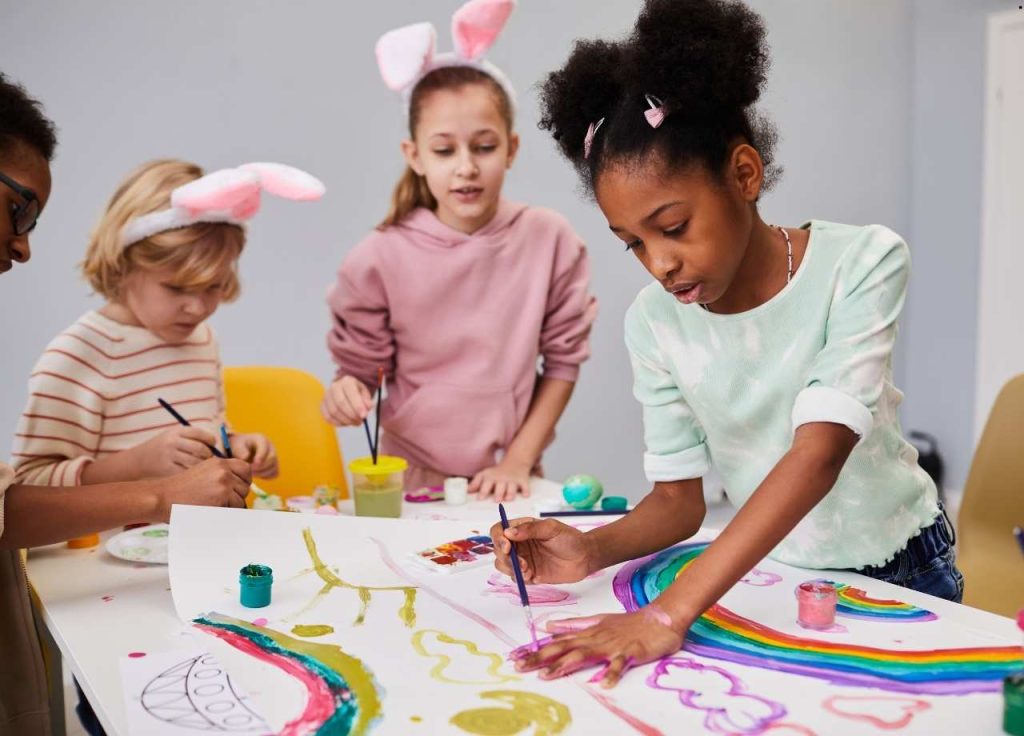
A group of children sitting in front of paintings and painting

Arts and Crafts: Fun and Skill-Building for Kids

Arts and crafts are more than just time fillers for children. They play a significant role in helping kids develop a range of skills that benefit them not only in school but also in life. Whether it’s a toddler sticking shapes onto paper or a preteen building a model airplane, these activities are key to cognitive, physical, and emotional growth. Here’s why they matter so much.

The Benefits of Arts and Crafts for Kids

Cognitive Development

At first glance, a child painting might just seem like a fun activity to pass the afternoon. But look deeper and you’ll see a child making decisions about which colors to choose, figuring out how to solve the problem of a brush that won’t quite reach into a tiny corner, and planning out their work steps. Arts and crafts boost creativity, offering kids a chance to express themselves and think outside the box. These activities require them to recall shapes and colors, processes which enhance memory skills. They also teach children to focus on a task for an extended period, improving their attention to detail and ability to concentrate.

Moreover, when a child engages in crafting, they’re learning to interpret and follow instructions, which are essential skills in any educational or work setting. This not only helps with understanding complex ideas but also with executing tasks effectively. The act of transforming materials into art or a craft project provides a unique sense of accomplishment, boosting their confidence and willingness to tackle new challenges.

Physical Skills

It’s easy to overlook the physical benefits of arts and crafts. However, these activities are instrumental in developing fine motor skills. As children manipulate paper, scissors, and glue, they refine their dexterity and hand-eye coordination. These are the same skills needed for handwriting, tying shoes, and other essential activities.

Crafts often involve a variety of movements such as cutting, drawing, painting, and assembling, which are all excellent for enhancing fine motor prowess. For younger children, these activities are crucial as they learn to control their hand movements and gain strength in their hands and fingers. The repetitive actions involved in crafting, like cutting along lines or assembling beads, reinforce muscle memory, which is fundamental in developing steady and controlled motions.

Emotional and Social Growth

Crafting can be a peaceful, therapeutic activity that allows children to relax and express their feelings through their creations. This emotional exploration is significant as it can help children manage their emotions and cope with different situations. Participating in arts and crafts can also reduce anxiety and promote a sense of calmness.

Moreover, when children work on crafts together, they’re learning valuable social skills. They learn to share resources, take turns, and collaborate on ideas. These interactions foster teamwork and communication skills, which are crucial for their overall social development. By working with others, children learn about respecting different viewpoints and solving conflicts constructively. This shared creativity also strengthens friendships and builds a sense of community among peers.

Age-Appropriate Arts and Crafts Ideas

Crafting projects can and should be tailored to match the developmental stages of children. What works for a toddler won’t necessarily hold the attention of a ten-year-old, nor will it challenge them appropriately. Here’s a breakdown of arts and crafts activities suited for different age groups.

Toddlers (Ages 1-3)

At this stage, children are just beginning to explore their world. Activities for toddlers should focus on simplicity and sensory experiences. Think about projects that let them mess around with large pieces they can easily grasp with their little hands. Using safe, non-toxic materials like large crayons, finger paints, and water-soluble markers are great options. These activities help toddlers develop their color recognition skills and allow them to experience textures. Simple crafts like sticking colorful paper onto pre-drawn shapes can also be very engaging. They help toddlers practice their hand-eye coordination while they learn about different shapes and colors.

Preschoolers (Ages 4-5)

Preschoolers are a bundle of energy and curiosity. They can handle slightly more complex tasks than toddlers. This age is perfect for introducing crafts that involve more steps and require more precision, which aids in refining their fine motor skills. Activities like stringing beads, cutting out shapes with safety scissors, and assembling basic puzzles fit well. These crafts help them learn to follow directions and understand sequences, which are foundational for mathematical thinking and reading skills.

Creating simple gifts or crafts that can be used in play, like masks or hand puppets, gives them a product they can use, which boosts their sense of achievement and pride in their work. Additionally, using crafts to introduce and reinforce academic concepts such as numbers, letters, and simple words can make learning these new ideas more engaging and less intimidating.

School-Age Children (Ages 6-12)

Children in this age group are capable of handling projects that involve multi-step processes and that challenge their problem-solving skills. They can start to work with more diverse materials like clay, fabric, or more advanced craft kits. Projects like building model kits, sewing simple patterns, or even more complex paper mache sculptures are ideal. These activities not only foster creativity and concentration but also encourage perseverance and patience as they work through more challenging projects.

Crafts at this stage can also become more interdisciplinary, incorporating concepts from science, technology, engineering, and math (STEM), such as building a simple robot from a kit or creating a small garden. These projects help children understand how things work and see the practical applications of the concepts they learn at school.

Tips for Setting Up a Crafting Space at Home

Having a designated area at home for arts and crafts can significantly enhance a child’s interest and engagement in creating. It doesn’t need to be large—a corner of a room or a small table will suffice. The key is to make it accessible, inviting, and organized.

Creating a Designated Craft Area

First, ensure the space is safe and kid-friendly. Avoid sharp tools within easy reach and ensure all materials are non-toxic. Setting up the area at their height, with easy-to-reach supplies, allows them the freedom to create whenever the mood strikes, fostering independence in their crafting adventures.

Essential Tools and Materials

Stock the area with basic supplies like scissors, glue, markers, colored paper, and clay. Keep these materials organized in clearly labeled bins or drawers. This organization not only makes it easier to find what they need but also helps teach children to put things away after they’re done. Adding a variety of materials over time keeps them interested and excited about new possibilities.

Keeping the Space Organized and Safe

It’s important to keep the crafting area tidy and structured. Regular checks to remove dried-out markers or empty glue bottles help maintain the usability of the space. Also, providing a place for everything and encouraging children to clean up after each crafting session promotes responsibility and care for their environment.

How to Make Arts and Crafts an Enjoyable Routine

Integrating arts and crafts into daily life can be a wonderful way to enrich your child’s everyday routine. It encourages creativity and gives them a regular outlet for expression. Here are some ways to make arts and crafts a staple part of your child’s life, keeping it fun and engaging for everyone involved.

Incorporating Arts and Crafts into the Daily Routine

The key is to make arts and crafts as routine as mealtime or bedtime. This could be setting aside time after school or after dinner for a little creative work.

children painting on white papers

It doesn’t have to be long; even 20 minutes will suffice. The regularity of the activity helps children look forward to it and builds it as a habit, not just an occasional pastime.

Ideas for Seasonal and Holiday-Themed Projects

To keep the momentum going and to inject some excitement into the craft sessions, plan for seasonal crafts. For example, making ornaments or greeting cards during the holiday season, or decorating pumpkins in the fall. This not only ties the crafts into something tangible they see around them but also helps children understand and connect with the cultural significance of various celebrations.

Tips for Engaging Reluctant Crafters

Some children might not jump at the chance to sit down and make things. For these kids, it’s important to find out what they are interested in. Perhaps they like dinosaurs, cars, or fairies. Use these interests as a springboard for crafting projects. You can also rotate the types of activities you do, mixing in painting, building, or even outdoor nature crafts, to keep things interesting and cover a broader range of interests and skills.

Making arts and crafts enjoyable for every child means being patient and letting them explore at their own pace. If a project doesn’t hold their interest, it’s okay to switch it up. The goal is to make the process enjoyable, not just the end product.

Arts & Crafts At The Ballet Centre

For parents looking to nurture their child’s creativity, The Ballet Centre Dubai offers an exceptional environment to explore arts and crafts. With programs specifically designed for kids of all ages, the center provides a structured yet inspiring space for children to experiment with different materials and techniques. Their experienced instructors not only guide children in crafting but also encourage self-expression, problem-solving, and collaboration.

Conclusion

Arts and crafts are more than just a way to pass the time; they are a vital part of developing a well-rounded, creative, and capable young person. By weaving these activities into your child’s daily life, you’re not only giving them the tools to explore their creativity but also helping them develop a multitude of skills that will benefit them across all areas of life. So, grab some glue, pick up some paper, and get crafting! Your child’s next masterpiece could be just a craft session away.

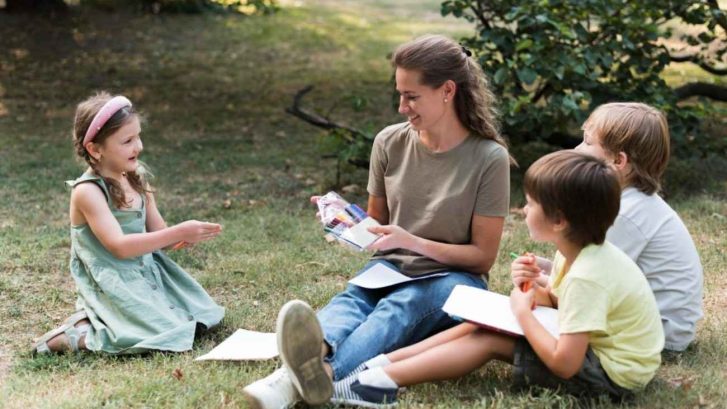
children's day activities

Children’s Day Activities To Develop Their Mindset

The early years of a child’s life are crucial for mindset development, and structured activities like ballet, taekwondo, and drama classes can play an essential role. These activities do more than just engage children physically; they also sharpen their mental focus, encourage discipline, and foster creativity.

In Dubai, where education and child development are highly prioritized, parents can find many opportunities to help their children develop skills that go beyond the classroom.

Dance Classes

Dance is an expressive form of movement that teaches children how to connect their minds with their bodies. Whether it’s ballet, jazz, or modern dance, these classes encourage children to follow sequences and rhythms that sharpen their ability to focus and improve coordination. Additionally, dance can boost confidence. Performing in front of an audience or even a small group allows children to break out of their shells and embrace a positive mindset towards personal growth.

Taekwondo for Discipline and Focus

Martial arts like taekwondo help children understand discipline and respect. The repetitive nature of the training builds both physical and mental resilience. Every move requires focus, precision, and patience—valuable qualities that transfer to other areas of a child’s life, such as schoolwork and relationships. The structured environment of taekwondo classes encourages children to set and achieve goals, building a mindset of perseverance.

Piano Lessons for Cognitive Development

Piano lessons stimulate a child’s brain in a unique way, blending creativity with structure. Learning how to play an instrument helps develop both sides of the brain, enhancing problem-solving skills and creativity. In addition, reading sheet music and practicing regularly teaches children the importance of patience and dedication, skills that are important for a growth mindset. The benefits go beyond music, as children often apply these skills to other areas of their lives.

Drama and Acting for Emotional Intelligence

Drama classes are an excellent way to help children understand and express their emotions. Role-playing and acting out different scenarios allow them to explore various perspectives, enhancing their empathy and emotional intelligence. This activity builds social skills, as it encourages interaction with others, cooperation, and teamwork—essential tools for navigating social situations with confidence and understanding.

Ballet for Grace and Discipline

Ballet is one of the most demanding yet rewarding forms of dance. It requires not only physical flexibility and strength but also a sharp mental focus. Children who engage in ballet training learn the value of discipline, hard work, and perseverance. These qualities are fundamental for developing a resilient mindset that will benefit them in both academic and personal pursuits. In ballet, even the smallest mistake can be a learning opportunity, teaching children to approach challenges with a growth-oriented mindset.

Dubai’s Cultural Influence on Child Development

In Dubai, with its focus on providing world-class education and development opportunities for children, these classes hold even more importance. The multicultural environment here exposes children to a variety of influences, helping them learn how to adapt and thrive in diverse settings. Activities such as ballet and taekwondo are offered in many high-quality training centers, ensuring that children in Dubai have access to top-tier education in both academics and the arts.

Building Social Skills Through Group Activities

Group activities, whether in dance or drama, teach children how to work together towards a common goal. These settings encourage them to listen, compromise, and support their peers. These are the soft skills that will serve them throughout life, especially in teamwork settings in their future education or careers. Social skills gained from group activities also help children become more empathetic, improving their emotional and interpersonal intelligence.

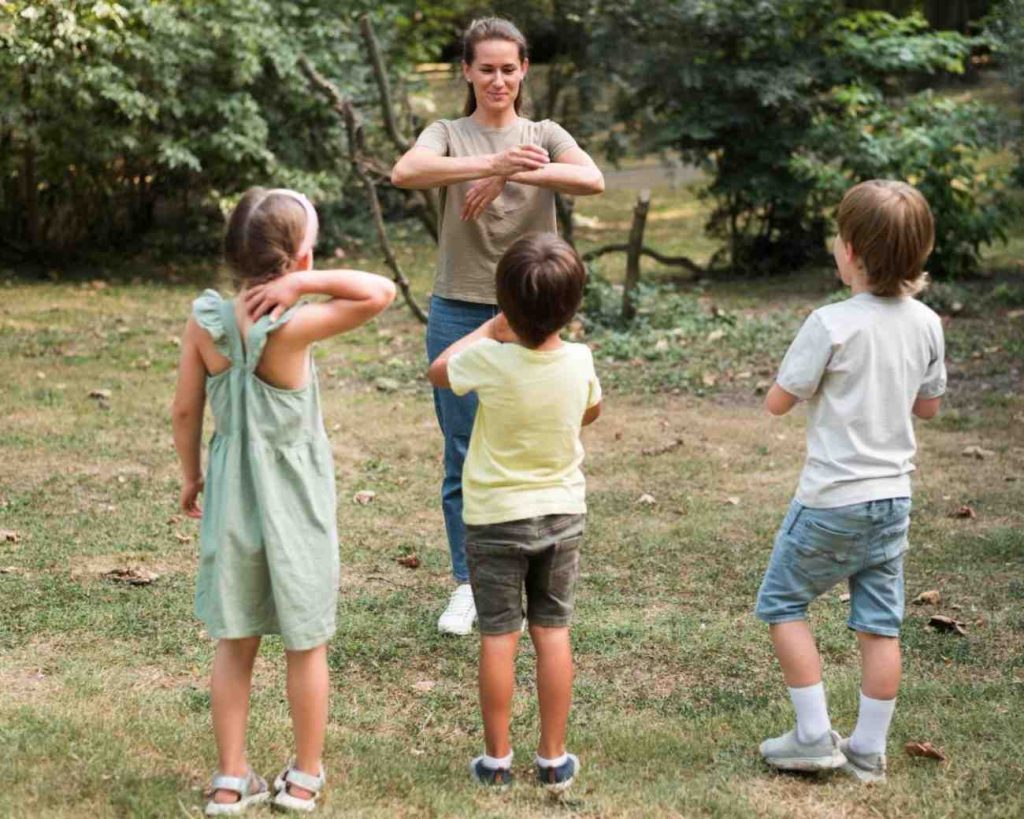
childrens following instructors instructions as they pay attention while they are outside

Taekwondo’s Role in Self-Confidence

One of the underrated benefits of taekwondo is its ability to build self-confidence in children. As they advance through the ranks, they gain a sense of accomplishment that boosts their self-esteem. This mindset carries over into other areas of their life, where they feel more capable of tackling challenges and achieving their goals.

Creativity Through Dance and Drama

In dance and drama, children have the freedom to express themselves in ways they might not find in traditional learning environments. Encouraging this creativity helps build a flexible mindset, one that is open to new ideas and ways of thinking. Creative expression is essential in problem-solving and adapting to life’s challenges.

By participating in activities such as these, children in Dubai and around the world can develop the mindsets they need to thrive, both academically and emotionally. Whether through ballet’s discipline, piano’s focus, or taekwondo’s resilience, each activity offers something special to help children grow into well-rounded individuals.

yoga classes

Yoga Classes – Why They’re Good For You

Yoga has become increasingly popular around the world, and Dubai is no exception. With its blend of ancient traditions and modern lifestyles, yoga offers a perfect balance that appeals to many. Whether you’re a seasoned yogi or a beginner looking to explore the benefits of yoga, there’s a lot to gain from attending yoga classes. In this post, we’ll explore why yoga classes are good for you, covering physical, mental, and social benefits, as well as tips for finding the right yoga class in Dubai.


Physical Benefits of Yoga


One of the most obvious benefits of yoga is its impact on physical health. Here’s how regular yoga practice can improve your body:


Increased Flexibility:

Yoga involves a lot of stretching and poses that gradually improve your flexibility. Over time, you’ll notice that your muscles become more supple, and your range of motion increases.


Improved Strength:

Many yoga poses require you to support your body weight in new ways, including balancing on one leg or supporting yourself with your arms. This helps to build muscle strength, particularly in the core, arms, and legs.


Better Posture:

Yoga teaches you to become more aware of your body. Through various poses and stretches, you learn to align your spine and improve your overall posture. This can help alleviate back pain and reduce the risk of injury.


Enhanced Balance:

Many yoga poses focus on balance. Improved balance not only helps with yoga but also makes everyday activities easier and reduces the risk of falls, especially as you age.


Increased Circulation:

Yoga improves blood circulation, ensuring that your organs and muscles receive more oxygen. This can lead to better overall health, more energy, and a glowing complexion.


Cardiovascular Health:

Certain styles of yoga, like Vinyasa or Ashtanga, can raise your heart rate and provide a cardiovascular workout. This helps to keep your heart healthy and improves your overall fitness.


Weight Management:

While yoga might not burn as many calories as high-intensity workouts, it helps in weight management by reducing stress, promoting mindful eating, and boosting metabolism.


Mental Benefits of Yoga


Yoga isn’t just about physical well-being; it’s also a powerful tool for mental health. Here’s how yoga can benefit your mind:


Stress Reduction:

Yoga emphasizes breathing techniques, meditation, and mindfulness, all of which help to reduce stress. Regular practice can lower cortisol levels (the stress hormone) and create a sense of calm and relaxation.


Improved Focus and Concentration:

The practice of yoga requires concentration to hold poses and follow sequences. This can enhance your ability to focus and concentrate in other areas of life as well.


Enhanced Mood:

Yoga promotes the release of endorphins, the body’s natural mood lifters. This can help alleviate symptoms of depression and anxiety, leading to a more positive outlook on life.


Better Sleep:

Many people find that practicing yoga helps them sleep better. The combination of physical activity, breathing exercises, and relaxation techniques can lead to deeper, more restful sleep.


Increased Mindfulness:

Yoga encourages mindfulness, the practice of being present in the moment. This can help you become more aware of your thoughts and feelings, leading to greater emotional intelligence and self-awareness.


Boosted Cognitive Function:

Some studies suggest that yoga can improve cognitive function, including memory, attention, and information processing speed. This is likely due to the combined physical and mental challenges posed by yoga.

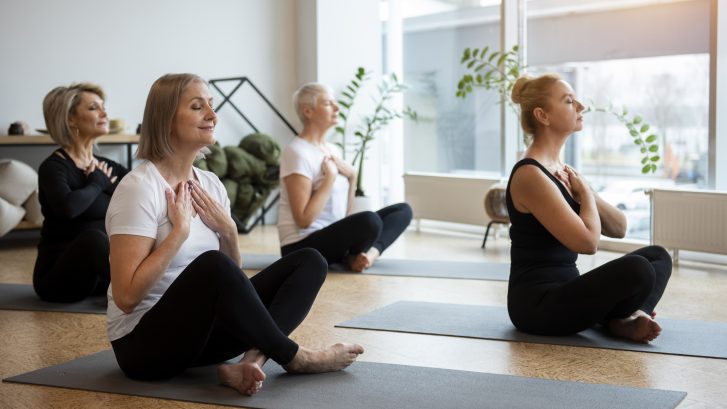
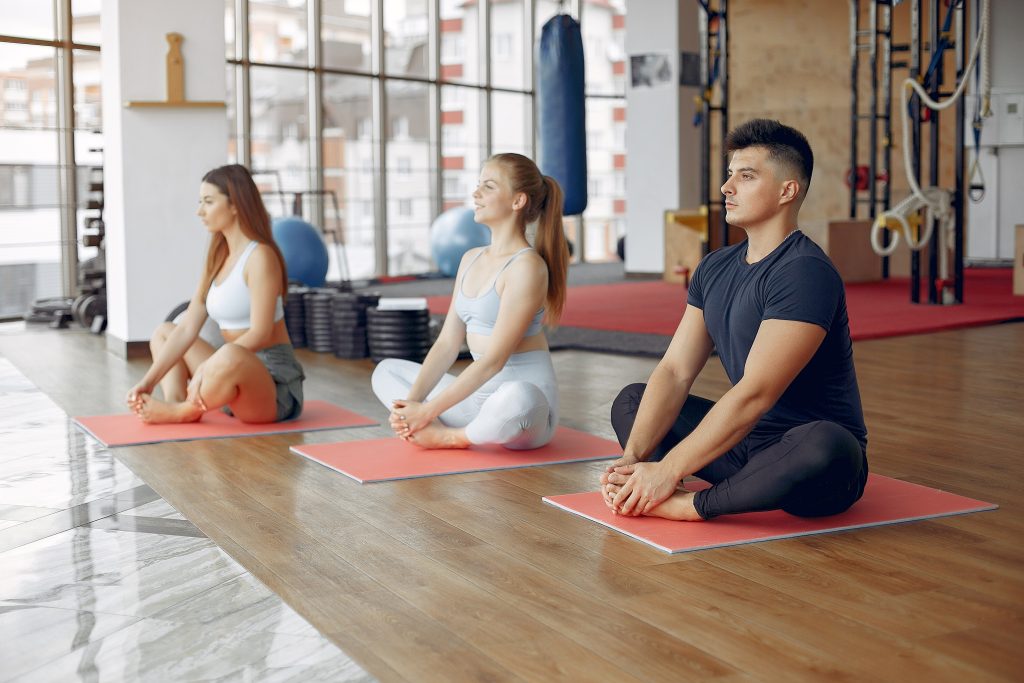
three people sitting in a gym on yoga mats


Social Benefits of Yoga


Joining a yoga class can also have significant social benefits. Here’s how:


Community and Support:

Yoga classes are a great place to meet like-minded people and build a sense of community. The supportive environment can motivate you to keep practicing and improve your skills.


Accountability:

When you join a class, you’re more likely to stick with your practice. The social aspect of a group class can hold you accountable and keep you motivated.


Shared Experience:

Practicing yoga with others creates a shared experience that can strengthen social bonds and lead to lasting friendships.


Learning from Others:

Being in a class with others allows you to learn from their experiences and insights. You can gain new perspectives and tips that you might not discover on your own.


Finding the Right Yoga Class in Dubai


Dubai offers a wide variety of yoga classes to suit different needs and preferences. Here are some tips to help you find the right class for you:


Determine Your Goals:

Are you looking to improve flexibility, reduce stress, lose weight, or find a community? Knowing your goals can help you choose the right type of yoga and class structure.


Research Different Styles:

Yoga comes in many styles, from the intense and fast-paced Vinyasa to the slow and meditative Yin Yoga. Research the different styles to find one that matches your interests and fitness level.


Check Instructor Qualifications:

Ensure that the instructors are certified and experienced. A good instructor will not only teach you the poses but also ensure that you’re practicing safely.


Visit the Studio:

If possible, visit the studio before committing to a class. Check the facilities, cleanliness, and overall environment to ensure it’s a place where you’ll feel comfortable.


Ask About Class Size:

Some people prefer smaller classes for more personalized attention, while others enjoy the energy of larger groups. Find out the typical class size and see what suits you best.


Look for Trial Classes:

Many studios offer trial classes or introductory offers. Take advantage of these to try out different classes and instructors before making a decision.


Consider Location and Schedule:

Choose a studio that’s conveniently located and has class times that fit your schedule. Consistency is key to reaping the benefits of yoga, so make sure it’s easy for you to attend regularly.


Popular Yoga Studios in Dubai


Here are a few well-regarded yoga studios in Dubai to get you started:


Zen Yoga:

With multiple locations across Dubai, Zen Yoga offers a variety of classes, including Vinyasa, Hatha, and Yin Yoga. They cater to all levels, from beginners to advanced practitioners.


Yoga House:

Located in The Greens, Yoga House is known for its welcoming atmosphere and diverse class offerings. They have everything from power yoga to restorative sessions.


Urban Yoga:

Situated in Downtown Dubai, Urban Yoga focuses on alignment-based Vinyasa classes. Their experienced instructors and beautiful studio space make it a popular choice.


Voyoga:

Located in JLT, Voyoga offers hot yoga classes, which are great for those looking to increase flexibility and detoxify the body. They also have traditional yoga classes and workshops.


Dryp:

Also in JLT, Dryp specializes in hot yoga and fitness classes. Their state-of-the-art studio provides a unique experience with infrared heating systems.


Tips for a Successful Yoga Practice


Once you’ve found the right class, here are some tips to help you get the most out of your yoga practice:


Be Consistent:

Regular practice is key to seeing the benefits of yoga. Try to attend classes consistently, whether it’s once a week or every day.


Listen to Your Body:

Yoga is about finding balance and listening to your body. Don’t push yourself too hard, and take modifications or rest when needed.


Stay Hydrated:

Especially if you’re practicing hot yoga, it’s important to stay hydrated. Drink plenty of water before and after your class.


Practice Mindfulness:

Focus on your breath and stay present during your practice. This mindfulness can enhance the physical and mental benefits of yoga.


Set Realistic Goals:

Progress in yoga can be slow and gradual. Set realistic goals and celebrate small achievements along the way.


Embrace the Journey:

Yoga is not just about the end result but the journey itself. Embrace each practice session, and enjoy the process of learning and growing.


Conclusion


Yoga classes offer a wealth of benefits for your physical, mental, and social well-being. From increased flexibility and strength to reduced stress and improved focus, the advantages of regular yoga practice are numerous. In a bustling city like Dubai, yoga provides a sanctuary of peace and balance, helping you navigate the demands of daily life.


Whether you’re a beginner or an experienced practitioner, finding the right yoga class can enhance your overall health and happiness. Take the time to explore different styles, visit studios, and find a class that aligns with your goals and lifestyle.


Remember, yoga is a personal journey that goes beyond the physical postures. It’s about connecting with yourself, finding inner peace, and building a community with others. So, roll out your mat, take a deep breath, and embark on the transformative journey of yoga. Your mind, body, and spirit will thank you for it.

Nurturing Young Musicians: The Advantages Of Music Classes For Kids At Our Dance School In Dubai

At our dance school in Dubai, we firmly believe that music classes for kids can offer an abundance of benefits and advantages. From a young age, children’s brains are primed to learn and develop through musical play. Music classes not only teach children the basics of reading music and playing instruments but they also provide them with tools they need to succeed academically and socially.

What We Offer?

At our dance school in Dubai, we are committed to helping young children nurture their musical skills and creativity. We strive to provide an encouraging and inspiring environment for them to learn, explore, and express themselves through music lessons. Our mission is to give each child the opportunity to experience the joy of making music!

Uncovering Topmost Benefits Of Dance Classes For Kids:

Let’s take a closer look at the main benefits of music classes for kids at our dance school in Dubai.

1. Building Musical Skills:

Music classes for kids offer a wide range of skills such as playing instruments, reading music, understanding musical theory, and singing. All of these will help children to become more proficient musicians which they can use in the future if they choose to pursue music professionally or simply enjoy it as a hobby.

2. Aiding Education & Enhancing Cognitive IQ:

The cognitive benefits of music education extend far beyond the classroom. Engaging with music is a full-brain workout; learning to decode rhythm and pitch strengthens neural pathways and enhances spatial-temporal reasoning, which is fundamental to mathematical and scientific thinking.

This isn’t just about getting better grades—it’s about fundamentally sharpening a child’s intellectual capacity. Studies have consistently shown that children who participate in structured music classes often demonstrate a marked improvement in IQ scores and problem-solving abilities, giving them a significant and lasting academic advantage.

3. Social Development:

Music classes also provide young children with an opportunity to meet peers and build friendships based on shared interests and goals. These social experiences are important for young children, as they learn the importance of working with others and developing social skills.

4. Self-expression:

Music classes give children an opportunity to express themselves creatively, which can be incredibly beneficial for their development. Creating music provides kids with a sense of self-confidence and accomplishment that is invaluable as they grow into adulthood.

5. Develop Motor Skills:

Playing musical instruments requires precise movements and coordination. This can help children to develop fine motor skills, as well as hand-eye coordination. When they learn how to play an instrument, they also gain control and precision over their body movements.

6. Improving Values:

Music classes also encourage young children to take responsibility for their own learning and practice, as well as teaching them values such as discipline, perseverance, hard work, and team spirit. All of these are important characteristics which will serve them well in life!

7. Motivation To Learn:

Playing music with others or performing on stage can give young children the motivation they need to keep practising and striving for better results. Music classes provide an environment where everyone is encouraged to push themselves and achieve their best potential.

8. Stimulates Memory:

Studies have found that students who study music tend to have better memories than those who do not. This is because playing music requires the use of both short-term memory and long-term memory. Additionally, music can help to improve attention span, focus and concentration.

9. Improves Self Confidence and Discipline:

Music classes help children to feel more confident, as they gain an understanding of their own abilities and learn how to express themselves in a creative way. This can be beneficial in many areas of life from academic performance to social interactions with peers.

These classes also help children learn to focus and increase their attention span, which is essential for both academic success and life skills.

10. Fosters teamwork:

Successful musicians understand that it takes a team effort to produce great results, teaching kids the importance of collaboration and working with others towards common goals.

11. Fun And Enjoyment:

Above all, studying music is fun! Playing instruments and singing together with peers can be incredibly enjoyable for young children, which encourages them to continue learning and developing their skills.

At our dance school in Dubai we believe that music classes for kids are essential for their development, growth, and future success. These are just some of the incredible benefits that music classes for kids offer at our dance school in Dubai. With our professional teachers and engaging lessons, we guarantee that your child will have a wonderful time learning music with us! So come join us today and let the music begin!

Conclusion

At our dance school in Dubai, we believe that fostering a love of music in young people is essential to developing well-rounded, resilient individuals who can make meaningful contributions to society. That’s why we offer quality music classes for kids – so they can explore their creativity, build important skills, and become passionate lifelong learners of music. It’s an experience you won’t want your child to miss!

Are Drawing Classes Worth It (5 Amazing Benefits)

The act of drawing is a form of self-expression and creativity that has been enjoyed by people for centuries. In recent years, more and more people have begun to seek out drawing classes as an enriching leisure activity or even as a way to hone their skills for potential career paths. This begs the question: are drawing classes worth it? The answer is a resounding yes!

Drawing classes are a great way to take advantage of the many benefits that come with nurturing your creativity and expanding your artistic capabilities. Overall, drawing classes offer an invaluable experience which cultivates new talents in all types of art appreciation.

Here are Five Amazing Benefits of Taking Drawing Classes in Dubai:

1. Learn the Basics

Drawing classes provide an excellent foundation for those starting out in their art journey, as well as those who want to brush up on the basics. When you take drawing classes, you will learn the basics of drawing from shapes and perspective to colour theory and composition. In addition, you’ll build your knowledge base as you work with a variety of mediums such as charcoal, pencils and watercolours.

From understanding proportions and perspectives to learning shading techniques, good drawing classes will cover a wide range of topics and provide students with the tools to continue their journey in art.

2. Gain Confidence

Drawing classes can help you gain confidence in a number of ways. It allows you to tap into hidden creative abilities, forcing you to express yourself through art. Taking the class itself is a positive step towards creating something new and taking a risk in the process. Drawing classes also provide an environment that encourages open mindedness while pushing your boundaries. Each session will offer up plenty of opportunities for innovation as well as learning new techniques. The more consistent and focused you become with your drawing practice, the more confident you will be in producing larger-scale pieces or works with more complex subject matters. As your skills progress over time, you can feel proud of what you have achieved, and that can help you become more confident in your artwork.

3. Receive Constructive Criticism

Drawing classes provide students with the unique opportunity to receive thoughtful, constructive criticism from knowledgeable instructors about their artwork. This kind of feedback, when based in kindness and understanding, helps to encourage all levels of artists alike to push boundaries, become more creative and develop their own personal style. When an instructor gives feedback in a positive way with concrete suggestions on how to improve technique or composition, it allows the artist to learn how to look at their own artwork objectively. Improved self-evaluation is an invaluable skill for any artist.

4. Connect with Other Artists

Taking drawing classes provides the opportunity to stay connected with fellow creatives. Not only can you bounce ideas off of one another, but it also gives you a chance to network and develop relationships with other artists. These relationships can help broaden your creative capacities as each creative brings something different to the table. Even if you don’t become best friends forever, having someone else understand your work and provide feedback is invaluable for growing as an artist. It gives you the opportunity to share experiences and talk about common issues, allowing for authentic conversations about artistry and yourself.

5. Expand Your Creativity

By taking drawing classes, participants can tap into their creative side and explore new ways to create artwork that may have never come to mind before. Through these classes, individuals have the opportunity to learn a variety of techniques and strategies for creating art in many different forms. As they work on their projects, they will gain insight into different types of art styles, refining and honing their own style over time. 

Learning about a variety of materials, techniques and approaches to drawing can open up new possibilities for artistic expression.

Conclusion

With these five amazing benefits, it’s easy to see why drawing classes are worth it. Ultimately, drawing classes give aspiring artists the necessary tools so they can take part in the social aspect of being a working artist that is so important to furthering their career. These classes are an excellent way to build confidence while exploring their hidden artistic potentials along the way.

Whether you’re a beginner or an experienced artist, drawing classes can help you hone your skills and explore new creative possibilities. So don’t hesitate to sign up for one today!

Benefits Of Artistic Gymnastics Classes For Kids

If you’re looking for a fun way to get your kids moving, artistic gymnastics is the perfect activity! Not only does it provide an excellent physical workout, but it has also been proven to help children develop important life skills. From problem-solving and creative thinking to confidence and self-expression, artistic gymnastics classes offer a wide range of benefits for children’s physical and mental growth. Here are just a few reasons why you should enroll your child in artistic gymnastics classes!

1. Improves Physical Fitness:

Artistic gymnastics classes focus on developing strength, coordination, balance, flexibility, agility and endurance – all important components of a healthy body. Classes are tailored according to each child’s individual goals and if followed correctly can help them build muscle through complex movements such as tumbling and flipping. While artistic gymnastics does require some of the same fitness techniques associated with traditional teamwork sports there is one distinct advantage; it can often offer a much stronger challenge at an early age. A well-structured class will introduce flexibility, basic motor skills and challenging body control while progressing into more difficult exercises that can really boost physical fitness in young children.

2. Enhances Self-Confidence:

While mastering new skills can often be challenging, the sense of accomplishment from learning artistic gymnastics can do wonders for a child’s self-confidence. With each move they master, they build greater self-esteem, making them more likely to take risks and achieve greater success in all aspects of life. Plus, the supportive atmosphere created in most artistic gymnastics classes make it a safe environment for children to practise trying new skills and make mistakes while still feeling comfortable. These important social skills will help them develop positive communication and interpersonal skills that can be applied in all areas of their lives.

3. Develops Important Life Skills:

Artistic gymnastics classes can provide an important foundation for kids, as they learn skills that promote physical and mental development. With activities designed to challenge coordination, balance, flexibility and strength, this type of class can help children develop key life skills. Classes are often taught by experienced coaches and instructors familiar with the sport’s safety regulations who can provide emotional support to help motivate children during difficult times. Through practising focus and pushing themselves through creative challenges, children learn invaluable problem-solving skills as well as how to collaborate and work together in a team environment. All these qualities build character in young kids by helping them understand that although falling down may be inevitable sometimes, it is how you get up which really counts.

4. Encourages Socialization and Creative Expression:

Participating in group classes gives your child the opportunity to make friends, build relationships and practice teamwork. In these classes, children learn how to express themselves in a safe and nurturing way by engaging with others and exploring different types of art. This can be particularly important for younger children who may not normally have an outlet to do so. As they become more comfortable expressing themselves, their creativity flourishes – allowing them to explore their full potential as individuals.

Furthermore, forming bonds with other children in the class can give kids a sense of belonging and foster meaningful connections that wouldn’t have been made otherwise. Artistic gymnastics classes offer a unique opportunity for growth on both personal and social levels – something that all children deserve to experience!

5. Develops Focus and Attention skills:

Through artistic gymnastics classes, kids learn to hone their focus and improve their attention skills – a significant advantage that will serve them well in the future. As children learn new techniques, they must pay close attention to their coaches’ instructions in order to execute the movements with precision. This level of concentration and focus helps develop important cognitive functions that can be applied to all areas of life. Artistic gymnastics classes also help kids build discipline and self-control as they learn to stay focused and concentrate for extended periods of time.

6. Prevent Childhood Obesity:

Finally, one of the most important benefits that gymnastics classes can provide is the prevention of childhood obesity. Through physical activity and exercise, kids become more aware of their bodies and gain an understanding of how to maintain a healthy lifestyle. This knowledge can help them make better choices when it comes to food and nutrition, resulting in healthier habits that can last a lifetime. Plus, children who participate in artistic gymnastics classes are more likely to stay active and be physically fit as they grow older.

Conclusion

Artistic gymnastics classes offer a wide range of benefits for children of all ages. From improved physical fitness to enhanced self-esteem and greater confidence, enrolling your child in an artistic gymnastics class can give them the opportunity to grow both physically and mentally! With regular training, your child will be able to increase their physical fitness and develop lifelong habits that support a healthy lifestyle.

Visit a local gym today to find out more about artistic gymnastics classes for kids. With all the benefits they offer, it’s a great way to get your kids moving and having fun!

Rhythmic Gymnastics: An Introduction

Rhythmic gymnastics is a sport where individuals or groups of 5 perform dances to music. Each move is performed with a specific apparatus, such as ball, hoop, ribbon, rope, and clubs. Figures are performed at the beginning of the routine using these pieces of equipment. The rest consists of leaps, rotations, and acrobatic elements that demonstrate strength, flexibility, and beauty. 

Rhythmic gymnastics is well known for its grace, strength, and beauty. It is something that kids can enjoy doing every day at their leisure. Moreover, it’s a good way for children to de-stress and utilize their energy positively. 

A rhythmic gymnastics class can benefit your kids in many ways. It can improve their motor skills, boost self-confidence, and make them fit. 

When is a good age to start rhythmic gymnastics?

While it is never too late to start rhythmic gymnastics, the best time to begin is in early childhood. Kids have a natural ability for sports and gymnastics in particular. That means that they learn new skills quickly, and with encouragement from their parents or coaches, they can develop a passion for the sport in a short space of time. Most kids start at five years, but you can also enroll younger kids in little gymnastics programs.

Take your child to a rhythmic gymnastics class to introduce them to sports and physical activity. It’s easy for kids to get bored when playing structured sports, but you can bet that most will enjoy these classes. 

Is rhythmic gymnastics easy?

When starting, basic skills can be easy to learn. However, it’s important to remember that each child learns at a different pace, and some may need extra encouragement throughout the learning process.

It is up to the coach to structure their classes and routines. Some prefer a slower-paced introduction so young children can grasp the necessary skills, whereas others prefer a more accelerated timetable with children learning more complex skills.

The best way for parents to help their children learn is by encouraging them and reinforcing what they have learned. Parents should also make sure that they understand everything about the equipment used. 

What are the five apparatus in rhythmic gymnastics?

Rhythmic gymnastics equipment includes balls, hoops, ribbons, ropes, and clubs.

Balls are the most basic of all. They can be bounced on various body parts to prepare for more advanced skills. There are many different types of balls used in the sport, including beach balls, superballs, and rubber balls decorated with ribbons.

Hoops are similar to rings used in ringette. They’re made of plastic and are decorated with colorful ribbons. Kids can slide back and forth through them or spin them around the upper body, arms or legs – depending on their position when starting. 

Ribbons are long flat pieces of ribbon that are held between two hands. They can be performed in various ways, including by twirling them around the upper body, arms, and legs; tossing and catching them; and bouncing them on different parts of the body.

Ropes are used to train agility skills. Similar to hoops, they’re decorated with ribbon, and kids use their hands or feet to perform tricks such as circles and loops.

Clubs, or batons, are long thin sticks decorated with ribbon or metallic streamers. Kids use the clubs in various ways, including twirling them above their heads, spinning them around different parts of their bodies, and throwing them from hand to hand. As with hoops and ropes, clubs can be used to train agility-related skills.

How long does it take to learn gymnastics skills?

Learning gymnastics skills is a lengthy process, especially if you learn more complicated routines. 

The most basic skills can be learnt with only 15 minutes daily practice. However, you must realize that kids may need to spend hours practicing their routines before performing in front of others. Your child will begin using some skills within the first six to seven months. 

What are the benefits of rhythmic gymnastics for kids?

There are many benefits to starting your child in a rhythmic gymnastics class. Physical benefits include improved strength and coordination, increased flexibility and balance, and better cardiovascular fitness. 

Mental benefits include:

  • Improved memory.
  • Greater ability to solve problems.
  • Enhanced self-expression.
  • Better focus on tasks at hand.

Can you learn rhythmic gymnastics at home?

YouTube videos can teach you the basics, but qualified instructors will produce the best results. There is a chance of injury when a child learns some routine or equipment for the first time, without supervision. A child must be taught a routine smoothly and safely. Coaches must also be present for safety reasons.

Conclusion:

If you’re looking for a fun and challenging activity that will help improve your child’s coordination, balance, and flexibility, rhythmic gymnastics may be a perfect choice. Kids of all ages and abilities can enjoy this sport. If you have a child interested in rhythmic gymnastics or want to start your child on the path to a healthy and active lifestyle, consider enrolling them in a rhythmic gymnastics class today.