Children pose in art and craft classes for kids​

How Children’s Art Classes Affect Children’s Development

Children have an instinctive drive to create. Whether they’re scribbling on paper, shaping playdough, or experimenting with colors, artistic expression is a natural part of early growth. What begins as playful exploration quickly becomes a powerful tool for learning. When structured through art classes, this creative energy shapes not just a child’s artistic ability but their confidence, motor skills, social awareness, and emotional resilience.

Art in childhood is far more than a pastime—it’s a building block for lifelong development.

Expression That Builds Confidence

Many children find it challenging to express thoughts and feelings verbally. Art gives them another channel to communicate, one that doesn’t rely on vocabulary or structured sentences. A shy child may reveal their world through vibrant paintings, while another might find joy in constructing bold, imaginative shapes from clay.

Every artwork becomes a reflection of the child’s inner world. Teachers who value individuality reinforce the idea that their efforts matter, regardless of whether the end result is technically polished. With every brushstroke and completed project, children learn that their ideas are worthy of recognition. This nurtures self-confidence and helps them grow comfortable sharing their voice in other areas of life.

Art as a Problem-Solving Playground

Children face small decisions every time they create—what color to choose, how to fill a blank page, how to correct a smudge or tear. Art teaches them that solutions are flexible and that mistakes can lead to new ideas.

Imagine a child spilling watercolor across the page. Instead of discarding the work, they might turn the mark into a cloud, a splash in the ocean, or a background wash for something unexpected. This type of thinking trains the brain to see possibilities rather than obstacles. Over time, the ability to adapt creatively strengthens logical thinking, perseverance, and resourcefulness—qualities that serve them in academics and in everyday problem-solving.

Fine Motor Development in Action

Beyond creativity, art develops physical control. Simple actions like holding a paintbrush, cutting paper, or threading beads demand coordination between small muscles in the hands and fingers. These tasks refine dexterity, preparing children for essential activities such as writing, tying shoelaces, or playing an instrument.

As projects grow more advanced, children practice precision and patience—painting within lines, arranging details in a collage, or shaping clay into recognizable forms. Each session strengthens hand-eye coordination while keeping the experience fun and engaging.

Patience, Concentration, and Commitment

Children are often full of energy, moving quickly from one interest to another. Art encourages them to slow down. Working on a project that takes time—layering paint, waiting for glue to dry, or carefully adding finishing touches—teaches patience.

Learning to sit with a task until it feels complete nurtures concentration. Over time, children transfer these skills to school assignments, reading, and even social interactions. The satisfaction of finishing a project shows them that effort and persistence are worthwhile, shaping their approach to challenges in other parts of life.

Emotional Growth Through Creativity

Art provides a safe outlet for emotions. A child who feels anxious, excited, or uncertain can pour those feelings into colors and shapes. Teachers often notice that children express emotions on paper before they can fully describe them in words.
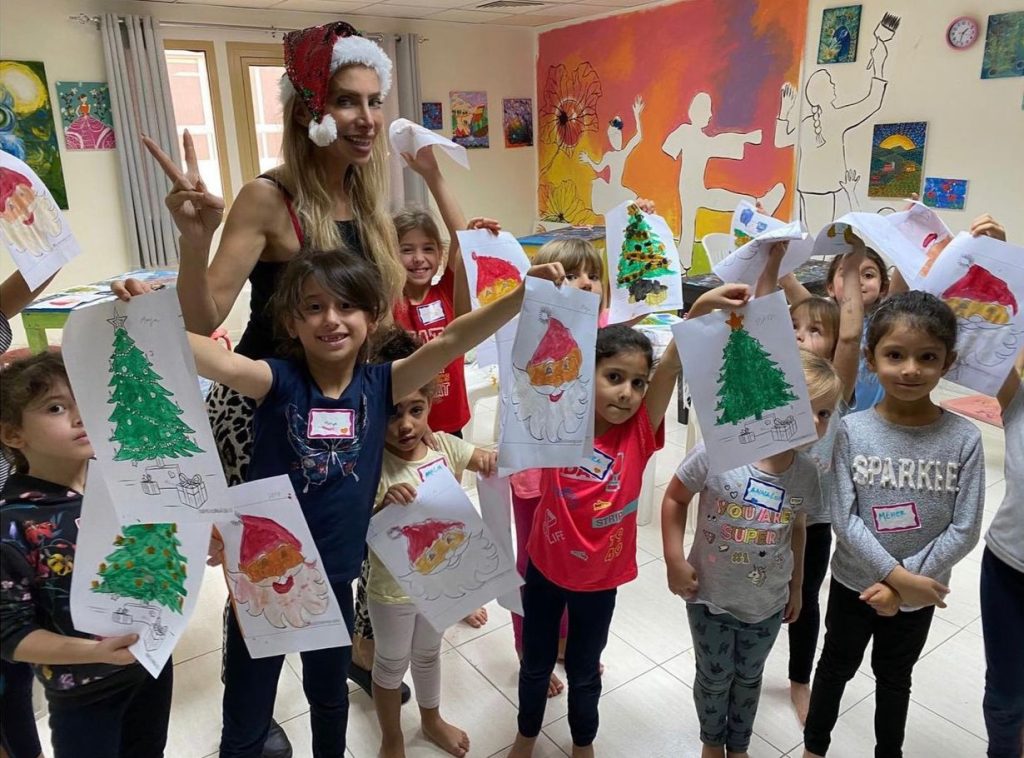
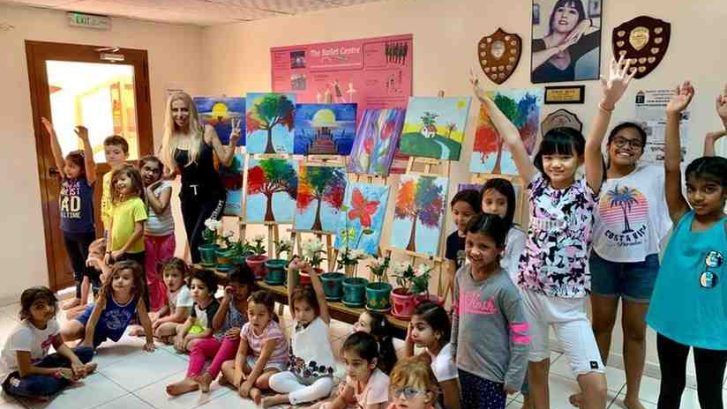
Children in art class holding up their paintings

By giving children a healthy way to release emotions, art supports their mental well-being. It can calm nervous energy, boost mood, and build resilience. Children begin to understand that it is safe to explore their inner world, which strengthens their sense of self and ability to manage feelings.

Learning to Work With Others

In group art classes, children naturally practice social skills. They share supplies, wait for their turn, and compliment each other’s work. Teachers often encourage short discussions about what each child created, giving them practice in speaking confidently and listening respectfully.

Collaborative projects, like a mural or group sculpture, teach cooperation. Children see how their individual contribution fits into a larger picture. These experiences build empathy and teamwork, preparing them to navigate friendships and future group activities with ease.

Creativity That Extends Beyond the Art Room

A thriving imagination is one of childhood’s greatest assets. Structured art classes keep this imagination alive and strong. When children invent characters, design imaginary worlds, or experiment with abstract patterns, they are reminded that creative thinking is valuable.

This creativity extends to other areas. In science, it helps them visualize experiments. In language studies, it inspires storytelling. In problem-solving, it fosters innovative solutions. Encouraging imagination early on ensures that children retain the ability to think freely and approach challenges with original ideas.

How Art Supports Other Learning Areas

Connections between art and academics are clear. Shapes and patterns in drawing enhance spatial awareness and early math skills. Organizing a painting into sections introduces concepts of proportion and symmetry. Storytelling through images strengthens vocabulary, comprehension, and narrative skills.

Art also introduces cultural awareness. When children learn about artistic traditions from different countries, they gain appreciation for diversity. Exposure to varied techniques and styles broadens their understanding of the world, making them more open and curious learners.

The Difference Structured Classes Make

While unstructured drawing at home is valuable, structured classes elevate the experience. In a guided environment, children are introduced to new materials—acrylics, watercolors, clay, pastels—that they may not have access to otherwise. Instructors introduce techniques gradually, helping children master skills like blending colors, using perspective, or creating textures.

Equally important, structured classes create an environment where experimentation is encouraged. Children learn that their work doesn’t need to be perfect, and that creative risk-taking is welcome. This balance of guidance and freedom supports steady growth while keeping the process joyful.

At Ballet Centre Dubai, children’s art classes are designed with these goals in mind. Instructors create a safe, nurturing space where children can explore materials, experiment with ideas, and express themselves freely. Parents find comfort knowing their child is building not only creative ability but also confidence, patience, and social awareness—all in a supportive community setting.

Lifelong Benefits of Early Art Education

The value of art education extends well beyond childhood. A child who grows up learning to express themselves visually often carries creativity into adulthood, whether through professional pursuits or as a meaningful hobby. The patience, confidence, and problem-solving skills developed in art classes remain valuable in careers ranging from engineering to teaching to business leadership.

Art also enriches personal life. Adults who practiced creative expression as children often turn to it later as a way to relieve stress, connect with others, or simply enjoy the satisfaction of making something by hand. The emotional and mental benefits of early art experiences stay with them, shaping healthier, happier adults.

A Gentle Reminder for Parents

Parents looking to support their child’s growth often focus on academics and structured sports, but art deserves equal attention. Creative expression builds a foundation that supports nearly every other area of development. By enrolling children in structured art classes, parents provide them with tools that will serve them for life: resilience, imagination, self-expression, and confidence.

Art is more than pictures on a wall—it’s a pathway to developing the whole child. Every brushstroke, every sketch, every piece of clay molded in little hands shapes a stronger, brighter future.
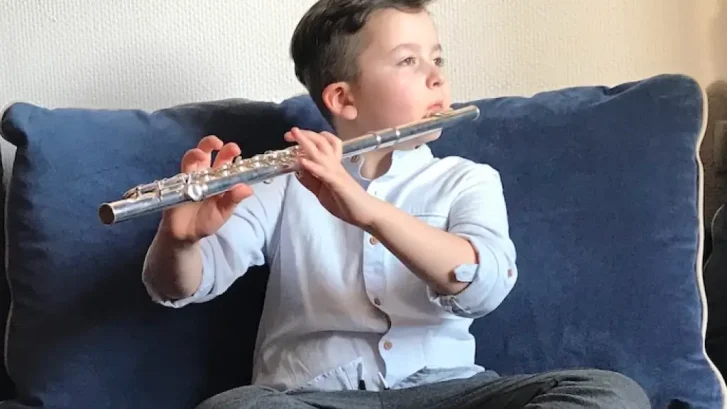
Little boy sitting on the couch and playing the flute

Why The Flute Is An Incredible Instrument To Learn

The flute is often described as one of the most expressive instruments ever created. Its sound has a lightness that can feel almost like birdsong, yet it also carries the strength to project through an entire orchestra. Unlike instruments that take months before a pleasing sound emerges, even beginners on the flute can experience a clear, melodic tone fairly quickly. That early success builds excitement, which motivates students to keep learning. For many children, hearing a beautiful phrase they created themselves is the spark that turns a lesson into a lifelong passion.

Easy to Carry, Easy to Practice

When families are choosing an instrument for their child, practical concerns matter. The flute has an enormous advantage here—it is small, lightweight, and portable. There’s no need for a van to transport it, no expensive cases with wheels, and no challenges fitting it into a school locker. Students can carry it in their backpack, making it part of their everyday life. That convenience means practice is never far away. Children can take out their flute after school, during a free moment at home, or while traveling. Parents often find that this ease of access helps children stay consistent with practice, which is the foundation of steady progress.

A World of Musical Styles

The flute has a special gift: it belongs everywhere. In classical music, it is treasured for its ability to carry soaring melodies with elegance. In folk traditions across the world, from Celtic to Indian, the flute takes center stage as a storyteller of culture and history. In jazz, it adds sparkle and improvisational energy. Modern film scores often use it for atmospheric color, and even pop music has welcomed its bright tone. For students, this range of possibilities keeps learning fresh. A child who begins with a simple Bach piece may later discover joy in Latin American rhythms or a contemporary soundtrack. The flute never limits imagination.

The Power of Breath and Posture

To play the flute, the body itself becomes part of the instrument. Every note is shaped by breath. This makes playing a powerful way to build lung strength and awareness of breathing. Young learners quickly discover that posture, focus, and calm control of their breath create the best sound. Over time, they develop habits of standing tall, sitting upright, and controlling airflow—all of which support both music and everyday health. Parents often notice the positive effect this has on children’s stamina, focus in class, and even their ability to manage nerves in other areas of life.

Learning Through Instant Feedback

One of the most rewarding aspects of the flute is how directly it responds to the player. A clear, ringing note tells the student they are doing things right, while a breathy or unstable sound shows what needs adjusting. This immediate feedback makes learning interactive and engaging. Children quickly learn to listen closely, self-correct, and celebrate small improvements. The cycle of effort, adjustment, and success fosters resilience and patience. Over time, these lessons in persistence become part of who they are, shaping a mindset that values hard work and steady growth.

Confidence as a Soloist and Team Player

The flute encourages independence and teamwork in equal measure. As a solo instrument, it gives students the thrill of standing in the spotlight, carrying melodies with confidence and expression. At the same time, it blends beautifully with other instruments in ensembles, school bands, and orchestras.

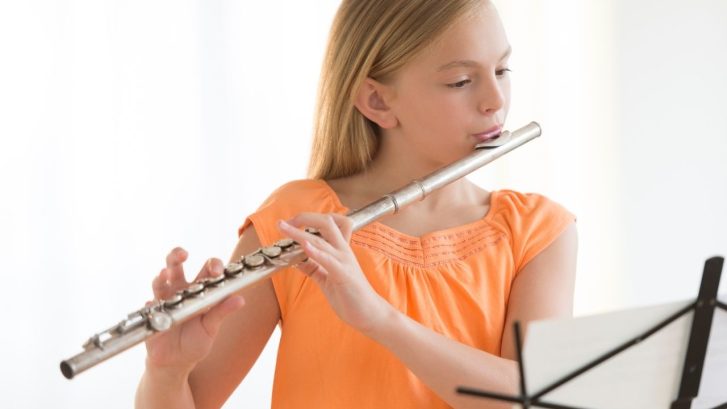
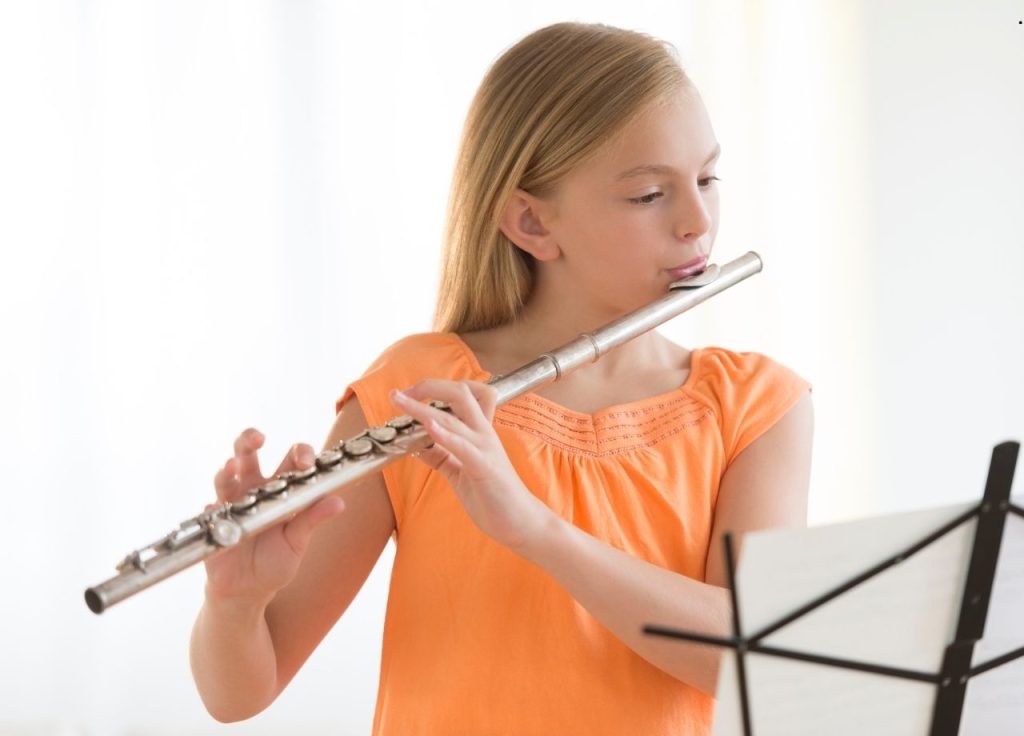
girl holding and playing a flute

Students learn the joy of sharing music with others, listening carefully, and adjusting their sound to complement the group. This balance of solo performance and collaboration nurtures confidence, adaptability, and social skills that extend well beyond music.

Sharpening Focus and Building Academic Strength

The process of reading music and playing the flute is a workout for the brain. Students must coordinate breath, finger movements, rhythm, and musical expression all at once. This challenges memory, concentration, and multitasking skills in a way that is both enjoyable and effective. Many parents notice improvements in academic performance when their children study an instrument. The discipline of practice encourages organization, while the mental agility required for music often strengthens problem-solving and learning abilities in subjects like math and language.

Music That Stays for Life

The flute is not just an instrument for childhood—it is a companion that can remain for decades. Children can begin with curved headjoints designed for smaller arms and hands, then grow into full-sized flutes as they mature. Adults can return to the flute years later and find it just as rewarding. Its portability and relatively gentle physical demands mean it is accessible at any age. Whether a student dreams of a career in music or simply seeks a creative hobby, the flute offers a lifelong source of joy and self-expression.

The Stage as a Teacher

Performing with the flute offers lessons that no classroom can match. Students learn how to manage stage fright, focus their energy, and present themselves with poise. Each recital or exam becomes a milestone, showing them the progress they have made. Parents often see their child stand taller, speak with more assurance, and carry themselves with greater confidence thanks to these experiences. The growth that comes from performing music extends far beyond the stage, preparing students for interviews, presentations, and challenges later in life.

Why Structured Lessons Matter

Although the flute is approachable, it flourishes under guidance. A skilled teacher not only explains technique but also encourages creativity, discipline, and joy in learning. At Ballet Centre Dubai, children and adults can explore Trinity and ABRSM flute lessons that prepare them for international exams, guided by experienced instructors who nurture both talent and confidence. Families value the Centre’s flexible payment plans, KHDA approval, and welcoming environment. The option of free trial classes makes it easy to begin this journey, giving every student the chance to discover whether the flute feels right for them.

Music as Personal Expression

Perhaps the most remarkable gift the flute offers is the ability to express emotions without words. Its voice can shift from bright and playful to soft and contemplative, giving students a channel to share feelings they might not otherwise put into speech. For many, the act of playing becomes a form of relaxation, a way to process emotions, or even a daily ritual of calm. The flute turns practice into more than skill-building—it becomes an art of communication, joy, and self-discovery.

Children on stage acting wearing various costumes

Future Stage Stars Start with LAMDA Classes

A child’s exposure to the performing arts at a young age shapes not only their talent but also their confidence and life skills. At Ballet Centre Dubai, we’re proud to introduce our new Musical Theatre class, a vibrant mix of acting, singing, and dance—giving children a full-stage experience that’s both creative and structured. As part of this exciting programme, students also have the opportunity to prepare for LAMDA acting exams, a pathway that goes far beyond performance.

What Makes LAMDA Special?

LAMDA (London Academy of Music & Dramatic Art) has been training performers for over 150 years. While the name might bring to mind elite drama schools in London’s West End, LAMDA exams are accessible to young learners worldwide—and they offer far more than a route to the stage.

At its core, a LAMDA exam is a practical and supportive performance assessment. Children can explore acting, verse and prose speaking, or musical theatre, depending on their interests. The focus is on personal growth as much as technical ability. Whether a student dreams of being on Broadway or simply wants to speak up with confidence in front of a class, LAMDA provides tools to support both.

Building Skills That Last

One of the most immediate benefits of LAMDA classes is how they help children become comfortable performing in front of others. But the process of preparing for an exam does more than just improve stage presence.

  • Communication skills sharpen as students learn to speak clearly, with intention and emotion.
  • Confidence grows with every rehearsal, especially as students begin to see progress.
  • Memory and focus are strengthened by learning lines and understanding stage cues.
  • Empathy and emotional awareness develop as children learn to step into different characters.

Importantly, these aren’t just “acting” skills—they’re life skills.

Parents often report changes in how their children interact at school, speak at home, or even handle new social situations. A shy student might find their voice, while a naturally outgoing child learns to direct their energy with purpose.

A Flexible Path for All Levels

LAMDA exams are available at multiple levels, so students can progress steadily from beginner to advanced, always building on previous work. There’s no rush to reach the top grades—each level offers value in its own right.

Some children start with Introductory Stage exams, where they might learn to recite a poem or act out a simple story. Older or more experienced students can take on more complex scenes, monologues, or musical theatre numbers that demand a greater depth of expression and technique.

At Ballet Centre Dubai, our teachers tailor the experience to each child’s strengths and pace. Whether your child is new to the stage or already passionate about performing, LAMDA offers a structured yet creative outlet to grow.

Why LAMDA Matters for the Future

It’s easy to think of performing arts as an extracurricular activity, but LAMDA turns that passion into something tangible and recognised.

From Grade 6 onwards, LAMDA qualifications are included in the UCAS Tariff, meaning they can earn points that count towards university applications in the UK. For students planning to study abroad, this is an incredible advantage. Even for those not pursuing drama academically, these points can strengthen an application by demonstrating discipline, creativity, and communication skills.

But beyond academics, there’s a quiet but powerful benefit: the sense of achievement. Completing a LAMDA exam and receiving a certificate with your name on it is a meaningful moment for any child. It shows commitment, effort, and growth—and that’s something to be proud of at any age.

The Power of Musical Theatre

Our new Musical Theatre class is a perfect companion to the LAMDA curriculum. With its mix of singing, dancing, and acting, students get to explore multiple performance elements at once. This makes learning more dynamic and keeps students engaged—especially those who love music and movement.

teen-girl-wearing-mask-and-costume-standing-on-stage

Through musical theatre, students learn to work as part of a team, tell stories through song, and express emotion through choreography. These experiences complement the skills built in LAMDA classes, reinforcing performance discipline while allowing plenty of space for creativity.

A Safe and Supportive Environment

We believe in nurturing the whole child—not just the performer. Every class is built around safety, encouragement, and progress. Our instructors are experienced, certified, and passionate about helping each student grow with confidence.

Parents are often surprised at how quickly children open up in this environment. Shyness fades, friendships form, and students begin to take pride in their abilities. It’s about more than learning a script or hitting a note—it’s about discovering what your voice sounds like and having the courage to share it.

LAMDA at Ballet Centre: What to Expect

  • Free trial classes available for new students
  • KHDA-approved centre with experienced, supportive teachers
  • Flexible payment plans to suit your family’s needs
  • A welcoming community where beginners and experienced performers are equally supported
  • Opportunities for yearly LAMDA exams, leading to internationally recognised certificates

Whether your child is dreaming of a future on the stage or simply looking for a space to express themselves, our Musical Theatre and LAMDA programme is a wonderful place to begin. It’s not just about learning lines or earning certificates—it’s about becoming confident in your own skin, discovering creativity, and finding joy in performance.

Every great performer starts somewhere. But more importantly, every confident, expressive, and articulate adult was once a child learning how to communicate. LAMDA helps build that foundation—with grace, discipline, and imagination.

We’re proud to be part of that journey.

If you’d like to know more about enrolling your child in our Musical Theatre and LAMDA classes, or book a free trial, feel free to contact us. We’d love to welcome you to the stage.

girl holding and playing a flute

Different Types of Flutes From Around the World

You can hear it in a quiet forest, in a crowded festival, or across a concert stage—the flute’s voice travels far, both in sound and geography. Its origins stretch back thousands of years, and nearly every culture has shaped its own version. It’s one of the few instruments that doesn’t need strings, reeds, or skins to resonate. Just breath, a tube, and a little technique.

What’s remarkable is how flutes, though simple in design, carry stories from every corner of the world. Each has its own shape, tuning, purpose, and personality. Here’s a closer look at some of the world’s most distinctive flutes, their cultural significance, and why they continue to enchant.

Bansuri – India

The bansuri is made from a single shaft of bamboo and is associated with Lord Krishna in Indian mythology. Its sound is soft, emotional, and expressive—perfect for the ragas and spiritual textures of Indian classical music.

In Indian villages, children often grow up making their own simple flutes from bamboo sticks. The professional versions used in concerts, however, require refined blowing techniques and fingering. A bansuri player learns to slide between notes with incredible subtlety, almost mimicking the voice.

Many young learners at Ballet Centre Dubai are introduced to Indian classical instruments and vocal traditions through structured music lessons. A student playing a bansuri for the first time often finds the posture and breath control taught in ballet or taekwondo helps maintain balance and poise while performing.

Dizi – China

The dizi is a transverse bamboo flute with a unique twist: a thin membrane (made from the inner skin of a reed) covers one of its holes. This gives the dizi a bright, buzzing quality that stands out in Chinese folk music and opera.

Chinese ensembles often feature a range of dizis in different keys and tunings. Faster pieces demand fingerwork that feels almost acrobatic, which is why finger strength and coordination are emphasized early in training. Traditionally, students carve their names into their first dizi, marking it as both an instrument and a personal milestone.

A story often shared by music teachers is how quickly students connect to the dizi’s energetic tone. It becomes a favorite for those who like storytelling in music—especially in tales of warriors, dragons, or mythical adventures.

Shakuhachi – Japan

Made from the root end of a bamboo stalk, the shakuhachi is vertically held and played like a recorder, but the similarities stop there. Its haunting sound can shift from whisper-quiet to piercing with a small movement of the lips.

Used by Zen monks in meditation and by solo performers in concerts, the shakuhachi isn’t just about melody—it’s about silence and breath. Long pauses, controlled air, and changes in embouchure create music that feels suspended in time.

Western-trained musicians often find it challenging to adapt to the shakuhachi because it prioritizes tone over notes. Still, once a player learns to hear the character of each breath, they rarely go back.

In a performing arts setting, students benefit from exposure to these slow, reflective styles. It teaches patience, listening, and sensitivity—skills just as relevant on stage as they are in an ensemble room.

Quena – South America

The quena is the traditional flute of the Andes, with deep ties to Peruvian and Bolivian folk music. It’s end-blown, usually made of cane or wood, and has a notch that the player blows across—like a bottle.

Its voice is mellow and melancholic, often paired with charangos and panpipes in folk songs. Musicians use it to echo mountain winds or the call of a condor.

A girl child playing a flute

Children in rural Andean villages often learn the quena by ear, guided by elders who pass down songs through memory, not sheet music. This oral tradition encourages creativity from a young age, and melodies are often shaped spontaneously during festivals.

In Dubai, students learning music from different parts of the world discover how regional traditions like those of the quena tie directly into dance, storytelling, and crafts—some of the very subjects taught side-by-side at Ballet Centre Dubai.

Ney – Middle East

The ney is one of the oldest instruments still in use, with roots in Persian, Turkish, and Arabic music. Made from a hollow reed, it has a distinctive, breathy sound that seems to reach into memory itself.

It requires a special kind of embouchure—angled and loose—to produce its tone, and players often study it for years before mastering even the basic notes. In Turkish Sufi ceremonies, the ney is played in long, flowing melodies that reflect spiritual longing.

One of the first things a ney player learns is control—not only of air, but of emotion. The instrument can sound joyful, mournful, or reverent, depending on the hands and heart behind it.

The subtlety of this instrument often appeals to older students or those with experience in drama or vocal arts, where expression matters as much as technique.

Native American Flutes – North America

Traditionally carved from wood, these flutes have two chambers and a totem that helps direct air over the sound hole. The result is an earthy, warm tone that pairs naturally with the rhythms of nature and spoken word.

Often tuned to pentatonic scales, they’re accessible for beginners and satisfying for advanced players alike. Native American flutes are commonly used in healing ceremonies, solo meditation, and contemporary compositions.

Many parents choose these flutes for children exploring music for the first time. Their soothing sound and forgiving design make them an encouraging introduction to melodic instruments.

For students interested in storytelling, improvisation, or composing their own songs, this flute is a beautiful way to begin. In classes where creativity is encouraged, especially in drama or arts programs, these instruments find a natural place.

Irish Tin Whistle – Ireland

Compact, affordable, and cheerful—the tin whistle (or penny whistle) is often a child’s first introduction to Irish music. Its bright, quick notes are perfect for jigs, reels, and marches.

Despite its simple design, mastering the tin whistle requires breath control and a good sense of rhythm. It’s small enough to carry in a pocket, making it a favorite for impromptu jam sessions or informal performances.

In Irish pubs or during street festivals, tin whistle players bring energy and spontaneity to any gathering. The culture surrounding the instrument is playful but rooted in deep tradition.

In a group class setting, tin whistle is excellent for ear training and ensemble play. Young students often find confidence through small successes—getting a clear tone, learning a traditional tune, or leading a group in rhythm.

Western Concert Flute – Global

The silver flute most people recognize today has its roots in 19th-century Europe but is now used worldwide across genres—classical, jazz, pop, and beyond. It’s one of the most versatile instruments ever developed.

Its design features a series of keys that allow for complex melodies and technical passages. The concert flute can be bright or mellow, depending on how it’s played, and is a staple in orchestras, bands, and music exams.

Students studying music through programs like ABRSM or Trinity often choose the concert flute for its broad appeal and structured learning path. These certifications are recognized internationally and provide a clear track from beginner to advanced.

At Ballet Centre Dubai, these exam systems are part of the regular music curriculum, offering young musicians a way to track progress while enjoying the social and emotional benefits of music education. With flexible class timings and supportive instructors, even busy families find it possible to nurture musical skills alongside other activities like dance or drama.

Why Flutes Matter

Flutes are more than instruments—they are voices. Whether singing softly to the stars from a mountain top, or leading a parade through busy streets, they carry the spirit of their culture through time.

For children and adults alike, learning the flute can be an entry into rhythm, breath, and emotional expression. It fosters listening, coordination, and memory—skills that transfer to other disciplines in the performing arts.

And perhaps most importantly, flutes remind us how something so simple can be so moving. A hollow tube and a breath—shared across nations and generations.

Interested in learning flute or want to get a feel of it? Book a demo class.

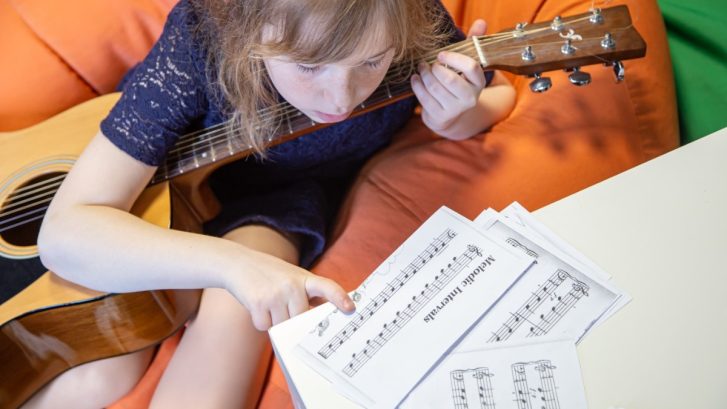
A little girl learns to play the guitar by sheet music

Should Kids Learn Music Literacy?

Music literacy, at its heart, is about learning to read and write music—decoding rhythms, notes, and dynamics. It’s often seen as something for “serious musicians” or students aiming for advanced grades. But it offers much more than that. For children, especially, learning music literacy can sharpen memory, build discipline, and foster deeper emotional expression.

Ask any parent whose child has studied music notation, and you’ll likely hear about improved focus, stronger listening skills, and a sense of quiet confidence. There’s something uniquely rewarding about watching a child sit down at an instrument and independently interpret what’s on the page. It’s a self-guided journey, one measure at a time.

Understanding Symbols and Sound

Children are natural pattern seekers. Letters form words. Numbers build equations. Music notation fits neatly into this same world—symbols that come together to shape melody and rhythm.

When a child learns to read music, they’re not just memorizing notes; they’re training their brain to process visual cues and translate them into motor actions. It’s an ongoing exercise in coordination and comprehension. This skill spills into other areas—reading fluency, spatial awareness, and even emotional regulation. A student reading a soft piano passage is engaging with cues that teach restraint and sensitivity.

There’s also a quiet thrill to decoding music. Like learning a new language, it empowers a child to participate in something greater than themselves—a tradition of shared performance, collaboration, and creative interpretation.

The Reading Brain, The Music Mind

Think of the brilliant neural circuit a child builds when learning to read. Their young brain brilliantly combines visual processing to see the letters, auditory processing to connect them to sounds, and language comprehension to unlock meaning. It’s a symphony of cognitive development.

Learning to read music engages the mind in a strikingly parallel way. A child at the piano, for instance, doesn’t just see notes on a page. They scan the musical symbols, connect them to the sounds they create, and listen intently to ensure the pitch and rhythm are just right—all while actively anticipating the melody yet to come.

See the symbol, hear the sound, anticipate what’s next. This isn’t just playing a sonata; it’s a cognitive workout that mirrors and reinforces the very same pathways used for reading a poem or decoding a complex passage. It’s not simply learning music; it’s training the brain for a lifetime of learning.

The Discipline of Practice

Music literacy creates structure. A child learning to read music starts to understand progress in small, measurable steps. They begin to see that mastering a skill isn’t about rushing but about consistency. This practice builds patience, something many children—and parents—find invaluable outside the music studio.

Students preparing for ABRSM or Trinity music exams, for example, develop a regular practice routine. They learn how to break down a challenging piece, work through fingering patterns, and slowly bring a song to life. This routine becomes a quiet sanctuary of focus and commitment.

Parents often notice that children who study music notation show greater resilience in schoolwork. They’re less discouraged by mistakes and more open to correction. Music gives them the tools to analyze their own progress without fear.

A Foundation for Creativity

Some assume that learning notation may limit creativity—that it puts a child in a box. But the opposite is often true. Once children understand the basics, they start to experiment. They’ll change a note, try a different tempo, or add their own flourish to a melody.

Music literacy doesn’t restrict expression; it gives kids the tools to shape it with intention. Think of it like painting: knowing how to mix colors and understand composition doesn’t stifle creativity—it enriches it.

A child who understands rhythm can improvise. A child who reads harmony can compose. And a child who studies dynamics knows how to deliver emotion without saying a word.

Building Confidence Through Achievement

One of the most tangible benefits of learning music literacy is the sense of achievement that comes from performing a piece as written. There’s a quiet pride in being able to sit down, open a book, and play something recognizable. For children, especially those who are shy or unsure of their abilities, this can be life-changing.

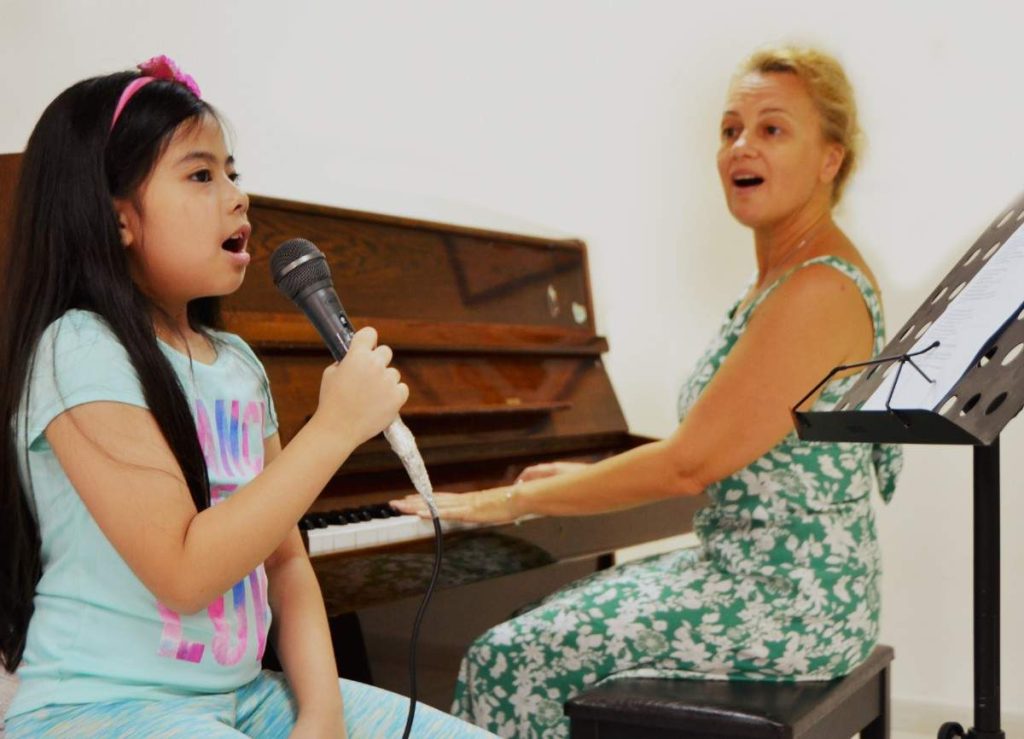
A music teacher playing piano whilr her student sings

It’s not about grand recitals or winning competitions. It’s about small victories: mastering a difficult passage, getting a thumb-under movement just right, playing a familiar tune for family without hesitation. These moments add up and give children a solid sense of self-worth.

Connecting with Others

Music is often shared. In group classes or ensemble settings, children who can read music find it easier to join in. They follow along with others, keep time, and understand how their part fits into the whole. They listen—not just with their ears, but with their eyes and intuition.

This ability to collaborate makes music a social experience. It teaches children to wait their turn, support their peers, and enjoy shared successes. Whether it’s a duet or a full recital, children who read music find more ways to participate and contribute.

A Practical Investment in Lifelong Skills

Parents looking for meaningful extracurricular activities often focus on sports, academics, or language classes. Music literacy may not always be at the top of the list, but it holds its own. It combines logic and emotion, performance and practice, discipline and creativity.

At Ballet Centre Dubai, students have the opportunity to learn music literacy through both Trinity and ABRSM syllabi, taught by experienced instructors in a nurturing setting. Classes cater to young beginners as well as more advanced students, with pathways that encourage both formal examination and pure enjoyment. The Centre also offers trial classes, so families can experience the benefits firsthand before making a commitment.

Final Thoughts

Music literacy may not seem urgent. It’s quiet. It takes time. But it gives children something rare: the ability to read and speak in a language that doesn’t rely on words. It connects them to themselves, their peers, and a wider world of sound and expression.

For parents considering how to support their child’s growth—intellectually, socially, and creatively—introducing music literacy is a meaningful step. It’s a skill that doesn’t fade with age and doesn’t require constant digital input to keep a child engaged.

Just a few notes, a few minutes a day, and the patience to let music unfold—these can spark a love for learning that lasts well beyond childhood.

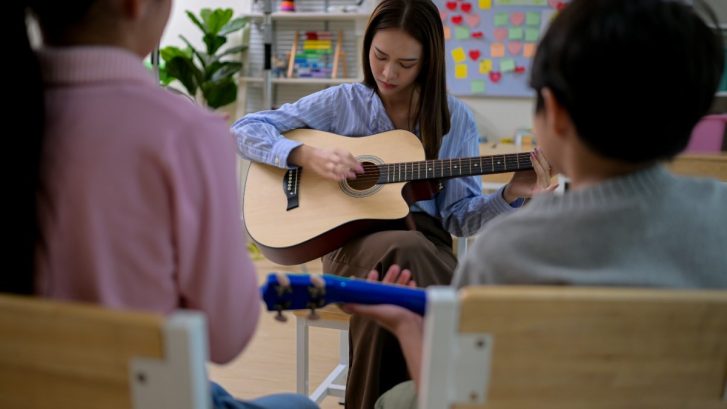
Guitar Class, Teacher and students in music classroom

What To Expect in Music Therapy Classes

A quiet room, a small drum in the corner, and a child softly swaying to the rhythm of a song they’ve heard a hundred times at home—this is often how music therapy begins. There’s no rush, no pressure to perform. What unfolds in the space between notes is where the real work happens.

Music therapy offers something unique to children: a chance to express emotions, reduce stress, and build confidence without needing to say a single word. It’s not about musical talent. It’s about connection—between therapist and child, between movement and sound, between inner feelings and the outside world.

Sessions That Feel Safe, Not Structured

A common misconception is that music therapy resembles a music lesson. Parents sometimes arrive expecting their child to learn chords or practice songs. But the focus is not on mastering technique. Sessions are flexible and built around the child’s needs and responses. Some days are more active—full of rhythm games or dance-like movement. Others are quiet, with soft piano chords or improvised lullabies guiding the mood.

Children are encouraged to explore instruments freely. There’s no right or wrong note. What matters is the response: a drumbeat that matches a child’s breathing, a familiar melody that soothes frustration, a shaker that brings a smile. The therapist adjusts based on these cues. One child may clap to match a beat; another may curl up on a beanbag and just listen. Both are participating fully in their own way.

Why Music Works When Words Don’t

Many children who join music therapy have difficulties expressing themselves verbally. Some are on the autism spectrum. Others are working through trauma, anxiety, or delayed speech. Music offers an alternate path. It bypasses the part of the brain that processes language and reaches the emotional centers directly.

You might see a child who hasn’t spoken much suddenly hum along with a song. Or one who struggles with coordination keep time with a tambourine. These moments are powerful. Over time, repetition and rhythm help regulate attention, reduce anxiety, and create a predictable pattern the child can rely on.

It’s not uncommon for therapists to use the same song for weeks, making tiny changes to the lyrics or tempo. This consistency helps build trust, while the variations encourage flexibility and listening. In many cases, children who felt overwhelmed in group settings begin to look forward to the routine.

What Does a Music Therapist Do?

A music therapist is a board-certified healthcare professional who uses music intentionally within a therapeutic relationship to address physical, emotional, cognitive, and social needs of individuals. Unlike a music teacher who focuses on technical skill, the therapist uses musical experiences—like improvisation, songwriting, listening, and movement to music—as clinical tools to achieve non-musical goals.

They are trained observers who assess a client’s needs, develop a treatment plan, and use their musical skills to facilitate engagement, expression, and growth. Their core role is to guide the session based on the client’s immediate responses, using music to support developmental milestones, manage anxiety, improve communication, and process complex emotions in a safe and supportive environment.

Individual and Group Sessions

Some children thrive in one-on-one sessions, where the environment is calm and the attention is undivided. Here, the therapist and child build a bond slowly, using instruments, voice, or even silence to establish comfort. Others benefit from small group classes, where interaction with peers is gently encouraged.

In group settings, children can work on sharing, turn-taking, and responding to others in a structured yet playful way. If one child begins a rhythm, another might echo it back. This kind of call-and-response isn’t just musical—it’s social learning through sound. Therapists often facilitate small musical games that feel like play, but serve important developmental goals.

The Therapist’s Role: Observer and Guide

Music therapists are trained not just in music, but in psychology and child development. They’re always watching, adjusting, and interpreting subtle signs. If a child flinches at a loud sound, the volume drops. If a child gravitates to the xylophone, the therapist might build a session around that tone range.

Therapists often document each session closely—tracking patterns, noting behaviors, and setting small goals. These goals might relate to emotional regulation, speech development, or physical coordination. They don’t replace other types of therapy but can complement them. For many families, music therapy is part of a larger plan of care.

What Parents Can Expect Over Time

The changes aren’t always immediate. Some children spend the first few sessions just observing. But even that is meaningful. By being present, by listening, and by making small choices (even choosing not to play), the child is already engaging with the process.

Over time, parents often notice differences outside of the sessions. A child may start humming favorite songs at home, or use rhythm to manage big emotions. Others may begin to imitate phrases from songs as a first step toward speech. These moments are quiet wins. They don’t always come with fanfare, but they add up.

Communication between therapists and families is important. Most centers provide regular updates or check-ins. Parents are encouraged to ask questions, share observations, and be part of the process.

Instruments That Support Growth

Many parents ask what kind of instruments are used in music therapy. The answer depends on the child, but some tools are used often: hand drums, maracas, rain sticks, bells, keyboards, and ukuleles. Each serves a purpose. Drums are grounding and help with regulation. Bells encourage fine motor skills. Ukuleles are small and easy to strum, even for little hands.

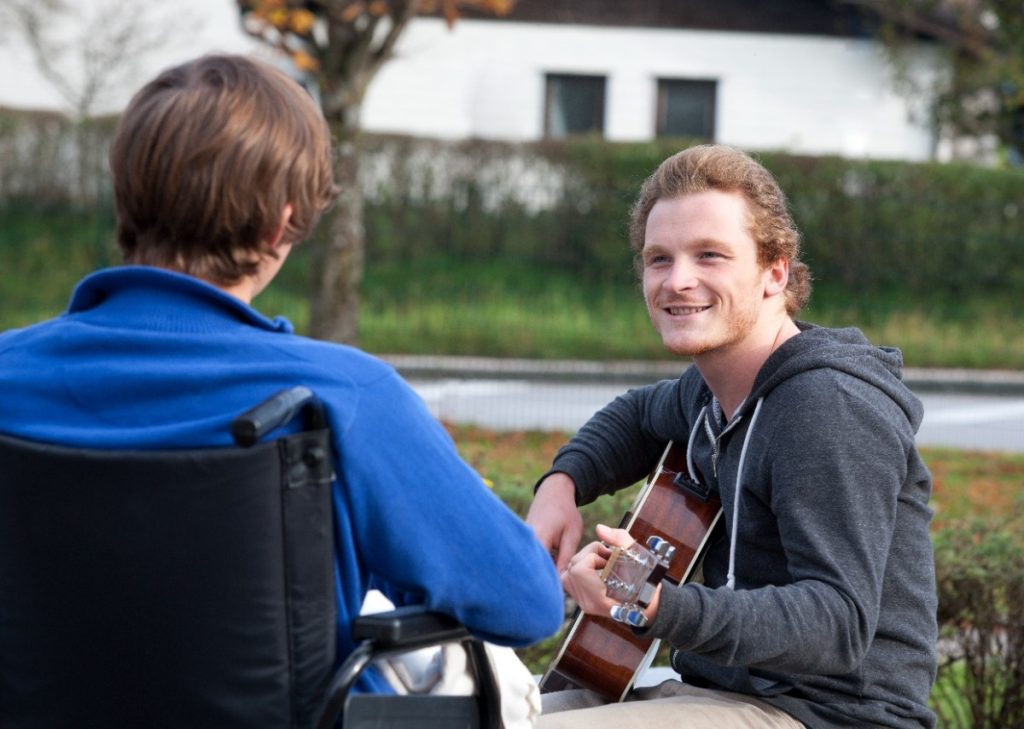
Young wheelchair user listening guitarist

In some sessions, therapists use digital tools as well—like music apps that allow children to compose simple tunes or control sounds with touch. This can be especially helpful for kids who are drawn to technology or who have mobility limitations.

Where to Start If You’re Considering Music Therapy

Many parents discover music therapy through a recommendation—from a teacher, pediatrician, or speech therapist. Others seek it out after noticing their child responds strongly to music at home. If you’re curious whether it’s a good fit, trial classes are a helpful place to begin.

Ballet Centre Dubai offers music classes that support early development, emotional awareness, and self-expression—making it a practical option for families looking to encourage their child’s growth through creative methods. With trained professionals, KHDA-approved programs, and flexible trial options, it provides a supportive environment for children of all abilities to explore the power of music in a way that feels safe and joyful.

Small Sounds, Big Changes

It’s easy to underestimate the effect of a few soft notes or a repetitive beat. But when those sounds are used with intention, they can reach places that traditional communication struggles to touch. A child who begins to smile more, sleep better, or connect more easily with others after a few months of music therapy is proof of that.

The progress may not always show up on a chart, but it shows up in the way a child carries themselves. In their willingness to try something new. In the way they light up when they hear their favorite song. And for many families, those are the milestones that matter most.

A little boy playing the piano

Learning Music? Start with These Easy Instruments

When eight-year-old Mira sat at the piano for the first time, she didn’t think much would happen. Her fingers fumbled over the keys, barely managing to play a tune. Three months later, she surprised her parents with a soft, well-paced version of Twinkle Twinkle Little Star. The pride on her face was unforgettable. That’s often how music begins—quietly, with a simple instrument, and a child trying to make sense of sound.

Getting started in music doesn’t have to feel overwhelming. Parents often worry about choosing the “right” instrument, especially when their child shows an early interest but isn’t quite ready for a major commitment. The truth is, some instruments are naturally more approachable and rewarding for beginners. These are the ones that let children build confidence early, discover rhythm and melody in a fun, intuitive way, and develop a real connection with music.

Here are a few that consistently prove to be gentle yet rewarding entry points into the world of music.

Keyboard/Piano: A Visual Introduction to Music

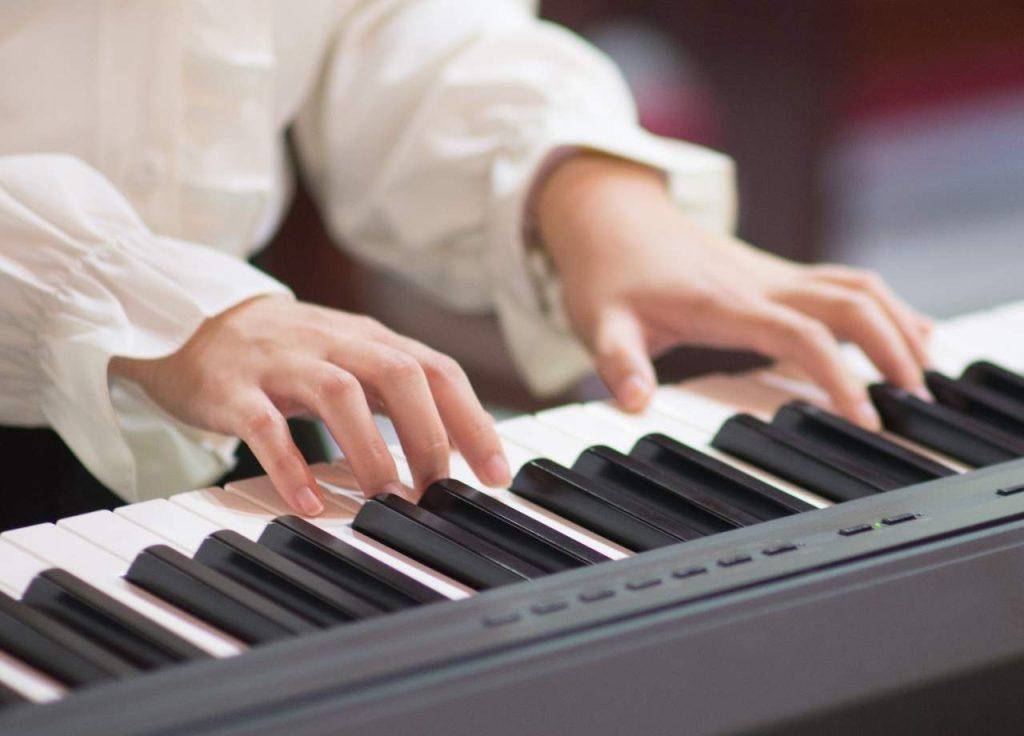
The piano gives immediate feedback. Press a key, and there’s a note. No need to worry about embouchure, bow grip, or finger calluses. The layout is linear and easy to understand, making it ideal for understanding scales, chords, and rhythm.

For beginners, digital keyboards can be an affordable and space-saving alternative to traditional pianos. They often come with lighted keys and built-in lesson modes that encourage practice. What makes the piano especially useful for children is how it develops coordination between both hands, and introduces them to musical theory without being abstract.

One mother shared that her son, Adam, who struggled with focus in school, found his rhythm at the piano. “He would sit and play just five minutes at first, then ten. Now he disappears for an hour, completely absorbed. It taught him how to listen—to the music and to himself.”

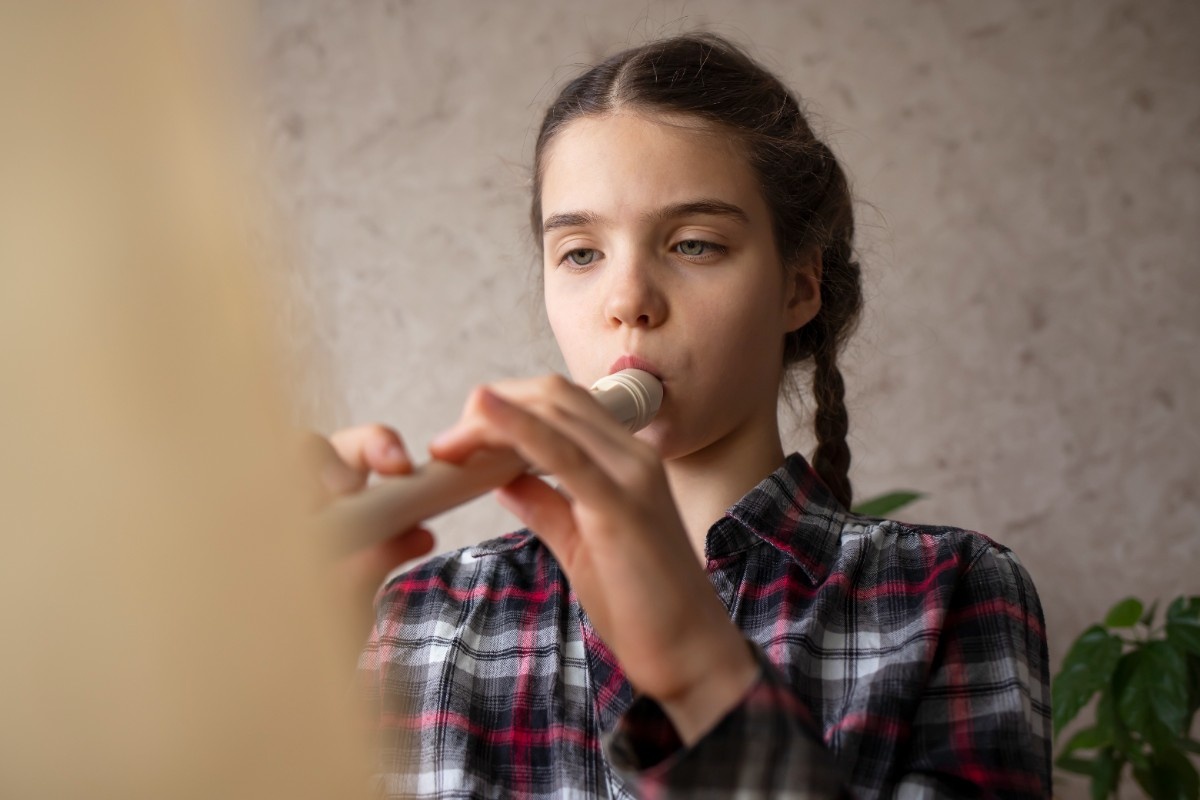
Recorder: Simple, Portable, and Surprisingly Musical

The recorder has an unfortunate reputation in some circles, likely due to classroom chaos and mass-distributed plastic versions. But don’t underestimate its potential. For children around five to seven, it’s often the first wind instrument they can manage.

It teaches breath control, pitch awareness, and fingering techniques that transfer later to instruments like the flute or clarinet. A wooden or higher-quality plastic recorder can make a world of difference in tone and experience.

A music teacher at the Ballet Centre Dubai once described the recorder as “a bridge to real musical thinking.” It’s light, easy to clean, and can travel anywhere. More than a few students who began here later transitioned smoothly into more advanced instruments, thanks to the foundation it built.

Violin: Challenging but Rewarding for the Patient Beginner

The violin does take a bit more effort at first—there’s no frets or keys to guide pitch, and holding the instrument properly requires practice. But the learning curve has a payoff. It builds strong ear training from the beginning, and fosters discipline and perseverance.

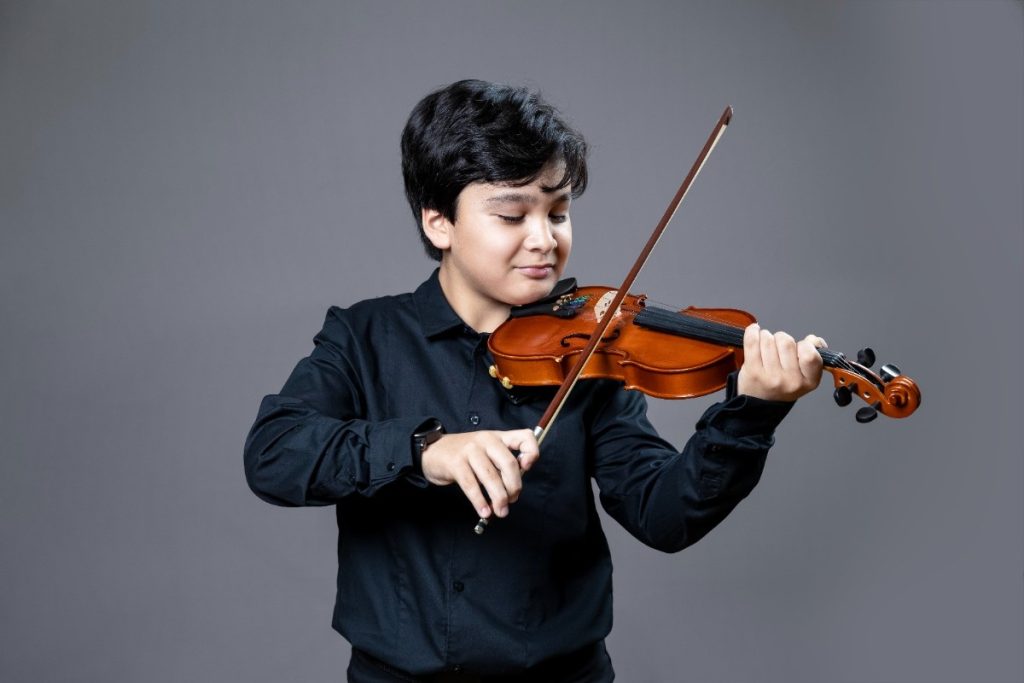
A boy wearing black playing the violin

Children as young as four can begin with smaller-sized violins. Early lessons tend to focus on posture, bowing, and open-string exercises that slowly ease students into more technical pieces. Families who invest in consistent practice usually see noticeable progress within the first year.

One teenage student who started violin at six said, “It was hard, but when I played my first song without help, I felt like I could do anything.” That kind of growth—personal as well as musical—is one of the quiet gifts this instrument offers.

Ukulele: Instant Gratification and Joy

Few instruments feel as welcoming as the ukulele. It’s light, affordable, and easy to learn. With just a few chords, students can strum along to popular songs in no time. That sense of early success is key, especially for children who may be nervous or shy about performing.

The soft nylon strings are gentle on young fingers, and the small body makes it a great fit for smaller hands. Because tuning and chord shapes are simple, children can focus more on rhythm, singing along, and enjoying music-making socially.

Parents have noticed that ukulele practice often doesn’t feel like “practice.” It’s play. And that’s important. Music shouldn’t be a chore—it should be something that pulls a child in because it’s fun.

Voice: The Instrument We All Carry

Singing is often overlooked as a formal entry point into music, but it shouldn’t be. It develops ear training, timing, breath control, and emotional expression—all without needing to buy anything. For many children, especially those who hum constantly or mimic melodies they hear on TV, voice lessons can shape natural talent into skill.

Trained vocal coaches understand how to guide young singers without straining their developing voices. They help build technique while keeping sessions fun and supportive. Singing in groups also builds confidence and collaboration—skills that reach far beyond music.

Parents are often surprised by how much children can learn through vocal training. It’s not just about pitch or tone, but about storytelling, breathing with intention, and connecting with others.

Supporting Your Child’s Musical Journey

Music isn’t just a hobby—it becomes part of how a child experiences the world. It teaches patience, focus, creativity, and joy. The right starting instrument can help that journey begin with confidence and clarity.

At Ballet Centre Dubai, music classes are thoughtfully designed for beginners, with experienced teachers who understand how to meet each child where they are. Whether your child wants to sing, try the violin, or explore the keyboard, our supportive environment encourages both discipline and delight. Parents can also explore free trial classes to see what suits their child best.

One student’s father said, “We tried a free piano class just to see if it would click. Now, every Wednesday, it’s the best part of her week.”

When music starts off simple and engaging, it has room to grow. The right first step can make all the difference in turning interest into love—and love into lifelong learning.

A girl playing the piano

Electric Piano vs Keyboard – What’s the Difference?

It’s a common question, especially among families just beginning their child’s musical journey. At first glance, these instruments can seem interchangeable. They both have keys. They both plug in. And they both can play music. But the experience they offer—how they sound, feel, and support learning—isn’t the same.

Let’s explore the differences in a way that helps you decide which one is right for your home, and more importantly, for your child’s growth as a musician.

The Feel Beneath the Fingers

One of the most noticeable differences lies in the keys themselves. Electric pianos are built to mimic the feel of an acoustic piano. The keys are weighted, often with a mechanism that simulates the resistance and balance of traditional hammers and strings. When a child presses a key, there’s a subtle pushback—teaching their fingers to build strength and control. That tactile response is crucial for developing proper technique.

Keyboards, on the other hand, often use spring-loaded keys. They’re lighter and require less pressure. For very young beginners, that can feel easier at first, but it may create habits that are harder to adjust later if the student transitions to a real piano or takes formal exams. Playing lightly on an electric piano feels different than pressing down on plastic keys that bounce back instantly.

If your child is enrolled in structured piano classes—like the ABRSM or Trinity programmes taught at Ballet Centre Dubai—they’ll be preparing to perform pieces written for classical pianos. A keyboard may not help them develop the necessary hand posture, articulation, or dynamics that the examiners expect to hear.

Sound Quality and Expression

Ask any piano teacher and they’ll tell you: the way a student hears their own playing shapes how they learn. Electric pianos use samples of real grand pianos recorded in professional studios. This allows the student to play with a range of tones—from soft, delicate notes to bold, dramatic chords. Many models are also “touch-sensitive,” meaning the volume and tone change depending on how hard or softly the keys are pressed.

Keyboards often offer a different kind of sound experience. They come with dozens (sometimes hundreds) of tones—everything from flutes to electric guitars. That’s fun, especially for children who enjoy experimenting. But if the goal is to develop an ear for classical music or understand dynamics in a structured way, a keyboard’s sound system may fall short.

Of course, not every child is aiming for concert halls. But even beginners benefit from learning how to express emotion through sound. A well-built electric piano supports that kind of musical storytelling from the very first lesson.

Size, Portability, and Space at Home

There’s no denying the practicality of a keyboard. It’s lightweight, easy to move, and doesn’t take up much room. If your family travels often or lives in a smaller space, a compact keyboard can be a convenient starting point.

Electric pianos are usually heavier. Many are designed with a stand or cabinet that makes them look and feel more like traditional upright pianos. They become part of the home. There’s something special about walking into the living room and seeing a proper piano set up, ready to play. It signals that music matters in that space.

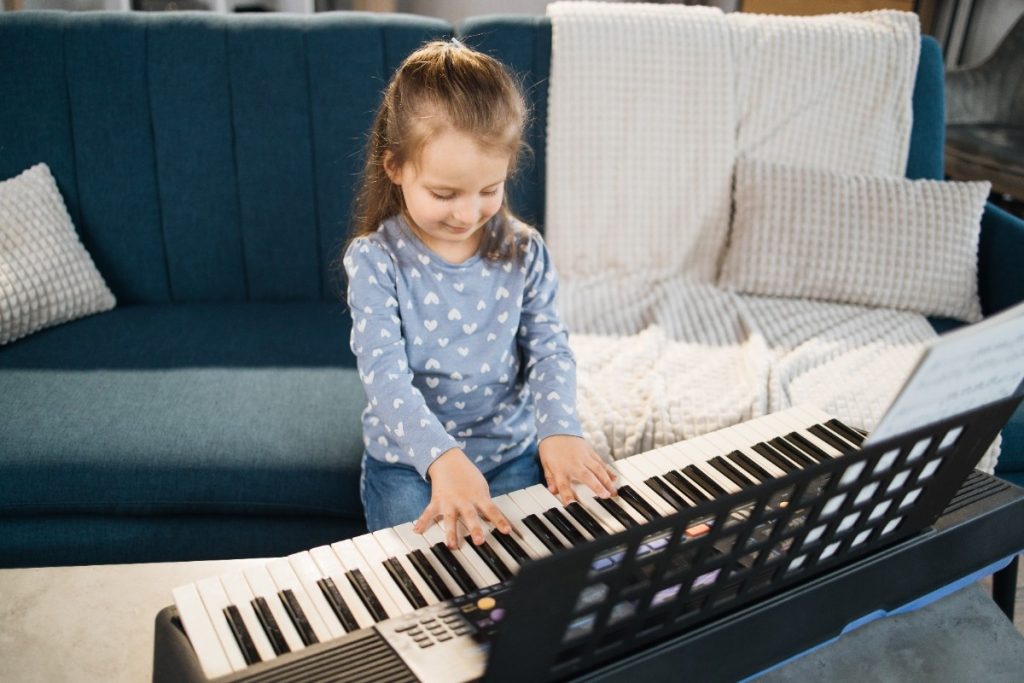
Little girl playing the piano

Still, not every home can accommodate a full digital piano. If space is limited but you want something closer to the real thing, look for an electric piano with a detachable stand. That gives you flexibility without giving up on quality.

Learning Tools and Technology

This is where keyboards tend to shine. Many entry-level models come packed with built-in songs, rhythm tracks, and demo modes. Some even light up the keys to guide beginners through simple melodies. For kids who learn best through play and repetition, those features can make practice more enjoyable.

Electric pianos usually take a more minimalist approach. They may offer metronome functions or USB connectivity for recording, but they don’t try to entertain the player. They’re designed for focus and musical accuracy.

In our experience, younger students often start with keyboards and then move up to electric pianos as they get more serious. That’s a natural path. But it’s also important to match the instrument with the teacher’s approach. If your child is taking private lessons, ask their instructor what they recommend. At Ballet Centre Dubai, we encourage families to use instruments at home that support the same techniques taught in class. That helps students stay consistent and feel more confident when they practice.

Durability and Longevity

Not all instruments are built to last. Entry-level keyboards can be a great way to test a child’s interest in music without a big investment. But after a year or two of use, they often start to wear down—keys may become loose, buttons can stop responding, and the sound may degrade.

Electric pianos, especially those from reputable brands, are built to stay in the family for years. They’re designed with durability in mind, and they often include pedals, which are essential for students once they start playing more advanced pieces.

Think of it this way: if your child is serious about learning, or if you plan to support their musical education long-term, investing in an electric piano early on can save you money and frustration later.

Which One Should You Choose?

There’s no universal answer here, only what suits your child, your budget, and your goals. Some families begin with a mid-range keyboard and upgrade once their child shows commitment. Others choose an electric piano from the start to set a strong foundation.

If your child is enrolled in formal lessons or working toward exams, an electric piano will give them a learning experience that mirrors what they’ll encounter in class. It supports better posture, encourages musical expression, and prepares them for performances. If your goal is casual exposure to music or a fun after-school activity, a keyboard can be a lighthearted way to start.

Above all, it’s about nurturing their connection to music. Instruments are tools—but when chosen thoughtfully, they become part of a child’s growth. Whether that growth happens through ABRSM piano lessons, drama workshops, ballet classes, or tap routines, the environment matters. A well-tuned instrument, just like a well-structured class, helps students feel inspired, encouraged, and proud of what they’re creating.

The right instrument can make practice feel like play and turn short lessons into lifelong skills. If you’re unsure which option fits your family best, visit a music store with your child and try both. Let them explore the sounds, touch the keys, and listen to their own curiosity. You’ll know when it clicks.

And when it does, there’s a whole world waiting—full of melody, rhythm, and the joy of learning.

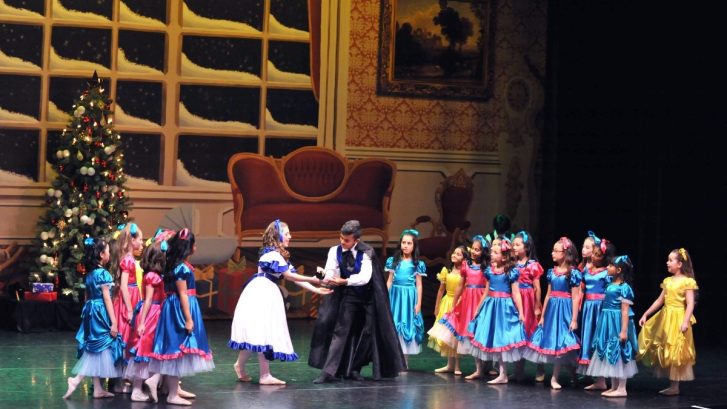
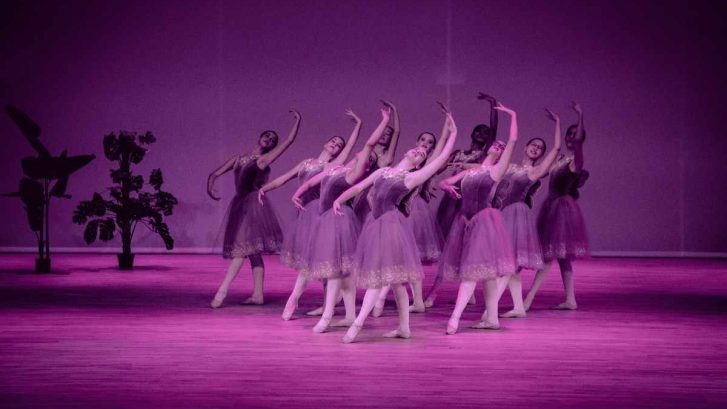
Group of girls performing ballet dance on stage

What Kids Learn in Musical Theatre Classes

A six-year-old in a glittery headband stands on stage, waiting for her cue. She’s been practicing for weeks — memorizing lines, remembering when to twirl, when to sing, how to hold her gaze just long enough to tell the story. The lights go up, and her nervous smile transforms into something steadier, something brave. This is musical theatre class in motion. And behind the curtain is something far richer than stage directions and show tunes.

What children actually learn in musical theatre classes reaches far beyond performance. Yes, there’s music, movement, and acting. But there’s also teamwork, timing, empathy, confidence, discipline — the sort of things that quietly build strong foundations in young minds.

At Ballet Centre Dubai, musical theatre training begins as early as age five, in a warm environment where children explore creativity in a structured and encouraging setting. The classes combine singing, dancing, and acting into one integrated experience, which makes them incredibly fun — but also deeply valuable.

They Learn How to Be Part of a Team

A solo can be dazzling, but most moments in a musical involve working closely with others. Group numbers, scene transitions, even warm-up games require kids to listen, support, and sync with their classmates. For younger children, this is often their first encounter with ensemble thinking: being responsible not only for their role but also for how that role contributes to something bigger.

It’s not unusual for a teacher to stop a rehearsal to point out a missed cue, not with criticism but with the reminder that when one person is off, the whole group feels it. In those small reminders, children begin to understand accountability in a way that feels empowering rather than punishing.

They Discover Emotional Expression Without Fear

Musical theatre doesn’t shy away from feelings. A scene might call for exaggerated joy, deep sadness, awkward nervousness, or loud frustration — all within minutes. The stage becomes a place where emotions are safe, expected, and welcomed.

This kind of emotional literacy is especially meaningful for children who might struggle with expression in everyday settings. On stage, there’s permission to shout or cry or burst into laughter — in fact, it’s often required. Teachers at Ballet Centre Dubai guide students in accessing those feelings authentically, helping even the shyest children learn to speak up, literally and emotionally.

They Learn to Use Their Whole Body to Tell a Story

Musical theatre students aren’t just acting — they’re moving constantly. Whether it’s a choreographed tap routine or a gesture that matches a line of dialogue, they’re learning how to be physically expressive. This combination of movement and storytelling enhances coordination and body awareness.

The dance elements in musical theatre classes are closely tied to the Centre’s broader curriculum, where students often transition into ISTD Tap or Modern Dance. This crossover helps children develop strong technical skills while staying connected to the playful, imaginative world of performance.

They Strengthen Memory and Focus

Children might start a term unsure about even a single line. By the end, they’ve memorized entire scripts, choreography sequences, vocal harmonies — and they’ve done it in stages, practicing repetition, focus, and mental discipline. This kind of learning builds concentration skills that translate well into the classroom.

At Ballet Centre Dubai, children often prepare for annual performances or graded Trinity exams, which gives their learning a clear purpose. It’s not uncommon to see a once-distracted eight-year-old suddenly laser-focused, determined to remember the exact beat where she needs to freeze before the spotlight hits.

They Build Self-Trust and Stage Presence

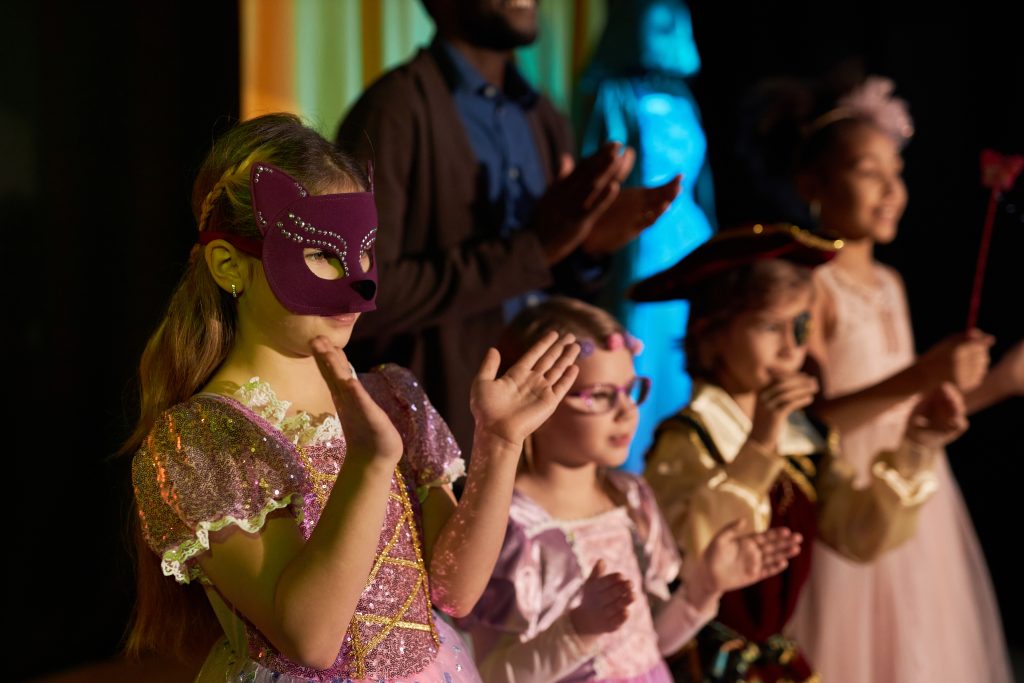
There’s a small but powerful moment that happens when a child steps forward alone and begins to sing. It’s not always pitch-perfect. Sometimes their voice shakes or their hands fidget. But by the end of the term, that same child might beam with calm assurance, standing tall, hearing applause with pride.


teen-girl-wearing-mask-and-costume-standing-on-stage
Portrait of teen girl wearing mask and costume standing on stage in theater and applauding with group of children copy space

This transformation doesn’t happen overnight, and it isn’t the result of pressure. It’s the steady encouragement of teachers who know when to push and when to reassure. It’s the camaraderie of classmates who celebrate each other’s growth. It’s the Centre’s emphasis on nurturing confidence gently and consistently, not forcing it.

They Embrace Mistakes as Part of the Process

Every child forgets a line. Trips over their own foot. Comes in late on a song. And each time, they get back up, laugh it off, try again. Musical theatre classes normalize this — not in a careless way, but with the understanding that mistakes are expected and even useful.

This attitude, more than anything, sets young performers up for long-term resilience. They learn to bounce back, to revise, to trust the process of learning. Parents often say their children seem more self-assured outside class, better able to handle small setbacks at school or with friends.

They Gain Exposure to Culture and Language

Musical theatre is full of storytelling — and stories are full of language. Children build vocabulary as they read scripts, improve diction as they sing, and explore tone and inflection as they act. They also encounter a wide range of music styles, accents, and characters, broadening their exposure to different cultures and time periods.

The Centre’s theatre instructors often use excerpts from classic and contemporary shows, adapted for age-appropriateness. This variety introduces students to storytelling across different genres and helps them develop a deeper appreciation for language and rhythm.

They Find Joy in Performing — and in Practice

Not every student will pursue theatre long-term. That’s not the goal. What matters is the joy they find in the act of doing — in rehearsing, remembering, and then finally sharing their work with family and friends. That moment when the curtain rises and their hard work becomes something shared is often unforgettable.

At Ballet Centre Dubai, students often participate in year-end showcases that bring together the best of what they’ve learned. The audience includes smiling parents, proud teachers, and sometimes even their peers from other classes like RAD Ballet or drama. It becomes a shared celebration of effort, growth, and imagination.

For Parents Wondering What Comes Next

Musical theatre classes offer a foundation that supports children far beyond the stage. Whether they branch into more specialized classes — like vocal training, tap, or modern — or simply carry their experience into academic and social settings, the benefits remain.

The Ballet Centre offers trial classes for those curious to explore, with flexible payment plans and KHDA-approved programs. It’s a safe, welcoming place for children to experiment with self-expression and stretch their creative muscles. For families seeking something joyful, meaningful, and just the right amount of challenging, musical theatre often strikes that perfect chord.

If you’re considering enrolling your child, the best time to start is when they show curiosity. A song hummed at home, a character they love to imitate, a dance move they keep repeating — these small signs often hint at something deeper. With the right encouragement and environment, those sparks can turn into something lasting. Something that, like the six-year-old under the lights, grows stronger with each step into the spotlight.

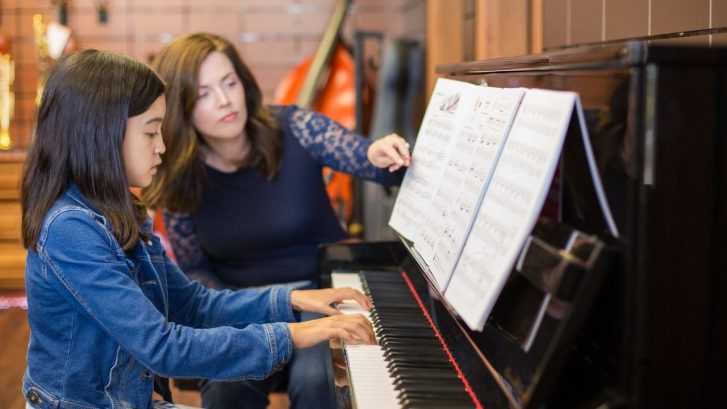
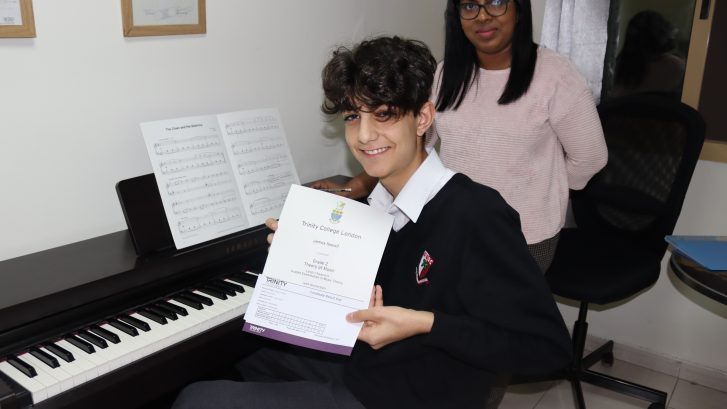
A child and his piano tutor sitting whilst child holds certificate to the camera

Keyboard vs Piano – Is There a Difference?

It often starts with a simple trip to the store. A child expresses interest in learning music, and a parent walks into a music shop or browses online, expecting to find something suitable. They’re met with rows of keyboards and digital pianos, some of them sleek and affordable, others labeled as “weighted,” “semi-weighted,” or “touch-sensitive.” Somewhere in the corner stands an acoustic piano—bigger, heavier, and far more expensive. The salesperson says, “This keyboard is perfect for beginners,” and the decision is made.

But is it the same thing?

What the Hands Learn First

The first thing any student feels when they sit at a piano is the weight of the keys. It’s not just about effort. The way a key responds teaches the hands how to move, how to listen, how to control volume and expression. An acoustic piano offers a physical response to each finger movement. The resistance builds strength. It also helps students learn how to play softly or powerfully—not by turning a dial, but by adjusting their own touch.

Keyboards vary in this regard. Many beginner models have light, plastic keys with no resistance. That makes it easier to press but doesn’t train the fingers in the same way. A child who starts here might find it difficult to switch to a piano later. They often need to relearn their hand position, fix finger pressure, and develop control from scratch. Teachers at Ballet Centre Dubai often see this in their music classes—students with great enthusiasm but poor habits developed from light-touch instruments.

The Sound Tells a Story

Pianos speak differently. The vibration of strings, the depth of resonance, and the way a note fades naturally give the music life. It’s not just louder or clearer; it’s more responsive. A well-played note on an acoustic piano feels alive. Students quickly learn that the same key can sound different depending on how it’s touched. That kind of feedback is a huge part of musical growth.

On a keyboard, the sound is often sampled. That means it’s a recording of a real piano, played back electronically. Some models do this well. Others fall short, offering tones that feel flat or artificial. And if every note sounds the same regardless of how it’s played, students lose the chance to shape the music themselves.

At Ballet Centre Dubai, where Trinity and ABRSM exam preparation is part of the music program, expression matters. Young pianists are encouraged not just to play the right notes, but to interpret them. That process starts with an instrument that lets them explore sound, not just copy it.

Space, Budget, and Practicality

This is where keyboards often win. They’re affordable, lightweight, and don’t need tuning. For parents who want to see whether their child will stay committed to music, a keyboard makes sense. It fits in a bedroom, plugs into headphones, and allows quiet practice—ideal for apartment living or busy households.

But it’s also worth thinking ahead. If a child shows steady interest, an upgrade is usually necessary. Many students who start with a keyboard eventually find that it limits their progress. Their technique reaches a ceiling. Their sound plateaus. That’s often when parents look into lessons at Ballet Centre Dubai, where students get access to quality instruments and structured learning environments. The difference in motivation is often immediate. Playing a real piano can feel like unlocking a new level of expression.

Digital Pianos: The Middle Ground

There’s also a category that sits between keyboard and acoustic piano—digital pianos with weighted keys and realistic sound modeling. These offer a better feel and tone, without the size and maintenance needs of a traditional upright. They’re ideal for families who want to invest in a quality experience but still need flexibility.

Many of our students at the Centre practice on digital pianos at home and then transition smoothly to acoustic pianos in their lessons and exams. The consistency in touch and tone makes a big difference in how confident they feel during performances or assessments.

How Age and Level Play a Part

For very young children, a lightweight keyboard might be an appropriate starting point. It allows them to explore music, get used to the layout of keys, and start simple rhythms without too much physical demand. But as they grow, their instrument should grow with them. Older students, especially those preparing for graded exams or considering music more seriously, need an instrument that can meet them where they are.

That’s why the teaching approach at Ballet Centre Dubai is tailored by age and level. Our youngest learners begin with playful, creative exploration of music. As they advance, they’re encouraged to work on technique, performance, and theory, supported by instruments that help—not hold them back.

The Emotional Connection

One of the most underrated differences between piano and keyboard is how the student connects emotionally with the instrument. A piano invites storytelling. It rewards subtlety and feeling. It draws the player into the music in a way that’s hard to describe but easy to sense. Many students who switch from keyboard to piano describe it as a turning point. Suddenly, practice becomes more meaningful. They don’t just want to get through the notes—they want to make the music beautiful.

That emotional shift often changes everything. Practice isn’t a chore anymore. It becomes something they look forward to. It’s why the teaching rooms at Ballet Centre Dubai are equipped with acoustic pianos. We want students to feel that connection from the start.

When to Make the Switch

There’s no set age or grade when a student has to move from keyboard to piano. But there are signs. If your child is playing regularly, showing interest in technique or expressive playing, or preparing for music exams, it’s probably time. Many families make the shift after Grade 1 or Grade 2, once the basics are in place and the student is ready for more.

Some choose to invest in a digital piano with fully weighted keys. Others look for second-hand acoustic models. Either way, the step forward often sparks renewed energy in practice.

At Ballet Centre Dubai, we guide families through this process. Whether it’s helping parents understand the difference between graded instruments, or offering practice recommendations for home, our goal is to make the musical journey smoother.

Free Trials and Ongoing Support

For parents unsure of where to start, our free trial music classes offer a low-pressure way to see what works for your child. Whether they’re beginners with no prior experience or have been tinkering on a keyboard for years, our teachers adapt the lesson to match their pace. We also provide flexible payment plans and regular performance opportunities, helping young musicians stay motivated throughout the year.

And since we’re KHDA-approved, students can be assured that their learning follows international standards—something that becomes particularly valuable if they’re pursuing formal exams.

So, Is There a Difference?

Yes, and it matters—especially to the child who’s learning. A keyboard can be a good start, but it doesn’t fully prepare a student for what’s ahead if music becomes more than a passing hobby. The feel, sound, and emotional response of a real piano can shape a student’s growth in subtle but meaningful ways.

If you’re wondering what would suit your child best, we’re always here to talk it through. And more often than not, seeing your child sit at a real piano—eyes lit up, hands curious, heart open—is what makes the decision easier than expected.

1 2 3 4