Taekwondo vs. Kickboxing: Which Style Matches Your Goals?
Choosing the right martial art can be a tricky decision, especially for those looking to unlock a wide range of physical and mental benefits. Both taekwondo and kickboxing offer effective ways to build strength, enhance fitness, and learn self-defense. Yet, they approach these goals from very different angles. Whether you’re considering a martial art for your child or looking to take on a new challenge yourself, understanding what each style brings to the table can help you decide which one best aligns with your personal goals.
What Is Taekwondo?
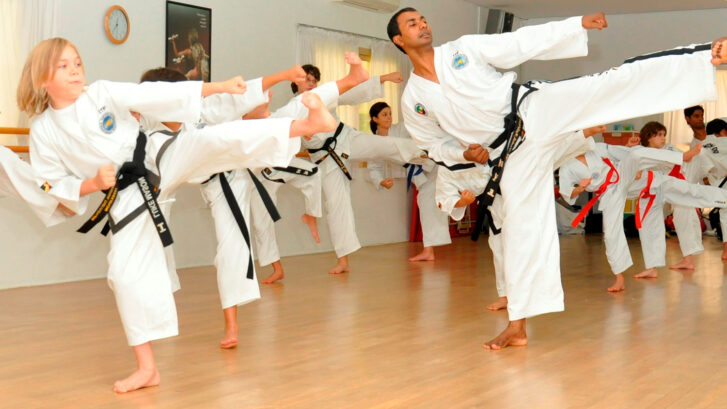
Taekwondo is a Korean martial art that emphasizes high, fast kicks and dynamic footwork. With roots in ancient Korean combat techniques, taekwondo was modernized and systemized in the 1950s and 1960s, eventually gaining international popularity. Its focus is on discipline, respect, and building mental resilience, often encouraging students to strive for personal growth in addition to physical prowess.
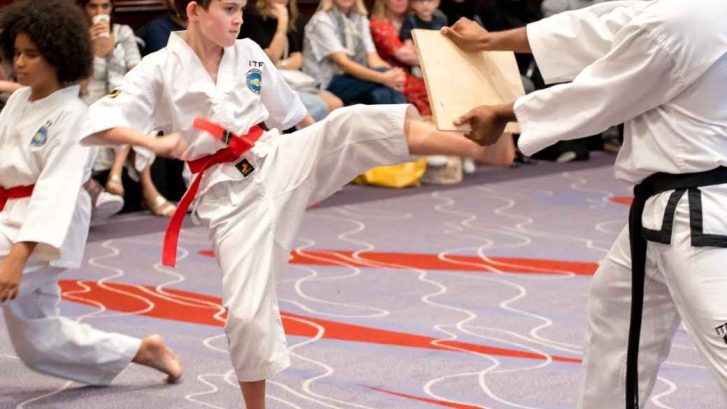
At the heart of taekwondo is its unique approach to combat. The art emphasizes agility and precision, often requiring practitioners to maintain balance while executing quick, powerful kicks. The techniques can vary from low, controlled kicks to high, spinning kicks that require flexibility and coordination. Students learn how to use their legs as their primary weapons, with some striking techniques involving fast, powerful roundhouse and side kicks.
What Is Kickboxing?
Kickboxing is a hybrid martial art that combines elements of traditional boxing with powerful kicks. Developed in the 1970s, kickboxing blends Western boxing techniques—such as punches, jabs, and hooks—with Eastern martial arts-style kicks, creating a versatile fighting system that incorporates both hand and foot strikes. It is known for its intensity, offering a full-body workout while also improving cardiovascular endurance, strength, and agility.
Kickboxing training typically includes practicing punches, kicks, knee strikes, and defensive maneuvers. Unlike taekwondo, which relies heavily on footwork and kicks, kickboxing involves using fists and elbows more frequently. The art requires a strong focus on speed, power, and precision while teaching practical, real-world techniques that can be used for self-defense or competition.
Key Differences in Training Focus
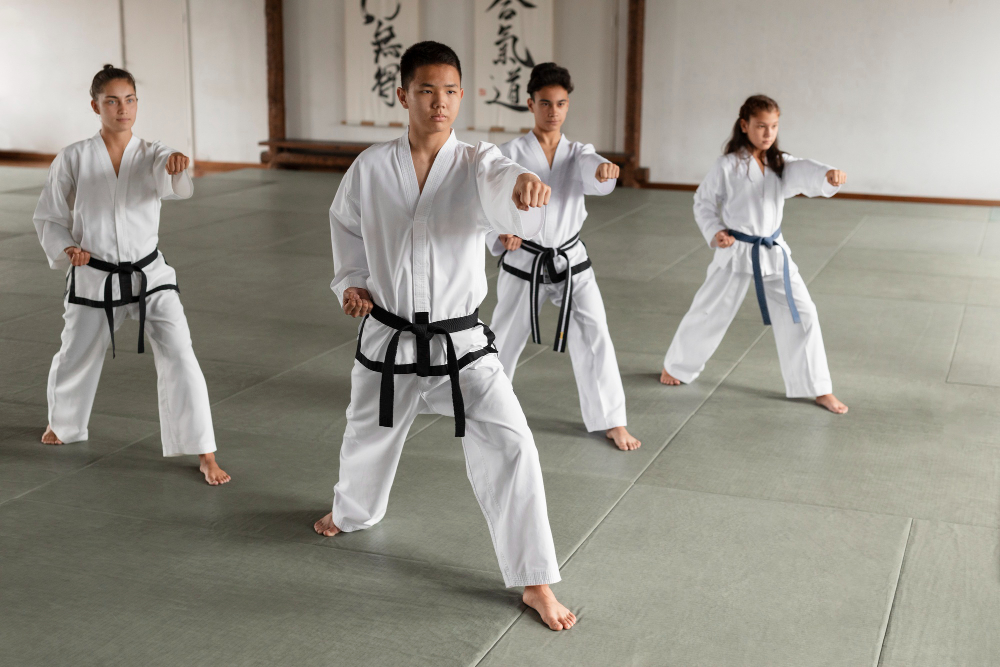
When it comes to training, taekwondo and kickboxing differ significantly in their emphasis. Taekwondo focuses more on flexibility, agility, and mastering precise, controlled movements. Kicks are central to taekwondo, with students learning to execute high and fast kicks with pinpoint accuracy. Practitioners often work on improving their flexibility and balance, which are essential for performing these advanced kicking techniques.
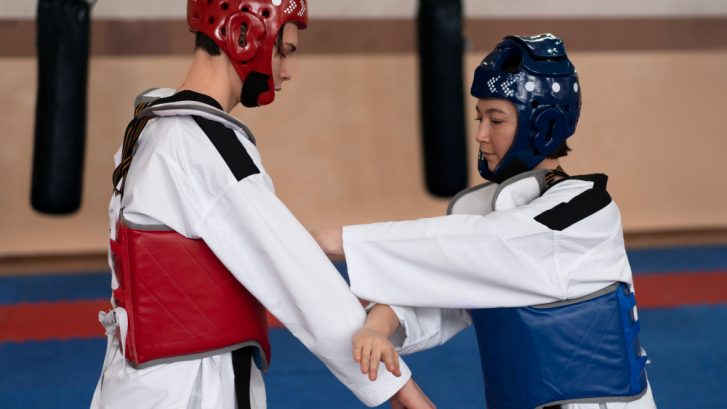
Kickboxing, on the other hand, places a greater emphasis on developing power and stamina. While kicks are used, punches and combinations are also crucial to training. Kickboxers spend a significant amount of time working on their footwork, strikes, and defensive moves. Conditioning is often intense, and training often incorporates heavy bags, pads, and sparring to build strength and endurance.
Which Martial Art Suits Your Child’s Needs?
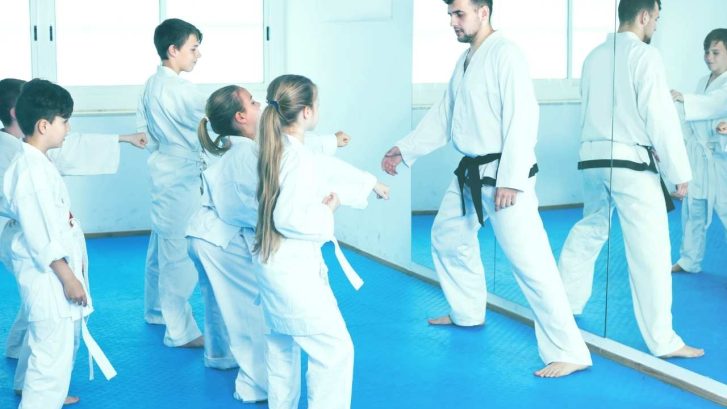
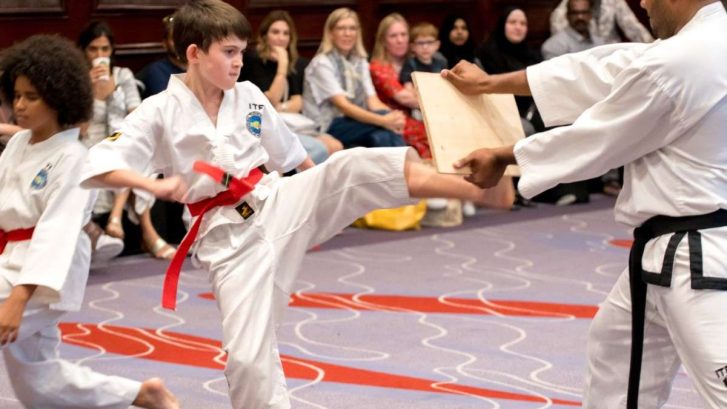
For parents considering enrolling their child in martial arts, both taekwondo and kickboxing offer unique advantages. If your child enjoys practicing graceful, controlled movements and is keen to improve flexibility, taekwondo may be a great fit. The discipline and respect taught in taekwondo classes can also be a wonderful way to build character and instill values such as perseverance, focus, and determination.
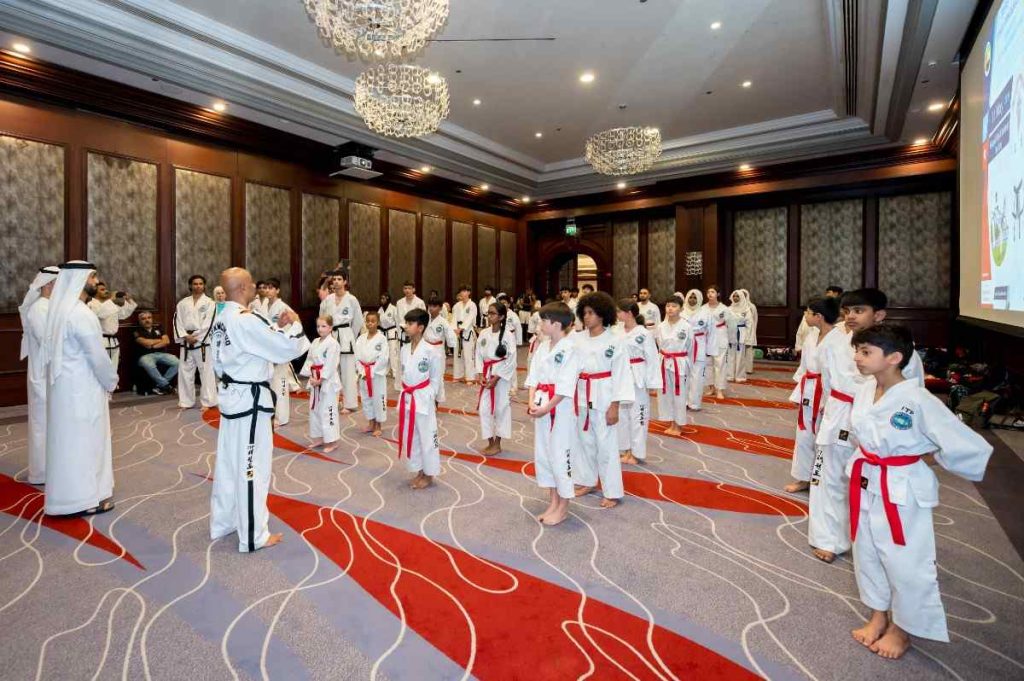
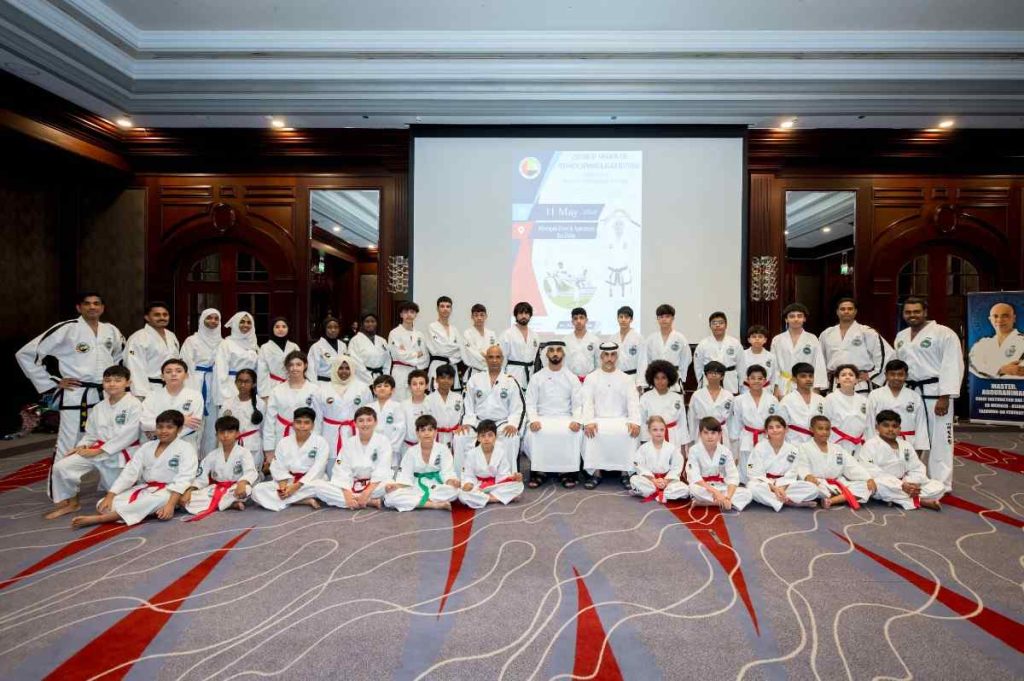
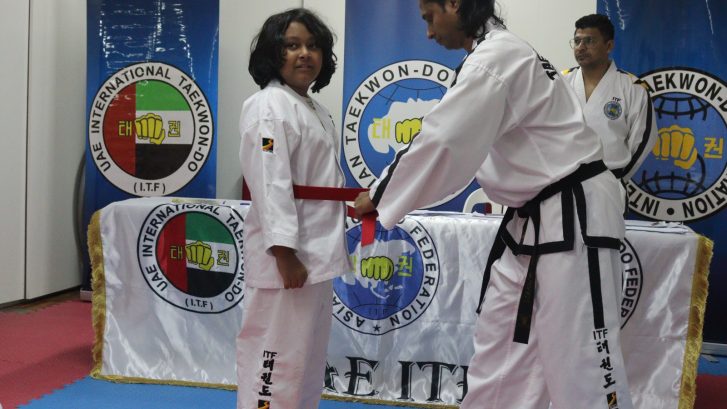
At Ballet Centre Dubai, we offer a welcoming space for children of all skill levels to explore different activities. With our ITF Taekwondo classes, young students not only learn effective self-defense techniques but also develop the mental discipline that comes with mastering an intricate art form. It’s a fantastic option for children who thrive in a structured environment where they can build confidence and physical skills simultaneously.
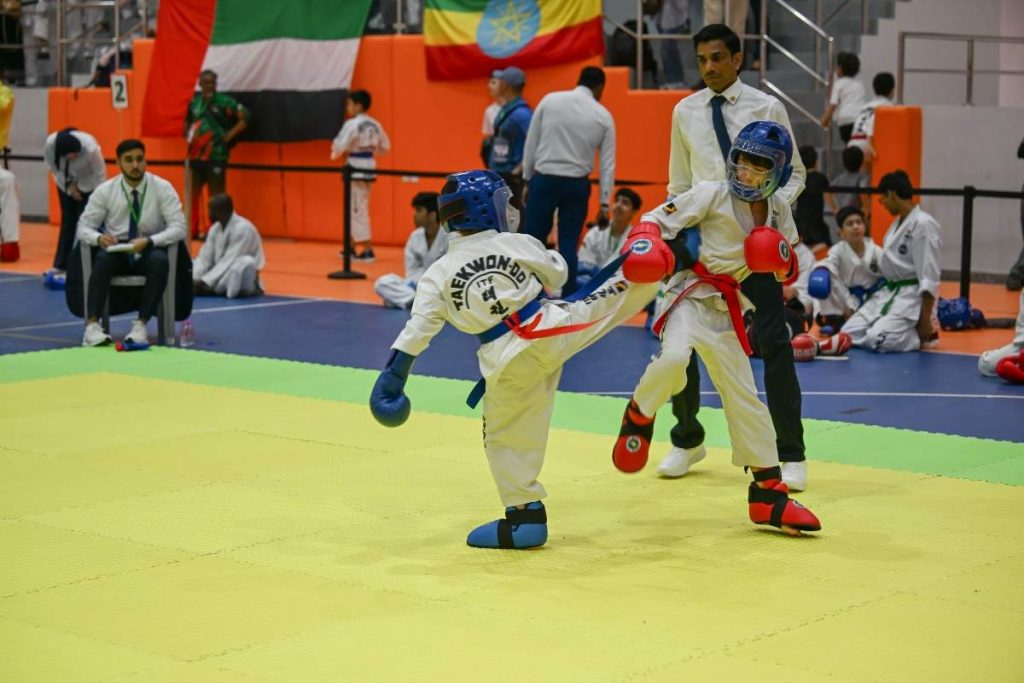
For children who prefer a more dynamic, action-packed martial art, kickboxing may be the better choice. With its fast-paced training and emphasis on cardiovascular conditioning, kickboxing can help kids improve their stamina, agility, and coordination. The sport is especially effective for children who want to challenge themselves physically and learn practical skills for self-defense.
Physical Benefits: Taekwondo vs. Kickboxing
Both taekwondo and kickboxing offer impressive physical benefits, but their specific advantages cater to different fitness goals. Taekwondo tends to be more focused on flexibility, balance, and precise coordination. Training involves extensive leg work, which can help tone and strengthen the lower body. Students can also develop better posture and agility through the controlled movements and quick changes in direction.
Kickboxing, however, is designed to boost cardiovascular health, burn calories, and build overall strength. The sport’s high-intensity workouts combine aerobic and anaerobic exercise, making it a great choice for improving heart health and stamina. Kickboxing also helps to build strength in the core, legs, and upper body, offering a well-rounded fitness routine that tones the entire body.
Mental Benefits: Discipline, Focus, and Confidence
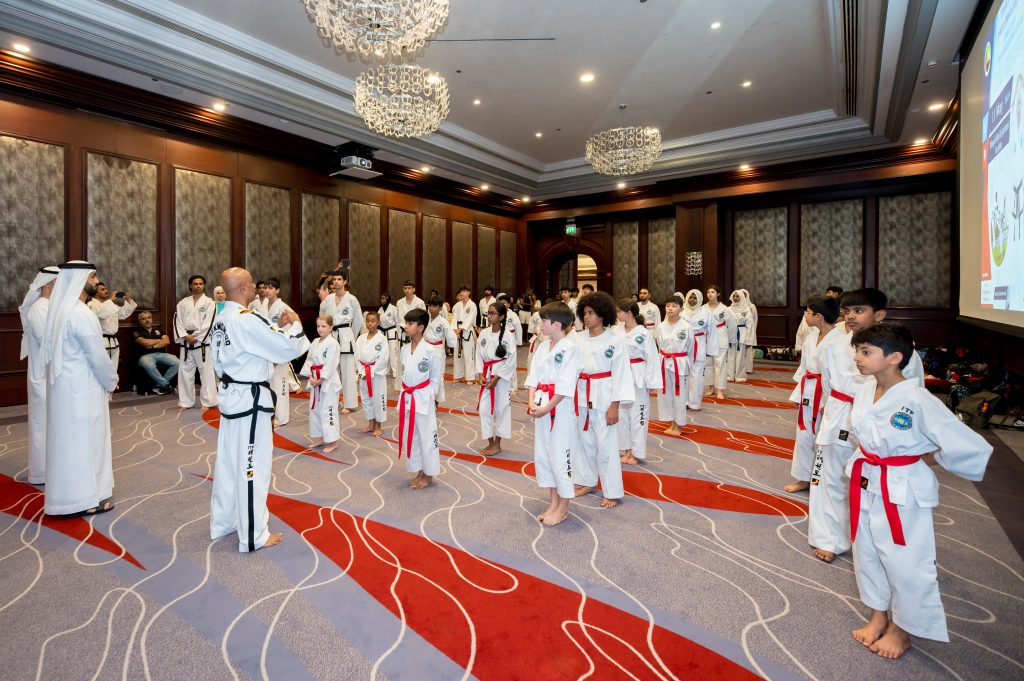
A significant aspect of martial arts, whether taekwondo or kickboxing, is the mental discipline that comes with consistent practice. Taekwondo, due to its deep-rooted emphasis on respect and tradition, encourages students to develop mental focus and perseverance. This is why it can be such a powerful tool for children, teaching them to overcome challenges both on and off the mat. As they progress through the various belt levels, children learn to set goals, track progress, and build resilience in the face of adversity.
Kickboxing, by contrast, fosters confidence through strength and control. The sport’s focus on physical conditioning and combat skills can help students feel empowered, as they gain the ability to defend themselves effectively. Kickboxing can also build mental toughness by pushing students to face intense training sessions that require determination and a strong work ethic.
Which One Should You Choose?
The decision between taekwondo and kickboxing depends on your personal goals, interests, and fitness objectives. If you’re looking for an art that combines flexibility, discipline, and precise movements, taekwondo may be the ideal choice. Its structured environment and emphasis on balance, grace, and concentration offer a well-rounded martial arts experience that appeals to those seeking personal growth.
On the other hand, if you’re drawn to high-intensity training and the desire to build strength, stamina, and agility, kickboxing might be the way to go. It provides a more dynamic, energetic environment where students can challenge themselves physically and develop practical combat skills.
At Ballet Centre Dubai, we’re proud to offer both taekwondo and kickboxing as part of our diverse curriculum. Our ITF Taekwondo classes are designed for students of all ages, while our kickboxing training is perfect for those looking to engage in a more fast-paced, action-oriented martial art. With a focus on physical fitness, personal development, and the mental benefits of martial arts, we provide a safe and supportive environment for individuals and families to explore and enjoy both disciplines.
Whether you choose taekwondo or kickboxing, the key is to find a martial art that aligns with your goals and interests. By trying out a class and experiencing the training firsthand, you can discover which style resonates with you or your child. Both offer exciting opportunities to grow, challenge yourself, and experience the numerous benefits of martial arts.