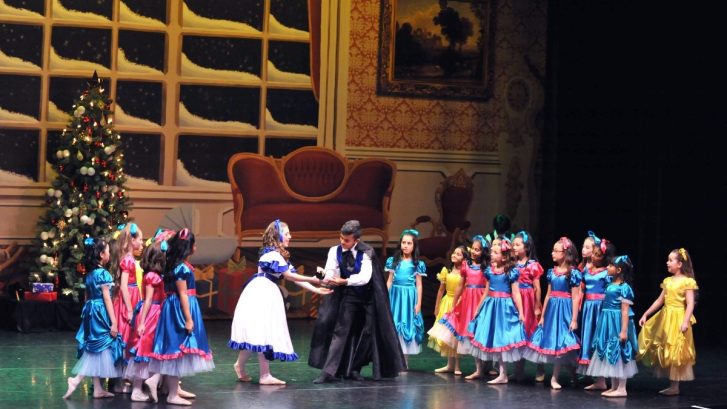
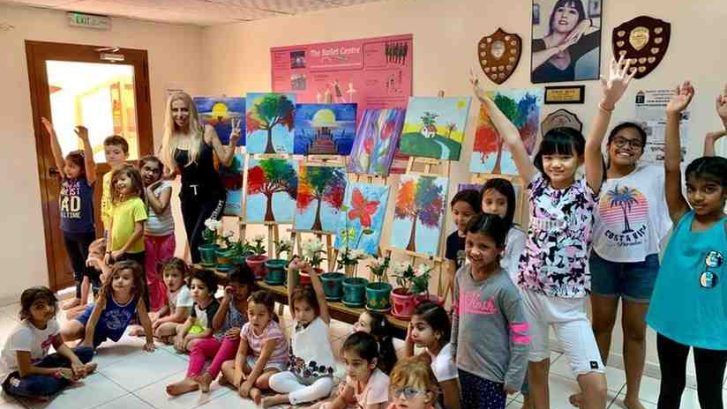
Children pose in art and craft classes for kids​

How Children’s Art Classes Affect Children’s Development

Children have an instinctive drive to create. Whether they’re scribbling on paper, shaping playdough, or experimenting with colors, artistic expression is a natural part of early growth. What begins as playful exploration quickly becomes a powerful tool for learning. When structured through art classes, this creative energy shapes not just a child’s artistic ability but their confidence, motor skills, social awareness, and emotional resilience.

Art in childhood is far more than a pastime—it’s a building block for lifelong development.

Expression That Builds Confidence

Many children find it challenging to express thoughts and feelings verbally. Art gives them another channel to communicate, one that doesn’t rely on vocabulary or structured sentences. A shy child may reveal their world through vibrant paintings, while another might find joy in constructing bold, imaginative shapes from clay.

Every artwork becomes a reflection of the child’s inner world. Teachers who value individuality reinforce the idea that their efforts matter, regardless of whether the end result is technically polished. With every brushstroke and completed project, children learn that their ideas are worthy of recognition. This nurtures self-confidence and helps them grow comfortable sharing their voice in other areas of life.

Art as a Problem-Solving Playground

Children face small decisions every time they create—what color to choose, how to fill a blank page, how to correct a smudge or tear. Art teaches them that solutions are flexible and that mistakes can lead to new ideas.

Imagine a child spilling watercolor across the page. Instead of discarding the work, they might turn the mark into a cloud, a splash in the ocean, or a background wash for something unexpected. This type of thinking trains the brain to see possibilities rather than obstacles. Over time, the ability to adapt creatively strengthens logical thinking, perseverance, and resourcefulness—qualities that serve them in academics and in everyday problem-solving.

Fine Motor Development in Action

Beyond creativity, art develops physical control. Simple actions like holding a paintbrush, cutting paper, or threading beads demand coordination between small muscles in the hands and fingers. These tasks refine dexterity, preparing children for essential activities such as writing, tying shoelaces, or playing an instrument.

As projects grow more advanced, children practice precision and patience—painting within lines, arranging details in a collage, or shaping clay into recognizable forms. Each session strengthens hand-eye coordination while keeping the experience fun and engaging.

Patience, Concentration, and Commitment

Children are often full of energy, moving quickly from one interest to another. Art encourages them to slow down. Working on a project that takes time—layering paint, waiting for glue to dry, or carefully adding finishing touches—teaches patience.

Learning to sit with a task until it feels complete nurtures concentration. Over time, children transfer these skills to school assignments, reading, and even social interactions. The satisfaction of finishing a project shows them that effort and persistence are worthwhile, shaping their approach to challenges in other parts of life.

Emotional Growth Through Creativity

Art provides a safe outlet for emotions. A child who feels anxious, excited, or uncertain can pour those feelings into colors and shapes. Teachers often notice that children express emotions on paper before they can fully describe them in words.
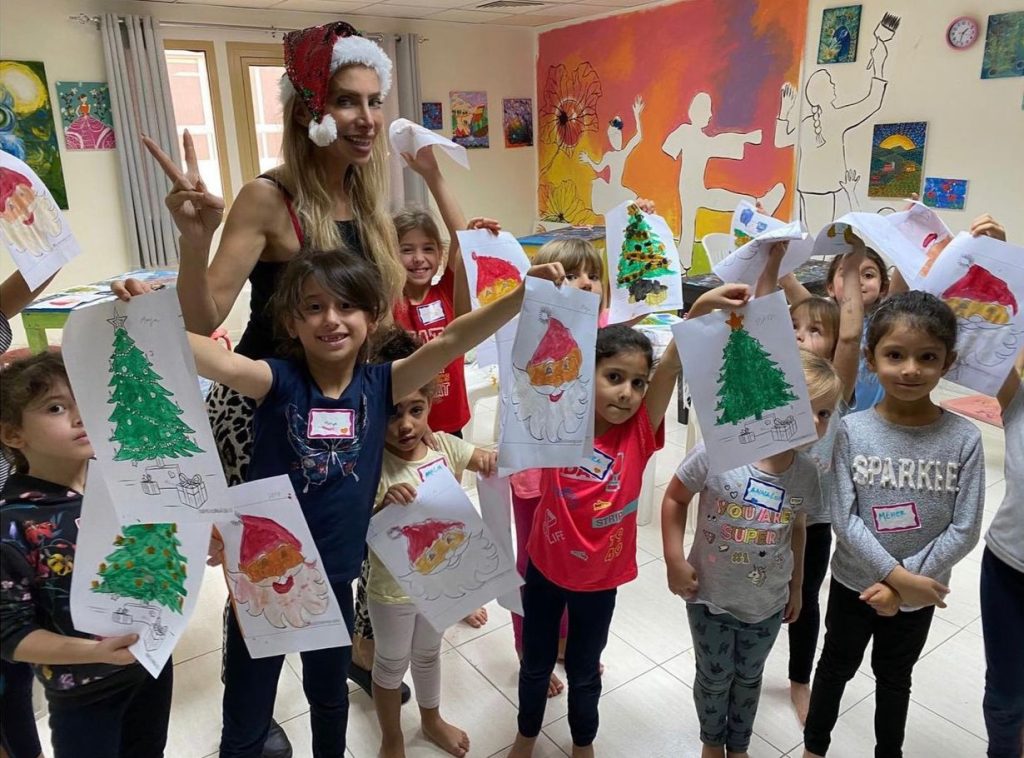
Children in art class holding up their paintings

By giving children a healthy way to release emotions, art supports their mental well-being. It can calm nervous energy, boost mood, and build resilience. Children begin to understand that it is safe to explore their inner world, which strengthens their sense of self and ability to manage feelings.

Learning to Work With Others

In group art classes, children naturally practice social skills. They share supplies, wait for their turn, and compliment each other’s work. Teachers often encourage short discussions about what each child created, giving them practice in speaking confidently and listening respectfully.

Collaborative projects, like a mural or group sculpture, teach cooperation. Children see how their individual contribution fits into a larger picture. These experiences build empathy and teamwork, preparing them to navigate friendships and future group activities with ease.

Creativity That Extends Beyond the Art Room

A thriving imagination is one of childhood’s greatest assets. Structured art classes keep this imagination alive and strong. When children invent characters, design imaginary worlds, or experiment with abstract patterns, they are reminded that creative thinking is valuable.

This creativity extends to other areas. In science, it helps them visualize experiments. In language studies, it inspires storytelling. In problem-solving, it fosters innovative solutions. Encouraging imagination early on ensures that children retain the ability to think freely and approach challenges with original ideas.

How Art Supports Other Learning Areas

Connections between art and academics are clear. Shapes and patterns in drawing enhance spatial awareness and early math skills. Organizing a painting into sections introduces concepts of proportion and symmetry. Storytelling through images strengthens vocabulary, comprehension, and narrative skills.

Art also introduces cultural awareness. When children learn about artistic traditions from different countries, they gain appreciation for diversity. Exposure to varied techniques and styles broadens their understanding of the world, making them more open and curious learners.

The Difference Structured Classes Make

While unstructured drawing at home is valuable, structured classes elevate the experience. In a guided environment, children are introduced to new materials—acrylics, watercolors, clay, pastels—that they may not have access to otherwise. Instructors introduce techniques gradually, helping children master skills like blending colors, using perspective, or creating textures.

Equally important, structured classes create an environment where experimentation is encouraged. Children learn that their work doesn’t need to be perfect, and that creative risk-taking is welcome. This balance of guidance and freedom supports steady growth while keeping the process joyful.

At Ballet Centre Dubai, children’s art classes are designed with these goals in mind. Instructors create a safe, nurturing space where children can explore materials, experiment with ideas, and express themselves freely. Parents find comfort knowing their child is building not only creative ability but also confidence, patience, and social awareness—all in a supportive community setting.

Lifelong Benefits of Early Art Education

The value of art education extends well beyond childhood. A child who grows up learning to express themselves visually often carries creativity into adulthood, whether through professional pursuits or as a meaningful hobby. The patience, confidence, and problem-solving skills developed in art classes remain valuable in careers ranging from engineering to teaching to business leadership.

Art also enriches personal life. Adults who practiced creative expression as children often turn to it later as a way to relieve stress, connect with others, or simply enjoy the satisfaction of making something by hand. The emotional and mental benefits of early art experiences stay with them, shaping healthier, happier adults.

A Gentle Reminder for Parents

Parents looking to support their child’s growth often focus on academics and structured sports, but art deserves equal attention. Creative expression builds a foundation that supports nearly every other area of development. By enrolling children in structured art classes, parents provide them with tools that will serve them for life: resilience, imagination, self-expression, and confidence.

Art is more than pictures on a wall—it’s a pathway to developing the whole child. Every brushstroke, every sketch, every piece of clay molded in little hands shapes a stronger, brighter future.
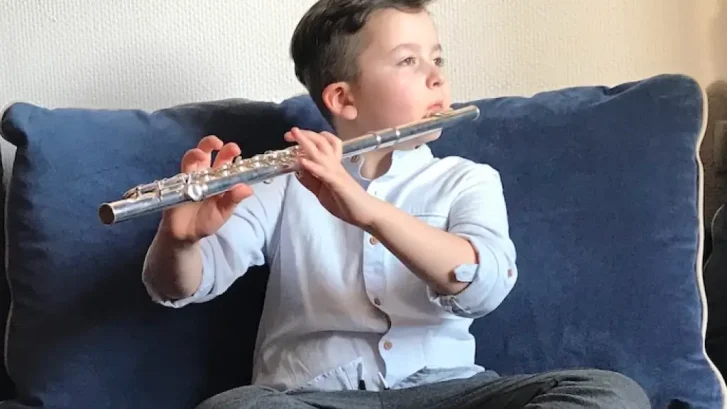
Little boy sitting on the couch and playing the flute

Why The Flute Is An Incredible Instrument To Learn

The flute is often described as one of the most expressive instruments ever created. Its sound has a lightness that can feel almost like birdsong, yet it also carries the strength to project through an entire orchestra. Unlike instruments that take months before a pleasing sound emerges, even beginners on the flute can experience a clear, melodic tone fairly quickly. That early success builds excitement, which motivates students to keep learning. For many children, hearing a beautiful phrase they created themselves is the spark that turns a lesson into a lifelong passion.

Easy to Carry, Easy to Practice

When families are choosing an instrument for their child, practical concerns matter. The flute has an enormous advantage here—it is small, lightweight, and portable. There’s no need for a van to transport it, no expensive cases with wheels, and no challenges fitting it into a school locker. Students can carry it in their backpack, making it part of their everyday life. That convenience means practice is never far away. Children can take out their flute after school, during a free moment at home, or while traveling. Parents often find that this ease of access helps children stay consistent with practice, which is the foundation of steady progress.

A World of Musical Styles

The flute has a special gift: it belongs everywhere. In classical music, it is treasured for its ability to carry soaring melodies with elegance. In folk traditions across the world, from Celtic to Indian, the flute takes center stage as a storyteller of culture and history. In jazz, it adds sparkle and improvisational energy. Modern film scores often use it for atmospheric color, and even pop music has welcomed its bright tone. For students, this range of possibilities keeps learning fresh. A child who begins with a simple Bach piece may later discover joy in Latin American rhythms or a contemporary soundtrack. The flute never limits imagination.

The Power of Breath and Posture

To play the flute, the body itself becomes part of the instrument. Every note is shaped by breath. This makes playing a powerful way to build lung strength and awareness of breathing. Young learners quickly discover that posture, focus, and calm control of their breath create the best sound. Over time, they develop habits of standing tall, sitting upright, and controlling airflow—all of which support both music and everyday health. Parents often notice the positive effect this has on children’s stamina, focus in class, and even their ability to manage nerves in other areas of life.

Learning Through Instant Feedback

One of the most rewarding aspects of the flute is how directly it responds to the player. A clear, ringing note tells the student they are doing things right, while a breathy or unstable sound shows what needs adjusting. This immediate feedback makes learning interactive and engaging. Children quickly learn to listen closely, self-correct, and celebrate small improvements. The cycle of effort, adjustment, and success fosters resilience and patience. Over time, these lessons in persistence become part of who they are, shaping a mindset that values hard work and steady growth.

Confidence as a Soloist and Team Player

The flute encourages independence and teamwork in equal measure. As a solo instrument, it gives students the thrill of standing in the spotlight, carrying melodies with confidence and expression. At the same time, it blends beautifully with other instruments in ensembles, school bands, and orchestras.

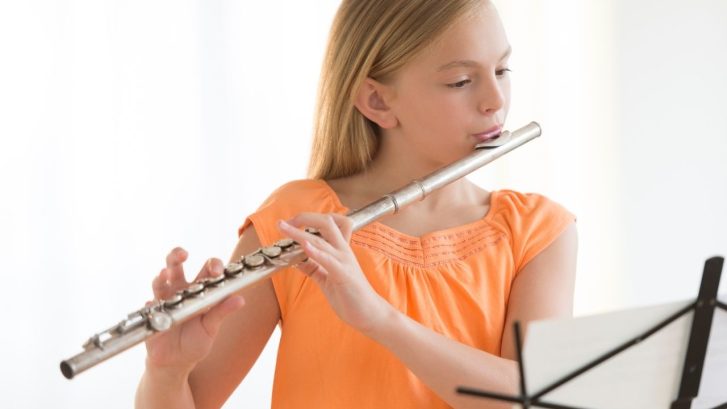
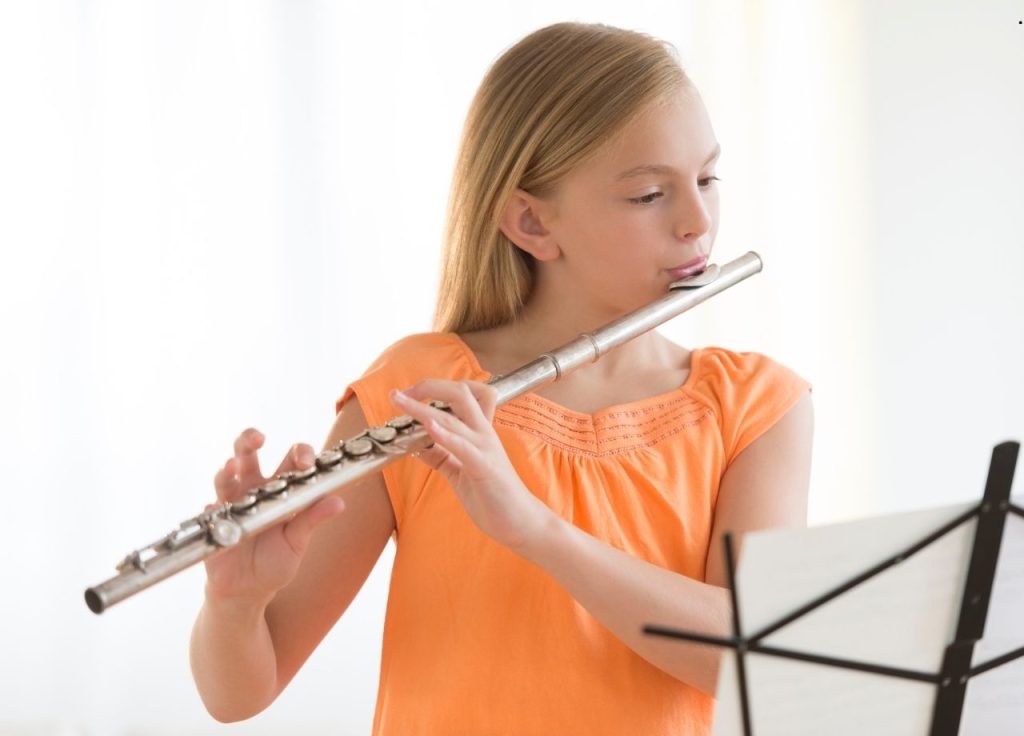
girl holding and playing a flute

Students learn the joy of sharing music with others, listening carefully, and adjusting their sound to complement the group. This balance of solo performance and collaboration nurtures confidence, adaptability, and social skills that extend well beyond music.

Sharpening Focus and Building Academic Strength

The process of reading music and playing the flute is a workout for the brain. Students must coordinate breath, finger movements, rhythm, and musical expression all at once. This challenges memory, concentration, and multitasking skills in a way that is both enjoyable and effective. Many parents notice improvements in academic performance when their children study an instrument. The discipline of practice encourages organization, while the mental agility required for music often strengthens problem-solving and learning abilities in subjects like math and language.

Music That Stays for Life

The flute is not just an instrument for childhood—it is a companion that can remain for decades. Children can begin with curved headjoints designed for smaller arms and hands, then grow into full-sized flutes as they mature. Adults can return to the flute years later and find it just as rewarding. Its portability and relatively gentle physical demands mean it is accessible at any age. Whether a student dreams of a career in music or simply seeks a creative hobby, the flute offers a lifelong source of joy and self-expression.

The Stage as a Teacher

Performing with the flute offers lessons that no classroom can match. Students learn how to manage stage fright, focus their energy, and present themselves with poise. Each recital or exam becomes a milestone, showing them the progress they have made. Parents often see their child stand taller, speak with more assurance, and carry themselves with greater confidence thanks to these experiences. The growth that comes from performing music extends far beyond the stage, preparing students for interviews, presentations, and challenges later in life.

Why Structured Lessons Matter

Although the flute is approachable, it flourishes under guidance. A skilled teacher not only explains technique but also encourages creativity, discipline, and joy in learning. At Ballet Centre Dubai, children and adults can explore Trinity and ABRSM flute lessons that prepare them for international exams, guided by experienced instructors who nurture both talent and confidence. Families value the Centre’s flexible payment plans, KHDA approval, and welcoming environment. The option of free trial classes makes it easy to begin this journey, giving every student the chance to discover whether the flute feels right for them.

Music as Personal Expression

Perhaps the most remarkable gift the flute offers is the ability to express emotions without words. Its voice can shift from bright and playful to soft and contemplative, giving students a channel to share feelings they might not otherwise put into speech. For many, the act of playing becomes a form of relaxation, a way to process emotions, or even a daily ritual of calm. The flute turns practice into more than skill-building—it becomes an art of communication, joy, and self-discovery.

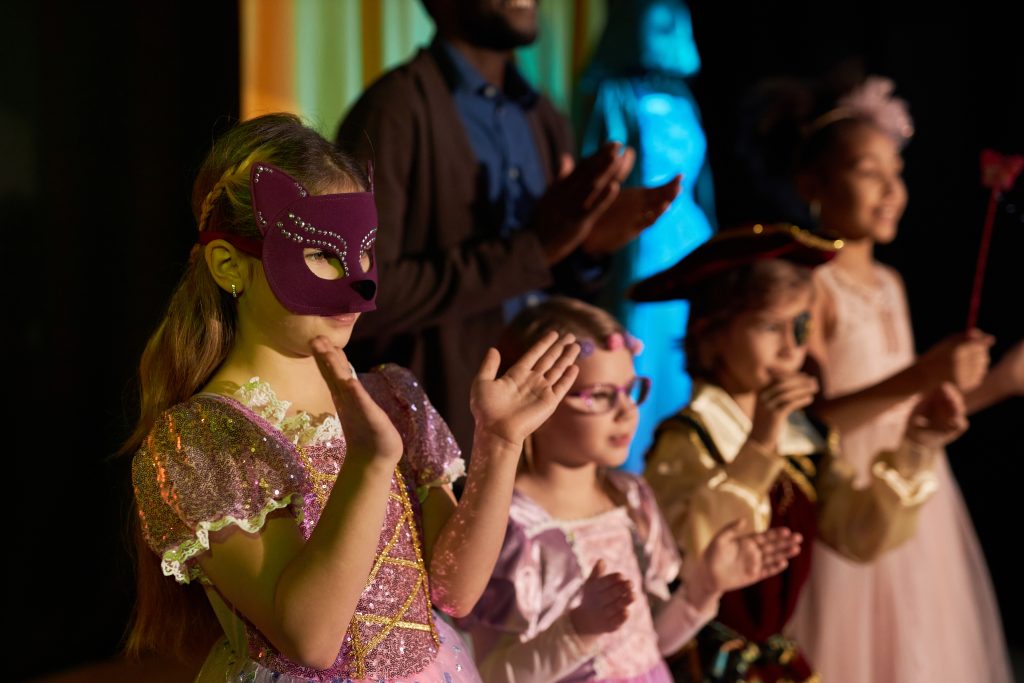
Children on stage acting wearing various costumes

Future Stage Stars Start with LAMDA Classes

A child’s exposure to the performing arts at a young age shapes not only their talent but also their confidence and life skills. At Ballet Centre Dubai, we’re proud to introduce our new Musical Theatre class, a vibrant mix of acting, singing, and dance—giving children a full-stage experience that’s both creative and structured. As part of this exciting programme, students also have the opportunity to prepare for LAMDA acting exams, a pathway that goes far beyond performance.

What Makes LAMDA Special?

LAMDA (London Academy of Music & Dramatic Art) has been training performers for over 150 years. While the name might bring to mind elite drama schools in London’s West End, LAMDA exams are accessible to young learners worldwide—and they offer far more than a route to the stage.

At its core, a LAMDA exam is a practical and supportive performance assessment. Children can explore acting, verse and prose speaking, or musical theatre, depending on their interests. The focus is on personal growth as much as technical ability. Whether a student dreams of being on Broadway or simply wants to speak up with confidence in front of a class, LAMDA provides tools to support both.

Building Skills That Last

One of the most immediate benefits of LAMDA classes is how they help children become comfortable performing in front of others. But the process of preparing for an exam does more than just improve stage presence.

  • Communication skills sharpen as students learn to speak clearly, with intention and emotion.
  • Confidence grows with every rehearsal, especially as students begin to see progress.
  • Memory and focus are strengthened by learning lines and understanding stage cues.
  • Empathy and emotional awareness develop as children learn to step into different characters.

Importantly, these aren’t just “acting” skills—they’re life skills.

Parents often report changes in how their children interact at school, speak at home, or even handle new social situations. A shy student might find their voice, while a naturally outgoing child learns to direct their energy with purpose.

A Flexible Path for All Levels

LAMDA exams are available at multiple levels, so students can progress steadily from beginner to advanced, always building on previous work. There’s no rush to reach the top grades—each level offers value in its own right.

Some children start with Introductory Stage exams, where they might learn to recite a poem or act out a simple story. Older or more experienced students can take on more complex scenes, monologues, or musical theatre numbers that demand a greater depth of expression and technique.

At Ballet Centre Dubai, our teachers tailor the experience to each child’s strengths and pace. Whether your child is new to the stage or already passionate about performing, LAMDA offers a structured yet creative outlet to grow.

Why LAMDA Matters for the Future

It’s easy to think of performing arts as an extracurricular activity, but LAMDA turns that passion into something tangible and recognised.

From Grade 6 onwards, LAMDA qualifications are included in the UCAS Tariff, meaning they can earn points that count towards university applications in the UK. For students planning to study abroad, this is an incredible advantage. Even for those not pursuing drama academically, these points can strengthen an application by demonstrating discipline, creativity, and communication skills.

But beyond academics, there’s a quiet but powerful benefit: the sense of achievement. Completing a LAMDA exam and receiving a certificate with your name on it is a meaningful moment for any child. It shows commitment, effort, and growth—and that’s something to be proud of at any age.

The Power of Musical Theatre

Our new Musical Theatre class is a perfect companion to the LAMDA curriculum. With its mix of singing, dancing, and acting, students get to explore multiple performance elements at once. This makes learning more dynamic and keeps students engaged—especially those who love music and movement.

teen-girl-wearing-mask-and-costume-standing-on-stage

Through musical theatre, students learn to work as part of a team, tell stories through song, and express emotion through choreography. These experiences complement the skills built in LAMDA classes, reinforcing performance discipline while allowing plenty of space for creativity.

A Safe and Supportive Environment

We believe in nurturing the whole child—not just the performer. Every class is built around safety, encouragement, and progress. Our instructors are experienced, certified, and passionate about helping each student grow with confidence.

Parents are often surprised at how quickly children open up in this environment. Shyness fades, friendships form, and students begin to take pride in their abilities. It’s about more than learning a script or hitting a note—it’s about discovering what your voice sounds like and having the courage to share it.

LAMDA at Ballet Centre: What to Expect

  • Free trial classes available for new students
  • KHDA-approved centre with experienced, supportive teachers
  • Flexible payment plans to suit your family’s needs
  • A welcoming community where beginners and experienced performers are equally supported
  • Opportunities for yearly LAMDA exams, leading to internationally recognised certificates

Whether your child is dreaming of a future on the stage or simply looking for a space to express themselves, our Musical Theatre and LAMDA programme is a wonderful place to begin. It’s not just about learning lines or earning certificates—it’s about becoming confident in your own skin, discovering creativity, and finding joy in performance.

Every great performer starts somewhere. But more importantly, every confident, expressive, and articulate adult was once a child learning how to communicate. LAMDA helps build that foundation—with grace, discipline, and imagination.

We’re proud to be part of that journey.

If you’d like to know more about enrolling your child in our Musical Theatre and LAMDA classes, or book a free trial, feel free to contact us. We’d love to welcome you to the stage.

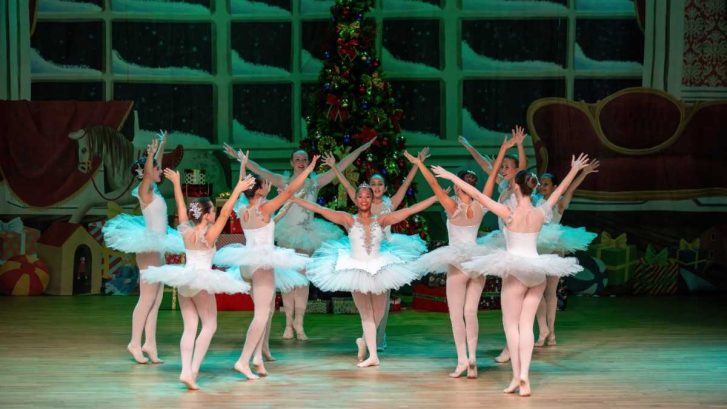
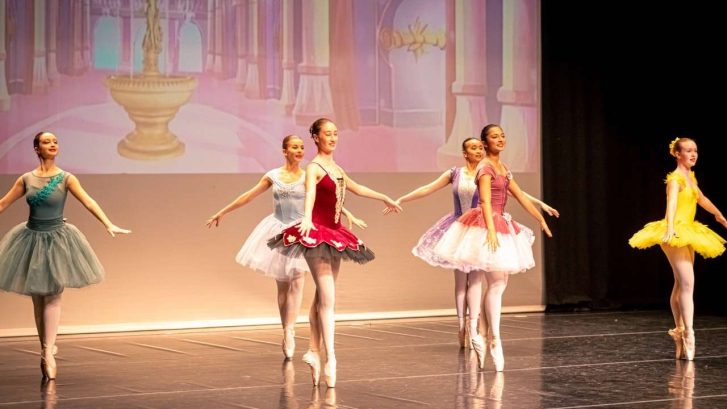
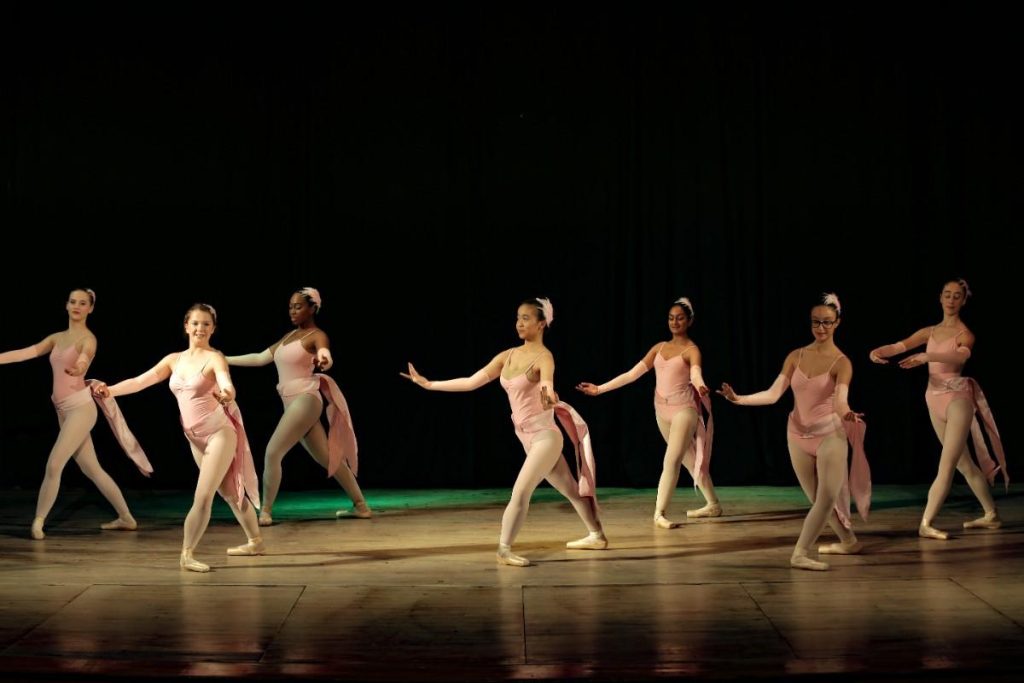
Children performing a ballet recital on stage

9 Benefits of Children’s Ballet Classes

Children don’t need a packed schedule or the latest tech to thrive—they need movement, focus, expression, and community. Ballet offers all of that in a way that feels like magic to a child. The discipline and elegance of ballet aren’t just for the stage—they shape who a child becomes. Whether your child is tiptoeing into their first plié or dreaming of grand jetés across the stage, ballet opens up far more than dance steps.

Here’s how ballet becomes a foundation—not only for graceful movement but for lifelong growth.

Confidence That Stays With Them

A young dancer might begin their first class hiding behind a parent’s leg, but week by week, they start to stand a little taller. They remember their movements, they listen to cues, and they begin to realize, “I can do this.” That feeling becomes internalized. Ballet doesn’t just teach children to perform—it teaches them to believe in their ability to overcome discomfort, improve, and show up fully.

That quiet pride after a class well done—especially when they’ve pushed through a tough rehearsal—is something many parents mention when they see their children grow in ballet.

Physical Strength and Coordination

Ballet strengthens muscles in a way that’s balanced and safe. From strong ankles to stable cores, children develop a keen sense of their physical ability through precise, age-appropriate exercises. It’s not just about posture or turnout—it’s about learning how their body moves through space and how to control that movement with intention.

At Ballet Centre Dubai, instructors trained in the Royal Academy of Dance (RAD) curriculum ensure that every plié and tendu is both technically correct and developmentally sound. This builds strength without pressure, allowing children to grow naturally into their physical power.

Focus and Discipline (Without Pressure)

One of the quiet wonders of ballet is the way it teaches discipline without harshness. Children learn to wait their turn, to listen for musical cues, to adjust their arms just so—all without ever feeling like they’re being disciplined. The structure of a ballet class does this work gently and consistently.

Kids begin to understand that progress comes from repetition. They start to crave the precision of a well-done combination. That focus often spills over into their schoolwork, helping them stay attentive and calm when it counts.

A Safe Outlet for Big Feelings

Children don’t always have the words for what they feel—but they do have their bodies. Ballet becomes an emotional outlet without ever needing to label it as such. The act of dancing, even within structured choreography, gives children the space to express, to release energy, and to embody feelings they might not understand.

Some parents say they see a shift in their child’s mood after class—lighter, more open, more centered. That’s no accident. Movement clears emotional clutter. And in a welcoming studio with trusted instructors, kids feel safe doing just that.

Artistic Appreciation Begins Early

Children who study ballet begin to recognize beauty in small details—a curved arm, a graceful leap, a soft finish. Their artistic sensibility sharpens, not just through watching professional performances but through participating in the art themselves. They learn to appreciate music, rhythm, costume design, and storytelling through movement.

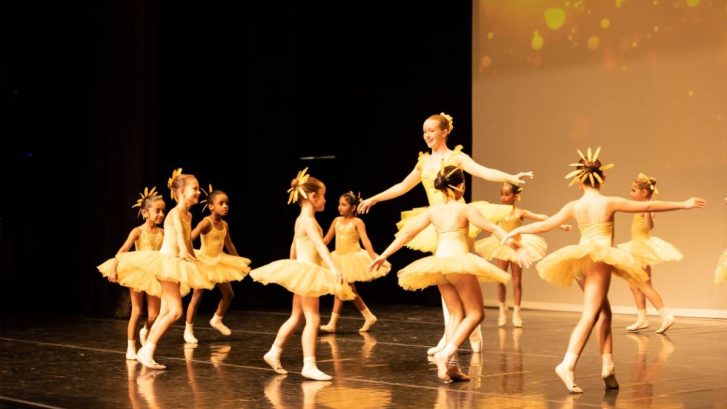
Children doing ballet on stage

Drama, music, and visual arts often go hand in hand with ballet. At centres that offer interdisciplinary classes—including Trinity drama and ABRSM music programs—young dancers can explore their full creative range.

Friendship and Social Skills

Ballet brings children together in ways that encourage cooperation rather than competition. They stand in lines, hold formations, and learn to move in harmony. That physical collaboration builds an unspoken bond. Over time, students begin to cheer one another on, offering help and encouragement without prompting.

Friendships formed in ballet are often rooted in shared goals and mutual respect. Especially in multi-level studios, younger dancers often look up to older students, creating a kind of quiet mentorship that’s heartening to watch unfold.

Resilience Through Routine

Ballet isn’t learned in a day. Children get used to not mastering something the first—or even tenth—time. They stumble, they reset, they try again. That pattern becomes familiar, and eventually, reassuring. Mistakes aren’t humiliations—they’re just part of how ballet works.

Children who embrace this rhythm of effort and improvement tend to build emotional resilience without realizing it. They stop fearing failure. They begin to see themselves as capable learners, not perfect performers. That mindset sticks, long after the leotards are folded away.

Healthy Habits for a Lifetime

Regular ballet classes create structure in a child’s week. They begin to associate movement with enjoyment. They stretch, hydrate, eat well before class—and these habits, introduced early, often grow into adult patterns.

Because ballet develops the body evenly, with attention to posture, balance, and strength, it reduces the risk of early sports injuries. Kids stay active in a way that feels purposeful and gentle, avoiding the burnout that can come from more aggressive programs.

Parents at Ballet Centre Dubai often mention how their children develop a natural awareness of how they feel physically, whether it’s tension in their shoulders or the energy they gain from a good class. That awareness lays the groundwork for body respect, not just body image.

A Quiet Sense of Joy

Ask a child after their first ballet class what they liked best, and the answers are rarely what you’d expect. “I liked the way my feet made that brushing sound.” “I liked the music.” “I liked when we flew with our arms.” It’s in these tiny details that the joy of ballet lives for children.

It’s not about performance or approval. It’s about the pleasure of movement, the comfort of repetition, and the thrill of doing something beautiful with their own bodies.

Ballet may be structured, but within that structure, there’s space for magic. The giggles in warm-up, the moment a student finally nails a balance, the quiet clapping after a class dance—they all add up to something deeply joyful.

Ballet doesn’t promise perfection. What it offers is far better: a graceful foundation for growth. From discipline to creativity, physical health to emotional expression, ballet meets children where they are and guides them gently toward who they’re becoming.

At Ballet Centre Dubai, programs in RAD ballet, ISTD Modern, drama, and music lessons are taught with care and expertise in a warm, KHDA-approved setting. Whether you’re exploring a free trial class or looking for a long-term path, there’s room to begin beautifully.

girl holding and playing a flute

Different Types of Flutes From Around the World

You can hear it in a quiet forest, in a crowded festival, or across a concert stage—the flute’s voice travels far, both in sound and geography. Its origins stretch back thousands of years, and nearly every culture has shaped its own version. It’s one of the few instruments that doesn’t need strings, reeds, or skins to resonate. Just breath, a tube, and a little technique.

What’s remarkable is how flutes, though simple in design, carry stories from every corner of the world. Each has its own shape, tuning, purpose, and personality. Here’s a closer look at some of the world’s most distinctive flutes, their cultural significance, and why they continue to enchant.

Bansuri – India

The bansuri is made from a single shaft of bamboo and is associated with Lord Krishna in Indian mythology. Its sound is soft, emotional, and expressive—perfect for the ragas and spiritual textures of Indian classical music.

In Indian villages, children often grow up making their own simple flutes from bamboo sticks. The professional versions used in concerts, however, require refined blowing techniques and fingering. A bansuri player learns to slide between notes with incredible subtlety, almost mimicking the voice.

Many young learners at Ballet Centre Dubai are introduced to Indian classical instruments and vocal traditions through structured music lessons. A student playing a bansuri for the first time often finds the posture and breath control taught in ballet or taekwondo helps maintain balance and poise while performing.

Dizi – China

The dizi is a transverse bamboo flute with a unique twist: a thin membrane (made from the inner skin of a reed) covers one of its holes. This gives the dizi a bright, buzzing quality that stands out in Chinese folk music and opera.

Chinese ensembles often feature a range of dizis in different keys and tunings. Faster pieces demand fingerwork that feels almost acrobatic, which is why finger strength and coordination are emphasized early in training. Traditionally, students carve their names into their first dizi, marking it as both an instrument and a personal milestone.

A story often shared by music teachers is how quickly students connect to the dizi’s energetic tone. It becomes a favorite for those who like storytelling in music—especially in tales of warriors, dragons, or mythical adventures.

Shakuhachi – Japan

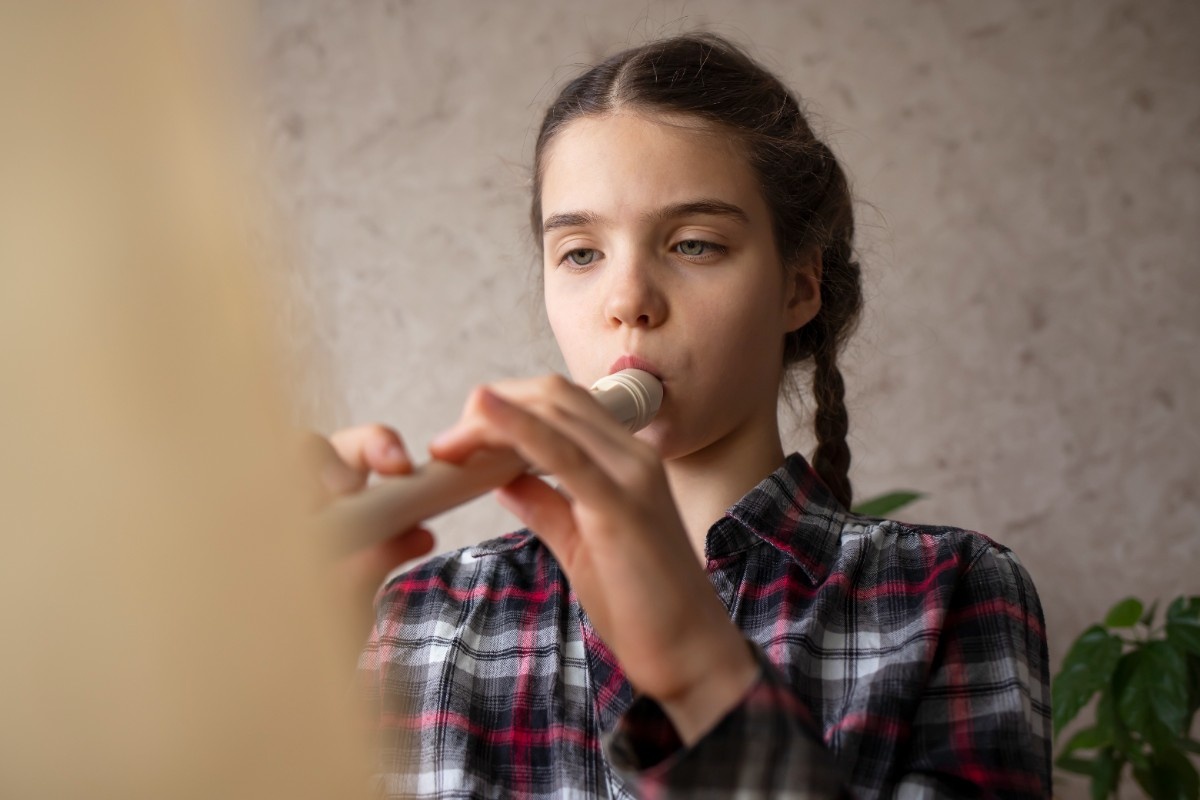
Made from the root end of a bamboo stalk, the shakuhachi is vertically held and played like a recorder, but the similarities stop there. Its haunting sound can shift from whisper-quiet to piercing with a small movement of the lips.

Used by Zen monks in meditation and by solo performers in concerts, the shakuhachi isn’t just about melody—it’s about silence and breath. Long pauses, controlled air, and changes in embouchure create music that feels suspended in time.

Western-trained musicians often find it challenging to adapt to the shakuhachi because it prioritizes tone over notes. Still, once a player learns to hear the character of each breath, they rarely go back.

In a performing arts setting, students benefit from exposure to these slow, reflective styles. It teaches patience, listening, and sensitivity—skills just as relevant on stage as they are in an ensemble room.

Quena – South America

The quena is the traditional flute of the Andes, with deep ties to Peruvian and Bolivian folk music. It’s end-blown, usually made of cane or wood, and has a notch that the player blows across—like a bottle.

Its voice is mellow and melancholic, often paired with charangos and panpipes in folk songs. Musicians use it to echo mountain winds or the call of a condor.

A girl child playing a flute

Children in rural Andean villages often learn the quena by ear, guided by elders who pass down songs through memory, not sheet music. This oral tradition encourages creativity from a young age, and melodies are often shaped spontaneously during festivals.

In Dubai, students learning music from different parts of the world discover how regional traditions like those of the quena tie directly into dance, storytelling, and crafts—some of the very subjects taught side-by-side at Ballet Centre Dubai.

Ney – Middle East

The ney is one of the oldest instruments still in use, with roots in Persian, Turkish, and Arabic music. Made from a hollow reed, it has a distinctive, breathy sound that seems to reach into memory itself.

It requires a special kind of embouchure—angled and loose—to produce its tone, and players often study it for years before mastering even the basic notes. In Turkish Sufi ceremonies, the ney is played in long, flowing melodies that reflect spiritual longing.

One of the first things a ney player learns is control—not only of air, but of emotion. The instrument can sound joyful, mournful, or reverent, depending on the hands and heart behind it.

The subtlety of this instrument often appeals to older students or those with experience in drama or vocal arts, where expression matters as much as technique.

Native American Flutes – North America

Traditionally carved from wood, these flutes have two chambers and a totem that helps direct air over the sound hole. The result is an earthy, warm tone that pairs naturally with the rhythms of nature and spoken word.

Often tuned to pentatonic scales, they’re accessible for beginners and satisfying for advanced players alike. Native American flutes are commonly used in healing ceremonies, solo meditation, and contemporary compositions.

Many parents choose these flutes for children exploring music for the first time. Their soothing sound and forgiving design make them an encouraging introduction to melodic instruments.

For students interested in storytelling, improvisation, or composing their own songs, this flute is a beautiful way to begin. In classes where creativity is encouraged, especially in drama or arts programs, these instruments find a natural place.

Irish Tin Whistle – Ireland

Compact, affordable, and cheerful—the tin whistle (or penny whistle) is often a child’s first introduction to Irish music. Its bright, quick notes are perfect for jigs, reels, and marches.

Despite its simple design, mastering the tin whistle requires breath control and a good sense of rhythm. It’s small enough to carry in a pocket, making it a favorite for impromptu jam sessions or informal performances.

In Irish pubs or during street festivals, tin whistle players bring energy and spontaneity to any gathering. The culture surrounding the instrument is playful but rooted in deep tradition.

In a group class setting, tin whistle is excellent for ear training and ensemble play. Young students often find confidence through small successes—getting a clear tone, learning a traditional tune, or leading a group in rhythm.

Western Concert Flute – Global

The silver flute most people recognize today has its roots in 19th-century Europe but is now used worldwide across genres—classical, jazz, pop, and beyond. It’s one of the most versatile instruments ever developed.

Its design features a series of keys that allow for complex melodies and technical passages. The concert flute can be bright or mellow, depending on how it’s played, and is a staple in orchestras, bands, and music exams.

Students studying music through programs like ABRSM or Trinity often choose the concert flute for its broad appeal and structured learning path. These certifications are recognized internationally and provide a clear track from beginner to advanced.

At Ballet Centre Dubai, these exam systems are part of the regular music curriculum, offering young musicians a way to track progress while enjoying the social and emotional benefits of music education. With flexible class timings and supportive instructors, even busy families find it possible to nurture musical skills alongside other activities like dance or drama.

Why Flutes Matter

Flutes are more than instruments—they are voices. Whether singing softly to the stars from a mountain top, or leading a parade through busy streets, they carry the spirit of their culture through time.

For children and adults alike, learning the flute can be an entry into rhythm, breath, and emotional expression. It fosters listening, coordination, and memory—skills that transfer to other disciplines in the performing arts.

And perhaps most importantly, flutes remind us how something so simple can be so moving. A hollow tube and a breath—shared across nations and generations.

Interested in learning flute or want to get a feel of it? Book a demo class.

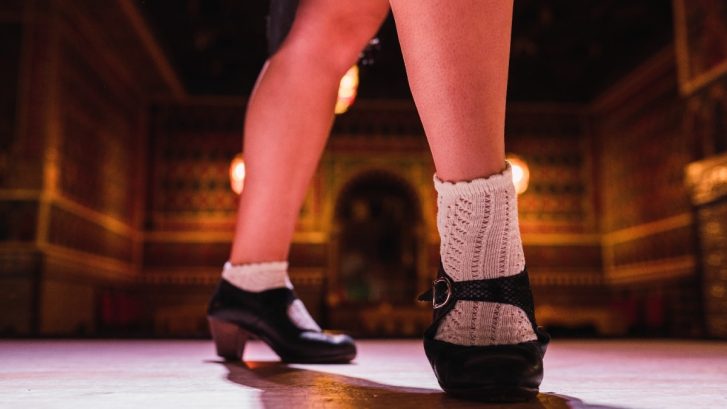
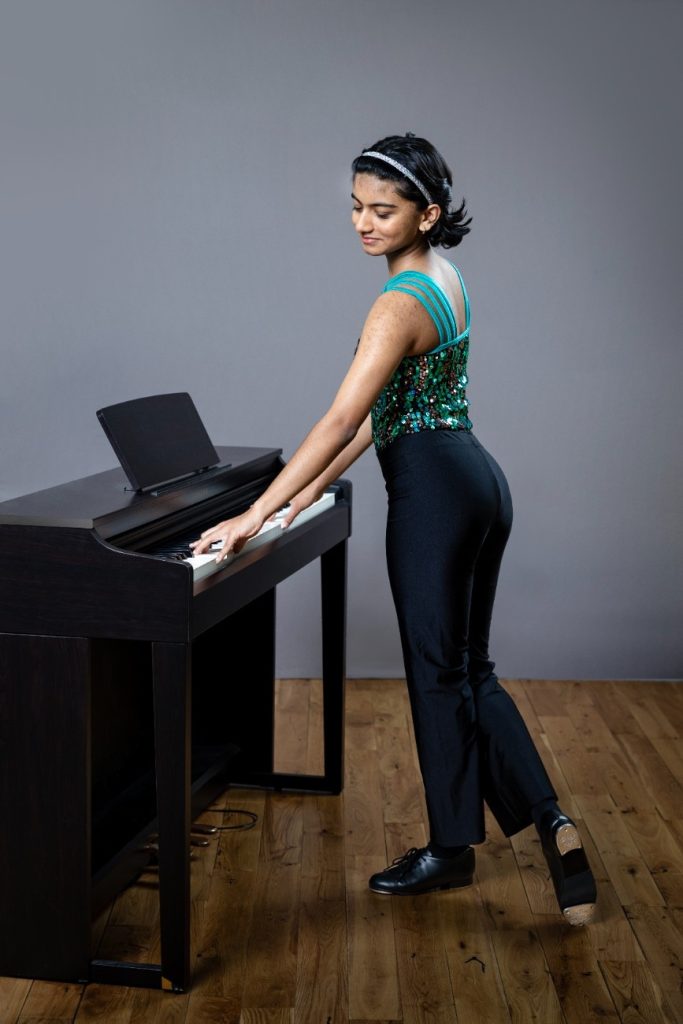
Woman in shoes dancing on stage

Can Children Learn Tap Dancing Easily?

There’s a certain magic in watching a child discover they can create music with their feet. The sound is their own—immediate, rewarding, and, in many cases, surprisingly precise.

That’s one of the most overlooked truths about tap dance: it’s more accessible for children than people often assume. With the right instruction, structure, and encouragement, children can learn tap dancing more easily than adults imagine. Not because the technique is simple, but because kids are naturally wired to pick up rhythmic patterns, imitate movement, and enjoy repetition when it feels like play.

Tap Dancing Meets Childhood Curiosity

Children are curious movers. They stomp when they’re excited, they shuffle when they’re bored, and they leap and twist before they even know what to call the motions. Tap dancing turns those instincts into something focused. Instead of asking a child to suppress their natural energy, tap channels it. Each step offers a sense of cause and effect—they move, and sound follows.

That immediate feedback builds confidence. Unlike other dance styles where precision may take longer to become visible, tap rewards effort quickly. A well-placed heel dig or toe tap makes a sound that confirms, “Yes, I did that right.” The small victories pile up. Children are more likely to keep coming back to something that makes them feel successful early on.

Rhythm is a Superpower

Ask any tap teacher who’s worked with children, and they’ll tell you: rhythm is not something you always have to teach—it’s something you help uncover. Children often respond to rhythm before they fully understand it. You can watch a five-year-old internalize a beat pattern just by listening to it a few times. They might not get every shuffle or cramp roll correct at first, but they understand the musicality, and that gives them a strong foundation.

Tap also teaches listening in a way few other activities do. Students have to hear the rhythm before they can make it themselves. That kind of active listening spills into other parts of life. In classrooms, it can help with following directions and language learning. In music lessons, it supports timing. It’s not uncommon for children who take tap to develop stronger coordination in both gross and fine motor areas because of this built-in awareness.

Starting Young Can Make a Difference

A child who starts tap at five or six doesn’t just learn steps—they learn timing, balance, and spatial control. Their muscles are still learning how to move, which means they build tap technique alongside their natural development. Younger dancers are often more flexible, both physically and mentally. They’re less afraid of mistakes, more open to trying things differently, and more willing to laugh when things go wrong.

Parents sometimes worry that a class like tap might be too complicated for their child, especially if the child is shy or less coordinated. But classes are structured specifically to build those very skills. Good tap instructors know how to break things down into pieces. A class might focus on just two steps—flaps and shuffles—for several weeks, but by the end of the term, those steps will be second nature.

The Role of Play and Structure

The easiest way to get a child to learn something new is to make it feel like a game. Tap is full of opportunities for this. One week it might be a rhythm relay. Another, it’s a “follow the sound” challenge. The idea is to connect movement to memory through playful repetition. Children remember better when they associate learning with fun.

At the same time, tap also introduces structure in a non-intimidating way. There’s a warm-up, center practice, across-the-floor combinations, and sometimes even time to create their own mini routines. This format gives children a sense of predictability and routine, which helps with confidence. It also mirrors the discipline of other dance forms, giving tap a unique position: fun with purpose.

Why Some Kids Take to Tap More Quickly

Every child learns differently. Some children are more auditory—they hear and replicate sounds quickly. Others are visual and learn better by watching a teacher’s feet. Kinesthetic learners feel rhythm in their bodies and understand movement through sensation. Tap appeals to all these styles. That’s why it often “clicks” faster than other technical dance forms. Children don’t have to master long phrases or memorise extensive choreography right away. They can start with sound patterns and gradually build toward more complex sequences.

It also helps that tap is expressive without being theatrical. Children who are not drawn to storytelling or performing in front of others can still enjoy tap because the satisfaction is internal. They feel good when they make the right sound. It becomes a puzzle they want to solve.

Support from Home Helps, But Isn’t Complicated

Parents often ask how they can support their child’s tap practice. The good news is that it doesn’t require special equipment or large spaces. A small piece of plywood in a corner of the room can serve as a makeshift tap board. Five minutes a day of practice is enough for young learners—just enough to reinforce what they’ve done in class without overwhelming them.

Encouragement matters more than perfection. Watching your child tap and saying, “I can hear how much better that sounds this week,” can mean more than any formal critique. When a child feels noticed, they feel motivated to keep improving.

Choosing the Right Class Makes All the Difference

Tap instruction for children should be structured, joyful, and progress-oriented. Not every class meets that standard. It’s worth looking for programs that follow accredited syllabi, use age-appropriate teaching methods, and provide consistent feedback.

At Ballet Centre Dubai, tap is offered under the ISTD syllabus—a respected system that ensures steady progression through practical technique and musicality. Children are grouped by age and level, and parents have the option to enrol them in graded exams when ready. This kind of structure helps both the child and parent track progress without pressure. There’s also the added benefit of free trial classes, so families can explore the style before committing.

Learning Tap is Learning Discipline Through Joy

There’s something wonderfully paradoxical about tap. It teaches discipline through joy, structure through play, and performance through self-discovery. Children often don’t realise they’re learning something challenging, because it feels so natural. They come for the sound, stay for the rhythm, and leave with new confidence in what their bodies can do.

If your child taps around the house already—or even if they don’t—a beginner class might be the start of something special. It’s not about perfection. It’s about giving them a space to move, to listen, to make a little noise, and to grow.

And sometimes, the quietest child in the room becomes the loudest tapper on the floor.

how to find vocal range

Importance Of Knowing Your Vocal Range As A Singer

Understanding your vocal range isn’t just about hitting the right notes. It’s about knowing where your voice feels most natural, expressive, and free. Singing outside your range can cause tension, fatigue, and eventually damage. Working within your natural capabilities lets your voice shine, encourages growth, and builds lasting confidence.

Vocal Categories as Guiding Tools

Most singers fall into several general vocal categories: soprano, mezzo-soprano, alto, tenor, baritone, or bass. These aren’t limitations; they are reference points. They help vocal coaches design exercises, recommend repertoire, and tailor lessons that respect the singer’s physiology. A well-matched song can unlock a performance that feels effortless.

Too often, students imitate famous singers without knowing those artists belong to entirely different vocal types. Mimicking Adele when you’re a soprano, or trying to belt high notes as a baritone, sets up unrealistic expectations and technical problems. Identifying your range keeps your voice healthy and your musical choices grounded.

How Do You Know Your Vocal Range

So, how do you know your vocal range? The most reliable method is to work with a vocal coach who can guide you through scales on a piano, identifying the very lowest note you can sing clearly to the very highest, whether in your chest voice or head voice. You’ll look for the point where your voice feels effortless and resonant, not strained or breathy. While online apps can offer a starting point, a trained teacher provides the nuanced listening needed to accurately map your unique vocal landscape, distinguishing between what you can physically hit and what is truly sustainable and healthy for your instrument.

Spotting the Sweet Spot in Children

Parents watching their children sing often notice a moment of magic: a note rings out clean and strong, and their child lights up. That kind of moment usually happens within their ideal vocal range. Their face relaxes, posture opens up, and the voice resonates.

This is what teachers are looking for when working with young singers. When a student constantly sings outside their range, frustration builds. Songs feel harder than they should. But with guidance, the right match between voice and material can transform a child’s musical journey.

Practical Support at Ballet Centre Dubai

Vocal teachers at Ballet Centre Dubai incorporate range discovery early in training. Through guided warm-ups, song trials, and careful listening, they map each student’s most comfortable notes. This informs everything from daily exercises to exam preparation for their different syllabi.

Personalized instruction helps students avoid common pitfalls, like pushing chest voice too high or skipping over transition notes. It also means students spend more time feeling capable, which improves both motivation and retention.

Confidence Through Clarity

Uncertainty about vocal range leads many students—children and adults alike—to assume they “can’t sing.” But often, the real issue is mismatched material. A mezzo-soprano trying to sing soprano arias may sound off, not because she lacks talent, but because the notes don’t sit comfortably in her voice.

Knowing where your voice naturally rests can make all the difference. Technique improves, pitch stabilizes, and breathing becomes more efficient. With clarity comes confidence. And confidence turns effort into enjoyment.

Growth Without Injury

Over time, vocal range can expand. But trying to force that too early leads to strain or even injury. It’s common to see singers who stretch their limits day after day, convinced that perseverance alone will increase their range. But the voice, like any instrument, needs conditioning—not punishment.

Students at Ballet Centre Dubai are taught how to grow safely. This includes building head voice strength, connecting registers, and mastering breath control. With time, those who start out with limited range often surprise themselves with their progress.

Group Singing and Range Awareness

Understanding your range isn’t only helpful for solos. In choirs, musicals, or ensembles, it determines where your voice fits. Blending becomes easier, harmonies more cohesive, and your presence more confident.

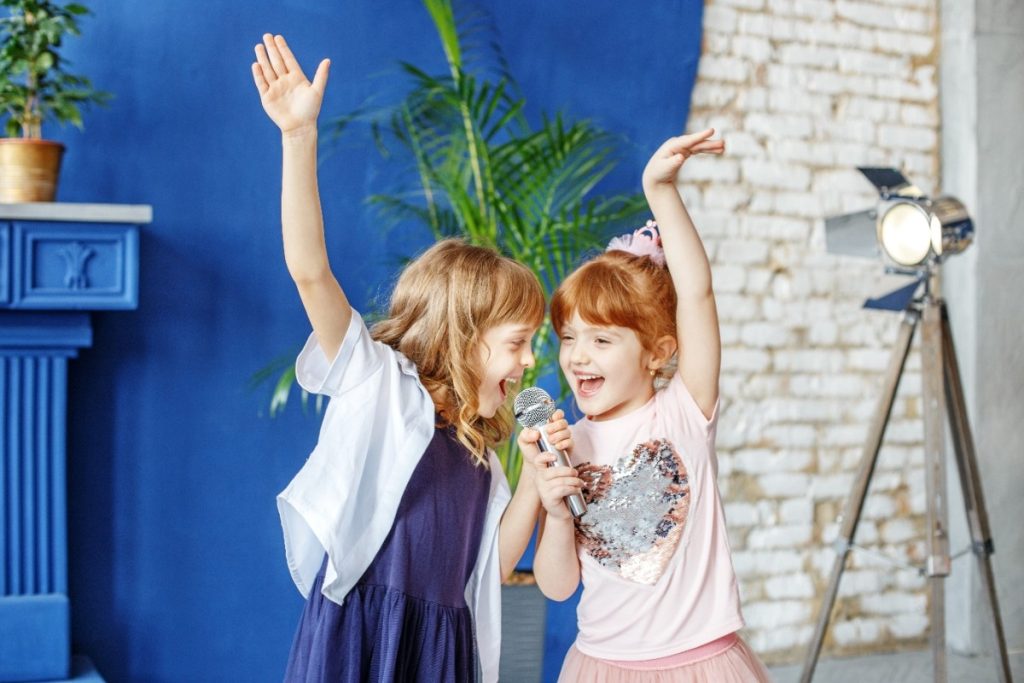
Two little funny children dance and sing a song together

This matters especially in school productions and youth choirs, where assigning parts by guesswork can lead to burnout or discouragement. Knowing your category helps directors place singers more effectively, ensuring the best experience for everyone.

Adults Rediscovering Their Voices

Many adults walk into their first vocal lesson with years of doubt behind them. Some have been told they can’t sing, others have simply never tried. But once they sing a few scales and find their range, something clicks. Their voices don’t sound strained anymore. Notes land cleanly. Songs feel reachable.

It’s often an emotional experience. Years of frustration melt into curiosity. As technique builds and tone improves, even reluctant students start to enjoy practice. The process is rewarding—and for many, therapeutic.

Making the Most of Trial Classes

One of the easiest ways to start this process is with a trial class. These sessions offer a low-pressure way to explore your voice, ask questions, and get initial feedback. At Ballet Centre Dubai, trial classes are often the moment when young singers first experience structured support. Teachers note vocal tendencies, suggest songs, and begin to guide students toward their best sound.

It’s not about being the best singer in the room. It’s about finding your voice, then learning to use it with confidence and care.

Repertoire Matters

Once you know your range, song selection becomes far more enjoyable. Singers can focus on storytelling, emotion, and technique, rather than wrestling with unreachable notes. Musical theatre students benefit especially from this, as roles are often written with very specific vocal ranges in mind.

Matching the right piece to the right voice unlocks performance quality. A baritone delivering a well-suited solo will always connect more with an audience than a tenor struggling to reach low notes.

A Long-Term Foundation

Young students who discover their range early build vocal strength on a stable foundation. They avoid habits that are hard to break later, like speaking too high, singing from the throat, or forcing tone.

More than technical gains, they gain a sense of musical identity. They understand what makes their voice unique. This awareness feeds into every future lesson, audition, or performance.

Letting the Voice Lead the Way

Every singer has a natural range. It’s shaped by anatomy, age, and experience. But it’s not fixed forever. With care, that range can grow—but only when it starts from a place of awareness. Knowing your range allows your voice to lead, rather than be forced.

Whether you’re a student stepping into the music room for the first time, or a parent looking to support your child’s passion, this simple discovery can be a turning point. The voice becomes not just an instrument, but a source of joy, expression, and confidence.

Smiling Girl Speaking To Microphone Performing for Parents

Head Voice vs Chest Voice: What’s the Difference?

The smooth, resonant quality of a singer’s voice often reflects how they use two main vocal registers: head voice and chest voice. When listeners hear a warm, grounded tone, that’s the chest voice at work. When they notice brightness and clarity in higher notes, that’s the head voice. Understanding the distinction and learning how to blend these registers can open new dimensions in vocal performance—bringing control, expression, and stamina to every song.

What Defines Chest Voice

Chest voice refers to the lower part of your vocal range. The name comes from the physical sensation of vibration in the chest when producing these notes. If you speak normally or hum in a deep range, you’re using chest voice. It provides fullness and richness—ideal for conveying emotion and delivering powerful vocal moments.

Vocal cord function: In chest voice, the vocal folds are thicker and come together more firmly.

Sound quality: The tone is robust and resonant, capable of carrying strong emotions or storytelling elements.

Usage scenarios: Common in ballads, lower-register pop, folk songs, and dramatic pieces with grounded warmth.

Educators often concentrate on strengthening chest voice to ensure lower and middle-range singing remains solid. Exercises that promote consistent breath flow, like gentle sustained notes on open vowels, help singers maintain support and resonance without strain.

What Defines Head Voice

Head voice occupies the upper range of the vocal register. Singers describe a light, ringing sensation around the skull or sinuses. This register allows access to higher notes with clarity and brightness—often creating an ethereal or soaring quality.

Vocal cord function: In head voice, vocal folds thin out and come together with lighter contact.

Sound quality: The result is a lighter, more flute-like tone—ideal for passages requiring reach and finesse.

Usage scenarios: Frequently used in classical arias, pop choruses, softer ballads, and pieces demanding delicate high notes.

Training head voice involves gentle slides through scales (sirens), gradually extending the range upward while keeping the tone smooth and unrestricted. Attention to breath placement—feeling expansion around the ribcage and upper torso—helps maintain control and projection.

Why Both Matter

There will be times songs demand the earnest strength of chest voice, and others require the shimmer of head voice. Singers with flexible voices use both, weaving them together naturally across a melody. It’s not always a straight progression—sometimes head voice can dip into mid-range territory.

What captivated me about this blending was when a teacher encouraged me to “mix” a pop chorus so my middle notes didn’t crack or sound tinny. That mix voice isn’t another distant concept—it emerges when we connect chest and head, creating a bridge between two registers. You gently let the chest relax and invite in the head resonance.

Practical Tips—From Feel to Sound

1. Surface Awareness: Place a hand on your chest and hum low; feel that vibration. Then slide up, noticing the shift of sensation above your collarbone.

2. Gentle Sirens: Glide from low to high and back using “woo” or “mum.” Track how your voice transitions naturally. If you feel strain, lighten the sound or adjust your posture.

3. Posture and Support: Try standing tall, shoulders relaxed, notice your ribs lifting slightly as you inhale. Think of the breath reaching into your ribs and gently supporting your voice.

4. Vowel Adjustment: High vowels (“ee,” “ay”) can feel tight—try modifying them slightly (“ih”, “eh”) for comfort in head voice.

5. Bridge Work: Use songs that straddle your mid-range and work through the chords slowly. Sing at half volume to feel where the two registers meet, and see if you can ease through it.

A Real-Life Example

A former student of mine was preparing a musical theater audition. She had a strong chest voice but struggled in the upper range. We worked on sirens and breath support, then tackled the song slowly. Over time, she began blending, her middle voice flowing into her top notes with warmth instead of cracking. It became one of the most rewarding moments I’ve witnessed as a teacher—watching her confidence rise as her voice did the same.

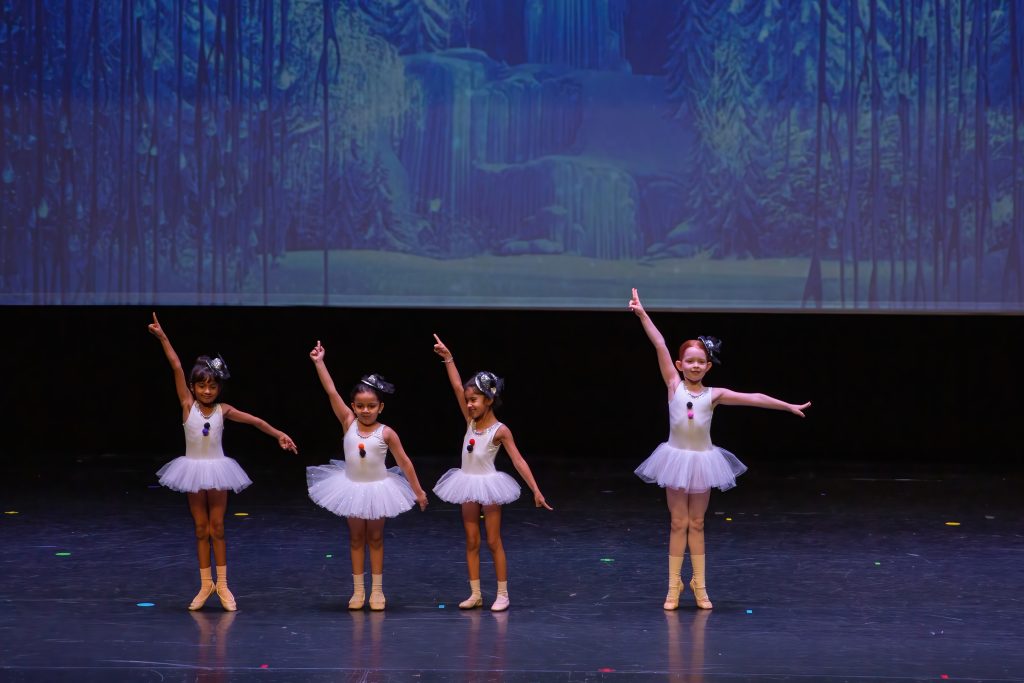
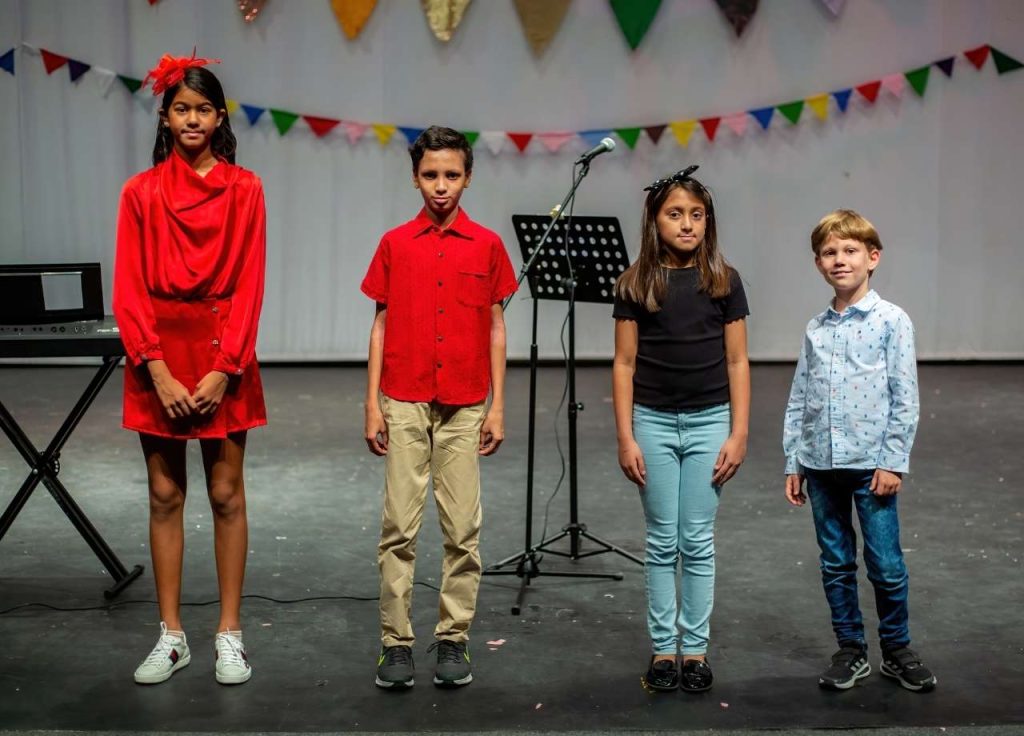
4 children on stage

Where Learning Happens

Finding proper guidance makes this journey smoother. Ballet Centre Dubai offers various music lessons ideal for all types of vocal students. The structured lessons and qualified instructors there help young singers layer solid technique, posture, and musical understanding while exploring their full vocal range. One trial session can give a feel for how support tools blend technique with natural expression.

Voice Health and Awareness

A healthy voice is respectful of its limits and strengths. Neither register should be pushed or forced. If notes feel strained, those are signals to pause, rest, or revisit breath. Speaking or singing comfortably outside lesson time—exercising but not exhausting—helps maintain flexibility and prevents fatigue.

Hydration, gentle warm-ups, and proper rest are essential. Singers I’ve worked with who maintained daily humming routines, tea, and easy breathing exercises kept their voices agile through performances and rehearsals. If any discomfort persists, a voice specialist can offer tailored exercises or identify issues before they worsen.

Building Confidence With Every Note

Over time, mastering both chest and head voice enhances other areas—pitch accuracy, tone colour, emotional expression, and performance presence. It changes how you interpret songs, phrase passages, and interact with an audience. From storytelling ballads to soaring anthems, the flexibility between registers anchors emotion while adding nuance.

For parents pondering how to support their child’s singing growth, focusing on healthy technique early can make a real difference. Weekly lessons that incorporate posture, vocal exercises, proper repertoire and performance guidance create space where a young voice can bloom safely.

Final Thoughts

Chest voice and head voice aren’t opposing forces; they’re partners. Chest voice offers warmth and depth, head voice adds clarity and elevation. Blending brings harmony, control, and freedom. The most memorable performances are those where the singer floats between registers as naturally as breathing.

Ultimately, singing is personal—what matters is exploration, patience, and genuine curiosity about your voice. Head versus chest is a tool, not a limit. As you play with registers, sense connections, and shape phrases, you discover new possibilities.

Your voice is yours. Give it permission to explore both floors of its “house”—build the foundation in the chest, then open up the attic in the head. You might just find a new room where your truest expression lives.

ballerinas performing on stage

5 Ballet Foot Positions You Must Know

Learning ballet begins from the ground up—literally. The five basic foot positions are the foundation of classical ballet technique. These simple-seeming stances define balance, alignment, and fluidity in every movement. They are the first thing a dancer learns and the last thing they ever truly master. Whether you’re watching a young child in their first class or a seasoned performer in a grand jeté, those foot positions are quietly at work.

First Position: Where It All Begins

Feet turned out, heels touching. The first position is iconic. It looks easy, but it teaches dancers more than just how to stand. Children begin by understanding how to place their feet, but soon realize it’s also about posture, turnout, and core control. Instructors often emphasize how the entire leg rotates from the hip rather than forcing the feet to turn.

You may notice teachers reminding students to avoid letting their arches collapse or their knees roll forward. That’s because alignment is everything. First position encourages dancers to lengthen their spines, engage their abdominals, and hold themselves with quiet dignity. Even very young dancers pick up on these cues and begin to carry themselves differently.

One eight-year-old student recently shared, “I used to trip a lot, but now I feel like I float when I walk.” It’s a small comment that reveals a big shift—not just physically, but mentally.

Second Position: Creating Space and Stability

From first, we open the heels about a foot apart, keeping the turnout. Second position introduces stability and spatial awareness. It’s used frequently in center exercises and is essential for learning pliés and grand battements.

The wider base helps children understand how to distribute weight evenly. This is often the first position where students begin to feel their balance improve. Teachers might guide students to imagine pressing the floor away with their feet or reaching their arms out like they’re holding a beach ball. These ideas connect physical action to visual storytelling—a hallmark of early ballet education.

Second position also lays the groundwork for jumps. Many leaps and transitions pass through this position, giving it both technical and artistic importance. Dancers begin to learn how power can be gathered without losing grace.

Third Position: Introducing Opposition and Coordination

Here, one foot slides in front of the other so that the heel of the front foot touches the arch of the back foot. It’s less frequently used in professional choreography but is a staple in beginner classes. It offers a more manageable alternative to the complex fifth position while still introducing coordination between the legs.

Third position begins to challenge children’s understanding of oppositional movement. They have to keep both hips squared while aligning the legs in a precise pattern. It’s more complex than it appears. Teachers often mark progress not by perfect execution, but by the way a child begins to self-correct—adjusting their stance or re-aligning their arms without prompting.

This position also starts the journey into turning. Pirouettes and other spins often begin in third or fourth, depending on the method being taught. Learning how to rise from this position helps students understand balance under pressure.

Fourth Position: Depth and Control

Fourth position builds on third but requires more control. One foot moves forward about a foot’s length, staying turned out. The back foot remains in place. It’s the first position where dancers begin to feel off-center, and that’s intentional.

little girls in ballet attire performing on stage

The space between the feet can feel awkward at first. Teachers often remind students to keep their hips level and avoid letting their back arch. This is where core strength becomes visibly essential. A child learning fourth position may stumble or shift at first, but over time, they begin to build stability.

This position is often used in preparation for pirouettes and lunges. It asks dancers to trust their center of gravity while building leg strength. One teacher once compared it to standing on a train platform—”You know where you are, and you’re ready to move when it comes.”

Fifth Position: Precision and Poise

Fifth position is elegant, narrow, and demanding. The heel of one foot is placed directly in front of the toe of the other. It requires excellent turnout, solid balance, and exact alignment. This is the position most often seen in performances because it creates beautiful lines.

Younger students don’t always reach a perfect fifth immediately. Instead, they start by aiming for clean alignment. Teachers gradually guide them to close the gap between their feet while maintaining rotation from the hips. One common image is to imagine zipping up the legs from the heels to the inner thighs.

Fifth position is also where dancers build the stamina for repetition. Whether it’s tendus, fondues, or petit allegro combinations, this position demands endurance. The smallest shift can throw off the whole shape, so dancers learn to stay alert and aware of every muscle.

Why These Positions Matter More Than You Think

These positions do more than train the body; they shape how young dancers think, feel, and grow. A child might not realize it immediately, but learning to stand tall, balance on two feet, and execute a clean plié builds more than dance ability.

It fosters patience. Progress takes time. Muscles develop slowly, and alignment comes with repeated practice.

It cultivates respect. Ballet asks for discipline, but also rewards commitment. Children learn to listen closely, support their peers, and celebrate small victories.

It encourages expression. Even within the structure of a position, dancers bring their own flair. A confident first position says something. A focused fifth speaks volumes.

Teachers use all kinds of creative tools to bring these lessons to life. Storytelling, props, visual cues, and music are all part of the experience. One teacher at a recent trial class turned the floor into a garden path, with each position as a stepping stone. The children didn’t just learn steps; they went on a journey.

Bringing It All Together

At The Ballet Centre Dubai, students begin their training with these five positions as the cornerstone. Through Royal Academy of Dance (RAD) syllabi and nurturing instruction, the Centre provides a space where children can safely explore movement and develop confidence.

Parents looking to support their child’s physical and creative growth often appreciate the Centre’s holistic approach. With KHDA approval, experienced faculty, flexible payment options, and the chance to try a class before committing, families can feel assured in their decision. The journey may start with placing the feet just so, but it soon grows into something much more meaningful.

Watching a child move from first position to a graceful pirouette from fifth is a moment of pride. But behind the scenes are hours of quiet learning, gentle corrections, and personal breakthroughs. These foundational positions become part of how a young dancer stands, walks, and carries themselves into every new stage of life.

Ballerina's and ballet teacher on stage

Ballet for Beginners: Preparing for Success

Maya was six when she stepped into her first ballet class.

Shy, barely whispering her name during roll call, she clung to her mother’s hand as the studio buzzed with the soft rustle of leotards and the smell of new ballet shoes. Fast forward six months—her posture straighter, eyes brighter, and a quiet confidence taking root—Maya now twirls across the studio floor like she was born there.

This is often how it begins.

Not with grand leaps, but with small, steady moments of progress. Preparing a child for ballet success starts long before the first plié. It begins with the right mindset, support, and environment.

Picking the Right Start

Not every child is ready at the same age, and that’s perfectly fine. Some are eager to move to music by age three, others warm up later. What matters is that their first experience feels safe and enjoyable. Structured classes help tremendously. When taught by instructors who understand age-specific development, children build trust in themselves and their teacher.

At Ballet Centre Dubai, classes are grouped by age and experience, with caring instructors who understand that confidence must be nurtured before precision is expected. This approach allows young dancers to grow at their own pace.

Expectations: Set Them Lightly

Parents often ask if their child should practice at home, memorize ballet terms, or watch professional performances for inspiration. None of that is necessary in the beginning. What helps more is showing up on time, encouraging consistent attendance, and letting ballet remain something they look forward to.

Pressure rarely creates progress. A child might show resistance one day, then surprise you the next with perfect fifth position. Trust the process. Focus less on achievement, more on experience.

The Quiet Power of Routine

There’s a rhythm to ballet that children begin to internalize. They line up, wait their turn, stretch, listen to the piano, follow sequences—all of which helps improve focus and memory. The predictability of class structure gives them a sense of security. Over time, this routine starts to influence their behavior outside the studio too.

Parents often notice subtle changes: better posture while reading, calmness during homework, patience while waiting. These aren’t coincidental. They are quiet victories ballet students carry with them into the rest of their lives.

Attire Matters More Than You Think

Ballet uniforms are about more than appearance. A well-fitting leotard and soft ballet shoes teach discipline in subtle ways. Children learn to care for their things, tie their own ballet shoe elastics, and pack their dance bags the night before class.

Wearing the right outfit also helps them feel like they belong. When a child enters the studio dressed like a dancer, they begin to see themselves as one. That shift in identity fuels commitment more than any motivational speech ever could.

From Play to Precision

In the earliest stages, ballet can feel like structured play. Imaginary butterflies, flower arms, tiptoeing like mice—these are the bridges to more technical skills later. When taught correctly, the transition from creative movement to classical steps happens seamlessly.

Parents don’t always see the slow layering of skill underneath the fun. But the child feels it. They become stronger, more coordinated, and begin to take pride in doing things “the proper way.” This internal motivation becomes the backbone of lasting progress.

Encouragement that Works

Not all praise is helpful. Telling a child they were “perfect” can backfire. It puts pressure on them to always meet that standard. A better way is to notice effort: “I saw how hard you concentrated during the warm-up,” or “Your arms were so soft and graceful today.”

These specific observations show you’re paying attention and help build confidence that lasts beyond the studio. Children begin to value their own effort, not just the result.

Progress Looks Different for Everyone

Some beginners memorize choreography quickly. Others take longer to get their left and right sorted. It’s tempting to compare—but it isn’t useful. A child who struggles with steps may have beautiful musicality. One who hesitates in front of a mirror may shine in a group performance.

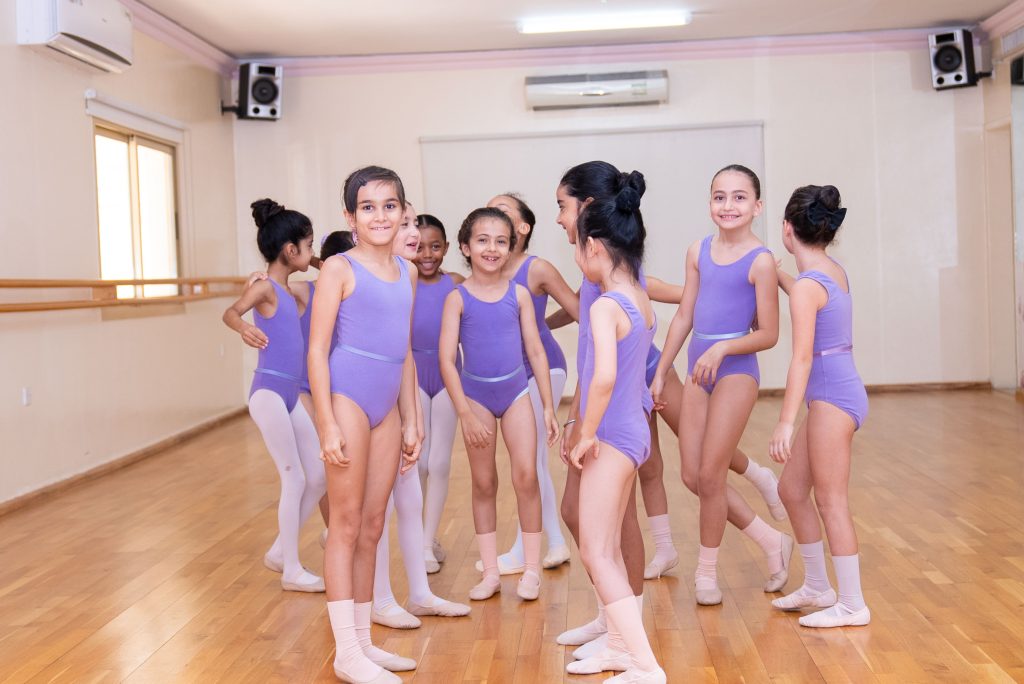
Group of young ballerina's in a ballet studio

Success in ballet isn’t linear. It often looks like two steps forward, one step back. But every child who keeps showing up is making progress, even if it doesn’t always look like it.

Behind the Scenes: What Parents Can Do

The ride home after class can be more powerful than the class itself. It’s when the child decides whether to keep going. A simple “Did you have fun?” opens the door more than “Did you do well?”

Ballet shouldn’t be a test to pass. It should be a space to grow. When children know their effort is enough, they return with joy. That’s where lifelong dedication begins.

Also, don’t underestimate the power of watching performances together. Whether it’s local shows or recorded theatre productions, these experiences make ballet feel alive. They connect classroom learning to something larger, something meaningful.

When Is the Right Time to Level Up?

There’s often a question of readiness—when to move up a level, start formal exams, or add a second class per week. Most schools have a system in place, but communication with instructors is key. They see your child in a learning environment and can help guide the next step.

At Ballet Centre Dubai, classes follow internationally recognized syllabi, with yearly RAD and ISTD exam options for those who are ready. But readiness isn’t only about skill. It’s also about emotional maturity and a child’s personal interest. When all three align, stepping into a more advanced class feels natural, not forced.

One Last Story

Lina joined ballet at age nine, older than most in her class. She felt behind and was hesitant at first, but her teacher reassured her that everyone moves at their own pace. By the end of the term, she was leading warm-ups. She hadn’t caught up—she’d grown into her own rhythm.

Success in ballet doesn’t always come from natural talent. It comes from consistency, curiosity, and the quiet belief that you belong there.

Every plié, every skipped step, every laugh during across-the-floor drills—these are the building blocks. When a beginner is given space to learn, encouragement to keep going, and the right environment, ballet becomes more than just dance. It becomes a part of who they are.

And that is the true beginning of success.

1 2 3 16