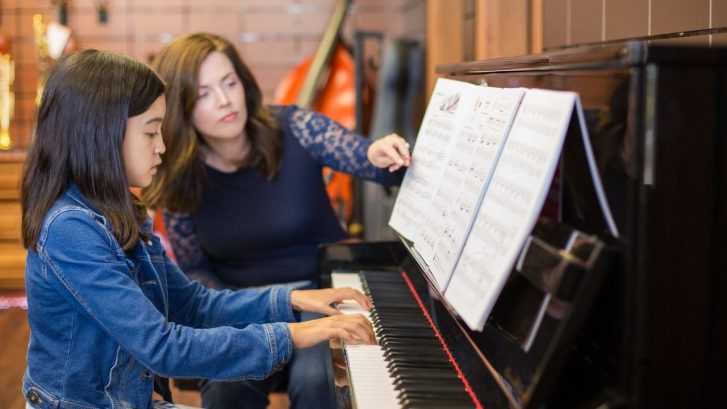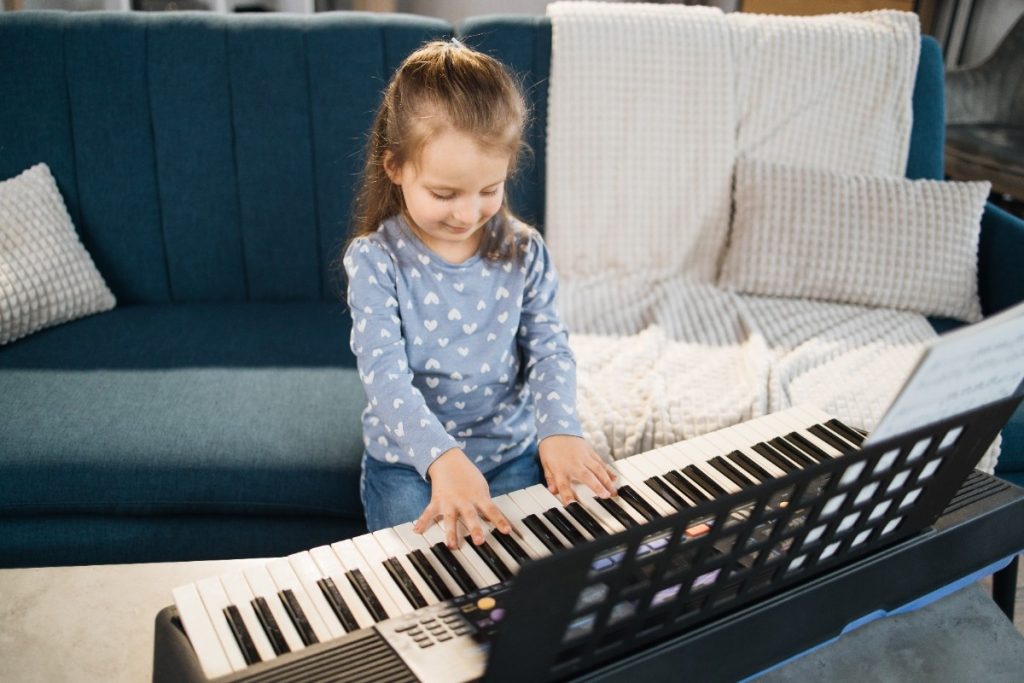
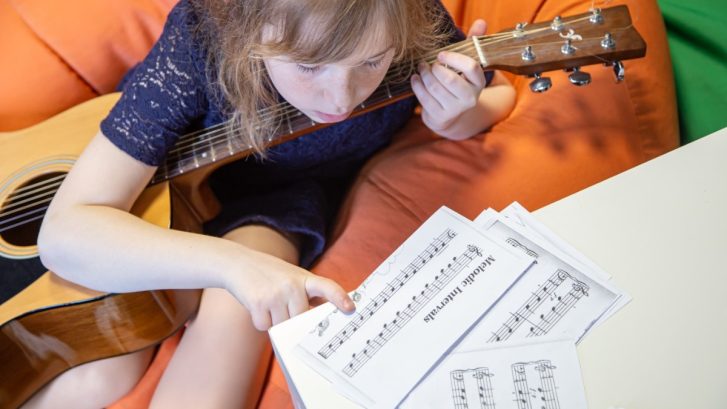
A little girl learns to play the guitar by sheet music

Should Kids Learn Music Literacy?

Music literacy, at its heart, is about learning to read and write music—decoding rhythms, notes, and dynamics. It’s often seen as something for “serious musicians” or students aiming for advanced grades. But it offers much more than that. For children, especially, learning music literacy can sharpen memory, build discipline, and foster deeper emotional expression.

Ask any parent whose child has studied music notation, and you’ll likely hear about improved focus, stronger listening skills, and a sense of quiet confidence. There’s something uniquely rewarding about watching a child sit down at an instrument and independently interpret what’s on the page. It’s a self-guided journey, one measure at a time.

Understanding Symbols and Sound

Children are natural pattern seekers. Letters form words. Numbers build equations. Music notation fits neatly into this same world—symbols that come together to shape melody and rhythm.

When a child learns to read music, they’re not just memorizing notes; they’re training their brain to process visual cues and translate them into motor actions. It’s an ongoing exercise in coordination and comprehension. This skill spills into other areas—reading fluency, spatial awareness, and even emotional regulation. A student reading a soft piano passage is engaging with cues that teach restraint and sensitivity.

There’s also a quiet thrill to decoding music. Like learning a new language, it empowers a child to participate in something greater than themselves—a tradition of shared performance, collaboration, and creative interpretation.

The Reading Brain, The Music Mind

Think of the brilliant neural circuit a child builds when learning to read. Their young brain brilliantly combines visual processing to see the letters, auditory processing to connect them to sounds, and language comprehension to unlock meaning. It’s a symphony of cognitive development.

Learning to read music engages the mind in a strikingly parallel way. A child at the piano, for instance, doesn’t just see notes on a page. They scan the musical symbols, connect them to the sounds they create, and listen intently to ensure the pitch and rhythm are just right—all while actively anticipating the melody yet to come.

See the symbol, hear the sound, anticipate what’s next. This isn’t just playing a sonata; it’s a cognitive workout that mirrors and reinforces the very same pathways used for reading a poem or decoding a complex passage. It’s not simply learning music; it’s training the brain for a lifetime of learning.

The Discipline of Practice

Music literacy creates structure. A child learning to read music starts to understand progress in small, measurable steps. They begin to see that mastering a skill isn’t about rushing but about consistency. This practice builds patience, something many children—and parents—find invaluable outside the music studio.

Students preparing for ABRSM or Trinity music exams, for example, develop a regular practice routine. They learn how to break down a challenging piece, work through fingering patterns, and slowly bring a song to life. This routine becomes a quiet sanctuary of focus and commitment.

Parents often notice that children who study music notation show greater resilience in schoolwork. They’re less discouraged by mistakes and more open to correction. Music gives them the tools to analyze their own progress without fear.

A Foundation for Creativity

Some assume that learning notation may limit creativity—that it puts a child in a box. But the opposite is often true. Once children understand the basics, they start to experiment. They’ll change a note, try a different tempo, or add their own flourish to a melody.

Music literacy doesn’t restrict expression; it gives kids the tools to shape it with intention. Think of it like painting: knowing how to mix colors and understand composition doesn’t stifle creativity—it enriches it.

A child who understands rhythm can improvise. A child who reads harmony can compose. And a child who studies dynamics knows how to deliver emotion without saying a word.

Building Confidence Through Achievement

One of the most tangible benefits of learning music literacy is the sense of achievement that comes from performing a piece as written. There’s a quiet pride in being able to sit down, open a book, and play something recognizable. For children, especially those who are shy or unsure of their abilities, this can be life-changing.
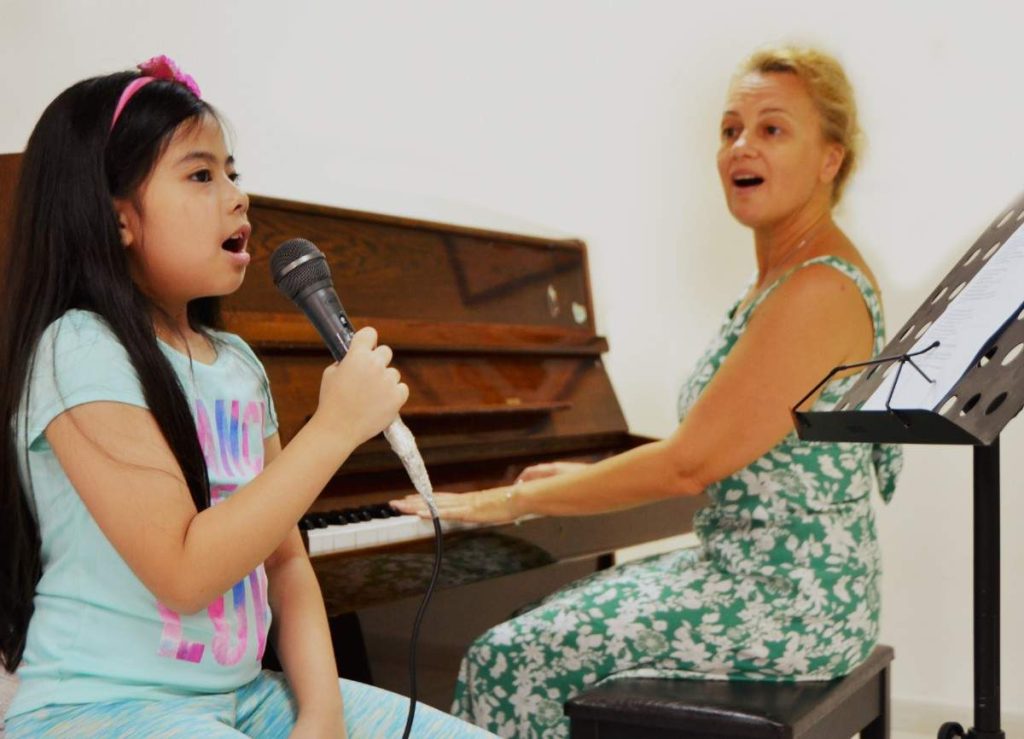
A music teacher playing piano whilr her student sings

It’s not about grand recitals or winning competitions. It’s about small victories: mastering a difficult passage, getting a thumb-under movement just right, playing a familiar tune for family without hesitation. These moments add up and give children a solid sense of self-worth.

Connecting with Others

Music is often shared. In group classes or ensemble settings, children who can read music find it easier to join in. They follow along with others, keep time, and understand how their part fits into the whole. They listen—not just with their ears, but with their eyes and intuition.

This ability to collaborate makes music a social experience. It teaches children to wait their turn, support their peers, and enjoy shared successes. Whether it’s a duet or a full recital, children who read music find more ways to participate and contribute.

A Practical Investment in Lifelong Skills

Parents looking for meaningful extracurricular activities often focus on sports, academics, or language classes. Music literacy may not always be at the top of the list, but it holds its own. It combines logic and emotion, performance and practice, discipline and creativity.

At Ballet Centre Dubai, students have the opportunity to learn music literacy through both Trinity and ABRSM syllabi, taught by experienced instructors in a nurturing setting. Classes cater to young beginners as well as more advanced students, with pathways that encourage both formal examination and pure enjoyment. The Centre also offers trial classes, so families can experience the benefits firsthand before making a commitment.

Final Thoughts

Music literacy may not seem urgent. It’s quiet. It takes time. But it gives children something rare: the ability to read and speak in a language that doesn’t rely on words. It connects them to themselves, their peers, and a wider world of sound and expression.

For parents considering how to support their child’s growth—intellectually, socially, and creatively—introducing music literacy is a meaningful step. It’s a skill that doesn’t fade with age and doesn’t require constant digital input to keep a child engaged.

Just a few notes, a few minutes a day, and the patience to let music unfold—these can spark a love for learning that lasts well beyond childhood.
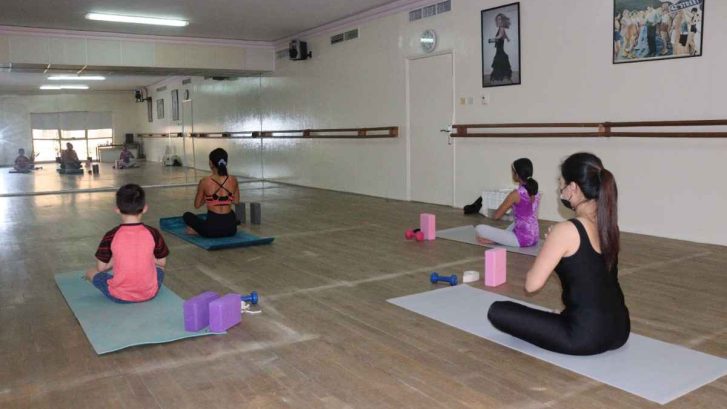
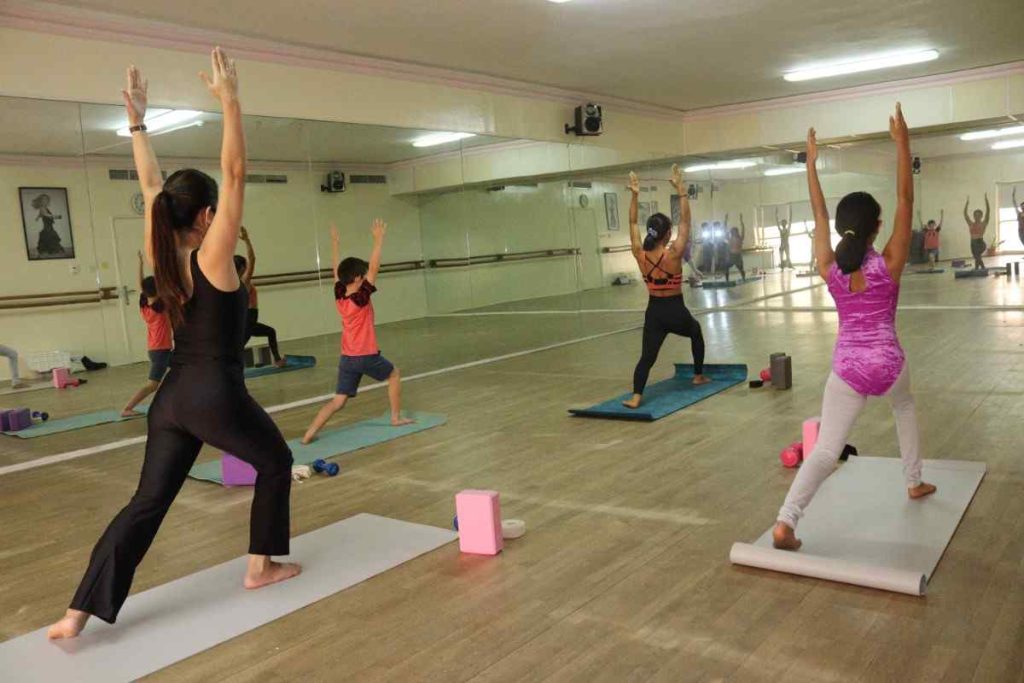
People sitting on the floorcrossed legged in yoga class

How Yoga Can Transform Your Day-To-Day Life

Yoga doesn’t just stretch your muscles—it rearranges the rhythm of your day.

The calm you feel after just a few sessions starts to creep into the rest of your life. Conversations become lighter. Deadlines feel less daunting. You respond instead of react. And maybe that’s the real strength it builds.

The Shift Starts Small

Most people think of yoga as flexibility training. They expect longer hamstrings, looser hips, maybe even a better backbend. What surprises them is how the practice starts showing up in everyday moments.

Standing in traffic becomes less frustrating. You notice how tightly you grip the steering wheel and learn to ease off. Waiting in a queue doesn’t spike your stress. Instead, you find yourself breathing—slow, steady inhales, a softened jaw, shoulders that stay relaxed. That’s yoga. Not on the mat, but in life.

It doesn’t take an hour-long session to start noticing it either. Ten to fifteen minutes a day can nudge your nervous system toward steadiness. Over time, that consistency begins to work like background music—keeping you grounded no matter what the day throws at you and it also helps flexibility.

Breath First, Then Everything Else

One of the most practical tools yoga offers is breath control—known traditionally as pranayama. It’s not about taking deep breaths during panic. It’s about training your body to breathe efficiently even when you’re not thinking about it.

This affects sleep, digestion, and focus. Think of the breath as the body’s rhythm section. When it plays in harmony, everything else follows. Parents often notice that kids who practice yoga regularly seem more emotionally balanced. There’s a reason for that—the breath patterns learned on the mat carry into schoolwork, friendships, and even tantrum recovery time.

At Ballet Centre Dubai, this understanding of mind-body balance is part of why yoga is included in the broader mix of offerings. It supports children’s growth—not just physically, but emotionally and mentally too. For parents looking to help their children build resilience, focus, and confidence, yoga can be one of the gentlest yet most effective tools available.

Strength Without Strain

There’s a quiet kind of strength that yoga builds. It doesn’t show up as bulky muscle or explosive speed. It shows up when you hold a position just a little longer than you thought you could, and you keep your breath smooth while you do it.

You start realizing where your limits are—then pushing them safely. That awareness transfers. You find yourself more patient during disagreements. More persistent with goals. Less shaken when plans change.

This isn’t just mental grit; it’s body awareness reinforcing emotional stability. Small moments on the mat build trust between you and your body. That trust spills into how you carry yourself at work, how you listen to others, how you handle stress.

Real Rest

Yoga isn’t just movement. In fact, some of the deepest benefits come from the moments of stillness—when your body is resting, but your awareness is sharp. Restorative poses and guided relaxation teach you how to settle into rest fully, not just collapse on the couch scrolling through your phone.

People underestimate how much rest they actually need. Or how ineffective most of their so-called rest really is. A short guided relaxation after movement can sometimes do more than a full night’s sleep when it comes to clearing mental fog.

When you start building this kind of rest into your daily routine, even just a few minutes at a time, your mood shifts. You start catching yourself before burnout hits. You notice fatigue early. And more importantly, you know how to respond.

Focus Without Force

Yoga encourages presence. It’s not about tuning out the world—it’s about tuning into what matters. You might start by noticing the position of your spine or how your feet press into the ground. Over time, you start noticing when your thoughts are spinning or when your energy is scattered.

This builds mental stamina. Not the kind that pushes you to keep going through exhaustion, but the kind that helps you stay engaged and clear-headed. Whether you’re sitting through a long meeting or helping a child with homework, that ability to stay present—without snapping or zoning out—can be life-changing.


This focus becomes especially valuable for children. In an age where distractions are everywhere, learning how to anchor attention is a real advantage. Yoga trains that skill naturally—without pressure, without punishment. Just one breath, one movement at a time.

Parenting With a Steadier Heart

If you’re raising kids, chances are your energy goes to everyone else before yourself. Yoga reminds you to return to your own body—not just for fitness, but for sanity. A short practice before the kids wake up can shift your whole approach to the day.

You start reacting less and listening more. You feel less drained, even when the schedule’s packed. And when your children see you making time to care for your own well-being, they learn to do the same.

In many cases, parents who join a yoga class find that it’s not only their own stress that gets easier to manage—family rhythms start to improve too. The house feels less chaotic. There’s more laughter, fewer meltdowns. Yoga doesn’t fix everything, but it does offer a steadier foundation for handling what life brings.

Making It a Habit Without Pressure

Starting yoga doesn’t have to mean committing to an hour a day or becoming an expert in Sanskrit terms. You can start by stretching in the morning for five minutes. Or by following a short video a couple of times a week. The most important part is not how much time you spend—it’s how often you come back.

Consistency builds the benefits. Not perfection.

The more you practice, the more yoga becomes something you look forward to—not another thing on your to-do list, but a moment to reconnect with yourself.

And if you’re looking for a place where both you and your child can grow through movement, creativity, and mindfulness, Ballet Centre Dubai offers an ideal starting point. Their yoga classes blend physical strength with mental focus, making it easier for families to develop habits that support well-being—together.

The True Life of Yoga: Beyond the Mat

Ultimately, the life of yoga is not confined to the mat; it’s the cumulative effect of these small, daily shifts in awareness, breath, and response that rewires your entire approach to living, transforming your relationship with yourself and the world around you from the inside out.

A Quiet Revolution

Change doesn’t always roar in. Sometimes, it whispers through a slow breath or a well-held pose. Sometimes it’s the choice to pause before you speak. Or to stretch when you’re tired, instead of scrolling through your phone.

Yoga doesn’t promise to solve all of life’s stress. But it does offer something just as valuable: a practice that strengthens your body, steadies your mind, and softens your heart—all at once.

And sometimes, that’s exactly what a busy day needs.

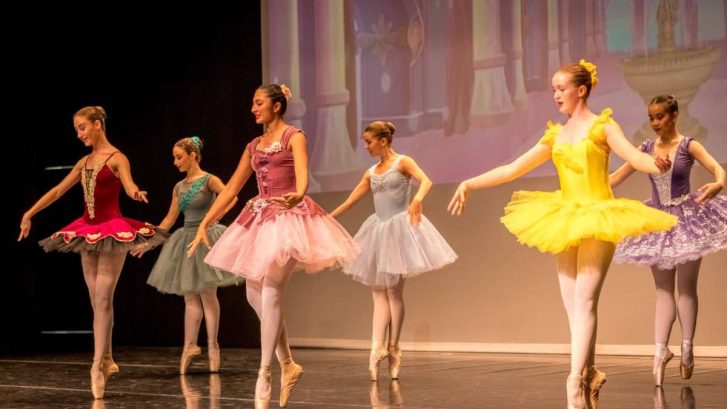
adult ballet female ballerinas in colored tutu's dancing on stage

What To Expect In Adult Ballet Classes

The first time I walked into an adult ballet class, I didn’t know where to stand. The mirrors were intimidating, the barre looked like something I had no business touching, and the room was filled with people who all seemed to know what they were doing. But something told me to stay. Maybe it was the quiet music in the background, or the way the instructor greeted me with a nod and a gentle smile before cueing the first plié.

That class changed the way I saw movement, discipline, and even my own body.

Adult ballet isn’t about perfection. It’s about progress — and grace, both internal and external.

Starting Point: No One Cares What You Look Like

Everyone feels awkward at the beginning. You’re not alone. Most adult ballet classes are a mix of former dancers, total beginners, and people who just want to try something new. The atmosphere is surprisingly relaxed — yes, there’s structure, but there’s also an understanding that people have day jobs, stiff joints, and varied fitness levels.

There’s often a quiet agreement among classmates: we’re here for ourselves. Not for competition, not to perform. Just to move, breathe, and reconnect.

What Actually Happens in Class

Classes usually start at the barre. That’s where you’ll learn the fundamentals — pliés, tendus, dégagés — with one hand supporting your balance. You’ll work on posture, turnout, and building strength from the ground up. The barre becomes a place of focus, almost meditative.

Then you’ll move into center work. That means learning to balance without support, combining steps into short sequences, and eventually trying some gentle jumps or traveling steps across the floor. It’s not about high kicks or pirouettes in the early days. It’s about control and clarity.

Don’t be surprised if your brain works as hard as your muscles. Ballet vocabulary is in French, and combinations are often given verbally. You’ll learn to pick up patterns, remember sequences, and respond to musical cues — all while keeping your posture aligned and your arms flowing with intention.

You Will Be Sore, But It’s a Good Sore

Muscles you forgot existed will wake up. Your feet, calves, and core in particular. You might walk funny after your first few sessions, but give it a week or two and that stiffness will give way to strength. Adult ballet classes build muscle tone, flexibility, and balance in a way that’s low-impact but effective.

You’ll also build stamina, not just physically but mentally. Concentration improves, especially during combinations that challenge your coordination and memory. It’s part physical, part brain game, and surprisingly satisfying.

Wear What Makes You Comfortable

There’s no pressure to show up in a leotard and tights unless you want to. Most adult beginners wear leggings, a fitted top, and ballet flats. Some bring a skirt or wrap for a touch of elegance. What matters is that you can move freely and see your form.

Shoes matter, though. Invest in proper soft ballet flats, usually canvas or leather. They help your alignment, protect your feet, and make movement easier. Most studios will guide you on how to fit them correctly.

The Mental Shift: From Self-Criticism to Self-Respect

One of the biggest surprises is how ballet changes your inner dialogue. Adults often enter class carrying years of self-judgment — about appearance, coordination, or the feeling that it’s “too late” to learn something new. But over time, you start to celebrate small victories. Holding a balance longer than last week. Remembering a sequence. Stretching a bit deeper. There’s something quietly powerful about standing tall in fifth position, knowing you’re doing something just for you.

Community Without Pressure

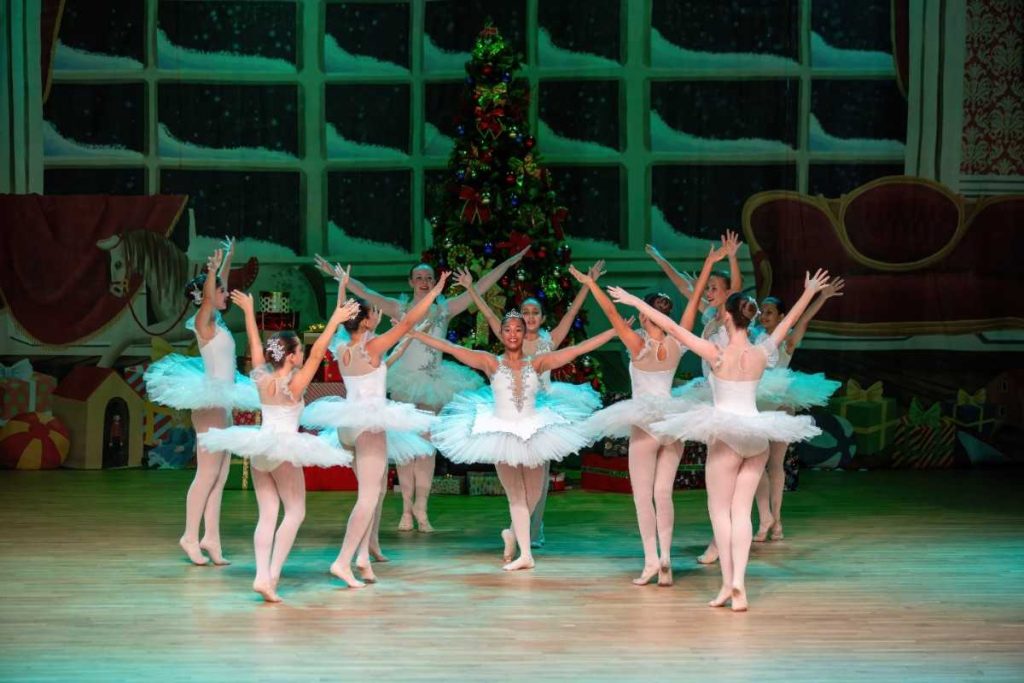
A group of ballet dancers in white dancing on stage

Adult classes have a different energy from youth or pre-professional groups. The pace is steady, instructors are encouraging, and there’s a mutual respect among participants. You’ll often find people from different walks of life — teachers, engineers, parents, artists — all coming together for the same hour of focused movement.

It’s not unusual for friendships to form. A nod of encouragement across the room, shared stretches after class, maybe even a coffee nearby afterward. There’s connection without the need to perform or impress.

Progress Happens — Gradually, Steadily

In adult ballet, progress isn’t about jumping higher or turning more times. It’s about moving with more clarity, feeling your alignment improve, and gaining confidence in your own expression. Some students do reach performance level and enjoy participating in studio recitals or workshops. Others just keep showing up weekly, enjoying the quiet satisfaction of learning something challenging and beautiful.

Classes typically follow a syllabus or structured progression, and studios often offer options for beginners, improvers, and intermediate levels. That way, you’re always working at the right pace — not rushed, not held back.

Where It Can Lead

Many adults who start ballet discover new interests along the way. Some try complementary styles like contemporary dance or jazz. Others pursue music or drama classes, realizing how deeply connected the performing arts are. At Ballet Centre Dubai, adult students often explore these additional paths — from drama workshops to music theory — all within the same nurturing environment.

The best part? You can bring your kids along, too. Many parents discover ballet by watching their children and decide to join an adult class themselves. It becomes something of a family experience — shared passion, mutual encouragement, and a deeper appreciation for the discipline behind the art.

Final Thoughts From the Barre

You don’t need a dance background. You don’t need to be flexible. You don’t need to have perfect posture or a dancer’s body.

All you need is the willingness to try.

Adult ballet is about reclaiming movement, grace, and discipline in a way that fits into your life now. It’s about discovering how much your body can do — and how good that can feel. You might surprise yourself. You might fall in love with the process.

And the next time someone mentions ballet, you won’t think of it as something distant or unreachable. You’ll think of the class you go to on Tuesday nights, the barre you rest your hand on, the music that cues your movement, and the quiet pride that comes from showing up, week after week.

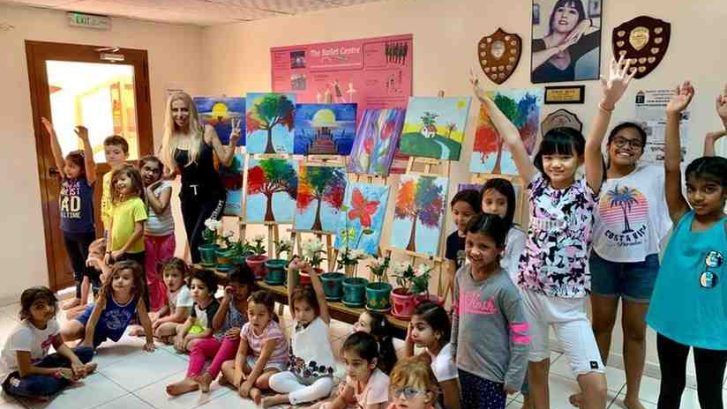
Children pose in art and craft classes for kids​

The Role of Art in a Child’s Development

Maya’s daughter used to doodle horses and clouds on the back of worksheets—quiet sketches that revealed more than her words ever did. It wasn’t until Maya signed her up for an art class that she realized how expressive her daughter truly was. The transformation was gradual but undeniable: the quiet girl began to share her artwork confidently, stand taller, and speak more freely.

This kind of growth doesn’t happen by chance.

Young children are natural creators. Before they can spell their names, they make up songs. Before they read full sentences, they act out characters and stories. Creativity begins not with instruction but with freedom—freedom to explore, make mistakes, and interpret the world on their own terms.

More Than Entertainment: Why Art Matters

Art offers something unique: it allows children to express feelings they might not yet have the words for. Whether they’re painting with bold strokes, crafting a clay sculpture, or improvising a dance move, they’re communicating who they are and how they see the world. This kind of self-expression plays a central role in emotional development.

Through creative activities, children start to recognize patterns, notice details, and learn how to translate abstract ideas into something they can see, hear, or touch. These are not just artistic skills—they are life skills.

Confidence Through Creation

Every time a child makes a choice—what color to paint the sky, what rhythm to tap with their feet—they are exercising independence. Each small decision adds up. Children begin to trust their instincts, take pride in their work, and learn to share it without fear of being wrong.

Confidence isn’t about always getting things right. It’s built when children are encouraged to try, explore, and keep going—even when their first attempt doesn’t look or sound the way they hoped. In this way, art becomes a practice ground for resilience. Whether they’re memorizing lines for a play or struggling through a new musical scale, children learn that improvement comes from patience and persistence.

How Art Supports Learning in Other Areas

When children are given time to draw, sing, dance, or perform, they’re not “taking a break” from academics. They’re building brain pathways that support deeper learning. Visual art sharpens observation. Music enhances auditory memory. Dance improves coordination and focus. Drama nurtures empathy and verbal fluency.

These aren’t just isolated skills—they influence everything from reading comprehension to math reasoning. A child who can recognize patterns in music may be quicker to understand number sequences. A dancer who keeps rhythm can follow the pacing of a sentence or a story. A theatre student who steps into different characters’ shoes develops a deeper understanding of language, tone, and perspective.

Art Teaches Collaboration Without a Lecture

In a drama rehearsal, children listen for their cue, work with scene partners, and learn to adjust when something doesn’t go as planned. In a dance class, they move in sync, share the floor, and support one another during practice. Art builds community. It encourages children to celebrate each other’s strengths and learn from one another.

This kind of teamwork often happens without adult prompting. There’s no need to say, “Be a good listener” when a child is already doing it in order to match a partner’s lines or movements. Through shared creative experiences, they naturally pick up social skills that are harder to teach directly.

The Role of Discipline in Artistic Practice

Art isn’t all spontaneity. In fact, one of its greatest gifts is the opportunity to practice discipline in a meaningful way. Whether it’s mastering a musical instrument or rehearsing choreography, children learn how to follow instructions, manage frustration, and improve over time.

They begin to understand the value of repetition—not as a chore, but as a path to mastery. It’s one thing to tell a child to keep trying. It’s another for them to experience the reward of persistence when a painting finally comes together or when they get through a tough scene without missing a line.

Making Room for All Kinds of Expression

Some children think in images. Others in sound, movement, or words. Not every child is comfortable sitting at a desk and filling out worksheets. The arts give children alternative ways to shine. A child who may be anxious in conversation might feel completely at ease when acting in a group. A child who fidgets in class may find total focus in front of a piano or an easel.

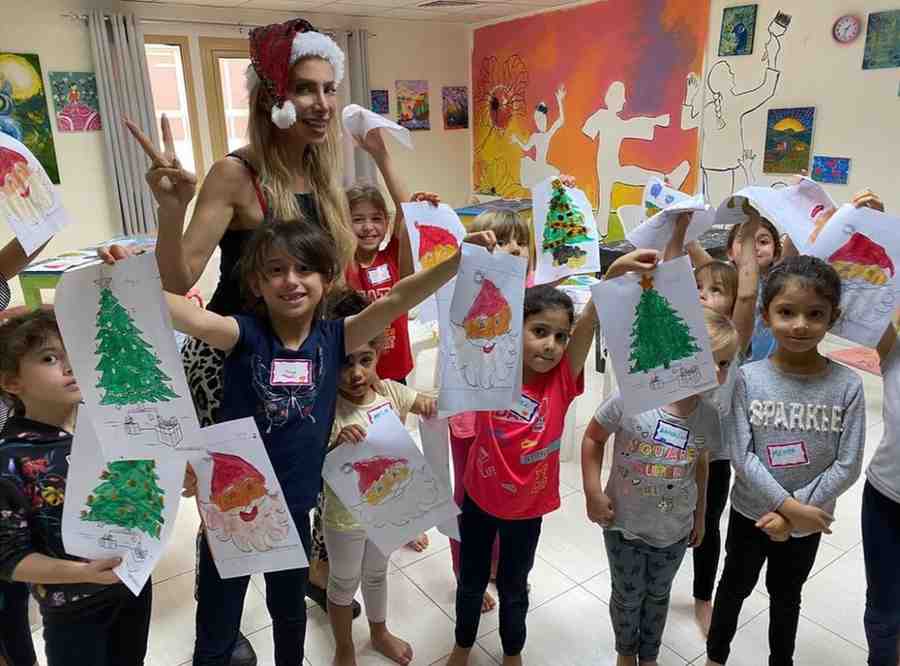
Children hold up colouring drawings with teacher wearing a Christmas hat.

By recognizing and supporting these different expressions, we help children develop self-awareness and pride in their individuality. That can lead to better relationships, stronger academic engagement, and a sense of belonging—especially important during the formative years.

A Safe Place to Be Brave

One of the most overlooked benefits of artistic activities is the safety they offer. Not physical safety—though that matters too—but emotional safety. Children feel more comfortable taking risks in a space where the outcome isn’t judged in right or wrong terms. They get used to starting over, adapting, and experimenting.

Art helps children feel brave. They try new things, share their ideas, and learn to receive feedback with an open mind. These are foundational qualities for personal growth and future success, no matter the path they choose.

Where Support Matters Most

Choosing the right environment can make all the difference. A space where children feel supported, encouraged, and challenged—without pressure—is where the most meaningful development happens. At Ballet Centre Dubai, the focus is not only on technical training across disciplines like RAD Ballet, ISTD Tap & Modern, drama, music, and visual art, but also on fostering confidence, creativity, and self-awareness in every student. Flexible class options, yearly exams, KHDA approval, and welcoming teachers ensure that both beginners and experienced students feel valued and inspired.

Encouragement That Lasts a Lifetime

The skills children gain through the arts aren’t things they leave behind as they grow up. The confidence built during a stage performance, the resilience developed in a tough music lesson, the empathy nurtured through storytelling—all of it carries into adulthood.

Whether a child becomes a scientist, a teacher, an entrepreneur, or a performer, the ability to express themselves, work through challenges, and collaborate with others will always matter. Art offers a way to learn those lessons with joy, energy, and imagination.

Looking to nurture your child’s artistic journey? Consider exploring diverse creative classes that support more than just technique—they grow character, confidence, and lifelong curiosity.

acoustic and electric guitar​ held by two men side by side

Acoustic Vs Electric Guitar: What’s the Difference?

My niece picked up an acoustic guitar when she was eight. She had small hands, zero patience for tuning, and a curious mind that bounced from song to song.

Her older brother, on the other hand, started with an electric guitar at thirteen. He preferred heavy riffs, loved experimenting with effects, and spent far too much time adjusting amp settings. Same family, same house, two completely different paths into music.

That contrast is where the real difference lies between acoustic and electric guitars—not in some technical checklist, but in how each one shapes a musician’s first steps.

How Each Guitar Feels in Your Hands

If you’ve ever held both, the physical differences are immediate. An acoustic guitar feels like a self-contained unit. It’s usually bigger and a bit bulkier, but it’s also straightforward—no cords, no gear, no buttons. You pick it up, you strum, you hear sound. The hollow body does all the work of projecting the notes.

Electric guitars, though typically slimmer and lighter, can feel heavier because of the solid body. There’s no natural amplification. It needs a cable, an amp, and some kind of power source to be heard properly. That makes it a little more of a setup, especially for a young child.

The neck size and string tension also differ. Acoustic guitars often have thicker necks and higher string action, which means you need more finger strength to press the strings down. Electrics tend to be easier on the fingers, especially for smaller hands or beginners who are still building confidence.

Is Electric Guitar Easier Than Acoustic?

So, is electric guitar easier than acoustic? In many ways, yes—for a pure beginner. The strings are typically lighter and closer to the fretboard (lower action), meaning your fingers don’t have to work as hard to press them down and form clean chords. The thinner neck can also be easier to grip for smaller hands.

However, this initial physical ease can be offset by the complexity of the gear; an electric requires an amp and introduces variables like knobs and effects, which can be distracting. An acoustic, while physically more demanding at first, offers simplicity—what you play is exactly what you hear, building foundational strength and technique from day one.

Sound and Style Preferences Start Early

Most beginners don’t think about tonewoods, pickups, or amplification. They think about songs. A child who wants to strum Taylor Swift’s early tracks will likely reach for an acoustic. One who dreams of playing Arctic Monkeys or Metallica? Electric all the way.

Acoustics have a warmer, richer, more organic sound. They’re great for folk, pop, and classical styles. Electrics are more versatile in tone but lean into sharper, more aggressive or experimental territories. With a flick of a switch or the turn of a knob, you can go from blues to punk to funk.

This is often where personality comes in. Acoustic players tend to enjoy playing solo, often singing along or composing their own music. Electric players may gravitate toward bands, studio setups, or jam sessions. That social element can be a deciding factor for teenagers especially.

Portability and Practicality

Parents often ask which one is “better” to start with. The short answer: it depends on where your child plans to play.

Acoustic guitars are grab-and-go. You don’t need amps, pedals, or cables. If your child wants to practice in the garden, in the car on the way to school events, or during quiet moments at home, an acoustic is simple and convenient.

Electric guitars need gear. They’re not ideal for spontaneous play unless everything’s set up in one place. But once they are plugged in, they offer more control over volume and tone—something to consider in apartment living where noise can be an issue.

Cost Considerations

Many assume acoustic guitars are more affordable. They can be, but not always. A beginner-friendly acoustic might be cheaper upfront, but if your child continues with it, you may need to upgrade as their skills grow.

With electrics, the initial cost might be higher because of the extras—amp, cables, picks, strap, etc. But the build quality of beginner electric guitars has improved in recent years, and many come in starter bundles that make them an accessible option.

One hidden cost? Maintenance. Acoustic guitars need humidity control. Wood can warp in dry air. Electrics, with their electronics, might need repairs down the line. Neither is maintenance-free, but being aware early can help avoid surprise expenses.

Motivation Matters Most

I’ve seen children lose interest in music not because they lacked talent, but because the instrument didn’t match their enthusiasm. A child who loves fast-paced rock will likely get bored with an acoustic. One who wants to sing love songs may find electric guitars overwhelming or unnecessarily complicated.

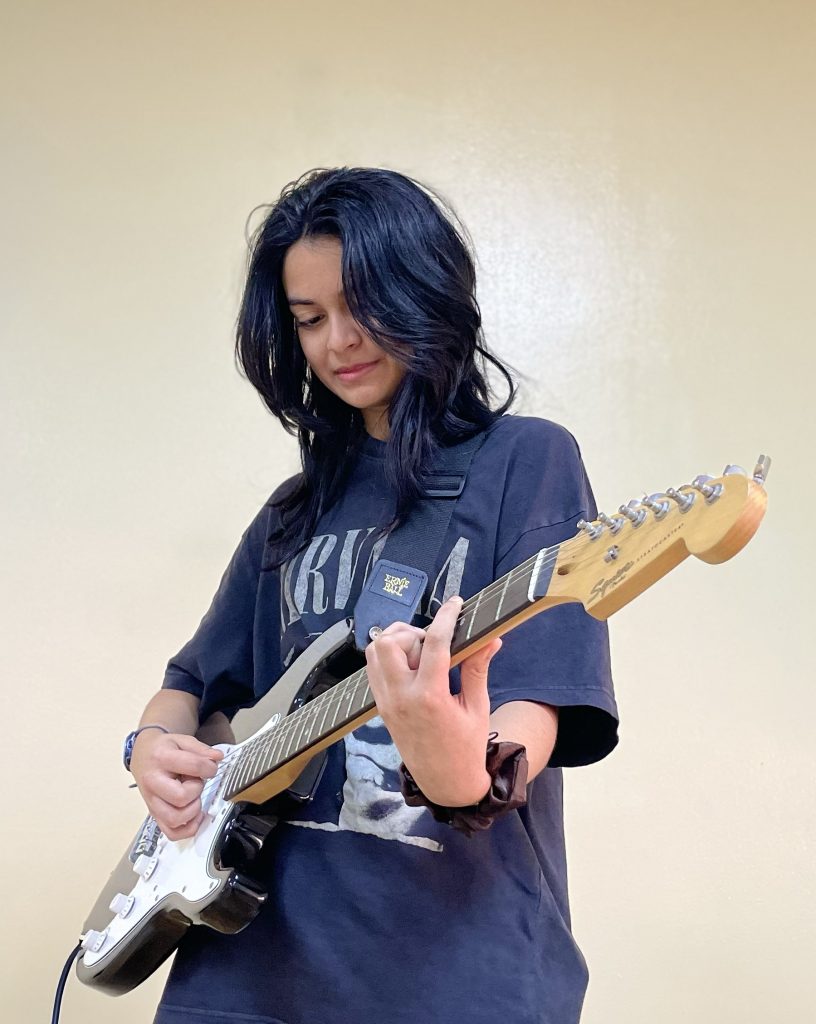
A young girl playing an electric guitar

Let them lead the decision. If they’re drawn to a certain sound or artist, support that direction. Even if they change styles later—and many do—the early joy of playing something they chose is powerful.

Learning Environment Can Shape Progress

Here’s something not often talked about: the setting in which a child learns music matters just as much as the instrument itself. Some children thrive with online tutorials, others need one-on-one attention, and some flourish in structured group settings where creativity and discipline go hand-in-hand.

At Ballet Centre Dubai, the music classes offer that balance. Whether a child is learning acoustic guitar chords or exploring riffs on an electric, the environment is tailored to support growth, curiosity, and discipline. It’s not just about hitting the right notes—it’s about building confidence and finding a creative voice. And when a guitar lesson is just down the hallway from ballet, drama, or taekwondo, it’s easy for siblings to discover their own passions too.

What Happens Over Time

Guitarists often cross over. Someone might start on acoustic and eventually get curious about effects pedals. Or they begin with an electric, but later crave the raw intimacy of unplugged playing. The good news is, skills are transferable. Chord shapes, scales, rhythm—they’re shared between both instruments.

But the way a player approaches the music changes. Acoustic players tend to focus on fingerpicking, open chords, and songwriting. Electric players experiment more with lead lines, improvisation, and layered sound.

One isn’t better than the other. They just offer different paths to expression.

A Few Final Thoughts from Experience

I once asked a teen student who had just switched from acoustic to electric why he made the move. He shrugged and said, “The acoustic was beautiful, but the electric makes me feel like I can be someone else.”

That stuck with me.

Because sometimes music isn’t just about learning—it’s about becoming. Finding a sound, an identity, even a temporary escape. Whether your child is drawn to the raw strum of an acoustic or the electric pulse of an amp-driven solo, both roads lead to discovery.

So, when you’re standing in that music shop or browsing online, don’t get caught up in which guitar is more “right.” The better question is: which one will they want to play today?

Chances are, that’s the one that will help them stick with it.

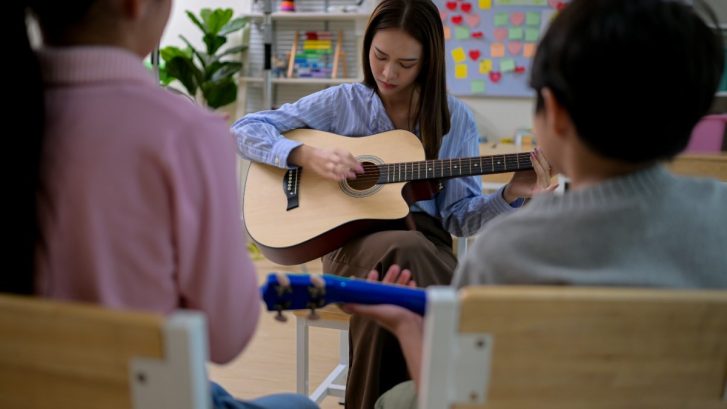
Guitar Class, Teacher and students in music classroom

What To Expect in Music Therapy Classes

A quiet room, a small drum in the corner, and a child softly swaying to the rhythm of a song they’ve heard a hundred times at home—this is often how music therapy begins. There’s no rush, no pressure to perform. What unfolds in the space between notes is where the real work happens.

Music therapy offers something unique to children: a chance to express emotions, reduce stress, and build confidence without needing to say a single word. It’s not about musical talent. It’s about connection—between therapist and child, between movement and sound, between inner feelings and the outside world.

Sessions That Feel Safe, Not Structured

A common misconception is that music therapy resembles a music lesson. Parents sometimes arrive expecting their child to learn chords or practice songs. But the focus is not on mastering technique. Sessions are flexible and built around the child’s needs and responses. Some days are more active—full of rhythm games or dance-like movement. Others are quiet, with soft piano chords or improvised lullabies guiding the mood.

Children are encouraged to explore instruments freely. There’s no right or wrong note. What matters is the response: a drumbeat that matches a child’s breathing, a familiar melody that soothes frustration, a shaker that brings a smile. The therapist adjusts based on these cues. One child may clap to match a beat; another may curl up on a beanbag and just listen. Both are participating fully in their own way.

Why Music Works When Words Don’t

Many children who join music therapy have difficulties expressing themselves verbally. Some are on the autism spectrum. Others are working through trauma, anxiety, or delayed speech. Music offers an alternate path. It bypasses the part of the brain that processes language and reaches the emotional centers directly.

You might see a child who hasn’t spoken much suddenly hum along with a song. Or one who struggles with coordination keep time with a tambourine. These moments are powerful. Over time, repetition and rhythm help regulate attention, reduce anxiety, and create a predictable pattern the child can rely on.

It’s not uncommon for therapists to use the same song for weeks, making tiny changes to the lyrics or tempo. This consistency helps build trust, while the variations encourage flexibility and listening. In many cases, children who felt overwhelmed in group settings begin to look forward to the routine.

What Does a Music Therapist Do?

A music therapist is a board-certified healthcare professional who uses music intentionally within a therapeutic relationship to address physical, emotional, cognitive, and social needs of individuals. Unlike a music teacher who focuses on technical skill, the therapist uses musical experiences—like improvisation, songwriting, listening, and movement to music—as clinical tools to achieve non-musical goals.

They are trained observers who assess a client’s needs, develop a treatment plan, and use their musical skills to facilitate engagement, expression, and growth. Their core role is to guide the session based on the client’s immediate responses, using music to support developmental milestones, manage anxiety, improve communication, and process complex emotions in a safe and supportive environment.

Individual and Group Sessions

Some children thrive in one-on-one sessions, where the environment is calm and the attention is undivided. Here, the therapist and child build a bond slowly, using instruments, voice, or even silence to establish comfort. Others benefit from small group classes, where interaction with peers is gently encouraged.

In group settings, children can work on sharing, turn-taking, and responding to others in a structured yet playful way. If one child begins a rhythm, another might echo it back. This kind of call-and-response isn’t just musical—it’s social learning through sound. Therapists often facilitate small musical games that feel like play, but serve important developmental goals.

The Therapist’s Role: Observer and Guide

Music therapists are trained not just in music, but in psychology and child development. They’re always watching, adjusting, and interpreting subtle signs. If a child flinches at a loud sound, the volume drops. If a child gravitates to the xylophone, the therapist might build a session around that tone range.

Therapists often document each session closely—tracking patterns, noting behaviors, and setting small goals. These goals might relate to emotional regulation, speech development, or physical coordination. They don’t replace other types of therapy but can complement them. For many families, music therapy is part of a larger plan of care.

What Parents Can Expect Over Time

The changes aren’t always immediate. Some children spend the first few sessions just observing. But even that is meaningful. By being present, by listening, and by making small choices (even choosing not to play), the child is already engaging with the process.

Over time, parents often notice differences outside of the sessions. A child may start humming favorite songs at home, or use rhythm to manage big emotions. Others may begin to imitate phrases from songs as a first step toward speech. These moments are quiet wins. They don’t always come with fanfare, but they add up.

Communication between therapists and families is important. Most centers provide regular updates or check-ins. Parents are encouraged to ask questions, share observations, and be part of the process.

Instruments That Support Growth

Many parents ask what kind of instruments are used in music therapy. The answer depends on the child, but some tools are used often: hand drums, maracas, rain sticks, bells, keyboards, and ukuleles. Each serves a purpose. Drums are grounding and help with regulation. Bells encourage fine motor skills. Ukuleles are small and easy to strum, even for little hands.

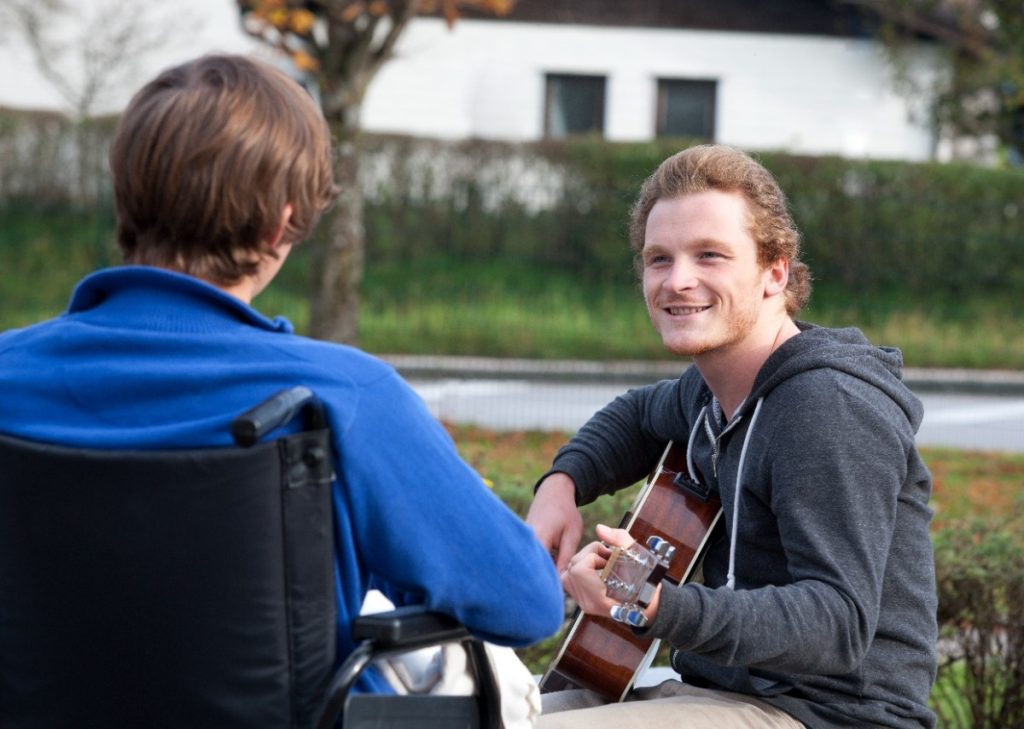
Young wheelchair user listening guitarist

In some sessions, therapists use digital tools as well—like music apps that allow children to compose simple tunes or control sounds with touch. This can be especially helpful for kids who are drawn to technology or who have mobility limitations.

Where to Start If You’re Considering Music Therapy

Many parents discover music therapy through a recommendation—from a teacher, pediatrician, or speech therapist. Others seek it out after noticing their child responds strongly to music at home. If you’re curious whether it’s a good fit, trial classes are a helpful place to begin.

Ballet Centre Dubai offers music classes that support early development, emotional awareness, and self-expression—making it a practical option for families looking to encourage their child’s growth through creative methods. With trained professionals, KHDA-approved programs, and flexible trial options, it provides a supportive environment for children of all abilities to explore the power of music in a way that feels safe and joyful.

Small Sounds, Big Changes

It’s easy to underestimate the effect of a few soft notes or a repetitive beat. But when those sounds are used with intention, they can reach places that traditional communication struggles to touch. A child who begins to smile more, sleep better, or connect more easily with others after a few months of music therapy is proof of that.

The progress may not always show up on a chart, but it shows up in the way a child carries themselves. In their willingness to try something new. In the way they light up when they hear their favorite song. And for many families, those are the milestones that matter most.

A little boy playing the piano

Learning Music? Start with These Easy Instruments

When eight-year-old Mira sat at the piano for the first time, she didn’t think much would happen. Her fingers fumbled over the keys, barely managing to play a tune. Three months later, she surprised her parents with a soft, well-paced version of Twinkle Twinkle Little Star. The pride on her face was unforgettable. That’s often how music begins—quietly, with a simple instrument, and a child trying to make sense of sound.

Getting started in music doesn’t have to feel overwhelming. Parents often worry about choosing the “right” instrument, especially when their child shows an early interest but isn’t quite ready for a major commitment. The truth is, some instruments are naturally more approachable and rewarding for beginners. These are the ones that let children build confidence early, discover rhythm and melody in a fun, intuitive way, and develop a real connection with music.

Here are a few that consistently prove to be gentle yet rewarding entry points into the world of music.

Keyboard/Piano: A Visual Introduction to Music

The piano gives immediate feedback. Press a key, and there’s a note. No need to worry about embouchure, bow grip, or finger calluses. The layout is linear and easy to understand, making it ideal for understanding scales, chords, and rhythm.

For beginners, digital keyboards can be an affordable and space-saving alternative to traditional pianos. They often come with lighted keys and built-in lesson modes that encourage practice. What makes the piano especially useful for children is how it develops coordination between both hands, and introduces them to musical theory without being abstract.

One mother shared that her son, Adam, who struggled with focus in school, found his rhythm at the piano. “He would sit and play just five minutes at first, then ten. Now he disappears for an hour, completely absorbed. It taught him how to listen—to the music and to himself.”

Recorder: Simple, Portable, and Surprisingly Musical

The recorder has an unfortunate reputation in some circles, likely due to classroom chaos and mass-distributed plastic versions. But don’t underestimate its potential. For children around five to seven, it’s often the first wind instrument they can manage.

It teaches breath control, pitch awareness, and fingering techniques that transfer later to instruments like the flute or clarinet. A wooden or higher-quality plastic recorder can make a world of difference in tone and experience.

A music teacher at the Ballet Centre Dubai once described the recorder as “a bridge to real musical thinking.” It’s light, easy to clean, and can travel anywhere. More than a few students who began here later transitioned smoothly into more advanced instruments, thanks to the foundation it built.

Violin: Challenging but Rewarding for the Patient Beginner

The violin does take a bit more effort at first—there’s no frets or keys to guide pitch, and holding the instrument properly requires practice. But the learning curve has a payoff. It builds strong ear training from the beginning, and fosters discipline and perseverance.

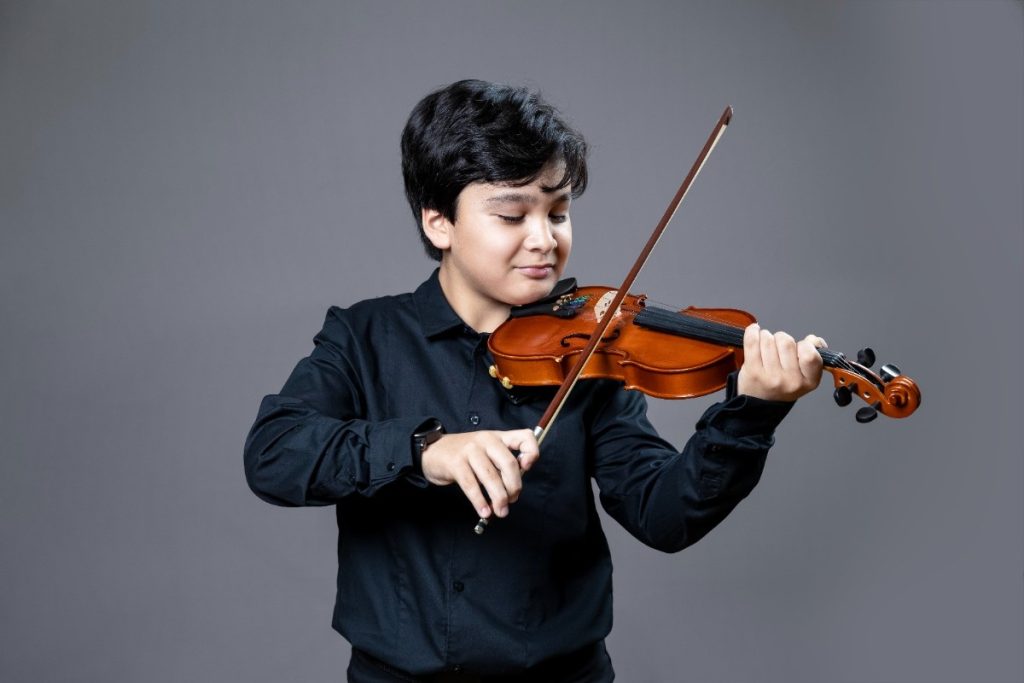
A boy wearing black playing the violin

Children as young as four can begin with smaller-sized violins. Early lessons tend to focus on posture, bowing, and open-string exercises that slowly ease students into more technical pieces. Families who invest in consistent practice usually see noticeable progress within the first year.

One teenage student who started violin at six said, “It was hard, but when I played my first song without help, I felt like I could do anything.” That kind of growth—personal as well as musical—is one of the quiet gifts this instrument offers.

Ukulele: Instant Gratification and Joy

Few instruments feel as welcoming as the ukulele. It’s light, affordable, and easy to learn. With just a few chords, students can strum along to popular songs in no time. That sense of early success is key, especially for children who may be nervous or shy about performing.

The soft nylon strings are gentle on young fingers, and the small body makes it a great fit for smaller hands. Because tuning and chord shapes are simple, children can focus more on rhythm, singing along, and enjoying music-making socially.

Parents have noticed that ukulele practice often doesn’t feel like “practice.” It’s play. And that’s important. Music shouldn’t be a chore—it should be something that pulls a child in because it’s fun.

Voice: The Instrument We All Carry

Singing is often overlooked as a formal entry point into music, but it shouldn’t be. It develops ear training, timing, breath control, and emotional expression—all without needing to buy anything. For many children, especially those who hum constantly or mimic melodies they hear on TV, voice lessons can shape natural talent into skill.

Trained vocal coaches understand how to guide young singers without straining their developing voices. They help build technique while keeping sessions fun and supportive. Singing in groups also builds confidence and collaboration—skills that reach far beyond music.

Parents are often surprised by how much children can learn through vocal training. It’s not just about pitch or tone, but about storytelling, breathing with intention, and connecting with others.

Supporting Your Child’s Musical Journey

Music isn’t just a hobby—it becomes part of how a child experiences the world. It teaches patience, focus, creativity, and joy. The right starting instrument can help that journey begin with confidence and clarity.

At Ballet Centre Dubai, music classes are thoughtfully designed for beginners, with experienced teachers who understand how to meet each child where they are. Whether your child wants to sing, try the violin, or explore the keyboard, our supportive environment encourages both discipline and delight. Parents can also explore free trial classes to see what suits their child best.

One student’s father said, “We tried a free piano class just to see if it would click. Now, every Wednesday, it’s the best part of her week.”

When music starts off simple and engaging, it has room to grow. The right first step can make all the difference in turning interest into love—and love into lifelong learning.

A gtoup of dancers on stage performing

Need To Rent A Ballet Studio? Your Rental Guide

A mother recently walked into our reception, notebook in hand and a determined look on her face. “My daughter needs more space to practice,” she said. “Her RAD exam is coming up, and our living room just won’t cut it anymore.” She’s not the only one.

Renting a ballet studio used to be something only choreographers or instructors worried about. Now, it’s parents, dance students, fitness coaches, and music teachers looking for flexible, professional spaces where practice isn’t limited by furniture or flooring. If you’ve been considering studio rental but aren’t quite sure what to expect—or how to start—this guide is here to help you make a confident, informed choice.

Why Rent a Studio At All?

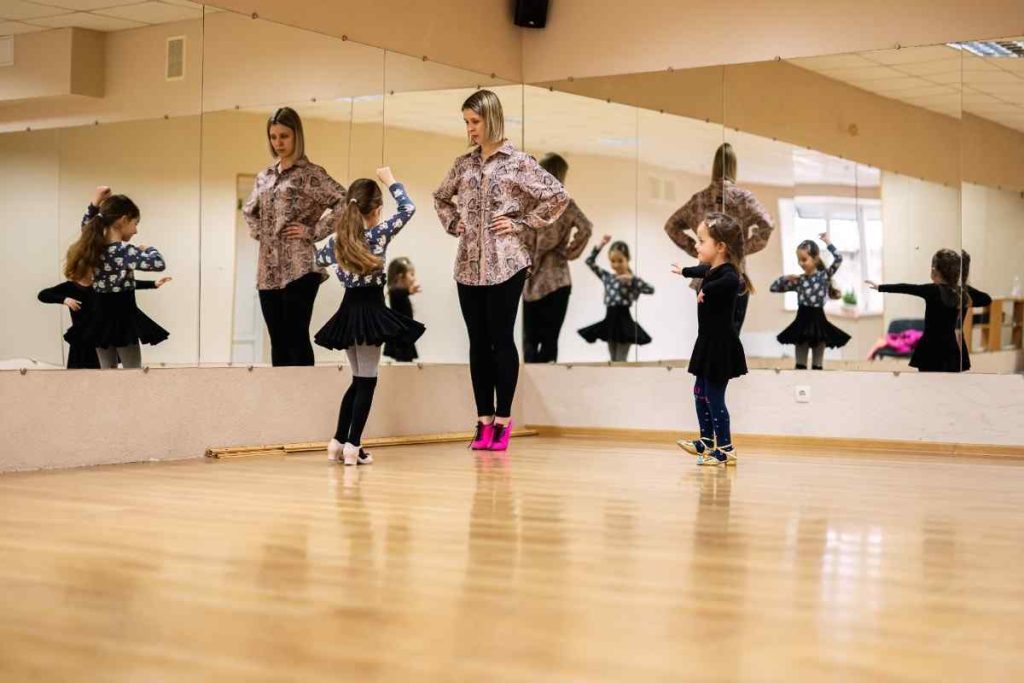
Home practice can only go so far. Whether it’s pirouettes that need room to travel, pointework that demands the right kind of flooring, or musical rehearsals that simply shouldn’t echo through the kitchen walls, having the right space can make all the difference. A rented studio offers uninterrupted time, professional-grade amenities, and a focused atmosphere. No barking dogs. No shifting the coffee table.

Studios aren’t just for dancers preparing solos. They’re also perfect for taekwondo coaches teaching private sessions, drama students rehearsing monologues, or parents helping their children refine music exam pieces.

What Makes a Good Rental Studio

There are a few things you’ll want to check before booking a space:

Flooring Matters:

For ballet and modern dance, sprung floors are non-negotiable. They protect joints and reduce fatigue. Make sure the space doesn’t just look pretty—it needs to be safe.

2 little girls being trained in modern dance by an older female teacher

Mirrors and Barres:

Essential for any dancer. Even a short rehearsal session becomes far more productive when your child can self-correct posture or alignment on the spot.

Availability and Flexibility:

Look for a venue that allows bookings by the hour or session rather than requiring a monthly commitment. Last-minute availability is a huge bonus, especially during exam season or before a performance.

Sound and Lighting:

If your child is working on a musical or drama piece, decent acoustics and adjustable lighting will go a long way in helping them feel stage-ready.

Cleanliness and Safety:

Studios used by children should maintain high standards of hygiene and safety. Check for regular cleaning schedules and make sure any equipment left around isn’t a tripping hazard.

Who’s Renting Studios—and Why

Private instructors often need space to run one-on-one sessions without distractions. Parents book studios to give their kids an environment where they can rehearse properly. Small performance groups rent space to run tech rehearsals or polish ensemble work. There’s also a rising number of professionals who use studio time for low-impact fitness classes, stretching, or even meditation.

One father recently booked two hours every weekend so his daughter and her violin coach could work without interruptions. He mentioned how the peaceful space helped her focus in a way she never could at home.

Booking Tips from People Who’ve Done It

Keep a Regular Slot: If you find a time that works—say, every Friday afternoon after school—try to lock it in weekly. This avoids the mad scramble of trying to reserve last-minute.

Talk to the Admin Team: They often know which time slots are least busy, or when cancellations are likely. You might score a quieter time or even a discount for off-peak hours.

Share the Cost: For group rehearsals or small classes, splitting the rental fee makes it much more affordable. One group of teen dancers rented a studio together to prepare for a school performance and rotated music responsibilities each week.

Bring the Right Gear: Whether it’s ballet slippers, tap shoes, or a drama script, being fully equipped helps you make the most of your time. One music student brings a portable speaker for backing tracks, and it’s made her practice sessions more dynamic.

How Ballet Centre Dubai Fits In

We offer hourly rentals for fully equipped studios with mirrors, barres, sprung flooring, and excellent lighting—ideal for dance, martial arts, or performance prep. Many parents already enrolled in RAD ballet, ISTD tap or modern, and music classes often rent space for extra practice as exam dates approach. It’s a natural extension of their commitment to their children’s development. Even students from outside the Centre have found our studios a great match for their goals.

When Renting Becomes More Than Just a Convenience

There’s something about stepping into a real studio, placing your dance bag by the mirror, and lacing up your shoes in silence that sets a different tone. It’s a shift—from home life to focus mode. For younger students, it’s often the first step toward taking their art seriously. One drama student began by booking 30-minute solo rehearsals. Now she coaches younger kids in monologues and rents the space for her sessions.

There’s also the emotional connection. Parents speak of sitting quietly in the corner, watching their child practice, seeing confidence grow with every turn and phrase. Renting a studio becomes part of their weekly rhythm, like piano lessons or taekwondo drills.

Costs and Value

Rates vary, but in most cases, you’re paying for access to professional space that would otherwise be out of reach. The real value is in the focus and productivity gained—something that’s hard to replicate at home or in public spaces.

Ask about flexible packages. Many centres offer discounts for block bookings or repeat customers. If you’re already enrolled in classes, you might even get priority access or member rates.

Who Should Consider It

  • Parents of serious young dancers prepping for exams or auditions
  • Private music and dance tutors looking for neutral ground
  • Small performing groups with limited rehearsal space
  • Students in need of focus time before assessments
  • Fitness instructors launching their own classes or workshops

Whether your child is preparing for music assessment, a drama audition, or an RAD ballet exam, renting a well-equipped studio can support their progress without the pressure of formal class settings.

A Final Note from Experience

One of our longtime families mentioned recently how renting the studio helped their daughter move from casual interest to consistent discipline. “It became her time,” they said. “She wasn’t just fitting ballet into her schedule—she was making room for it.”

Studio rentals offer more than a quiet space. They offer the chance to commit, to focus, and to grow. And sometimes, that’s exactly what a young artist—or their parents—needs most.

ballerinas in tutu's performing on stage

Modern Dance vs Ballet: Which Is Right For You?

The choice between modern dance and ballet isn’t always obvious. Both styles are beautiful, challenging, and enriching in different ways. Often, it comes down to what makes a child light up in the studio: structure or spontaneity, tradition or experimentation, control or creative release. As a parent or student, knowing the difference can help guide a decision that supports not just physical development, but personal growth.

The Grace and Structure of Ballet

There’s something timeless about ballet. From the very first plié at the barre, students step into a world that prizes discipline, technique, and beauty in form. Every movement is intentional. The back must be straight, the feet turned out, the arms held just so. It’s a practice that trains the body and the mind equally, with a focus on control, alignment, and attention to detail.

Children who thrive in ballet often enjoy routine. They like knowing what to expect in class, and they respond to correction with determination. Many take joy in refining a single movement for weeks until it feels second nature. Progress is measurable, especially with structured programs like the Royal Academy of Dance (RAD) syllabus, which is taught at Ballet Centre Dubai. Regular assessments and exams give young dancers milestones to work toward, helping them build confidence through achievement.

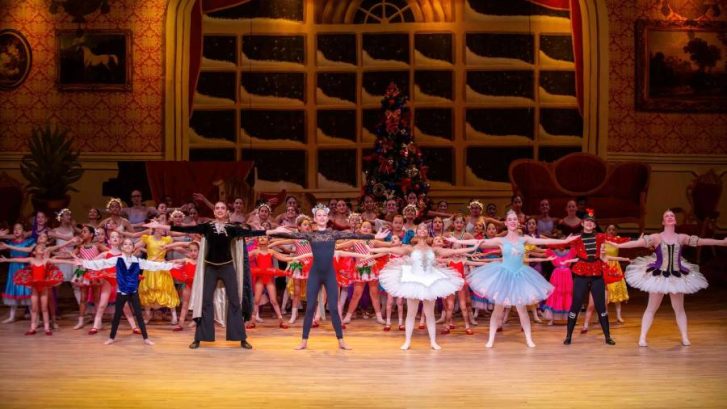
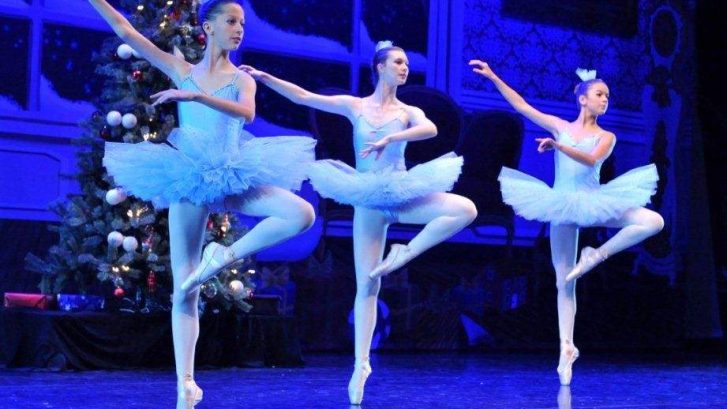
Ballet also sets the stage for performance. Classical pieces like The Nutcracker or Swan Lake become more than stories—they become goals. Students work toward recitals and showcases that highlight not only their skill, but their dedication. And in every arabesque or grand jeté, there’s a reminder of how far they’ve come.

The Freedom and Emotion of Modern Dance

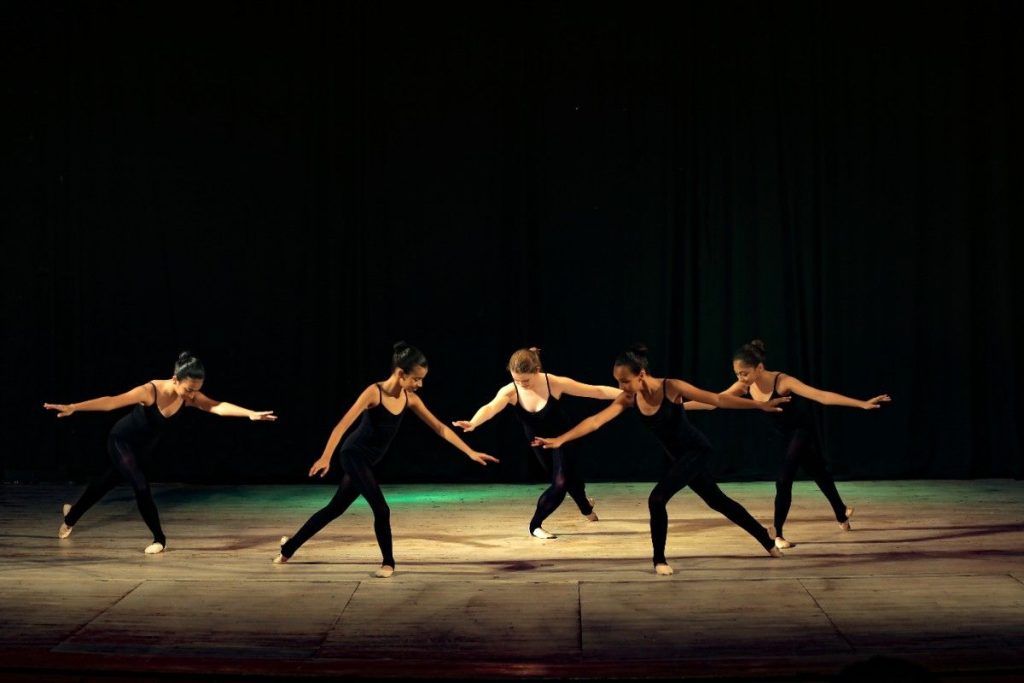
Modern dance offers a different kind of space. It breaks away from ballet’s strict lines and instead invites dancers to move from instinct. There’s floor work, contractions, spirals, improvisation. Students are encouraged to experiment, to let emotion shape the way their bodies respond to music.

This style can be especially rewarding for children who are expressive and imaginative. There’s room for interpretation—no single way to perform a movement—and often, the choreography is built around themes or stories that reflect real emotions. Modern dance allows students to connect their inner world to physical movement in a way that feels personal and liberating.

Where ballet asks for refinement, modern dance welcomes rawness. That doesn’t mean it’s easier—it still requires strength, coordination, and a deep understanding of the body. But the focus shifts from precision to intention. This makes it appealing to students who want to move in a way that feels more intuitive or emotionally driven.

5 girls dancing on stage wearing all black

At Ballet Centre Dubai, modern dance classes follow the ISTD Modern syllabus, offering a balance of creativity and structure. Students build a foundation in technique while still having space to explore individual expression—something that resonates with those who feel boxed in by classical forms.

Which Style Matches Your Child’s Personality?

There’s no single answer to which is “better.” The more helpful question is: what kind of environment helps your child grow?

Does your child thrive on routine, discipline, and step-by-step progress?
Ballet might be a great match.

Do they enjoy experimenting, expressing emotions through movement, or storytelling through dance?
Modern may speak more to them.

Are they naturally graceful and focused?
Ballet will refine those traits.

Do they like to move freely and explore what their body can do in new ways?
Modern could be a better fit.

It’s also worth considering your child’s temperament. Some students appreciate ballet’s calm structure as a grounding force. Others come alive when they’re encouraged to move outside the lines and discover their own style. In many cases, students try both and find value in the contrast. The discipline of ballet can give structure to modern, and the creativity of modern can bring fresh life to ballet.

Skill Development in Both Styles

Both styles build strength, coordination, musicality, and spatial awareness. Ballet is unmatched when it comes to alignment, turnout, posture, and balance. These fundamentals can support any future training in dance or other sports. Modern dance, meanwhile, develops grounded movement, flexibility of the spine, and emotional connection to performance.

At younger ages, students often benefit from exploring more than one style. This cross-training approach can improve versatility and help students discover what truly excites them. At Ballet Centre Dubai, children have the chance to do exactly that. With trained instructors in both RAD Ballet and ISTD Modern, plus flexible trial options, families can make informed decisions without pressure.

How to Support Your Child’s Journey

As a parent, your encouragement matters more than whether your child chooses ballet slippers or bare feet. Let them explore. Watch their classes when possible. Ask what they enjoy and where they feel most comfortable. Growth in the studio isn’t always linear—it comes in moments of breakthrough, joy, and perseverance.

Trust their instincts. Sometimes they’ll be drawn to the elegance of a well-executed pirouette. Other times, they’ll want to throw themselves across the floor with abandon. Each path offers value. What matters most is that they’re moving, learning, and expressing themselves in a space where they feel safe and inspired.

If you’re still unsure which style might suit your child best, starting with a free trial class can be a helpful step. The chance to experience both ballet and modern firsthand can offer clarity that no article or advice can fully provide.

Modern dance and ballet each offer powerful opportunities for personal and artistic development. The choice isn’t about picking a winner—it’s about finding a match. Whether your child finds joy in the structured elegance of classical ballet or the expressive energy of modern dance, what matters is that their movement has meaning. The right class isn’t just about steps and technique—it’s about how those steps help a young person grow.

And sometimes, the best decision is simply to let them try, explore, and decide for themselves.

A girl playing the piano

Electric Piano vs Keyboard – What’s the Difference?

It’s a common question, especially among families just beginning their child’s musical journey. At first glance, these instruments can seem interchangeable. They both have keys. They both plug in. And they both can play music. But the experience they offer—how they sound, feel, and support learning—isn’t the same.

Let’s explore the differences in a way that helps you decide which one is right for your home, and more importantly, for your child’s growth as a musician.

The Feel Beneath the Fingers

One of the most noticeable differences lies in the keys themselves. Electric pianos are built to mimic the feel of an acoustic piano. The keys are weighted, often with a mechanism that simulates the resistance and balance of traditional hammers and strings. When a child presses a key, there’s a subtle pushback—teaching their fingers to build strength and control. That tactile response is crucial for developing proper technique.

Keyboards, on the other hand, often use spring-loaded keys. They’re lighter and require less pressure. For very young beginners, that can feel easier at first, but it may create habits that are harder to adjust later if the student transitions to a real piano or takes formal exams. Playing lightly on an electric piano feels different than pressing down on plastic keys that bounce back instantly.

If your child is enrolled in structured piano classes—like the ABRSM or Trinity programmes taught at Ballet Centre Dubai—they’ll be preparing to perform pieces written for classical pianos. A keyboard may not help them develop the necessary hand posture, articulation, or dynamics that the examiners expect to hear.

Sound Quality and Expression

Ask any piano teacher and they’ll tell you: the way a student hears their own playing shapes how they learn. Electric pianos use samples of real grand pianos recorded in professional studios. This allows the student to play with a range of tones—from soft, delicate notes to bold, dramatic chords. Many models are also “touch-sensitive,” meaning the volume and tone change depending on how hard or softly the keys are pressed.

Keyboards often offer a different kind of sound experience. They come with dozens (sometimes hundreds) of tones—everything from flutes to electric guitars. That’s fun, especially for children who enjoy experimenting. But if the goal is to develop an ear for classical music or understand dynamics in a structured way, a keyboard’s sound system may fall short.

Of course, not every child is aiming for concert halls. But even beginners benefit from learning how to express emotion through sound. A well-built electric piano supports that kind of musical storytelling from the very first lesson.

Size, Portability, and Space at Home

There’s no denying the practicality of a keyboard. It’s lightweight, easy to move, and doesn’t take up much room. If your family travels often or lives in a smaller space, a compact keyboard can be a convenient starting point.

Electric pianos are usually heavier. Many are designed with a stand or cabinet that makes them look and feel more like traditional upright pianos. They become part of the home. There’s something special about walking into the living room and seeing a proper piano set up, ready to play. It signals that music matters in that space.

Little girl playing the piano

Still, not every home can accommodate a full digital piano. If space is limited but you want something closer to the real thing, look for an electric piano with a detachable stand. That gives you flexibility without giving up on quality.

Learning Tools and Technology

This is where keyboards tend to shine. Many entry-level models come packed with built-in songs, rhythm tracks, and demo modes. Some even light up the keys to guide beginners through simple melodies. For kids who learn best through play and repetition, those features can make practice more enjoyable.

Electric pianos usually take a more minimalist approach. They may offer metronome functions or USB connectivity for recording, but they don’t try to entertain the player. They’re designed for focus and musical accuracy.

In our experience, younger students often start with keyboards and then move up to electric pianos as they get more serious. That’s a natural path. But it’s also important to match the instrument with the teacher’s approach. If your child is taking private lessons, ask their instructor what they recommend. At Ballet Centre Dubai, we encourage families to use instruments at home that support the same techniques taught in class. That helps students stay consistent and feel more confident when they practice.

Durability and Longevity

Not all instruments are built to last. Entry-level keyboards can be a great way to test a child’s interest in music without a big investment. But after a year or two of use, they often start to wear down—keys may become loose, buttons can stop responding, and the sound may degrade.

Electric pianos, especially those from reputable brands, are built to stay in the family for years. They’re designed with durability in mind, and they often include pedals, which are essential for students once they start playing more advanced pieces.

Think of it this way: if your child is serious about learning, or if you plan to support their musical education long-term, investing in an electric piano early on can save you money and frustration later.

Which One Should You Choose?

There’s no universal answer here, only what suits your child, your budget, and your goals. Some families begin with a mid-range keyboard and upgrade once their child shows commitment. Others choose an electric piano from the start to set a strong foundation.

If your child is enrolled in formal lessons or working toward exams, an electric piano will give them a learning experience that mirrors what they’ll encounter in class. It supports better posture, encourages musical expression, and prepares them for performances. If your goal is casual exposure to music or a fun after-school activity, a keyboard can be a lighthearted way to start.

Above all, it’s about nurturing their connection to music. Instruments are tools—but when chosen thoughtfully, they become part of a child’s growth. Whether that growth happens through ABRSM piano lessons, drama workshops, ballet classes, or tap routines, the environment matters. A well-tuned instrument, just like a well-structured class, helps students feel inspired, encouraged, and proud of what they’re creating.

The right instrument can make practice feel like play and turn short lessons into lifelong skills. If you’re unsure which option fits your family best, visit a music store with your child and try both. Let them explore the sounds, touch the keys, and listen to their own curiosity. You’ll know when it clicks.

And when it does, there’s a whole world waiting—full of melody, rhythm, and the joy of learning.

1 2 3 4 16