children's day activities

Children’s Day Activities To Develop Their Mindset

The early years of a child’s life are crucial for mindset development, and structured activities like ballet, taekwondo, and drama classes can play an essential role. These activities do more than just engage children physically; they also sharpen their mental focus, encourage discipline, and foster creativity.

In Dubai, where education and child development are highly prioritized, parents can find many opportunities to help their children develop skills that go beyond the classroom.

Dance Classes

Dance is an expressive form of movement that teaches children how to connect their minds with their bodies. Whether it’s ballet, jazz, or modern dance, these classes encourage children to follow sequences and rhythms that sharpen their ability to focus and improve coordination. Additionally, dance can boost confidence. Performing in front of an audience or even a small group allows children to break out of their shells and embrace a positive mindset towards personal growth.

Taekwondo for Discipline and Focus

Martial arts like taekwondo help children understand discipline and respect. The repetitive nature of the training builds both physical and mental resilience. Every move requires focus, precision, and patience—valuable qualities that transfer to other areas of a child’s life, such as schoolwork and relationships. The structured environment of taekwondo classes encourages children to set and achieve goals, building a mindset of perseverance.

Piano Lessons for Cognitive Development

Piano lessons stimulate a child’s brain in a unique way, blending creativity with structure. Learning how to play an instrument helps develop both sides of the brain, enhancing problem-solving skills and creativity. In addition, reading sheet music and practicing regularly teaches children the importance of patience and dedication, skills that are important for a growth mindset. The benefits go beyond music, as children often apply these skills to other areas of their lives.

Drama and Acting for Emotional Intelligence

Drama classes are an excellent way to help children understand and express their emotions. Role-playing and acting out different scenarios allow them to explore various perspectives, enhancing their empathy and emotional intelligence. This activity builds social skills, as it encourages interaction with others, cooperation, and teamwork—essential tools for navigating social situations with confidence and understanding.

Ballet for Grace and Discipline

Ballet is one of the most demanding yet rewarding forms of dance. It requires not only physical flexibility and strength but also a sharp mental focus. Children who engage in ballet training learn the value of discipline, hard work, and perseverance. These qualities are fundamental for developing a resilient mindset that will benefit them in both academic and personal pursuits. In ballet, even the smallest mistake can be a learning opportunity, teaching children to approach challenges with a growth-oriented mindset.

Dubai’s Cultural Influence on Child Development

In Dubai, with its focus on providing world-class education and development opportunities for children, these classes hold even more importance. The multicultural environment here exposes children to a variety of influences, helping them learn how to adapt and thrive in diverse settings. Activities such as ballet and taekwondo are offered in many high-quality training centers, ensuring that children in Dubai have access to top-tier education in both academics and the arts.

Building Social Skills Through Group Activities

Group activities, whether in dance or drama, teach children how to work together towards a common goal. These settings encourage them to listen, compromise, and support their peers. These are the soft skills that will serve them throughout life, especially in teamwork settings in their future education or careers. Social skills gained from group activities also help children become more empathetic, improving their emotional and interpersonal intelligence.

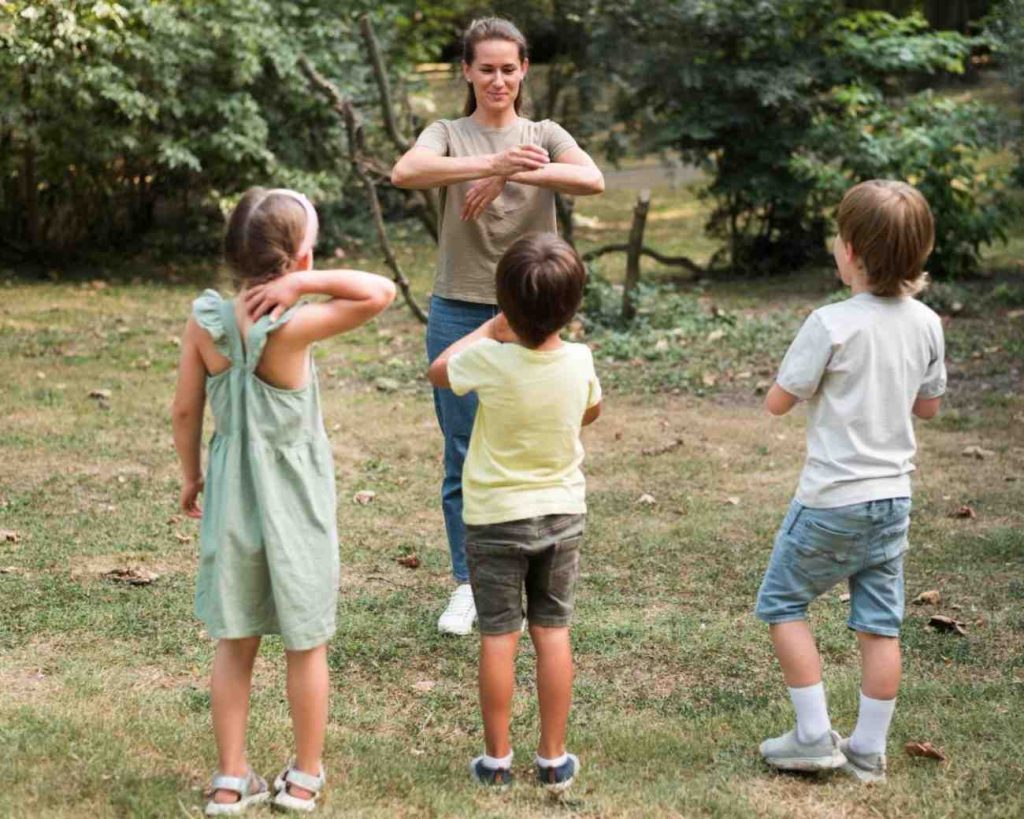
childrens following instructors instructions as they pay attention while they are outside

Taekwondo’s Role in Self-Confidence

One of the underrated benefits of taekwondo is its ability to build self-confidence in children. As they advance through the ranks, they gain a sense of accomplishment that boosts their self-esteem. This mindset carries over into other areas of their life, where they feel more capable of tackling challenges and achieving their goals.

Creativity Through Dance and Drama

In dance and drama, children have the freedom to express themselves in ways they might not find in traditional learning environments. Encouraging this creativity helps build a flexible mindset, one that is open to new ideas and ways of thinking. Creative expression is essential in problem-solving and adapting to life’s challenges.

By participating in activities such as these, children in Dubai and around the world can develop the mindsets they need to thrive, both academically and emotionally. Whether through ballet’s discipline, piano’s focus, or taekwondo’s resilience, each activity offers something special to help children grow into well-rounded individuals.

childrens guitar

Children’s Guitar – How To Nurture Your Child’s Talent

Spotting a musical spark in a child can be as thrilling as it is daunting. How do you nurture this budding interest without overwhelming them or, worse, extinguishing that initial curiosity? As parents or caregivers, understanding the gentle balance between guiding and allowing space for self-exploration is key in fostering a child’s musical abilities, especially with an instrument as soulful as the guitar.

Recognizing Musical Interest

Children often show early signs of musical interest that can be easy to spot if you know what to look for. It might be the foot tapping along to the beat of a song, a fascination with musicians on TV, or a joyful reaction when they hear music. These moments are your cues to introduce them to the world of musical instruments. The guitar, with its tactile strings and harmonious sounds, often captures the imagination of young ones. It’s not just about noticing these signs but also about reacting positively to them. Show excitement in their interest, and if they point out a guitar in a store or on television, talk to them about it. Share stories of musicians or play songs that feature distinctive guitar solos to gauge and nurture their interest.

Encouraging Initial Exploration

Once you see that your child is intrigued by guitars, the next step isn’t to immediately sign them up for lessons but to let them explore the instrument in a no-pressure environment. You might start with a toy guitar or a ukulele, which is smaller and easier for tiny hands to manage. The goal here is to let them have fun. They can strum aimlessly, enjoy the vibrations of the strings, or simply hold and get accustomed to the feel of the instrument. This phase is about building a comfortable and joyful association with the guitar, which is crucial before any formal instruction begins.

Choosing The Right Guitar

Picking the right guitar is critical. For children, a guitar that is too large or has strings that are too tough to press down can quickly lead to frustration. Guitars come in various sizes, and the quarter, half, and three-quarter sizes are specially designed for younger students. Nylon strings are easier on the fingers than steel strings, making them a better choice for beginners. When selecting a guitar, involve your child in the decision. They might be drawn to a certain color or style, and incorporating their preference can make them even more enthusiastic about playing. It’s also useful to seek advice from a music store where staff can help you choose an instrument that fits your child’s size and age.

Creating A Supportive Learning Environment

The environment in which a child practices is almost as important as the instrument itself. Designate a specific area in your home for music practice. This doesn’t need to be a soundproof studio; a quiet corner in a living room or a bedroom can work just as well. Make sure this space is inviting and clutter-free, with everything your child might need within reach. This includes their guitar, a music stand, a comfortable chair (of the right height), and perhaps a small amplifier if they are using an electric guitar. It’s essential that this space feels special to them, a place where they’re happy to spend time.

Additionally, balance structured practice time with periods of free play. Especially in the early days, let them pick up the guitar and noodle around without any expectations. You might also play music in the background to inspire them, choosing songs with prominent guitar parts. Encouraging them to play along as they feel comfortable can bridge the structured and free play elements effectively.

Finding The Right Instruction

Choosing the right type of instruction for your child can profoundly impact their motivation and progress. While some children thrive under self-directed learning from online tutorials or books, most benefit significantly from having a teacher. A good guitar instructor can provide not only technical guidance but also motivational support and feedback that is crucial in the early stages.

When searching for a teacher, consider your child’s personality and learning style. Does your child respond better to a gentle, encouraging approach, or do they need a more structured and disciplined style to keep them engaged? It’s also important to find a teacher who has experience with children and understands how to make lessons enjoyable and appropriately paced. You can check local music schools, ask for recommendations from other parents, or even attend a few local music events where teachers often perform and interact with the community.

Once you find a potential teacher, don’t hesitate to ask for a trial lesson to see how they interact with your child. This can be a great way to gauge the chemistry between the teacher and your child before making a long-term commitment.

Practical Tips for Daily Practice

Consistent practice is essential for mastering any musical instrument, and the guitar is no exception. However, the challenge with children is to keep the practice sessions appealing and avoid them becoming a tedious chore. Here are some practical tips to help your child get the most out of their practice time:

1. Set A Regular Schedule:

Having a regular schedule helps instill a habit. Try to incorporate at least 15-30 minutes of practice a day, depending on your child’s age and concentration span. Ensure this happens at a time when your child is usually alert and happy, not when they are tired or hungry.

2. Break it Down:

Long practice sessions can be daunting for children. Instead, break the practice time into smaller, manageable segments. For instance, spend a few minutes on warm-up exercises, then switch to learning new chords, followed by song practice.

    3. Use Technology:

    There are numerous apps and online resources that make learning music theory and practicing fun. These can complement traditional learning by turning exercises into games and allowing children to learn at their own pace.

    4. Play Along Tracks:

    Playing along with music tracks can make practice more exciting. This helps children understand how the guitar fits within the context of a band or an ensemble and keeps them engaged.

    Encouraging your child to stick with a routine while keeping practice sessions light and fun can significantly improve their skill over time without burning them out.

    Encouraging Persistence and Patience

    Learning to play an instrument is a journey filled with highs and lows. Children, in particular, can feel frustrated when they don’t see immediate results. It’s important to teach them that persistence and patience are part of learning an instrument. Share stories of musicians who struggled initially but succeeded through perseverance. Remind them that every musician, no matter how skilled now, started as a beginner and had to overcome challenges.

    Celebrate small victories together. Did your child master a new chord or play through a song without mistakes? These are significant achievements worth celebrating. Recognition of these small successes helps build confidence and reinforces the value of persistence.

    Engaging with the Music Community

    Engagement with a broader community of musicians can be incredibly motivating for children learning the guitar. Look for local or online music communities that welcome young learners. Many communities and schools organize “jam sessions” where learners can come together to play music in a non-judgmental setting. These sessions are invaluable for building confidence and social skills.

    Additionally, attending live music performances can also be inspiring. Watching other musicians, especially those who are at different stages of their learning journey, can provide both motivation and a sense of what is possible to achieve with dedication.

    Tracking Progress and Celebrating Milestones

    Keeping track of progress is more than just noting what songs have been learned. It involves observing the improvement in skills, the complexity of the pieces they can handle, and their confidence in playing. Create a simple log book or digital document where you and your child can note these milestones. This log can be as straightforward as a list of new songs learned, new chords mastered, or performances they felt particularly proud of.

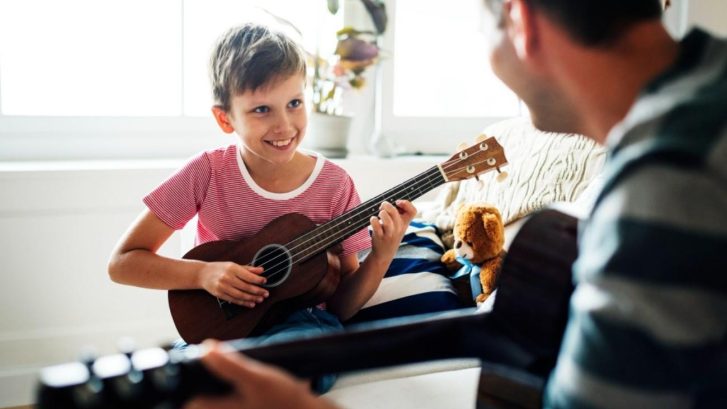
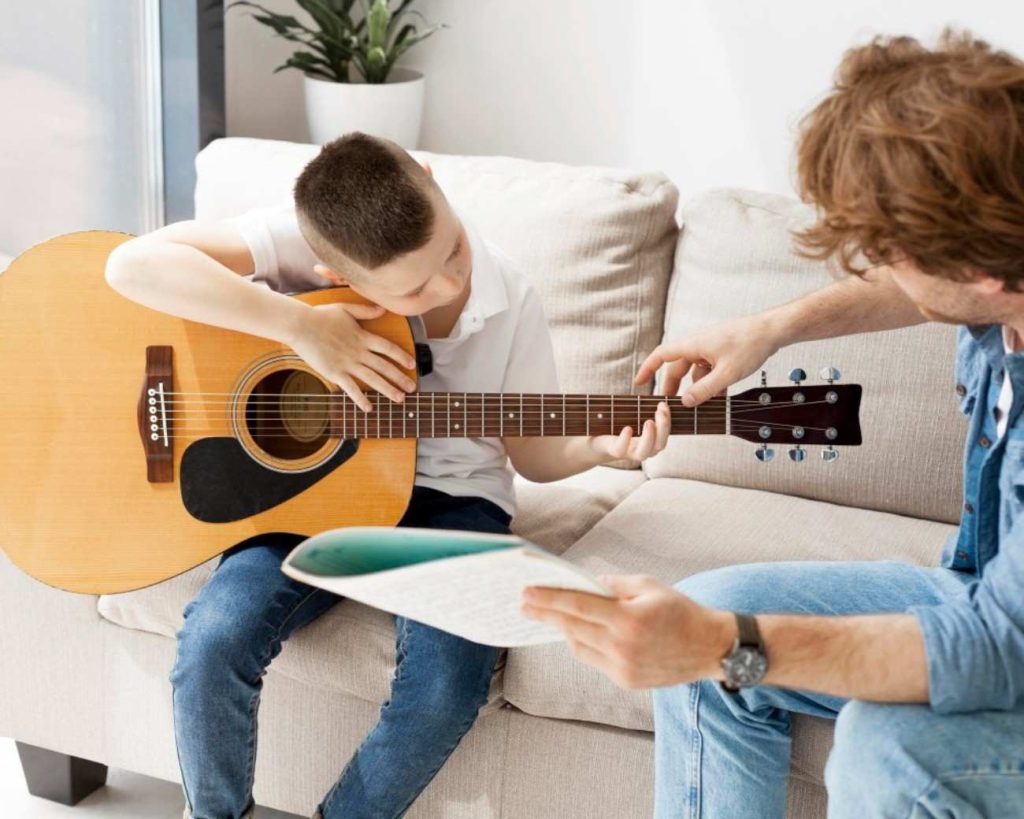
    Young boy holding guitar as he is taught how to hold and play it by male instructor

    Celebrating these milestones is key. Whether it’s mastering a tricky solo, playing in front of an audience for the first time, or simply committing to practice regularly for a month, recognition of these efforts is vital. You might celebrate with a special family dinner, a new set of guitar strings, or a new piece of music they’ve been wanting to learn. The act of celebration emphasizes that their hard work is appreciated and valued, reinforcing their motivation to continue.

    Adapting To Your Child’s Evolving Interests

    Children’s interests can change as they grow, and their musical tastes are likely to evolve. They might show interest in different music styles or even different instruments. Encouraging this exploration is important. If they express interest in jazz instead of classical music, for example, finding resources that help them explore these new genres can reinvigorate their passion for music.

    Sometimes, a child’s interest in guitar might wane in favor of another instrument. If this happens, supporting their desire to learn something new can contribute significantly to their overall musical education. Each instrument can provide a new perspective on music, enhancing their skills and knowledge.

    Conclusion

    Helping your child learn guitar is a journey that goes beyond just playing notes on a string. It’s about inspiring them to discover music as a source of joy and a means of expression. Stay involved, be patient, and above all, make sure the music stays fun. Remember, every little note counts towards building a lifelong love of music. Why not pick a day this week to sit down with your child and plan the next steps in their musical adventure together?

    Ballerina's leg being held up in position by colleagues while three others look on

    Finding A Ballet Practice Room in Dubai: What to Look For

    As Dubai’s cultural scene expands, more people are taking up ballet, either for professional training or as a hobby. Finding the right practice room can significantly impact your ballet journey, whether you’re preparing for a performance or honing your technique. Here, we’ll discuss what makes a practice space suitable and appealing for ballet dancers.

    Key Features Of An Ideal Ballet Practice Room

    Space is crucial in a ballet practice room. Dancers need ample room to leap, turn, and stretch without restrictions. Ideally, a room should be large enough to mimic a stage environment, allowing dancers to practice full routines as they would perform them. Alongside space, the type of flooring is critical. Sprung floors are preferred because they absorb impacts, reducing the risk of injuries. They provide the right balance of grip and give, which is essential for ballet that involves a lot of jumping and precise footwork.

    Mirrors are another vital component. A well-placed, wall-to-wall mirror helps dancers monitor their form and alignment, crucial for improving technique and preventing injuries. The presence of barres is equally important; they should be sturdy and at the correct height to support a variety of exercises. Some rooms offer portable barres, which can be beneficial for adjusting the space based on the number of dancers or the type of practice.

    Location Considerations

    When selecting a ballet practice room, its location is as important as its physical features. It should be easily accessible by public transport, making it convenient for daily commutes. The safety of the neighborhood is also paramount, especially if you find yourself walking to and from the studio late in the evening or early in the morning.

    Consider the amenities around the studio. Having cafes, stores, or even a simple grocery shop nearby can be a big plus, providing everything you need before or after a long practice session. It’s about making the practice routine as smooth and hassle-free as possible, allowing you to focus solely on your art.

    Facility Amenities

    The quality of the facility’s amenities can greatly enhance your practice experience. Look for studios that offer spacious and clean changing rooms, which make a big difference in comfort and convenience. Proper ventilation and air conditioning are must-haves in a ballet studio. Maintaining a comfortable room temperature is crucial, as it helps prevent muscle injuries and fatigue.

    A good sound system is also essential for ballet practice. Music plays a significant role in ballet, and a high-quality sound system can help ensure that the music is crisp and clear, allowing dancers to stay in rhythm and fully immerse in their practice.

    Renting Vs. Membership Options

    Choosing between renting a ballet studio or opting for a membership can affect both your wallet and your practice routine. Renting a space on an as-needed basis might seem economical at first, especially if you’re not practicing daily. However, if ballet is a significant part of your life, a membership might be more cost-effective. Memberships often come with perks like access at more flexible times and the use of additional facilities such as weight rooms or swimming pools. You’ll need to weigh the frequency of your practices against the costs and benefits of each option to decide which works best for your budget and schedule.

    Scheduling And Availability

    Another key factor in selecting a ballet studio is understanding the scheduling system. Studios often have peak and off-peak hours, which can influence both the availability of space and the cost of sessions. Peak hours typically coincide with evenings and weekends when most people are free from work or school commitments. If your schedule allows for flexibility, taking advantage of off-peak hours could mean more space and less interference from other dancers.

    It’s also important to consider how studios manage their bookings. Some use online systems that allow you to reserve spaces ahead of time, while others might operate on a first-come, first-served basis. An efficient booking system can save you the hassle of arriving at the studio only to find it overcrowded or fully booked. Always check how far in advance you need to book and how cancellations are handled to avoid any surprises.

    Community And Cultural Fit

    The community within a ballet studio can significantly enhance your dancing experience. A studio that fosters a supportive community can provide networking opportunities with other dancers, which might lead to collaborations or learning new techniques. It’s also worth considering the cultural fit. Some studios might focus more on competitive ballet, while others may foster a more relaxed, creative environment.

    Additionally, the availability of skilled instructors can make a difference. Experienced instructors not only teach technique but also provide mentorship and can guide you in developing your ballet career or passion. Visiting the studio and possibly attending a few sessions can give you a sense of the community and teaching style, helping you decide if it aligns with your goals and expectations.

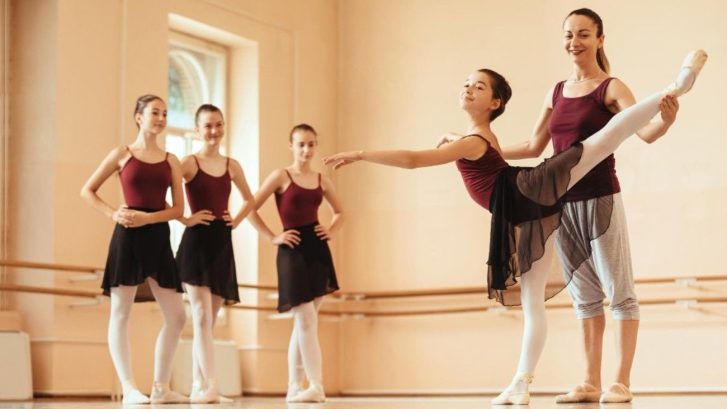
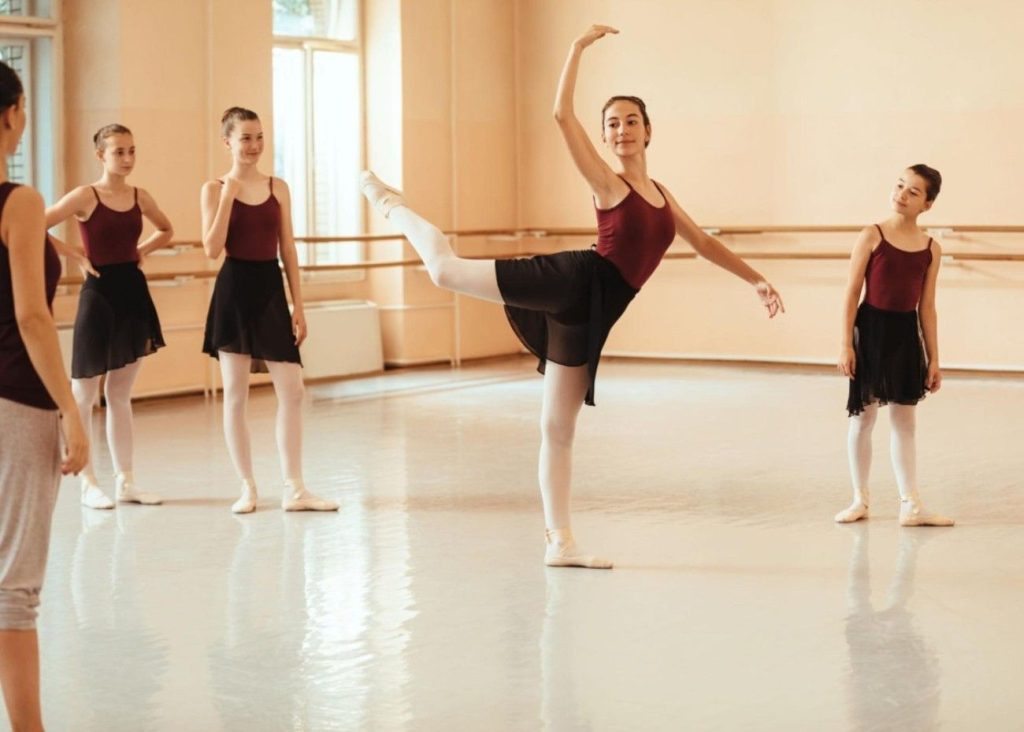
    Ballerina posing in the middle of her class while her four colleagues look on

    In choosing the right ballet practice room, consider how the studio’s culture and community align with your personal ballet goals. Whether you are looking for rigorous training or a community that inspires creativity, the right environment will enhance your growth and enjoyment in ballet.

    Legal And Operational Aspects

    Before you commit to a ballet practice room, it’s crucial to understand the legal and operational details involved. Most studios require you to sign a lease or membership agreement that outlines the terms of use. Make sure you read these documents carefully to understand your rights and responsibilities, such as cancellation policies, payment terms, and any restrictions on use.

    Also, familiarize yourself with the studio’s rules and regulations. These might cover everything from acceptable behavior in the studio to specific dress codes or the allowed types of footwear. Knowing these rules can help ensure that you fit well with the studio’s operational style and avoid any potential conflicts.

    Personal Experiences

    Personal anecdotes from other dancers can be incredibly valuable. Try to speak with current or past members of the studios you’re considering. They can offer insights that you won’t find on a website or brochure, such as how crowded the studios get, what the peak hours really look like, or even tips on which instructors might best suit your ballet style and goals. Their experiences can help you gauge the atmosphere of the studio and what it might be like to practice there regularly.

    Conclusion

    Choosing the right ballet practice room in Dubai involves more than just evaluating the physical space. It’s about considering the costs, the community, the studio’s rules, and the overall environment. Take your time to visit multiple locations, talk to the instructors and members, and really feel out the atmosphere. Remember, the right studio is out there for everyone. It’s just a matter of finding the place where you feel you can grow, learn, and enjoy every moment of your ballet journey. Why not start checking out some studios this week?

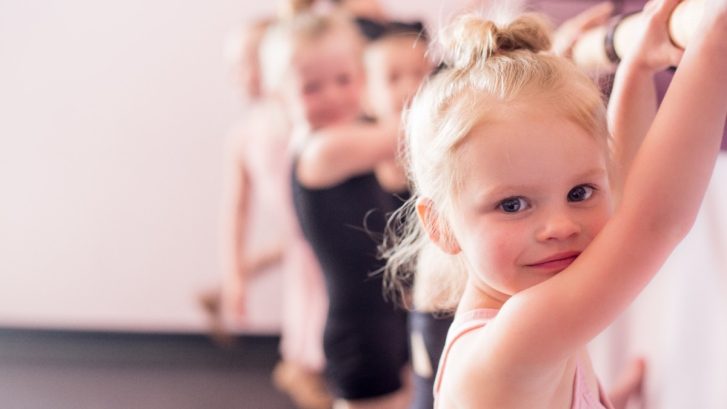
    Tiny dancers at a ballet barre

    Ballet Classes For Toddlers and Children

    Ballet isn’t just a dance form; it’s a pathway to physical and cognitive development for toddlers and children. Across the globe, and particularly in places like Dubai where diverse cultures meet, ballet schools offer programs tailored to young novices. These classes not only introduce children to the basics of dance but also encourage discipline, creativity, and a healthy lifestyle from a young age.

    Understanding Ballet Classes

    Ballet is often seen as the foundation of dance education, providing a structured environment where young dancers learn to move with grace and precision. But it’s more than learning to pirouette or master the five positions; it’s about developing coordination, rhythm, and the ability to follow directions and cooperate with peers. For toddlers, these classes might focus more on simple movements and story-telling through dance, which keeps learning fun and engaging.

    Parents often ask when it’s the right time to start ballet classes. Generally, children as young as two or three can join toddler-specific groups where the focus is on building motor skills and basic dance etiquette through playful activities. As children grow, the training becomes more structured, gradually preparing them for formal ballet techniques. This gradual progression is crucial as it aligns with their physical and psychological development, ensuring they enjoy each session without feeling overwhelmed.

    Choosing The Right Ballet Class

    When you start looking for a ballet class, whether in Dubai or elsewhere, you’ll find a variety of options tailored to different age groups and skill levels. It’s important to choose a school that not only teaches ballet techniques but also creates a supportive and nurturing environment. Look for qualified instructors who are experienced in teaching young children and who communicate clearly about the goals and methods of their classes. A good school will offer a balanced curriculum that promotes both the joy of dance and the discipline it requires.

    Each ballet class typically follows a structured format, starting with a warm-up to prepare the body for dance and reduce the risk of injuries. This is followed by barre exercises, which are essential for building technique and strength. Younger children might use props or engaging music to keep them interested and active. The class usually ends with a cool-down period to relax the muscles and reflect on the session. Understanding this routine can help parents set the right expectations for their children and discuss what they learned after each class.

    Preparing For Ballet Class

    Knowing what to wear to ballet class is vital for any parent new to this world. Traditional ballet attire includes a leotard, tights, and ballet slippers. This attire isn’t just about aesthetics; it’s functional, allowing teachers to see the dancer’s movements clearly and correct posture or technique as needed. For toddlers and young children, many schools also allow tutus or skirts, which can make the experience more exciting and enjoyable for them.

    Choosing the right ballet gear is just as important as picking the class. Ballet shoes should fit well and provide the necessary support for the foot, while leotards should allow freedom of movement without being too loose or tight. It’s a good idea to visit a dancewear store where professionals can help you select the right items. Remember, the right gear can make a significant difference in how a child experiences their dance class.

    Physical And Health Considerations

    Ballet is a physically demanding art that requires a mix of strength, flexibility, and endurance. For young dancers, it’s about more than just turning and jumping; it’s about developing a body that can carry them through each movement safely and effectively. A common misconception is that all ballet dancers need to be tall. In truth, ballet welcomes all body types. The key is the strength and flexibility to perform movements with grace and precision, not height.

    Starting ballet at a young age can provide foundational skills that benefit children in all walks of life. It enhances physical fitness by improving cardiovascular health, muscle tone, and posture. Ballet also increases flexibility and balance, which can help children in other sports and physical activities. However, like any physical activity, there is a risk of injury. That’s why it’s crucial to ensure that children are taught by knowledgeable instructors who understand the needs of young bodies. Teachers should emphasize proper form and technique to prevent common dance injuries, such as strains and sprains.

    Another important aspect of ballet training is the psychological benefit. Ballet requires mental focus and discipline, which can help improve cognitive abilities, such as memory and concentration. It also teaches children the value of hard work, perseverance, and the satisfaction of mastering new skills.

    Supporting Your Child In Ballet

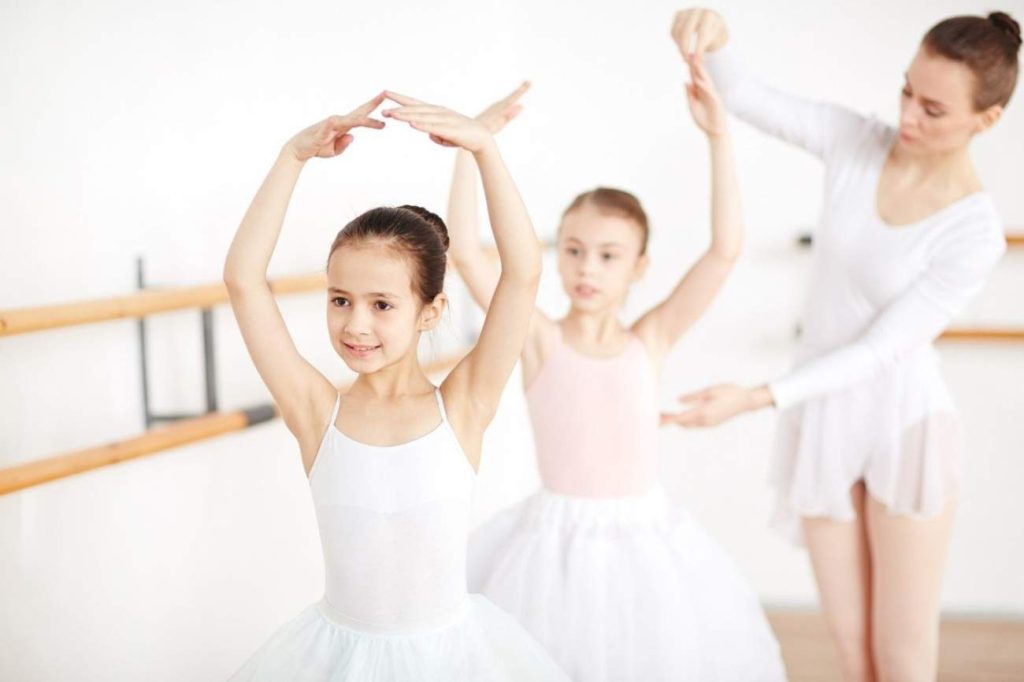
    Twochild ballerinas being postion by teacher and their all wearing white

    Watching a child fall in love with ballet is a beautiful experience for many parents. However, the journey can sometimes be as challenging as it is rewarding. As children advance in their training, they may face physical and emotional hurdles. Parents and guardians play a crucial role in supporting their child through these challenges.

    One of the most significant contributions a parent can make is being present. Attending recitals and practices not only shows your child that you value their efforts, but it also gives you a firsthand look at their progress and the teaching methods of the instructors. Communicating with teachers can provide insights into your child’s development and how you can support their learning at home.

    It’s also important to foster a positive environment that encourages persistence and resilience. Ballet can be demanding, and not every day will end in triumph. Celebrate the successes, and when there are setbacks, emphasize the value of effort and improvement over perfection. Encourage your child to express how they feel about their classes and any struggles they might be facing. This open line of communication can help you gauge their enthusiasm for the activity and their readiness to continue or advance.

    Progress And Milestones

    As children continue in ballet, parents will notice certain milestones that mark their progress. These can range from mastering specific techniques to participating in their first performance. It’s important to recognize and celebrate these milestones, as they often represent hours of hard work and dedication.

    Ballet schools typically have structured levels that children advance through as they develop their skills. Each level will have its own set of skills that students are expected to learn. Parents should be aware of these milestones and discuss them with their child’s instructors to better understand the progression and expectations.

    Additionally, encouraging regular practice at home can be beneficial. This doesn’t have to be rigorous; even a few minutes of stretching or practicing positions can make a significant difference in a child’s comfort and confidence in class. The key is consistency and making sure that practice is a fun extension of their classes, not a chore.

    Emotional And Social Benefits

    Ballet is more than physical training; it’s a social experience that can enhance a child’s emotional well-being. In a ballet class, children learn to work as part of a group, listen to instructions, and express themselves without words. These activities help develop empathy and emotional intelligence. As they interact with peers and instructors, children learn valuable communication skills that can help them navigate other social settings.

    The structured nature of ballet also provides a unique opportunity for children to develop self-discipline and confidence. Each class can reinforce a sense of achievement and self-worth as they understand the connection between effort and improvement. This understanding can be incredibly empowering for young children, boosting their confidence in all areas of life.

    Supporting Your Child’s Ballet Journey

    As your child delves deeper into ballet, your support is crucial in keeping their passion alive. Whether it’s ensuring they have the proper dancewear, attending their performances, or simply asking about their class, your involvement makes a difference. Your encouragement helps them persist through the inevitable challenges and celebrate the joys of dancing.

    However, it’s also important to keep things balanced. While it’s great to encourage regular practice and celebrate achievements, it’s essential to ensure that your child still enjoys the process. Dance should be something they look forward to, not a task. It’s about finding joy in movement and expression, not just executing perfect steps.

    Conclusion

    Ballet offers a blend of physical, emotional, and social growth opportunities for children. If you’re considering ballet classes for your child, take the time to find a reputable school that aligns with your child’s interests and personality. Remember, the goal is to foster a love of dance that will enrich their lives in countless ways.

    Curious to see how ballet could benefit your child? Why not sign them up for a trial class? It’s a great way to get started and see firsthand the joys and benefits of ballet. Dance into the opportunity and watch your child embrace a new world of expression and creativity.

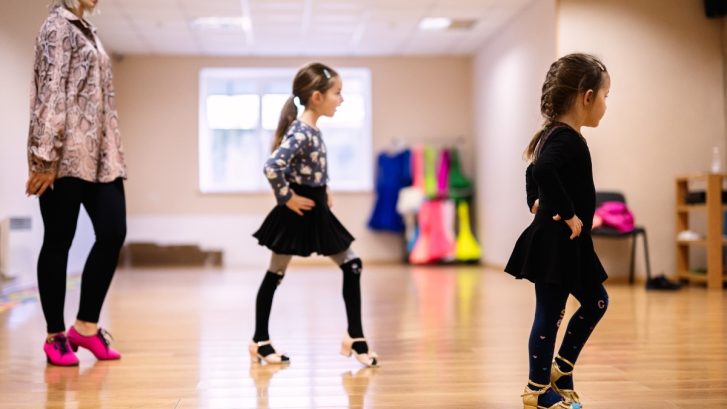
    Young Girls Learning Dance Moves in Classroom with Instructor

    Learning The Art Of Irish Dance In Dubai

    Irish dance, with its lively steps and vibrant music, holds a special place in the hearts of those who cherish cultural traditions. This dance form, often celebrated through its public performances and competitions, carries a rich history that dates back centuries in Ireland. Today, it not only continues to thrive in its homeland but has also found a warm welcome in the cosmopolitan city of Dubai.

    Understanding The Basics Of Irish Dance

    Irish dance is a rhythmic marvel that combines grace, agility, and precision. Distinctive for its rapid leg movements while keeping the upper body largely still, this dance form offers a visual spectacle that can captivate any audience. But before one starts to learn Irish dancing, a grasp of its historical roots enriches the learning experience. Originating from traditional Irish dances that were performed at feasts and celebrations, it evolved significantly through the centuries, shaped by various social and political influences. This evolution has turned it into a structured dance form known worldwide, celebrated not only for its physicality but also as a vehicle for storytelling and cultural expression.

    The Rise Of Irish Dance In Dubai

    Dubai, a bustling global hub known for its skyscrapers and luxury shopping, is also a melting pot of cultures, making it a fertile ground for diverse cultural expressions like Irish dance. The city’s openness to global influences and its substantial expatriate community have led to a growing interest in cultural forms from around the world. Irish dance, in particular, resonates with both expats and locals alike, offering a slice of Irish culture through its energetic steps and engaging performances.

    Irish dance classes in Dubai cater to a wide range of enthusiasts, from beginners to advanced dancers, and the community around it is welcoming and vibrant. For those looking to expand their dancing horizons even further, nearby Abu Dhabi also offers additional classes, broadening the opportunities for learning and exchange within the United Arab Emirates.

    This rising interest in Irish dance reflects a broader trend of embracing and celebrating global heritage, which not only enriches the cultural fabric of Dubai but also connects its residents to international cultures and histories through the universal language of dance.

    Learning Irish Dance: A Step-by-Step Guide

    Embarking on your Irish dance journey is exciting. If you’ve decided to step into the world of Irish dance, starting with the basics is essential. Your first few classes will introduce you to the fundamental steps that form the backbone of Irish dance, such as the reel and the jig. These tutorials are designed to help beginners establish a solid foundation with simple, repetitive movements that emphasize timing and rhythm.

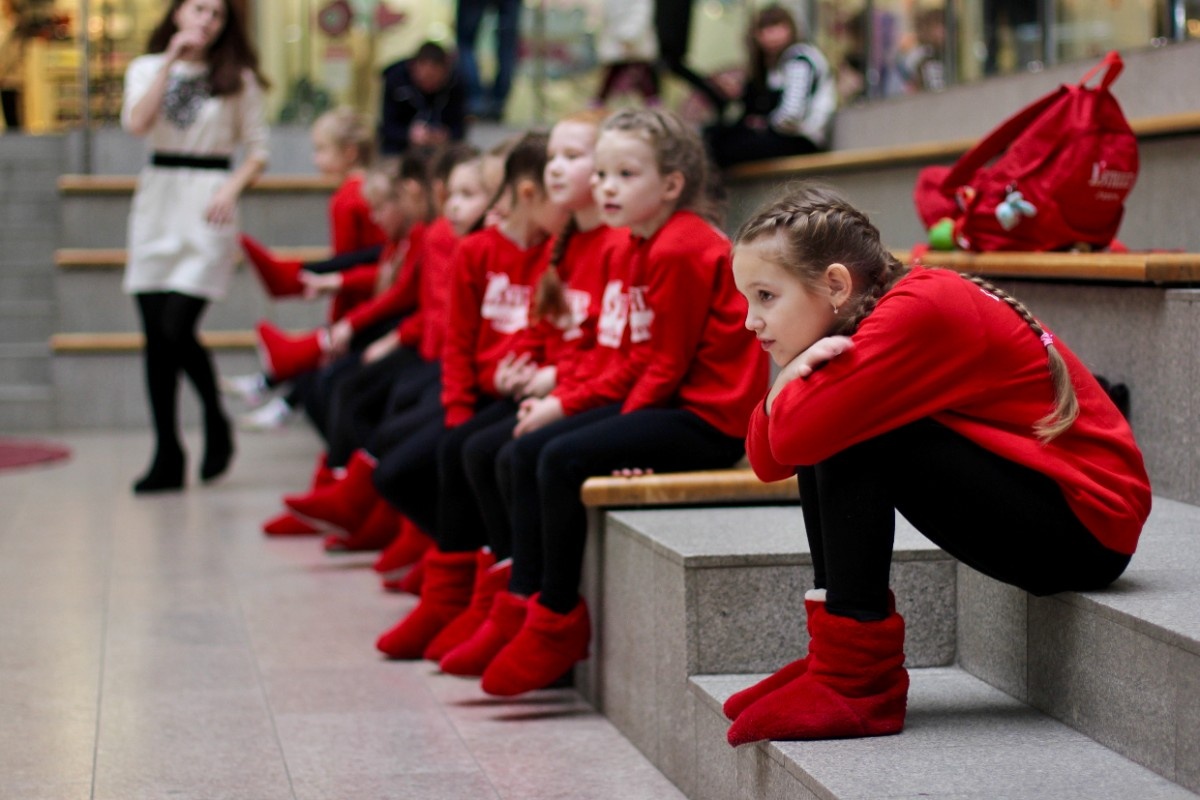
    Young little girls in sportive red wear waiting to perform at a dance competition

    As you begin, it’s normal to feel a bit overwhelmed by the speed and precision required. However, most instructors are skilled at breaking down each step into manageable parts, ensuring that even the fastest sequences become approachable with practice. A common piece of advice for beginners is to focus on mastering the timing of the music. Irish dance is deeply connected to its music, and having a good sense of rhythm is crucial.

    Choosing The Right Irish Dance School in Dubai

    When it comes to learning Irish dance in Dubai, the choice of a dance school can make a significant difference in your dance education. It’s important to consider what each school offers in terms of faculty expertise, class sizes, and available levels. Smaller class sizes mean more personalized attention, which can be crucial when you’re trying to nail down the nuances of Irish dance steps.

    Some schools might also offer performance opportunities, which can be a fantastic way to gain stage experience and enjoy the thrill of dancing in front of an audience. Additionally, check if the school participates in competitions, which can provide a goal to strive for and a community to engage with.

    If you live outside Dubai, consider looking into options in Abu Dhabi. Many schools offer similar programs and might be a good fit depending on your location and schedule. Finding the right environment that supports your learning style and connects you with a community of dancers is key to your growth and enjoyment in Irish dance.

    The Physical And Cultural Benefits Of Learning Irish Dance

    Learning Irish dance is not just about mastering the steps; it’s also a great workout and a deep dive into a rich cultural tradition. Physically, Irish dance is demanding. It requires stamina, flexibility, and strength, particularly in the legs and core. Regular practice can significantly improve your physical health, providing a cardiovascular workout that is both fun and challenging.

    Culturally, engaging with Irish dance offers a unique insight into Irish heritage and traditions. The dance is steeped in history, and each movement and routine has its own story and significance. This cultural aspect adds depth to the practice, making it more than just an exercise—it becomes a meaningful connection to a rich heritage.

    Moreover, the Irish dance community is known for its welcoming spirit and strong camaraderie. As you attend classes and events, you’ll likely find yourself becoming part of a tight-knit group that shares a passion for dance and a love for the arts. This social aspect can be particularly rewarding, providing a sense of belonging and an opportunity to make new friends who share your interests. Whether you’re looking to improve your physical fitness, explore a new culture, or connect with others, Irish dance offers a comprehensive experience that goes beyond the dance studio.

    Preparing For Your First Irish Dance Class

    As you get ready for your first Irish dance class, it’s essential to dress appropriately to move comfortably and safely. Typically, dancers wear light, breathable clothing that allows for full range of motion. Fitted garments are preferred because they enable instructors to see your body alignment and movements clearly. For footwear, beginners can start with any soft dance shoe, though you might want to invest in Irish dance shoes or ‘ghillies’ as you progress.

    In addition to the right attire, bringing a water bottle and a small towel can help as Irish dance is an energetic activity, and staying hydrated is key. Also, having a notebook can be handy to jot down steps, corrections, or any insights you gain during the class. Being well-prepared not only boosts your confidence but also helps you make the most of each session.

    Progressing In Irish Dance

    As you continue your Irish dance education, you’ll discover that the learning never really stops. Once you’ve mastered the basics, you can move on to more advanced techniques, like intricate footwork and increased speeds. It’s important to be patient with yourself as you tackle these new challenges. Progress can sometimes feel slow, but consistency is your greatest ally.

    To keep yourself motivated, set personal goals, whether they’re related to technique, stamina, or performance. Some dancers find that participating in competitions or public performances gives them targets to aim for. Others may enjoy the personal satisfaction of mastering complex routines. Whatever your goals, the key is to enjoy the journey and celebrate the small victories along the way.

    Conclusion

    Irish dance is more than just an art form; it’s a vibrant, engaging, and fulfilling activity that enriches both body and soul. If you’re curious about Irish dance or looking for a new way to connect with culture, community, and fitness, why not give it a whirl? Dubai’s welcoming dance schools and enthusiastic community make it the perfect place to start or continue your dance adventure. Lace up your dancing shoes and step into the lively world of Irish dance—you won’t regret it!

    Two children peeping on stage as they get ready to perform

    Children’s Drama Classes In Dubai

    The stage is set in Dubai for young minds to explore their creativity and emotional expression through drama classes. These classes offer more than just acting skills; they are a playground for children to grow in confidence and social skills. As parents, understanding how drama classes can benefit your child will help you make an informed decision about involving them in the arts from an early age.

    Understanding Drama Classes

    Drama classes for children are more than just learning how to act. They are about storytelling, understanding emotions, and expressing oneself without hesitation. Young children, especially those around 5 years old, benefit greatly from drama as it introduces them to new vocabulary, helps them understand different emotions, and teaches them the basics of teamwork and communication. Through engaging stories and playful activities, children learn to articulate their thoughts and develop empathy, which are crucial skills in any child’s early education.

    Choosing the Right Drama Class

    When looking for the right drama class in Dubai, several factors should guide your choice. Location is key; it needs to be convenient enough so that the travel does not tire out the child. The qualifications of instructors are also crucial. Trained professionals who are skilled in working with children and have a passion for the arts can make a significant difference in the learning experience. Additionally, consider the class size. Smaller groups ensure more personalized attention, which is essential for younger children, such as those aged 5, who might need guidance to come out of their shells.

    When assessing a program, think about the age-appropriateness of the content. Drama classes for kids in Dubai vary widely; some are geared towards performance, while others focus more on the educational aspects of drama. For younger children, classes that balance play with structured activities tend to work best, as they keep learning both fun and engaging.

    Popular Drama Programs in Dubai

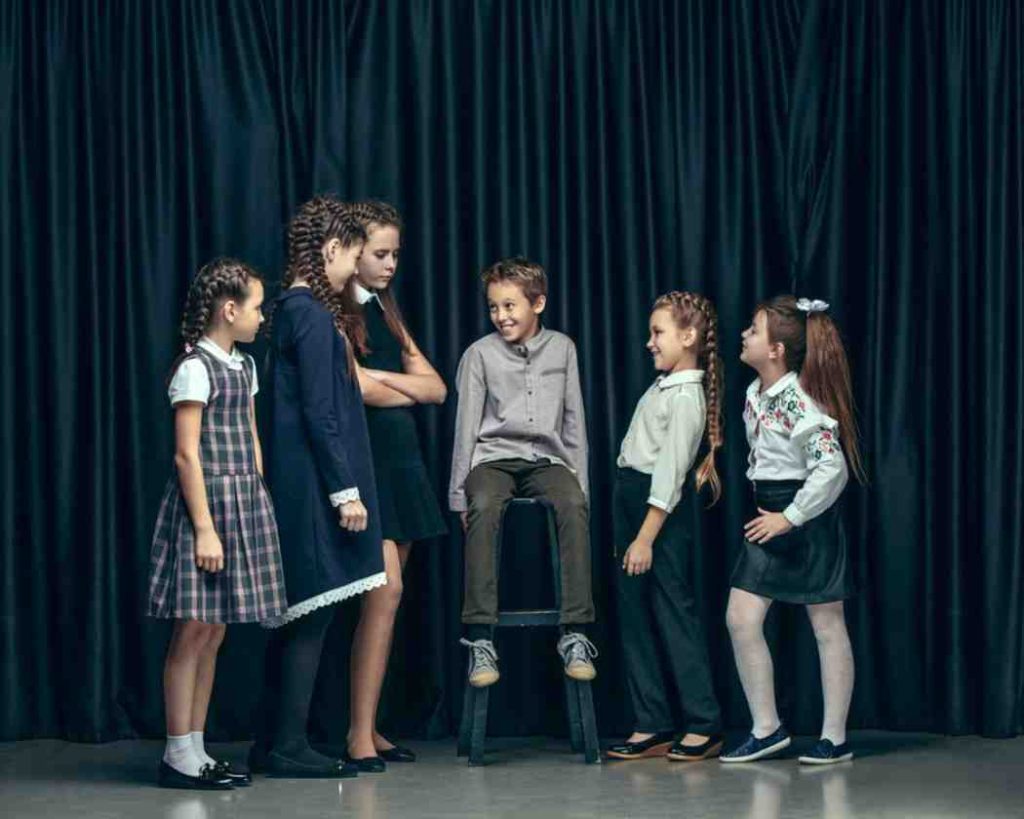
    kids on stage at a drama class

    Dubai offers a variety of drama programs that cater to children of all ages. These programs are often part of larger cultural institutions or independent drama schools that specialize in performing arts. Each program has its unique approach, but the best ones share a few common features: experienced educators, a well-rounded curriculum, and a focus on child-centric learning. When exploring options, look for programs that have a track record of successful shows and happy participants. It’s also a good idea to ask for testimonials from other parents or even attend a trial session to see how the classes are run and whether they fit your child’s temperament and interests.

    Curriculum and Learning Outcomes

    A well-designed drama curriculum for children will typically include a mix of activities—improvisation games, script reading, character play, and public speaking drills. The goal is to develop not only acting skills but also broader competencies such as creative thinking, public speaking, and emotional intelligence. For instance, through role-playing, children learn to step into someone else’s shoes, seeing the world from different viewpoints. This builds empathy and social awareness.

    Expected learning outcomes vary by age and program focus, but generally, parents can expect their children to gain improved speech clarity and vocabulary, better emotional control, and enhanced confidence. These skills are especially beneficial for young children, helping them in everyday interactions and school presentations. Additionally, the teamwork involved in putting on a play teaches children about collaboration and working towards a common goal, skills that are valuable throughout life.

    A Typical Day in Drama Class

    A day in a children’s drama class is dynamic and filled with various engaging activities. Classes usually begin with warm-up exercises that help children shake off any shyness and get comfortable with their peers. These might include simple games that involve movement and voice exercises, which are great for breaking the ice and fostering a sense of group cohesion.

    Next, the instructor might introduce a short story or concept, around which the day’s activities will be centered. Children might then engage in improvisation exercises based on this theme, which encourages them to think quickly and creatively. For the younger kids, such as 5-year-olds, these activities are often guided very closely by the instructors to ensure that all children are participating and absorbing the lessons.

    As the class progresses, children might work on specific scenes, either from well-known plays adapted for children or original scenes that fit their age and skills. This part of the class often involves practicing lines, understanding stage directions, and learning how to express emotions through facial expressions and body language. The session might end with a group discussion or feedback session where children can reflect on what they learned and express what they enjoyed the most.

    Benefits of Drama Classes for Children

    The benefits of enrolling your child in drama classes are vast and varied. At a basic level, children enhance their ability to communicate and express themselves more clearly and confidently. Drama activities require children to articulate their thoughts and feelings, which improves their verbal and nonverbal communication skills.

    Moreover, participating in drama helps to boost self-esteem as children accomplish tasks they might have thought beyond their capabilities, such as performing in front of an audience. Additionally, drama classes foster creativity and imagination. Children are encouraged to think outside the box and are often tasked with creating their own stories and characters, which stimulates creative thinking and problem-solving skills. This creative freedom allows them to explore different scenarios and outcomes, enhancing their ability to adapt and think quickly on their feet.

    Parental Involvement

    As a parent, your role doesn’t end with just signing up your child for a drama class. Your involvement can greatly enhance your child’s learning experience. This could be as simple as discussing what they learned in class on the drive home, or helping them practice their lines for a play. Your interest and encouragement can make a significant difference in how they perceive and engage with drama, turning it into a positive aspect of their growth and development.

    Engaging further by attending their performances and giving feedback on their progress shows your child that you value their efforts and take pride in their achievements. This not only boosts their morale but also helps reinforce the skills they are developing. Additionally, such involvement gives you the opportunity to observe the teaching methods and the class environment, ensuring that it aligns with your child’s needs and your family’s values.

    Overcoming Challenges

    It’s common for children, especially the younger ones or those just starting, to face challenges such as stage fright or feeling overwhelmed by the attention. One effective way to help them is by encouraging them to express what worries them about the class and discussing these feelings openly. Teachers also play a crucial role here, as they can use their experience to help children ease into the activities gradually, ensuring that each child feels comfortable and supported.

    Another challenge is dealing with disappointment, such as not getting a desired role or facing criticism. Here, parents and teachers can work together to teach valuable lessons in resilience and the importance of constructive criticism. Helping children understand that every experience is a step towards improvement can transform potentially discouraging moments into opportunities for growth. Additionally, such supportive interactions foster a safe environment where children feel free to take creative risks and explore their abilities without fear of harsh judgment.

    Conclusion

    Drama classes offer more than just acting lessons; they provide a platform for children to grow in numerous essential life skills. Whether your child is naturally outgoing or needs a little help coming out of their shell, drama classes can be a valuable addition to their extracurricular activities. So why not look into some classes near you? It could be the first step towards nurturing a confident and expressive young individual.

    modern dance training

    Get a Headstart for Your Child with Modern Dance Training

    Modern dance training offers children an incredible opportunity to grow in ways that go far beyond the physical aspects of dancing. While the joy of moving to the rhythm is undeniable, the benefits stretch into areas that impact emotional, social, and cognitive development. For parents looking to provide a strong foundation for their child’s growth, modern dance can be a transformative experience.

    Building Confidence Through Movement

    Children who participate in modern dance training often show a significant increase in self-confidence. The dance environment encourages kids to express themselves, overcome stage fright, and connect with others through shared movements. Learning to perform in front of a group, remembering choreography, and synchronizing with music are powerful tools that help break down shyness and boost a child’s self-esteem. The process of mastering a dance routine, even if it takes a few tries, can give them a sense of accomplishment that translates into other areas of their life.

    Developing Physical Strength and Flexibility

    Modern dance is not just about artistic expression; it’s also a rigorous physical activity that improves strength, flexibility, and overall fitness. The various dance movements require coordination, balance, and muscle control, which help in developing fine motor skills and body awareness. This type of training builds core strength, enhances posture, and increases flexibility, laying the groundwork for a healthy, active lifestyle. Children who engage in modern dance from a young age often carry these physical benefits with them as they grow, promoting long-term health and well-being.

    Enhancing Creativity and Imagination

    One of the unique elements of modern dance is its emphasis on creativity. Unlike more structured dance forms, modern dance encourages improvisation and self-expression. This freedom allows children to use their imaginations, invent their own movements, and explore how their bodies can express different emotions and stories. By engaging in this creative process, kids learn to think outside the box, which can enhance their problem-solving skills and encourage a more innovative mindset.

    Improving Focus and Discipline

    Modern dance classes require concentration and discipline. Learning and memorizing routines demand attention to detail and the ability to stay focused on the task at hand. Children learn to listen carefully to instructions, pay attention to timing, and synchronize their movements with the music and their peers. This type of disciplined practice helps improve their ability to concentrate, which can be especially beneficial in academic settings. Over time, these skills become ingrained, aiding in their overall development.

    Social Skills and Teamwork

    Participating in dance classes also provides children with a sense of community and belonging. Dance is often a group activity, requiring coordination and collaboration with others. Kids learn the importance of teamwork as they work together to perform routines and dances. They develop empathy by understanding the needs and movements of their peers, building stronger social bonds and communication skills. This collaborative environment helps children learn how to express themselves openly while respecting the space and creativity of others.

    Emotional Expression and Stress Relief

    Dance is a powerful medium for emotional expression, allowing children to channel their feelings in a constructive way. For many kids, the dance studio becomes a safe space where they can release pent-up energy and emotions through movement. Whether it’s joy, sadness, excitement, or frustration, modern dance provides a physical outlet that helps in managing emotions. The rhythmic movement and the music together create a therapeutic environment that can reduce stress and anxiety, promoting mental and emotional well-being.

    Preparing for Future Opportunities

    Engaging in modern dance can open up various opportunities for children, both in dance and in other fields. The discipline, creativity, and confidence gained from dance training can be invaluable in pursuing future interests, whether they be in the arts, sports, public speaking, or any other area that requires self-assurance and creativity. Children who have a background in dance often excel in environments that demand presentation skills, creativity, and the ability to perform under pressure.

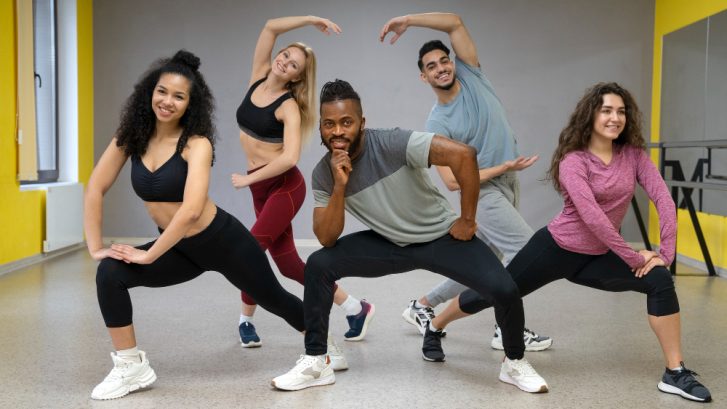
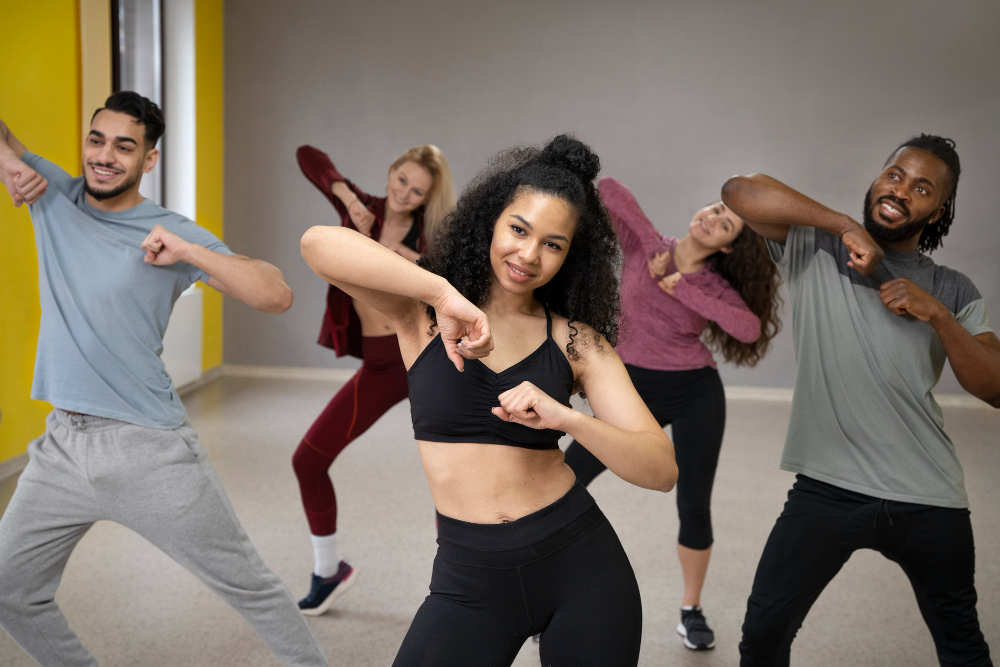
    A dance group consisting of two males and three females practicisng in a studio

    Developing a Sense of Rhythm and Musicality

    Modern dance training also enhances a child’s sense of rhythm and musicality. Learning to move in sync with the beat, understanding the flow of music, and interpreting it through dance help children develop a deep appreciation for music. This understanding goes beyond the dance studio and enriches their ability to enjoy, analyze, and engage with different forms of music throughout their lives.

    Building a Healthy Relationship with the Body

    One of the most important aspects of modern dance is that it helps children develop a positive and healthy relationship with their bodies. Through dance, they learn to appreciate what their bodies can do, rather than how they look. This positive body image is crucial in a world where young children are often exposed to unrealistic standards. Dance encourages them to focus on strength, flexibility, and expression, promoting a balanced and healthy outlook.

    Conclusion: A Well-Rounded Development Path

    Modern dance training offers more than just an activity for children; it provides a comprehensive approach to their development, touching on physical, emotional, social, and cognitive growth. With each dance step, children learn discipline, express their creativity, build confidence, and develop valuable life skills. For parents seeking a holistic approach to their child’s growth, modern dance is a path worth exploring.

    yoga classes in dubai

    Relax and Refresh with Yoga Classes in Dubai

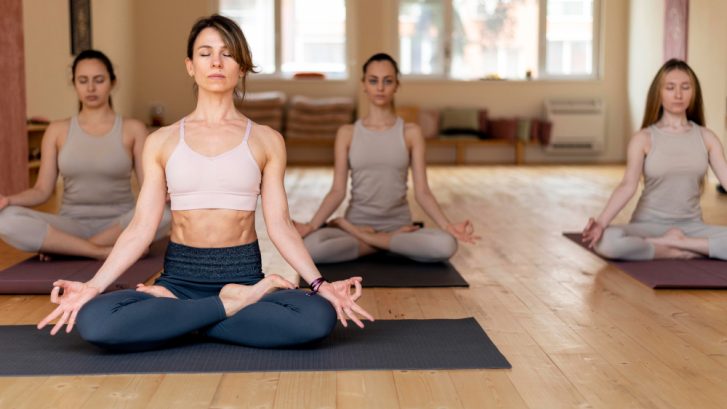
    In the fast-paced city of Dubai, finding moments of relaxation and renewal can be a challenge. Between bustling work schedules, social commitments, and daily life responsibilities, stress can easily build up. This is where yoga comes in. With its combination of physical movement, breath control, and mindfulness, yoga offers a pathway to relaxation and a refreshed state of mind. The beauty of yoga lies in its adaptability—whether someone is a seasoned practitioner or a beginner, there is always something new to discover.

    Releasing Stress Through Movement And Breath

    One of the core benefits of yoga is its ability to reduce stress. The practice focuses on connecting the breath with movement, which helps calm the mind and bring awareness to the present moment. Deep breathing exercises, known as pranayama, are integral to most yoga classes and have been shown to lower cortisol levels, the hormone associated with stress. By focusing on breathwork, participants learn to release tension that accumulates in the body and mind, making it easier to manage daily stressors.

    In a city like Dubai, where the hustle and bustle can be overwhelming, attending a yoga class can be a sanctuary from the noise. The peaceful environment, guided by experienced instructors, allows participants to leave their worries at the door and focus on finding inner peace. Over time, this practice helps in developing a calmer, more centered approach to life.

    Building Physical Strength And Flexibility

    Yoga is not only about mental relaxation; it also offers significant physical benefits. The various poses, or asanas, work on different muscle groups, helping to build strength, flexibility, and balance. Many yoga styles, such as Vinyasa and Power Yoga, incorporate dynamic sequences that can provide a full-body workout, while other forms like Hatha and Yin Yoga focus more on slow, deliberate movements and deep stretching.

    The diversity of yoga classes available in Dubai caters to different fitness levels and preferences. Some studios offer beginner-friendly classes that emphasize alignment and technique, while others provide advanced sessions for those looking to deepen their practice. With regular practice, muscles become more toned, joints become more flexible, and the body becomes more resilient, reducing the risk of injuries in daily activities or other sports.

    Enhancing Mental Clarity And Focus

    Yoga’s emphasis on mindfulness and meditation also plays a crucial role in enhancing mental clarity and focus. Many yoga practices include meditation techniques that help clear the mind of distractions, improve concentration, and increase awareness. This heightened state of awareness extends beyond the mat, helping individuals to remain present and focused in their daily tasks.

    The regular practice of yoga and meditation in Dubai’s serene yoga studios offers a break from digital distractions and constant notifications. It provides a mental reset, allowing participants to return to their routines with a clearer mind and better decision-making abilities. Over time, this clarity can lead to improved productivity, enhanced creativity, and a greater sense of purpose.

    Connecting With A Like-Minded Community

    Yoga classes in Dubai provide more than just a personal wellness journey; they also offer a sense of community. Practicing in a group setting can be incredibly motivating and uplifting. The shared experience of moving and breathing together creates a strong sense of connection and camaraderie among participants. Many yoga studios host workshops, retreats, and social events that foster friendships and create a supportive network.

    Being part of such a community helps individuals stay committed to their wellness goals. It also provides an opportunity to learn from others, share experiences, and grow together. The encouragement and support from fellow practitioners often inspire individuals to explore different aspects of yoga, deepening their practice and understanding of this ancient discipline.

    Promoting Better Sleep And Relaxation

    Sleep is essential for overall health, and yoga has been shown to help improve sleep quality. Certain styles of yoga, such as Restorative Yoga and Yoga Nidra, are particularly effective in promoting relaxation and reducing insomnia. These classes often include gentle stretches, breathwork, and guided relaxation techniques that help calm the nervous system.

    In a vibrant city like Dubai, where the nightlife is active and work-life balance can be a challenge, many people struggle with sleep-related issues. Incorporating yoga into a weekly routine can create a calming bedtime ritual that prepares the body and mind for rest. By releasing physical tension and calming the mind, yoga can lead to deeper and more restful sleep, making it easier to wake up feeling refreshed and energized.

    Exploring Different Yoga Styles

    Dubai’s yoga scene is diverse and offers a wide range of styles, each with its unique focus and benefits. From the flowing sequences of Vinyasa and the deep stretches of Yin Yoga to the heart-pumping intensity of Hot Yoga, there is something for everyone. For those looking to combine the benefits of yoga with cardio, some studios even offer fusion classes that mix yoga with Pilates or dance.

    This variety allows individuals to experiment with different styles and find what resonates best with their bodies and wellness goals. Some may prefer a slow, meditative practice, while others might enjoy a more dynamic and vigorous session. The ability to choose from different styles keeps the practice fresh and engaging, making it easier to stay committed to regular practice.

    Encouraging Mind-Body Awareness

    Yoga promotes a deep connection between the mind and body, fostering awareness that helps individuals better understand their physical and emotional states. This awareness encourages healthier lifestyle choices, such as mindful eating, better posture, and more conscious breathing. It also makes it easier to notice when the body is out of balance and take proactive steps to address it, whether through rest, diet, or exercise.

    Practicing yoga in Dubai, where diverse cultural influences converge, allows participants to explore different wellness philosophies and integrate them into their daily lives. This integration can lead to a more balanced, harmonious approach to health and well-being.

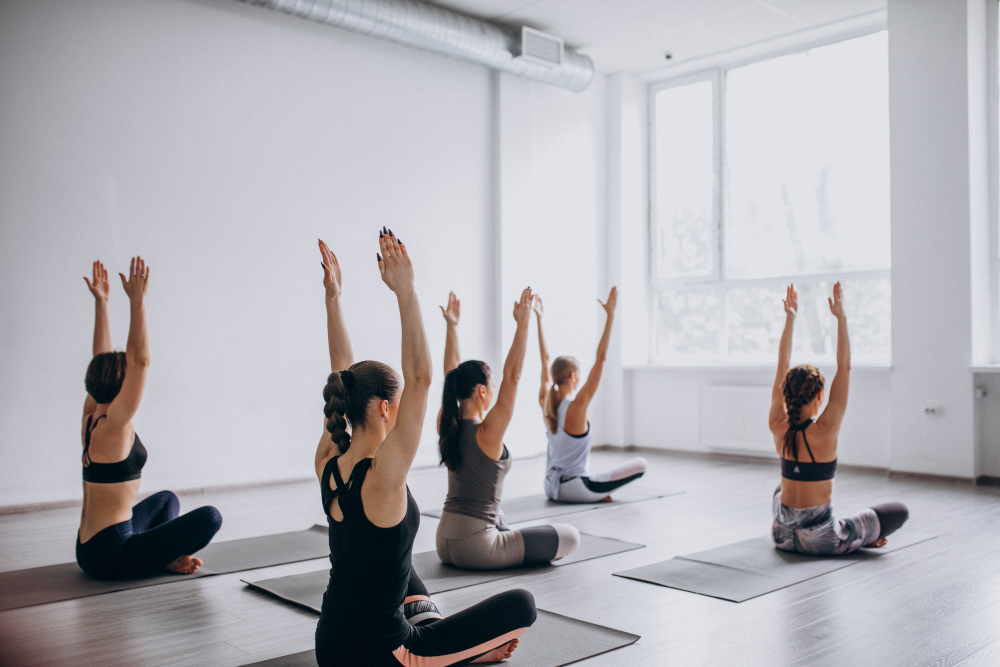
    Women sitting in a yoga classon yoga mats with their hands raised up

    Finding Inner Peace In The City

    Despite the city’s fast-paced nature, Dubai offers several tranquil spots for yoga practice, from beachfront studios to rooftop sessions overlooking the skyline. These unique locations add an extra layer of serenity to the yoga experience, combining the benefits of nature and movement. Practicing yoga in such serene environments can deepen relaxation, making it easier to connect with the inner self.

    The combination of expert guidance, a supportive community, and beautiful settings creates the perfect environment for anyone looking to relax, refresh, and rejuvenate through yoga in Dubai.

    Conclusion: A Journey Of Wellness

    Yoga classes in Dubai offer a valuable opportunity for relaxation, renewal, and self-discovery. With benefits ranging from improved physical fitness and mental clarity to better sleep and community connection, yoga provides a well-rounded approach to wellness. For those seeking a way to unwind and recharge, yoga presents a fulfilling path that enriches both body and mind.

    taekwondo dubai

    Children’s Taekwondo Classes in Dubai: A Path to Confidence and Discipline

    When you walk into a Taekwondo class for kids in Dubai, you feel a unique buzz in the air. It’s not just the sound of kicks hitting pads or the instructors’ encouraging shouts; it’s the sight of young kids, some as young as five, moving with a sense of purpose, focus, and enthusiasm. For many parents, finding the right extracurricular activity for their child is like searching for a hidden treasure. It’s about finding something that is both fun and beneficial. In Dubai, children’s Taekwondo classes have become a popular choice among parents who want to see their children grow in more ways than one.

    Discovering Discipline and Focus

    Imagine a group of seven-year-olds standing perfectly still, eyes focused ahead, listening intently to their instructor. It’s not a typical sight, but it’s an everyday occurrence in Taekwondo classes. Taekwondo isn’t just about learning to kick or punch; it’s about developing discipline and focus—two qualities that are essential both in and outside the gym. Children learn to follow instructions, respect their instructors and peers, and most importantly, understand the value of perseverance. One parent shared how their energetic eight-year-old, who could hardly sit still in class, learned to channel that energy positively after just a few months of training.

    Building Confidence Through Achievement

    For children, there’s nothing quite like the sense of achievement that comes from mastering a new skill. In Taekwondo, this is embodied in the belt system. The journey from a white belt to higher ranks is not just about gaining new skills; it’s a journey of self-discovery and confidence-building. Each belt earned represents a child’s hard work, dedication, and progress. Watching a child proudly tie their new belt around their waist, their eyes shining with pride, is a sight that makes the entire experience worth it for both them and their parents. One mother recounted how her shy daughter transformed after receiving her yellow belt—standing taller, speaking more confidently, and participating more actively in school activities.

    A Safe Space for Learning

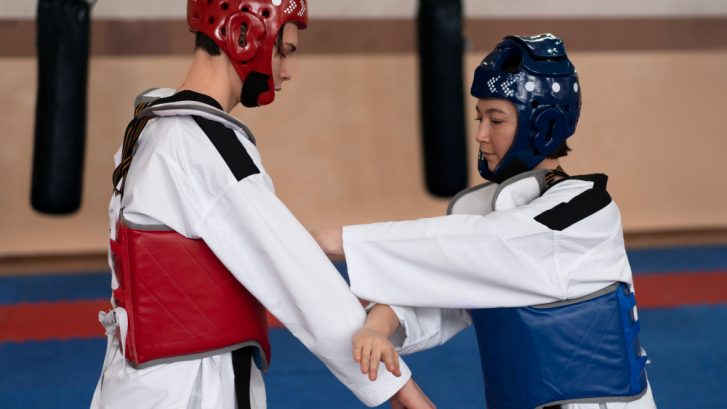
    Safety is a priority in every parent’s mind, and Taekwondo classes are designed with this in mind. In Dubai, professional instructors ensure that children are taught in a controlled environment where safety comes first. The padded floors, safety gear, and close supervision mean that kids can learn without the fear of injury. It’s not about aggression; it’s about self-control and knowing when and how to defend oneself. This sense of safety extends beyond the gym; kids carry it with them, knowing they have the tools to protect themselves if ever needed. A parent mentioned how this knowledge gave her peace of mind, especially given the diverse environments her child might encounter daily in a bustling city like Dubai.

    Learning Respect And Teamwork

    Taekwondo is also a sport that emphasizes respect. Respect for one’s instructor, respect for fellow students, and, most importantly, respect for oneself. Bowing to the instructor at the beginning and end of the class is more than a ritual—it’s a reminder that every lesson is not just about physical growth but also about character development. Kids learn to help one another, cheer each other on, and work together in partner drills. The camaraderie that develops among young learners often leads to lasting friendships. One instructor noted how children from different backgrounds and schools come together, bond, and even become best friends through their shared experience in the dojo.

    A Physical Outlet In A Digital Age

    In an age where screens are more accessible than ever, finding a physical outlet for children is crucial. Taekwondo classes offer a dynamic environment where kids can expend their energy in a healthy, constructive way. It’s not just about burning calories or keeping fit; it’s about feeling the joy of moving, the thrill of nailing that perfect roundhouse kick, or the excitement of a friendly sparring match. Parents have shared how their kids come home from class tired but happy—sleeping better, eating better, and feeling more grounded. It’s a way to balance the digital with the physical, giving children a more well-rounded routine.

    Tailored Programs For Different Ages

    Dubai’s Taekwondo academies understand that a five-year-old has different needs than a twelve-year-old. Programs are tailored to fit various age groups, ensuring that each child gets the right level of challenge and support. Younger kids often focus more on games that develop motor skills, coordination, and balance, while older kids delve deeper into technique, sparring, and understanding the art’s philosophy. It’s about meeting children where they are and helping them grow from there. One parent recalled how their five-year-old was initially too shy to join in the group activities but, within weeks, was leading the class warm-ups.

    Encouraging A Growth Mindset

    One of the most valuable lessons Taekwondo teaches children is that mistakes are part of learning. There’s no room for perfectionism in the dojo; the focus is on effort and improvement. Kids learn to fall and get back up, to miss a target and try again. This growth mindset—understanding that abilities can be developed through dedication and hard work—extends beyond martial arts. It shapes how kids approach challenges in school, at home, and in life. A Dubai-based instructor shared how one of his students, who struggled with math, applied the same persistence he learned in Taekwondo to his studies and saw a remarkable improvement in his grades.

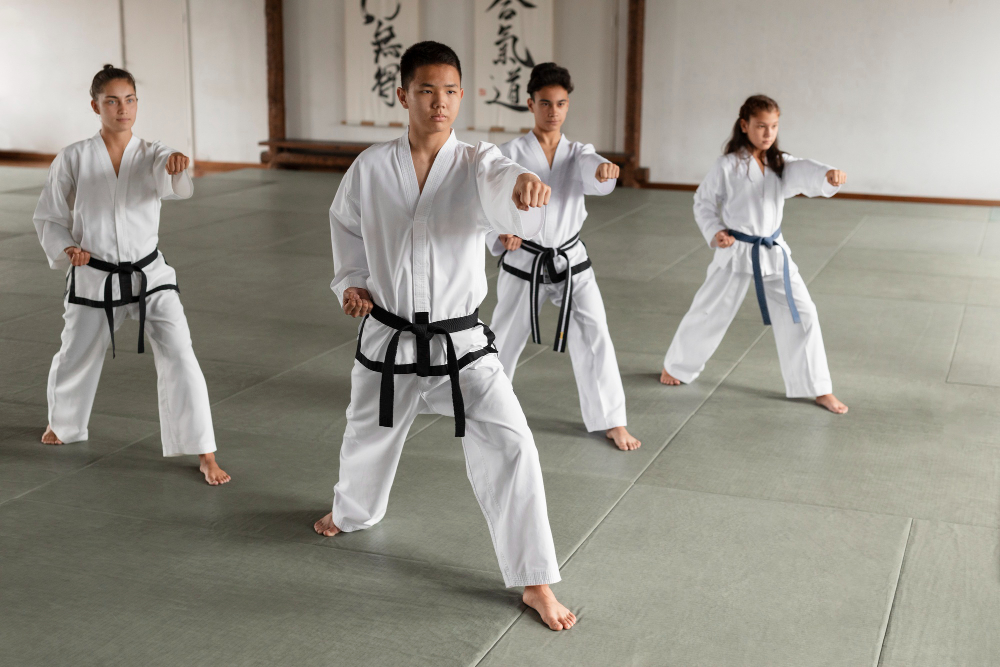
    taekwondo class of four young students in white uniforms

    The Joy Of Friendly Competition

    Taekwondo is not just about training; it’s also about testing oneself in a friendly, supportive environment. Many Taekwondo academies in Dubai organize in-house tournaments where kids can experience the thrill of competition. These tournaments aren’t about winning or losing but about personal growth. Every child gets a chance to stand up in front of their peers, showcase what they’ve learned, and receive constructive feedback from experienced judges. Parents have shared how these experiences help their kids build resilience—understanding that losing is not the end but an opportunity to learn and come back stronger.

    Making The Right Choice For Your Child

    Choosing a Taekwondo class for your child is about finding the right fit—an academy with skilled instructors, a welcoming environment, and a philosophy that aligns with your values. Take the time to visit different schools, observe classes, and talk to instructors and other parents. Whether your goal is to build confidence, develop discipline, or simply find a fun, engaging activity for your child, Taekwondo offers all this and more. The benefits go beyond the mats, shaping your child into a confident, respectful, and strong individual ready to take on the world.

    So, if you’re in Dubai and considering Taekwondo for your child, know that you’re not just signing them up for a class; you’re opening the door to a journey of growth, learning, and fun. And who knows? You might just find yourself inspired to join in as well.

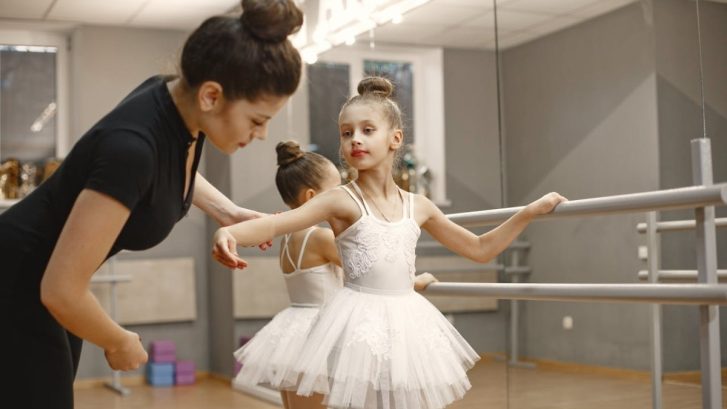
    Two young ballerinas being taught how to stand by instructor

    10 Fascinating Ballet Facts That Will Surprise You

    Ballet, a dance form steeped in tradition, has been captivating audiences for centuries with its unique blend of artistry and athleticism. From its origins in the Italian Renaissance to the sophisticated stages of modern-day theaters, ballet has a rich history that reflects the evolving tastes and social changes of its times.

    Origins Of Ballet

    The story of ballet begins in the lavish courts of the Italian Renaissance where it was first developed as a form of entertainment for the aristocracy during the 15th century. The early performances were grand events, where dancing was just one of many entertainments, including music, poetry readings, and pageants. As these ballets grew in popularity, they began to incorporate more narrative and design elements, setting the stage for a form of art that was as much about storytelling as it was about movement.

    Catherine de’ Medici, an Italian noblewoman who became the queen of France, is credited with introducing ballet to the French court. Her influence was pivotal as she brought her enthusiasm for dance along with her when she married King Henry II of France. It was in France that ballet began to flourish, developing its own language and etiquette. The first recorded formal ballet, “Ballet Comique de la Reine,” was performed in 1581, choreographed by Balthasar de Beaujoyeulx. This performance is often regarded as a turning point, marking ballet’s transformation into a more structured art form that emphasized the skill and grace of its dancers.

    The Language Of Ballet

    As ballet took root in France, it adopted French as the language of its technique. Today, regardless of where they are in the world, ballet dancers use French terminology to describe their movements and techniques. This tradition not only ties modern ballet dancers to their historical counterparts but also adds a layer of linguistic elegance to the physical elegance of ballet itself. Terms like “plié” (to bend), “jeté” (to throw), and “pirouette” (to spin) convey the precise and beautiful movements that ballet dancers strive to master.

    This common vocabulary creates a universal language for ballet dancers, allowing them to train and perform anywhere in the world. It’s fascinating how a dance form that started in Italian courts and flourished in French palaces has now spread to all corners of the globe, yet still retains the French language as its medium of communication.

    Ballet Shoes: Pointe And Flat

    The evolution of ballet shoes is a testament to the changing demands and aesthetics of the dance. Originally, dancers wore heeled shoes, which suited the formal dances of the 16th and 17th centuries. However, as ballet evolved and the movement became more complex, the need for more flexible and accommodating footwear became apparent. By the 18th century, dancers had largely switched to soft, flat slippers, which allowed for a greater range of motion and more intricate footwork.

    The introduction of pointe shoes in the early 19th century marked another significant evolution in ballet. These shoes, with their stiffened soles and structured boxes at the tips, allow dancers to rise to the tips of their toes, creating an ethereal, floating effect that has become synonymous with ballet. Pointe shoes elevated the aesthetic of ballet, enabling new choreographic possibilities and highlighting the superhuman grace and strength of ballet dancers.

    The Physical Extremes Of Ballet

    The elegance seen on stage belies the intense, often grueling physical effort that ballet requires. Dancers typically train for hours daily, honing their technique and building the stamina and strength necessary for their performances. This level of commitment to physical excellence is akin to that of professional athletes. Yet, unlike in many sports, ballet dancers must mask their effort, embodying grace and ease even in the most physically demanding sequences.

    The training starts young, often in childhood, to mold the body’s flexibility and align it with ballet’s strict aesthetic requirements. This early start is crucial because it develops not only the physical capabilities required but also the muscle memory that allows dancers to perform complex combinations of steps with precision. The physical toll, however, is significant. Ballet dancers often face a high risk of injuries such as sprains, fractures, and chronic stress injuries, particularly to the feet, ankles, and spine, due to the repetitive strain of jumps and pointe work.

    Role Of Male Dancers

    Historically, ballet might conjure images of women in tutus and pointe shoes, but the role of male dancers has been just as pivotal. Originally, men dominated the stage, and it wasn’t until the 19th century that female dancers began to gain prominence. Today, male dancers are celebrated for their strength, agility, and ability to perform complex lifts and powerful jumps. They bring a dynamic presence to ballet that complements the elegance and finesse typically attributed to female dancers.

    Great male ballet dancers like Rudolf Nureyev and Mikhail Baryshnikov have become legends, known not just for their technical prowess but for their ability to convey deep emotion and storytelling through dance. They have expanded the roles for men in ballet, moving beyond mere support to becoming central figures in performances. Their contributions have also helped to evolve ballet choreography and technique, pushing the envelope on what can be achieved on stage.

    Pioneering Ballet Techniques And Styles

    As ballet has evolved, so too have the techniques and styles that dancers learn and perform. Each school or style of ballet comes with its own set of principles and focuses that influence how dancers move and express themselves. For instance, the Vaganova method, developed in Russia, emphasizes the versatility and expressiveness of the upper body and arms, creating a fluid and dramatic style that is visually striking. This method has produced some of the world’s most famous dancers, who are known for their comprehensive ability to convey the story and emotion of the dance.

    On the other hand, the Cecchetti method, Italian in its origins, focuses on the precision of movements and the purity of lines, and is celebrated for its detailed and meticulous technique. This method trains dancers to maintain balance and symmetry, which are crucial for executing the intricate choreography that ballet often demands.

    In America, the Balanchine technique reshaped ballet with its emphasis on speed, athleticism, and clarity. Developed by George Balanchine, the Russian-born choreographer who co-founded the New York City Ballet, this style is characterized by its explosive jumps and extended lines, pushing dancers to new physical limits while maintaining a distinct aesthetic sharpness.

    Iconic Ballets and Their Histories

    “Swan Lake,” “The Nutcracker,” and “Giselle” stand as pillars of the ballet repertoire, cherished not just for their aesthetic and technical merits but also for their rich storytelling. “Swan Lake” offers a deep dive into themes of romance, deception, and duality, compelling audiences with its emotional resonance and the technical challenge of the lead’s dual role. “The Nutcracker,” with its magical Christmas setting, transforms theaters into winter wonderlands, appealing to families and introducing many to ballet for the first time.

    “Giselle” transports audiences into a world of romantic tragedy and spectral beauty, showcasing ballet’s ability to explore complex emotional landscapes. The historical depth of these ballets reflects the changing tastes and societal attitudes over the centuries, offering a window into the past while remaining timeless in their appeal. Their continued popularity underscores ballet’s capacity to connect with audiences on a profound level, transcending cultural and temporal boundaries.

    Ballet In Popular Culture

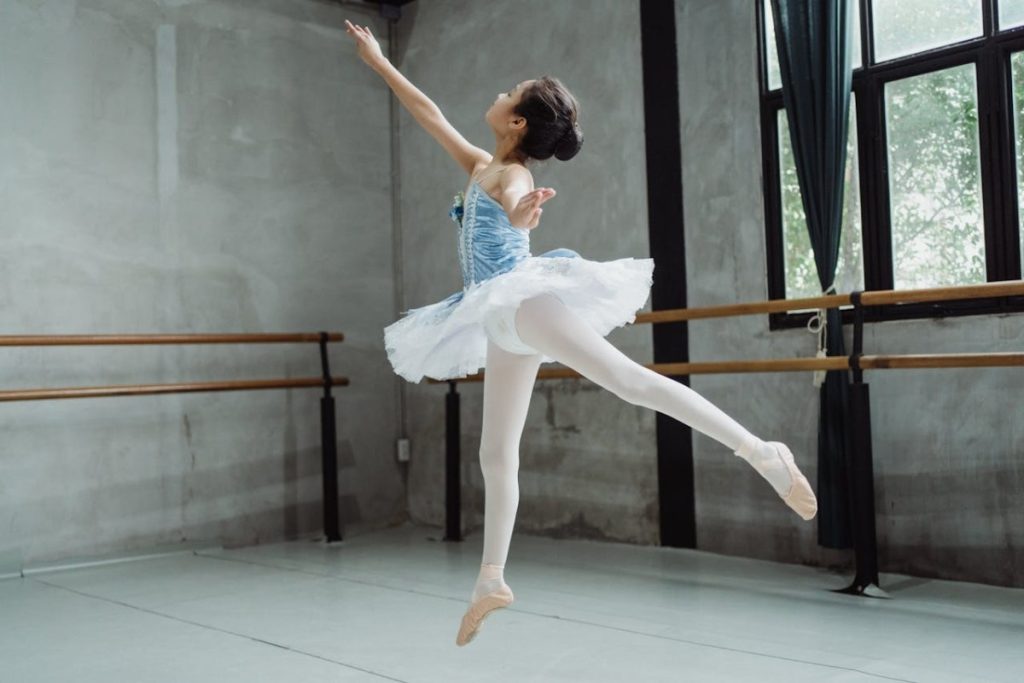
    Ballerina girl performing ballet jump in studio

    Ballet’s influence extends far beyond the stage, seeping into movies and television, where it often serves as a backdrop for exploring deeper psychological and social issues. Films like “Black Swan” have brought the rigor and intensity of ballet to the forefront, showcasing the demanding nature of the art and the dedication required of its practitioners. This portrayal helps demystify the art form and broadens its appeal, attracting viewers who might not typically attend a ballet.

    Television series and documentaries about ballet also play a crucial role in bringing the nuances of this art form to a broader audience. They highlight the behind-the-scenes work and the personal stories of dancers, presenting ballet as an accessible and relatable form of expression. By showcasing the dedication and resilience of ballet dancers, these media help foster a deeper appreciation and understanding of ballet as a demanding physical and artistic pursuit.

    Ballet Companies Around The World

    The world’s leading ballet companies, such as the Bolshoi Ballet, The Royal Ballet, and American Ballet Theatre, are custodians of the ballet tradition, dedicated to preserving its heritage and advancing the art form. These institutions not only perform the classic repertoires but also commission new works that reflect contemporary themes and experiment with modern choreography. This balance between tradition and innovation helps keep ballet vibrant and relevant in the global arts scene.

    These companies also act as cultural ambassadors, bringing ballet to international audiences and facilitating cultural exchange. Their tours and performances around the globe play a vital role in spreading ballet’s aesthetic and educational value, making it a global art form. Through their commitment to excellence and creativity, these companies inspire new generations of dancers and choreographers, ensuring the continued evolution and longevity of ballet.

    Modern Ballet: Evolution And Innovation

    Contemporary ballet represents a dynamic evolution of the form, as choreographers integrate modern dance elements and push the boundaries of traditional ballet. This innovation is not just about new movements but also includes using technology to create multimedia performances, enhancing both the storytelling and visual impact. These contemporary productions make ballet relevant to today’s audiences, who appreciate seeing current societal themes reflected on stage.

    This modern approach also helps attract a younger, more diverse audience, ensuring the future sustainability of ballet. By embracing change and reflecting contemporary life, ballet remains a compelling and vibrant form of artistic expression. Choreographers like Wayne McGregor and Crystal Pite, known for their innovative approaches, have been instrumental in this modern transformation, ensuring that ballet continues to be a dynamic and evolving art form.

    Conclusion

    Ballet is more than just a dance form; it’s a dynamic art that has adapted and evolved through the ages, appealing to people across the globe and from all walks of life. Whether you’re a long-time aficionado or new to the world of ballet, there’s always something new and exciting to discover. So why not catch a performance or explore some ballet history online? Dive into the beautiful, challenging world of ballet and see for yourself how this art form continues to inspire and captivate.
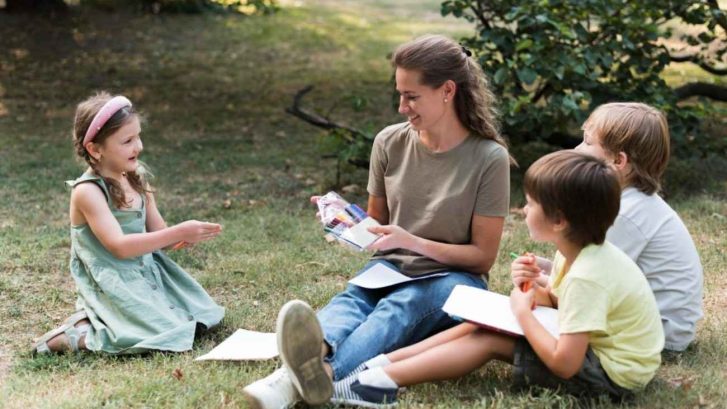
    1 8 9 10 11 12 16