Irish Dance: A Perfect Mix of Fitness and Fun for Children

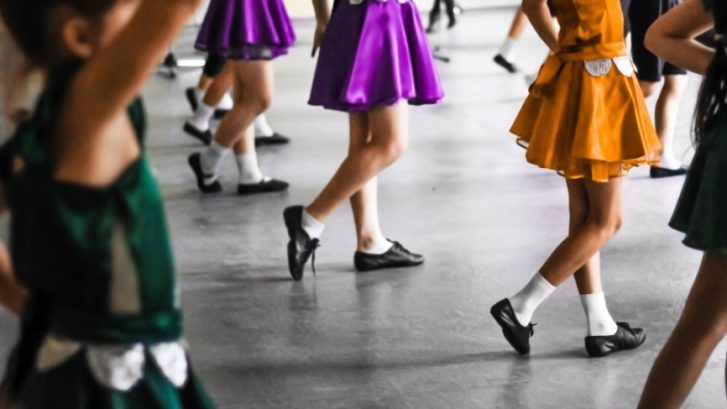
Irish dance has a magnetic appeal that transcends its cultural roots, captivating audiences worldwide with its lively steps and vibrant music. This traditional form of dance is not just a spectacle for the eyes; it’s also increasingly recognized as a fantastic way for children to stay active. Combining fun, fitness, and a rich cultural heritage, Irish dance offers young dancers a unique way to explore their abilities and express themselves.

The Basics of Irish Dance

Tracing its origins back to Ireland, Irish dance has evolved over the centuries from village squares to international stages. At its core, Irish dance is a celebration of Irish cultural identity, marked by fast-paced footwork and rhythmic precision. There are several styles of Irish dance, but the most well-known include step dancing, which gained global fame through performances like Riverdance, and céilí dancing, which focuses on group choreography and has roots in social gatherings from rural Ireland.

Step dancing is noted for its rapid leg movements with the body and arms kept largely stationary, while céilí dances involve coordinated group routines that are less rigid and more social in nature. Then there’s sean-nós, an older, more improvised form that allows for personal expression through free movements. Each style offers a different experience, but all share the common thread of discipline and rhythm.

Physical Fitness Benefits for Children

Irish dance is more than just an art form; it’s a heart-pumping workout that offers numerous health benefits for kids. The dance form is particularly good for improving cardiovascular health, as the energetic routines are great for heart rate elevation and stamina building. Regular practice can help children develop endurance and resilience, not just on the dance floor but in other areas of life as well.

Furthermore, the precise movements required in Irish dance help strengthen different muscle groups. The focus on lower body strength can enhance muscle tone and flexibility in the legs, while the upper body remains engaged to maintain posture. This not only helps with physical alignment and balance but also encourages overall body coordination and agility, critical skills for young developing bodies.

Mental and Emotional Benefits

Participating in Irish dance also has several mental and emotional perks. Learning and mastering complex dance sequences can boost a child’s confidence immensely. Each step mastered is a milestone that builds their self-esteem, encouraging them to take on new challenges both in and out of the dance studio.

Moreover, the concentration needed to perform these dances can sharpen cognitive abilities, enhancing memory and focus. Irish dance requires dancers to remember sequences and execute them with precision, which can be a mentally stimulating experience that supports academic learning by improving their ability to concentrate and solve problems.

Socially, Irish dance promotes a sense of community. Whether practicing in groups for céilí dances or competing in feiseanna (dance competitions), children learn to communicate and collaborate with peers, forging strong bonds and learning the importance of teamwork. These interactions can lead to lifelong friendships and a deep sense of belonging to a community, providing emotional support through shared experiences.

Irish Dance as a Fun and Inclusive Activity

What sets Irish dance apart is its ability to cater to various ages and abilities. Beginners can start with basic steps and gradually move to more complex sequences as they gain confidence and skill. There’s no need for expensive equipment to get started, which makes it accessible to a broader range of families. All that’s required is a willingness to learn and a pair of dancing shoes!

The classes themselves are lively and energetic, filled with upbeat traditional music that makes the learning process enjoyable. Kids are naturally drawn to the rhythmic beats, which help to keep their interest peaked throughout sessions. This fun atmosphere is crucial in maintaining their enthusiasm and dedication over time. Moreover, the vibrant music and dynamic movements provide a joyful escape from the routine of daily life, allowing children to immerse themselves fully in the moment.

As dancers progress, there are numerous opportunities to participate in local shows and even compete in dance festivals. These events are not only exciting but also provide a platform for young dancers to showcase their talents and hard work. Performing in front of an audience is an exhilarating experience that can further enhance a child’s confidence and sense of achievement.

Incorporating Irish Dance into a Child’s Routine

For parents considering Irish dance for their children, finding the right class is crucial. It’s important to look for qualified instructors who not only teach the dance moves but also create a supportive and positive learning environment. Good teachers recognize the individuality of each child and encourage them to develop at their own pace, ensuring that the dance experience remains positive and encouraging.
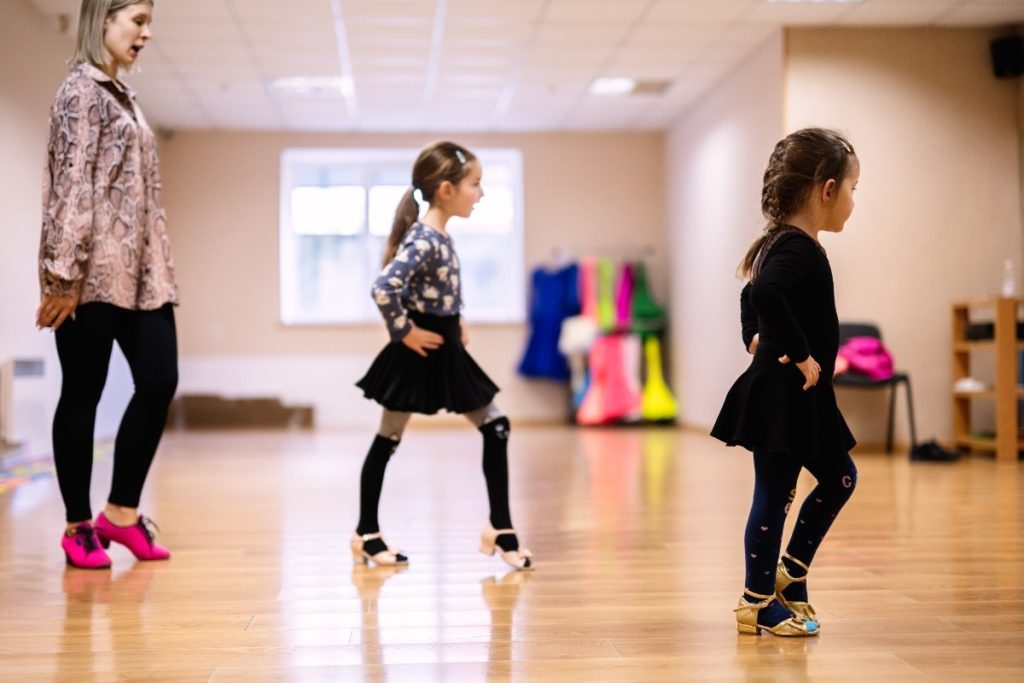
Young Girls Learning Dance Moves in Classroom with Instructor

Regarding scheduling, Irish dance can be a flexible activity that fits into a child’s existing routine without overwhelming them. Classes typically run once or twice a week, which is sufficient for beginners to learn and enjoy the dance without it becoming a burden. Parents should balance dance classes with academic responsibilities and other extracurricular activities to ensure children have a well-rounded routine.

At home, parents can encourage practice by playing Irish music and creating a fun space where children can rehearse their steps. This not only helps improve their dance skills but also allows family members to be involved in the child’s learning process, making it more enjoyable and reinforcing the skills learned in class.

Building Cultural Awareness Through Dance

One of the most significant benefits of Irish dance is its ability to connect children with Irish culture. Through dance, they learn about Ireland’s rich traditions and history, which adds a meaningful layer to their education. Dancers not only learn steps but also the stories behind those dances, which often reflect historical and social themes.

Participating in cultural events such as St. Patrick’s Day parades and other community gatherings can deepen children’s appreciation for their heritage and the broader world. These events are fantastic opportunities for dancers to feel connected to a global community and experience the pride of representing their culture through art.

In this way, Irish dance serves as a bridge between physical activity and cultural education, enriching children’s lives with rhythm, movement, and history. This enriching blend of experiences makes Irish dance a uniquely valuable activity for the physical, emotional, and cultural development of children.

Conclusion

Irish dance is more than just an activity; it’s a gateway to a vibrant cultural experience that offers extensive benefits for children. From improving physical health to enhancing social skills and cultural awareness, Irish dance can be a fulfilling part of a child’s development. If you’re looking for a fun, engaging, and meaningful activity for your child, consider Irish dance at the Ballet Centre. They have expert tutors and instructors who can help your child learn and excel while having fun. See your child step into a world of rhythm and community? Let the music lead the way to a new adventure in Irish dance.
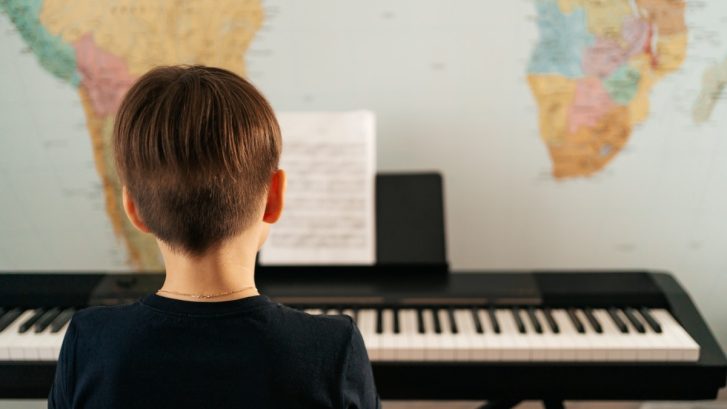
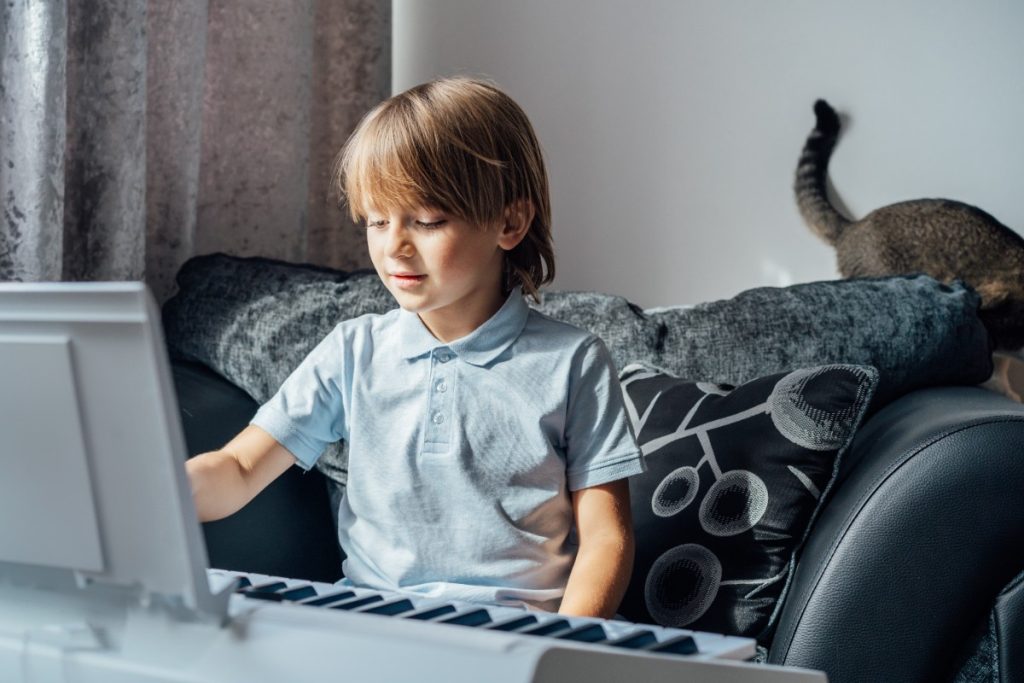
School boy playing piano at home

Why Every Child Should Try Keyboard Lessons

Music opens doors to worlds of creativity and intellectual growth, and for children, learning to play an instrument like the keyboard can be a launching pad into a wide range of developmental benefits. This post will explore how keyboard lessons can enhance cognitive, emotional, and educational facets of a child’s life.

The Benefits of Keyboard Lessons for Children

Engaging children in keyboard lessons doesn’t just prepare them to perform tunes; it fundamentally enhances their cognitive abilities. As kids learn to read music and translate it into hand movements on the keyboard, they are actively improving their memory and attention to detail. These skills aren’t confined to music alone; they spill over into academic performance, helping children excel in areas requiring intense focus and memory, such as mathematics and reading.

Moreover, the act of playing the keyboard involves a complex coordination of actions—reading musical notation, timing finger movements, and interpreting rhythm. This multitasking challenges the brain, fostering a child’s ability to manage multiple activities and thought processes at once. It’s a kind of mental workout that enhances overall cognitive flexibility, a vital skill in both academic and everyday settings.

Emotional Growth Through Music

Music inherently carries emotional weight, and learning to play the keyboard allows children to express feelings they might not otherwise articulate. The emotional release of playing music can be a substantial relief for many children, providing a healthy outlet for stress and anxiety. This is particularly beneficial in today’s fast-paced world, where children face various pressures from school and social interactions.

Furthermore, achieving small goals, such as mastering a new song or progressing to a more challenging piece, builds self-esteem. Each milestone in their musical journey can boost a child’s confidence, not just on the bench in front of the keyboard, but in other areas of life where self-assurance plays a critical role.

Educational Advantages

Music education, particularly through keyboard lessons, is linked to enhanced academic skills. Children who study music often develop better language skills; they pick up on nuances in spoken language more quickly, a byproduct of learning to identify tones and rhythms in music. This enhanced auditory skill translates to better reading abilities and linguistic prowess over time.

Additionally, the mathematical aspect of music—counting beats, subdividing rhythms, and understanding scales—can improve a child’s numeracy and reasoning skills. These are not just useful for academic success but are essential life skills that will benefit them beyond school.

Keyboard lessons also provide an excellent foundation for music theory, introducing children to basic concepts that are vital for any further musical study. Understanding scales, chords, and harmonies on the keyboard can be a stepping stone to learning other musical instruments, as the keyboard layout visually represents the way notes are structured, which can simplify the learning process of other instruments.

Physical Coordination

Keyboard playing is not just an auditory and cognitive challenge; it’s also a physical one. The demands of coordinating both hands independently on the keyboard can significantly improve a child’s fine motor skills. These skills are crucial in everyday activities, from writing to tying shoelaces, and they require precise small muscle control which is honed through music practice.

Additionally, learning to play the keyboard requires a rhythm and timing that helps children develop their overall coordination. The need to synchronize their finger movements with the musical tempo teaches children about timing and sequence, which can aid in other activities that require physical synchronization, such as sports or dance. This level of physical development goes hand-in-hand with cognitive growth, creating a holistic developmental process that enhances a child’s agility and mental acuity.

Accessibility and Affordability

One of the great things about keyboard lessons is their accessibility. Keyboards come in various sizes and models, which makes finding an instrument that suits any living space and budget much easier compared to larger or more expensive instruments like cellos or saxophones. This ease of access opens up musical education to a wider audience, allowing children from diverse backgrounds to embark on learning music.

The keyboard is a particularly versatile instrument as well. It allows students to explore a variety of musical styles—from classical to pop, jazz to electronic music. This versatility keeps the learning process exciting and engaging for children, who can experiment with different sounds and styles that resonate with their personal tastes and cultural backgrounds. Furthermore, electronic keyboards often have built-in learning tools, such as light-up keys and digital displays that show chords and notations, which can make the initial learning phase less daunting for beginners.

Moreover, the investment in a keyboard can be quite cost-effective over the long term. Many models are durable and require minimal maintenance, unlike many other instruments that may need regular professional servicing. The availability of second-hand instruments and rental options also makes it easier for parents to accommodate their child’s growing interest in music without committing a substantial financial outlay upfront.

Long-Term Benefits

Engaging children in keyboard lessons can lead to lifelong benefits. For one, it instills a deep appreciation and understanding of music that can enrich personal and social life. Adults who learned music as children often continue to use it as a source of relaxation and joy throughout their lives, and they have a ready-made hobby that can also serve as a social activity.

Small boy playing electric piano making music home leisure activity growing up education

Moreover, the discipline and persistence required to learn and master an instrument like the keyboard are invaluable life skills. Children learn about setting goals, practicing diligently, and the satisfaction of achieving their objectives. These skills are applicable to many areas of life, including academic and career pursuits.

Studies have shown that those who engage in music education often maintain sharper cognitive functions as they age. The mental demands of playing music, such as memorizing pieces and performing, can fortify the brain against cognitive decline. This aspect suggests that the benefits of keyboard lessons can extend far beyond childhood, offering advantages well into adulthood and older age.

Keyboard Lessons For Your Child

The Ballet Centre Dubai is the perfect destination for keyboard lessons, offering a holistic approach that nurtures your child’s musical talent and personal growth. With experienced instructors and a welcoming environment, the Centre combines technical training with a focus on creativity and fun. Their commitment to individualized learning ensures that each student not only masters the keyboard but also builds confidence, discipline, and a lasting love for music.

Conclusion

Exploring the world of music through keyboard lessons offers more than just an artistic outlet for children; it fosters a suite of skills and experiences that contribute to personal and intellectual development. From enhancing cognitive abilities and emotional intelligence to improving physical coordination and providing cost-effective, versatile learning options, keyboards open up a world of possibilities.

So why not give your child the opportunity to experience the joys and benefits of playing the keyboard? It’s an investment in their future that goes beyond just music, nurturing skills and qualities that will serve them throughout life. Grab a keyboard, and let’s make some music!

istd

ISTD: A Global Standard for Children’s Dance Education

The International Society of Teachers of Dancing (ISTD) stands as a beacon in the realm of dance education, particularly for young enthusiasts around the globe. Established to set and maintain high standards in dance instruction, ISTD has long influenced how dance is taught to children, ensuring that they receive not only skills but also a rich appreciation for this artistic form.

Historical Background of ISTD

The roots of ISTD trace back to the early 20th century, when a group of dance professionals recognized the need for uniformity in dance teaching methods. This led to the formation of an organization that would later evolve into today’s ISTD. The founding premise was simple yet revolutionary: to standardize dance education, making it accessible and consistent worldwide. Over the years, the society has expanded its reach, adapting to changes in the dance world while staying true to its original mission. Today, ISTD’s influence spans continents, shaping how dance is taught and appreciated by young learners.

ISTD Curriculum and Examinations

Central to ISTD’s mission is its carefully structured curriculum, which encompasses a variety of dance forms such as ballet, tap, modern, and jazz. This curriculum isn’t just about teaching steps but ensuring that students understand the essence of each movement and the creativity behind dance. Each level is designed to build on the previous one, ensuring a smooth progression in skill and understanding.

The examination system is another cornerstone of ISTD, providing milestones for students to aim for. These exams aren’t merely tests but celebrations of what students have learned and mastered. Achieving certification at each level is not just about proving skill but also about gaining confidence and a sense of accomplishment. This structured assessment method helps maintain a global standard, with each exam serving as a benchmark that is recognized worldwide.

Training and Certification for Teachers

The quality of dance education largely depends on the caliber of its teachers. ISTD recognizes this and sets high standards for instructors wishing to earn their certification. Teachers aspiring to be certified by ISTD undergo rigorous training that ensures they not only master dance techniques but also learn the best methods to teach those techniques to children. This commitment to training helps maintain uniform teaching standards across all member schools and studios worldwide.

ISTD also offers continuous professional development opportunities, which keep teachers up-to-date with the latest teaching methods and dance trends. This ongoing support is vital, as it ensures that teachers remain engaged and knowledgeable, which in turn enriches the learning experiences of their students. The ability for a teacher to grow and adapt is crucial in the ever-changing world of dance, and ISTD facilitates this growth by providing workshops, seminars, and resources that foster professional improvement.

ISTD’s Global Reach and Influence

With members in over 75 countries, ISTD’s global footprint is impressive. This wide reach is not only a testament to the quality and appeal of its curriculum but also to its ability to adapt to various cultural contexts. By collaborating with other dance education bodies and aligning with international arts organizations, ISTD ensures that its standards are globally recognized and respected. This worldwide network creates a rich community of dance educators and professionals who share knowledge, insights, and opportunities, further enriching the ISTD ecosystem.

The influence of ISTD extends beyond just setting standards. It plays a proactive role in promoting dance education around the world, organizing events and competitions that showcase the talent and hard work of its students and teachers. These events not only highlight the effectiveness of ISTD’s educational programs but also encourage a sense of community and shared passion among dancers worldwide.

Benefits of ISTD for Young Dancers

Joining an ISTD program can profoundly impact a young dancer’s life. The structured curriculum ensures that students not only learn dance but develop a deep understanding and appreciation for the art form. As they progress through levels, they build a repertoire of skills and techniques, which boosts their confidence and provides a solid foundation for future endeavors in dance or any other pursuits.

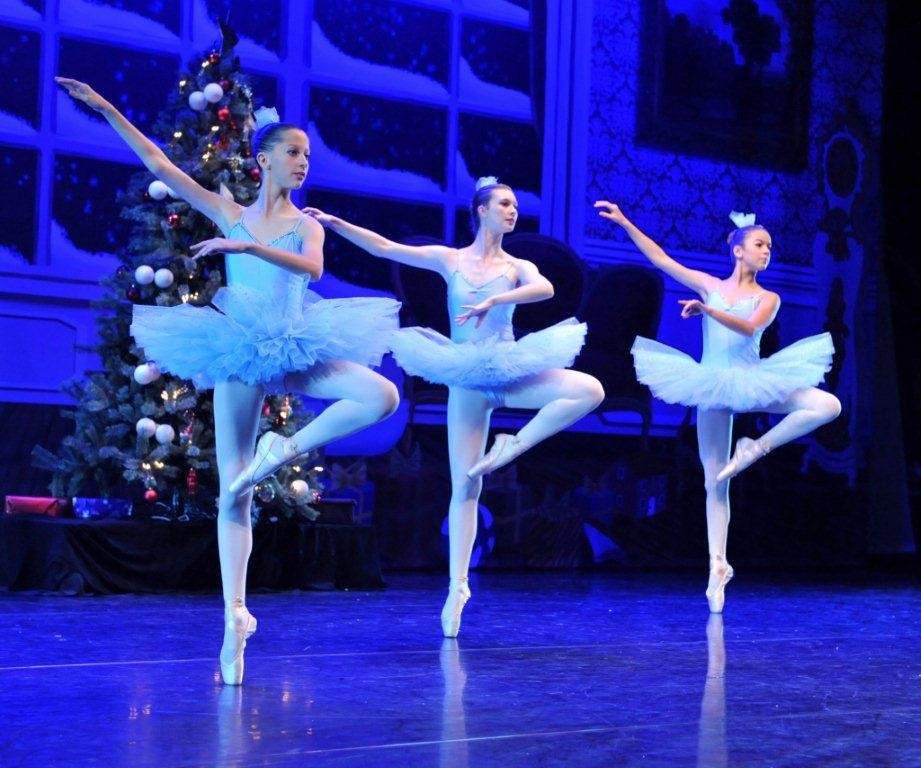
three ballerinas in same pose while on stage with Christmas decorations in the background

Participation in ISTD exams and competitions can be particularly transformative. These events are not just about assessment but celebration. They allow students to showcase their talents, receive valuable feedback, and experience the joy of performing in front of an audience. Such experiences are invaluable in building self-esteem and motivation, which are essential qualities not only in dance but in all areas of life.

The ISTD also opens doors to numerous opportunities, from scholarships and advanced training programs to potential career paths in teaching or professional dance. For many young dancers, these opportunities are the first steps towards fulfilling lifelong dreams in the world of dance, making ISTD an integral part of their growth and success.

Challenges and Adaptations

In its journey to uphold a high standard of dance education globally, ISTD faces several challenges, particularly in adapting to new teaching environments like digital and remote learning. The shift to online classes has required a rethinking of how dance can be taught effectively without the traditional, in-person studio setting. ISTD has responded by developing resources and guidelines that help teachers and students make the most of virtual classrooms, ensuring the continuity of education during times when meeting face-to-face is not possible.

Another significant challenge is addressing the diverse needs of students from different cultural and socio-economic backgrounds. ISTD is committed to making dance education as inclusive and accessible as possible. This means adapting syllabi to be more culturally sensitive and finding ways to lower barriers to entry for students who might not have easy access to traditional dance training facilities.

Choosing The Right School

The Ballet Centre Dubai is the ideal place for ISTD dance training, offering a nurturing environment where students can thrive under expert guidance. Their team of ISTD-certified instructors combines technical precision with a passion for teaching, ensuring every student receives personalized attention. With state-of-the-art facilities and a commitment to fostering creativity and discipline, the centre stands out as a beacon for dance education in the region. Whether your child is beginning their dance journey or aiming to refine their skills, the Ballet Centre provides an exceptional platform to learn and grow.

Conclusion

As ISTD continues to pave the way in standardized dance education for children, it remains a pillar in the dance community, nurturing skilled, confident, and well-rounded dancers. Whether you’re a teacher looking to enhance your qualifications, a student aspiring to develop your dance skills, or a parent considering dance classes for your child, ISTD offers a pathway to excellence in dance that is recognized and respected worldwide.

So why not take a closer look at what ISTD can do for you or your child’s dance journey? It might just be the step you need to take your passion for dance to the next level.

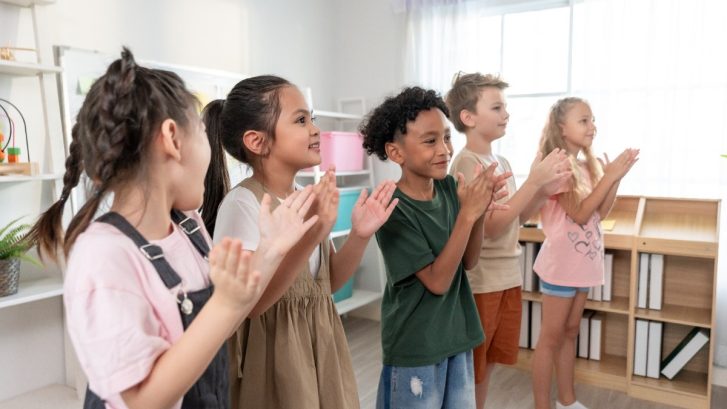
Children standing beside each other and clapping hands

Discover the Joy of Performing Arts for Your Child

Engaging children in performing arts is more than just an extracurricular activity—it’s a powerful tool that enhances their development across several key areas. Whether your child takes an interest in music, dance, or drama, the skills they gain extend far beyond the stage.

The Benefits of Performing Arts for Children

When children participate in performing arts, they experience significant cognitive growth. Activities like memorizing lines for a play or following dance routines improve memory and concentration. These artistic endeavors also encourage children to solve problems creatively, which is a skill they can apply in academic settings and everyday life. For instance, figuring out how to express a character’s emotions or move to a piece of music fosters an innovative way of thinking that is highly valued in all walks of life.

Emotional and social development is another critical area where performing arts make a significant impact. Participating in a play or a dance recital can do wonders for a child’s confidence. Standing up in front of an audience teaches them courage and resilience, while the applause they receive builds their self-esteem. Moreover, the performing arts are a communal activity. Children learn to collaborate with their peers, navigate social interactions, and develop friendships that often last beyond the stage. They learn empathy by stepping into another person’s shoes, literally and figuratively, which enriches their understanding of diverse human emotions and situations.

Physical development is also a key benefit, especially in dance and theatre. These activities require a range of movements that help children improve their physical coordination, balance, and flexibility. Regular practice also promotes general fitness and health, which is essential during the formative years of a child’s growth.

Choosing the Right Discipline

Exploring the various forms of performing arts is the first step in recognizing where your child might thrive. Dance, music, and drama each offer unique experiences and cater to different interests and abilities. For example, a child who enjoys storytelling and character play may find their niche in drama, while one who is always moving and grooving could be more suited to dance.

Assessing your child’s interests can be as simple as noting what they are drawn to during their free time. Do they enjoy banging on pots and pans, or do they often make up stories and roles for themselves and their toys? These observations can guide you towards understanding which performing art might engage them the most.

However, practical considerations also play a role. Not all programs are created equal, and factors such as cost, time commitment, and the proximity of classes can all influence your decision. It’s important to find a balance between nurturing your child’s artistic interests and managing other responsibilities and commitments.

Getting Started with Performing Arts

Once you have a sense of which performing art aligns with your child’s interests and your logistical needs, finding the right program is crucial. Look for schools that not only teach the skills but also foster a supportive and encouraging environment. Speak with instructors and other parents to get a feel for the community and ethos of the program. Are the teachers passionate and knowledgeable? Is there a focus on not just performance, but also on learning and enjoyment?

Starting at home is also a great way to cultivate an interest in the arts. Simple activities like playing music at home, creating DIY costumes, or setting up a mini stage for impromptu performances can spark an interest and build excitement around the arts.

Overcoming Challenges

One of the most common issues children face in performing arts is stage fright. The fear of performing in front of an audience can be daunting. It’s natural for a child to feel nervous about sharing their work with others, whether it’s their first recital or their tenth. Encouraging your child to express their feelings and fears without judgment allows them to confront these emotions rather than avoid them. Practicing performances in a safe and familiar environment can help alleviate some of this anxiety by making the unfamiliar, familiar.

Frustration is another challenge, especially when children struggle to master a particular skill or feel they aren’t keeping up with their peers. This is where the role of parents becomes crucial. It’s important to emphasize effort over perfection and to celebrate small victories along the way. Reminding your child that every artist progresses at their own pace helps maintain their motivation and keeps the focus on personal growth rather than comparison.

Peer pressure can also play a role in how children feel about participating in the arts, particularly as they grow older. Friends might influence their views on what activities are “cool” or worth their time. Here, parents can help by reinforcing the value of following one’s interests and passions, regardless of what others may think. Highlighting stories of successful people who overcame similar pressures can also provide a fresh perspective and encouragement.

The Role of Performing Arts in Overall Child Development

The impact of performing arts goes beyond the immediate skills learned. It plays a significant role in the overall development of a child, shaping them into well-rounded individuals. Through performing arts, children learn to communicate more effectively, not only through words but through non-verbal expressions as well. They develop a sense of rhythm and timing, which helps in all forms of communication.

Moreover, the arts provide a unique outlet for emotional expression. Children often struggle with how to express complex feelings, and performing arts give them a way to explore and express these emotions safely and constructively. Whether it’s through a dramatic character or a soulful dance, the arts can be a conduit for understanding and managing emotions.

The collaborative nature of most performing arts also teaches children about teamwork and respect for others. Working together towards a common goal, such as a theater production or a dance recital, fosters a sense of community and belonging. These experiences teach children how to listen, share ideas, and support their peers, which are invaluable life skills.

Supporting Your Child Through Challenges

Parents play a crucial role in helping children navigate the ups and downs of their artistic pursuits. Being actively involved, whether by attending rehearsals and performances or discussing their progress and setbacks, shows that you value their efforts and dedication. This support is a powerful motivator for children, reinforcing that their pursuits are worthwhile.

Another way to support your child is by creating a structured routine around their arts practice. Consistency helps build discipline, which is essential for artistic growth. However, it’s also important to ensure that this routine does not become burdensome. Balancing practice with free play and relaxation prevents burnout and keeps the joy in the artistic journey.

Finally, providing emotional support when things get tough is key. Listen to your child’s concerns and take them seriously. Help them strategize ways to overcome obstacles, whether they need more practice, different techniques, or just a break. Your involvement and encouragement can make a profound difference in their artistic journey and personal development.

The Role of Performing Arts in Overall Child Development

Performing arts play a critical role in nurturing well-rounded individuals. These activities help children develop crucial life skills, such as time management, responsibility, and the ability to work under pressure. As children engage in regular rehearsals and live performances, they learn to manage their time effectively, prioritize tasks, and perform well even in stressful situations—skills that are valuable in academic settings and future careers.

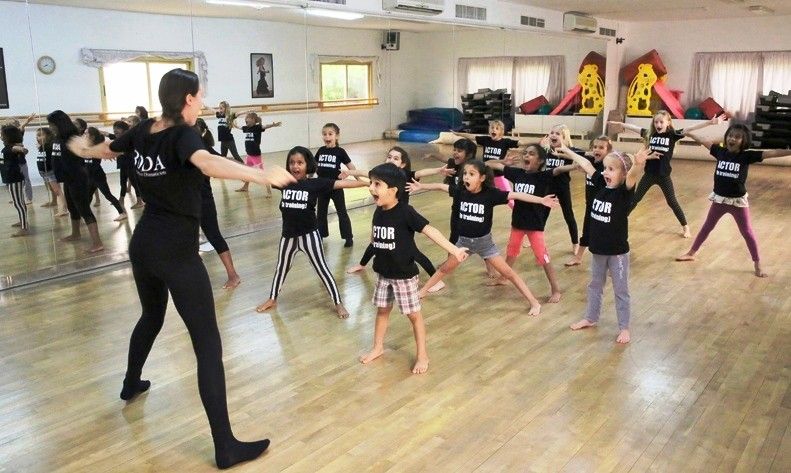
Teacher and toddlers in class as they mimmick what the teacher is doing

Moreover, the arts instill a deep sense of cultural appreciation. Children exposed to different types of music, dance, and drama gain an understanding of and respect for diverse cultures and traditions. This broadened worldview can inspire creativity and innovation, and foster a lifelong appreciation for the arts and humanities.

Conclusion

Performing arts offer a multifaceted benefit to children, aiding their development in emotional, social, and cognitive realms. By participating in these activities, children not only enhance their artistic skills but also cultivate important personal qualities and life skills.

If your child shows any interest in the arts, why not explore local performing arts schools like the Ballet Centre Dubai or community programs? It could be the first step in a rewarding journey that contributes significantly to their growth and development. Dive in, and watch them flourish in ways you might never have anticipated!

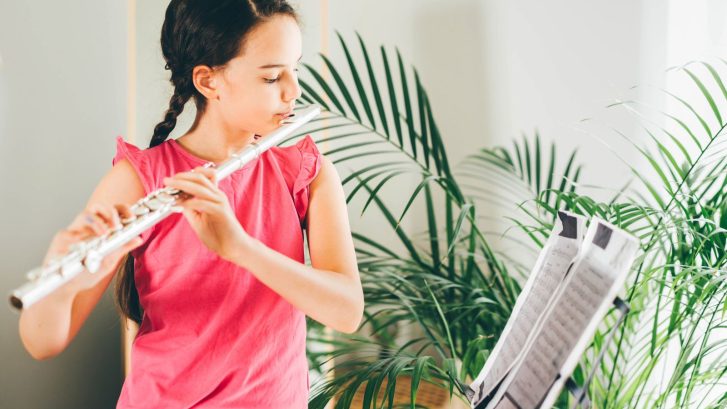
Young girl playing flute while reading music sheet

The Flute: A Gateway to Your Child’s Musical Journey

Introducing your child to the world of music through the flute can be a rewarding decision that impacts their development in profound ways. The flute, with its melodious tones and historical significance, is not just an instrument but a tool that can help shape your child’s cognitive, emotional, and social abilities.

The Benefits of Learning the Flute

When children begin to play the flute, they’re not just learning to make music; they’re embarking on a journey that enhances their cognitive development. The act of reading music sheets transforms into a complex exercise in memory and concentration as they must remember various note positions and fingerings while also processing rhythmic timing and pitch variations. This musical multitasking effectively exercises the brain, leading to improved overall mental function.

Moreover, playing the flute can be a significant emotional outlet. The soft, soothing sounds produced can serve as a form of emotional expression, providing children with a way to communicate feelings they might not yet have the words for. This emotional fluency can be a great source of comfort and a healthy way to manage feelings of stress or sadness.

Socially, the flute opens up numerous doors for engaging with others. Whether it’s joining a school band, a community orchestra, or just participating in group classes, children gain opportunities to meet and collaborate with peers who share similar interests. This interaction helps nurture essential social skills like teamwork, communication, and empathy, as they work together to create harmonious music.

Choosing the Right Flute for Your Child

Selecting the appropriate flute is crucial in ensuring that your child’s musical experience is both enjoyable and conducive to learning. Flutes come in various sizes and types, each suitable for different age groups and levels of proficiency. For younger children, a lightweight flute with curved head joints can make playing easier and more comfortable, reducing strain on their developing bodies.

Materials also play a significant role in selecting a flute. Options range from durable nickel silver flutes for beginners, which are easier to handle and maintain, to more advanced silver flutes that produce a richer sound but require more careful handling. When considering a flute, think about your child’s commitment level and your budget, as these factors will guide you in choosing an instrument that’s a good fit for both your child’s needs and your financial considerations.

Getting Started with Flute Lessons

Once the perfect flute has been chosen, the next step is finding a suitable teacher. A good teacher does more than instruct; they inspire and adapt their teaching methods to fit the individual learning style of each student. Look for teachers with experience teaching young students and a gentle, encouraging teaching style that aligns with your child’s personality and musical goals.

Setting up a practice routine is also essential. Regular practice is key to progression but it’s important to keep the routine flexible and fun. Encourage your child by setting realistic practice times and celebrating small achievements along the way. This not only helps in building their skills but also their confidence and enjoyment of playing.

Overcoming Common Challenges

Learning to play the flute comes with its own set of challenges, particularly for younger students. The physical aspects of playing, such as mastering the correct finger placement, breath control, and maintaining the right posture, can be demanding. It’s normal for children to feel a bit overwhelmed at first as they coordinate their fingers, breathe, and read music simultaneously.

To help your child overcome these physical hurdles, it’s crucial to ensure they have access to a properly sized flute. A flute that is too large or too heavy can make learning difficult and uncomfortable. Encourage them to take frequent breaks during practice sessions to prevent fatigue and frustration. Also, investing in a few lessons focusing solely on posture and breathing techniques can provide a solid foundation that makes the other aspects of playing much easier to manage.

Motivation is another common challenge. It’s natural for enthusiasm to wane, especially when progress seems slow. To keep your child motivated, set small, achievable goals that lead to a sense of accomplishment. Celebrate these milestones, no matter how small, with a special treat or a day off from practice. Additionally, incorporating a variety of music genres that they enjoy can keep the practice sessions fresh and exciting. Listening to accomplished flutists or attending live music performances can also reignite their passion and provide a burst of inspiration.

The Role of Parents in the Musical Journey

As a parent, your role in your child’s musical journey is pivotal. Your support and encouragement can make a significant difference in their musical education. Show genuine interest in their progress by attending their recitals and practice sessions. Listening to them play and providing positive feedback is crucial, even if you’re not musically inclined yourself.

Being involved doesn’t mean you need to hover over every practice session, but being present at key moments to celebrate their progress or to comfort them when they’re struggling can help them persevere. Remember, the goal is to help your child build confidence and independence through their musical journey, so offering support without imposing too much pressure is key.

Encourage other family members to get involved as well by having them attend recitals or performances. Creating a family environment that values music can further inspire your child and make them feel proud of their achievements.

Making Flute Practice Fun and Engaging

Keeping flute practice enjoyable and engaging is essential for sustaining interest and commitment. Consider integrating technology, like apps and online tutorials, that make learning interactive and fun. These tools often use games and challenges that can help sharpen skills in a playful and engaging way.

Another approach is to let your child have a say in the music they play. While classical music is a significant part of flute learning, introducing them to contemporary songs or movie soundtracks can diversify their practice sessions and keep them engaged. Occasionally, let them choose a piece to learn; this gives them a personal stake in their practice and makes the process more rewarding.

Group lessons or ensembles are also fantastic for making music socially enjoyable. Playing with others not only improves musical skills but also enhances social skills. It introduces an element of teamwork and gives them an opportunity to connect with peers who share their interests.

Support and Encouragement from Parents

Your involvement in your child’s flute journey is more than just logistical; it’s emotional. Kids often look to their parents for cues on how to react to new challenges. If you show excitement and positivity about their progress and efforts, it reinforces their own desire to continue and improve. Make it a point to listen to them practice occasionally without giving criticism, showing that you value their effort over perfection.

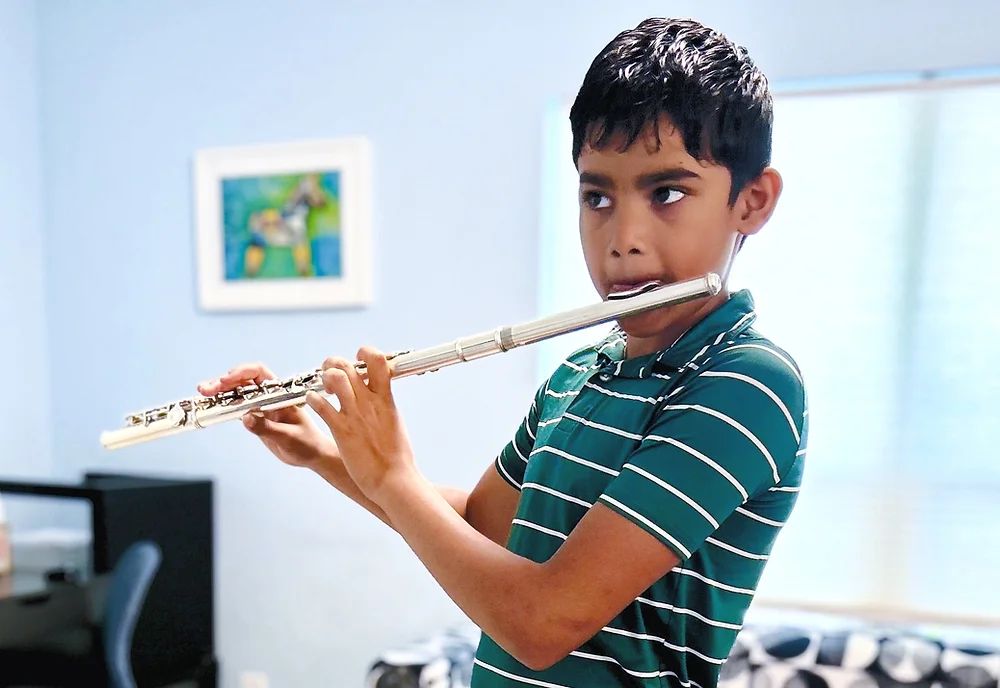
Young boy playing flute while focusing on reading music sheet

Creating a musical atmosphere at home can also be very beneficial. Play a variety of music, not just flute music, to foster an appreciation for different genres and instruments. This broader musical exposure can enhance your child’s understanding and enthusiasm for music as a whole.

Practical Parental Involvement

Besides emotional support, practical involvement is also crucial. Help your child keep track of practice times and ensure they have a quiet, comfortable place to practice. You might also need to coordinate with music teachers and stay on top of their music-related events. Taking an active role in managing the logistical aspects of your child’s musical education can help them focus more on the joy of playing and less on the stresses of scheduling and preparation.

Why the Ballet Centre Dubai Is Perfect for Young Flutists

At the Ballet Centre Dubai, children are not just learning to play the flute—they’re stepping into a nurturing environment designed to inspire creativity and foster growth. With experienced instructors who specialize in teaching young musicians, the Centre combines technical expertise with a fun and engaging approach.

The focus isn’t just on playing notes but on developing a deeper appreciation for music, building confidence, and encouraging self-expression. Whether your child is a beginner or looking to refine their skills, the Ballet Centre provides a supportive space equipped with resources to help them thrive musically and personally.

Conclusion

The flute can be a wonderful entry point into the world of music for your child, providing not just skills in music but also enhancing personal growth and development in many subtle ways. From cognitive benefits to emotional and social growth, the skills gained through this journey extend far beyond the music room.

So why not explore flute lessons for your child? It’s a chance to ignite a lifelong passion for music and give them the tools to express themselves in unique and fulfilling ways. Plus, it’s an opportunity for you to bond with your child over shared musical experiences. Let’s make music a valuable part of their world, contact us today.

A child sitting in front of a keyboard smiling while holding a certificate

The Magic of Singing Lessons for Children

Music education holds a unique position in child development, offering more than just an artistic outlet; it fosters various skills that can benefit children throughout their lives. Singing lessons, in particular, play a significant role in this developmental journey. They’re not just about learning to carry a tune; they can enhance a child’s cognitive, emotional, and social abilities. Let’s explore why incorporating singing lessons into your child’s routine can be a wise decision, starting from the basics to their broader benefits.

Understanding the Basics of Singing Lessons for Children

Singing lessons might conjure images of vocal scales and children singing folk songs, but they encompass much more. These lessons introduce children to the basics of music, including rhythm, pitch, and melody, and help them apply these elements through their voices. While children can start learning music at any age, singing lessons are particularly impactful when started early. Most educators suggest that children can begin formal singing training around the age of six or seven, which coincides with their developing cognitive abilities and increased ability to follow instructions.

A typical singing lesson includes a variety of activities designed to engage and challenge young learners. It usually starts with vocal warm-ups, which are crucial for protecting the voice and enhancing vocal range. Next, vocal exercises help in developing pitch accuracy, breath control, and sound projection. Finally, applying these skills to songs allows children to practice what they’ve learned in a fun and enjoyable way. This structured approach ensures that each lesson builds on the previous one, fostering a gradual and sustained learning process.

Cognitive Benefits of Singing Lessons

Beyond the music sheet, singing lessons can significantly impact a child’s cognitive development. Engaging with music has been shown to enhance memory skills. A child remembering lyrics and melodies exercises their short-term and long-term memory, akin to how puzzle-solving does. Moreover, singing can improve language skills. Learning songs increases vocabulary and understanding of language structures, which translates into better reading abilities and more effective communication.

Furthermore, singing nurtures creativity. Children interpret songs, express them in their unique way, and even improvise. This creative engagement boosts their ability to think outside the box and come up with original ideas. By engaging different parts of the brain, singing helps children develop complex problem-solving skills early in life.

Emotional and Social Advantages

The emotional benefits of singing are as significant as the cognitive ones. For many children, singing serves as a natural outlet for expressing feelings. This emotional release is crucial for mental health and developing a sense of identity. Regular singing lessons can also boost a child’s confidence. As they master new songs and improve their vocal skills, their self-esteem grows. This confidence can spill over into other areas of their lives, making them more willing to take risks and try new activities.

Moreover, singing has a communal aspect; it often involves group activities like choirs or performances. Participating in these groups teaches children valuable social skills such as cooperation, listening, and sharing. They learn to work as a team and appreciate the contributions of others, which are essential skills in both school settings and later life. The supportive atmosphere of singing classes also helps children form friendships based on shared interests, providing them with a sense of belonging and community.

Physical Health Benefits

Singing is physically demanding. It’s an engaging activity that exercises major muscle groups in the upper body, including the lungs, diaphragm, and posture-supporting muscles. Proper singing techniques require deep breaths and controlled exhalation, which improves lung capacity and oxygenation of the blood. This isn’t just good for singing; it benefits overall health and can even improve athletic performance.

Good posture is another physical benefit of regular singing lessons. Children learn to stand or sit straight with aligned shoulders, which is crucial as they grow. Maintaining good posture not only helps with singing but can also prevent common problems like back pain later in life. Moreover, the deep breathing involved in singing helps reduce stress. It’s a natural relaxant, so children who sing regularly might find themselves feeling calmer and more collected, even in stressful situations.

Long-Term Impact of Singing Lessons

Investing in singing lessons can have lasting benefits for a child’s development. First, it cultivates a lifelong love for music. Children who take singing lessons often continue to engage with music, whether as a hobby or professionally, throughout their lives. This ongoing engagement can enhance their quality of life and provide a continuous source of joy and fulfillment.

Furthermore, singing lessons can open doors to further musical education and career opportunities. Skills developed during these early lessons can be foundational for children who later want to pursue music in a more serious capacity, whether in performance or education. But the benefits of singing lessons aren’t just about music. They also foster life skills such as discipline and patience. Learning to sing well requires regular practice and perseverance, qualities that are applicable in every area of life.

Moreover, the self-discipline and focus needed to learn and perform music can translate into better performance in school. Studies have shown that children who are involved in music education often do better academically. This could be due to the enhanced memory and concentration skills that music training promotes.

Choosing the Right Singing Lessons for Your Child

Finding the right singing teacher or music school is crucial. It’s important to look for a program that not only teaches singing techniques but also fosters a love of music. A good teacher should be able to connect with children and make the learning process enjoyable and rewarding. They should offer encouragement and constructive feedback, helping students overcome challenges and celebrate their achievements.

When selecting a singing program, consider your child’s personality and interests. Some children might thrive in a structured, traditional learning environment, while others might do better with a more playful, flexible approach. Additionally, consider the logistical aspects such as location, class size, and schedule to ensure that the lessons fit well with your family’s routine.

Development of Lifelong Skills

Through singing lessons, children gain more than just the ability to sing beautifully; they develop skills that serve them for life. Discipline, focus, and patience learned from mastering musical pieces become ingrained traits that benefit children in all areas of their lives. Additionally, these lessons foster emotional intelligence. Being able to express and manage their feelings through music helps children handle social situations and personal challenges with greater ease.

Music education also encourages children to pursue excellence, teaching them that progress is the result of consistent effort and dedication. This understanding helps cultivate a resilience that can help them navigate the ups and downs of life. As children grow and continue their music education, these values become integral parts of their character, often reflecting in their academic and personal achievements.

Pathways to Further Opportunities

For children captivated by their musical pursuits, singing lessons can be the first step toward a vibrant future in music.

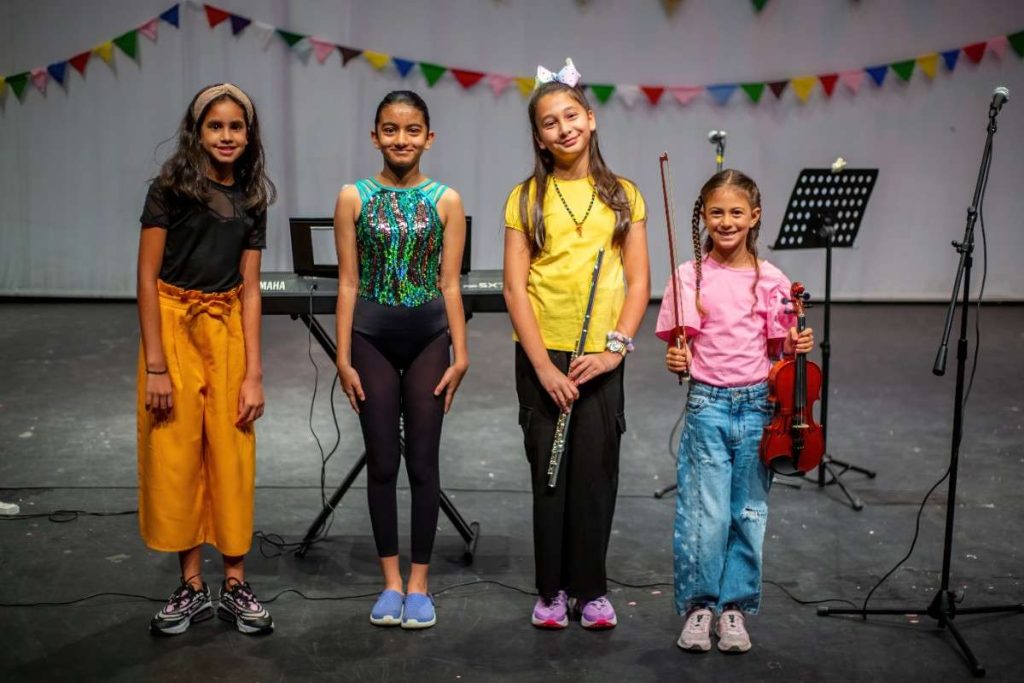
4 young girls smiling with two of them holding musical instruments

These early experiences can spark a passion that leads to advanced studies in music, potentially culminating in professional opportunities in performing, teaching, or even music therapy. The skills gained from singing are versatile and can open doors in many sectors where communication and presentation are key.

Supporting Your Child’s Musical Journey

As a parent, your role in your child’s musical journey is crucial. Choose a program or teacher that aligns with your child’s personality and learning style. Look for positive, nurturing environments that encourage growth and creativity. It’s also important to be actively involved — attending recitals, providing emotional support during practice, and celebrating milestones, no matter how small.

Encouraging regular practice and setting up a supportive practice environment at home can significantly impact your child’s enthusiasm and success in music. Whether it’s dedicating a quiet corner for practice or investing in quality instruments, every little bit helps in making the musical journey enjoyable and fulfilling.

Conclusion

Singing lessons offer much more than an artistic skill—they are a gateway to personal development and lifelong joy. They equip children with essential life skills, boost their academic abilities, and provide a creative outlet to express themselves. If you’re considering enriching your child’s life with music, singing lessons are a wonderful place to start. So why not look into local music schools like the Ballet Centre Dubai or private instructors today? Your child’s musical journey is just waiting to begin, and who knows? It might be the start of something truly special.

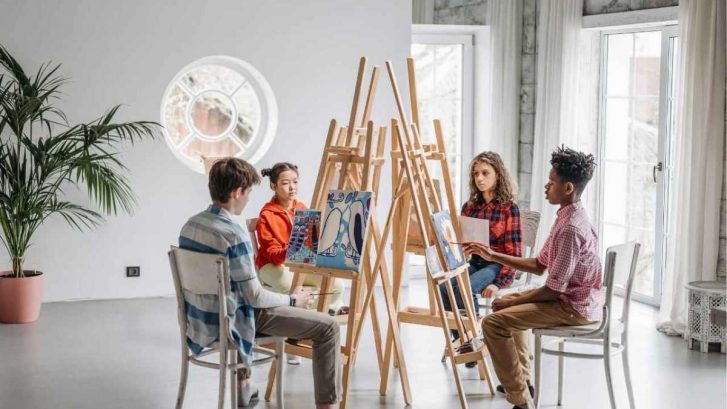
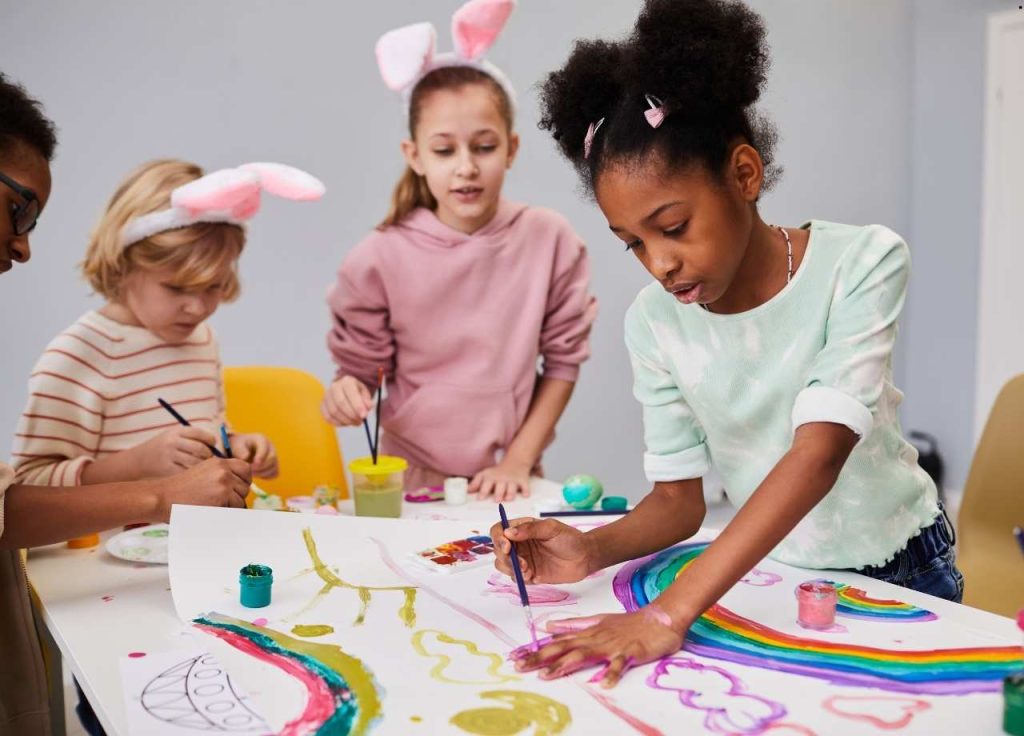
A group of children sitting in front of paintings and painting

Arts and Crafts: Fun and Skill-Building for Kids

Arts and crafts are more than just time fillers for children. They play a significant role in helping kids develop a range of skills that benefit them not only in school but also in life. Whether it’s a toddler sticking shapes onto paper or a preteen building a model airplane, these activities are key to cognitive, physical, and emotional growth. Here’s why they matter so much.

The Benefits of Arts and Crafts for Kids

Cognitive Development

At first glance, a child painting might just seem like a fun activity to pass the afternoon. But look deeper and you’ll see a child making decisions about which colors to choose, figuring out how to solve the problem of a brush that won’t quite reach into a tiny corner, and planning out their work steps. Arts and crafts boost creativity, offering kids a chance to express themselves and think outside the box. These activities require them to recall shapes and colors, processes which enhance memory skills. They also teach children to focus on a task for an extended period, improving their attention to detail and ability to concentrate.

Moreover, when a child engages in crafting, they’re learning to interpret and follow instructions, which are essential skills in any educational or work setting. This not only helps with understanding complex ideas but also with executing tasks effectively. The act of transforming materials into art or a craft project provides a unique sense of accomplishment, boosting their confidence and willingness to tackle new challenges.

Physical Skills

It’s easy to overlook the physical benefits of arts and crafts. However, these activities are instrumental in developing fine motor skills. As children manipulate paper, scissors, and glue, they refine their dexterity and hand-eye coordination. These are the same skills needed for handwriting, tying shoes, and other essential activities.

Crafts often involve a variety of movements such as cutting, drawing, painting, and assembling, which are all excellent for enhancing fine motor prowess. For younger children, these activities are crucial as they learn to control their hand movements and gain strength in their hands and fingers. The repetitive actions involved in crafting, like cutting along lines or assembling beads, reinforce muscle memory, which is fundamental in developing steady and controlled motions.

Emotional and Social Growth

Crafting can be a peaceful, therapeutic activity that allows children to relax and express their feelings through their creations. This emotional exploration is significant as it can help children manage their emotions and cope with different situations. Participating in arts and crafts can also reduce anxiety and promote a sense of calmness.

Moreover, when children work on crafts together, they’re learning valuable social skills. They learn to share resources, take turns, and collaborate on ideas. These interactions foster teamwork and communication skills, which are crucial for their overall social development. By working with others, children learn about respecting different viewpoints and solving conflicts constructively. This shared creativity also strengthens friendships and builds a sense of community among peers.

Age-Appropriate Arts and Crafts Ideas

Crafting projects can and should be tailored to match the developmental stages of children. What works for a toddler won’t necessarily hold the attention of a ten-year-old, nor will it challenge them appropriately. Here’s a breakdown of arts and crafts activities suited for different age groups.

Toddlers (Ages 1-3)

At this stage, children are just beginning to explore their world. Activities for toddlers should focus on simplicity and sensory experiences. Think about projects that let them mess around with large pieces they can easily grasp with their little hands. Using safe, non-toxic materials like large crayons, finger paints, and water-soluble markers are great options. These activities help toddlers develop their color recognition skills and allow them to experience textures. Simple crafts like sticking colorful paper onto pre-drawn shapes can also be very engaging. They help toddlers practice their hand-eye coordination while they learn about different shapes and colors.

Preschoolers (Ages 4-5)

Preschoolers are a bundle of energy and curiosity. They can handle slightly more complex tasks than toddlers. This age is perfect for introducing crafts that involve more steps and require more precision, which aids in refining their fine motor skills. Activities like stringing beads, cutting out shapes with safety scissors, and assembling basic puzzles fit well. These crafts help them learn to follow directions and understand sequences, which are foundational for mathematical thinking and reading skills.

Creating simple gifts or crafts that can be used in play, like masks or hand puppets, gives them a product they can use, which boosts their sense of achievement and pride in their work. Additionally, using crafts to introduce and reinforce academic concepts such as numbers, letters, and simple words can make learning these new ideas more engaging and less intimidating.

School-Age Children (Ages 6-12)

Children in this age group are capable of handling projects that involve multi-step processes and that challenge their problem-solving skills. They can start to work with more diverse materials like clay, fabric, or more advanced craft kits. Projects like building model kits, sewing simple patterns, or even more complex paper mache sculptures are ideal. These activities not only foster creativity and concentration but also encourage perseverance and patience as they work through more challenging projects.

Crafts at this stage can also become more interdisciplinary, incorporating concepts from science, technology, engineering, and math (STEM), such as building a simple robot from a kit or creating a small garden. These projects help children understand how things work and see the practical applications of the concepts they learn at school.

Tips for Setting Up a Crafting Space at Home

Having a designated area at home for arts and crafts can significantly enhance a child’s interest and engagement in creating. It doesn’t need to be large—a corner of a room or a small table will suffice. The key is to make it accessible, inviting, and organized.

Creating a Designated Craft Area

First, ensure the space is safe and kid-friendly. Avoid sharp tools within easy reach and ensure all materials are non-toxic. Setting up the area at their height, with easy-to-reach supplies, allows them the freedom to create whenever the mood strikes, fostering independence in their crafting adventures.

Essential Tools and Materials

Stock the area with basic supplies like scissors, glue, markers, colored paper, and clay. Keep these materials organized in clearly labeled bins or drawers. This organization not only makes it easier to find what they need but also helps teach children to put things away after they’re done. Adding a variety of materials over time keeps them interested and excited about new possibilities.

Keeping the Space Organized and Safe

It’s important to keep the crafting area tidy and structured. Regular checks to remove dried-out markers or empty glue bottles help maintain the usability of the space. Also, providing a place for everything and encouraging children to clean up after each crafting session promotes responsibility and care for their environment.

How to Make Arts and Crafts an Enjoyable Routine

Integrating arts and crafts into daily life can be a wonderful way to enrich your child’s everyday routine. It encourages creativity and gives them a regular outlet for expression. Here are some ways to make arts and crafts a staple part of your child’s life, keeping it fun and engaging for everyone involved.

Incorporating Arts and Crafts into the Daily Routine

The key is to make arts and crafts as routine as mealtime or bedtime. This could be setting aside time after school or after dinner for a little creative work.

children painting on white papers

It doesn’t have to be long; even 20 minutes will suffice. The regularity of the activity helps children look forward to it and builds it as a habit, not just an occasional pastime.

Ideas for Seasonal and Holiday-Themed Projects

To keep the momentum going and to inject some excitement into the craft sessions, plan for seasonal crafts. For example, making ornaments or greeting cards during the holiday season, or decorating pumpkins in the fall. This not only ties the crafts into something tangible they see around them but also helps children understand and connect with the cultural significance of various celebrations.

Tips for Engaging Reluctant Crafters

Some children might not jump at the chance to sit down and make things. For these kids, it’s important to find out what they are interested in. Perhaps they like dinosaurs, cars, or fairies. Use these interests as a springboard for crafting projects. You can also rotate the types of activities you do, mixing in painting, building, or even outdoor nature crafts, to keep things interesting and cover a broader range of interests and skills.

Making arts and crafts enjoyable for every child means being patient and letting them explore at their own pace. If a project doesn’t hold their interest, it’s okay to switch it up. The goal is to make the process enjoyable, not just the end product.

Arts & Crafts At The Ballet Centre

For parents looking to nurture their child’s creativity, The Ballet Centre Dubai offers an exceptional environment to explore arts and crafts. With programs specifically designed for kids of all ages, the center provides a structured yet inspiring space for children to experiment with different materials and techniques. Their experienced instructors not only guide children in crafting but also encourage self-expression, problem-solving, and collaboration.

Conclusion

Arts and crafts are more than just a way to pass the time; they are a vital part of developing a well-rounded, creative, and capable young person. By weaving these activities into your child’s daily life, you’re not only giving them the tools to explore their creativity but also helping them develop a multitude of skills that will benefit them across all areas of life. So, grab some glue, pick up some paper, and get crafting! Your child’s next masterpiece could be just a craft session away.

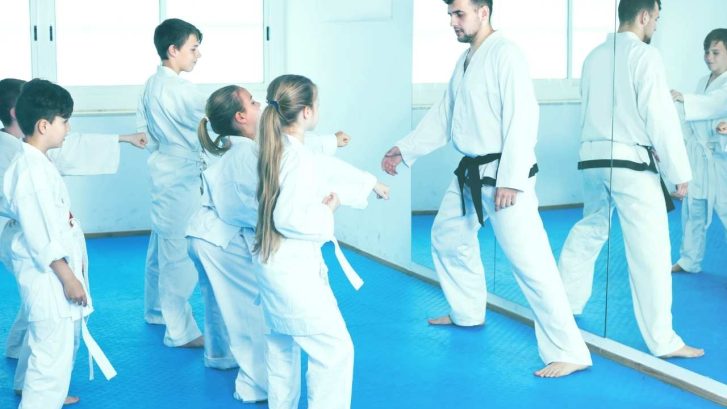
Kids i martial arts class wearing martial arts kit

Taekwondo: A Fun Way to Learn Life Skills for Children

Taekwondo is more than just a martial art—it’s a gateway for kids to learn crucial life skills while having fun. Originating in Korea, Taekwondo has grown to become one of the most popular martial arts worldwide. For young learners, it offers a unique mix of physical activity, mental discipline, and social interaction, making it an excellent addition to any child’s routine.

The Essence of Taekwondo

At its heart, Taekwondo is built on five key tenets: courtesy, integrity, perseverance, self-control, and indomitable spirit. These aren’t just words; they guide the behavior and development of students. Courtesy teaches children to be polite and respectful, a skill that translates into better behavior at home and in school. Integrity shapes them into honest individuals, instilling a sense of right and wrong. Perseverance shows them the value of hard work and persistence, qualities that are essential in overcoming academic challenges. Self-control helps them manage their emotions, leading to better decision-making. Finally, the indomitable spirit encourages them to face difficulties with bravery and confidence, preparing them for life’s ups and downs.

These principles are woven into the fabric of Taekwondo training, ensuring that children learn these life skills naturally as they practice. Each class becomes a lesson not just in martial arts, but in how to navigate the world with grace and determination.

Physical Benefits of Taekwondo for Children

The physical benefits of Taekwondo are immediately noticeable. Children develop improved coordination, stronger muscles, and better flexibility. These are important not only for general health but also for building a foundation in any physical activity they choose to pursue later in life. The movements in Taekwondo, from kicks to blocks, enhance children’s motor skills and body awareness, which are crucial during their developmental years.

Regular Taekwondo practice also boosts cardiovascular health, which is important for maintaining energy levels and preventing childhood obesity. Moreover, the discipline of learning sequences of movements, known as forms or poomsae, sharpens the mind, enhancing memory and focus. This mental discipline is invaluable in educational settings as it helps children concentrate better on their studies and remain attentive in class.

Taekwondo also provides a structured environment where children can channel their energy in a positive manner. In today’s fast-paced digital world, where distractions are just a screen away, having a dedicated time for physical exercise can help reduce hyperactivity and promote a more balanced daily routine. The goal-oriented nature of Taekwondo, with its system of belts and levels, motivates children to set and achieve goals, which is a rewarding experience that builds self-esteem and confidence.

Psychological Advantages

The psychological benefits of Taekwondo are as significant as the physical ones. As children learn to kick, block, and strike, they are also developing a strong sense of self-esteem. Achieving new skills and earning belts provides a real boost to their confidence, which is crucial during the formative years when self-image begins to take shape. This growing confidence can spill over into other areas of life, making them more willing to raise their hand in class or take on new challenges without fear of failure.

Additionally, Taekwondo offers an excellent way for kids to manage stress. The focus required in class helps clear the mind, providing a mental break from daily pressures and worries that even young children can face. The physical exertion itself is a natural stress reliever, releasing endorphins and reducing levels of the stress hormone cortisol. This is particularly beneficial in promoting a calm and positive outlook.

Another key psychological benefit is the development of resilience. Through Taekwondo, children learn that falling down is part of life—and more importantly, so is getting back up. Each class offers opportunities to learn from mistakes, whether they miss a kick or don’t perform a form perfectly. This teaches them persistence and resilience, helping them understand that setbacks are not failures but chances to learn and grow.

Social Skills Acquired through Taekwondo

Taekwondo classes are also a great social environment for children. They get to meet and interact with peers who have similar interests, which can lead to friendships built on healthy, shared activities. The nature of the training also promotes teamwork. Even though Taekwondo can be practiced individually, many schools incorporate group forms and sparring, which teach kids how to work together and support each other.

Respect is a fundamental element in Taekwondo. Children learn to bow to their instructors and fellow students, which fosters a sense of respect for authority and peers. This respect extends beyond the dojang as children learn to appreciate the efforts of others and become more empathetic in their interactions. The discipline they learn in Taekwondo—such as waiting their turn to perform or listening while others are speaking—is invaluable and often noticed by teachers and parents in other settings as well.

The structured environment of Taekwondo also helps children learn about boundaries and personal space. During training, they learn to recognize and respect the physical space of others, which is an important social skill. This awareness helps prevent inappropriate behavior and makes them more considerate in crowded or public spaces.

Taekwondo and Discipline

The discipline that Taekwondo instills is perhaps one of its most beneficial aspects. Regular attendance, listening to the instructor, and following class rules all reinforce children’s understanding of the need for discipline in life. This structured approach teaches them the importance of consistency and commitment, which can improve their academic performance and general behavior.

Children in Taekwondo must also learn to control their impulses. The martial art requires that they only use their skills in the dojang or as a last resort for self-defense, never in anger or as a means of bullying. This control over their actions is a critical life skill, especially as they grow and encounter more complex social situations.

Moreover, the self-discipline developed through Taekwondo encourages a non-procrastinatory lifestyle. Children learn to prepare their uniforms, keep track of their equipment, and be ready to train, which can translate into better organizational skills at home and in school. They learn the value of preparing for the day ahead and the consequences of not being prepared, which teaches responsibility and the importance of planning.

Safety and Self-Defense

One of the practical skills Taekwondo imparts is self-defense. It teaches children to defend themselves in a controlled and responsible manner. The techniques they learn, from basic blocks to more advanced evasive maneuvers, provide them with tools to protect themselves if necessary. Moreover, the confidence gained through mastering these skills often acts as a deterrent to potential bullies.

The instructors also emphasize the importance of using these skills judiciously. Children learn that their training is for defense, not aggression. This responsible approach to self-defense can help them feel more secure and less fearful in potentially threatening situations, knowing they have the capability to protect themselves.

Incorporating Fun in Learning

Taekwondo isn’t all serious and disciplined training. Instructors often incorporate games and fun activities that still teach the core skills of the martial art. These enjoyable aspects help keep children engaged and enthusiastic about attending classes. Competitions and demonstrations also add an exciting dimension to their training, giving them something to aim for and an opportunity to showcase their skills in a supportive environment.

Taekwondo isntructor holding kicking bag as 2 young male students stand in line to practise their kicks

These activities not only make learning fun but also enhance the children’s motivation. They see these events as opportunities to demonstrate their progress and receive recognition for their efforts, which is a powerful motivator. Additionally, it’s a chance for them to see advanced practitioners in action, which can inspire them to continue their practice and strive for higher levels.

Why The Ballet Centre Dubai is Your Ideal Taekwondo Dojang

Choosing the right place to practice Taekwondo can make all the difference, and The Ballet Centre Dubai stands out as the perfect choice. With experienced, certified instructors who specialize in teaching children, the center provides a supportive and nurturing environment where young learners can thrive. The focus isn’t just on mastering Taekwondo techniques but also on fostering discipline, respect, and confidence—the core values of this martial art.

Conclusion

Taekwondo offers much more than just a physical workout. It’s a comprehensive approach to developing young minds and bodies, encouraging discipline, respect, and perseverance among many other virtues. Whether your child is looking to boost their confidence, learn self-defense, or simply be part of a vibrant community, Taekwondo could be the perfect activity. Why not visit a local dojang together? It could be the start of an exciting and rewarding journey for them.

People sitting cross legged in yoga studio on yoga mats

How Yoga Restores Focus and Clarity

Yoga is often seen merely as physical exercise, but its benefits extend far beyond the mat—particularly when it comes to mental clarity and focus. By weaving together poses, breathing exercises, and meditation, yoga offers a powerful tool for clearing the mind and sharpening concentration. Let’s explore the science behind this and look at specific yoga practices that enhance mental focus.

The Science Behind Yoga and Mental Clarity

The relationship between yoga and improved cognitive functions is backed by growing scientific evidence. Engaging in yoga increases blood flow to the brain, which nourishes the cells with oxygen and nutrients, leading to improved cognitive functions. Moreover, yoga helps reduce cortisol levels, a hormone associated with stress. When cortisol levels drop, the mind is clearer, and we feel less overwhelmed, making it easier to focus.

Additionally, yoga influences several neurotransmitters that play a critical role in mood and stress management. For example, it boosts levels of gamma-aminobutyric acid (GABA), a neurotransmitter that helps control feelings of anxiety. Increased GABA levels are associated with a calmer mental state, which enhances the ability to focus. Serotonin, another neurotransmitter influenced by yoga, promotes feelings of well-being and happiness, further aiding focus and mental clarity.

Now, let’s dive into the specific yoga practices that are particularly effective for restoring focus and clarity.

Yoga Techniques that Enhance Focus

Asanas for Concentration

Certain yoga poses, or asanas, are particularly effective at enhancing mental concentration. For instance, balancing poses like the Tree Pose (Vrikshasana) and Eagle Pose (Garudasana) require you to concentrate on maintaining balance, which in turn trains your mind to focus on the task at hand and ignore distractions. These poses not only improve physical balance and stability but also encourage mental steadiness and focus.

Breathing Techniques to Clear the Mind

Pranayama, or breathing exercises, are another core element of yoga that can significantly enhance mental clarity. Techniques such as Nadi Shodhana, or alternate nostril breathing, are particularly effective. This practice involves alternating the breath through one nostril at a time, which can help harmonize the left and right hemispheres of the brain, leading to improved focus and cognitive functions. Controlled breathing exercises help regulate the nervous system, reducing stress and allowing the mind to focus more effectively.

Meditation and Its Direct Benefits on Focus

Incorporating meditation into your yoga practice can have profound effects on your ability to concentrate. Simple mindfulness meditation, where you focus on your breath or a particular object, helps train the brain to maintain focus without succumbing to distractions. Regular meditation not only improves your immediate concentration but also enhances your brain’s capacity to stay focused in the long term.

These techniques, when practiced regularly, can significantly clear the mind and improve your ability to focus in all areas of life. Integrating these practices into your daily routine, whether in the morning to set the right tone for the day or during short breaks to recalibrate your mental focus, can provide lasting benefits.

Integrating Yoga into Daily Life for Improved Mental Focus

Morning Routines

Starting your day with yoga can set a positive tone for the hours ahead. Even a short session of 10 to 15 minutes can help center your thoughts and prepare your mind for the day’s tasks. You could include a mix of gentle stretches, a few rounds of sun salutations to awaken the body, and some deep breathing exercises to oxygenate the brain and clear out any morning sluggishness. This morning practice not only wakes up the body physically but also gets the mental gears running smoothly, helping you tackle your work with better focus.

Yoga Breaks at Work

For those who spend long hours at a desk, incorporating yoga into your workday can help maintain and even boost your focus. Mid-morning or after lunch, when fatigue typically sets in, try stepping away from your desk for a five to ten-minute yoga break. This could involve simple wrist and neck stretches that can be done sitting at your desk or a more involved set of standing poses like the Warrior series or Chair Pose to reinvigorate the body and sharpen the mind. These short sessions can be incredibly effective at resetting your mental state and improving concentration.

Evening Wind-Down

Ending your day with yoga can ensure a good night’s sleep, which is crucial for mental clarity the following day. A calming practice like Yin yoga, which involves holding poses for longer periods, can help release the tension of the day and quiet the mind. Incorporating breathing exercises like Brahmari Pranayama (Bee Breath) or guided meditation can also aid in transitioning to a restful state. This not only helps in winding down from the day but sets the stage for a productive tomorrow.

Overcoming Common Challenges in Practicing Yoga for Focus

While the benefits of integrating yoga into your daily routine are clear, several challenges can impede consistency. Here’s how to navigate some of these obstacles:

People in yoga class sitting with legs crossed and meditating

Time Constraints

One of the most common barriers is the feeling of not having enough time. To overcome this, consider integrating yoga into the activities you’re already doing. For example, practice breathing techniques during your commute or do a couple of simple stretches during your coffee break. Remember, even short bursts of yoga can be beneficial, so don’t worry if you can’t fit in a full session every day.

Distractions

In our busy lives, distractions are everywhere. Whether it’s noise from the outside world or the digital notifications that constantly vie for our attention, it can be tough to find a quiet moment for yoga. To help manage this, try to create a dedicated space for your practice. This doesn’t have to be an entire room; a small, designated corner of your home or office can also serve as your yoga zone. Equip this space with just a few essentials like a mat and maybe a scented candle or a picture that calms you, making it inviting and distraction-free.

Maintaining Routine

Building a new habit takes effort and the initial enthusiasm for yoga might wane over time. To stay motivated, set realistic goals and track your progress. Joining a yoga class or practicing with a friend can also help keep you accountable. Additionally, mixing up your routine occasionally can keep the practice fresh and exciting. Try different styles of yoga or new instructors to keep your engagement high.

Adapting Yoga to Your Needs

Yoga is highly adaptable. Whether you’re dealing with physical limitations or you find certain practices too challenging, there’s always a version of yoga that can suit your needs. Don’t hesitate to modify poses or use props like blocks or straps to help you maintain alignment without strain. Yoga is personal, and tailoring it to your needs will make your practice more enjoyable and effective.

By addressing these common challenges, you can make yoga a sustainable and rewarding part of your life. This not only enhances your mental focus and clarity but also contributes to your overall wellbeing. Remember, the key is not perfection but persistence. Keep at it, and you’ll likely notice profound changes not just in your work, but in all areas of your life.

Yoga At The Ballet Centre

For those looking to take their yoga practice to the next level, The Ballet Centre Dubai offers the perfect environment to deepen your journey. Known for its serene ambiance and professional instructors, this center provides yoga sessions tailored to suit all levels. Their holistic approach focuses on blending physical postures, breathwork, and mindfulness, ensuring a well-rounded experience that nurtures both body and mind. With a supportive community and state-of-the-art facilities, The Ballet Centre Dubai stands out as a sanctuary for anyone seeking focus, clarity, and rejuvenation through yoga.

Conclusion

Regular yoga practice is a proven way to enhance mental clarity and focus. It’s not just about doing yoga; it’s about living yoga by integrating its principles of mindfulness and balance into every part of your day. Whether you’re a seasoned yogi or just starting out, remember that each pose and each breath is a step towards a clearer, more focused mind.

Why not roll out your mat today, even if just for five minutes? See what changes when you give your brain a little extra care with yoga.

guitar classes

How Guitar Lessons Spark Kids’ Love for Music

Music and children go together like rhythm and beats. Introducing kids to music through guitar lessons can be a doorway to not only learning an instrument but also developing a profound love for musical expression. The guitar, with its appealing sound and hands-on playability, often emerges as a favorite among young learners. Its strings offer a tangible way for kids to feel the music they’re creating, making the experience both fun and educational.

The Psychological Benefits of Learning Guitar

When a child picks up a guitar, the benefits extend far beyond just learning to strum a tune. The process of engaging with music through a guitar can significantly boost cognitive functions. For instance, as they learn to read music and translate it into hand movements, they are enhancing their memory and concentration skills. This mental exercise can improve their ability to focus in other academic areas as well.

Learning an instrument like the guitar also offers children a unique way to express their emotions. It can be a healthy outlet for releasing the joys or frustrations of their day. As they progress and start playing songs they love or creating their own music, they gain a sense of accomplishment. This boost to their self-esteem can be particularly impactful during the formative years, where every small success builds their confidence.

Educational Advantages of Guitar Lessons

Incorporating guitar lessons into a child’s life also brings educational advantages that touch on various aspects of learning. The first, and perhaps most obvious, is gaining a grounding in music theory. Understanding the basics of notes, chords, and scales is akin to learning a new language—a musical one that enhances intellectual development.

Rhythmic skills are another crucial benefit. Playing the guitar requires a good sense of timing and coordination, skills that are transferable to many other areas of life and learning. Furthermore, exploring different genres and styles of music through guitar playing can broaden a child’s historical and cultural knowledge. From classical to rock, each style offers its own history and influences, providing a rich educational tapestry.

Social Impacts of Guitar Playing

Learning to play the guitar doesn’t just nurture a child’s individual skills; it also opens up a world of social opportunities. For young musicians, playing in a group, whether it’s a school band, a local music group, or simply jamming with friends, helps them understand the value of teamwork. This group interaction can enhance their ability to communicate and cooperate with others. It’s about taking turns, listening to each other, and blending their sounds harmoniously. These are valuable life lessons in understanding and respecting others’ contributions.

Moreover, regular guitar lessons and practice sessions offer a structured setting for receiving and giving feedback. Learning how to handle constructive criticism is an essential social skill, and it’s one that music lessons teach subtly and effectively. Kids learn to take advice from their instructors and peers, use it to improve their skills, and also offer their own feedback in a supportive manner. This not only helps them improve as musicians but also teaches them the importance of constructive communication.

Building a musical community is another significant benefit. As children attend lessons and meet other music enthusiasts, they form connections that can last a lifetime. These connections are often based on a shared passion for music and can provide emotional and social support, enriching their lives beyond just the musical aspect.

The Role of Parents and Educators

Parents and educators play a crucial role in a child’s musical journey, especially when it comes to learning an instrument like the guitar. One of the first steps is choosing the right instrument. The size and type of guitar can make a significant difference in how comfortably a child can learn to play. Similarly, finding the right teacher who can connect with the child and understand their unique learning needs is vital. A good match can ignite a child’s passion for music, while a poor match might dampen their enthusiasm.

Creating a supportive environment is also key. This means encouraging regular practice without making it a chore. Parents can help by setting up a consistent schedule and space for practice, free from distractions and conducive to learning. It’s important for parents to show interest in their child’s progress, attend recitals, and listen to practice sessions, all without putting undue pressure on them.

Finally, recognizing and nurturing a child’s musical interests can have a profound impact. If a child shows a keen interest in a particular style of music or enjoys playing by ear, for instance, parents and teachers can support this by providing appropriate resources and opportunities. This encouragement helps kids feel valued and understood, which can motivate them to further explore and develop their musical talents.

Challenges and Solutions in Learning Guitar

Every musical journey comes with its set of challenges, and learning the guitar is no exception. Younger children, for example, might find it hard to focus during lessons or struggle with the physical aspects of playing, such as finger placement and strumming techniques. To address these challenges, teachers can employ creative teaching methods that incorporate games and storytelling to keep lessons engaging and relevant.

Father Teaching Son Playing Guitar as child smiles

Using technology can also be a game-changer. There are numerous apps and video tutorials available that make learning both interactive and fun. These tools can complement traditional lessons by allowing kids to practice at their own pace and in a way that feels more like play than work.

Celebrating small victories and setting achievable goals can make the learning process rewarding and prevent frustration. Over time, with patience and consistent effort, most children can overcome the initial hurdles and find joy in making music with their guitar.

Adaptive Teaching Strategies

For young guitar learners who face challenges such as short attention spans or difficulty in building finger strength, adaptive teaching strategies are essential. Teachers can tailor lessons to be more interactive and dynamic, using visual aids and physical activities that help reinforce musical concepts and techniques. For example, incorporating color-coded strings can make learning chords easier, while simple finger exercises can be turned into fun competitions to build strength and dexterity.

Games that mix music theory with play are also beneficial. These can include rhythm matching games, musical quizzes, or apps that gamify learning progress. Such methods not only make the learning process enjoyable but also help maintain the child’s interest and enthusiasm over longer periods.

Patience and Persistence: Keys to Musical Mastery

The journey to becoming proficient at guitar requires patience and persistence, not just from the students, but from parents and educators as well. It’s important to set realistic expectations and understand that progress in music, as in any skill, does not happen overnight. Regular encouragement and positive reinforcement can help children push through periods where they feel like they’re not improving.

Encouraging children to stick with their practice can be as simple as setting small, achievable goals and celebrating when they meet them. This approach helps build a sense of accomplishment and a positive association with music learning. It’s about showing them that persistence pays off, and that each little step forward is worth celebrating.

Exploring Guitar in Dubai: A Thriving Hub for Young Musicians

For parents looking to introduce their kids to music, guitar Dubai options are abundant, offering a range of high-quality lessons tailored to young learners. With world-class music academies, experienced instructors, and a vibrant musical community, Dubai is a fantastic place for children to develop their passion for the guitar. Whether enrolling in structured lessons or joining local jam sessions, young musicians in Dubai benefit from a nurturing environment that blends tradition with modern teaching techniques, making learning the guitar an exciting and rewarding experience.

Conclusion

Guitar lessons offer more than just music education for kids. They provide a foundation in discipline, boost cognitive abilities, and foster social skills that extend well beyond the music room. For parents and educators looking to enrich a child’s life through music, the guitar is a fantastic tool due to its versatility and the unique advantages it offers.

If you’re considering guitar lessons for your child or your students, remember that the right approach and a supportive environment can make a significant difference. So why not pick up a guitar and see where this musical journey can take your young learner? Encourage them to strum their first chord today, and watch as they develop a lifelong love for music.

1 5 6 7 8 9 16